The Silent Guardians: How Podocyte Research Is Revolutionizing Diabetic Kidney Disease Treatment
Exploring the groundbreaking discoveries about podocyte injury mechanisms that are transforming our approach to diabetic nephropathy
Introduction
Imagine your body's filtration system, tasked with removing waste while keeping precious components in circulation, suddenly developing leaks. This is the reality for millions of people living with diabetic nephropathy, a serious kidney complication that affects up to 40% of all diabetes patients 1 .
Global Impact
Diabetic nephropathy affects up to 40% of diabetes patients worldwide, making it a major healthcare challenge.
Research Explosion
Over 3,200 scientific papers published since 2000 have advanced our understanding of podocyte injury mechanisms.
The Unsung Heroes of Kidney Filtration: Understanding Podocytes
Podocytes are truly extraordinary cells that resemble octopuses, with their cell bodies extending numerous foot processes that wrap around tiny blood vessels in the kidney called glomerular capillaries 5 .
These foot processes interlock with those from neighboring podocytes, creating a sophisticated sieve-like structure known as the slit diaphragm. This arrangement creates a filter that is both size-selective and charge-selective—able to prevent the passage of large molecules like proteins while allowing water and small waste products to pass through 5 .
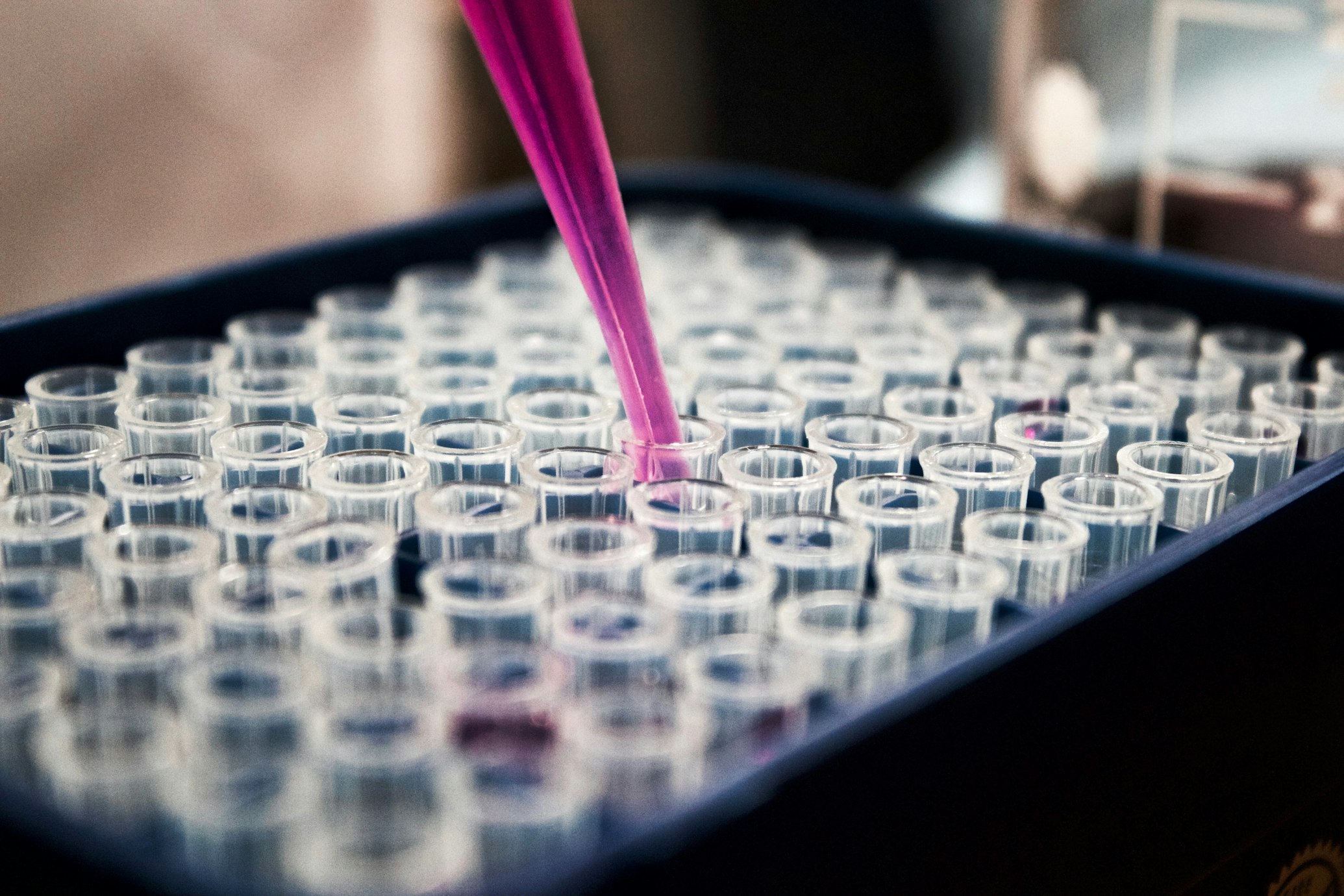
Visualization of kidney filtration system showing podocytes and their foot processes.
Limited Regeneration Capacity
What makes podocytes particularly vulnerable is their limited capacity for regeneration. Unlike many other cells in the body that can readily divide and replace damaged counterparts, podocytes are largely terminally differentiated, meaning they have limited ability to proliferate and replace themselves once injured or lost .
Mapping a Scientific Revolution: The Podocyte Research Landscape
The growing recognition of podocytes' central role in diabetic kidney disease has triggered a substantial research effort over the past quarter-century. A comprehensive analysis of scientific publications reveals telling trends about how this field has evolved 1 5 .
3,239
Research papers published on podocytes in diabetic nephropathy since 2000
69
Countries contributing to podocyte research
12,086
Researchers involved in advancing the field
Global Research Contributions in Podocyte-Diabetic Nephropathy Research (2000-2024)
| Country | Publication Count | Percentage of Total | Citations Per Publication |
|---|---|---|---|
| China | 1,446 | 44.64% | 25.33 |
| USA | 790 | 24.39% | 62.23 |
| Japan | 289 | 8.92% | 44.22 |
| Germany | 257 | 7.93% | 65.65 |
| United Kingdom | 146 | 4.51% | 54.18 |
Research Evolution Timeline
2000-2006: Slow Development
Fewer than 50 publications annually as the field established foundational knowledge.
2007-2013: Rapid Growth
Accelerated research output as technological advances enabled deeper investigation.
2014-Present: Exponential Expansion
Peak research activity in 2021 with focus on autophagy, mitochondrial dysfunction, and epigenetics.
Unraveling the Molecular Drama: Key Mechanisms of Podocyte Injury
Through systematic analysis of numerous studies, researchers have identified several interconnected mechanisms through which high glucose levels inflict damage on podocytes. A comprehensive review of 130 studies published in 2025 synthesized these findings into five reproducible pillars of podocyte injury in diabetic nephropathy 3 .
Major Mechanisms of Podocyte Injury in Diabetic Nephropathy
| Mechanism Category | Key Components | Consequences for Podocytes |
|---|---|---|
| Structural Disruption | Nephrin, podocin, integrins | Foot process effacement, detachment from GBM |
| Metabolic Imbalance | mTOR, autophagy, ER stress | Accumulation of damaged proteins and organelles |
| Oxidative Stress | Mitochondrial dysfunction, ROS, cholesterol accumulation | Energy crisis, structural damage, apoptosis |
| Inflammation | NLRP3 inflammasome, complement activation | Inflammatory signaling, cell death |
| Genetic Reprogramming | Epigenetic modifications, transcriptomic changes | Altered gene expression, persistent dysfunction |
A Closer Look at a Scientific Breakthrough: The OTUD5 Discovery
To understand how podocyte research progresses from concept to breakthrough, let's examine a landmark study published in Nature Communications in 2024 that identified a protective protein called OTUD5 and elucidated its mechanism of action 9 .
The Methodology: A Multi-Step Detective Story
- Discovery Phase: RNA sequencing on mouse podocyte cells exposed to high glucose
- Validation in Human Tissue: Examination of kidney biopsies from diabetic patients
- Genetic Manipulation Models: Podocyte-specific OTUD5 knockout mice
- Therapeutic Intervention: Gene therapy to overexpress OTUD5
- Mechanistic Investigation: Identification of OTUD5 interaction with TAK1 protein
Results and Analysis: Connecting the Dots
-
Diabetic mice lacking OTUD5 developed more severe kidney damage with higher albuminuria
-
Restoring OTUD5 levels improved podocyte injury and kidney function
-
OTUD5 deubiquitinates TAK1, preventing activation of inflammatory pathways
-
This mechanism reduces podocyte inflammation and injury
Key Findings from the OTUD5 Study
| Experimental Approach | Major Finding | Significance |
|---|---|---|
| Human tissue analysis | OTUD5 decreased in diabetic glomeruli | Validated clinical relevance |
| Knockout mouse models | OTUD5 deficiency worsened diabetic kidney damage | Established protective role |
| Gene therapy | OTUD5 overexpression improved podocyte injury | Suggested therapeutic potential |
| Mechanistic studies | OTUD5 deubiquitinates TAK1, reducing inflammation | Elucidated molecular pathway |
The Scientist's Toolkit: Key Research Reagents and Methods
Human Podocyte Cell Cultures
Specialized cells for studying podocyte behavior under controlled conditions
Animal Models
Diabetic mouse models to study podocyte injury in living organisms
Immunofluorescence Microscopy
Visualizing protein distribution and abundance within podocytes
RNA Interference
Selectively "knocking down" genes to study their function
Future Directions and Therapeutic Horizons
As research continues to unravel the complexities of podocyte injury, several promising therapeutic strategies are emerging:
SGLT2 Inhibitors
Originally developed as glucose-lowering drugs, medications like dapagliflozin have demonstrated remarkable protective effects on podocytes that extend beyond their blood sugar-lowering capabilities 8 .
Mechanism: Help maintain cholesterol balance in podocytes by regulating the ABCA1 signaling pathway, reducing podocyte apoptosis and cytoskeleton damage 8 .
Traditional Medicine Compounds
Interesting research has identified active compounds in traditional medicines, such as Poricoic acid A from Poria cocos, that show potential for protecting podocytes and slowing the progression of diabetic kidney disease 5 .
Epigenetic Therapies
With the growing recognition of epigenetic factors in podocyte injury, researchers are exploring therapies that target these modifications.
Example: Inhibiting the FTO protein (an m6A RNA demethylase) has shown promise for reducing podocyte injury by modulating fatty acid metabolism 7 .
Holistic Integrated Approaches
The future of diabetic kidney disease management appears to be shifting toward multimodal strategies that combine SGLT2 inhibitors with other protective agents, potentially including compounds derived from traditional medicine, to provide comprehensive protection for podocytes 5 .
Technological Advances
The field of podocyte research continues to evolve at a remarkable pace, with new technologies like single-cell RNA sequencing and advanced proteomics offering unprecedented insights into the molecular intricacies of these fascinating cells.
Conclusion
From humble beginnings with fewer than 50 publications annually in the early 2000s to a booming field producing hundreds of papers each year, podocyte research has transformed our understanding of diabetic kidney disease 1 . What was once considered primarily a vascular complication is now recognized as a complex cellular disorder involving multiple injury mechanisms converging on these vulnerable glomerular guardians.
The bibliometric analysis of this field reveals a dynamic, rapidly evolving area of science with distinct phases of growth and shifting focus areas 1 5 . As research methodologies have become more sophisticated, our understanding has progressed from describing structural changes to elucidating intricate molecular pathways involving autophagy, epigenetics, inflammasome activation, and metabolic dysregulation 3 .
The Future is Promising
The identification of specific therapeutic targets like OTUD5 and the unexpected protective effects of drugs like SGLT2 inhibitors on podocytes highlight the translational potential of this research 8 9 .
As we continue to unravel the complexities of podocyte biology in health and disease, the prospect of developing targeted therapies that can protect these vital cells and prevent the progression of diabetic kidney disease appears increasingly within reach.
The silent guardians of our filtration system, long overlooked, have finally stepped into the spotlight, offering new hope in the battle against one of diabetes' most devastating complications.