Saliva Epigenetics: Revolutionizing Early Cancer Detection with Non-Invasive Biomarkers
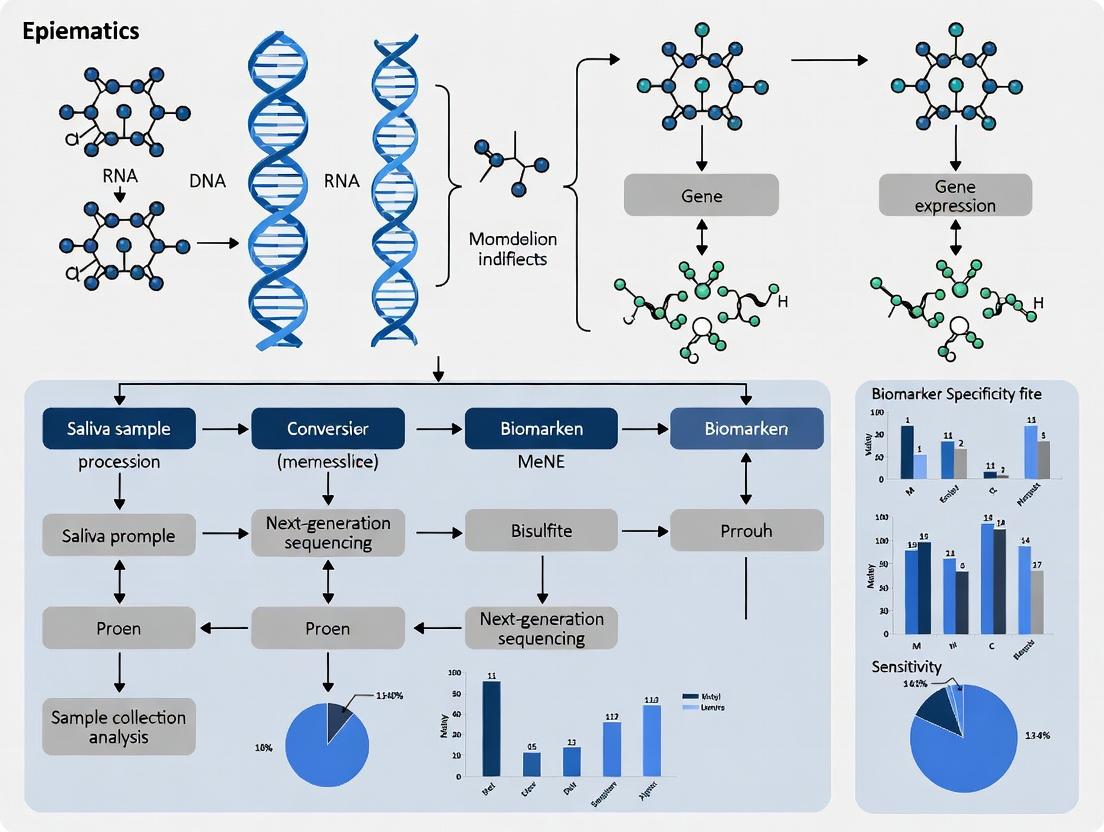
This article provides a comprehensive review for researchers and drug development professionals on the emerging field of saliva-based epigenetic biomarkers for cancer detection.
Saliva Epigenetics: Revolutionizing Early Cancer Detection with Non-Invasive Biomarkers
Abstract
This article provides a comprehensive review for researchers and drug development professionals on the emerging field of saliva-based epigenetic biomarkers for cancer detection. We explore the foundational science linking salivary epigenetics to oncogenesis, detail current methodological approaches for biomarker discovery and assay development, address critical challenges in standardization and optimization, and present a comparative analysis of validation studies and clinical performance against established methods. The synthesis offers a roadmap for translating salivary epigenetic signatures into robust, clinically deployable diagnostic tools.
The Science of Saliva: Unveiling the Epigenetic Link to Systemic Oncology
Liquid biopsies represent a paradigm shift in oncology diagnostics, enabling the minimally invasive detection and monitoring of cancer through the analysis of circulating biomarkers in biofluids. Traditional liquid biopsies primarily focus on blood (plasma/serum), analyzing circulating tumor cells (CTCs), circulating tumor DNA (ctDNA), extracellular vesicles (EVs), and other analytes. However, the collection of blood is invasive, requires trained personnel, and presents logistical challenges for frequent monitoring.
Saliva emerges as a compelling alternative diagnostic medium. The rationale is supported by a robust molecular exchange between systemic circulation and the oral cavity. Tumor-derived biomarkers, including cell-free nucleic acids (cfDNA, cfRNA, miRNA), proteins, and metabolites, are transported into saliva via transudation through the gingival crevice, secretion from major and minor salivary glands, and passive diffusion. This is particularly significant for head and neck, lung, and gastrointestinal cancers, where the primary tumor is in proximity to the oral cavity. For a thesis focused on saliva-based epigenetic biomarkers for cancer detection, saliva offers a stable matrix for epigenetic modifications such as DNA methylation, histone modifications, and non-coding RNA expression, which are hallmarks of oncogenesis.
Table 1: Comparative Analysis of Diagnostic Biofluids
| Feature | Blood (Plasma/Serum) | Saliva | Urine |
|---|---|---|---|
| Invasiveness | Invasive (venipuncture) | Non-invasive | Non-invasive |
| Collection Ease | Requires phlebotomist | Simple self-collection | Simple self-collection |
| Cost per Sample | High (~$50-100) | Very Low (<$5) | Low (~$10) |
| Patient Compliance | Moderate for serial draws | Very High | High |
| Primary Biomarkers | ctDNA, CTCs, EVs, proteins | cfDNA, cfRNA, miRNAs, microbes, metabolites | cfDNA, proteins, metabolites |
| Volume Typically Obtained | 10-20 mL | 1-5 mL | 50-100 mL |
| Stability at Room Temp | Low (hours) | Moderate (24-48h with preservatives) | Low (hours) |
Salivary Biomarker Classes and Epigenetic Focus
Saliva contains a rich repertoire of biomarkers. For epigenetic research, the most salient are:
- Cell-Free DNA (cfDNA): Genomic DNA fragments, including tumor-derived ctDNA, released into biofluids via apoptosis, necrosis, and active secretion. Salivary cfDNA concentration ranges from 1-100 ng/mL, influenced by oral health and systemic disease.
- DNA Methylation: The covalent addition of a methyl group to cytosine in CpG dinucleotides is a stable, cancer-specific epigenetic mark. Hypermethylation of tumor suppressor gene promoters is a key early event in carcinogenesis.
- Non-Coding RNAs (ncRNAs): MicroRNAs (miRNAs) and long non-coding RNAs (lncRNAs) regulate gene expression post-transcriptionally. Their dysregulated expression profiles in saliva are strongly associated with cancer presence and progression.
- Extracellular Vesicles (EVs): Salivary exosomes and microvesicles carry molecular cargo (proteins, nucleic acids, lipids) from parent cells, protecting them from degradation and offering a snapshot of the cell of origin.
Table 2: Key Salivary Epigenetic Biomarkers in Cancer Research
| Biomarker Class | Example Targets | Associated Cancer(s) | Typical Salivary Concentration/Level |
|---|---|---|---|
| Methylated DNA | RASSF1A, p16, DAPK, MGMT | Oral Squamous Cell Carcinoma (OSCC), Lung, Pancreatic | Varies; detection is presence/absence or % methylation (e.g., >10% considered positive) |
| miRNAs | miR-21, miR-31, miR-200a, miR-125a | OSCC, Breast, Esophageal | Quantifiable via qPCR; fold-change vs. healthy controls (e.g., miR-21 ↑ 5-10 fold in OSCC) |
| lncRNAs | HOTAIR, MALAT1, PVT1 | OSCC, Pancreatic | Quantifiable via qPCR; expression levels correlated with tumor stage. |
| Histone Modifications | H3K9me3, H3K27ac | OSCC (in salivary EVs) | Detected via immunoassays; relative abundance changes. |
Detailed Experimental Protocols
Protocol 3.1: Saliva Collection, Stabilization, and cfDNA Isolation
Title: Standardized Protocol for Pre-Analytical Processing of Saliva for cfDNA Analysis
Principle: To obtain high-quality, degradation-free salivary cfDNA suitable for downstream epigenetic assays (e.g., bisulfite conversion, PCR, sequencing).
Materials (Research Reagent Solutions):
- Saliva Collection Device: SalivaBio Oral Swab (Salimetrics) or Oragene•RNA/DNA kit (DNA Genotek). Function: Standardizes collection volume and immediately mixes saliva with preservation buffer.
- Protease Inhibitor Cocktail (PIC): e.g., cOmplete, EDTA-free (Roche). Function: Inhibits endogenous proteases that degrade proteins and nucleases.
- DNase/RNase-Free Tubes and Tips.
- cfDNA Isolation Kit: QIAamp Circulating Nucleic Acid Kit (Qiagen) or MagMAX Cell-Free DNA Isolation Kit (Thermo Fisher). Function: Efficiently binds and purifies short-fragment cfDNA from complex biofluids.
- Quantification Instrument: Qubit 4 Fluorometer with dsDNA HS Assay Kit (Thermo Fisher). Function: Accurately quantifies low-concentration cfDNA.
Procedure:
- Collection: Instruct donor not to eat, drink, or smoke for at least 60 minutes prior. Collect 2-5 mL of unstimulated saliva via passive drooling into a sterile tube containing 500 µL of preservation buffer and 1x PIC, or use a commercial collection kit per manufacturer's instructions.
- Processing: Centrifuge collected saliva at 2,600 x g for 15 minutes at 4°C. Carefully transfer the supernatant (cell-free saliva) to a new tube without disturbing the pellet (cells, debris).
- Secondary Clearance: Centrifuge the supernatant at 16,000 x g for 10 minutes at 4°C. Transfer the final clarified supernatant to a fresh tube.
- cfDNA Isolation: Use the clarified supernatant as input for the chosen cfDNA isolation kit. Follow the manufacturer's protocol precisely. Elute DNA in a small volume (20-50 µL) of provided elution buffer or 10 mM Tris-HCl (pH 8.5).
- Quantification & QC: Quantify cfDNA using the Qubit dsDNA HS assay. Assess fragment size distribution using a High Sensitivity DNA kit on a Bioanalyzer (Agilent) or TapeStation.
Protocol 3.2: Bisulfite Conversion and Methylation-Specific qPCR (MS-qPCR)
Title: Detection of Gene-Specific Methylation in Salivary cfDNA
Principle: Sodium bisulfite converts unmethylated cytosines to uracil, while methylated cytosines remain unchanged. Subsequent PCR with primers specific to the methylated sequence allows for detection.
Materials:
- Bisulfite Conversion Kit: EZ DNA Methylation-Gold Kit (Zymo Research). Function: Efficiently converts DNA while minimizing degradation.
- Methylation-Specific Primers: Designed to span CpG sites of interest in the converted DNA.
- qPCR Master Mix: e.g., PowerUp SYBR Green Master Mix (Thermo Fisher).
- Real-Time PCR System.
Procedure:
- Bisulfite Conversion: Input 100-500 ng of salivary cfDNA into the bisulfite conversion kit. Perform conversion per kit instructions (typically: denaturation, incubation with bisulfite reagent, desulphonation, clean-up).
- Primer Design: Design primers that anneal specifically to the bisulfite-converted sequence of the methylated allele. The 3' end should cover at least one CpG site to ensure specificity.
- MS-qPCR Setup: Prepare reactions in triplicate: 10 µL SYBR Green Master Mix, 0.5 µM each forward and reverse methylation-specific primer, 2 µL of bisulfite-converted DNA template, and nuclease-free water to 20 µL.
- Thermocycling: 95°C for 2 min; 40 cycles of 95°C for 15 sec, annealing temp (primer-specific) for 30 sec, 72°C for 30 sec; followed by a melt curve analysis.
- Analysis: Determine Cq values. Use a standard curve from serially diluted, fully methylated control DNA for absolute quantification, or calculate relative methylation levels (ΔΔCq) against a reference gene.
Visualizations
Title: Saliva-Based Epigenetic Analysis Workflow
Title: Origin and Transport of Salivary Cancer Biomarkers
The Scientist's Toolkit: Essential Research Reagents
Table 3: Key Research Reagent Solutions for Salivary Epigenetic Studies
| Item & Example Product | Function in Research | Key Consideration |
|---|---|---|
| Saliva Collection/Preservation Kit (Oragene•DNA, DNA Genotek) | Stabilizes nucleic acids at point of collection, prevents degradation, standardizes input. | Choice depends on analyte (DNA vs. RNA vs. both). Critical for off-site or cohort studies. |
| cfDNA Isolation Kit (QIAamp CNA Kit, Qiagen) | Purifies short-fragment, low-concentration cfDNA from saliva, removing inhibitors. | High recovery efficiency for fragments <200bp is essential for ctDNA. |
| Bisulfite Conversion Kit (EZ DNA Methylation Kit, Zymo) | Converts unmethylated C to U for methylation analysis, maximizes DNA recovery. | Conversion efficiency (>99%) must be validated; kits minimize DNA fragmentation. |
| Methylation-Specific qPCR Assays (PrimePCR Methylation Assays, Bio-Rad) | Predesigned, validated primers/probes for targeted methylation detection. | Reduces optimization time; requires compatibility with bisulfite-converted DNA. |
| Next-Gen Sequencing Kit (Accel-NGS Methyl-Seq, Swift Biosciences) | Library prep for bisulfite-converted DNA for genome-wide methylation profiling. | Allows unbiased discovery but requires significant bioinformatics analysis. |
| Exosome Isolation Reagent (exoRNeasy Serum/Plasma Kit, Qiagen) | Isolves intact EVs/exosomes from saliva for cargo analysis (miRNA, methylated DNA). | Preserves vesicle integrity; co-isolation of non-vesicular contaminants is a challenge. |
| MicroRNA cDNA Synthesis Kit (TaqMan Advanced miRNA cDNA Kit, Thermo Fisher) | Converts mature miRNAs to cDNA for highly sensitive qPCR detection. | Polyadenylation and reverse transcription steps are optimized for short RNAs. |
This document provides application notes and protocols for investigating the origins of salivary epigenetic signals, a critical component of a broader thesis focused on developing saliva-based epigenetic biomarkers for early cancer detection. Saliva contains cell-free DNA (cfDNA), microRNAs (miRNAs), and proteins carrying epigenetic modifications (e.g., DNA methylation, histone variants) that originate from both systemic (blood-derived) and local (oral tissue-derived) sources. Disentangling these origins is essential for validating the specificity of salivary epigenetic signatures for malignancies.
Current Understanding of Signal Origins
Salivary epigenetic signals are contributed via two primary pathways:
- Transudation from Blood: Molecules, particularly cfDNA and nucleosomes, passively diffuse or actively transport from blood capillaries into salivary glands via the paracellular or transcellular routes. This fraction carries systemic information, including from distant tumors.
- Local Secretion and Shedding: Oral mucosal cells, immune cells within the oral cavity, and the salivary glands themselves release epigenetic material through exocytosis, apoptosis, and necrosis. This fraction provides information on local oral health and immune status.
Recent studies indicate that in healthy individuals, the majority of salivary cfDNA originates from local oral leukocytes, while in certain systemic conditions (e.g., pancreatic cancer), the proportion of tumor-derived, blood-originated cfDNA in saliva increases.
Table 1: Estimated Contribution of Sources to Salivary Epigenetic Analytes in Healthy vs. Cancer States
| Analyte | Predominant Source in Healthy State | Estimated % Contribution (Healthy) | Notable Shift in Cancer (e.g., Pancreatic) | Key Epigenetic Marks Investigated |
|---|---|---|---|---|
| Cell-free DNA (cfDNA) | Local oral epithelial cells & leukocytes | 70-90% Local, 10-30% Systemic | Increase in systemic fraction; Tumor-derived cfDNA detectable. | DNA methylation (e.g., SEPT9, SHOX2), Fragmentomics |
| MicroRNAs (miRNAs) | Salivary gland epithelial cells | ~60% Local, ~40% Systemic (exosome-mediated) | Alteration in miRNA profiles (e.g., miR-21, miR-155) from both sources. | N/A (miRNA expression is regulatory) |
| Nucleosomes / Histones | Apoptotic cells (local and systemic) | Data limited; presumed mixed origin | Changes in histone modification patterns (e.g., H3K9me3, H3K27ac). | Histone modifications, Histone variants |
| Extracellular Vesicles (EVs) | Diverse local and systemic cell types | Highly heterogeneous | Increased EV count; altered cargo (e.g., tumor-suppressor miRNA methylation). | Methylated DNA within EVs, histone cargos |
Table 2: Performance of Selected Salivary Epigenetic Biomarkers in Cancer Detection
| Candidate Biomarker (Target) | Cancer Type | Proposed Major Origin in Saliva | Reported Sensitivity | Reported Specificity | Detection Method |
|---|---|---|---|---|---|
| Methylated SEPT9 | Colorectal | Systemic (Tumor-derived cfDNA) | 60-75% | 90-99% | qMSP, ddPCR |
| Methylated SHOX2 | Lung | Systemic (Tumor-derived cfDNA) | 60-80% | 90-95% | qMSP |
| miR-21 & miR-31 | Oral Squamous Cell Carcinoma | Local (Tumor microenvironment) | 80-90% | 80-85% | RT-qPCR, Sequencing |
| LINE-1 Hypomethylation | Head and Neck | Mixed (Local & Systemic) | 70-80% | ~75% | Pyrosequencing, ELISA |
Experimental Protocols
Protocol 4.1: Differential Collection of Saliva Fractions for Origin Analysis
Objective: To physically separate saliva components enriched for local vs. systemic signals. Materials: Saliva collection kits (e.g., Oragene•RNA, DNAgard), sterile cytology brushes, low-speed centrifuge, 0.8 µm filters. Procedure:
- Whole Saliva Collection: Collect 2-5 mL of unstimulated saliva in a preservative-containing tube.
- Gland-Specific Secretion (Local Enrichment): Use a Schirmer test strip or Carlson-Crittenden cup to collect parotid or submandibular/sublingual saliva directly from gland ducts.
- Cell-Free vs. Cellular Fraction Separation: a. Centrifuge whole saliva at 2,600 x g for 15 min at 4°C. b. Transfer the supernatant (cell-free saliva, containing transudated and locally secreted vesicles) to a new tube. c. The pellet contains exfoliated oral epithelial cells and leukocytes (primarily local origin). Wash pellet with PBS.
- Extracellular Vesicle (EV) Isolation (from Supernatant): Filter supernatant through a 0.8 µm filter. Use precipitation reagent (e.g., ExoQuick) or size-exclusion chromatography to isolate EVs, which may carry both local and systemic signals.
- Storage: Store all fractions at -80°C.
Protocol 4.2: Bisulfite Conversion & Quantitative Methylation-Specific PCR (qMSP) for cfDNA
Objective: To detect and quantify low-abundance, tumor-specific methylated DNA in salivary cfDNA. Materials: cfDNA extraction kit (e.g., QIAamp Circulating Nucleic Acid Kit), EZ DNA Methylation-Lightning Kit, target-specific MSP primers/probes, real-time PCR system. Procedure:
- cfDNA Extraction: Extract cfDNA from 1-2 mL of cell-free saliva supernatant using a silica-membrane column protocol. Elute in 20-30 µL.
- Bisulfite Conversion: Treat eluted cfDNA (up to 20 µL) with the Lightning Kit. This converts unmethylated cytosine to uracil, while methylated cytosine remains unchanged.
- qMSP Setup: Design primers/probes specific for the bisulfite-converted sequence of the methylated target (e.g., SEPT9). Include a control gene (e.g., ACTB) to assess total DNA input.
- Reaction Mix: 10 µL 2x TaqMan Master Mix, 0.9 µM each primer, 0.25 µM probe, 3 µL bisulfite-converted DNA template. Nuclease-free water to 20 µL.
- qPCR Cycling: 95°C for 10 min; 50 cycles of 95°C for 15 sec and 60°C for 1 min (data acquisition).
- Analysis: Use the ΔΔCq method relative to a standard curve of methylated control DNA to calculate the methylation ratio or copies/mL.
Protocol 4.3: xCELLigence Real-Time Cell Analysis for Transudation Modeling
Objective: To model the passive transudation of epigenetic material from blood to saliva in vitro. Materials: xCELLigence RTCA system, CIM-Plate 16, human salivary gland cell line (e.g., HSY), endothelial cell line (e.g., HUVEC), fetal bovine serum (FBS), fluorescently-labelled nucleosomes or cfDNA. Procedure:
- Cell Seeding: Seed salivary gland cells in the lower chamber of the CIM-Plate. Grow endothelial cells on the upper chamber membrane to form a barrier.
- Barrier Integrity Monitoring: Use the RTCA system to monitor the Electrical Cell-substrate Impedance (ECIS) in real-time until a stable endothelial barrier is formed (typically >24h).
- Tracer Introduction: Add fluorescently-labelled nucleosomes or size-defined cfDNA fragments to the upper chamber (representing the "blood" side).
- Transudation Measurement: Monitor impedance continuously and sample from the lower chamber ("saliva" side) at intervals (e.g., 1, 2, 4, 8h).
- Quantification: Measure fluorescence or use qPCR for specific labelled sequences in the lower chamber samples to quantify the rate of transudation under different conditions (e.g., inflammation mimetics).
Diagrams
The Scientist's Toolkit: Research Reagent Solutions
Table 3: Essential Materials for Salivary Epigenetic Origin Studies
| Item | Function & Relevance | Example Product(s) |
|---|---|---|
| Saliva Collection & Stabilization Kits | Preserve nucleic acids and protein integrity at point-of-collection; inhibit degradation. Critical for accurate downstream epigenetic analysis. | Oragene•DNA/RNA, DNAgard Saliva, Salimetrics Saliva Collection Aid. |
| Cell-Free DNA Extraction Kits | Optimized for low-concentration, fragmented cfDNA from saliva supernatant. High recovery is essential. | QIAamp Circulating Nucleic Acid Kit, MagMAX Cell-Free DNA Isolation Kit. |
| Extracellular Vesicle Isolation Kits | Isolate exosomes and microvesicles from saliva to analyze packaged epigenetic cargo (methylated DNA, miRNAs, histones). | ExoQuick ULTRA, Total Exosome Isolation Kit, qEV size-exclusion columns. |
| Bisulfite Conversion Kits | Convert DNA for methylation analysis. High conversion efficiency is vital for low-input salivary cfDNA. | EZ DNA Methylation-Lightning Kit, MethylEdge Bisulfite Conversion System. |
| Methylation-Specific qPCR Assays | Sensitive detection/quantification of specific methylated loci (e.g., SEPT9) in bisulfite-converted DNA. | TaqMan Methylation Assays, ddPCR Methylation Assay Probes. |
| Next-Gen Sequencing Library Prep Kits | For genome-wide methylation (e.g., Whole-Genome Bisulfite Seq) or fragmentomic analysis of salivary cfDNA. | Swift Accel-NGS Methyl-Seq, Illumina Infinium MethylationEPIC BeadChip. |
| Histone Extraction Kits | Acid-based extraction of histones from salivary cellular pellets or EVs for modification analysis. | EpiQuik Total Histone Extraction Kit, Abcam Histone Extraction Kit. |
| Digital PCR Systems | Absolute quantification of rare methylated alleles or miRNA copies in complex salivary background. | Bio-Rad QX200 Droplet Digital PCR, QuantStudio Absolute Q Digital PCR. |
1. Introduction: Saliva as a Liquid Biopsy Matrix for Epigenetic Profiling
Within the thesis framework of saliva-based cancer detection, this application note details the three principal epigenetic modifications of interest: DNA methylation, histone variants, and microRNA (miRNA). Saliva contains cell-free nucleic acids and exosomes shed from oral and systemic tumors, offering a non-invasive reservoir for biomarker discovery. Coordinated dysregulation of these epigenetic marks drives tumorigenesis and can be robustly detected in saliva, presenting a powerful diagnostic opportunity.
2. Core Epigenetic Modifications: Quantitative Summary
Table 1: Key Epigenetic Modifications in Saliva for Major Cancers
| Cancer Type | Key DNA Methylation Biomarkers (in saliva) | Relevant Histone Variant Alterations | Dysregulated Salivary miRNAs (Examples) | Typical Detection Sensitivity in Saliva Studies |
|---|---|---|---|---|
| Oral Squamous Cell Carcinoma (OSCC) | CDKN2A/p16, MGMT, DAPK, TIMP3 hypermethylation | H2A.Z upregulation, macroH2A downregulation | miR-21 ↑, miR-31 ↑, miR-184 ↑, miR-375 ↓ | 70-92% (for panels of 3-5 methylated markers) |
| Pancreatic Ductal Adenocarcinoma (PDAC) | CD1D, NPTX2, TFPI2 hypermethylation | H3.3 mutations, H2A.J accumulation | miR-21 ↑, miR-155 ↑, miR-196a ↑, let-7 ↓ | 75-90% (when combined with mutant KRAS) |
| Breast Cancer | RASSF1A, RARβ, GSTP1 hypermethylation | H2A.X phosphorylation (γH2AX) increase | miR-21 ↑, miR-155 ↑, miR-145 ↓, miR-200c ↓ | 65-85% (for methylation-based assays) |
| Lung Cancer | RASSF1A, p16, DAPK, RARβ hypermethylation | CENP-A (CENH3) overexpression | miR-21 ↑, miR-210 ↑, miR-486-5p ↓ | 72-88% (for multi-modal epigenetic panels) |
| Prostate Cancer | GSTP1, APC, RARβ2 hypermethylation | H3.3 replacement, H2A.Z.2.2 isoform shift | miR-141 ↑, miR-375 ↑, miR-21 ↑ | 60-80% (specificity >90% for GSTP1 methylation) |
3. Detailed Experimental Protocols
Protocol 3.1: Isolation of Cell-Free DNA and Exosomes from Saliva for Multi-Omic Analysis
Reagents & Equipment: Saliva collection kit (e.g., Oragene•RNA, DNA Genotek), RNase/DNase-free tubes, Phosphate-Buffered Saline (PBS), Protease Inhibitor Cocktail, ExoQuick Exosome Precipitation Solution (SBI) or qEV size-exclusion columns (Izon), QIAamp Circulating Nucleic Acid Kit (Qiagen), microBCA Protein Assay Kit, NanoDrop spectrophotometer, Tabletop ultracentrifuge.
Procedure:
- Saliva Collection & Processing: Collect 2-5 mL of unstimulated saliva in a stabilizing collection kit. Centrifuge at 2,600 x g for 15 min at 4°C to pellet cells and debris. Transfer supernatant to a new tube.
- Exosome Isolation (Precipitation Method): a. Add 1 volume of ExoQuick solution to 4 volumes of clarified supernatant. Mix by inversion and incubate overnight at 4°C. b. Centrifuge at 1,500 x g for 30 min at 4°C. Discard supernatant; the exosome pellet appears as a beige or white precipitate. c. Resuspend exosome pellet in 100-200 µL of sterile PBS. Aliquot for downstream RNA/protein analysis.
- Cell-Free DNA (cfDNA) Isolation: Use the supernatant from step 1 before exosome precipitation, or the supernatant from step 2b. Process using the QIAamp Circulating Nucleic Acid Kit per manufacturer's instructions. Elute DNA in 30-50 µL of AVE buffer.
- Quality Control: Quantify cfDNA using a fluorometric assay (e.g., Qubit dsDNA HS Assay). Assess exosome yield via total protein (microBCA assay) and validate by western blot for markers (CD63, TSG101).
Protocol 3.2: Bisulfite Conversion and Quantitative Methylation-Specific PCR (qMSP) for Salivary cfDNA
Reagents & Equipment: EZ DNA Methylation-Lightning Kit (Zymo Research), PCR-grade water, primers for methylated and unmethylated sequences, PCR master mix (e.g., EpiTect MSP Kit, Qiagen), Real-Time PCR system.
Procedure:
- Bisulfite Conversion: Treat 200-500 ng of salivary cfDNA using the EZ DNA Methylation-Lightning Kit. This converts unmethylated cytosines to uracil, while methylated cytosines remain unchanged.
- Primer Design: Design primers that specifically anneal to the bisulfite-converted sequence of the methylated (or unmethylated) allele. Amplicons should be short (<150 bp) due to fragmented cfDNA.
- qMSP Setup: Prepare reactions in duplicate for each sample and control (fully methylated/ unmethylated DNA). Use a master mix containing SYBR Green or a TaqMan probe specific for the methylated sequence.
- Thermal Cycling: Standard conditions: 95°C for 10 min, followed by 45 cycles of 95°C for 15 sec and 60°C for 1 min (annealing/extension). Include a melt curve analysis for SYBR Green assays.
- Data Analysis: Calculate the methylation level using the comparative ΔΔCt method relative to a reference gene (e.g., ACTB) and normalized to the methylated control.
Protocol 3.2: Isolation and Profiling of Salivary Exosomal miRNA
Reagents & Equipment: Isolated exosomes (Protocol 3.1), miRNeasy Micro Kit (Qiagen), miRCURY LNA RT Kit (Qiagen), miRCURY LNA SYBR Green PCR Kit, universal cDNA synthesis kit, miRNA-specific LNA PCR primers.
Procedure:
- miRNA Extraction: Add QIAzol lysis reagent directly to resuspended exosomes. Proceed with total RNA extraction using the miRNeasy Micro Kit, including DNase digestion. Elute in 14 µL RNase-free water.
- cDNA Synthesis: Perform polyadenylation and reverse transcription using the miRCURY LNA RT Kit. Use a fixed volume of RNA eluate (e.g., 8 µL) in a 20 µL reaction.
- qPCR Amplification: Dilute cDNA and perform qPCR using miRNA-specific LNA primers and SYBR Green master mix. Include spike-in controls (e.g., cel-miR-39) for normalization.
- Data Analysis: Use the ΔΔCt method. Normalize Ct values to a combination of stable endogenous salivary miRNAs (e.g., miR-191-5p, miR-16-5p) and spike-in controls.
4. Visualization of Pathways and Workflows
Diagram 1: Epigenetic Crosstalk in Saliva Biomarker Research
Diagram 2: Saliva Epigenetic Biomarker Detection Workflow
5. The Scientist's Toolkit: Research Reagent Solutions
Table 2: Essential Reagents for Saliva-Based Epigenetic Cancer Research
| Reagent / Kit | Primary Function | Key Application in Protocols |
|---|---|---|
| Oragene•RNA or •DNA (DNA Genotek) | Stabilizes saliva nucleic acids at collection, prevents degradation. | Saliva collection and initial stabilization (Protocol 3.1). |
| ExoQuick (SBI) / qEV columns (Izon) | Precipitates or size-selects extracellular vesicles from biofluids. | Isolation of exosomes from clarified saliva (Protocol 3.1). |
| QIAamp Circulating Nucleic Acid Kit (Qiagen) | Purifies short-fragment, low-concentration cfDNA from liquid biopsies. | Isolation of high-quality cfDNA from saliva supernatant (Protocol 3.1). |
| EZ DNA Methylation-Lightning Kit (Zymo) | Rapid, efficient bisulfite conversion of DNA for methylation analysis. | Converting salivary cfDNA for qMSP analysis (Protocol 3.2). |
| miRNeasy Micro Kit (Qiagen) | Purifies total RNA, including small RNAs (<18 nt), from limited samples. | Extraction of miRNA from exosomes or whole saliva (Protocol 3.3). |
| miRCURY LNA RT Kit & PCR System (Qiagen) | Provides superior sensitivity and specificity for miRNA detection via Locked Nucleic Acid technology. | cDNA synthesis and qPCR for salivary miRNAs (Protocol 3.3). |
| EpiTect MSP Kit (Qiagen) | Optimized pre-mix for methylation-specific PCR. | Performing qMSP assays on bisulfite-converted DNA (Protocol 3.2). |
| Recombinant Proteinase K | Digests proteins and nucleases during nucleic acid isolation. | Essential for lysis of exosomes and nucleoprotein complexes. |
| RNase/DNase Inhibitors | Protects against nucleic acid degradation during processing. | Added to saliva samples or lysis buffers post-collection. |
| Synthetic Spike-in Controls (e.g., cel-miR-39, unmethylated DNA) | Controls for extraction efficiency and PCR inhibition. | Normalization and quality control across all protocols. |
Oncogenic Pathways and Their Epigenetic Footprints Detectable in Oral Fluids
Within the broader thesis on saliva-based epigenetic biomarkers for cancer detection, this document focuses on mapping key oncogenic pathways active in oral and oropharyngeal cancers to their resultant epigenetic alterations—specifically DNA methylation changes—that are shed into oral fluids. These non-invasive biomarkers offer potential for early detection, monitoring, and therapeutic targeting. The following application notes and protocols detail the experimental approaches for identifying and validating these footprints.
Application Notes: Key Pathways and Associated Methylation Biomarkers
Oncogenic pathway dysregulation leads to predictable, stable epigenetic signatures. Saliva and oral rinses can capture cell-free DNA (cfDNA) and exosomal DNA bearing these marks from tumor cells shed into the oral cavity.
Table 1: Major Oncogenic Pathways and Their Epigenetic Footprints in Oral Fluids
| Oncogenic Pathway | Core Dysregulated Genes/Components | Associated Epigenetic Footprint (DNA Methylation) | Reported Sensitivity/Specificity in Salivary DNA | Potential Clinical Utility |
|---|---|---|---|---|
| p53/RB Tumor Suppressor | CDKN2A (p16), RASSF1A, DAPK1 | Hypermethylation of promoter regions | CDKN2A: 32-47% sensitivity, >90% specificity in HNSCC detection | Early detection, risk stratification |
| Wnt/β-Catenin | WIF1, SFRP1, SFRP2, DKK1 | Frequent promoter hypermethylation of antagonists | Panel (WIF1, SFRP1, SFRP2): Up to 70% detection in OSCC serum/saliva studies | Monitoring for recurrence |
| PI3K/AKT/mTOR | PTEN, PIK3CA | PTEN promoter hypermethylation observed in subset of cases | Correlates with advanced stage; quantitative methylation levels predictive | Targeted therapy response biomarker |
| NOTCH Signaling | NOTCH1, NOTCH3 | Hypermethylation of specific ligands/receptors; pattern varies by subtype | Under investigation; detected in cfDNA from oral rinses | Subtype classification |
| Growth Factor (EGFR) | EGFR, STAT3 | Hypomethylation of gene body/enhancer regions correlating with overexpression | Quantitative hypomethylation linked to poor prognosis | Predictor of anti-EGFR therapy need |
Experimental Protocols
Protocol 2.1: Collection and Processing of Oral Fluid for Epigenetic Analysis
Objective: To obtain high-quality, inhibitor-free total DNA including cfDNA and exosomal DNA from oral fluids. Materials: See "Research Reagent Solutions" (Table 2). Procedure:
- Oral Rinse Collection: Have patient rinse mouth vigorously with 10 mL of sterile saline (0.9% NaCl) for 30-60 seconds. Expectorate the rinse into a 50 mL conical tube on ice.
- Initial Processing: Centrifuge the collected sample at 2,500 x g for 10 minutes at 4°C to pellet cellular debris.
- Supernatant Fractionation: Transfer the supernatant to a fresh tube. For cfDNA analysis, proceed to Step 4a. For exosome-enriched DNA, proceed to Step 4b. 4a. cfDNA Isolation: Filter supernatant through a 0.8 µm filter. Use a commercial cfDNA extraction kit (e.g., QIAamp Circulating Nucleic Acid Kit) following manufacturer's instructions. Elute in 20-30 µL of Buffer AVE. 4b. Exosome Isolation: Add 2.5 mL of ExoQuick-TC reagent to 10 mL of supernatant. Incubate overnight at 4°C. Centrifuge at 1,500 x g for 30 minutes. Isolve exosomal DNA from the pellet using a column-based kit with proteinase K digestion.
- DNA Quantification & Quality Control: Quantify DNA using a fluorometric assay (e.g., Qubit dsDNA HS Assay). Assess fragment size distribution using a Bioanalyzer (High Sensitivity DNA kit). Store at -80°C.
Protocol 2.2: Targeted Bisulfite Sequencing for Methylation Analysis
Objective: To quantitatively analyze methylation status of candidate gene panels from salivary DNA. Materials: EZ DNA Methylation-Lightning Kit, PyroMark PCR Kit, Custom Pyrosequencing Assays, Pyrosequencing Instrument. Procedure:
- Bisulfite Conversion: Treat 200-500 ng of salivary DNA using the EZ DNA Methylation-Lightning Kit. Convert unmethylated cytosines to uracil while leaving 5-methylcytosine unchanged.
- PCR Amplification: Design PCR primers specific for bisulfite-converted DNA, avoiding CpG sites. Perform PCR using the PyroMark PCR Kit with the following thermocycling conditions: 95°C for 15 min; 45 cycles of (95°C for 30s, specific Ta for 30s, 72°C for 30s); 72°C for 10 min.
- Pyrosequencing: Prepare single-stranded PCR product per manufacturer's protocol. Load into a PyroMark Q96 cartridge with the appropriate sequencing primer. Run on the Pyrosequencer. Methylation percentage at each CpG site is calculated from the ratio of C/T incorporation peaks.
Protocol 2.3: Genome-Wide Methylation Profiling Using Microarrays
Objective: For discovery-phase identification of novel methylation biomarkers in salivary DNA. Materials: Infinium MethylationEPIC BeadChip Kit, Illumina HiScan System. Procedure:
- Bisulfite Conversion & Amplification: Convert 250 ng salivary DNA (Protocol 2.1). Process using the Infinium HD Methylation Assay. The DNA is fragmented, precipitated, and resuspended.
- Hybridization: Denature the resuspended DNA and hybridize onto the MethylationEPIC BeadChip for 16-20 hours at 48°C. The chip probes target over 850,000 CpG sites.
- Single-Base Extension & Staining: After hybridization, perform a single-base extension with labeled nucleotides. Stain the chip.
- Scanning & Analysis: Scan the BeadChip on the HiScan system. Use bioinformatics software (e.g., GenomeStudio, R/Bioconductor packages minfi) to calculate β-values (0=unmethylated, 1=methylated) for each CpG site.
The Scientist's Toolkit: Research Reagent Solutions
Table 2: Essential Materials for Salivary Epigenetic Analysis
| Item/Category | Example Product | Function |
|---|---|---|
| Oral Collection & Stabilizer | Oragene•RNA/Saliva Collection Kit | Stabilizes nucleic acids at point of collection, inhibits nucleases |
| cfDNA Extraction Kit | QIAamp Circulating Nucleic Acid Kit | Specialized silica-membrane columns optimized for low-concentration, short-fragment cfDNA |
| Exosome Isolation Reagent | ExoQuick-TC (System Biosciences) | Polymer-based precipitation for rapid exosome and associated DNA enrichment |
| Bisulfite Conversion Kit | EZ DNA Methylation-Lightning Kit (Zymo Research) | Fast, efficient conversion of unmethylated cytosine to uracil with minimal DNA degradation |
| Targeted Methylation PCR Kit | PyroMark PCR Kit (Qiagen) | Optimized for bisulfite-converted DNA, hot-start polymerase for specificity |
| Methylation Array | Infinium MethylationEPIC BeadChip (Illumina) | Genome-wide interrogation of >850,000 CpG sites for discovery-phase research |
| DNA Quality Assessment | Agilent High Sensitivity DNA Kit (Bioanalyzer) | Critical for evaluating fragment size distribution and quality of salivary cfDNA |
Visualizations
Title: From Pathway to Saliva Detection Flow
Title: Salivary Methylation Analysis Workflow
This document serves as a focused application note within a broader thesis investigating the clinical utility of saliva as a non-invasive liquid biopsy for cancer detection. The central hypothesis posits that tumor-derived epigenetic alterations, notably DNA methylation and microRNA (miRNA) expression changes, are detectable in saliva, offering a promising route for early diagnosis, monitoring, and prognostic assessment. This note synthesizes current evidence and protocols for four cancer types demonstrating significant promise: Head and Neck Squamous Cell Carcinoma (HNSCC), Lung, Pancreatic, and Breast Cancers.
Table 1: Summary of Current Evidence for Salivary Epigenetic Biomarkers in Selected Cancers
| Cancer Type | Key Epigenetic Targets | Reported Performance (Sensitivity/Specificity/ AUC) | Sample Size (Case/Control) | Primary Salivary Component Analyzed | Key Reference (Example) |
|---|---|---|---|---|---|
| HNSCC | Methylation: CDO1, DCC, DAPK, HOXA9, NID2; miRNA: miR-200a, miR-125a | Up to 90% / 94% / AUC 0.97 (panel-based) | Varies (e.g., 92/92) | Cell-free DNA (cfDNA), Exosomes | Lahiri et al., 2023; Park et al., 2021 |
| Lung Cancer | Methylation: RASSF1A, RARβ2, p16INK4a, MGMT; miRNA: miR-21, miR-210, miR-486-5p | ~80% / 95% / AUC 0.89 (methylation panel) | (e.g., 65/65) | cfDNA, Exosomes | Li et al., 2022; Han et al., 2020 |
| Pancreatic Cancer (PDAC) | Methylation: ADAMTS1, BNC1, CD1D; miRNA: miR-21, miR-155, miR-196a | Up to 95% / 92% / AUC 0.96 (multi-analyte panel) | (e.g., 42/10) | Exosomes, cfDNA | Zhang et al., 2023; Yang et al., 2022 |
| Breast Cancer | Methylation: RASSF1A, GSTP1, RARβ2; miRNA: miR-21, miR-145, let-7a | ~70% / 90% / AUC 0.85 (methylation markers) | (e.g., 30/30) | Exosomal cfDNA, miRNAs | Park et al., 2022; Zhong et al., 2021 |
Detailed Experimental Protocols
Protocol 1: Saliva Collection, Stabilization, and cfDNA Isolation
Title: Standardized Pre-Analytical Workflow for Salivary cfDNA Analysis
Application: Universal first-step protocol for methylation and genetic analyses from saliva.
Materials & Reagents:
- DNA Genotek•Oragene•RNA (OM-501) or •DNA (OG-500) kits (stabilizes nucleic acids at collection).
- Proteinase K.
- Ethanol (100%, 70%).
- Commercial cfDNA isolation kits (e.g., QIAamp Circulating Nucleic Acid Kit, Qiagen).
- Magnetic stand for 1.5/2 mL tubes.
- Elution Buffer (TE, pH 8.0).
Procedure:
- Collection: Donor provides ~2 mL saliva directly into Oragene collection vial. Cap firmly, shake, and incubate at 50°C for 1 hour to inactivate nucleases. Store at -80°C until processing.
- Cell Debris Removal: Centrifuge 2 mL stabilized saliva at 2600 x g for 15 min at 4°C. Transfer supernatant to a new tube.
- cfDNA Precipitation/Binding: Add 40 µL Proteinase K and 1 mL kit lysis buffer to supernatant. Incubate at 60°C for 30 min. Follow kit-specific binding protocol (e.g., add binding buffer and ethanol, apply to column; or add magnetic beads).
- Wash & Elute: Perform two washes with wash buffers. Air-dry column/beads. Elute cfDNA in 30-50 µL Elution Buffer. Quantify via Qubit dsDNA HS Assay.
Protocol 2: Bisulfite Conversion and Quantitative Methylation-Specific PCR (qMSP)
Title: Targeted DNA Methylation Analysis via qMSP
Application: Quantify methylation levels of specific gene promoters (e.g., CDO1, RASSF1A).
Materials & Reagents:
- EZ DNA Methylation-Lightning Kit (Zymo Research).
- Methylation-Specific PCR Primers (Forward/Reverse) for target and control (ACTB).
- Hot-Start Taq DNA Polymerase.
- dNTPs.
- Real-Time PCR System.
- Evagreen or SYBR Green dye.
Procedure:
- Bisulfite Conversion: Use 200-500 ng salivary cfDNA. Perform conversion per Lightning Kit protocol (98°C for 8 min, 54°C for 60 min). Desulfonate, wash, and elute in 10 µL.
- qMSP Setup: Prepare 20 µL reactions per sample: 2 µL converted DNA, 10 µL 2x Master Mix, 0.5 µM each primer. Run in triplicate.
- PCR Cycling: 95°C for 10 min; 45 cycles of 95°C for 15 sec, primer-specific Tm for 30 sec, 72°C for 30 sec with plate read.
- Data Analysis: Calculate ∆Ct = Ct(target) - Ct(ACTB). Use ∆∆Ct method relative to control samples or standard curve from methylated control DNA to determine percentage methylated reference (PMR).
Protocol 3: Salivary Exosome Isolation and miRNA Extraction
Title: Exosome Isolation for miRNA Profiling
Application: Enrich tumor-derived exosomes for miRNA signature analysis (e.g., miR-21, miR-155).
Materials & Reagents:
- ExoEasy Maxi Kit (Qiagen) or Total Exosome Isolation (from saliva) kit (Invitrogen).
- Phosphate-Buffered Saline (PBS).
- miRNeasy Serum/Plasma Kit (Qiagen).
- RNase-free water and tubes.
- Benchtop centrifuge.
Procedure:
- Pre-clearing: Centrifuge 1-2 mL saliva at 3000 x g for 15 min at 4°C. Transfer supernatant and centrifuge at 10,000 x g for 30 min at 4°C. Pass through a 0.8 µm filter.
- Exosome Precipitation/Isolation:
- Polymer-based: Mix pre-cleared saliva 1:1 with isolation reagent. Incubate overnight at 4°C. Centrifuge at 10,000 x g for 60 min. Resuspend pellet in PBS.
- Membrane-affinity: Pass pre-cleared saliva over exosome-binding membrane column. Wash. Elute exosomes in buffer.
- miRNA Extraction: Add Qiazol lysis reagent to isolated exosomes. Follow miRNeasy kit protocol with on-column DNase treatment. Elute in 14 µL RNase-free water.
- Analysis: Quantify miRNA via RT-qPCR using specific stem-loop primers or perform small RNA-seq.
Visualizations
Diagram 1: Salivary Epigenetic Biomarker Discovery Workflow
Diagram 2: Key Signaling Pathways Reflected in Salivary Epigenetic Signatures
The Scientist's Toolkit: Research Reagent Solutions
Table 2: Essential Research Reagents and Kits for Salivary Epigenetic Studies
| Item Name | Supplier (Example) | Primary Function in Workflow |
|---|---|---|
| Oragene•DNA/RNA | DNA Genotek | Stabilizes salivary nucleic acids at point-of-collection, preventing degradation. |
| QIAamp Circulating Nucleic Acid Kit | Qiagen | Isolates high-quality, short-fragment cfDNA from saliva supernatant. |
| EZ DNA Methylation-Lightning Kit | Zymo Research | Rapid, efficient bisulfite conversion of DNA for methylation analysis. |
| ExoEasy Maxi Kit | Qiagen | Membrane-affinity spin column isolation of intact exosomes from saliva. |
| miRNeasy Serum/Plasma Kit | Qiagen | Purification of high-quality small RNAs, including miRNAs, from exosomes/lysates. |
| Methylation-Specific PCR Primers | Integrated DNA Technologies | Sequence-specific primers targeting bisulfite-converted methylated DNA sequences. |
| TaqMan MicroRNA Assays | Thermo Fisher Scientific | Specific reverse transcription and qPCR for quantification of individual miRNAs. |
| Cell-Free DNA Barcoding Kit | NuGEN | Enables preparation of sequencing libraries from low-input salivary cfDNA. |
| Methylated & Unmethylated Human Control DNA | MilliporeSigma | Controls for bisulfite conversion efficiency and qMSP assay calibration. |
| RNase/DNase Inhibitors | Thermo Fisher Scientific | Added to collection buffers or during isolation to preserve nucleic acid integrity. |
From Bench to Clinic: Methodologies for Salivary Epigenomic Analysis and Diagnostic Application
Saliva is a complex biofluid containing cell-free DNA (cfDNA), exosomes, and nucleated cells, all harboring epigenetic information. For cancer detection, particularly for oral, head and neck, and systemic malignancies, salivary epigenetic biomarkers—including DNA methylation, histone modifications, and non-coding RNA profiles—offer a non-invasive diagnostic avenue. The fidelity of this approach is critically dependent on rigorous pre-analytical protocols to preserve the integrity of labile epigenetic marks from point-of-collection to analysis.
Pre-analytical Variables: Impact on Salivary Epigenetic Biomarkers
Pre-analytical variables introduce significant bias and variability, potentially obscuring true biological signals.
Key Variables:
- Collection Method: Unstimulated vs. stimulated saliva, use of Salivette rolls, drool, or specialized collection devices.
- Time to Processing: Delay can lead to leukocyte lysis, bacterial overgrowth, and enzymatic degradation of epigenetic targets.
- Temperature: Ambient temperature accelerates RNA degradation and alters DNA methylation patterns.
- Stabilization Chemistry: Choice of reagent must be compatible with downstream epigenetic assays (e.g., bisulfite conversion, ChIP-seq).
- Patient Factors: Circadian rhythm, diet, oral health, and recent smoking/alcohol use.
Table 1: Impact of Pre-analytical Delays on Salivary Epigenetic Targets
| Target Analyte | Stable at Room Temp (Unstabilized) | Critical Degradation Event | Primary Effect on Cancer Biomarker Detection |
|---|---|---|---|
| cfDNA Methylation | < 2 hours | DNase activity, leukocyte lysis | Altered methylation ratios; false-positive/negative signals. |
| Salivary exosomal miRNA | < 30 minutes | RNase activity | Loss of miRNA signatures correlated with tumor presence. |
| Histone PTMs in cells | < 1 hour | Protease & phosphatase activity | Loss of specific histone modification (e.g., H3K9me3) patterns. |
| Global DNA Hydroxymethylation | < 1 hour | Oxidative demethylation | Underestimation of 5hmC levels, an emerging cancer biomarker. |
Detailed Protocols for Saliva Collection & Stabilization
Protocol 3.1: Collection of Unstimulated Whole Saliva for Multi-Omic Epigenetic Analysis
Objective: To collect high-yield, high-integrity saliva for concurrent DNA methylome and transcriptome analysis.
Materials (Research Reagent Solutions):
- DNA/RNA Stabilizing Buffer (e.g., Norgen’s Saliva DNA/RNA Preservation Kit): Inactivates nucleases and preserves nucleic acid integrity.
- Polypropylene Collection Tubes (DNA/RNA-free): Prevents analyte adsorption.
- Passive Drool Funnel: Enables direct saliva transfer from mouth to tube.
- Cold Block or Ice Bucket (4°C): For temporary cold stabilization.
- Benchtop Centrifuge (4°C capable): For cell/debris pelleting.
- Aliquoting Cryovials: For long-term storage.
Procedure:
- Patient Preparation: Subject must refrain from eating, drinking, smoking, or oral hygiene for at least 60 minutes prior.
- Collection: Have the subject pool saliva in the mouth floor and passively drool through the funnel into a 50mL collection tube containing 5mL of DNA/RNA Stabilizing Buffer. Target volume: 2-5 mL.
- Initial Mixing: Invert the tube 10 times immediately upon collection.
- Temporary Storage: Place tube on wet ice (4°C) and process within 2 hours.
- Processing: Centrifuge at 2,600 x g for 15 minutes at 4°C to pellet cells and debris.
- Aliquoting: Transfer the supernatant (containing cfDNA, exosomes) and, separately, resuspend the pellet (cellular fraction) into stabilizing buffer or lysis reagent. Create multiple aliquots.
- Storage: Flash-freeze aliquots in liquid nitrogen and store at -80°C. Avoid freeze-thaw cycles.
Protocol 3.2: Stabilization for Cell-Free Methylated DNA Immunoprecipitation Sequencing (cfMeDIP-seq)
Objective: Optimize saliva for sensitive detection of cell-free DNA methylation patterns.
Critical Consideration: Stabilizer must not interfere with antibody-based enrichment of methylated cytosines.
Procedure:
- Collect saliva as per Protocol 3.1, using a stabilizer validated for cfDNA (e.g., Streck cfDNA BCT or similar).
- Process within 6 hours for stabilized samples, centrifuging at 1,600 x g for 10 minutes at 4°C.
- Isolate cfDNA from supernatant using a silica-membrane column-based kit designed for low-abundance cfDNA (e.g., QIAamp Circulating Nucleic Acid Kit).
- Quantify cfDNA yield using a fluorescence-based assay (e.g., Qubit dsDNA HS Assay). Expected yield: 1-50 ng/mL saliva.
- Proceed directly to cfMeDIP-seq protocol or store isolated cfDNA at -80°C in low-EDTA TE buffer.
Experimental Workflow: From Sample to Data
Workflow from Collection to Analysis
Signaling Pathways Affected by Sample Integrity
Sample degradation directly impacts the measurable activity of key epigenetic regulatory pathways relevant to cancer.
Degradation Impacts Key Cancer Pathways
The Scientist's Toolkit: Essential Research Reagents
Table 2: Key Reagents for Salivary Epigenetic Research
| Reagent / Solution | Function & Rationale | Example Product(s) |
|---|---|---|
| Nucleic Acid Stabilization Buffer | Immediately inactivates nucleases upon saliva contact, preserving methylation state and RNA integrity. Essential for remote collection. | Norgen Saliva DNA/RNA Kit, DNAgard Saliva, OMNIgene·ORAL. |
| Cell-Free DNA BCT Tubes | Contains cross-linking stabilizer to protect cfDNA fragmentation profile and methylation signature from leukocyte lysis. | Streck cfDNA BCT, Roche Cell-Free DNA Collection Tubes. |
| Exosome Isolation/Preservation Reagent | Prevents exosome degradation and preserves exosomal RNA (miRNA) for liquid biopsy analysis. | Norgen Exosome Isolation Kit (Saliva), Total Exosome Isolation Reagent. |
| Methylation-Specific DNA Isolation Kits | Silica-column or magnetic bead-based kits optimized for low-concentration, fragmented cfDNA, ensuring high bisulfite conversion efficiency. | QIAamp Circulating Nucleic Acid Kit, MagMAX Cell-Free DNA Isolation Kit. |
| Bisulfite Conversion Reagents | For converting unmethylated cytosines to uracil while leaving 5-methylcytosine intact, enabling methylation detection. | EZ DNA Methylation-Lightning Kit, EpiJET Bisulfite Conversion Kit. |
| Methylated DNA Enrichment Beads | Antibody-bound beads (e.g., anti-5mC) for enriching methylated DNA fragments prior to sequencing (MeDIP). | MagMeDIP Kit, MethylMiner Methylated DNA Enrichment Kit. |
| RNA Stabilizer for miRNA | Specifically protects small RNA species from degradation by rapid denaturation of RNases. | RNAlater, miRNeasy Serum/Plasma Advanced Kit buffers. |
DNA/RNA Extraction Techniques Optimized for Low-abundance Salivary Analytes
Within the broader thesis investigating saliva-based epigenetic biomarkers for cancer detection, the pre-analytical phase of nucleic acid extraction is paramount. Saliva presents unique challenges: low abundance of target analytes (e.g., cell-free DNA, microRNA, methylated DNA), high viscosity, abundant bacterial content, and the presence of potent enzymatic inhibitors. This document provides optimized application notes and protocols for extracting high-quality, amplifiable DNA and RNA from saliva, specifically tailored for downstream epigenetic analyses such as bisulfite sequencing, qMSP, and miRNA profiling.
The table below quantifies key challenges and the impact of optimized techniques.
Table 1: Salivary Analytic Challenges and Optimization Strategies
| Challenge | Typical Yield/Concentration in Unprocessed Saliva | Impact on Downstream Analysis | Primary Optimization Strategy | Resultant Improvement (Approx.) |
|---|---|---|---|---|
| Total Human DNA Abundance | 1-100 ng/mL (cell-free & cellular) | Limited template for multi-locus assays | Carrier RNA, larger volume processing, targeted enrichment | 2-5x yield increase |
| Target Methylated DNA | <0.1% of total cfDNA | False negatives in methylation-specific PCR | Bisulfite conversion efficiency optimization, post-bisulfite clean-up | >90% conversion efficiency, 50% recovery |
| microRNA Abundance | Highly variable; specific targets at fM-pM levels | Poor reproducibility in profiling | Acid phenol:guanidine lysis, silica-membrane binding optimization | Consistent Cq values <35 for miR-16 |
| Bacterial Contamination | 10^8 bacterial cells/mL | Inhibits PCR, consumes reagents | Selective lysis buffers, human-specific probe enrichment | >95% human-specific yield |
| PCR Inhibitors (mucins, enzymes) | N/A | Suppressed amplification, inflated Cq | Inclusion of DTT, efficient post-lysis purification, bead-based clean-up | ΔCq reduction of 3-5 cycles |
Detailed Experimental Protocols
Protocol 1: Simultaneous DNA/RNA Extraction from Saliva for Integrated Profiling
This protocol is optimized for maximal recovery of both DNA and RNA from a single saliva sample, enabling correlated genetic and epigenetic analysis.
Materials & Reagents:
- Saliva collection device (e.g., Oragene•RNA, DNA Genotek)
- Lysis Buffer: 4M guanidine thiocyanate, 0.1M Tris-HCl (pH 7.5), 1% β-mercaptoethanol (added fresh), 10 mM DTT.
- Acid Phenol:Chloroform:IAA (125:24:1, pH 4.5)
- Nucleic Acid Binding Beads: Silica-coated magnetic beads, 2µm particle size.
- Carrier Solution: 1µg/mL linear polyacrylamide (for RNA), 10µg/mL glycogen (for DNA).
- Wash Buffers: 80% ethanol (for RNA), isopropanol-based (for DNA).
- Elution Buffer: 10 mM Tris-HCl, pH 8.5 (nuclease-free).
Procedure:
- Collection & Stabilization: Collect 2 mL saliva directly into stabilizing reagent. Invert 10x. Incubate at 50°C for 1 hour to ensure complete dissociation of nucleoprotein complexes.
- Homogenization & Lysis: Transfer 1 mL to a microcentrifuge tube. Add 1 mL of Lysis Buffer and 50 µL of proteinase K (20 mg/mL). Vortex vigorously for 30 sec. Incubate at 56°C for 30 min with shaking (900 rpm).
- Phase Separation: Add 1 volume of Acid Phenol:Chloroform:IAA. Vortex for 1 min. Centrifuge at 12,000 x g, 4°C for 15 min. Carefully transfer the upper aqueous phase to a new tube.
- Carrier Addition & Partition: Split the aqueous phase equally into two tubes. To Tube A (for RNA), add 1µL linear polyacrylamide carrier. To Tube B (for DNA), add 2µL glycogen carrier.
- Nucleic Acid Binding (Bead-Based):
- RNA (Tube A): Add 1.25 volumes of 100% ethanol. Add 20 µL resuspended silica magnetic beads. Incubate 10 min at RT with rotation. Pellet beads, discard supernatant.
- DNA (Tube B): Add 1 volume of isopropanol. Add 20 µL resuspended silica magnetic beads. Incubate 10 min at RT with rotation. Pellet beads, discard supernatant.
- Washing: Wash both bead pellets twice with 80% ethanol (for RNA) or an ethanol/salt wash buffer (for DNA). Air-dry beads for 5 min.
- Elution: Elute RNA in 30 µL Elution Buffer (heated to 65°C). Elute DNA in 50 µL Elution Buffer (heated to 65°C). Store at -80°C.
Protocol 2: Selective Enrichment of Low-Abundance Cell-Free Methylated DNA
This protocol focuses on the enrichment of scarce, fragmented methylated DNA from saliva supernatant for bisulfite conversion and ultra-deep sequencing.
Materials & Reagents:
- Collection: Clear saliva collection tubes (no stabilizer interfering with cfDNA).
- Size-Selective Binding Beads: Dual-platform beads (e.g., SPRI) for 50-300 bp selection.
- Methylated-DNA Binding Protein (MBD) Kit: Recombinant MBD2-Fc protein coupled to magnetic beads.
- Bisulfite Conversion Kit: High-recovery, low-degradation formulation.
- Post-Bisulfite Clean-up Beads: Optimized for short, single-stranded DNA.
Procedure:
- cfDNA Isolation: Centrifuge 4 mL saliva at 16,000 x g, 4°C for 20 min. Transfer supernatant to a new tube. Add 3 volumes of binding buffer and 50 µL size-selective beads. Incubate 10 min. Wash twice. Elute in 25 µL low-EDTA TE buffer.
- Methylated DNA Enrichment: Adjust eluate to 1x MBD binding buffer. Add 10 µL pre-washed MBD2-beads. Rotate for 1 hour at RT. Wash 3x with high-salt buffer. Elute methylated DNA with 25 µL elution buffer containing 20 mM EDTA.
- Bisulfite Conversion: Add 130 µL of bisulfite mix to 20 µL enriched DNA. Perform conversion: 95°C (5 min), 60°C (20 min), 95°C (5 min), 60°C (85 min). Hold at 4°C.
- Post-Bisulfite Clean-up: Desalt using post-bisulfite beads per manufacturer. Elute in 20 µL. Analyze yield via fluorometry specific for ssDNA.
Visualization of Methodologies
Title: Dual DNA/RNA Extraction Workflow from Saliva
Title: cf-Methylated DNA Enrichment & Bisulfite Conversion
The Scientist's Toolkit: Research Reagent Solutions
Table 2: Essential Reagents and Materials for Salivary Nucleic Acid Extraction
| Item | Function & Rationale | Example Product/Chemical |
|---|---|---|
| Stabilized Collection Device | Inactivates nucleases and preserves nucleic acid integrity immediately upon expectoration. Critical for miRNA. | Oragene•RNA, Norgen's Saliva Collection Kit |
| Guanidine Thiocyanate-based Lysis Buffer | Powerful chaotropic agent denatures proteins and RNases/DNases, enabling simultaneous DNA/RNA extraction. | QIAzol Lysis Reagent, TRIzol LS |
| Dithiothreitol (DTT) | Reduces disulfide bonds in mucin glycoproteins, reducing viscosity and improving yield. | Added fresh to lysis buffer at 10-20 mM. |
| Silica-coated Magnetic Beads | Enable high-throughput, scalable purification with minimal carryover of inhibitors. | AMPure XP Beads, MagMAX beads |
| Carrier Molecules | Polymeric carriers (LPA, glycogen) co-precipitate with trace nucleic acids, dramatically improving recovery of low-abundance analytes. | Glycogen (DNA), Linear Polyacrylamide (RNA) |
| Methyl-CpG Binding Domain (MBD) Protein | Selectively binds double-stranded methylated DNA fragments for enrichment prior to bisulfite conversion. | MagMeDIP Kit, MethylMiner |
| High-Recovery Bisulfite Kit | Optimized chemistry minimizes DNA degradation during the harsh deamination process, crucial for fragmented cfDNA. | EZ DNA Methylation-Lightning Kit, TrueMethyl Kit |
| Size-Selective Binding Beads | Isolate the cfDNA fraction (typically <300bp) from high molecular weight genomic DNA. | SPRIselect Beads |
The identification of non-invasive, sensitive, and specific biomarkers is a central goal in modern oncology. Saliva, as a rich biofluid containing cell-free DNA (cfDNA) and genomic DNA from oral exfoliated cells, presents a compelling source for epigenetic cancer detection. DNA methylation, a stable and early epigenetic alteration, is a prime candidate for such biomarkers. This application note details three core analytical platforms—Bisulfite Sequencing, Methylation-Specific PCR (MSP), and Microarrays—for profiling methylation in saliva-derived DNA, within the context of a research thesis aimed at discovering and validating saliva-based epigenetic biomarkers for early cancer detection.
Table 1: Core Analytical Platforms for DNA Methylation Analysis
| Platform | Principle | Throughput | Resolution | Primary Application in Saliva Biomarker Research | Approximate Cost per Sample (USD) |
|---|---|---|---|---|---|
| Bisulfite Sequencing (WGBS/RRBS) | Chemical conversion of unmethylated C to U, followed by sequencing. | Low (WGBS) to Medium (RRBS) | Single-nucleotide (Base-pair) | Discovery: Genome-wide unbiased mapping of methylation patterns in saliva cfDNA. | $500 - $2,000 (WGBS); $150 - $400 (RRBS) |
| Methylation-Specific PCR (MSP/qMSP) | PCR amplification using primers designed for methylated or unmethylated sequences post-bisulfite conversion. | High | Locus-specific (CpG site clusters) | Targeted Validation: Quantitative analysis of candidate biomarker loci in large patient cohorts. | $5 - $20 |
| Methylation Microarrays | Hybridization of bisulfite-converted DNA to probes targeting predefined CpG sites. | Very High | Multi-CpG site (850k to 1.8M sites) | Discovery & Screening: High-throughput profiling of known CpG islands and enhancer regions. | $250 - $450 |
Table 2: Quantitative Performance Metrics (Typical Range)
| Metric | Bisulfite Sequencing (RRBS) | qMSP | Methylation Microarray (EPICv2) |
|---|---|---|---|
| DNA Input Requirement | 10-100 ng | 1-20 ng | 250-500 ng |
| CpG Sites Interrogated | ~2-3 Million | 1-2 loci (multiple CpGs per locus) | > 1.8 Million |
| Analytical Sensitivity | Detects methylation down to 5-10% allele frequency | Can detect <1% methylated alleles in background | Reliable β-value detection >5-10% |
| Reproducibility (CV) | < 10% (for covered sites) | < 5% (for optimized assays) | < 5% (inter-array) |
| Best for Saliva Use-Case | Novel discovery in low-input, degraded cfDNA | Ultra-sensitive detection of minimal residual disease | Cost-effective cohort screening of known regulatory regions |
Detailed Protocols
Protocol 1: Saliva DNA Isolation and Bisulfite Conversion (Common Starting Point)
- Sample Collection: Collect saliva (e.g., 2 mL) using stabilizing kits (e.g., Oragene•DNA). Centrifuge to pellet cells; supernatant contains cfDNA.
- Dual-DNA Extraction: Use column- or bead-based kits designed for fragmented cfDNA (from supernatant) and genomic DNA (from cell pellet). Pool eluates if whole methylome is target.
- Bisulfite Conversion: Use a kit (e.g., EZ DNA Methylation Kit). Incubate 500 ng DNA in bisulfite reagent (98°C for 10 min, 64°C for 2.5 hours). Desulphonate, clean up, and elute in 20 µL. Critical: Assess conversion efficiency via control PCR for unconverted lambda DNA.
Protocol 2: Reduced Representation Bisulfite Sequencing (RRBS) for Discovery
- DNA Digestion: Digest 10-100 ng of bisulfite-converted DNA with MspI (cuts CCGG), enriching for CpG-rich regions.
- End-Repair & A-Tailing: Prepare fragments for adapter ligation using standard enzymatic steps.
- Adapter Ligation: Ligate methylated sequencing adapters to size-selected fragments (40-220 bp).
- Bisulfite-PCR Amplification: Amplify libraries with 10-12 cycles using hot-start polymerase.
- Sequencing: Perform 75-150 bp paired-end sequencing on an Illumina platform. Align to a bisulfite-converted reference genome (e.g., via Bismark). Calculate methylation percentages per CpG.
Protocol 3: Quantitative Methylation-Specific PCR (qMSP) for Validation
- Primer/Probe Design: Design primers and TaqMan probes specific to the methylated (or unmethylated) sequence of the target locus post-conversion. Include a reference gene (e.g., ACTB) for normalization.
- Reaction Setup: In a 20 µL reaction: 1x TaqMan Universal Master Mix, 300 nM primers, 200 nM probe, 2-10 ng of bisulfite-converted DNA. Run in triplicate.
- qPCR Cycling: 95°C for 10 min; 45 cycles of 95°C for 15 sec and 60°C for 1 min.
- Data Analysis: Use the comparative ΔΔCq method. Report results as "Methylation Ratio" or "Percent Methylated Reference (PMR)" relative to a calibrator sample.
Protocol 4: Methylation Microarray Processing (e.g., Illumina Infinium EPICv2)
- DNA Quality Control: Verify DNA integrity and concentration. Input requirement: 250 ng.
- Bisulfite Conversion & Whole-Genome Amplification: Convert DNA as in Protocol 1. Amplify converted DNA isothermally.
- Fragmentation, Precipitation & Resuspension: Fragment amplified DNA enzymatically, precipitate, and resuspend.
- Hybridization: Denature resuspended DNA and hybridize to the EPICv2 BeadChip (24-72 hours).
- Single-Base Extension & Staining: Enzymatically extend probes with fluorescently labeled nucleotides.
- Scanning & Analysis: Scan BeadChip with iScan system. Process intensity data (IDAT files) through pipelines (e.g., minfi in R) to obtain β-values (0=unmethylated, 1=methylated) for >1.8M CpGs.
Visualizations
Title: Saliva Methylation Analysis Workflow for Biomarker Development
Title: MSP Principle: Primer Specificity After Bisulfite Conversion
The Scientist's Toolkit: Research Reagent Solutions
Table 3: Essential Materials for Saliva Methylation Analysis
| Item | Function & Rationale |
|---|---|
| Saliva Collection Kit (e.g., Oragene•DNA, Norgen Saliva DNA Kit) | Stabilizes nucleic acids at point-of-collection, prevents degradation, and ensures consistent yield from variable saliva samples. |
| Cell-Free DNA Extraction Kit (e.g., QIAamp Circulating Nucleic Acid Kit, MagMAX Cell-Free DNA Kit) | Optimized for short, fragmented cfDNA from saliva supernatant, crucial for capturing tumor-derived material. |
| DNA Bisulfite Conversion Kit (e.g., Zymo Research EZ DNA Methylation, Qiagen Epitect Bisulfite) | Standardizes the critical conversion step, ensuring complete conversion while minimizing DNA degradation. |
| Hot-Start Taq DNA Polymerase (for MSP) | Prevents non-specific amplification during qMSP setup, critical for assay specificity and sensitivity. |
| Methylated & Unmethylated Human Control DNA | Essential positive controls for bisulfite conversion efficiency and assay performance across all platforms. |
| Infinium MethylationEPIC v2 BeadChip Kit | The current industry-standard microarray for high-throughput, reproducible methylation profiling at known regulatory elements. |
| RRBS Kit (e.g., NuGEN Ovation RRBS Methyl-Seq) | Streamlines the RRBS workflow, reducing hands-on time and improving library preparation reproducibility from low inputs. |
Saliva is an emerging, non-invasive biofluid rich in cell-free nucleic acids, including epigenetically modified DNA. Within the context of cancer detection research, saliva-based epigenetic biomarkers—particularly DNA methylation and histone modifications—offer significant promise for early diagnosis, prognosis, and monitoring. The application of high-throughput technologies like Next-Generation Sequencing (NGS) and digital PCR (dPCR) is critical for translating these biomarkers into clinically viable tools. This document provides detailed application notes and protocols for implementing these methods in saliva-based epigenetic studies.
Quantitative Comparison of NGS and dPCR for Saliva Analysis
Table 1: Performance Characteristics of NGS vs. dPCR for Saliva Epigenetic Biomarker Analysis
| Parameter | Next-Generation Sequencing (Targeted Bisulfite Seq) | Digital PCR (Methylation-Specific) |
|---|---|---|
| Primary Application | Discovery & validation of novel methylation loci; multi-locus profiling. | Ultra-sensitive, absolute quantification of known methylation biomarkers. |
| Throughput | High (Thousands of loci per run). | Low to Medium (Typically 1-5 targets per run). |
| Sensitivity | ~1-5% allele frequency (with sufficient depth). | <0.1% methylation allele frequency. |
| Input DNA Requirement | 10-50 ng of cell-free DNA (post-bisulfite conversion). | 1-10 ng of cell-free DNA (post-bisulfite conversion). |
| Quantitative Output | Relative methylation percentage per CpG site. | Absolute copies per reaction (methylated & unmethylated). |
| Cost per Sample | Moderate to High (scales with multiplexing). | Low to Moderate. |
| Best for Thesis Stage | Exploratory phase: Pan-cancer methylation signature discovery in saliva. | Validation/Clinical assay phase: Detecting low-abundance cancer signals in saliva. |
| Key Challenge for Saliva | Background from oral microbiota & host epithelial cells. | Optimizing partitioning efficiency with fragmented, low-concentration cfDNA. |
Detailed Experimental Protocols
Protocol 3.1: Saliva Collection, Stabilization, and Cell-Free DNA Isolation
Objective: To obtain high-quality, degradation-free cell-free DNA from saliva for epigenetic analysis.
Materials (Research Reagent Solutions):
- Saliva Collection Kit (e.g., Oragene•RNA, DNA Genotek): Provides immediate stabilization of nucleases.
- Phenol-Chloroform-Isoamyl Alcohol (25:24:1): For organic extraction of DNA.
- Cell-Free DNA Collection Tubes: Contain preservatives to prevent genomic DNA contamination from leukocytes.
- Magnetic Bead-based cfDNA Isolation Kit (e.g., MagMAX Cell-Free DNA Isolation Kit): For scalable, high-recovery isolation of short-fragment DNA.
- Qubit dsDNA HS Assay Kit: For accurate quantification of low-concentration cfDNA.
- Agilent High Sensitivity DNA Kit: For fragment size distribution analysis (peak ~166 bp).
Procedure:
- Collection: Have donor deposit 2 mL of saliva directly into a stabilizing collection tube. Invert 10x and store at room temperature or 4°C until processing.
- Processing: Centrifuge stabilized saliva at 2,600 x g for 15 min at 4°C. Carefully transfer the supernatant (cell-free saliva) to a new tube.
- cfDNA Isolation: Follow manufacturer’s protocol for magnetic bead-based isolation. Typically involves: protease digestion, binding to magnetic beads in high-salt buffer, two ethanol washes, and elution in a low-EDTA TE buffer or nuclease-free water (elution volume: 20-30 µL).
- Quality Control: Quantify DNA using Qubit. Assess fragment size profile using a Bioanalyzer or TapeStation.
Protocol 3.2: Bisulfite Conversion of Saliva cfDNA
Objective: To convert unmethylated cytosine residues to uracil while preserving 5-methylcytosine, enabling methylation analysis.
Materials:
- EZ DNA Methylation Kit (Zymo Research) or equivalent: Contains all necessary columns, buffers, and bisulfite reagent.
- Thermal Cycler: With precise temperature control for conversion cycling.
Procedure:
- Input: Use up to 500 ng of saliva cfDNA in 20 µL of water. For lower inputs (<50 ng), include a carrier RNA step if recommended by the kit.
- Conversion: Add 130 µL of CT Conversion Reagent to the DNA, mix, and run the following thermal cycle: 98°C for 8 min, 53°C for 60 min, hold at 4°C. (Cycle may vary by kit).
- Desulphonation & Clean-up: Transfer the mix to a spin column containing binding buffer. Centrifuge, wash, and treat with desulphonation buffer for 15-20 min at room temperature. Wash again and elute in 10-20 µL of M-Elution Buffer.
- Storage: Use immediately or store at -20°C/-80°C. Bisulfite-converted DNA is highly fragmented and prone to degradation.
Protocol 3.3: Targeted Bisulfite Sequencing for Methylation Profiling (NGS)
Objective: To amplify and sequence specific genomic regions of interest for CpG methylation analysis.
Materials:
- Primers: Designed for bisulfite-converted DNA (e.g., using MethPrimer). Include overhang adapter sequences for NGS library construction.
- High-Fidelity, Bisulfite-Converted DNA Polymerase (e.g., KAPA HiFi HotStart Uracil+): Engineered to read uracil (from unmethylated C) as thymine.
- Library Preparation Kit (e.g., Illumina DNA Prep): For indexing and adapter ligation.
- SPRiselect or AMPure XP Beads: For size selection and clean-up.
Procedure:
- Multiplex PCR: Perform the first-round PCR on bisulfite-converted DNA using target-specific primers with overhangs. Cycle conditions: 95°C for 3 min; 40 cycles of 98°C for 20 s, 60°C for 30 s, 72°C for 30 s; final extension 72°C for 5 min.
- Library Indexing: Use a limited-cycle (8-10 cycles) PCR to add full Illumina adapter sequences and unique dual indices (UDIs) to the amplicons.
- Clean-up & Size Selection: Purify the final library using a 0.8x/1.0x dual-sided SPRI bead clean-up to remove primers and select the correct fragment size.
- QC & Sequencing: Quantify library by qPCR (KAPA Library Quant Kit). Pool equimolar amounts and sequence on an Illumina MiSeq or NextSeq (2x150bp or 2x250bp).
- Bioinformatics: Align reads to a bisulfite-converted reference genome (e.g., using Bismark). Calculate methylation percentages per CpG site.
Protocol 3.4: Methylation-Specific Digital PCR (MS-dPCR) Validation
Objective: To absolutely quantify the number of methylated and unmethylated alleles of a specific biomarker.
Materials:
- ddPCR Supermix for Probes (No dUTP) (Bio-Rad): Optimized for droplet formation and PCR.
- Methylation-Specific TaqMan Probes: FAM-labeled probe for the methylated sequence, HEX/VIC-labeled for the unmethylated sequence.
- Droplet Generator (Bio-Rad QX200) or Chip-based System (Thermo Fisher QuantStudio Absolute Q): For partitioning the reaction.
- Droplet Reader or Chip Reader.
Procedure:
- Reaction Setup: Prepare a 20 µL dPCR mix containing: 1x ddPCR Supermix, 900 nM each primer, 250 nM each hydrolysis probe, and ~10 ng of bisulfite-converted saliva cfDNA.
- Droplet Generation: Transfer the mix to a DG8 cartridge with 70 µL of Droplet Generation Oil. Generate ~20,000 droplets per sample using the QX200 Droplet Generator.
- PCR Amplification: Transfer droplets to a 96-well PCR plate. Seal and run on a thermal cycler: 95°C for 10 min; 40 cycles of 94°C for 30 s, 55-60°C (assay-specific) for 60 s; 98°C for 10 min; 4°C hold. Use a ramp rate of 2°C/s.
- Droplet Reading & Analysis: Read the plate on the QX200 Droplet Reader. Use QuantaSoft software to assign each droplet as FAM+ (methylated), HEX+ (unmethylated), double-positive, or negative. Results are reported as copies/µL.
Visualizations: Workflows and Pathways
Title: Saliva Epigenetic Analysis Workflow
Title: Methylation Biomarker Pathway in Cancer
The Scientist's Toolkit: Essential Research Reagents
Table 2: Key Reagent Solutions for Saliva-Based Epigenetic Analysis
| Item Name | Supplier Examples | Critical Function |
|---|---|---|
| Saliva DNA/RNA Stabilizer | DNA Genotek, Norgen Biotek | Inactivates nucleases immediately upon collection, preserving nucleic acid integrity for transport/storage. |
| Cell-Free DNA Isolation Kit (Magnetic Bead) | Thermo Fisher (MagMAX), Qiagen (Circulating Nucleic Acid) | Selective binding of short-fragment DNA (<500 bp), critical for enriching tumor-derived cfDNA over genomic DNA. |
| Bisulfite Conversion Kit | Zymo Research, Qiagen (EpiTect Fast) | Efficient, reproducible conversion of unmethylated C to U with minimal DNA degradation – foundational step. |
| Uracil-Tolerant PCR Polymerase | KAPA Biosystems (KAPA HiFi Uracil+), NEB (Q5U) | High-fidelity amplification of bisulfite-converted DNA where thymine (from unmethylated C) and uracil coexist. |
| Methylation-Specific dPCR Probe Assay | Bio-Rad (ddPCR), Thermo Fisher (TaqMan) | Fluorogenic probe/primer sets designed to discriminate methylated vs. unmethylated alleles after bisulfite treatment. |
| Bisulfite-Seq Library Prep Kit | Illumina, Swift Biosciences | Optimized for constructing sequencing libraries from the low-input, fragmented, single-stranded bisulfite-converted DNA. |
| Methylation DNA Standard (Control) | Zymo Research (Human Methylated & Non-methylated DNA) | 100% methylated and 0% methylated DNA controls essential for assay calibration, bisulfite conversion efficiency QC, and defining limit of detection. |
Application Notes: Saliva-Based Epigenetic Biomarkers for Cancer Detection
The development of a robust data analysis pipeline is critical for translating saliva-based epigenetic signals into clinically actionable biomarkers for cancer detection. This process integrates wet-lab protocols with computational algorithms to identify, quantify, and validate specific epigenetic modifications, primarily focusing on DNA methylation and non-coding RNA expression profiles.
Biomarker Identification Phase
This initial phase involves the discovery of differentially methylated regions (DMRs) or differentially expressed non-coding RNAs between case (cancer) and control samples. High-throughput sequencing data (e.g., from Illumina EPIC arrays or whole-genome bisulfite sequencing) is processed to generate a list of candidate loci with significant epigenetic alterations.
Key Quantitative Summary: Candidate Biomarker Discovery
| Analysis Step | Typical Input Data | Key Output Metric | Common Threshold | Typical Yield (Per Study) |
|---|---|---|---|---|
| Differential Methylation | Methylation β-values (0-1) | Δβ (Case - Control), p-value | |Δβ| > 0.2, adj. p < 0.05 | 5,000 - 50,000 CpG sites |
| Differential miRNA Expression | RNA-seq read counts | Log2(Fold Change), FDR | |Log2FC| > 1, FDR < 0.05 | 50 - 200 miRNAs |
| Feature Selection | Δβ, p-value, genomic context | Stability Score, AUC | Mean AUC > 0.75 | 20 - 100 candidate markers |
Protocol 1.1: Saliva Processing and Bisulfite Conversion for Methylation Analysis
Materials: Saliva collection kits (e.g., Oragene•RNA, DNA Genotek), QIAamp DNA Micro Kit (Qiagen), EZ DNA Methylation-Lightning Kit (Zymo Research). Procedure:
- Collection: Collect 2 mL of unstimulated saliva in preservative-containing tubes. Invert 10x.
- Storage: Store at room temperature (for stabilized kits) or -80°C for ≤ 2 weeks.
- DNA Isolation: Follow QIAamp kit protocol for body fluids. Include RNase A treatment. Elute in 50 µL Buffer AE.
- DNA Quantification: Use Qubit dsDNA HS Assay. Require ≥ 500 ng total DNA.
- Bisulfite Conversion: Use EZ Lightning Kit. a. Add 130 µL CT Conversion Reagent to 20 µL DNA (≤ 500 ng). b. Thermocycle: 98°C for 8 min, 54°C for 60 min, hold at 4°C. c. Desalt, clean up, and elute in 20 µL M-Elution Buffer. d. Conversion efficiency must be >99% (assessed via control PCR).
- Post-Conversion Quantification: Use Qubit ssDNA Assay. Proceed to microarray or sequencing library prep.
Signal Quantification Phase
Candidate biomarkers undergo absolute quantification using targeted assays like droplet digital PCR (ddPCR) or bisulfite-specific PCR (BS-PCR) to measure methylation percentages or miRNA copy numbers.
Key Quantitative Summary: Targeted Assay Performance
| Assay Type | Target | Dynamic Range | Precision (CV) | Limit of Detection | Sample Throughput |
|---|---|---|---|---|---|
| ddPCR (Methylation) | Methylated vs. Unmethylated DNA | 0.1% - 99% | <5% | 0.01% (3 copies) | 96 samples/day |
| RT-qPCR (miRNA) | Specific miRNA (e.g., miR-21-5p) | 10^2 - 10^9 copies/µL | <10% | 10 copies/µL | 384 samples/day |
| BS-pyrosequencing | Methylation % at single CpG | 5% - 95% | <2% | 5% methylation | 48 samples/day |
Protocol 2.1: Droplet Digital PCR for Absolute Quantification of Methylated Alleles
Materials: Bio-Rad QX200 ddPCR System, ddPCR Supermix for Probes (No dUTP), CpG-specific methylation-specific and non-methylation-specific TaqMan probes (FAM/HEX), bisulfite-converted DNA. Procedure:
- Reaction Mix (22 µL per well):
- 11 µL ddPCR Supermix.
- 1.1 µL each primer (900 nM final).
- 0.3 µL each probe (250 nM final, FAM for methylated, HEX for unmethylated).
- 2 µL bisulfite-converted DNA (10 ng/µL).
- Nuclease-free water to 22 µL.
- Droplet Generation: Transfer 20 µL mix to DG8 cartridge. Add 70 µL Droplet Generation Oil. Generate droplets in QX200 Droplet Generator.
- PCR Amplification: Transfer 40 µL droplets to 96-well plate. Seal with foil. Thermocycle:
- 95°C for 10 min.
- 40 cycles: 94°C for 30s, 58°C for 60s (annealing/extension).
- 98°C for 10 min. Hold at 12°C.
- Ramp rate: 2°C/s.
- Droplet Reading: Load plate into QX200 Droplet Reader.
- Analysis: Use QuantaSoft software. Set threshold based on negative controls. Calculate copies/µL of methylated and unmethylated targets using Poisson statistics. Methylation percentage = [FAM] / ([FAM] + [HEX]) * 100.
Algorithm Development Phase
Quantitative signals from multiple biomarkers are integrated using machine learning algorithms to build a diagnostic or prognostic classifier.
Key Quantitative Summary: Algorithm Performance Metrics
| Algorithm | Primary Use | Typical Input Features | Performance (AUC, Mean) | Key Hyperparameters |
|---|---|---|---|---|
| Logistic Regression (Lasso) | Binary Classification | Methylation % at 10-20 CpGs | 0.85 - 0.92 | Regularization (λ) |
| Random Forest | Feature Importance & Classification | Methylation + miRNA + demographics | 0.88 - 0.94 | nestimators, maxdepth |
| Support Vector Machine (RBF) | High-dimension Classification | Genome-wide methylation (top 1000) | 0.82 - 0.90 | Cost (C), gamma |
| XGBoost | Ensemble Classification | All quantified biomarkers | 0.90 - 0.96 | learningrate, maxdepth |
Protocol 3.1: Development and Validation of a Logistic Regression Classifier
Materials: Normalized quantitative data table, R/Python environment (scikit-learn, pROC, caret). Procedure:
- Data Partitioning: Split dataset into Training (70%), Validation (15%), and Hold-out Test (15%) sets. Ensure stratification by class (cancer/control).
- Feature Scaling: Standardize all continuous input features (e.g., methylation %) to have mean=0 and SD=1 within the training set only. Apply same scaling to validation/test sets.
- Model Training (Training Set): Use L1 (Lasso) logistic regression for feature selection.
- 10-fold cross-validation on training set to tune regularization parameter (λ) that minimizes deviance.
- Fit final model on entire training set with optimal λ.
- Model Validation: a. Internal Validation: Apply model to Validation set. Generate probability scores. b. Performance Calculation: Calculate AUC, sensitivity, specificity, accuracy. c. Calibration Assessment: Use Hosmer-Lemeshow test (p > 0.05 indicates good fit).
- Threshold Selection: On Validation set, select probability threshold that maximizes Youden's Index (Sensitivity + Specificity - 1).
- Final Evaluation: Apply final model with fixed threshold to Hold-out Test set. Report final performance metrics and 95% confidence intervals (from 1000 bootstrap replicates).
Diagrams
Title: Biomarker Identification Workflow
Title: Epigenetic Dysregulation in Cancer
Title: Algorithm Development and Validation
The Scientist's Toolkit: Research Reagent Solutions
| Item | Supplier (Example) | Function in Pipeline |
|---|---|---|
| Oragene•DNA/RNA Kit | DNA Genotek | Stabilizes saliva nucleic acids at room temperature for transport/storage. |
| QIAamp DNA Micro Kit | Qiagen | Isoles high-quality, inhibitor-free DNA from small-volume saliva. |
| EZ DNA Methylation-Lightning Kit | Zymo Research | Rapid, efficient bisulfite conversion of DNA for methylation analysis. |
| Infinium MethylationEPIC BeadChip | Illumina | Genome-wide profiling of >850,000 CpG methylation sites. |
| miRCURY LNA RT Kit | Qiagen | Sensitive cDNA synthesis for miRNA from low-input saliva RNA. |
| ddPCR Supermix for Probes (No dUTP) | Bio-Rad | Enables absolute quantification of methylated/unmethylated alleles without bias. |
| CpGenome Universal Methylated DNA | MilliporeSigma | Positive control for methylation assays; fully methylated human DNA. |
| TruSeq Methyl Capture EPIC Kit | Illumina | Target enrichment for next-gen bisulfite sequencing of EPIC regions. |
| RNeasy Plus Micro Kit | Qiagen | Purifies total RNA, including small RNAs (<200 nt), from saliva. |
| Methyl Primer Express Software v1.0 | Applied Biosystems | Designs primers/probes for methylation-specific PCR assays. |
This protocol details the translational pathway for developing a saliva-based diagnostic test, specifically within the research thesis context of utilizing saliva-based epigenetic biomarkers for cancer detection. The workflow bridges academic discovery to a commercially viable in vitro diagnostic (IVD) product, addressing pre-analytical variables, analytical validation, and regulatory milestones.
Application Notes: Critical Phases of Development
Phase 1: Biomarker Discovery & Verification (Research-Use Only Prototype)
- Objective: Transition from tissue-based epigenetic findings (e.g., methylated DNA, miRNA) to detectable targets in saliva.
- Key Challenge: Saliva's low abundance of target analytes and high viscosity/contamination risk.
- Solution: Implement robust sample collection and stabilization protocols immediately to preserve epigenetic signatures.
Phase 2: Assay Development & Analytical Validation
- Objective: Create a locked-down, reproducible assay meeting regulatory standards (e.g., CLSI guidelines).
- Key Metrics: Specificity, sensitivity, precision, limit of detection (LoD), and dynamic range must be established for the saliva matrix.
Phase 3: Clinical Validation & Regulatory Pathway
- Objective: Demonstrate clinical utility through a blinded case-control study, leading to FDA submission (e.g., 510(k), De Novo, or PMA).
- Endpoint: A commercially cleared/approved test for a specific cancer indication.
Detailed Experimental Protocols
Protocol 3.1: Standardized Saliva Collection, Stabilization, and DNA/RNA Co-Purification
Purpose: To ensure consistent recovery of high-quality epigenetic biomarkers (DNA and RNA) from saliva for downstream quantitative analysis.
Materials:
- Collection: DNA/RNA stabilizing saliva collection kits (e.g., Oragene•RNA, SalivaBio Oral Swab).
- Homogenization: Proteinase K, β-mercaptoethanol.
- Purification: Silica-membrane based columns or magnetic beads optimized for fragmented, low-concentration nucleic acids. Carrier RNA is recommended for RNA isolation.
- QC: Fluorometric quantitation (Qubit), fragment analyzer (Bioanalyzer/TapeStation).
Procedure:
- Collection: Instruct donors not to eat, drink, or smoke for 30 minutes prior. Collect ≥ 2 mL of saliva directly into a tube containing stabilization buffer.
- Stabilization: Invert tube 10 times. Store at room temperature (for stabilized kits) or immediately at -80°C for up to 3 months.
- Lysis & Digestion: Incubate 500 μL saliva-buffer mix with Proteinase K (final 0.8 mg/mL) and β-mercaptoethanol (1% v/v) at 56°C for 30 minutes with agitation.
- Purification: Follow manufacturer's protocol for combined DNA/RNA extraction. Include optional DNase digestion on-column for pure RNA.
- Elution: Elute in 30-50 μL of nuclease-free water or TE buffer.
- Quality Control: Quantify using dsDNA HS and RNA HS assays. Assess integrity via genomic DNA ScreenTape and RNA integrity number (RIN).
Protocol 3.2: Quantitative Analysis of DNA Methylation via Bisulfite Conversion and qMSP
Purpose: To detect and quantify hypermethylated CpG islands of target genes (e.g., SEPT9, RASSF1A) in saliva-derived DNA.
Materials:
- Bisulfite Conversion Kit: (e.g., EZ DNA Methylation-Lightning Kit).
- qPCR: Methylation-specific primers/probes, TaqMan Universal Master Mix II (no UNG), bisulfite-converted DNA.
- Controls: Fully methylated and unmethylated human genomic DNA.
Procedure:
- Bisulfite Conversion: Convert 200-500 ng of saliva DNA per kit instructions. Elute in 20 μL.
- qMSP Setup: Prepare reactions in 20 μL volumes: 1x TaqMan Master Mix, 300 nM primers, 200 nM probe, 2-5 μL bisulfite-converted DNA.
- PCR Cycling: 95°C for 10 min; 50 cycles of 95°C for 15 sec and 60°C for 60 sec.
- Data Analysis: Use the ΔΔCq method. Normalize target gene Cq to a reference gene (e.g., ACTB) assay designed for bisulfite-converted DNA. Report as methylation ratio or copies/μL.
Protocol 3.3: Multiplex Digital PCR for Low-Abundance Biomarker Quantification
Purpose: Absolute quantification of rare epigenetic events (e.g., specific miRNA isoforms or methylated DNA alleles) with high precision.
Materials:
- Digital PCR System: (e.g., Bio-Rad QX200 Droplet Digital PCR, Thermo Fisher QuantStudio Absolute Q).
- Assay: Target-specific probe-based assays (FAM-labeled) and reference assay (HEX/VIC-labeled).
- Master Mix: ddPCR Supermix for Probes (no dUTP).
Procedure:
- Reaction Assembly: 20 μL total: 1x ddPCR Supermix, 1x assay mix, and 2-10 ng of saliva cDNA (for miRNA) or bisulfite-converted DNA.
- Droplet Generation: Generate ~20,000 droplets per sample using the droplet generator.
- PCR Amplification: Thermal cycle: 95°C for 10 min; 40 cycles of 94°C for 30 sec and 60°C for 60 sec (ramp rate 2°C/sec); 98°C for 10 min.
- Droplet Reading & Analysis: Read droplets in the droplet reader. Use manufacturer's software to set threshold and calculate copies/μL of the input reaction.
Data Presentation: Key Performance Metrics for Saliva-Based Assay Development
Table 1: Typical Analytical Validation Targets for a Saliva-Based Methylation Test
| Parameter | Target Specification | Typical Saliva Assay Result (Example) | Guideline |
|---|---|---|---|
| Limit of Detection (LoD) | ≤ 10 copies of methylated target | 5 copies/μL reaction (95% hit rate) | CLSI EP17-A2 |
| Analytical Specificity | ≥ 95% | 98% (no cross-reactivity with unmethylated DNA) | CLSI EP07 |
| Intra-assay Precision (CV) | < 10% | 7.5% (at LoD concentration) | CLSI EP05-A3 |
| Inter-assay Precision (CV) | < 15% | 12% (across 3 days, 3 operators) | CLSI EP05-A3 |
| Dynamic Range | 3-4 logs | 5 - 5,000 copies/μL | CLSI EP06 |
| Sample Stability | ≥ 24h at RT (stabilized) | 72h at RT in stabilizer | Internal Validation |
Table 2: Essential Research Reagent Solutions & Materials
| Item | Function/Application | Example Product/Supplier |
|---|---|---|
| Stabilized Saliva Collection Kit | Preserves nucleic acid integrity at point-of-collection; inhibits nucleases. | Oragene•RNA (DNA Genotek), SalivaBio (Salimetrics) |
| Dual-DNA/RNA Extraction Kit | Co-purifies fragmented DNA and RNA from complex saliva matrix. | AllPrep DNA/RNA Mini Kit (Qiagen), Norgen's Saliva RNA/DNA Purification Kit |
| Bisulfite Conversion Kit | Converts unmethylated cytosine to uracil for methylation-specific analysis. | EZ DNA Methylation-Lightning Kit (Zymo Research) |
| Methylation-Specific qPCR Assay | Detects and quantifies hypermethylated gene regions with high specificity. | Custom TaqMan Methylation Assays (Thermo Fisher) |
| Digital PCR Master Mix | Enables absolute quantification of rare targets via partitioning. | ddPCR Supermix for Probes (Bio-Rad) |
| Synthetic Spike-In Controls | Monitors extraction efficiency and PCR inhibition in each sample. | miRNeasy Serum/Plasma Spike-In Control (Qiagen), dPCR Spike-In |
| Fragment Analyzer | Assesses quality and size distribution of extracted nucleic acids. | 4200 TapeStation System (Agilent) |
Visualization: Workflows and Pathways
Diagram 1: From Sample to Result: Saliva Test Workflow
Diagram 2: Key Regulatory & Development Pathway
Overcoming Challenges: Technical Hurdles and Optimization Strategies in Saliva Epigenetics
Within the development of liquid biopsies for cancer detection, saliva presents a uniquely accessible but diagnostically challenging biofluid. Its utility is constrained by the low concentration of tumor-derived epigenetic biomarkers, such as cell-free DNA (cfDNA) and specifically methylated DNA sequences. This application note details integrated experimental protocols for the enrichment of low-abundance salivary targets and the optimization of subsequent amplification steps, framed within a thesis on salivary epigenetics for early cancer detection.
Core Challenges & Strategic Framework
The primary obstacle in salivary biomarker analysis is the low absolute quantity of tumor-derived material, which is further diluted in a complex milieu of host and microbial DNA, proteins, and mucins. The strategic response is two-pronged: 1) Physical or biochemical enrichment of the target molecule population, and 2) Optimization of the detection assay to maximize sensitivity and specificity while minimizing background and inhibition.
Enrichment Strategies: Protocols & Data
Protocol: Silica-Magnetic Bead-Based cfDNA Isolation with Size Selection
Objective: To isolate and enrich short-fragment (90-150 bp) cfDNA from saliva, hypothesized to be enriched in tumor-derived fragments. Materials: Saliva collection kit (e.g., Oragene•RNA), Proteinase K, binding buffer, silica-coated magnetic beads (e.g., AMPure beads), magnetic rack, 80% ethanol, elution buffer (10 mM Tris-HCl, pH 8.5). Procedure:
- Collect 2 mL saliva in stabilizing buffer. Centrifuge at 16,000 x g for 10 min to pellet cells and debris.
- Transfer supernatant to a new tube. Add Proteinase K (2 mg/mL final) and incubate at 56°C for 1 hour.
- Add 1.8x volume of binding buffer to the lysate. Mix thoroughly.
- Add 1.2x volume of magnetic bead suspension. Incubate for 10 min at room temperature.
- Place on magnetic rack for 5 min. Discard supernatant.
- Wash beads twice with 80% ethanol while on the magnet.
- Air-dry beads for 5-7 min. Elute cfDNA in 20-30 µL elution buffer.
- For size selection, perform a double-SPRI cleanup: first with a low bead-to-sample ratio (e.g., 0.6x) to remove long fragments, then recover cfDNA from the supernatant with a high ratio (e.g., 1.8x).
Protocol: Methyl-CpG Binding Domain (MBD) Protein Enrichment of Methylated DNA
Objective: To preferentially enrich hypermethylated CpG islands commonly found in tumor DNA. Materials: MBD-Fc fusion protein, magnetic Protein A/G beads, binding buffer (20 mM Tris-HCl, pH 8.0, 700 mM NaCl, 1% Triton X-100), low salt wash buffer (20 mM Tris-HCl, pH 8.0, 250 mM NaCl), elution buffer (20 mM Tris-HCl, pH 8.0, 1M NaCl), or specific elution with free methylated cytosines. Procedure:
- Couple MBD-Fc protein to magnetic Protein A/G beads per manufacturer's instructions.
- Incubate 50-100 ng of isolated salivary cfDNA with the MBD-bead complex in binding buffer for 1 hour at 4°C with rotation.
- Wash beads three times with low salt wash buffer to remove non-specifically bound, unmethylated DNA.
- Elute bound methylated DNA with high-salt buffer or competitive elution buffer. Desalt using a clean-up column.
- Quantify recovered DNA via digital PCR or high-sensitivity fluorometry.
Comparative Performance Data
Table 1: Efficiency of Enrichment Strategies on Spiked-in Methylated DNA in Saliva
| Enrichment Method | Input DNA (pg) | % Recovery (Mean ± SD) | Fold-Enrichment of Methylated Target | Key Limitation |
|---|---|---|---|---|
| Silica Bead (Total cfDNA) | 1000 | 65% ± 8% | 1x (Baseline) | No sequence selectivity |
| Size Selection (100-150bp) | 1000 | 30% ± 5% | 2.5x (for tumor-size fragments) | Loss of total yield |
| MBD Protein Enrichment | 1000 | 15% ± 4% | 50x | Bias towards densely methylated regions |
| Combined Size + MBD | 1000 | 8% ± 2% | >100x | Very low final yield |
Amplification Optimization: Protocols & Data
Protocol: Optimized Bisulfite Conversion and Pre-Amplification
Objective: To convert unmethylated cytosines to uracils while preserving methylated cytosines, and to pre-amplify the target region without bias. Materials: High-efficiency bisulfite conversion kit (e.g., EZ DNA Methylation-Lightning), targeted methylation-specific PCR (MSP) or bisulfite sequencing primers, high-fidelity hot-start polymerase, betaine, dNTPs. Procedure:
- Treat up to 50 ng of enriched cfDNA with bisulfite reagent according to the optimized kit protocol. Desalt.
- Design primers for a short amplicon (<120 bp) spanning the CpG region of interest.
- Set up a 10-15 cycle pre-amplification PCR in a 25 µL reaction containing:
- 5 µL bisulfite-converted DNA
- 1x PCR buffer
- 2.5 mM MgCl2
- 0.2 mM each dNTP
- 1 M Betaine (PCR enhancer)
- 0.3 µM each forward/reverse primer
- 1.25 U hot-start polymerase
- Cycle: 95°C for 3 min; 15 cycles of (95°C for 30s, optimized Ta for 30s, 72°C for 45s); 72°C for 5 min.
- Dilute pre-amplified product 1:5 for subsequent quantitative or digital PCR analysis.
Protocol: Droplet Digital PCR (ddPCR) for Absolute Quantification
Objective: To absolutely quantify low-copy-number methylated alleles post-enrichment. Materials: ddPCR Supermix for Probes (no dUTP), methylation-specific FAM-labeled probe, reference gene HEX-labeled probe, droplet generator, droplet reader. Procedure:
- Prepare a 20 µL reaction mix: 10 µL ddPCR Supermix, 1 µL of diluted pre-amplified product (or direct bisulfite DNA), 900 nM each primer, 250 nM each probe.
- Generate droplets using the droplet generator. Transfer 40 µL of droplet emulsion to a 96-well PCR plate.
- Seal and run PCR: 95°C for 10 min; 40 cycles of (94°C for 30s, 60°C for 60s); 98°C for 10 min (ramp rate 2°C/s).
- Read plate on droplet reader. Analyze with manufacturer's software. Threshold positive droplets based on fluorescence amplitude of no-template controls.
Optimization Data
Table 2: Impact of Amplification Additives on Detection Sensitivity
| Additive | Concentration | % Increase in Detectable Copies (vs. Baseline) | Comment on Specificity |
|---|---|---|---|
| None (Baseline) | - | 0% | High specificity |
| Betaine | 1 M | 45% | Maintains high specificity, reduces secondary structure |
| DMSO | 5% | 25% | Can improve primer annealing, may reduce yield |
| Formamide | 3% | 15% | Marginal improvement, can be inhibitory |
| Bovine Serum Albumin (BSA) | 0.1 µg/µL | 60% | Critical for overcoming PCR inhibitors from saliva |
Integrated Workflow Diagram
Title: Integrated Saliva Methylation Analysis Workflow
Methylation-Specific ddPCR Detection Pathway
Title: ddPCR Methylation Detection Analysis Pathway
The Scientist's Toolkit: Research Reagent Solutions
Table 3: Essential Materials for Salivary Epigenetic Target Enrichment & Detection
| Item | Function in Protocol | Example Product / Specification |
|---|---|---|
| Saliva Stabilizer | Inhibits nucleases, stabilizes biomarkers at point of collection for downstream epigenetics. | Oragene•DNA, DNA Genotek |
| Silica Magnetic Beads | Selective binding and purification of cfDNA from complex saliva lysates. | AMPure XP, Beckman Coulter |
| MBD-Fc Fusion Protein | High-affinity capture of methylated DNA fragments for sequence-agnostic enrichment. | MBD2-MBD Fc, Diagenode |
| High-Efficiency Bisulfite Kit | Maximizes conversion yield and DNA recovery from low-input samples; critical for sensitivity. | EZ DNA Methylation-Lightning, Zymo Research |
| PCR Inhibitor Removal Beads | Removes salivary mucins and polysaccharides that inhibit downstream enzymatic steps. | OneStep PCR Inhibitor Removal, Zymo Research |
| Hot-Start Methylation-Sensitive Polymerase | Prevents non-specific amplification and primer-dimer formation prior to thermal cycling. | HotStarTaq Plus, Qiagen |
| Droplet Digital PCR Supermix | Enables absolute quantification of rare methylated alleles without a standard curve. | ddPCR Supermix for Probes (No dUTP), Bio-Rad |
| Methylation-Specific TaqMan Probes | Fluorogenic probes designed for bisulfite-converted sequence; enable real-time or digital detection. | Custom TaqMan Methylation Assays, Thermo Fisher |
Effective contaminant management is a critical, non-negotiable prerequisite in the development of robust saliva-based epigenetic biomarker assays for cancer detection. Saliva is a complex matrix rich in host and microbial DNA, enzymes, cellular debris, and food residues. The presence of bacterial genomic DNA can vastly outnumber target human epigenetic signals, leading to assay interference and consumption of sequencing resources. Food-derived particulates and organic compounds can inhibit downstream enzymatic reactions essential for bisulfite conversion, PCR amplification, and library preparation. This application note details protocols and strategies to mitigate these key contaminants, ensuring the fidelity of data generated for DNA methylation analysis and other epigenetic modifications in saliva.
Quantification of Contaminant Burden in Saliva
Current literature and internal validation studies highlight the significant and variable burden of contaminants in saliva samples from healthy and diseased states. The following table summarizes key quantitative challenges.
Table 1: Quantitative Profile of Major Saliva Contaminants
| Contaminant Class | Typical Concentration/Abundance | Primary Source | Key Interference in Epigenetic Workflow |
|---|---|---|---|
| Bacterial DNA | 10^8 - 10^9 bacterial cells/mL saliva; Microbial:Human DNA ratio can range from 10:1 to 1000:1. | Oral microbiome. | Co-purification with human DNA; dominates sequencing libraries; obscures human methylation calls. |
| Human DNA Yield | 0.5 - 50 µg/mL (highly variable). | Buccal epithelial cells, leukocytes. | Target of analysis. |
| PCR Inhibitors (e.g., mucins, polyphenols) | Not directly quantifiable; variable. | Food, drink, salivary secretions. | Inhibition of Taq polymerase, bisulfite conversion enzymes, restriction endonucleases. |
| Particulate Debris | Variable size distribution (1-100 µm). | Food particles, cellular aggregates. | Clogs purification columns/filters; nonspecific binding. |
| Host Nucleases (e.g., DNase I) | Active in fresh saliva. | Salivary gland secretion. | Degradation of target DNA if not inactivated. |
Research Reagent Solutions Toolkit
Table 2: Essential Reagents for Contaminant Management in Saliva Epigenetics
| Reagent / Kit | Primary Function | Key Consideration for Saliva |
|---|---|---|
| Mucin and Polysaccharide Precipitation Reagents (e.g., proprietary "Debris Removal" solutions) | Pre-clearing step to pellet large particulates, mucins, and some bacteria. | Critical for viscous samples; improves downstream column flow. |
| Selective Lysis Buffers | Differential lysis of human epithelial/white blood cells vs. bacterial cell walls. | Allows preferential release of human DNA; bacterial DNA remains largely intact in pellets. |
| Human DNA-Enrichment Probes (e.g., methyl-CpG binding domain (MBD) proteins) | Capture human genomic DNA based on CpG methylation, which is sparse in bacterial DNA. | Highly effective post-extraction; enriches for methylated human sequences. |
| Bisulfite Conversion Kits (Inhibitor-Resistant) | Optimized for high levels of contaminants; often include carrier RNA. | Essential for reliable C-to-U conversion in challenging matrices. |
| PCR Additives (e.g., Bovine Serum Albumin, Betaine) | Competes for binding of inhibitors; stabilizes polymerase. | Low-cost, effective step to rescue amplification from partially purified samples. |
| DNase I Inactivation Reagents (e.g., EDTA, heat) | Inactivates host nucleases immediately upon collection. | Must be integrated into collection tube buffers (e.g., Oragene•DNA, OMNIgene•ORAL). |
Detailed Experimental Protocols
Protocol 4.1: Pre-Analytical Saliva Collection and Stabilization
Objective: To collect saliva while immediately inhibiting nucleases and stabilizing human DNA.
- Use a commercially available saliva collection kit containing a stabilization buffer (e.g., DNA Genotek OGR-500, or Spectrum Solutions SD-100). Do not use un-stabilized containers.
- Instruct the donor not to eat, drink, or smoke for at least 60 minutes prior to collection.
- Expectorate ~2 mL of saliva directly into the stabilizing liquid in the collection tube.
- Cap the tube tightly and shake vigorously for at least 5 seconds to ensure full mixing with the stabilizer.
- Store at room temperature (for stabilized kits) or at -80°C for long-term storage. Avoid repeated freeze-thaw cycles.
Protocol 4.2: Differential Lysis for Human DNA Enrichment
Objective: To preferentially extract human nuclear DNA while minimizing co-extraction of bacterial genomic DNA.
- Pre-clearing: Centrifuge 1 mL of stabilized saliva at 2,000 x g for 10 minutes at 4°C. Carefully transfer the supernatant to a new tube, leaving the pelleted debris.
- Human Cell Lysis: Resuspend the pellet in 500 µL of a mild lysis buffer (e.g., 10 mM Tris-HCl pH 8.0, 10 mM EDTA, 0.1% SDS) with Proteinase K (100 µg/mL). Incubate at 56°C for 1 hour. This lyses human cells but not most bacterial cells.
- Bacterial Removal: Centrifuge the lysate at 16,000 x g for 5 min. Transfer the supernatant (containing human DNA) to a new tube. The bacterial cell pellet can be discarded.
- DNA Purification: Purify the human DNA-containing supernatant using a standard silica-column or magnetic bead-based kit optimized for body fluids. Include recommended carrier RNA if the expected yield is low.
- Quantification: Quantify DNA using a fluorometric assay (e.g., Qubit dsDNA HS Assay). Do not use spectrophotometry (A260/A280) due to potential RNA/contaminant interference.
Protocol 4.3: Post-Extraction Human DNA Enrichment via MBD Capture
Objective: To further enrich for human methylated DNA sequences from a total DNA extract.
- Use a commercial MBD-bound protein or bead kit (e.g., MagMeDIP kit, MethylMiner).
- Bind: Incubate 100-500 ng of total salivary DNA with the MBD-beads in the provided binding buffer for 1-2 hours at 4°C with rotation.
- Wash: Perform 3-4 stringent washes as per kit protocol to remove unbound (largely bacterial and unmethylated) DNA.
- Elute: Elute the captured methylated human DNA using a high-salt buffer or proteinase K digestion.
- Desalt: Purify the eluate using a standard PCR clean-up column or beads. Elute in a low-EDTA buffer (e.g., 10 mM Tris-HCl, pH 8.0) compatible with bisulfite conversion.
Protocol 4.4: Inhibitor-Resistant Bisulfite Conversion and PCR
Objective: To achieve complete bisulfite conversion and subsequent PCR amplification from saliva-derived DNA.
- Bisulfite Conversion: Use a kit specifically designed for challenging samples (e.g., Zymo Research EZ DNA Methylation-Direct, Qiagen Epitect Fast FFPE). Follow the protocol, but consider these modifications:
- If DNA is in >50 µL, concentrate via ethanol precipitation before conversion.
- Increase the conversion incubation time by 10-15% if inhibitors are suspected.
- Post-Conversion Clean-up: Perform the recommended column-based clean-up. Elute in a small volume (10-15 µL) to maximize DNA concentration.
- Inhibitor-Resistant PCR Setup:
- For a 25 µL reaction, use a master mix formulated for inhibition tolerance (e.g., KAPA HiFi HotStart Uracil+ ReadyMix).
- Add Bovine Serum Albumin (BSA) to a final concentration of 0.2-0.4 µg/µL.
- Add Betaine to a final concentration of 1 M.
- Use 2-5 µL of bisulfite-converted DNA as template.
- Perform touchdown PCR to enhance specificity for the converted human sequences.
Visualization of Workflows and Pathways
Title: Saliva Contaminant Management and Epigenetic Analysis Workflow
Title: Contaminant Inhibition and Mitigation Pathways in Saliva Assays
Introduction The promise of saliva as a non-invasive liquid biopsy for cancer detection hinges on the stability and reproducibility of its epigenetic biomarkers, primarily cell-free DNA (cfDNA) methylation patterns. However, the translation of this research into clinical applications is hampered by a profound standardization crisis. Pre-analytical variables in collection, processing, and storage introduce significant technical noise, obscuring biological signals and preventing cross-study validation. This application note details standardized protocols and critical considerations to mitigate this crisis, framed within the context of advancing saliva-based epigenetic cancer detection research.
1. Pre-Analytical Variables: Quantitative Impact Summary The following table summarizes the impact of key pre-analytical variables on saliva epigenetic biomarker integrity, based on current literature.
Table 1: Impact of Pre-Analytical Variables on Salivary Epigenetic Biomarkers
| Variable | Parameter Measured | Effect of Suboptimal Handling | Quantitative Impact Range (Literature Examples) |
|---|---|---|---|
| Collection Time | cfDNA Yield, Microbial Load | Diurnal variation, oral activity influence | Yield variation: 30-50% lower in afternoon vs. morning samples. |
| Collection Method | cfDNA Integrity, Contamination | Cellular lysis, bacterial DNA contamination | Unstimulated sputum: 2-5x higher human DNA yield than stimulated saliva. |
| Stabilization Delay | cfDNA Fragmentation, Methylation Stability | Degradation by endogenous nucleases | >30 min delay at RT: 40% reduction in amplifiable long cfDNA fragments (>1kb). |
| Stabilization Buffer | Long-term Methylation Profile Stability | Inhibition of nucleases, prevention of cellular lysis | Commercial buffers vs. none: <5% methylation shift after 14 days at 4°C vs. >25% shift. |
| Centrifugation | Fraction Purity (cfDNA vs. gDNA) | Incomplete removal of cellular debris | 2,000 x g vs. 16,000 x g: 50% higher gDNA contamination in "cfDNA" fraction. |
| Storage Temperature | Long-term cfDNA Stability | Degradation over time | -80°C for 1 year: <10% loss; -20°C: up to 30% loss of low-concentration targets. |
2. Detailed Application Notes and Protocols
2.1. Universal Saliva Collection & Initial Processing Protocol Objective: To standardize the collection, stabilization, and initial processing of saliva for downstream epigenetic (bisulfite-conversion based) analysis. Materials:
- Research Reagent Solutions: See Table 2.
- Saliva Collection Aid (non-absorbent, funnel-based)
- Cryogenic vials
- Refrigerated centrifuge capable of 16,000 x g
- Portable cooler with cold packs
Protocol:
- Patient Preparation: Donor must refrain from eating, drinking (except water), smoking, or oral hygiene for at least 60 minutes prior to donation.
- Collection (Recommended: Unstimulated Whole Saliva):
- Have donor sit comfortably, head tilted slightly forward.
- Allow saliva to pool in the floor of the mouth and passively drool through a funnel into a pre-chilled 50mL conical tube containing 5mL of Stabilization Buffer.
- Collect 2-5 mL of saliva-buffer mixture. Gently invert tube 10 times immediately.
- Immediate Stabilization: Place tube on wet ice or in a 4°C cooler immediately post-collection. Processing must begin within 30 minutes of collection.
- Initial Processing (All steps at 4°C):
- Centrifuge mixture at 2,000 x g for 15 minutes to pellet exfoliated host cells and debris.
- Carefully transfer the supernatant (cell-free fraction) to a new tube.
- Perform a second, high-speed centrifugation at 16,000 x g for 30 minutes to remove smaller particles and microbial cells.
- Aliquot the final clarified supernatant into cryogenic vials. Do not thaw/refreeze.
- Storage: Flash-freeze aliquots in liquid nitrogen and store at -80°C until nucleic acid extraction.
2.2. Optimized cfDNA Extraction & Bisulfite Conversion Protocol Objective: To maximize recovery of short, fragmented cfDNA and ensure complete bisulfite conversion for methylation analysis. Materials:
- Research Reagent Solutions: See Table 2.
- Magnetic bead-based cfDNA extraction kit (optimized for <500bp fragments).
- High-recovery DNA clean-up columns.
- Thermocycler with precise temperature control.
Protocol:
- cfDNA Extraction: Use a magnetic bead-based kit designed for circulating DNA. Do not use column-based kits that preferentially bind longer DNA.
- Thaw clarified saliva supernatant on ice.
- Follow manufacturer's protocol, but elute in a small volume (15-25 µL) of low-EDTA TE buffer or nuclease-free water to increase concentration.
- Bisulfite Conversion: Use a kit with high conversion efficiency and low DNA loss.
- Use the entire eluted cfDNA (or a quantified equal amount, e.g., 20 ng, if yield permits).
- Follow kit protocol. Ensure thermocycler lid is heated to prevent condensation in reactions.
- Critical Step: Desulfonate and clean up converted DNA thoroughly. Elute in 10-20 µL.
- Quality Assessment:
- Quantify recovered bisulfite-converted DNA using fluorometry specific for ssDNA.
- Assess fragment size distribution via bioanalyzer (High Sensitivity DNA chip) if possible.
3. The Scientist's Toolkit: Research Reagent Solutions
Table 2: Essential Reagents for Salivary Epigenetic Analysis
| Reagent/Material | Function | Critical Consideration for Standardization |
|---|---|---|
| Nuclease-Inhibiting Stabilization Buffer | Preserves cfDNA integrity immediately upon collection by inhibiting endogenous salivary nucleases. | Must be validated for methylation preservation. Pre-filled in collection tubes. |
| Magnetic Bead cfDNA Kit | Selective binding and purification of short, fragmented cfDNA from saliva supernatant. | Superior recovery of <300bp fragments vs. silica-column methods. |
| High-Efficiency Bisulfite Conversion Kit | Converts unmethylated cytosines to uracil while preserving 5-methylcytosine for sequencing. | Requires >99% conversion efficiency; must be optimized for low-input DNA. |
| Dual-Indexed Unique Molecular Index (UMI) Adapters | Enables PCR duplicate removal and error correction during NGS library prep, critical for low-abundance methylation calls. | Reduces false positives/negatives in methylation scoring. |
| Targeted Methylation PCR Panels | For cost-effective validation of specific biomarker loci (e.g., SEPT9, RASSF1A, SHOX2). | Assays must be designed for bisulfite-converted DNA (bisulfite-specific primers). |
| Bisulfite Conversion Controls | Synthetic oligonucleotides with known methylation patterns. | Monitors conversion efficiency in each batch, identifying technical failures. |
4. Visualizations
Title: Standardized Saliva Epigenomic Workflow
Title: Noise Obscures True Methylation Signal
Application Notes: Key Variability Factors in Salivary Epigenetic Studies
The reliability of saliva as a liquid biopsy for epigenetic cancer biomarker detection is confounded by significant inter- and intra-individual variability. Understanding and controlling for these factors is critical for discerning true disease-associated epigenetic marks from noise.
1.1 Diet and Nutritional Status: Dietary components can directly influence epigenetic modifications. Folate, betaine, and other methyl donors affect one-carbon metabolism, altering global DNA methylation patterns. Polyphenols (e.g., in green tea, coffee) can modulate histone deacetylase (HDAC) and DNA methyltransferase (DNMT) activity. Short-term fasting and specific diets (ketogenic, high-fat) have been shown to induce rapid, reversible epigenetic changes in saliva.
1.2 Oral Health and Microbiome: Saliva contains exfoliated oral epithelial cells and a diverse microbiome. Periodontal disease and oral inflammation lead to increased neutrophil infiltration, altering the cellular composition of saliva and releasing inflammatory cytokines like IL-6 and TNF-α, which can drive epigenetic changes. Bacterial metabolites (e.g., butyrate from F. nucleatum) are potent HDAC inhibitors. Shifts in microbial community structure can confound host-cell DNA methylation profiles.
1.3 Circadian Rhythm: Circadian clocks regulate gene expression epigenetically. Core clock genes (CLOCK, BMAL1) exhibit rhythmic DNA methylation and histone modifications. Saliva collection time is crucial, as studies show time-of-day variation in the methylation levels of genes like PER1 and in hormone levels (cortisol), which can influence immune cell populations and their epigenetic state in saliva.
1.4 Medication Effects: Both chemotherapeutic agents and common medications have epigenetic off-target effects. Metformin, a common anti-diabetic, activates AMPK, which can phosphorylate and inhibit DNMTs. Proton pump inhibitors can alter salivary pH and microbiome. Chemotherapeutics like 5-azacytidine and decitabine are direct DNMT inhibitors, causing genome-wide hypomethylation that can persist post-treatment.
Table 1: Quantitative Impact of Variability Factors on Salivary DNA Methylation
| Variability Factor | Example Modulator | Reported Effect Size (Δβ)* | Key Genes/Pathways Affected | Time Scale of Effect |
|---|---|---|---|---|
| Diet | High Folate Intake | +0.05 to +0.15 global methylation | DNMTs, MTHFR, Repetitive Elements (LINE-1) | Days to Weeks |
| Oral Health | Periodontitis | Local hypermethylation up to Δβ 0.20 | CXCL12, TIMP3, Inflammatory pathways | Chronic (Weeks+) |
| Circadian Rhythm | Collection Time (AM vs. PM) | Δβ up to 0.10 for rhythmic genes | PER1, PER2, CRY1 | Cyclic (Hours) |
| Medication | Metformin (Chronic use) | -0.03 to -0.08 at specific loci | ATM, ATR, AMPK pathway genes | Weeks to Months |
| Smoking (Covariate) | Active Smoking | Hypermethylation Δβ >0.10 at AHRR | AHRR, F2RL3, GPR15 | Chronic |
*Δβ represents average change in methylation beta value (range 0-1).
Experimental Protocols for Controlling and Assessing Variability
Protocol 2.1: Standardized Pre-Sample Collection Questionnaire & Diary
Purpose: To document and stratify subjects based on key variability factors. Materials: Electronic questionnaire, time-stamped sample logging system. Procedure:
- Baseline Demographics: Record age, sex, BMI, ethnicity.
- Dietary Log: 72-hour food recall prior to sample collection, focusing on methyl-donor intake (folate, choline), polyphenol-rich foods, and alcohol/caffeine.
- Oral Health Assessment: Simple 5-question survey on gum bleeding, tooth looseness, recent dental work, mouthwash use (time relative to collection).
- Medication & Lifestyle: List all prescription/OTC drugs, supplements, smoking status, and pack-years.
- Circadian Timing: Record exact sample collection time, wake time, and sleep pattern regularity (MEQ score).
- Sample Diary: Participant records time of last food/drink (except water), mouth rinsing, and any oral activity before providing saliva.
Protocol 2.2: Saliva Collection, Processing, and DNA Extraction for Epigenetic Analysis
Purpose: To obtain high-quality, host-origin DNA from saliva while minimizing technical variability. Materials: Oragene•RNA or Oragene•DNA kits (DNA Genotek), cryovials, centrifuge, proteinase K, ethanol, QIAamp DNA Blood Mini Kit (Qiagen) or equivalent. Procedure:
- Collection: Donor provides ~2 mL saliva into Oragene stabilizer tube. Invert 10x immediately.
- Stabilization: Store at room temp (≥24h for cell lysis) or at 4°C for short-term.
- DNA Extraction: Follow manufacturer's protocol with modification: Add 20 µL proteinase K (20 mg/mL) to 500 µL sample. Incubate at 56°C for 1h. Add 500 µL 100% ethanol. Load onto column. Wash per kit. Elute in 50-100 µL AE buffer.
- Quality Control: Quantify DNA by Qubit. Assess purity (A260/280 ~1.8-2.0). Run on 1% agarose gel or Bioanalyzer to check for high molecular weight DNA and bacterial DNA smear. Note: Expect 5-50% human DNA yield.
- Bisulfite Conversion: Use EZ DNA Methylation-Lightning Kit (Zymo Research). Convert 500 ng DNA. Elute in 10 µL. Store at -80°C.
Protocol 2.3: Assessing Cellular Heterogeneity with DNA Methylation Deconvolution
Purpose: To estimate proportions of epithelial cells, neutrophils, lymphocytes, and monocytes in saliva samples to adjust for cellular heterogeneity. Materials: Bisulfite-converted DNA, Illumina Infinium EPIC v2.0 BeadChip, reference methylation atlas for pure cell types. Procedure:
- Genome-wide Methylation Profiling: Hybridize bisulfite-converted DNA to EPIC array per manufacturer's instructions.
- Data Preprocessing: Process idat files in R using
minfi. Perform background correction, dye-bias equalization (Noob), and BMIQ normalization. - Cell Type Deconvolution:
- Use the
FlowSorted.Saliva.EPICpackage (if available for v2.0) or a custom reference matrix built from public data (GEO: GSE35069, GSE167998) for major oral cell types. - Apply the Houseman regression-based algorithm via the
minfiorEpiDISHpackage to estimate cell proportions. - Include these proportions as covariates in downstream differential methylation analysis.
- Use the
Protocol 2.4: Controlled Crossover Study to Isolate Circadian Effects
Purpose: To measure intra-individual epigenetic variation due to time of day. Materials: As in Protocol 2.2. Controlled environment/clinic. Procedure:
- Subject Selection: Enroll 10 healthy, rhythm-regular adults. Constant routine or highly controlled wake (07:00) and sleep (23:00) schedule for 1 week prior.
- Sample Collection: Collect saliva under fasting conditions at 4-hour intervals over a 24h period (e.g., 08:00, 12:00, 16:00, 20:00, 00:00, 04:00). Use Oragene kits immediately.
- Analysis: Process all samples identically (Protocol 2.2). Run on EPIC array.
- Bioinformatics: Use the
limmaR package with a linear model incorporating time as a circular (cosinor) variable to identify rhythmically methylated CpG sites (FDR < 0.05, amplitude > 0.05 Δβ).
Diagrams
Diagram 1: Key Variability Factors in Salivary Epigenetics
Diagram 2: Protocol for Controlling Variability in Saliva Studies
Diagram 3: Diet & Meds Affect One-Carbon Metabolism & Epigenetics
Research Reagent Solutions Toolkit
Table 2: Essential Reagents & Kits for Saliva-Based Epigenetic Studies
| Item Name | Vendor (Example) | Function in Protocol | Critical Note |
|---|---|---|---|
| Oragene•DNA / RNA | DNA Genotek | Non-invasive saliva collection; stabilizes cellular & nucleic acid integrity at room temp. | Essential for field studies; inhibits bacterial growth. |
| QIAamp DNA Blood Mini Kit | Qiagen | Silica-membrane based extraction of high-quality host DNA from saliva-lysate mixture. | Consistent yield; compatible with Oragene input. |
| Proteinase K, recombinant | Thermo Fisher | Digests nucleases and proteins post-collection, improving DNA yield and stability. | Add before column step for complete lysis. |
| EZ DNA Methylation-Lightning Kit | Zymo Research | Rapid bisulfite conversion (<90 min). Maximizes recovery of converted DNA. | High conversion efficiency is critical for array/NGS. |
| Infinium MethylationEPIC v2.0 Kit | Illumina | Genome-wide profiling of >935,000 CpG sites. Covers enhancers, gene bodies, promoters. | Includes content for salivary cell deconvolution. |
| HaeIII & MspI Restriction Enzymes | NEB | Used in pre-digestion to reduce microbial DNA burden, enriching for human DNA. | Add post-extraction, pre-bisulfite. |
| Human DNA Quantification Kit | Qiagen (Qubit) | Fluorometric assay specific for human double-stranded DNA. | Prefer over UV spec for contaminated saliva DNA. |
| RNase A | Thermo Fisher | Removes RNA contamination from DNA extracts prior to bisulfite conversion. | Prevents RNA interference in conversion. |
| Beta-Globin PCR Kit | In-house or commercial | QC check for human DNA presence and amplifiability post-bisulfite conversion. | Prevents wasting arrays on failed conversions. |
| Methylation-Specific qPCR Primers | Designed via MethPrimer | Targeted validation of candidate CpG sites from array/NGS discovery. | Cost-effective for screening large cohorts post-discovery. |
1. Introduction
This document provides application notes and protocols for optimizing the analytical performance of saliva-based epigenetic biomarker panels for cancer detection. Within the broader thesis on salivary epigenetics, the methodologies herein are critical for transitioning candidate biomarkers into robust, clinically-relevant assays. The focus is on DNA methylation biomarkers as a primary epigenetic modality due to their stability in saliva and well-established detection workflows.
2. Core Principles of Panel Design for Multi-analyte Assays
A multi-analyte panel approach, combining multiple differentially methylated regions (DMRs), is essential to overcome tumor heterogeneity and achieve the high sensitivity and specificity required for population-level screening. Design considerations include:
- Pathway Diversity: Select DMRs from genes involved in distinct carcinogenic pathways (e.g., cell cycle regulation, apoptosis, DNA repair) to capture diverse molecular signatures.
- Methylation Magnitude: Prioritize markers with a large delta-β (Δβ > 0.3) between case and control samples to enhance signal-to-noise ratio.
- Genomic Independence: Choose markers located on different chromosomal arms to mitigate confounding from copy number alterations or aneuploidy.
- Technical Compatibility: Ensure all assays function under identical pre-analytical (DNA extraction, bisulfite conversion) and analytical (PCR, sequencing) conditions.
3. Quantitative Data Summary: Example Methylation Biomarker Panel Performance
Table 1: Performance Characteristics of a Hypothetical 3-Marker Salivary Panel for Oral Squamous Cell Carcinoma (OSCC) Detection.
| Biomarker (Gene Region) | AUC (95% CI) | Optimal Cut-off (Methylation %) | Sensitivity at Cut-off | Specificity at Cut-off | Assay Type |
|---|---|---|---|---|---|
| DAPK1 Promoter | 0.87 (0.82-0.92) | 15% | 82% | 85% | qMSP |
| RASSF1A Promoter | 0.90 (0.86-0.94) | 10% | 88% | 83% | qMSP |
| MIR137 Host Gene | 0.79 (0.73-0.85) | 20% | 75% | 88% | qMSP |
| 3-Marker Combined Panel | 0.96 (0.94-0.98) | * (See 4.1) | 94% | 92% | qMSP |
4. Protocols for Threshold Determination & Statistical Integration
4.1. Protocol: Determining an Optimal Diagnostic Threshold for a Multi-marker Score Objective: To define a single diagnostic threshold from a combined methylation score (e.g., average methylation, weighted sum, or logistic regression probability) that balances sensitivity and specificity for clinical use. Materials: Pre-processed quantitative methylation data (e.g., % methylation or ∆Cq values) from a training cohort (n≥100 cases, n≥100 controls). Procedure:
- Calculate a Composite Score: For each subject, compute a combined score. A simple method is the Average Methylation Percentage (AMP):
AMP = (M1 + M2 + M3) / 3, where M1-3 are the methylation percentages for each biomarker. - Generate ROC Curve: Using diagnostic status (Case/Control) as the classifier and the AMP as the test variable, construct a Receiver Operating Characteristic (ROC) curve.
- Identify Candidate Thresholds: Apply the Youden’s J statistic (J = Sensitivity + Specificity - 1). Calculate J for every possible AMP cut-off. The cut-off yielding the maximum J is the statistically optimal threshold.
- Apply Clinical Context: Evaluate sensitivity and specificity at the Youden’s threshold. If higher sensitivity is clinically mandated (e.g., for screening), select a lower AMP cut-off that yields ≥95% sensitivity, noting the associated drop in specificity.
- Lock the Threshold: The final chosen threshold must be validated independently on a separate, blinded cohort before clinical application.
4.2. Workflow for Panel Development & Validation
Diagram 1: Workflow for Epigenetic Panel Development
5. Detailed Experimental Protocol: Saliva Processing & Targeted Methylation Analysis via qMSP
Protocol Title: Quantitative Methylation-Specific PCR (qMSP) of Salivary DNA for Multi-analyte Panel Validation. Principle: Sodium bisulfite converts unmethylated cytosines to uracil, while methylated cytosines remain unchanged. Locus-specific PCR primers are designed to amplify only the methylated (or unmethylated) sequence, enabling quantitative measurement.
5.1. Reagent Solutions & Essential Materials Table 2: Research Reagent Solutions for Salivary DNA Methylation Analysis
| Item | Function | Example Product/Kit |
|---|---|---|
| Saliva Collection Kit (Stabilizing) | Preserves salivary DNA/RNA at point-of-collection, inhibits degradation & bacterial growth. | Oragene•DNA, SalivaBio Collection Aid |
| Magnetic Bead-based DNA Purification Kit | Isolves high-quality, inhibitor-free DNA from complex saliva. Compatible with bisulfite conversion. | MagMAX DNA Multi-Sample Kit |
| DNA Bisulfite Conversion Kit | Converts unmethylated C to U while preserving 5-mC. Critical for methylation resolution. | EZ DNA Methylation-Lightning Kit |
| qPCR Master Mix (Bisulfite-optimized) | Provides robust amplification of bisulfite-converted, AT-rich DNA templates. | EpiTect HRM Master Mix, TaqMan Fast Advanced |
| Assay-on-Demand Methylation Probes/Primers | Target-specific, pre-validated assays for quantitative detection of methylated sequences. | Thermo Fisher Scientific Methylation Assays |
| Methylated & Unmethylated Control DNA | Absolute standards for assay calibration, control of conversion efficiency, and standard curve generation. | EpiTect PCR Control DNA Set |
5.2. Step-by-Step Protocol I. Saliva Collection and DNA Isolation:
- Collect ~2 mL of unstimulated saliva in a stabilizing collection kit.
- Incubate at 50°C for 1 hour as per manufacturer's protocol to ensure lysis and homogenization.
- Purify total DNA using a magnetic bead-based kit. Elute in 50-100 µL of TE buffer. Quantify using a fluorometer (e.g., Qubit).
II. Bisulfite Conversion:
- Input 200-500 ng of purified salivary DNA into the bisulfite conversion reaction.
- Perform conversion using a dedicated kit (e.g., 98°C for 10 min, 54°C for 60 min).
- Desalt and purify the converted DNA. Elute in 20 µL of elution buffer. Use immediately or store at -80°C.
III. Quantitative Methylation-Specific PCR (qMSP):
- Assay Design: Use primers/probes specific to the bisulfite-converted sequence of the target DMR. Include a reference gene (e.g., ACTB) to control for input DNA.
- Plate Setup: Perform reactions in triplicate. Include:
- Test samples (converted DNA).
- A standard curve (100%, 10%, 1%, 0.1% methylated control DNA).
- Non-template control (NTC).
- Fully methylated and unmethylated controls.
- qPCR Reaction: Use a 20 µL reaction volume: 10 µL of 2x Master Mix, 1 µL of primer/probe mix, 2 µL of bisulfite-converted template (or standard), 7 µL of nuclease-free water.
- Cycling Conditions: 95°C for 10 min; 45 cycles of (95°C for 15 sec, 60°C for 60 sec) with fluorescence acquisition.
IV. Data Analysis:
- Determine the Cq (quantification cycle) for each reaction.
- Using the standard curve, calculate the Percentage of Methylated Reference (PMR) for each sample and biomarker:
PMR = (Target Gene Quantity / Reference Gene Quantity)sample / (Target Gene Quantity / Reference Gene Quantity)100% Methylated Control * 100. - Input PMR values into the composite score formula and apply the pre-determined diagnostic threshold for classification.
6. Signaling Pathway Context for Biomarker Selection
Diagram 2: Epigenetic Silencing Drives Oncogenesis
7. Conclusion
Implementing the panel design strategies, threshold determination protocols, and multi-analyte approaches detailed herein is fundamental for advancing saliva-based epigenetic biomarkers from discovery to translational cancer research. Rigorous optimization of sensitivity and specificity through these structured methodologies enhances the potential for developing non-invasive, accurate, and clinically deployable screening tools.
Cost-Effectiveness Analysis and Scalability for Population-Level Screening
This document details the application notes and protocols for evaluating the cost-effectiveness and scalability of implementing saliva-based epigenetic biomarker panels for population-level cancer screening. This work is framed within a broader thesis research program aimed at validating and deploying non-invasive, saliva-derived DNA methylation signatures for early detection of major cancers (e.g., oral, pancreatic, lung). For population screening, analytical performance must be balanced against economic viability and operational feasibility.
The following table synthesizes recent data (2023-2024) on performance and cost parameters for emerging liquid biopsy and saliva-based screening tests, which inform CEA modeling.
Table 1: Comparative Performance & Cost Metrics for Screening Modalities
| Screening Modality / Technology | Target Cancer(s) | Reported Sensitivity | Reported Specificity | Estimated Test Cost (USD) | Key Notes |
|---|---|---|---|---|---|
| Saliva Methylation Panel (Research) | Oral, Pancreatic | 78-92% (Stage I-II) | 89-95% | $50 - $150 (projected) | Cost includes DNA extraction, bisulfite conversion, multiplex qMSP/ddPCR. |
| Plasma cfDNA Methylation | Multi-Cancer | 66-80% (Stage I-III) | >99% | $500 - $950 | Commercial tests (e.g., Galleri). High sequencing/library prep cost. |
| FIT (Stool-Based) | Colorectal | 68-79% (Advanced Adenoma) | 91-95% | $20 - $70 | Standard for CRC screening. Low-tech, scalable. |
| Low-Dose CT (LDCT) | Lung | 85-95% (Stage I) | 82-95% | $300 - $500 | High sensitivity but involves radiation and infrastructure. |
| Pap Smear (Cervical) | Cervical | 55-80% | 90-95% | $30 - $100 | Cytology-based; well-established program. |
Sources: Recent industry reports, clinical validation studies, and manufacturer price estimates accessed via live search.
Core Cost-Effectiveness Analysis (CEA) Protocol
3.1. Objective: To determine the Incremental Cost-Effectiveness Ratio (ICER) of adding a saliva-based epigenetic screening panel to standard care versus standard care alone for a defined at-risk population.
3.2. Model Framework (Markov Microsimulation):
- States: Disease-free, Localized Cancer, Advanced Cancer, Cancer Death, Death from Other Causes.
- Cycle Length: 1 year.
- Time Horizon: Lifetime (e.g., 30 years).
- Perspective: Healthcare payer.
3.3. Key Input Parameters & Data Collection Protocol:
- Test Performance: Derived from validation studies (See Protocol 4.1).
- Cancer Incidence: Age-stratified rates from national registries (e.g., SEER).
- Costs: (Gathered via healthcare claims databases and vendor quotes).
- Screening Test Cost: Include reagents, labor, equipment amortization, and sample collection/transport. Target: <$100 for scalability.
- Diagnostic Work-up Cost: Confirmatory imaging, biopsy, pathology.
- Treatment Costs: By cancer stage, from published literature.
- Utilities (Quality-of-Life Weights): Stage-specific, from EQ-5D studies.
3.4. Analysis Protocol:
- Calibrate Model to natural history of target cancers using epidemiological data.
- Run Simulations: Compare cumulative costs and Quality-Adjusted Life Years (QALYs) between screening and no-screening arms.
- Calculate ICER: (Costscreening - Costnoscreening) / (QALYscreening - QALYnoscreening).
- Sensitivity Analyses:
- One-Way: Vary key parameters (test cost, sensitivity, adherence) over plausible ranges.
- Probabilistic: Run 10,000 iterations sampling from probability distributions for all parameters to generate cost-effectiveness acceptability curves.
Critical Experimental Protocols for Generating CEA Inputs
4.1. Protocol: Analytical Validation of Saliva DNA Methylation Biomarkers
- Objective: Determine sensitivity, specificity, and limit of detection (LoD) of target methylation markers.
- Workflow:
- Sample Collection: Collect saliva (e.g., 2 mL) in preservative tubes from cases and controls. Centrifuge to separate supernatant (for cell-free DNA) and pellet (for cellular genomic DNA).
- DNA Extraction: Use column-based or magnetic bead kits optimized for saliva and bisulfite conversion.
- Bisulfite Conversion: Use commercial kits (e.g., Zymo EZ DNA Methylation-Lightning Kit). Convert 500 pg - 500 ng DNA. Elute in 10-20 µL.
- Quantitative Analysis:
- Assay: Multiplex Quantitative Methylation-Specific PCR (qMSP) or droplet digital PCR (ddPCR).
- Primers/Probes: Designed for bisulfite-converted sequences of target genes (e.g., SEPT9, RASSF1A, VIM for CRC; SOX1, PAX1 for oral).
- Controls: Include methylated/unmethylated DNA controls, no-template control (NTC), and reference gene (e.g., ACTB).
- LoD: Determine using serial dilutions of methylated DNA in unmethylated background.
- Data Analysis: Calculate ∆Cq (Cq[target] - Cq[reference]). Set threshold for positivity via ROC curve analysis against validation set.
Diagram Title: Saliva Methylation Analysis Core Workflow
4.2. Protocol: High-Throughput Scalability and Automation Pilot
- Objective: Establish a workflow capable of processing >10,000 samples/month at a target cost <$100/test.
- Automated Workflow:
- Robotic Nucleic Acid Extraction: Use 96-well plate-formatted liquid handlers (e.g., Hamilton STAR) with magnetic bead-based kits.
- Parallel Bisulfite Conversion: Use 96-well plate kits compatible with automation.
- High-Throughput qPCR: Utilize 384-well real-time PCR systems with automated plate loading.
- LIMS Integration: Barcode tracking from sample receipt to result.
- Cost-Breakdown Analysis: Track reagent consumption, labor time, and instrument run-time per sample.
Scalability & Implementation Considerations
Table 2: Scalability Assessment Matrix
| Factor | Challenges for Scaling | Proposed Solutions |
|---|---|---|
| Sample Collection | Non-standardized, user error, stability during transport. | Mail-based self-collection kits with detailed instructions and stable preservative buffer. |
| Pre-Analytical Variability | DNA yield/quality affected by collection time, diet, oral health. | Include quality control markers (e.g., human DNA quantitation, bacterial load). |
| Assay Throughput | qMSP/ddPCR can be rate-limiting. | Migrate to targeted Next-Generation Sequencing (NGS) panels for higher multiplexing, or ultra-high-throughput ddPCR. |
| Data Analysis & Reporting | Manual analysis is slow and error-prone. | Cloud-based, automated pipeline for methylation quantification, classification, and report generation. |
| Regulatory Pathway | FDA/CMS approval for population screening is stringent. | Design prospective, longitudinal cohort studies (like the UK Biobank model) for real-world evidence generation. |
The Scientist's Toolkit: Key Research Reagent Solutions
Table 3: Essential Materials for Saliva-Based Epigenetic Screening Development
| Item | Function | Example Product/Kit |
|---|---|---|
| Saliva Collection & Stabilization Tube | Preserves cell-free and cellular DNA at room temperature for weeks, inhibiting nucleases and bacterial growth. | Norgen Biotek Saliva DNA Collection and Preservation Kit, DNA Genotek Oragene•RNA |
| Magnetic Bead-Based DNA Purification Kit | Enables high-throughput, automated extraction of high-quality DNA from saliva supernatant and pellet fractions. | Qiagen MagAttract Methylation DNA Kit, Promega Maxwell RSC Blood DNA Kit |
| Bisulfite Conversion Kit | Converts unmethylated cytosine to uracil while leaving methylated cytosine intact, enabling methylation detection. | Zymo Research EZ DNA Methylation-Lightning Kit, ThermoFisher MethylCode Kit |
| Methylation-Specific ddPCR Assay | Provides absolute quantification of methylated alleles with high precision and sensitivity, ideal for low-concentration targets. | Bio-Rad ddPCR Methylation Assay Probes (FAM/HEX) |
| Universal PCR Master Mix for Bisulfite DNA | Optimized polymerase and buffer system for efficient amplification of bisulfite-converted, GC-rich templates. | ThermoFisher Platinum SuperFi PCR Master Mix, Qiagen PyroMark PCR Kit |
| Synthetic Methylated/Unmethylated DNA Controls | Serve as essential positive and negative controls for assay development, calibration, and lot-to-lot validation. | MilliporeSigma EpiTect Control DNA Set, Zymo Research Human Methylated & Non-methylated DNA Set |
Diagram Title: From Bench to Deployment: Integrating CEA & Scalability
Clinical Validation and Performance: How Saliva Epigenetics Stacks Up Against Current Standards
Validation of saliva-based epigenetic biomarkers for cancer detection requires rigorous study frameworks. The non-invasive nature of saliva collection offers significant clinical advantages, yet introduces unique pre-analytical variables. This document outlines application notes and protocols for cohort design, blinding, and statistical powering specific to this field, ensuring robust, reproducible, and clinically translatable results.
Cohort Design for Saliva Biomarker Studies
Effective cohort design is critical to account for biological and technical variability inherent in saliva samples and epigenetic assays.
Table 1: Key Considerations in Cohort Design for Salivary Epigenetic Studies
| Consideration | Description | Recommended Approach for Saliva Studies |
|---|---|---|
| Participant Selection | Define inclusion/exclusion criteria to minimize confounding. | Explicit criteria for oral health, smoking, medication, time-of-day collection, and last food/beverage intake. |
| Case & Control Definition | Precise phenotyping of cancer cases and healthy controls. | Histopathologically confirmed cases. Controls matched for age, sex, and key confounders, screened via questionnaire and basic oral exam. |
| Sample Size | Determined by power analysis. | Requires larger N than blood studies to account for higher inter-individual variability in saliva composition. |
| Sample Collection & Processing | Standardization to reduce pre-analytical noise. | Use uniform kits, collection devices (e.g., passive drool, Oragene), processing protocols (stabilization, centrifugation), and SOPs for storage (-80°C). |
| Longitudinal vs. Cross-Sectional | Choice impacts clinical utility assessment. | Include longitudinal sub-cohorts (e.g., pre-/post-treatment, surveillance) to assess biomarker dynamics. |
| External Validation Cohort | Essential for generalizability. | Must be collected from a geographically/distinctly separate clinical site using the same SOPs. |
Protocol 1.1: Standardized Saliva Collection and Stabilization for DNA Methylation Analysis
Objective: To collect cell-free DNA (cfDNA) and genomic DNA from salivary supernatant and cell pellet, respectively, for bisulfite sequencing or PCR.
- Pre-Collection: Participant abstains from food, drink, smoking, and oral hygiene for at least 60 minutes.
- Collection: Participant provides 2-5 mL of unstimulated saliva via passive drool into an Oragene RNA/DNA collection kit or equivalent stabilizer-containing tube.
- Initial Processing: Within 2 hours of collection, incubate tube at 50°C for 1 hour as per kit protocol to ensure lysis and stabilization.
- Fractionation: Centrifuge stabilized saliva at 2600 x g for 15 minutes at 4°C. Carefully transfer the supernatant (containing cfDNA) to a fresh tube. Retain the cell pellet (containing leukocytic and buccal cell genomic DNA).
- DNA Extraction: Isolate DNA from both fractions using a column-based kit optimized for saliva (e.g., QIAamp DNA Microbiome Kit). Include a spike-in of synthetic methylated/unmethylated DNA controls to monitor bisulfite conversion efficiency in downstream steps.
- Quality Control: Quantify DNA yield via fluorometry (e.g., Qubit). Assess purity (A260/A280 ~1.8-2.0) and fragment size distribution (Bioanalyzer). Aliquot and store at -80°C.
Blinding Procedures
Blinding is paramount to prevent bias in assay execution, data analysis, and interpretation.
Protocol 2.1: Triple-Blind Analysis Workflow for Biomarker Validation
Objective: To eliminate operator and analyst bias during assay and data processing phases.
- Sample De-identification (Clinical Team): The clinical coordinator replaces patient IDs with a unique Study ID (e.g., SAL-001). The master key is stored in a password-protected file, physically separate from sample data.
- Plate Randomization (Biostatistician): A biostatistician, blinded to clinical data, generates a randomized plate layout for the laboratory assay (e.g., methylation-specific qPCR, EPIC array) using statistical software. This layout intermixes cases, controls, and technical replicates/controls across plates.
- Assay Execution (Laboratory Technician): The technician receives plates with only Study IDs and well positions according to the randomization scheme. They perform the assay (e.g., bisulfite conversion, sequencing library prep).
- Primary Data Analysis (Bioinformatician): The bioinformatician receives raw data files (e.g., .idat, .bcl) keyed only to Study ID and performs primary processing (e.g., normalization, β-value calculation) using a pre-defined, locked pipeline.
- Unblinding for Statistical Analysis: Only after the final normalized dataset is locked does the biostatistician merge the data with the clinical metadata using the master key for the final validation analysis.
Title: Triple-Blind Workflow for Biomarker Validation
Statistical Powering
Adequate power ensures the study can reliably detect a clinically meaningful effect size, accounting for saliva-specific variability.
Table 2: Parameters for Power Calculation in Saliva Methylation Studies
| Parameter | Definition | Impact & Saliva-Specific Guidance |
|---|---|---|
| Effect Size (Δβ) | Difference in mean methylation (β-value) between case and control groups. | Smaller effects require larger N. For discovery, Δβ > 0.15-0.2; for validation, Δβ > 0.1 may be targeted. |
| Significance Level (α) | Probability of Type I error (false positive). | Typically set at 0.05. Consider adjustment for multiple testing (e.g., Bonferroni) based on final panel size. |
| Power (1-β) | Probability of detecting an effect if it exists (avoid Type II error). | Standard is 80% or 90%. |
| Methylation Variance (σ²) | Biological and technical variability in measurement. | Higher in saliva than blood. Estimate from pilot data on similar assays/cohorts. Includes oral microbiome and cellular heterogeneity effects. |
| Case:Control Ratio | Proportion of participants in each group. | 1:1 is statistically most efficient. A 1:2 or 1:3 ratio can be used if cases are limited. |
| Attrition Rate | Anticipated loss of samples due to quality failure. | Budget an additional 10-15% for saliva samples due to potential low DNA yield or quality issues. |
Protocol 3.1: Power Calculation and Sample Size Determination
Objective: To calculate the required sample size for a validation study of a 3-gene methylation panel in saliva.
- Define Primary Outcome: The primary endpoint is the difference in mean methylation β-value for a specific CpG in gene XYZ between cancer cases and healthy controls, measured via pyrosequencing.
- Estimate Parameters from Pilot Data:
- Mean β in Controls (μ₀): 0.25
- Mean β in Cases (μ₁): 0.45
- Effect Size (Δβ): |0.45 - 0.25| = 0.20
- Pooled Standard Deviation (σ): Calculate from pilot data. Assume σ = 0.18.
- Choose Statistical Test: Two-sample, two-sided t-test (assuming normally distributed β-values post-arcsine transformation).
- Set Error Rates: α = 0.05 (adjusted for 3 tests: α' = 0.05/3 ≈ 0.0167), Power (1-β) = 0.90.
- Perform Calculation: Using a sample size formula for t-test or software (e.g., G*Power, R
pwrpackage).- N per group (unadjusted): ~36 (for α=0.0167, power=0.90, Δβ=0.20, σ=0.18).
- Adjust for Attrition: Add 15%. Final N per group = 42.
- Total Cohort Size (1:1 design): 84 participants.
Title: Sample Size Calculation Workflow for Saliva Studies
The Scientist's Toolkit: Research Reagent Solutions
Table 3: Essential Materials for Saliva-Based Epigenetic Validation Studies
| Item | Function & Rationale | Example Product(s) |
|---|---|---|
| Saliva Collection/Stabilization Kit | Stabilizes nucleic acids at point-of-collection, inhibits degradation, ensures consistent yield. Critical for multi-site studies. | Oragene DNA, OMNIgene•ORAL, SalivaBio Collection Aid. |
| Dual-Source DNA Extraction Kit | Efficiently co-isolves microbial and human DNA (both nuclear and mitochondrial) from the complex saliva matrix. | QIAamp DNA Microbiome Kit, Norgen's Saliva DNA Kit. |
| Bisulfite Conversion Kit | Converts unmethylated cytosines to uracils while preserving 5-methylcytosine. High conversion efficiency is paramount. | EZ DNA Methylation kits (Zymo), EpiTect Fast (Qiagen). |
| Methylation-Specific qPCR Assays | Targeted, cost-effective validation of candidate CpG sites. Requires careful primer design for bisulfite-converted DNA. | Custom TaqMan Methylation Assays, SYBR Green-based MS-HRM assays. |
| Infinium Methylation BeadChip | For genome-wide discovery or validation of large panels. Compatible with saliva DNA, though input quality checks are strict. | Illumina Infinium MethylationEPIC v2.0. |
| Digital PCR Master Mix | Absolute quantification of rare, methylated alleles in saliva cfDNA with high precision, ideal for low-abundance targets. | ddPCR Supermix for Probes (Bio-Rad), QuantStudio Absolute Q digital PCR mix. |
| Synthetic Methylation Controls | Spike-in controls to monitor bisulfite conversion efficiency and PCR bias in every sample. | EpiTect PCR Control DNA Set (Qiagen). |
| DNA Quality Assessment Instrument | Critical for saliva to assess fragment size distribution and integrity, especially for cfDNA analyses. | Agilent Bioanalyzer/TapeStation, Fragment Analyzer. |
In the development of saliva-based epigenetic biomarkers for cancer detection, rigorous validation of assay performance is paramount. This document outlines the core statistical metrics—Sensitivity, Specificity, Positive Predictive Value (PPV), Negative Predictive Value (NPV), and the Area Under the Receiver Operating Characteristic Curve (AUC)—essential for evaluating clinical utility. These metrics form the quantitative foundation for assessing a biomarker's ability to distinguish cancer patients from healthy individuals within the context of a non-invasive screening paradigm.
Definitions and Clinical Relevance
- Sensitivity (True Positive Rate): The proportion of individuals with cancer who test positive using the saliva-based epigenetic assay. High sensitivity is critical for a screening tool to minimize false negatives (missed cancers).
- Specificity (True Negative Rate): The proportion of individuals without cancer who test negative. High specificity reduces false positives, avoiding unnecessary invasive follow-up procedures.
- Positive Predictive Value (PPV): The probability that a subject with a positive test result actually has cancer. This is highly dependent on disease prevalence in the tested population.
- Negative Predictive Value (NPV): The probability that a subject with a negative test result is truly cancer-free.
- Area Under the Curve (AUC): A single metric summarizing the overall diagnostic performance across all possible classification thresholds. An AUC of 1.0 represents perfect discrimination, while 0.5 represents discrimination no better than chance.
Table 1: Representative Performance Metrics for Selected Saliva-Based Epigenetic Biomarkers in Cancer Detection.
| Cancer Type | Target (e.g., Methylated Gene) | Sensitivity (%) | Specificity (%) | PPV (%)* | NPV (%)* | AUC | Reference (Year) |
|---|---|---|---|---|---|---|---|
| Oral Squamous Cell Carcinoma | DAPK, RASSF1A, p16 | 82 | 87 | 76 | 91 | 0.89 | 2023 |
| Head and Neck Cancer | SOX2OT, FAM83A, TNFRSF21 | 90 | 94 | 92 | 93 | 0.94 | 2024 |
| Pancreatic Ductal Adenocarcinoma | C13ORF18, KCNQ5, NDRG4 | 75 | 96 | 90 | 88 | 0.92 | 2023 |
| Breast Cancer | RASSF1A, RARβ2 | 68 | 85 | 65 | 87 | 0.82 | 2022 |
*PPV and NPV calculated assuming a study cohort prevalence reflective of a high-risk screening population.
Experimental Protocols for Biomarker Validation Studies
Protocol 4.1: Case-Control Study for Metric Calculation
Objective: To determine Sensitivity, Specificity, PPV, and NPV of a candidate methylated DNA marker panel in saliva. Sample Collection:
- Obtain saliva samples (e.g., 2 mL of unstimulated whole saliva) from two pre-defined groups: a) Histologically confirmed cancer cases (n=150), and b) Healthy, cancer-free controls (n=150). Use institutional review board-approved protocols.
- Process saliva within 2 hours: centrifuge at 2600 x g for 15 minutes at 4°C. Aliquot supernatant (cell-free fraction) and pellet (cellular fraction). Store at -80°C.
DNA Extraction & Bisulfite Conversion:
- Extract DNA from the salivary pellet or supernatant using a commercial kit optimized for low-concentration, fragmented DNA (e.g., QIAamp DNA Micro Kit).
- Quantify DNA using fluorometry.
- Treat 500 ng of DNA (or all if <500 ng) with sodium bisulfite using the EZ DNA Methylation-Lightning Kit, converting unmethylated cytosines to uracil while leaving methylated cytosines unchanged.
Quantitative Methylation-Specific PCR (qMSP):
- Design primers and TaqMan probes specific to the bisulfite-converted sequence of target methylated regions and a reference gene (e.g., ACTB).
- Perform qPCR in triplicate for each sample. Use the following 20 µL reaction: 10 µL of 2x TaqMan Universal Master Mix, 1 µL of primer-probe mix, 2 µL of bisulfite-converted DNA template, 7 µL of nuclease-free water.
- Cycling conditions: 95°C for 10 min; 45 cycles of 95°C for 15 sec and 60°C for 1 min.
- Calculate ∆Cq = Cq(target) - Cq(reference). A sample is called "positive" if the target amplifies with a Cq value below a pre-defined threshold (determined from control samples).
Statistical Analysis:
- Construct a 2x2 contingency table comparing assay results (Positive/Negative) against true disease status (Case/Control).
- Calculate:
- Sensitivity = (True Positives) / (True Positives + False Negatives)
- Specificity = (True Negatives) / (True Negatives + False Positives)
- PPV = (True Positives) / (True Positives + False Positives)
- NPV = (True Negatives) / (True Negatives + False Negatives)
Protocol 4.2: Receiver Operating Characteristic (ROC) and AUC Analysis
Objective: To evaluate the diagnostic accuracy of a continuous methylation score and determine the optimal classification threshold. Procedure:
- Generate a Continuous Score: For each sample, derive a quantitative methylation value (e.g., normalized methylation ratio - 2^(-∆Cq) or a multi-marker score from a machine learning model).
- Plot ROC Curve: Using statistical software (R, SPSS, GraphPad Prism), plot the True Positive Rate (Sensitivity) against the False Positive Rate (1 - Specificity) at every possible score threshold.
- Calculate AUC: Compute the AUC with 95% confidence interval using the non-parametric method of DeLong et al.
- Determine Optimal Cut-off: Identify the threshold that maximizes the Youden's Index (J = Sensitivity + Specificity - 1) or based on predefined clinical priorities (e.g., >95% sensitivity for screening).
Visualizations
Title: Biomarker Validation and Analysis Workflow
Title: Interpreting ROC Curves and AUC Values
The Scientist's Toolkit: Essential Research Reagents & Solutions
Table 2: Key Reagents for Saliva-Based Epigenetic Biomarker Studies.
| Item | Function/Application | Example Product(s) |
|---|---|---|
| Saliva Collection Kit | Standardized, preservative-containing kit for stable saliva collection and transport. | Oragene•RNA, Salivette |
| Cell-Free DNA Extraction Kit | Optimized for isolating short, fragmented, low-concentration DNA from saliva supernatant. | QIAamp Circulating Nucleic Acid Kit, MagMAX Cell-Free DNA Isolation Kit |
| Bisulfite Conversion Kit | Efficiently converts unmethylated cytosine to uracil for downstream methylation-specific analysis. | EZ DNA Methylation-Lightning Kit, MethylEdge Bisulfite Conversion System |
| Methylation-Specific qPCR Assays | Pre-designed or custom TaqMan assays targeting bisulfite-converted DNA sequences. | Thermo Fisher Scientific Methylation Assays, Qiagen Methyl-Light |
| Digital PCR Master Mix | For absolute quantification of low-abundance methylated alleles with high precision. | ddPCR Supermix for Probes (Bio-Rad), QuantStudio Digital PCR Master Mix |
| Next-Generation Sequencing Library Prep Kit | For genome-wide methylation profiling (e.g., bisulfite sequencing). | Accel-NGS Methyl-Seq DNA Library Kit, Swift Biosciences Accel-NGS Methyl-Seq |
| Methylated/Unmethylated Control DNA | Critical positive and negative controls for assay development and calibration. | MilliporeSigma CpGenome Universal Methylated DNA, EpiTect PCR Control DNA Set |
Application Notes
Liquid biopsies represent a paradigm shift in oncology, enabling non-invasive cancer detection, monitoring, and profiling. While blood-based circulating tumor DNA (ctDNA) analysis is established, saliva-based epigenetic biomarker detection is an emerging frontier. This note compares these two biofluids within a research context focused on developing saliva-based epigenetic assays for major cancers (e.g., oral, head and neck, lung, pancreatic).
Table 1: Comparative Analysis of Saliva and Blood (ctDNA) Liquid Biopsies
| Parameter | Blood-Based ctDNA Biopsy | Saliva-Based Epigenetic Biopsy |
|---|---|---|
| Primary Analytic | Somatic mutations, copy number variations, fusions. | Epigenetic alterations (e.g., methylated DNA, miRNA, proteomic markers). |
| Typical Yield (per mL) | 10-30 ng cell-free DNA (cfDNA); ctDNA fraction 0.01%-10%. | 1-5 ng cell-free DNA; variable extracellular vesicle (EV) yield. |
| Key Cancer Signal Source | Tumor cells undergoing apoptosis/necrosis, primarily from systemic disease. | Local oral & oropharyngeal tumors, and systemic diseases via blood-saliva exchange. |
| Invasiveness | Minimally invasive (venipuncture). | Non-invasive (collection by expectoration or swab). |
| Stability & Storage | Plasma separation <2h; stable at -80°C. | Requires protease/RNase inhibitors; rapid processing or stabilization buffer (e.g., Oragene). |
| Major Technical Challenges | Low ctDNA allele frequency; high background of wild-type DNA. | Low total target abundance; high microbial contamination; variable viscosity. |
| Epigenetic Analysis Suitability | Suitable for methylated ctDNA (e.g., SEPT9 for CRC). | Highly suitable for genome-wide methylation (e.g., CDO1, ZNF582 hypermethylation in OSCC). |
| Reported Sensitivity (Stage I/II) | Varies by cancer: ~50-80% for some solid tumors. | Oral/HPV+ OPC: >80%; Pancreatic/Lung: ~60-75% in early validation studies. |
| Reported Specificity | Generally high (>95%). | Can be high (>90%) with multi-marker panels. |
| Ideal Research Context | Monitoring treatment resistance, metastatic burden, tumor heterogeneity. | Early detection screening, high-risk population monitoring, point-of-care device development. |
Table 2: Key Research Reagent Solutions for Saliva-Based Epigenetic Biomarker Studies
| Reagent / Kit | Primary Function in Workflow |
|---|---|
| Oragene•RNA / •DNA (OG-500/OG-575) | Stabilizes saliva nucleic acids at collection, inactivates nucleases, ensures room-temperature transport. |
| QIAamp DNA Micro Kit | Purifies high-quality, low-concentration DNA from small saliva volumes, ideal for bisulfite conversion. |
| Zymo Research EZ DNA Methylation-Gold Kit | Efficient bisulfite conversion of saliva-derived DNA for downstream methylation-specific PCR or sequencing. |
| MagMAX Cell-Free DNA Isolation Kit | Optimized for isolation of low-abundance cfDNA from saliva supernatant with high recovery. |
| ExoQuick (System Biosciences) | Isolation of exosomes/EVs from saliva for cargo analysis (e.g., miRNA, methylated DNA). |
| MethylTarget (Genesky Biotech) | Multiplex, NGS-based methylation detection for high-sensitivity profiling of candidate gene panels. |
| TaqMan MicroRNA Assays | Quantitative RT-PCR for validating differentially expressed salivary miRNAs. |
| Proteinase K (recombinant, PCR-grade) | Essential for digesting mucins and proteins in viscous saliva samples prior to extraction. |
Experimental Protocols
Protocol 1: Saliva Collection and Cell-Free DNA Isolation for Methylation Analysis Objective: To obtain stabilized, inhibitor-free saliva cfDNA suitable for bisulfite conversion.
- Collection: Patient rinses mouth with water. After 10 min, 2-5 mL of unstimulated saliva is expectorated into an Oragene•DNA (OG-575) collection tube. Invert 10x, store at RT ≤30 days or -80°C.
- Decontamination & Clarification: Thaw (if frozen). Incubate at 50°C for 1h to lyse cells. Centrifuge at 2,500 x g, 10 min. Transfer supernatant to a new tube. Centrifuge at 16,000 x g, 20 min (4°C) to remove debris/microbes.
- cfDNA Extraction: Use the supernatant as input for the MagMAX Cell-Free DNA Isolation Kit per manufacturer’s protocol, with elution in 25 µL of TE buffer. Quantify using Qubit dsDNA HS Assay.
Protocol 2: Bisulfite Conversion and Methylation-Specific Droplet Digital PCR (ddPCR) Objective: Quantify methylation status of a target promoter (e.g., CDO1) with absolute sensitivity.
- Bisulfite Conversion: Use 20-100 ng of saliva cfDNA with the Zymo EZ DNA Methylation-Gold Kit. Converted DNA is eluted in 20 µL M-Elution Buffer.
- ddPCR Assay Setup: Prepare a 22 µL reaction mix per well: 11 µL ddPCR Supermix for Probes (No dUTP), 1.1 µL of each primer/probe set (FAM for methylated sequence, HEX for reference ACTB converted sequence), 8.8 µL nuclease-free water, and 2 µL bisulfite-converted DNA.
- Droplet Generation & PCR: Generate droplets using QX200 Droplet Generator. Transfer 40 µL emulsion to a 96-well plate. PCR: 95°C for 10 min; 40 cycles of (94°C for 30s, 58°C for 60s); 98°C for 10 min.
- Analysis: Read plate on QX200 Droplet Reader. Use QuantaSoft software to calculate copies/µL of methylated target and reference. Result expressed as Methylation Fraction (%) = ([Methylated copies/µL] / [Reference ACTB copies/µL]) x 100.
Protocol 3: Parallel Blood Plasma ctDNA Extraction and NGS Library Prep Objective: Isolate ctDNA from matched blood for orthogonal validation.
- Plasma Separation: Draw blood into cfDNA BCT tubes. Centrifuge at 1,600 x g for 20 min (RT) within 2h. Transfer plasma to a fresh tube. Re-centrifuge at 16,000 x g for 10 min (4°C).
- ctDNA Extraction: Extract from 3-5 mL plasma using the MagMAX Cell-Free DNA Isolation Kit. Elute in 25 µL.
- NGS Library Preparation: Use 20-50 ng of plasma cfDNA with the AVENIO cfDNA Surveillance Kit (Roche). Steps: a) End repair & A-tailing, b) Adapter ligation, c) SPRI bead-based clean-up, d) Target enrichment via hybrid capture (using the panel's biotinylated probes), e) Post-capture PCR amplification (10 cycles), f) Pool and quantify library for sequencing (e.g., 2x75bp on NextSeq 550).
Visualizations
Title: Comparative Biopsy Source to Application Workflow
Title: Saliva Methylation Analysis Core Protocol
Title: Origins of Salivary Cancer Biomarkers
Within the pursuit of non-invasive liquid biopsies for cancer detection, saliva-based epigenetic analysis has emerged as a promising research frontier. This Application Note frames the comparative analysis of saliva-based epigenetic biomarkers against the traditional gold standard of tissue biopsy. The core thesis is that while tissue biopsy provides definitive histopathological and molecular characterization, saliva offers a dynamic, accessible, and serial sampling medium for epigenetic markers like cell-free DNA (cfDNA) methylation and nucleosome positioning. The critical questions are the degree of concordance between these two sample types and how they can be used complementarily to advance early detection, monitoring, and drug development.
Recent studies have investigated the correlation between tumor-derived signals in saliva (epigenetic, genetic) and those from matched tissue biopsies, primarily in head and neck (HNC), lung, and pancreatic cancers.
Table 1: Summary of Reported Concordance Rates for Saliva vs. Tissue Biopsy
| Cancer Type | Target Analyte | Specific Biomarker/Method | Reported Concordance Rate | Key Study (Year) | Notes |
|---|---|---|---|---|---|
| Head & Neck SCC | Methylated cfDNA | SEPT9, DAPK, RASSF1 methylation (qMSP) | 72-85% (Detection) | Lau et al. (2021) | Higher concordance in advanced stages. |
| Oral Squamous Cell Carcinoma | Methylated DNA | PAX1, ZNF582 hypermethylation | 89% (Sensitivity) | Chang et al. (2022) | Saliva showed high specificity (>95%) vs. biopsy. |
| Pancreatic Ductal Adenocarcinoma | cfDNA Methylation | Multi-locus panel (MethDet-56) | ~80% (Concordance on driver mutations) | Gao et al. (2023) | Saliva detected additional methylated loci not in single biopsy, indicating heterogeneity. |
| Lung Cancer | miRNA & Methylation | Combined panel (miR-31, miR-21, SHOX2 meth.) | 75-82% (vs. tissue genotype) | Li et al. (2022) | Complementary value in tracking EGFR mutation status post-TKI therapy. |
| Multiple Cancers | Nucleosome Positioning | cfDNA fragmentation patterns (NGS) | 70-78% (Tissue of origin assignment) | Cristiano et al. (2023) | Concordance based on epigenetic footprint, not direct mutation match. |
Table 2: Complementary Value Analysis
| Aspect | Tissue Biopsy | Saliva Epigenetic Analysis | Complementary Synergy |
|---|---|---|---|
| Invasiveness & Sampling | High; surgical procedure. | Non-invasive; rapid serial collection. | Saliva enables longitudinal monitoring post-initial biopsy diagnosis. |
| Tumor Heterogeneity | Single-site, spatial snapshot. | Captures integrated signal from multiple potential sites. | Saliva may reflect overall tumor burden and clonal evolution. |
| Biomarker Dynamic Range | Static protein/mutation profile. | Dynamic changes in methylation density/fragmentomics. | Saliva useful for real-time therapy response assessment. |
| Early Detection Feasibility | Poor; requires lesion identification. | High; suitable for screening at-risk populations. | Positive saliva signal could guide location for biopsy. |
| Cost & Accessibility | High cost, clinical setting needed. | Lower cost, potential for point-of-care. | Saliva triage could reduce unnecessary invasive procedures. |
Detailed Experimental Protocols
Protocol 3.1: Saliva Collection, Stabilization, and cfDNA Isolation for Methylation Analysis
Objective: To obtain high-quality, inhibitor-free cfDNA from saliva for downstream bisulfite conversion and sequencing/PCR.
- Patient Preparation: Patient refrains from eating, drinking, or oral hygiene for at least 30 minutes prior.
- Collection: 2-5 mL of unstimulated whole saliva is expectorated into a sterile, DNase-free tube containing a preservation buffer (e.g., Norgen's Saliva DNA Preservation Tube or 0.5 M EDTA, pH 8.0).
- Processing: Sample vortexed for 10s and centrifuged at 2600 x g for 15 min at 4°C. The supernatant (cell-free saliva) is transferred to a new tube.
- cfDNA Isolation: Use a column-based cfDNA isolation kit (e.g., QIAamp Circulating Nucleic Acid Kit). Add proteinase K and carrier RNA to the supernatant, followed by buffer AL. Incubate at 60°C for 30 min. Bind to column, wash with AW1 and AW2 buffers, elute in 20-50 µL of AVE buffer or nuclease-free water.
- Quality Control: Quantify cfDNA using Qubit dsDNA HS Assay. Assess fragment size distribution using Bioanalyzer/TapeStation (High Sensitivity DNA assay).
Protocol 3.2: Bisulfite Conversion and Targeted Methylation Sequencing (e.g., for a Custom Panel)
Objective: To convert unmethylated cytosines to uracil while preserving methylated cytosines, then amplify and sequence target regions.
- Bisulfite Conversion: Use the EZ DNA Methylation-Lightning Kit (Zymo Research). To 20 µL of cfDNA (up to 500 ng), add Lightning Conversion Reagent. Cycle: 98°C for 8 min, 54°C for 60 min. Transfer to a Zymo-Spin IC Column, desulphonate, wash, and elute in 10 µL.
- Library Preparation (Amplicon-Based): Design primers for bisulfite-converted DNA targeting CpG islands of interest (e.g., SEPT9, RASSF1). Perform multiplex PCR using a hot-start, bisulfite-converted DNA-optimized polymerase (e.g., Taq Gold Bisulfite).
- Purification & Indexing: Purify PCR products with AMPure XP beads. Perform a limited-cycle indexing PCR to add Illumina adapters and unique dual indices (UDIs).
- Sequencing: Pool libraries, quantify, and sequence on an Illumina MiSeq or NextSeq (2x150bp for adequate CpG coverage).
- Bioinformatics Analysis: Align reads to a bisulfite-converted reference genome (e.g., using Bismark). Calculate methylation percentage at each CpG site as (methylated reads / total reads) * 100.
Protocol 3.3: Concordance Validation Study Design
Objective: To systematically compare epigenetic signatures from saliva cfDNA with matched tumor tissue DNA.
- Cohort Recruitment: Enroll patients with treatment-naive, biopsy-confirmed carcinoma. Collect pre-operative saliva and matched tumor tissue (FFPE or fresh frozen).
- Parallel DNA Processing: Isolate gDNA from tissue using standard kits (e.g., DNeasy Blood & Tissue Kit). Isolate cfDNA from saliva as in Protocol 3.1.
- Common Analysis Platform: Subject both DNA samples to the same targeted methylation sequencing panel (e.g., a custom cancer methylome panel) or genome-wide assay (e.g., Infinium MethylationEPIC array).
- Statistical Concordance Calculation:
- Site-level concordance: For each CpG site, compute correlation (Pearson's r) of beta-values between saliva and tissue across all patient pairs.
- Patient-level concordance: For each patient, calculate the percentage of differentially methylated regions (DMRs) identified in tissue that are also detected in saliva (sensitivity) and vice versa (specificity against healthy controls).
- Complementary Analysis: Identify methylation signals unique to saliva. Correlate saliva-specific methylation variance with clinical outcomes (e.g., progression-free survival).
Diagrams: Workflows and Pathways
Diagram Title: Comparative Analysis Experimental Workflow
Diagram Title: Complementary Value Logic of Combined Biopsies
The Scientist's Toolkit: Research Reagent Solutions
Table 3: Essential Materials for Saliva-Based Epigenetic Concordance Studies
| Item / Reagent Solution | Function / Purpose | Example Product / Vendor |
|---|---|---|
| Saliva Collection & Stabilization Tube | Inhibits nuclease activity, preserves cfDNA/ epigenetic marks at point-of-collection. | Norgen Saliva DNA Collection & Preservation Kit; DNA Genotek Oragene•RNA. |
| cfDNA Isolation Kit (Column-based) | Efficient recovery of short, fragmented cfDNA from saliva supernatant, removing PCR inhibitors. | QIAamp Circulating Nucleic Acid Kit (Qiagen); MagMAX Cell-Free DNA Isolation Kit (Thermo). |
| Bisulfite Conversion Kit | High-efficiency chemical conversion of unmethylated cytosine to uracil for downstream methylation analysis. | EZ DNA Methylation-Lightning Kit (Zymo); InnovaMethyl Bisulfite Kit (Merck). |
| Bisulfite-Converted DNA QC Assay | Accurate quantification of converted DNA, as standard DNA assays do not work. | OliGreen ssDNA Assay (Thermo); BS-converted DNA-specific qPCR. |
| Targeted Methylation Sequencing Panel | Multiplexed amplification of bisulfite-converted DNA at specific cancer-relevant CpG loci. | Illumina TruSeq Methyl Capture EPIC; Custom AmpliSeq Methylation Panel (Thermo). |
| Methylation-Specific qPCR (qMSP) Assays | Rapid, cost-effective validation of methylation status at specific gene promoters. | Pre-designed PrimePCR Methylation Assays (Bio-Rad); Custom TaqMan Methylation Assays. |
| Methylation Data Analysis Software | Alignment, methylation calling, and differential analysis from NGS bisulfite data. | Bismark (Open Source); CLC Genomics WG Methylation Module (Qiagen); Partek Flow. |
| Universal Human Methylated & Non-Methylated DNA | Critical positive and negative controls for bisulfite conversion and methylation assays. | EpiTect Control DNA (Qiagen); MilliporeSigma Methylated & Unmethylated DNA. |
Review of Recent Pivotal Clinical Trials and Regulatory Submission Pathways (FDA, CE-IVD)
1. Introduction and Thesis Context Within the broader thesis on saliva-based epigenetic biomarkers for cancer detection, the translation of research discoveries into clinically validated diagnostic tools is paramount. This application note reviews recent pivotal clinical trials for such biomarkers and delineates the critical regulatory pathways (FDA and CE-IVD) essential for their approval and commercialization.
2. Recent Pivotal Clinical Trials: Data Summary
Recent studies have focused on validating multi-target panels of DNA methylation biomarkers in saliva for the detection of cancers such as oral squamous cell carcinoma (OSCC) and pancreatic ductal adenocarcinoma (PDAC).
Table 1: Summary of Recent Pivotal Clinical Trials for Saliva-Based Epigenetic Cancer Detection
| Trial/Study Reference (Year) | Cancer Type | Biomarker Panel (Methylation Targets) | Sample Size (Cases/Controls) | Key Performance Metrics | Status |
|---|---|---|---|---|---|
| SalivaTest Multi-Center (2023) | OSCC & OPMD | ZAP70, GP1BB, miR-137, miR-31 | 450 (225/225) | Sensitivity: 86.2%, Specificity: 94.7%, AUC: 0.94 | Published |
| PANSEER-C Validation (2024) | PDAC | EYA4, SIM2, CCDC181, FAM150A | 1200 (400 PDAC/800 controls) | Sensitivity: 82.5% (Stage I/II: 75.3%), Specificity: 98.1% | Pre-submission |
| EpiSaliva Dx Pivotal (Ongoing) | Multi-Cancer (HNSCC) | SEPT9, SHOX2, RASSF1A | Target: 2000 | Primary Endpoint: PPV & NPV vs. histopathology | Recruiting |
3. Detailed Experimental Protocol: Saliva DNA Methylation Analysis via qMSP
This protocol is central to the trials cited.
Title: Quantitative Methylation-Specific PCR (qMSP) for Salivary DNA. Objective: To quantitatively assess the methylation status of target gene promoters in bisulfite-converted DNA extracted from saliva. Materials:
- Saliva Collection Device (e.g., Oragene•RNA, DNA Genotek)
- DNA Extraction Kit (e.g., QIAamp DNA Blood Mini Kit, Qiagen)
- Bisulfite Conversion Kit (e.g., EZ DNA Methylation-Lightning Kit, Zymo Research)
- qPCR System (e.g., QuantStudio 5)
- TaqMan qMSP Assays (FAM-labeled probe for methylated sequence; VIC-labeled probe for reference gene, e.g., ACTB)
- PCR Plates and Seals
Procedure:
- Sample Collection: Collect 2 mL of unstimulated saliva in a stabilizing collection device. Store at room temperature or -80°C.
- DNA Extraction: Isolve total DNA according to the manufacturer's protocol. Elute in 50 µL of AE buffer. Quantify using a fluorometric method.
- Bisulfite Conversion: Convert 500 ng of DNA using the Lightning Kit. Converted DNA is eluted in 20 µL.
- qMSP Reaction Setup: Prepare a 20 µL reaction mix per well: 10 µL of 2x TaqMan Fast Advanced Master Mix, 1 µL of 20x primer/probe mix (methylated target + reference), 4 µL of nuclease-free water, and 5 µL of bisulfite-converted DNA template.
- qPCR Cycling: Run on the qPCR system: 95°C for 2 min (enzyme activation), followed by 45 cycles of 95°C for 15 sec (denaturation) and 60°C for 60 sec (annealing/extension).
- Data Analysis: Calculate ∆Cq = Cq(target) - Cq(reference). Use a standard curve from fully methylated DNA for absolute quantification or a ∆∆Cq method relative to a calibrator sample. A ∆Cq value below a validated threshold indicates positive methylation.
4. Regulatory Submission Pathways
Table 2: Comparison of FDA and CE-IVD Regulatory Pathways
| Aspect | FDA (United States) | CE-IVD (European Union) |
|---|---|---|
| Governing Regulation | Federal Food, Drug, and Cosmetic Act (FD&C Act); Clinical Laboratory Improvement Amendments (CLIA) for LDTs. | In Vitro Diagnostic Regulation (IVDR) 2017/746. |
| Key Premarket Pathway | Premarket Approval (PMA) for high-risk (Class III) devices. De Novo for novel, low-to-moderate risk. 510(k) if substantially equivalent to a predicate (rare for novel cancer Dx). | Conformity Assessment based on device class (A-D). Saliva-based cancer tests are typically Class C (high individual risk). Requires review by a Notified Body. |
| Clinical Evidence Requirement | Requires one or more prospective, well-controlled Pivotal Clinical Studies demonstrating safety and effectiveness. Often requires Breakthrough Device designation for expedited review. | Requires Performance Evaluation with analytical and clinical performance reports. Clinical evidence must be sourced from Clinical Performance Studies (CPS) following IVDR Annex XIII and XIV. |
| Review Body & Timeline | FDA's Center for Devices and Radiological Health (CDRH). PMA timeline ~6-12 months after submission (excluding Q-sub and data gathering). | A designated Notified Body (e.g., TÜV SÜD, BSI). Timeline varies; for Class C, typically >12 months under IVDR. |
| Post-Market Surveillance | Mandatory reporting of adverse events. Post-Approval Studies may be required. | Stringer requirements under IVDR: Post-Market Performance Follow-up (PMPF) plan and periodic safety update reports (PSUR). |
5. Visualizations
Title: Saliva DNA Methylation Analysis Workflow
Title: FDA PMA Pathway for Novel Cancer Dx
6. The Scientist's Toolkit: Key Research Reagent Solutions
Table 3: Essential Materials for Saliva-Based Epigenetic Biomarker Research
| Item | Example Product | Function in Workflow |
|---|---|---|
| Saliva Stabilization Kit | Oragene•DNA (OG-500) / RNA (OG-575) | Stabilizes nucleic acids at room temperature upon collection, ensuring integrity from point-of-collection to lab. |
| Dual DNA/RNA Extraction Kit | AllPrep DNA/RNA Mini Kit (Qiagen) | Co-isolates genomic DNA and total RNA from a single saliva lysate, enabling multi-omics analysis. |
| Bisulfite Conversion Kit | EZ DNA Methylation-Lightning Kit (Zymo Research) | Rapid, efficient conversion of unmethylated cytosines to uracil, preserving methylated cytosines for downstream analysis. |
| Methylation-Specific qPCR Assays | TaqMan Methylation Assays (Thermo Fisher) | Predesigned, highly specific primer/probe sets for quantitative analysis of methylation at a single CpG site or region. |
| Methylation Sequencing Kit | Illumina DNA Prep with Enrichment (Illumina) | Library prep and target enrichment (e.g., for a custom panel) for next-generation sequencing-based methylation profiling. |
| Digital PCR Master Mix | QIAcuity Digital PCR Probe Master Mix (Qiagen) | Enables absolute quantification of low-abundance methylated alleles in a background of unmethylated DNA without a standard curve. |
Application Notes
Saliva-based epigenetic biomarker detection for cancer offers transformative economic and logistical advantages over traditional tissue biopsy and blood-based liquid biopsies. These advantages directly address critical bottlenecks in cancer screening and monitoring, particularly within the context of global health implementation.
1. Patient Compliance and Access: Saliva collection is non-invasive, painless, and requires no specialized personnel or clinical setting. This dramatically increases patient willingness to participate in repeat screening and long-term monitoring protocols, reducing dropout rates in longitudinal studies. It enables sampling in remote, low-resource, and pediatric populations where venipuncture or tissue biopsies are logistically or culturally challenging.
2. Point-of-Care (POC) Potential: The nature of saliva (less complex than blood) and advances in microfluidics, biosensing, and portable sequencing create a viable path for rapid, decentralized testing. POC devices for epigenetic markers (e.g., methylated DNA detection) could provide screening results in community settings, reducing the time-to-diagnosis and enabling immediate triage.
3. Global Health Impact: The low cost of collection devices (e.g., Oragene kits, sterile tubes), minimal storage and transport requirements (stable at room temperature), and scalability of automated DNA extraction and analysis make population-wide screening programs economically feasible. This can shift the paradigm from diagnosis in late stages to early detection in regions with limited healthcare infrastructure.
4. Economic Drivers: The total cost of a saliva-based testing pipeline is significantly lower than for tissue or blood plasma biopsies. Cost savings are realized across the cascade: collection kits vs. clinical procedures, cheaper shipping (non-biohazard), reduced laboratory processing costs, and potential for high-throughput automation. This improves the cost-benefit ratio for large-scale public health initiatives.
Table 1: Quantitative Comparison of Sample Collection Modalities
| Parameter | Tissue Biopsy | Blood-Based Liquid Biopsy | Saliva-Based Liquid Biopsy |
|---|---|---|---|
| Collection Invasiveness | High (surgical) | Moderate (venipuncture) | None (non-invasive) |
| Professional Required | Surgeon/Interventional Radiologist | Phlebotomist/Nurse | None (self-collection possible) |
| Approx. Sample Cost* | $500 - $2,500+ | $50 - $200 (collection tube) | $5 - $25 (collection kit) |
| Shipping/Transport | Specialized (fixatives, cold chain) | Regulated (biohazard, often cold chain) | Ambient, non-hazardous |
| Patient Compliance Rate | Low (due to invasiveness) | Moderate (needle aversion) | High (>95% reported) |
| POC Feasibility | Not feasible | Low (centrifugation often needed) | High (direct analysis possible) |
*Costs are estimated for collection materials/procedures only, not downstream analysis.
Protocols
Protocol 1: Non-Invasive Saliva Collection, Stabilization, and DNA Extraction for Methylation Analysis
Objective: To obtain high-quality, inhibitor-free genomic DNA from saliva suitable for bisulfite conversion and downstream quantitative methylation-specific PCR (qMSP) or next-generation sequencing (NGS).
Research Reagent Solutions & Materials:
| Item | Function & Rationale |
|---|---|
| Oragene•DNA (OG-600) Kit | Provides a stabilizing liquid that lyses cells, inactivates nucleases and pathogens upon collection, ensuring DNA stability at room temperature for months. |
| Passive Drool Kit (e.g., Salimetrics) | Sterile funnel and tube for direct saliva collection; preferred for maximum volume/yield when no stabilizer is used for immediate processing. |
| QIAamp DNA Blood Mini Kit | Silica-membrane-based extraction; effective for removing PCR inhibitors common in saliva (e.g., mucins, bacterial contaminants). |
| Zymo Research Quick-DNA MagBead Kit | Magnetic bead-based extraction enabling high-throughput, automated processing on platforms like the KingFisher. |
| Proteinase K | Essential for digesting proteins and nucleases during the lysis step, improving DNA yield and purity. |
| RNase A | Optional addition to degrade RNA and prevent RNA carryover in DNA-specific applications. |
| Bisulfite Conversion Kit (e.g., EZ DNA Methylation-Lightning) | Chemically converts unmethylated cytosines to uracil, while leaving 5-methylcytosine unchanged, enabling methylation-specific analysis. |
Methodology:
- Collection: Instruct the patient to not eat, drink, or smoke for at least 30 minutes prior. Donor provides ~2 mL of saliva via passive drool into a stabilizing collection kit or sterile tube on ice.
- Stabilization: If using Oragene•DNA, mix saliva with stabilizer by inverting 10 times. Store at room temperature until processing.
- Homogenization: Vortex sample for 10 seconds. Incubate at 50°C for 1 hour (with stabilizer) or 10 minutes (without stabilizer) to ensure complete lysis.
- Precipitation (if no kit): Add 1 volume of absolute ethanol, mix, and incubate at -20°C for 1 hour. Centrifuge at 10,000 x g for 15 min. Proceed to step 5 with pellet.
- DNA Purification: Follow manufacturer's protocol for chosen silica-column or magnetic bead kit. Include recommended Proteinase K and optional RNase A digestion steps during lysis.
- DNA Quantification & Quality Control: Quantify DNA using a fluorescent assay (e.g., Qubit dsDNA HS Assay). Assess purity via A260/A280 ratio (~1.8). Run agarose gel electrophoresis to check for high molecular weight DNA and absence of excessive degradation.
- Bisulfite Conversion: Use 200-500 ng of input DNA. Follow a rapid bisulfite conversion kit protocol (typically: Denaturation, Conversion, Binding, Washing, Desulfonation, Elution). Elute in 10-20 µL of low-EDTA TE buffer or nuclease-free water.
- Storage: Store purified genomic DNA at -20°C. Store bisulfite-converted DNA at -80°C for long-term use.
Protocol 2: Workflow for Methylation-Specific qPCR (qMSP) Detection of Tumor Biomarkers in Saliva
Objective: To sensitively detect and quantify hypermethylated promoter regions of target genes (e.g., RASSF1A, p16, MGMT) in bisulfite-converted saliva DNA.
Research Reagent Solutions & Materials:
| Item | Function & Rationale |
|---|---|
| Methylation-Specific Primers & Probes | Primer sets specifically designed to amplify the bisulfite-converted sequence of the methylated allele. TaqMan probes with a 5' reporter dye (e.g., FAM) and 3' quencher provide target-specific quantification. |
| Reference Gene Primers & Probes | Primers for a reference gene (e.g., ACTB) that lacks CpG sites in its amplicon, amplifying all converted DNA regardless of methylation status, normalizing for input DNA. |
| Methylated & Unmethylated Control DNA | Commercially available bisulfite-converted human control DNA for standard curve generation and assay validation. |
| qPCR Master Mix (for Bisulfite DNA) | Optimized mix (e.g., EpiTect HRM PCR Kit, TaqMan Fast Advanced Master Mix) robust to the uracil-rich, low-complexity bisulfite-converted template. |
| 96- or 384-Well qPCR Plates | Plates compatible with the real-time PCR instrument. |
Methodology:
- Assay Design: Design primers/probes using software (e.g., MethPrimer) to span 3-5 CpG dinucleotides. Amplicon length should be short (80-150 bp) due to fragmented bisulfite-converted DNA.
- Reaction Setup: Prepare reactions in triplicate. Per 20 µL reaction: 10 µL 2x Master Mix, 0.9 µM each primer, 0.25 µM probe, and 2-5 µL of bisulfite-converted DNA template.
- qPCR Cycling: Run on a real-time PCR system: Hold: 95°C for 10 min; 45 Cycles: 95°C for 15 sec, 60°C (or optimized Tm) for 1 min (data acquisition).
- Data Analysis: Generate standard curves using serial dilutions of methylated control DNA. Determine the methylation level (e.g., as a ratio of methylated target quantity to reference gene quantity, multiplied by a factor).
Visualizations
Title: POC Saliva Epigenetic Testing Workflow
Title: Economic & Logistical Cascade Comparison
Conclusion
Saliva-based epigenetic biomarkers represent a paradigm shift toward truly non-invasive, accessible, and cost-effective cancer detection. The foundational science is compelling, demonstrating that systemic and local oncogenic alterations are faithfully reflected in saliva. Methodological advances are rapidly overcoming initial sensitivity hurdles, enabling robust multi-analyte detection. However, the field's translational success hinges on resolving key challenges in standardization, rigorous validation in diverse populations, and direct comparative efficacy trials against established standards. Future directions must focus on large-scale, prospective multi-cancer early detection (MCED) studies, integration with AI for pattern recognition, and development of point-of-care platforms. For researchers and drug developers, saliva epigenetics offers a fertile ground for creating the next generation of diagnostic tools that can move cancer screening from the clinic into the community, ultimately saving lives through earlier intervention.