Overcoming Technical Variation in Bisulfite Sequencing: A Comprehensive Guide for Robust DNA Methylation Analysis
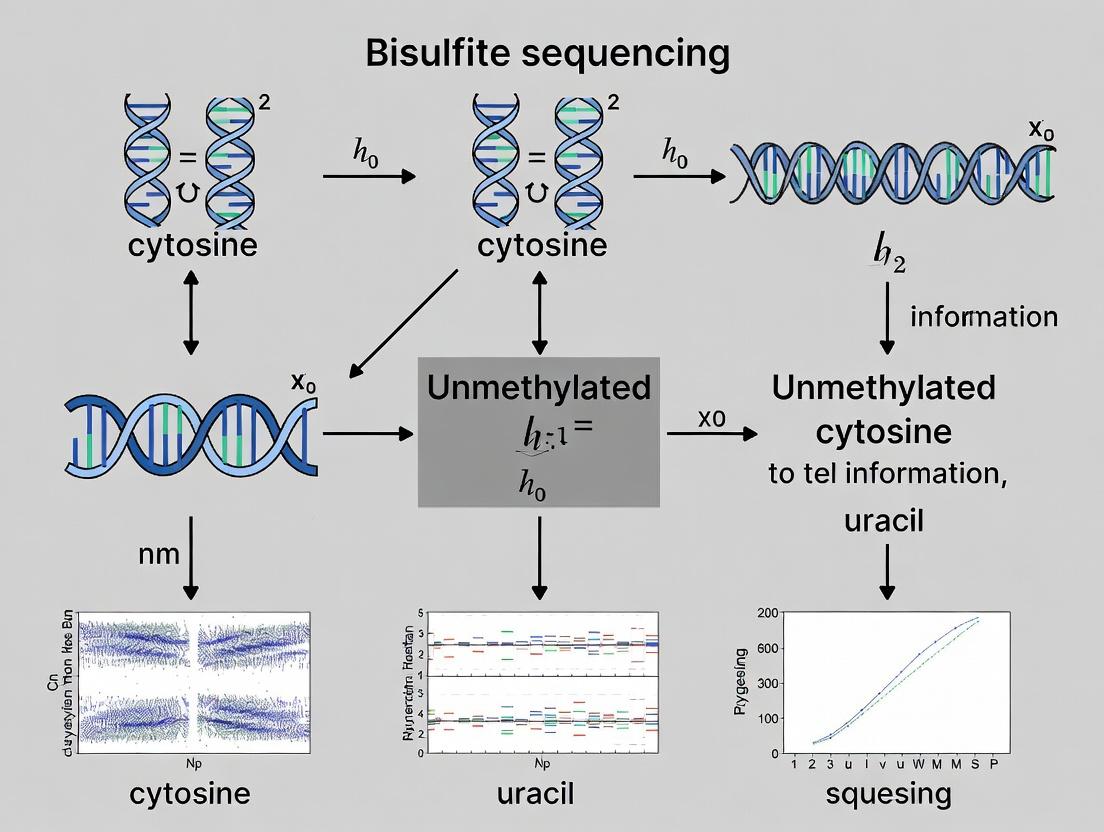
This article provides a systematic, intent-based framework for researchers and drug development professionals to navigate and resolve the pervasive technical variations in bisulfite sequencing.
Overcoming Technical Variation in Bisulfite Sequencing: A Comprehensive Guide for Robust DNA Methylation Analysis
Abstract
This article provides a systematic, intent-based framework for researchers and drug development professionals to navigate and resolve the pervasive technical variations in bisulfite sequencing. It begins by exploring the foundational sources of bias, from DNA degradation during chemical conversion to bioinformatic mapping inefficiencies. The guide then details methodological choices between whole-genome, reduced-representation, and targeted approaches, linking each to specific research goals. A dedicated troubleshooting section offers actionable protocols to optimize conversion efficiency, library preparation, and data quality. Finally, the article validates these strategies through comparative analysis of emerging techniques, including enzymatic conversion and ultra-mild bisulfite methods, positioning robust methylation profiling as critical for advancing epigenetic research and clinical biomarker discovery.
Deconstructing the Sources of Bias: Understanding Foundational Technical Variation in Bisulfite Sequencing
Technical Support Center
Troubleshooting Guide & FAQs
Q1: What are the primary signs that my bisulfite-converted DNA has undergone significant degradation?
A: The primary indicators are:
- Low yield after bisulfite conversion and purification, quantified by fluorometry or spectrophotometry.
- Reduced PCR amplification efficiency, evidenced by the need for increased PCR cycles, failure of PCR for longer amplicons (>300-400 bp), or a complete lack of product.
- High sample-to-sample variability in downstream sequencing library yields.
- Gel electrophoresis showing a low-molecular-weight smear instead of a distinct high-molecular-weight band for input genomic DNA post-conversion.
Q2: How can I differentiate between PCR failure due to DNA degradation vs. incomplete bisulfite conversion?
A: Use controlled assays:
- Degradation Check: Perform PCR on a conserved, non-CpG region of the genome using primers that do not discriminate between converted and unconverted DNA. Failure suggests general degradation or PCR inhibition.
- Conversion Check: Perform PCR on a fully methylated control DNA (e.g., CpG Methylated HeLa Genomic DNA) using primers specific for bisulfite-converted DNA. Amplification indicates incomplete conversion (residual methylated cytosines not converted to uracil). Sequence the product to confirm non-conversion rates.
- Spike-in Controls: Use synthetic oligonucleotides with known methylation status as internal controls in the conversion reaction.
Q3: What are the critical parameters in the bisulfite conversion protocol to minimize degradation?
A: The key parameters are summarized in the table below:
| Parameter | Typical Problem Value | Optimized Recommendation | Rationale |
|---|---|---|---|
| Incubation Temperature | >70°C for long durations | Use precise thermal cycling (e.g., 98°C for 5-10 min, then 60-64°C for 2.5-5 hrs). | High temperature is necessary for denaturation but is the main driver of depurination and strand breakage. Shorter, controlled cycles reduce damage. |
| pH of Bisulfite Solution | <5.0 | Maintain pH 5.0-5.2 (commercial kits are optimized). | Excessively low pH accelerates depurination. |
| Desulfonation Conditions | High NaOH concentration, prolonged incubation | Use 0.1-0.3 M NaOH for 15-20 min at room temperature. | High pH and long incubation after conversion further damage DNA. |
| DNA Input Amount | <10 ng or >1 µg | Use 50-500 ng of high-quality DNA. | Low input increases loss; very high input can lead to incomplete conversion and carryover of inhibitors. |
| Purification | Ethanol precipitation alone | Use silica-column or bead-based purification designed for bisulfite-treated DNA. | More efficient recovery of damaged, single-stranded DNA and removal of salts/inhibitors. |
Q4: What experimental design strategies can mitigate the impact of degradation and incomplete conversion in my sequencing data?
A: Incorporate the following into your thesis project design:
- Duplicate Conversions: Perform independent bisulfite conversions for each biological sample to distinguish technical variation from biological variation.
- Control DNAs: Include fully methylated and fully unmethylated DNA controls in every conversion batch to explicitly measure the conversion efficiency (CE).
- Calculate and Report Conversion Efficiency: For each sample, calculate CE from the methylation rate of mitochondrial DNA, chloroform-treated DNA, or non-CpG cytosines in the genome (should be >99%). Use the formula:
% Conversion = 100 - % Methylation at non-CpG sites. - Fragment Size Selection: Post-conversion, use bead-based size selection to remove very short fragments (<150 bp) that may bias alignment and methylation calling.
Detailed Methodology: Optimized Bisulfite Conversion Protocol (In-solution)
This protocol is designed to minimize degradation while ensuring high conversion efficiency, suitable for whole-genome bisulfite sequencing (WGBS) applications.
Reagents Needed: High-purity sodium bisulfite (Sigma, #S9000), Hydroquinone (Sigma, #H9003), NaOH, EDTA, DNA purification columns (e.g., Zymo Research Spin Columns), pH test strips (pH 5.0-6.5).
Procedure:
- DNA Denaturation: In a PCR tube, mix 100-200 ng of high-molecular-weight genomic DNA with 20 µL of 0.3M NaOH. Incubate at 42°C for 20 min.
- Prepare Bisulfite Solution (Fresh): Dissolve 4.8g of sodium bisulfite in 8mL of sterile water. Add 1mL of 2M NaOH and 400 µL of 20mM hydroquinone. Adjust the pH to exactly 5.2-5.3 using concentrated HCl. Filter sterilize. This solution is unstable; prepare immediately before use.
- Conversion Reaction: Add 520 µL of the freshly prepared bisulfite solution to the denatured DNA. Mix gently. Overlay with mineral oil to prevent evaporation. Perform thermal cycling in a standard thermocycler: 95°C for 30 seconds, then 55°C for 30 minutes. Repeat this cycle for 12-16 cycles.
- Purification (Desalting): Use a commercially available DNA binding column. Load the reaction mixture (minus oil) onto the column and wash according to the manufacturer's instructions for bisulfite-treated DNA.
- Desulfonation: On-column: Apply 200 µL of 0.3M NaOH to the column membrane and incubate at room temperature for 15 minutes. Proceed with washes.
- Elution: Elute DNA in 20-30 µL of low-EDTA TE buffer or nuclease-free water (pH ~8.0). Store at -80°C for long-term use.
Key Research Reagent Solutions
| Item | Function & Importance in Mitigating Core Challenges |
|---|---|
| Commercial Bisulfite Conversion Kits (e.g., Zymo EZ DNA Methylation, Qiagen EpiTect) | Provide optimized, stabilized reagents and matched purification columns. They standardize the process, reducing batch-to-batch variability in conversion efficiency and yield. Essential for reproducible thesis work. |
| DNA Damage Inhibitors (e.g., Hydroquinone, 6-hydroxy-2,5,7,8-tetramethylchromane-2-carboxylic acid) | Radical scavengers added to the bisulfite solution. They reduce oxidative DNA damage (strand breaks) during the high-temperature incubation, preserving fragment length. |
| Fully Methylated & Unmethylated Control DNA | Critical internal standards. They allow direct quantification of incomplete conversion rate and non-conversion bias in every experiment, a required metric for thesis data validation. |
| High-Recovery DNA Cleanup Beads/Columns | Specifically formulated for single-stranded, damaged bisulfite-converted DNA. They significantly improve yield over standard ethanol precipitation, mitigating the loss from degradation. |
| Fragment Analyzer / Bioanalyzer DNA Kits (High Sensitivity) | Essential QC tools. They provide a quantitative size profile of DNA before and after conversion, objectively assessing the degree of degradation (DV200 metric) and informing library preparation strategy. |
Visualizations
Title: Primary Pathways Leading to Bisulfite-Induced DNA Degradation
Title: Troubleshooting Flowchart for Degradation vs. Conversion Problems
Title: Relating Core Challenge to Thesis on Technical Variation
Technical Support Center
Troubleshooting Guides & FAQs
FAQ 1: Why do I get different methylation percentages for the same sample when using Bismark vs. BWA-meth?
Answer: This is a core manifestation of the "informatics gap." The algorithms use fundamentally different alignment strategies to handle bisulfite-converted reads (C→T, G→A), leading to mapping discrepancies. Bismark performs in silico bisulfite conversion of the reference genome and aligns reads using Bowtie2. BWA-meth uses a modified BWA-MEM algorithm with a soft-masking approach. These differences cause variations in how ambiguously mapped reads, particularly in low-complexity or repetitive regions, are assigned, directly impacting per-cytosine calls and global percentage calculations.
Experimental Protocol for Cross-Tool Validation:
- Input: Raw FASTQ files from a Whole Genome Bisulfite Sequencing (WGBS) experiment.
- Alignment (Parallel):
- Bismark: Run
bismark_genome_preparationon your reference. Align usingbismark --bowtie2 [GENOME_DIR] -1 sample_R1.fq -2 sample_R2.fq. - BWA-meth: Index genome with
bwameth.py index reference.fa. Align usingbwameth.py --reference reference.fa sample_R1.fq sample_R2.fq.
- Bismark: Run
- Deduplication & Extraction: Use
deduplicate_bismark(for Bismark) orbam2methylation.py/samtools with appropriate filters for BWA-meth BAMs. Extract methylation calls usingbismark_methylation_extractor(Bismark) or the pipeline-specific tool for BWA-meth. - Comparison: Use bedtools to intersect CpG call files from both pipelines. Calculate per-CpG and global methylation percentages from the intersecting set and the unique-to-pipeline sets.
FAQ 2: How should I handle multi-mapping reads to minimize tool-induced bias?
Answer: This is a critical parameter. Both tools allow control over multi-mapping reads, but the defaults differ.
- Bismark (via Bowtie2): By default, Bowtie2 reports a single, "best" alignment. Use
--score_min L,0,-0.2to adjust the minimum score threshold. The--multicoremode does not change alignment logic. - BWA-meth: Uses BWA-MEM's default, which may report multiple alternative alignments (secondary hits) with the same mapping score. It is crucial to post-filter alignments. Use
samtools view -b -F 256to remove secondary alignments before methylation calling. - Recommendation: For most applications, retain only primary alignments. In your thesis, justify your choice (sensitivity vs. specificity) and apply it identically across both pipelines.
FAQ 3: My coverage seems similar, but the number of called CpG sites differs drastically. What's wrong?
Answer: This is expected and highlights a key source of variation. The primary causes are:
- Mapping Quality Thresholds: The default mapping quality (MAPQ) filter differs. Consistently filter BAM files by MAPQ (e.g.,
samtools view -q 20) before methylation extraction for both pipelines. - Overlap Rules for Paired-End Reads: Bismark's extractor has a default mode (
--no_overlap) that avoids double-counting overlapping PE reads. BWA-meth processing scripts may handle this differently. Ensure you understand and, if possible, standardize the overlap handling. - Base Quality & M-Bias: Always run and inspect the "M-bias" plot from Bismark. Trim low-quality bases from read ends if bias is observed. Apply similar quality trimming before BWA-meth alignment using a tool like Trim Galore! with
--qualityand--rrbsflags.
Experimental Protocol for Diagnosing Coverage/Call Discrepancies:
- Generate per-base coverage files from the filtered BAMs:
bedtools genomecov -bga -ibam aligned.bam > coverage.bg. - Extract lists of called CpG positions from each pipeline's final output.
- Use
bedtools intersectto find CpGs called by both, and CpGs unique to each pipeline. - Annotate unique sites with genomic features (e.g., using
annotatrin R) to see if one pipeline systematically loses calls in repeats, CpG islands, or other specific contexts.
Data Presentation
Table 1: Comparison of Alignment Algorithm Characteristics
| Feature | Bismark (Bowtie2-based) | BWA-meth (BWA-MEM-based) |
|---|---|---|
| Core Strategy | In silico bisulfite conversion of reference (4 versions). | Direct alignment with modified scoring matrix (soft-masking). |
| Default Multi-hit Handling | Reports one "best" alignment. | May report multiple alignments with same score (secondary). |
| Key Alignment Parameter | --score_min (stringency function). |
-T (minimum score to output), -C (append comment). |
| Recommended MAPQ Filter | -q 20 (post-alignment). |
-q 20 (post-alignment, crucial). |
| Paired-End Overlap Handling | Controlled in methylation_extractor (--ignore_r2, --no_overlap). |
Often handled in downstream scripts; requires verification. |
| Typical Runtime | Moderate to High. | Generally Faster. |
Table 2: Example Results from a Cross-Tool Benchmark Study Data is illustrative, based on simulated or controlled public dataset analysis.
| Metric | Bismark | BWA-meth | Intersection (Consensus) |
|---|---|---|---|
| Aligned Reads (%) | 85.2% | 86.7% | - |
| CpG Sites Called (≥10x) | 2,450,100 | 2,512,800 | 2,321,450 |
| Global CpG Methylation % | 72.4% | 70.1% | 73.0%* |
| Sites Unique to Pipeline | 128,650 | 191,350 | - |
| Avg. Coverage (Consensus CpGs) | 28x | 30x | 29x |
*Consensus methylation % is calculated only from CpGs called by both tools, often the most reliable set.
Mandatory Visualizations
Title: Bisulfite Sequencing Alignment & Comparison Workflow
Title: Key Sources of Algorithm-Induced Variation
The Scientist's Toolkit: Research Reagent Solutions
| Item | Function & Rationale |
|---|---|
| High-Quality Reference Genome | Essential for in silico conversion (Bismark) and masking (BWA-meth). Must include all chromosomes and be consistent across tools. |
| Benchmark Dataset (e.g., CGI WGBS Standard) | A well-characterized control sample (human/mouse) with orthogonal validation data (e.g., EPIC array) to gauge pipeline accuracy. |
| Trim Galore! / Cutadapt | Adapter and quality trimmer. Critical for removing poor 3'/5' ends that cause M-bias, standardizing input for both aligners. |
| SAMtools / BEDTools | For universal BAM/CRAM file manipulation (sorting, indexing, filtering by MAPQ, coverage analysis) to ensure equitable comparison. |
| MethylKit (R/Bioconductor) | Downstream analysis package capable of importing and comparing calls from different sources for DMR (Differentially Methylated Region) analysis. |
| Integrative Genomics Viewer (IGV) | Visualize read-level alignment patterns (conversion, soft-clipping) at discrepant loci to diagnose mapping issues. |
| Compute Environment (HPC/Slurm) | Reproducible, scalable compute resources to run both pipelines with identical resources and isolate performance differences. |
Troubleshooting Guides & FAQs
Q1: Why do my bisulfite sequencing results show consistently low conversion rates specifically in high-GC regions, even with optimized protocols?
A: This is a documented artifact of sequence context bias. The bisulfite conversion reaction is less efficient in GC-rich regions due to the increased stability of DNA duplexes, leading to underestimation of true methylation levels.
- Troubleshooting Steps:
- Verify Protocol: Ensure you are using a bisulfite kit validated for high-GC content. Increase incubation times at the denaturation step.
- Spike-in Controls: Use unmethylated spike-in controls with varying GC content to quantify bias in each run.
- Post-Processing: Apply bioinformatic correction algorithms (e.g., based on ) that model and correct for GC-dependent conversion efficiency.
- Alternative Method: Consider using enzymatic conversion methods (e.g., EM-seq) which exhibit reduced GC bias compared to traditional bisulfite treatment.
Q2: How much sequencing coverage is sufficient to obtain reliable methylation calls in repetitive or GC-rich genomic regions?
A: Coverage requirements escalate dramatically in problematic regions. While 30x coverage might suffice for standard regions, GC-rich or repetitive elements require significantly more.
- Recommendation: Refer to the following table derived from simulation studies [citation:1, citation:8]:
| Genomic Context | Minimum Recommended Coverage (for 95% confidence) | Typical False Non-Call Rate at 30x Coverage |
|---|---|---|
| Standard (e.g., gene body) | 25x - 30x | < 5% |
| GC-Rich Region (> 65% GC) | 50x - 60x | 15% - 25% |
| Highly Repetitive Element | 70x+ | 30%+ |
Q3: My differential methylation analysis is yielding inconsistent results; some DMRs appear significant in one experiment but not in a replicate. Could coverage depth be the cause?
A: Yes, inconsistent coverage depth between samples is a primary source of technical variation in DMR calling. Low-coverage regions have high variance in methylation level estimates, leading to false positives/negatives.
- Solution:
- Uniform Depth: Implement coverage-based filtering. Require a minimum uniform depth (e.g., 10x-20x) across all samples for each cytosine analyzed.
- Statistical Models: Use DMR callers (e.g., DSS, methylSig) that incorporate coverage variance into their statistical models.
- Replicate Consistency: Ensure biological replicates have similar mean coverage profiles. Normalize for coverage differences as a pre-processing step.
Q4: Are there specific PCR conditions that can mitigate bias introduced during the amplification of bisulfite-converted, GC-rich libraries?
A: Yes, PCR is a major source of bias. The following protocol adjustments are critical:
- Modified Protocol:
- Polymerase Selection: Use a high-fidelity, GC-balanced polymerase specifically formulated for bisulfite-converted DNA (e.g., Kapa HiFi HotStart Uracil+).
- Cycling Parameters: Reduce the number of PCR cycles to the absolute minimum required for library generation (often 8-12 cycles). Use a slow ramp rate (e.g., 2°C/second) during denaturation and annealing steps.
- Additives: Include PCR additives such as betaine (1M final concentration) or DMSO (2-4%) to reduce secondary structure and improve amplification uniformity across GC contexts.
- Dual Indexing: Always use unique dual indexes to accurately identify and remove PCR duplicate reads, which compound amplification bias.
The Scientist's Toolkit: Key Research Reagent Solutions
| Item | Function | Key Consideration for Bias Mitigation |
|---|---|---|
| Bisulfite Conversion Kit | Chemically converts unmethylated cytosines to uracil. | Select kits with proven high performance on GC-rich templates. Check validation data. |
| GC-Balanced Polymerase | Amplifies bisulfite-converted DNA with minimal sequence bias. | Essential for even coverage. Examples: Kapa HiFi Uracil+, Pfu Turbo Cx Hotstart. |
| Methylated/Unmethylated Spike-in Controls | Synthetic DNA with known methylation patterns and varying GC content. | Allows direct measurement of conversion efficiency, coverage bias, and limit of detection. |
| Library Preparation Kit with Post-Bisulfite Adapter Ligation | Ligates adapters after bisulfite conversion. | Reduces PCR amplification bias compared to adapter-ligation-before-conversion methods. |
| Bioinformatic Correction Tool (e.g., methylSig, BSmooth) | Statistical software for analyzing methylation data. | Must include models for coverage depth and sequence context bias correction. |
Experimental Protocol: Quantifying GC-Bias with Spike-in Controls
Objective: To empirically measure the impact of local GC content on bisulfite conversion efficiency and sequencing coverage in your experimental pipeline.
Materials: Commercial unmethylated spike-in control mix (e.g., from Sequenom, Zymo Research) containing DNA fragments of known sequence spanning a range of GC percentages (e.g., 40%, 55%, 70% GC).
Methodology:
- Spike-in Addition: Prior to bisulfite conversion, add a small, known amount (e.g., 0.1% by mass) of the unmethylated spike-in control to your genomic DNA sample.
- Proceed with Workflow: Continue with your standard bisulfite conversion, library preparation, and sequencing protocol.
- Bioinformatic Extraction: After sequencing, map reads to a combined reference genome that includes the spike-in sequences.
- Data Calculation:
- For each spike-in fragment, calculate: Observed Conversion Efficiency = (1 - [Creads / (Creads + T_reads)]).
- Plot Observed Conversion Efficiency against the known GC percentage of each spike-in fragment.
- Calculate the mean coverage depth for each spike-in fragment.
- Interpretation: A downward slope in the plot indicates GC-dependent conversion bias. Significant drops in coverage for high-GC fragments indicate amplification/sequencing bias. Use this data to calibrate your analysis pipeline.
Visualizations
Diagram Title: Bisulfite-Seq Workflow with Key Bias Introduction Points
Diagram Title: Strategies to Mitigate Sequence Context and Coverage Bias
Technical Support Center: Troubleshooting Bisulfite Sequencing in Diverse Populations
Frequently Asked Questions (FAQs)
Q1: After analyzing WGBS data from a genetically diverse mouse cohort, I observe high inter-individual methylation variance at many CpG sites. How can I determine if this is genuine biological variation or technical noise from incomplete bisulfite conversion? A: This is a core challenge. First, check your non-CpG methylation (e.g., CHH contexts) in the genome. In mammalian somatic cells, non-CpG methylation should be very low. High levels of CHH methylation indicate incomplete bisulfite conversion, which will disproportionately increase apparent variance in genetically diverse samples. Analyze the correlation between per-sample CpG and non-CpG beta values; a high correlation suggests a technical artifact. Implement a stringent filter: remove any CpG site where the median CHH methylation across all samples exceeds 1-2%. Recalculate variance after this filter.
Q2: My RRBS data shows batch effects correlated with DNA source plate, but only in samples from different genetic backgrounds. How should I correct for this? A: This is likely an interaction between genomic sequence variation and technical processing. Do not apply global batch correction (e.g., ComBat) blindly, as it may remove true genetic-epigenetic signals. Instead:
- Include known genetic variants (SNPs) as covariates in your differential methylation model (using tools like
DSSormethylSig). - Use control probes or spike-ins (e.g., Lambda phage DNA) to quantify and regress out plate-specific conversion efficiency.
- Employ a paired design during library prep where possible, mixing genetic backgrounds across plates.
Q3: How do I distinguish allele-specific methylation (ASM) due to imprinting or cis-regulatory variation from bias introduced during bisulfite PCR amplification? A: This requires a multi-step diagnostic:
- Mapping Bias: Re-map your reads using a bisulfite-aware aligner (e.g.,
BismarkorBS-Seeker2) against both paternal and maternal haplotype genomes if available. Use the--score_min L,0,-0.2option in Bismark to reduce alignment stringency for divergent alleles. - Strand-Specific Analysis: Analyze methylation on forward and reverse strands separately. True ASM should be consistent across strands, while PCR bias is often strand-specific.
- Validation: Perform pyrosequencing or deep amplicon sequencing with primers designed outside the variable region for independent confirmation.
Q4: In oxBS-seq experiments for 5hmC detection, we see high "negative" methylation values in some samples. Is this biological or technical? A: This is almost certainly technical. Negative values arise when the 5hmC level is overestimated, often due to poor chemical efficiency of the oxidative step.
- Troubleshoot: Include the oxidation control suggested by the
oxBS-Seqprotocol: a synthetic oligonucleotide with known 5hmC. If the control fails, the oxidation reagent may be degraded. - Solution: Re-process samples ensuring fresh oxidation solution (potassium perruthenate prepared immediately before use) and strict control of reaction time and temperature. In analysis, apply a non-negative constraint in the
oxBS-MLEestimator or similar statistical model.
Troubleshooting Guides
Guide 1: Diagnosing Incomplete Bisulfite Conversion in Population Studies
Symptoms: High variance in global methylation, correlation between CpG and non-CpG methylation, poor performance of spike-in controls.
Step-by-Step Diagnosis:
- Calculate per-sample conversion rate:
- Compare to threshold: Acceptable rates are >99.5%. If any sample is below 99.0%, exclude it.
- Apply a site-level filter: Remove all CpG sites where methylation in the CHH context of the surrounding 20bp is >2% in any sample.
- Re-analyze: Calculate variance (e.g., interquartile range of beta values) across your population cohort post-filtering.
Table 1: Impact of Conversion Rate Filtering on Apparent Variance
| Sample Set | Mean Conversion Rate | CpG Sites Passing Filter | Median Variance (β-value) Across Sites | Sites with High Variance (>0.25) |
|---|---|---|---|---|
| Unfiltered (n=50) | 98.7% - 99.9% | 2.8 million | 0.082 | 12,450 |
| Post-Filter (CR>99.5%) | 99.6% - 99.9% | 2.6 million | 0.071 | 8,112 |
| Post-Filter (CR>99.5% & CHH<2%) | 99.6% - 99.9% | 2.1 million | 0.065 | 5,230 |
Guide 2: Resolving Genetic-Confounded Batch Effects
Symptoms: PCA clusters samples by processing date or plate, not by genotype or phenotype; differential methylation analysis returns hundreds of significant sites unrelated to biology.
Corrective Protocol:
- Experimental Design Fix (Future): Implement a randomized block design. For 96 samples of 12 genotypes, do not process one genotype per plate. Randomize samples across all plates and include a balanced mix of genotypes per plate.
- Bioinformatic Correction (Current Data):
- Use
Rpackagesvawith a null model that includes your biological variables of interest (e.g., genotype) and a full model that adds batch. - Identify surrogate variables (SVs) while protecting biological signal.
- Include these SVs as covariates in your final linear model at each CpG site:
- Use
- Validation: After correction, PCA should show reduced batch clustering. Spike-in control methylation values should no longer correlate with principal components.
Detailed Experimental Protocols
Protocol: oxBS-Seq with Internal Oxidation Control for Diverse Genomes
Objective: Accurately quantify 5-hydroxymethylcytosine (5hmC) in samples with potential genetic variation at or near target CpGs.
Key Materials:
- Genomic DNA (100-200ng per reaction).
- TrueMethyl oxBS Module (Cytosine) or in-house reagents: Potassium perruthenate (KRuO₄, fresh), NaOH.
- Internal Oxidation Control Oligo: Synthesized double-stranded oligo with a single 5hmC at a known position, flanked by sequences non-homologous to your study genome.
- Bisulfite Kit: EZ DNA Methylation-Lightning Kit or equivalent.
- Library Prep Kit: Accel-NGS Methyl-Seq DNA Library Kit or equivalent for low-input bisulfite-converted DNA.
Step-by-Step:
- Spike-in: Add 0.1% (by mass) of internal control oligo to each genomic DNA sample.
- Oxidation Reaction (Perform in PCR tubes):
- Prepare fresh 30mM KRuO₄ in 0.15M NaOH (on ice).
- Mix 20µL DNA (100ng) with 2.5µL KRuO₄ solution. Incubate at 4°C for 30 minutes in the dark.
- CRITICAL: Do not increase temperature or time, as this degrades DNA.
- Purify immediately using a column-based cleanup kit.
- Bisulfite Conversion: Treat oxidized and parallel non-oxidized (BS) samples with bisulfite reagent according to kit protocol.
- Library Preparation & Sequencing: Build libraries separately for BS and oxBS samples. Sequence on Illumina platform, aiming for >20M paired-end 150bp reads per sample per assay.
- Bioinformatic Analysis:
- Map reads to a combined reference of your study genome + control oligo sequence.
- Extract methylation calls for the control oligo's 5hmC site. The observed C-to-T conversion rate in the oxBS sample should be >98%. If not, discard the run.
- Use the
methylKitorMOABSpackage with theoxBS.MLEfunction to calculate 5hmC levels at each CpG, using the BS and oxBS counts as input.
Diagrams
Title: Sources of Noise and Signal in Population Methylation Data
Title: oxBS-Seq Workflow with Oxidation Control
The Scientist's Toolkit: Research Reagent Solutions
| Item | Function & Rationale | Key Considerations for Diverse Populations |
|---|---|---|
| Lambda Phage DNA | Non-conversion control. Spiked in before bisulfite treatment to calculate per-sample conversion efficiency based on its known unmethylated state. | Unaffected by mammalian genetic variation. Provides a universal baseline. |
| SPIKE-IN Controls (e.g., from EpigenDx) | Methylation level controls. Pre-methylated DNA fragments at known densities (0%, 50%, 100%) added pre-conversion to monitor process fidelity. | Must be designed with sequences absent in the study population to avoid mapping ambiguity. |
| Potassium Perruthenate (KRuO₄) | Oxidizing agent for oxBS-Seq. Converts 5hmC to 5fC for subsequent bisulfite-dependent deamination. | Freshness is critical. Degrades rapidly; old stock causes negative 5hmC values. Must be prepared fresh in cold NaOH. |
| Bisulfite Conversion Kit (e.g., EZ DNA Methylation-Lightning) | Chemical deamination of unmethylated cytosine. Standardizes the conversion reaction, minimizing sample-to-sample variability. | Kit efficiency must be validated on diverse genomic backgrounds, as GC-content variation can affect local conversion rates. |
| Bisulfite-Aware Aligner (Bismark/BS-Seeker2) | Software for mapping bisulfite-treated reads. Allows for specific alignment parameters to accommodate genetic variation. | Must use genome references that include alternate haplotypes or apply reduced stringency mapping (--score_min L,0,-0.2) to capture non-reference alleles without bias. |
| Blocking Oligos (for RRBS) | Oligonucleotides that bind to and mask repetitive sequences during MspI digestion and adapter ligation, improving coverage of informative regions. | Design must account for common SNPs in the population to ensure equal blocking efficiency across all samples. |
Strategic Method Selection: Optimizing WGBS, RRBS, and Targeted Bisulfite Sequencing for Your Research Goals
Technical Support Center: Troubleshooting WGBS Experiments
Framed within the thesis context: "Resolving Technical Variation in Bisulfite Sequencing Research."
Frequently Asked Questions (FAQs) & Troubleshooting Guides
Q1: My WGBS library has very low yield after bisulfite conversion and cleanup. What are the primary causes and solutions? A: Low yield is commonly due to DNA degradation during the harsh bisulfite treatment. Ensure input DNA is high-quality (RIN > 8.0 for FFPE, use fresh isolates). Use a commercially available bisulfite conversion kit designed for low degradation. Performing a post-bisulfite adapter tagging (PBAT) protocol, where adapters are ligated after conversion, can significantly improve yields from low-input samples.
Q2: I am observing biased coverage in CpG-dense regions (e.g., CpG islands) versus sparse regions. How can I mitigate this? A: This is a known limitation of WGBS. The bias stems from PCR amplification of converted DNA, which favors less fragmented, easier-to-amplify fragments. To mitigate:
- Use PCR-free library preparation methods where possible, though this requires high input DNA.
- Employ a high-fidelity, methylation-aware polymerase during limited amplification cycles.
- Utilize unique molecular identifiers (UMIs) to correct for PCR duplicates and improve quantitative accuracy in dense regions.
Q3: My sequencing depth is uneven across the genome, compromising my ability to call differentially methylated regions (DMRs). What steps can I take? A: Uneven coverage is intrinsic to WGBS due to sequence fragmentation and amplification bias. Solutions include:
- Increase average sequencing depth. While WGBS sacrifices depth for genome-wide coverage, a minimum of 10-15x per strand is recommended for mammalian genomes for base-resolution analysis. For robust DMR calling, aim for 20-30x coverage.
- Use bin-based or region-based analysis (e.g., 1-5kbp windows) to aggregate coverage and improve statistical power where single-CpG resolution is not critical.
- Employ specialized alignment tools (e.g., Bismark, BS-Seeker2) with parameters optimized for bisulfite-converted reads to maximize mappability.
Q4: How do I balance the trade-off between sample size, sequencing depth, and cost in a WGBS study design? A: This is the core trade-off stated in the title. The following table summarizes key considerations:
Table 1: Balancing WGBS Study Design Parameters
| Parameter | Goal: Discovery/Unbiased Screening | Goal: Targeted Validation/High-Precision DMRs |
|---|---|---|
| Recommended Depth | 5-15x coverage | 20-30x+ coverage |
| Sample Size | Larger (n > 5-10 per group) to overcome biological variation and technical noise. | Can be smaller if depth is very high, but biological replicates remain essential. |
| Primary Cost Driver | Number of samples (library prep & sequencing lanes). | Sequencing depth per sample (more lanes/library). |
| Strategy to Optimize | Use reduced representation bisulfite sequencing (RRBS) for CpG-rich regions if full genome coverage is not essential. Pool samples in a lane to increase n. | Focus sequencing resources on a subset of key samples or regions identified from a discovery screen. Use capture-based methods post-discovery. |
Q5: What are the best practices for assessing and controlling for batch effects in WGBS? A: Technical variation from library prep and sequencing runs is a major confounder.
- Experimental Design: Process samples from different experimental groups in randomized batches.
- Include Controls: Use commercially available unmethylated (e.g., lambda phage) and methylated DNA controls spiked into every sample to monitor conversion efficiency and batch-to-batch variability.
- Statistical Correction: Utilize tools like ComBat-seq or SVA that can model and adjust for batch effects in sequencing count data during bioinformatic analysis.
Experimental Protocols
Protocol 1: High-Quality DNA Input Preparation for WGBS
- Source: Isolate genomic DNA from fresh or flash-frozen tissue using a phenol-chloroform method or a column-based kit with RNAse A treatment. Avoid FFPE if possible.
- QC: Assess DNA integrity via pulsed-field or standard agarose gel electrophoresis. Quantify using Qubit dsDNA BR Assay. Acceptable criteria: Concentration > 50 ng/µL, total mass > 1 µg, minimal smearing below 10 kb.
- Fragmentation: Fragment 1 µg DNA via focused ultrasonication (Covaris) to a target size of 200-300 bp. Verify size distribution using a Bioanalyzer/TapeStation.
Protocol 2: Post-Bisulfite Adapter Tagging (PBAT) for Low-Input WGBS
- Bisulfite Conversion: Denature and convert fragmented DNA (can be as low as 10 ng) using a sodium bisulfite kit (e.g., EZ DNA Methylation-Lightning Kit). Follow manufacturer's protocol.
- First-Strand Synthesis: Perform a primer extension reaction using a random-primed, biotinylated primer and a strand-displacing polymerase.
- Capture & Second Strand: Bind the biotinylated first strand to streptavidin beads. Synthesize the second strand using another random primer, creating double-stranded library fragments with adapters inherently incorporated.
- PCR Amplification: Perform a limited number of PCR cycles (5-10) with indexing primers to finalize the library. Clean up with SPRI beads.
Diagrams
Title: WGBS Workflow and Key Technical Variation Sources
Title: The WGBS Depth vs. Sample Size Trade-Off
The Scientist's Toolkit: Key Research Reagent Solutions
Table 2: Essential Materials for WGBS Experiments
| Item | Function & Critical Feature |
|---|---|
| Methylation-Unbiased DNA Polymerase | For library amplification post-conversion. Must lack cytosine deamination activity and have high processivity for biased GC-rich templates (e.g., PfuTurbo Cx hotstart, KAPA HiFi Uracil+). |
| Sodium Bisulfite Conversion Kit | Chemical conversion of unmethylated cytosines to uracil. Kits with optimized time/temperature and stabilization buffers minimize DNA degradation (e.g., EZ DNA Methylation series, Epitect Fast). |
| Methylated & Unmethylated DNA Controls | Spike-in controls (e.g., Lambda phage, PCR-amplified specific regions) to quantitatively monitor bisulfite conversion efficiency in every reaction. |
| Size-Selective Magnetic Beads | For clean-up post-fragmentation, conversion, and PCR. Provide reproducible size selection and removal of contaminants (e.g., SPRIselect, AMPure XP beads). |
| Unique Molecular Identifiers (UMIs) | Molecular barcodes ligated during early library steps to tag original molecules. Allows for bioinformatic removal of PCR duplicates, critical for quantitative accuracy. |
| High-Sensitivity DNA Assay Kits | Accurate quantification of diluted, single-stranded, or fragmented DNA post-conversion for library normalization (e.g., Qubit dsDNA HS, Bioanalyzer High Sensitivity DNA kit). |
Troubleshooting Guides & FAQs
Q1: My post-bisulfite conversion DNA yield is extremely low. What could be the cause and how can I mitigate this?
A: Excessive DNA degradation during bisulfite conversion is a common issue. Ensure the following:
- Use high-quality, intact genomic DNA: Check integrity on agarose gel. A260/A280 ratio should be ~1.8.
- Optimize conversion time and temperature: Over-conversion increases fragmentation. Standard protocols use 5-16 hours at 64°C. Consider using newer kinetic conversion kits that reduce time.
- Desalt DNA thoroughly: Residual salts from purification can lower pH during conversion, increasing degradation. Use recommended desalting columns or beads.
- Include a post-conversion purification assessment: Quantify DNA after conversion and before library prep to pinpoint the loss stage.
Q2: I observe poor library complexity and duplicated reads after sequencing. How can I improve this?
A: This often stems from insufficient starting material or amplification bias.
- Increase input DNA: While RRBS can work with ~10-100 ng, using 100-200 ng of genomic DNA improves complexity.
- Minimize PCR cycles: Use the minimum number of PCR cycles required for library amplification (often 12-18 cycles). Consider using dual-indexed unique molecular identifiers (UMIs) to accurately identify and collapse PCR duplicates bioinformatically.
- Optimize size selection: If your target fragment range (e.g., 40-220 bp post-ligation) is too narrow, you may lose complexity. Slightly widen the size selection window if possible.
Q3: There is high variability in methylation calls between technical replicates. What steps should I take?
A: Technical variation often arises from inconsistent enzymatic steps.
- Standardize the MspI digestion: Ensure complete digestion by using a 4-10X excess of MspI, incubating for a consistent time (e.g., 12-16 hours), and including a digestion control (e.g., lambda DNA).
- Control bisulfite conversion efficiency: Use unmethylated (e.g., from a whole genome amplification) and fully methylated DNA controls. Calculate conversion efficiency from the readout of non-CpG cytosines. Efficiency should be >99%.
- Use consistent bead-based cleanups: Calibrate bead-to-sample ratios and incubation times precisely across all samples.
Q4: My RRBS data shows biases in genomic coverage, missing some CpG islands (CGIs). Why?
A: This reflects RRBS's inherent systematic biases, which must be acknowledged.
- Restriction site dependency: RRBS enriches for regions flanked by MspI (CCGG) sites. CGIs lacking these sites will not be covered.
- Fragment size selection bias: The standard size selection targets shorter fragments, favoring promoters and CGIs in open chromatin, which are more accessible and prone to fragmentation.
- Solution: For a more comprehensive view, complement RRBS with a technique like Agilent SureSelect Methyl-Seq or Roche SeqCap Epi for targeted capture of specific CGIs lacking MspI sites.
Q5: How do I bioinformatically correct for the bias introduced by the MspI restriction site?
A: Bias correction is analytical, not experimental.
- Annotate correctly: When aligning reads, ensure the in-silico MspI digestion of the reference genome is part of the pipeline to correctly map the expected fragments.
- Use bias-aware analysis tools: Employ pipelines like MethylKit or BSmooth that can account for coverage variability and read depth biases.
- Normalize against input expectations: Compare your coverage distribution to the in-silico predicted MspI fragment distribution across your regions of interest (e.g., all CGIs) to identify under-represented zones.
Key Experimental Protocols
Protocol 1: Standard RRBS Library Preparation (Based on )
- Genomic DNA Digestion: Digest 100 ng of high-quality gDNA with 20 units of MspI restriction enzyme in NEBuffer 2 at 37°C for 16 hours.
- End-Repair & A-Tailing: Purify digested DNA using SPRI beads. Perform end-repair and 3'-adenylation using a Klenow fragment (3'→5' exo-) and dATP.
- Methylated Adapter Ligation: Ligate methylated Illumina-compatible adapters to the A-tailed fragments using T4 DNA Ligase. Use adapters designed for bisulfite-converted DNA.
- Bisulfite Conversion: Convert the adapter-ligated DNA using the Zymo Research EZ DNA Methylation-Lightning Kit. Program: 98°C for 8 min, 64°C for 3.5 hours, 4°C hold.
- Purification & Size Selection: Purify converted DNA. Perform double-sided SPRI bead size selection to isolate fragments between 150-400 bp (post-conversion, corresponding to ~40-220 bp insert).
- PCR Amplification: Amplify libraries using a hot-start, bisulfite-converted DNA-tolerant polymerase (e.g., Pfu Turbo Cx) for 14 cycles. Use PCR primers with index sequences for multiplexing.
- Final Purification & QC: Purify the PCR product with SPRI beads. Quantify by qPCR and assess fragment size distribution using a Bioanalyzer.
Protocol 2: Assessing Bisulfite Conversion Efficiency
- Spike-in Control: Include 0.5-1% of unmethylated lambda phage DNA (Promega) in the gDNA prior to digestion.
- Post-Sequencing Analysis: Map reads to the lambda genome.
- Calculation: Assess methylation at non-CpG cytosine positions (CHH, where H = A, T, or C) in the lambda genome. Conversion Efficiency (%) = (1 - (methylated CHH reads / total CHH reads)) * 100. Acceptable efficiency is ≥99.5%.
Data Presentation
Table 1: Comparison of Key Bisulfite Sequencing Methods
| Feature | RRBS | Whole Genome Bisulfite Seq (WGBS) | Targeted Capture (e.g., SureSelect) |
|---|---|---|---|
| Genome Coverage | ~1-3% (CpG-rich regions) | >90% of all CpGs | User-defined (e.g., 2-5 Mb) |
| Typical CpGs Sampled | ~2-3 million | ~28 million | ~0.5-2 million |
| Input DNA | 10-200 ng | 50-500 ng | 50-500 ng |
| Approx. Cost per Sample | $$ | $$$$ | $$$ |
| Primary Systematic Bias | MspI site dependency | Sequence context bias (BS-conversion) | Capture efficiency bias |
| Best For | Cost-effective profiling of promoters/CGIs | Discovery, base-resolution methylome | Validating specific regions |
Table 2: Common RRBS Artifacts and Solutions
| Artifact | Probable Cause | Troubleshooting Step |
|---|---|---|
| Low Mapping Efficiency | Adapter dimer carryover, over-fragmentation | Optimize bead clean-up ratios; gentle mixing. |
| Incomplete Digestion | Low enzyme activity, inhibitor carryover | Increase enzyme excess; repurify gDNA. |
| High Duplicate Rate | Low input DNA, over-amplification | Increase input DNA; reduce PCR cycles; use UMIs. |
| Methylation Bias at Ends | PCR amplification bias | Use polymerases validated for bisulfite templates. |
The Scientist's Toolkit: RRBS Research Reagent Solutions
| Item | Function | Example Vendor/Kit |
|---|---|---|
| MspI Restriction Enzyme | Cuts at CCGG sites to generate fragments enriched for CpG islands. | New England Biolabs (NEB) |
| Methylated Adapters | Adapters resistant to bisulfite conversion degradation, preserving sequences for PCR. | Illumina TruSeq Methylated Adapters |
| Bisulfite Conversion Kit | Chemically converts unmethylated cytosines to uracil. Critical for efficiency. | Zymo Research EZ DNA Methylation-Lightning |
| Bisulfite-Converted DNA Polymerase | Polymerase efficient at amplifying uracil-containing templates without bias. | Agilent Pfu Turbo Cx Hotstart DNA Polymerase |
| SPRI Magnetic Beads | For size selection and clean-up throughout the protocol. | Beckman Coulter AMPure XP |
| DNA Size Standards | Accurate sizing of fragmented libraries pre- and post-size selection. | Agilent High Sensitivity DNA Kit |
| Unmethylated Spike-in Control | Monitors bisulfite conversion efficiency quantitatively. | Promega Lambda Phage DNA |
Visualization: RRBS Workflow & Biases
Title: RRBS Experimental Workflow and Key Bias Points
Title: Logical Relationship of RRBS Aims and Biases
Technical Support Center
Troubleshooting Guides
Guide 1: Poor Bisulfite Conversion Efficiency
- Problem: Incomplete conversion of unmethylated cytosines leads to false positive methylation calls.
- Symptoms: High methylation levels in known unmethylated control regions (e.g., Lambda phage DNA spike-in).
- Diagnostic Check: Calculate conversion efficiency:
% Conversion = 100% - (Average %CpG Methylation in Unmethylated Control). - Resolution Steps:
- Verify bisulfite reagent pH and freshness. Use freshly prepared or aliquoted reagents.
- Ensure complete denaturation of DNA prior to conversion. Use a thermocycler with a heated lid.
- Optimize incubation times and temperatures as per kit instructions. Do not shorten cycles.
- Ensure clean DNA input; contaminants like EDTA or salts can inhibit conversion.
- Use an appropriate DNA input range (e.g., 50-500 ng). Too little or too much DNA can reduce efficiency.
Guide 2: Low Library Complexity or High Duplication Rates
- Problem: Sequencing yields many PCR duplicates, reducing effective depth and variant detection power.
- Symptoms: High percentage of reads flagged as duplicates by alignment tools (e.g., >40%).
- Diagnostic Check: Assess pre-sequencing library concentration with qPCR for accurate quantification.
- Resolution Steps:
- Increase input DNA amount if possible to increase starting molecule diversity.
- Minimize PCR cycles during library amplification. Optimize cycle number using a qPCR-based assay.
- Use unique dual indexing (UDI) adapters to accurately identify and remove PCR duplicates.
- Check for over-amplification or over-cleaning of libraries, which can loss of unique molecules.
Guide 3: Inconsistent Coverage Across Target Regions
- Problem: Some amplicons or captured regions show significantly lower coverage than others.
- Symptoms: High coefficient of variation (>30%) in read depths across targeted regions.
- Diagnostic Check: Inspect primer/probe design for differences in Tm or GC content.
- Resolution Steps:
- Redesign primers/probes with uniform melting temperatures and avoid high GC content.
- For hybrid capture, increase hybridization time and/or temperature uniformity.
- Use a more robust polymerase master mix designed for bisulfite-converted DNA (high GC bias).
- Check for the presence of common SNPs under primer binding sites that may reduce hybridization.
Frequently Asked Questions (FAQs)
Q1: What is the minimum recommended sequencing depth for validating clinical biomarkers using targeted bisulfite sequencing? A: For reliable detection of methylation differences in a heterogeneous sample (e.g., cell-free DNA), a minimum mean depth of 500-1000x per CpG site is often required. This depth supports statistical confidence in calling low-frequency methylated alleles.
Q2: How should I handle PCR bias introduced during amplification of bisulfite-converted DNA? A: Use a polymerase specifically validated for bisulfite-converted DNA. Incorporate a duplicate removal step in bioinformatics analysis based on unique molecular identifiers (UMIs) and start/end coordinates. Performing technical replicates is also crucial.
Q3: What are the best practices for normalizing methylation levels across different samples in a clinical cohort study? A: Normalize using internal controls:
- Technical Normalization: Use spike-in controls (fully methylated and unmethylated DNA).
- Biological Normalization: Include reference genes with stable methylation levels across your sample types in the target panel.
- Bioinformatic Normalization: Use tools like
BSmoothorMethylKitthat account for coverage and spatial correlations.
Q4: My negative control (unmethylated DNA) shows non-zero methylation after analysis. Is this normal? A: A low background level (typically 0.5-2.0%) is expected due to sequencing errors, incomplete bisulfite conversion, or alignment artifacts. Consistency is key. Calculate a per-run conversion rate from this control and apply a correction threshold if necessary.
Data Presentation
Table 1: Comparison of Targeted Bisulfite Sequencing Methods
| Feature | Amplicon Sequencing (PCR-based) | Hybrid Capture Sequencing |
|---|---|---|
| Typical Input DNA | 10-100 ng | 50-500 ng |
| Target Region Size | Optimal for < 1 Mb | Suitable for > 1 Mb up to several Mb |
| Multiplexing Capacity | High (hundreds to thousands of amplicons) | Very High (custom capture panels) |
| Average Depth Required | 500-5000x | 500-1000x |
| Wet-lab Time | ~2 days | ~3-4 days |
| Primary Advantage | Cost-effective for small regions; simple workflow. | Flexible target selection; better for large regions. |
| Key Challenge | Primer design for converted DNA; amplification bias. | Requires more input DNA; optimization of capture conditions. |
Table 2: Common Sources of Technical Variation and Mitigation Strategies
| Source of Variation | Impact on Data | Recommended Mitigation Strategy |
|---|---|---|
| Bisulfite Conversion | False methylation calls | Use spike-in controls; standardize incubation time/temp. |
| PCR Amplification | Duplication bias; coverage imbalance | Limit PCR cycles; use UMIs; optimize primer design. |
| Sequencing Depth | Statistical power for low-frequency alleles | Calculate required depth a priori; use depth filters in analysis. |
| Bioinformatic Pipeline | Differing methylation estimates | Use established pipelines (e.g., Bismark, BISCUIT); standardize parameters. |
| Batch Effects | Inter-run differences | Randomize sample processing; include inter-run controls. |
Experimental Protocols
Protocol 1: High-Efficiency Bisulfite Conversion for FFPE-Derived DNA
- DNA Extraction & Quantification: Extract DNA using a kit designed for cross-linked samples. Quantify using a fluorometric assay (e.g., Qubit).
- Denaturation: Mix 50-200 ng DNA with 5 µL of DNA Protection Buffer (from kit). Incubate at 95°C for 5 minutes. Immediately place on ice.
- Conversion Reaction: Add prepared Bisulfite Conversion Mix to denatured DNA. Vortex and spin briefly.
- Thermal Cycling: Incubate in a thermocycler: 64°C for 90 minutes, 95°C for 5 minutes, 64°C for 5 hours (or overnight). Hold at 4°C.
- Desalting: Bind DNA to provided spin columns. Desalt per manufacturer's instructions.
- Desulfonation: Add Desulphonation Buffer directly to the column membrane. Incubate at room temperature for 15 minutes. Wash twice.
- Elution: Elute converted DNA in 15-25 µL of Elution Buffer. Store at -80°C.
Protocol 2: Targeted Amplicon Library Preparation with UMIs
- First-Strand Synthesis: Design primers for bisulfite-converted DNA. Perform a limited-cycle (5-8 cycles) PCR using a hot-start, high-fidelity polymerase.
- UMI-Adapter Ligation: Purify the first PCR product. Ligate uniquely barcoded adapters containing UMIs using a high-efficiency ligase.
- Library Amplification: Perform a second, limited-cycle PCR (8-12 cycles) to add full sequencing adapters and sample indexes.
- Library Clean-up & Validation: Clean the final library using double-sided SPRI beads. Validate fragment size on a Bioanalyzer and quantify by qPCR.
- Sequencing: Pool libraries at equimolar ratios. Sequence on an Illumina platform with paired-end reads (2x150bp) to ensure coverage of all CpGs in the amplicon.
Mandatory Visualization
Title: Targeted Bisulfite Sequencing End-to-End Workflow
Title: Sources of Technical Variation and Resolution Strategies
The Scientist's Toolkit: Research Reagent Solutions
| Item | Function | Key Consideration |
|---|---|---|
| Bisulfite Conversion Kit | Chemically converts unmethylated C to U, leaving 5mC and 5hmC intact. | Choose based on input DNA quality (e.g., FFPE-compatible kits). |
| Spike-in Control DNAs | Fully methylated and unmethylated DNA (e.g., from Lambda phage). | Allows precise calculation of bisulfite conversion efficiency per run. |
| UMI Adapters | Oligonucleotide adapters containing unique molecular identifiers. | Critical for accurate removal of PCR duplicates in downstream analysis. |
| Bisulfite-PCR Polymerase | DNA polymerase optimized for high-GC, bisulfite-converted templates. | Reduces amplification bias and improves coverage uniformity. |
| Target-Specific Probes/Primers | Designed in silico for bisulfite-converted sequence. | Must be validated for specificity and uniform performance in a multiplex. |
| Methylation-Specific qPCR Assay | For rapid, low-throughput validation of top candidate biomarkers. | Provides an orthogonal method to confirm sequencing results. |
| High-Sensitivity DNA Assay | Fluorometric quantitation (e.g., Qubit). | Accurate quantification of degraded or low-input DNA post-conversion. |
Troubleshooting Guides & FAQs for Bisulfite Sequencing
Q1: Why is my bisulfite conversion efficiency consistently below 99%, and how can I fix it? A: Low conversion efficiency (<99%) is a primary source of technical variation. Common causes and solutions include:
- Degraded or low-input DNA: Ensure DNA is high-quality (A260/A280 ~1.8-2.0, A260/A230 >2.0) and use the recommended input mass (often 100-500 ng). For low-input protocols, use a dedicated kit.
- Incomplete denaturation: Ensure fresh NaOH (or equivalent denaturation reagent) is used. Incubate at the recommended temperature and time (e.g., 37°C for 15 min).
- Suboptimal sulfonation kinetics: Verify incubation temperature and duration per kit (typically 50-65°C for 45-90 min). Use a calibrated thermal cycler or heat block.
- Inadequate desulfonation: Ensure fresh desulfonation buffer (NaOH) and sufficient incubation time (typically 15-20 min).
- Solution: Implement a spike-in control (e.g., Lambda phage DNA) to quantitatively measure conversion efficiency in each run.
Q2: My post-bisulfite PCR amplification fails or shows low yield. What are the troubleshooting steps? A: This often stems from DNA damage during conversion or suboptimal PCR conditions.
- Over-fragmented DNA: Post-conversion DNA is single-stranded and fragmented. Limit vortexing and pipetting. Use wide-bore tips for handling.
- PCR Inhibitors: Ensure thorough purification of bisulfite-converted DNA. Perform an extra ethanol precipitation or column wash step.
- Primer Design: Bisulfite primers must be designed for converted sequences (all non-CpG cytosines become thymines). Use dedicated software (e.g., MethPrimer). Validate primer specificity.
- PCR Conditions: Use a Tag polymerase or mix optimized for bisulfite-converted templates (e.g., ZymoTaq Premix). Optimize annealing temperature (often 2-5°C lower than calculated Tm) and increase cycle number (40-45 cycles).
Q3: How do I resolve inconsistent replicate data or high technical variation in my sequencing results? A: Inconsistency undermines reproducibility. Follow this systematic check:
- Pre-conversion QC: Standardize DNA quantification (use fluorometry, not A260 alone).
- In-run Controls: Include a non-converted control, a fully methylated control (e.g., CpG methylated Jurkat DNA), and an unmethylated control (e.g., whole genome amplified DNA) in every batch.
- Library Prep Uniformity: Use a automated liquid handler or calibrated multi-channel pipettes for library construction steps to reduce pipetting error.
- Batch Effect: Process all samples for a single project in the same conversion and library prep batch. Randomize samples across sequencing lanes.
- Bioinformatic QC: Check for biases in coverage depth, strand specificity, and clonal duplication rates.
Experimental Protocols for Key Methodologies
Protocol 1: Quantitative Bisulfite Conversion Efficiency Assay Using Spike-in Control
- Spike-in: Add 0.1% (by mass) of unmethylated Lambda phage DNA to each sample DNA prior to conversion.
- Bisulfite Conversion: Perform conversion using your standard kit/protocol.
- qPCR Analysis: Perform qPCR on the converted DNA using two primer sets:
- Set A (Converted-Specific): Targets a Lambda DNA sequence where conversion turns C to T. Efficient conversion prevents amplification.
- Set B (Non-Converted-Specific): Targets the same sequence but is complementary to the unconverted strand. Only amplifies if conversion failed.
- Calculation: Efficiency = 100% - [2^(-ΔCt) * 100%], where ΔCt = Ct(Set B) - Ct(Set A).
Protocol 2: Post-Bisulfite Library Preparation for Low-Input Samples (<50 ng)
- Conversion: Use a column-free conversion kit (e.g., EZ DNA Methylation-Lightning Kit) to maximize recovery.
- Post-Conversion Cleanup: Bind DNA to beads at high bead-to-sample ratio (e.g., 3:1). Elute in a small volume (10-15 µL).
- Library Construction: Use a dual-indexed, single-tube library prep kit specifically validated for bisulfite-converted DNA (e.g., Swift Biosciences Accel-NGS Methyl-Seq Kit or Illumina DNA Prep with bisulfite conversion).
- Amplification: Perform 12-15 cycles of PCR. Clean up with beads, size select (200-500 bp).
- QC: Assess library fragment size and concentration via Bioanalyzer/TapeStation and qPCR.
Data Presentation
Table 1: Common Technical Issues and Diagnostic Metrics in Bisulfite Sequencing
| Issue | Primary Diagnostic Metric | Acceptable Range | Corrective Action |
|---|---|---|---|
| Low Conversion Efficiency | Lambda phage spike-in qPCR | ≥ 99.5% | Optimize denaturation time/temp; use fresh reagents. |
| PCR Bias/Bisulfite Artifacts | Non-CpG CpH methylation level in mammalian DNA | < 1.0% | Re-design primers; optimize PCR enzyme/conditions. |
| Inadequate Library Complexity | Duplication rate (Post-deduplication) | < 20-30% (WGBS) | Increase input DNA; reduce PCR cycles. |
| Coverage Imbalance | Methylation value distribution at high-depth CpGs | Symmetric, single-peaked | Check bisulfite conversion uniformity; verify library prep. |
| Batch Effect | PCA of methylation beta-values | Samples cluster by biology, not batch | Include inter-batch controls; use ComBat or similar tool. |
Table 2: Comparison of Core Bisulfite Sequencing Methodologies
| Methodology | Ideal Objective | Recommended Input | Typical Coverage | Key Technical Consideration |
|---|---|---|---|---|
| Whole-Genome Bisulfite Seq (WGBS) | Unbiased methylome discovery | 50-100 ng (standard); 1-10 ng (low-input) | 10-30x | High sequencing cost; requires high complexity library. |
| Reduced Representation BS-Seq (RRBS) | Cost-effective profiling of CpG-rich regions | 10-100 ng | 5-10x | Coverage limited to MspI restriction sites; may miss regulatory regions. |
| Targeted Bisulfite Seq (e.g., Amplicon) | Validation of specific loci/disease biomarkers | 10-50 ng | >500x | Primer design is critical; risk of PCR bias. |
| Oxidative Bisulfite Seq (oxBS) | Quantifying 5-hydroxymethylcytosine (5hmC) | 200-500 ng | As per WGBS/RRBS | Additional oxidative step increases DNA damage and input needs. |
Visualizations
Bisulfite Sequencing Core Workflow
Matching Methodology to Objective Framework
The Scientist's Toolkit: Research Reagent Solutions for Bisulfite Sequencing
| Item | Function & Rationale |
|---|---|
| High-Quality DNA Extraction Kit (e.g., DNeasy Blood & Tissue, QIAamp) | Minimizes RNA/protein contamination and ensures high-molecular-weight DNA, reducing pre-conversion bias. |
| Fluorometric DNA Quantifier (e.g., Qubit dsDNA HS Assay) | Accurately quantifies double-stranded DNA without interference from RNA or salts, critical for standardizing input. |
| Bisulfite Conversion Kit (e.g., EZ DNA Methylation Kit, Epitect Fast) | Standardized reagents for efficient, reproducible conversion. Kit choice depends on input range (standard vs. low-input). |
| Methylated & Unmethylated Control DNA (e.g., CpG Methylated Jurkat Genomic DNA, WGA DNA) | Essential positive and negative controls for monitoring conversion efficiency and PCR bias in every experiment. |
| Spike-in Control DNA (e.g., unmethylated Lambda phage DNA) | Added pre-conversion to provide an internal, quantitative measure of bisulfite conversion efficiency for each sample. |
| Bisulfite-Specific PCR Polymerase/Mix (e.g., ZymoTaq PreMix, EpiMark Hot Start Taq) | Enzymes optimized to amplify GC-rich, converted templates, reducing PCR failure and bias. |
| Bisulfite-Seq Library Prep Kit (e.g., Accel-NGS Methyl-Seq, TruSeq DNA Methylation) | Streamlines library construction from converted DNA, incorporating unique dual indexes to minimize index hopping and batch effects. |
| Methylation-aware Aligner (e.g., Bismark, BS-Seeker2) | Critical bioinformatics tool that accounts for C-to-T conversion for accurate mapping of bisulfite-treated reads to the reference genome. |
Practical Troubleshooting and Protocol Optimization for Reliable Bisulfite Sequencing Results
Technical Support Center: Troubleshooting & FAQs
This support center addresses common issues in bisulfite conversion of fragmented and FFPE DNA, a critical source of technical variation in sequencing research. Solutions are framed within the thesis goal of standardizing protocols to minimize artifactual results.
FAQ 1: Why is my bisulfite-converted DNA from FFPE samples yielding low sequencing library complexity?
- Answer: Low complexity often stems from excessive DNA fragmentation and degradation prior to conversion. FFPE DNA is already damaged. The bisulfite conversion process (high temperature, low pH) further fragments DNA. To mitigate:
- Pre-conversion QC: Assess DNA fragmentation size before conversion using a Bioanalyzer or TapeStation. Ideal starting material should have a majority of fragments >200bp.
- Optimized Protocol: Use a commercially available kit specifically validated for FFPE DNA. These often contain optimized buffers that reduce acid-induced depurination. Limit incubation times at high temperatures precisely.
- Post-conversion Cleanup: Use a silica-column or bead-based cleanup system designed for recovery of short, single-stranded DNA. Avoid ethanol precipitation for fragments <150bp.
FAQ 2: I observe high PCR duplication rates after bisulfite treatment. Is this due to conversion or the starting material?
- Answer: High duplication rates primarily indicate low input material and amplification bias, but inefficient conversion exacerbates it. If conversion efficiency is low, the number of convertible template molecules is even lower than measured by fluorometry. Ensure:
- Accurate Input Quantification: Use a dsDNA assay before conversion and a ssDNA-sensitive assay (e.g., Qubit ssDNA kit) after conversion to calculate recovery and true library input.
- Maximize Conversion Efficiency: Follow the protocol adjustments in Table 1. Inefficient conversion reduces the amplifiable pool of molecules.
- Library Amplification: Use a polymerase mix optimized for bisulfite-converted DNA (high GC bias) and minimize PCR cycles.
FAQ 3: How can I accurately measure bisulfite conversion efficiency, and what is the acceptable threshold?
- Answer: Efficiency must be monitored using non-CpG cytosines in a known genomic context.
- Method: Spike-in a known unmethylated DNA control (e.g., Lambda phage DNA) prior to conversion. After conversion and library prep, sequence this control or perform deep sequencing of a standard locus.
- Calculation: % Conversion Efficiency = [1 - (Creads / (Creads + Treads))] * 100 at non-CpG cytosine positions. Creads indicate unconverted cytosines (failure).
- Threshold: For most research applications, ≥99% conversion efficiency is required. Lower efficiency introduces false positive methylation calls and technical variation.
FAQ 4: My DNA is heavily fragmented (e.g., <100bp). How do I prevent complete loss during the conversion cleanup?
- Answer: Standard cleanup protocols often lose very short fragments. Implement these changes:
- Carrier RNA: Use glycogen or linear acrylamide as an inert carrier during ethanol precipitation steps to improve recovery of short fragments.
- Magnetic Beads: Optimize the bead-to-sample ratio (e.g., use a higher ratio like 2:1 or 2.5:1) to enhance binding of short fragments. Perform elution in a low-ionic-strength buffer (e.g., 10 mM Tris-HCl, pH 8.0) or nuclease-free water pre-warmed to 55°C.
- Alternative Kits: Consider kits specifically designed for cell-free DNA or ancient DNA, which are optimized for short fragments.
Principle: This protocol balances complete cytosine deamination with minimal DNA degradation by controlling temperature, pH, and time, and includes rigorous QC checkpoints.
Materials:
- FFPE-extracted or sonicated genomic DNA (50-200 ng in volume ≤ 20 µL).
- Commercial bisulfite conversion kit optimized for FFPE/fragmented DNA (e.g., EZ DNA Methylation-Lightning Kit, Qiagen Epitect Fast FFPE Bisulfite Kit).
- Thermocycler with heated lid.
- ssDNA-specific quantitation reagents (Qubit).
- Spike-in control: Unmethylated lambda phage DNA (e.g., Promega).
Procedure:
- Pre-Conversion QC & Spike-in: Determine DNA concentration and fragment size distribution (e.g., Agilent Bioanalyzer). Dilute to desired input in low-EDTA TE buffer. Add unmethylated lambda phage DNA to sample at 1% by mass.
- Denaturation: Incubate DNA with kit denaturation buffer at 95°C for 5 minutes. Immediately place on ice.
- Conversion Reaction:
- Add the prepared bisulfite solution.
- Critical Incubation: Use a thermocycler with a heated lid set to ≥100°C to prevent condensation and pH change. Program: 95°C for 2 minutes (short denaturation), 60°C for 30-45 minutes. [Note: This is a key low-damage modification from traditional 16-20 hour 50-55°C incubations.]
- Desalting/Binding: Transfer reaction to a column or bead-based binding system provided in the kit. Centrifuge or incubate per instructions.
- Desulfonation: Apply desulfonation buffer directly to the column/bound DNA. Incubate at room temperature for 15-20 minutes. Wash as directed.
- Elution: Elute converted DNA in 10-20 µL of low-EDTA TE buffer or nuclease-free water (pre-warmed to 60°C for beads, 70°C for columns). Let column stand for 5 minutes before centrifugation.
- Post-Conversion QC:
- Quantify yield using an ssDNA-specific assay.
- Calculate recovery and conversion efficiency via qPCR or sequencing of the lambda phage spike-in control.
Table 1: Comparison of Bisulfite Conversion Protocols for DNA Integrity
| Protocol Parameter | Traditional Long- incubation | Optimized Fast- incubation | Impact on FFPE/Fragmented DNA |
|---|---|---|---|
| Incubation Temp/Time | 50-55°C for 16-20h | 60°C for 30-45min | Reduces time-dependent depurination & fragmentation. |
| Denaturation Step | 95°C for 5-10min | 95°C for 2min | Limits heat exposure, preserving strand integrity. |
| pH of Conversion Mix | ~5.0 | Optimized to ~5.4 | Slightly higher pH reduces acid-catalyzed hydrolysis. |
| Avg. Post-Conversion Fragment Size | Often <100bp | 150-200bp | Better preserves amplifiable fragment length. |
| Theoretical Conversion Efficiency | >99% | >99.5% | Maintains high efficiency while reducing damage. |
| Estimated DNA Recovery | 20-50% | 50-80% | Higher yield of usable material. |
Table 2: Troubleshooting Metrics and Targets
| Issue | Measured Metric | Recommended QC Tool | Acceptable Target Range |
|---|---|---|---|
| Pre-conversion DNA Quality | DV200 (\% >200bp) | Bioanalyzer/TapeStation | >30% for FFPE; >70% for intact DNA |
| Post-conversion DNA Yield | Recovery % (Post-Qubit ssDNA / Pre-Qubit dsDNA) | Qubit dsDNA & ssDNA Assays | >40% recovery |
| Conversion Efficiency | % C-to-T at non-CpG sites | Lambda phage spike-in sequencing | ≥99.0% |
| Library Complexity | PCR Duplication Rate | Sequencing data analysis (e.g., Picard) | <30% (aim for 10-20%) |
Visualizations
Diagram 1: Optimized vs. Traditional Bisulfite Conversion Workflow
Diagram 2: Key Sources of Technical Variation in Bisulfite Workflow
The Scientist's Toolkit: Essential Research Reagent Solutions
| Item | Function & Rationale |
|---|---|
| FFPE-DNA Specific Bisulfite Kit (e.g., EZ DNA Methylation-Lightning) | Contains optimized buffers to maintain pH stability during short, high-temperature incubation, maximizing efficiency while minimizing damage. |
| Unmethylated Lambda Phage DNA | Spike-in control for accurate calculation of non-CpG conversion efficiency (≥99%), critical for identifying protocol failure. |
| ssDNA-Specific Quantitation Assay (Qubit) | Accurate measurement of post-conversion yield, as bisulfite-treated DNA is single-stranded. Fluorometric dsDNA assays give inaccurate low values. |
| High-Fidelity Polymerase for GC-Rich DNA (e.g., KAPA HiFi HotStart Uracil+) | Essential for unbiased amplification of bisulfite-converted libraries (high AT-content post-conversion) and handling uracil-containing templates. |
| Magnetic Beads (SPRI) with Size Selection | Allows for optimization of bead-to-sample ratio to recover short fragments post-conversion and perform clean size selection for library prep. |
| Fragmentation Analyzer (Bioanalyzer/TapeStation) | Pre- and post-conversion assessment of DV200 (% of fragments >200bp) is the best predictor of library complexity from degraded samples. |
| Carrier RNA/Glycogen | Improves recovery of low-input and severely fragmented DNA during ethanol precipitation steps in some cleanup protocols. |
Primer Design and PCR Amplification Best Practices for Bisulfite-Converted, AT-Rich DNA
Technical Support Center
Troubleshooting Guides & FAQs
Q1: Why is my bisulfite PCR amplification failing or yielding no product? A: This is often due to primer design flaws or suboptimal PCR conditions for bisulfite-converted, AT-rich templates. Ensure primers are designed specifically for the converted sequence, avoiding CpG sites within the primer sequence itself. Use a polymerase and buffer system optimized for high AT-content and bisulfite-damaged DNA. Increase primer length to 25-35 bases to improve specificity. Perform a gradient PCR to optimize annealing temperature, typically starting 5°C below the calculated Tm.
Q2: How can I minimize non-specific amplification and primer-dimer formation in my bisulfite PCR? A: Non-specificity is common due to the reduced sequence complexity after bisulfite conversion (conversion of unmethylated C to U/T). Implement a "touchdown" or step-down PCR protocol, starting with an annealing temperature 10°C above the calculated Tm and decreasing by 1°C per cycle for the first 10 cycles. Use hot-start polymerase to prevent primer-dimer formation during reaction setup. Design primers with a balanced GC content (where possible) and ensure the 3' end is specific.
Q3: My PCR product shows multiple bands or a smear. What steps can I take to improve specificity? A: This indicates low primer specificity. Redesign primers to target regions with higher sequence complexity, avoiding long stretches of Ts (from converted unmethylated cytosines). Increase the annealing temperature incrementally. Reduce the number of PCR cycles (25-35 cycles is often sufficient). Consider using nested or semi-nested PCR for high specificity, though this increases hands-on time and risk of contamination.
Q4: What is the best way to quantify PCR success and product yield for bisulfite-converted DNA? A: Standard spectrophotometry (e.g., Nanodrop) is unreliable for bisulfite-converted DNA due to salt and contaminant carryover. Use fluorescent DNA-binding dyes (e.g., PicoGreen) for accurate quantification of the converted template before PCR. For post-PCR yield, use capillary electrophoresis (e.g., Fragment Analyzer, Bioanalyzer) or qPCR with a standard curve for precise quantification and size verification.
Q5: How do I handle the extreme AT-richness of my converted DNA during PCR? A: AT-rich sequences have lower melting temperatures. Use PCR additives that stabilize DNA polymerization on AT-rich templates. Refer to the "Research Reagent Solutions" table for specific additives. Design primers with a slightly higher Tm than usual (e.g., 60-65°C). Optimize MgCl2 concentration, as excess Mg2+ can decrease specificity for AT-rich sequences.
Table 1: Impact of PCR Additives on Bisulfite PCR Yield from AT-Rich Targets
| Additive | Typical Concentration | Effect on Yield (%)* | Effect on Specificity | Notes |
|---|---|---|---|---|
| Betaine | 0.8 - 1.5 M | +150 - +300 | Moderate Improvement | Equalizes Tm of AT/GC-rich regions, reduces secondary structure. |
| DMSO | 3 - 10% (v/v) | +50 - +100 | Variable | Improves strand separation; can inhibit some polymerases at >5%. |
| BSA | 0.1 - 0.5 µg/µL | +80 - +150 | Minor Improvement | Binds inhibitors, stabilizes polymerase. |
| 7-deaza-dGTP | Substitute for 50% dGTP | +100 - +200 | Good Improvement | Reduces secondary structure; requires specific polymerase compatibility. |
| GC-Rich Enhancer | As per manufacturer | +200 - +400 | Significant Improvement | Proprietary blends (e.g., from Roche, Qiagen). |
*Yield increase compared to a no-additive control baseline.
Table 2: Recommended Primer Design Parameters for Bisulfite PCR
| Parameter | Standard PCR | Bisulfite-PCR (AT-Rich) | Rationale |
|---|---|---|---|
| Primer Length | 18-22 bp | 25-35 bp | Compensates for reduced complexity, improves specificity. |
| Tm | 55-60°C | 60-65°C | Counteracts lower Tm of AT-rich template. |
| 3' End Rule | Avoid secondary structure | Must end on a non-CpG site | Ensures primer matches both methylated and unmethylated sequences. |
| CpG Sites | Not considered | Avoid in primer body; if essential, use degenerate base (Y/R) | Maintains universality for methylation state. |
| Max Homopolymer Run | Not critical | Avoid >3-4 T's (converted strand) | Prevents mispriming on poly-A/T regions. |
Experimental Protocols
Protocol 1: Primer Design for Bisulfite-Converted DNA
- Sequence Input: Use in silico bisulfite conversion tools (e.g., MethPrimer, BiSearch) on your target genomic sequence.
- Region Selection: Choose an amplicon region 150-300 bp long. Longer targets are more prone to damage-related amplification failure.
- Primer Placement: Design primers in regions free of CpG sites to create "universal" primers. If unavoidable, incorporate degeneracy (Y for C/T, R for G/A) at the CpG position.
- Parameter Setting: Set software parameters to: Tm ~60-65°C, length 25-35 bp, amplicon size 150-300 bp.
- Specificity Check: Perform in silico PCR (e.g., BLAT, UCSC Genome Browser) on both converted and unconverted genomes to check for unique binding.
Protocol 2: Optimized Touchdown PCR for Bisulfite-Amplified DNA
- Reaction Mix:
- 1x Polymerase Buffer (optimized for high AT-content)
- 2.5-3.5 mM MgCl2 (optimize)
- 0.2 mM each dNTP (or 50% 7-deaza-dGTP:dGTP mix)
- 0.8-1.5 M Betaine
- 0.2 µM each forward and reverse primer
- 1.0-2.5 U Hot-Start DNA Polymerase (e.g., Taq Gold, Platinum SuperFi II)
- 10-20 ng bisulfite-converted DNA
- Nuclease-free water to final volume (e.g., 25 µL).
- Thermocycling Program:
- Initial Denaturation: 95°C for 5 min (activates hot-start polymerase).
- Touchdown Cycles (10 cycles): 95°C for 30 sec, 65-55°C for 45 sec (decrease by 1°C per cycle), 72°C for 45 sec.
- Standard Cycles (25-30 cycles): 95°C for 30 sec, 55°C for 45 sec, 72°C for 45 sec.
- Final Extension: 72°C for 5 min.
- Hold: 4°C.
Visualizations
Bisulfite PCR Experimental Workflow
Primer Design Logic for Bisulfite-Converted DNA
The Scientist's Toolkit: Research Reagent Solutions
Table 3: Essential Materials for Bisulfite PCR
| Item | Function & Rationale | Example Brands/Types |
|---|---|---|
| Hot-Start DNA Polymerase | Prevents non-specific amplification during setup; essential for high sensitivity reactions. Critical for touchdown protocols. | Platinum Taq, HotStarTaq, KAPA HiFi HotStart Uracil+. |
| PCR Additives (Betaine/GC Enhancer) | Reduces secondary structure, equalizes melting temperatures across AT/GC regions, improving yield and specificity of AT-rich targets. | Sigma Betaine, Q-Solution (Qiagen), GC-Rich Enhancer (Roche). |
| 7-deaza-dGTP | Analog that reduces base stacking and secondary structure formation when substituted for dGTP, aiding in amplification of complex templates. | Roche Applied Science. |
| Bisulfite Conversion Kit | Provides optimized reagents for complete, reproducible cytosine conversion while minimizing DNA degradation. | EZ DNA Methylation (Zymo), Epitect (Qiagen), MethylCode. |
| DNA Stabilization Buffer | Protects AT-rich, single-stranded bisulfite-converted DNA from degradation during storage. Often included in kits. | TE buffer (pH 7.5), DNA Stabilizer (Zymo). |
| High-Sensitivity DNA QC Kit | Accurately quantifies fragmented, bisulfite-converted DNA prior to PCR to ensure input consistency. | Qubit dsDNA HS, Fragment Analyzer HS NGS Fragment kit. |
| Methylation-Specific qPCR Master Mix | For quantitative analysis (MSP), contains optimized buffers for bisulfite template amplification and detection. | EpiTect MSP Kit (Qiagen), SensiFAST Methylation HS (Bioline). |
Technical Support & Troubleshooting Center
FAQs & Troubleshooting Guides
Q1: Our bisulfite conversion efficiency (BCE) calculated from spike-in controls is consistently below 99%. What are the most common causes and how do we resolve them? A: Low BCE (<99%) typically indicates suboptimal bisulfite treatment. Common causes and solutions:
- Degraded Bisulfite Reagent: Sodium bisulfite solution degrades with time, exposure to air, or improper pH (should be ~5.0). Solution: Prepare fresh aliquots, use commercial kits with stabilized reagents, and verify pH.
- Incomplete Denaturation: Incomplete DNA denaturation prevents bisulfite access. Solution: Ensure denaturation temperature is ≥95°C for the full recommended time; use a thermal cycler with a heated lid.
- Inadequate Incubation Time/Temperature: The conversion reaction is time- and temperature-sensitive. Solution: Strictly adhere to protocol times (often 16-20 hours at 50-60°C). Verify thermal block calibration.
- Carryover of Bisulfite Salt: Incomplete desalting inhibits downstream PCR. Solution: Follow desalting/cleanup steps meticulously; consider an extra clean-up column.
Q2: The recovery of our spike-in control DNA after bisulfite conversion is low, skewing our quantitation. How can we improve recovery? A: Low spike-in recovery points to DNA loss during cleanup.
- Cause: Binding inefficiency to silica columns due to high AT-rich content (common in spike-ins) or fragment size. Solution: Increase binding time, use glycogen or carrier RNA during precipitation if using that method, or switch to magnetic bead-based cleanup optimized for ssDNA.
- Cause: Over-drying the DNA pellet or column, making it difficult to resuspend/elute. Solution: Do not over-dry; elute in a low-salt buffer or TE, incubate at 55°C for 5 minutes before centrifugation.
- General Practice: Always elute in a slightly larger volume (e.g., 25 µL vs. 15 µL) to maximize concentration from dilute samples.
Q3: How should we interpret discordant results between different spike-in controls (e.g., lambda phage vs. synthetic oligo controls)? A: Discordance reveals specific process failures.
- If Lambda DNA BCE is low but synthetic oligo BCE is normal: Suggests issues with DNA shearing/fragmentation or denaturation of longer, complex genomic DNA, as oligos are short and pre-denatured.
- If Synthetic oligo recovery is low but Lambda is normal: Suggests issues with binding or elution specific to short, single-stranded DNA (from converted oligos).
- Action: Use a combination of spike-ins (long genomic and short synthetic) to diagnose the failure stage. Consistently discordant results warrant a review of the fragmentation and cleanup steps.
Q4: Our sequencing data shows high, uneven coverage, making methylation calling difficult. Could this be related to QC? A: Yes, this often stems from inadequate input DNA quantification post-conversion.
- Cause: Using fluorometric quantitation (e.g., Qubit) on bisulfite-converted DNA without accounting for its single-stranded nature can give inaccurate concentrations, leading to over-amplification and coverage bias.
- Solution: Quantify post-conversion, pre-amplification DNA using spike-in-derived qPCR. This measures amplifiable molecules specifically. Normalize library inputs based on amplifiable concentration, not total DNA mass.
Q5: What is the recommended frequency for running spike-in controls in a high-throughput lab? A: Implement a tiered approach:
- Per-Run Control: Include a minimal set (e.g., one unconverted and one fully converted control) in every bisulfite conversion batch to monitor batch-to-batch variability.
- Full QC Set: When establishing a new protocol, after changing reagents, or troubleshooting, run the full panel of spike-ins (varying methylation levels, lengths).
- Periodic Audit: Once a protocol is stable, run the full panel monthly or every 50 samples as an audit.
Detailed Methodologies
Protocol 1: Implementing a Multi-Level Spike-In Control Experiment
Objective: To simultaneously monitor bisulfite conversion efficiency, DNA recovery, and detect cross-contamination.
Materials:
- Test genomic DNA sample.
- Spike-In Set:
- Unmethylated Control: Lambda phage DNA (or commercially available unmethylated human DNA).
- Fully Methylated Control: CpG methylated plasmid or genomic DNA (e.g., from M.SssI treatment).
- Synthetic Oligo Controls: Short, defined sequences with known methylation patterns at specific CpGs.
- Non-Biological Sequencer Spike-in (e.g., PhiX for Illumina).
Procedure:
- Spike-In Addition: Spike the unmethylated (0%) and fully methylated (100%) controls into your sample DNA at a low ratio (e.g., 0.1-1.0% by mass). Add synthetic oligos at a known molar ratio.
- Bisulfite Conversion: Process the combined sample per your standard protocol (e.g., using a kit like Zymo EZ DNA Methylation-Lightning).
- Cleanup & Elution: Perform the recommended post-conversion cleanup. Elute in a defined volume.
- qPCR Analysis:
- Design primers specific to the spike-in sequences that are bisulfite-converted sequence-aware.
- Perform qPCR on the post-conversion eluate to quantify recovery of each spike-in.
- Calculate Conversion Efficiency: %C = 100% - %T, where %T is the measured unconverted cytosine at non-CpG sites in the unmethylated control.
- Sequencing & Bioinformatic Assessment:
- Include a small percentage (e.g., 1%) of PhiX control in the final pool.
- After sequencing, bioinformatically separate reads aligning to the sample, genomic spike-ins, and synthetic oligos.
- Calculate the observed methylation percentage at each CpG in the spike-ins. Compare to the expected value.
Protocol 2: Assessing Conversion Efficiency via CpG-Free Region Analysis
Objective: To calculate BCE using endogenous, non-CpG cytosines in the sample itself, serving as an internal check.
Procedure:
- Alignment: Map bisulfite-treated sequencing reads to the reference genome using a dedicated aligner (e.g., Bismark, BWA-meth).
- Variant Calling: Extract methylation calls at all cytosine positions (CpG, CHG, CHH).
- Identify Endogenous Control Regions: Bioinformatically select genomic regions devoid of CpG sites (e.g., using
bedtools). - Calculate Non-CpG Methylation: Aggregate the methylation percentage of all cytosine positions in the CHH and CHG context within these CpG-free regions. Since mammalian DNA should have near-zero methylation at non-CpG sites, any residual C signal indicates incomplete conversion.
- Compute BCE: BCE = (1 - [average non-CpG methylation %]) * 100%.
- Report: A BCE of ≥99.5% is typically acceptable for mammalian studies.
Data Presentation
Table 1: Common Spike-In Controls for Bisulfite Sequencing QC
| Control Type | Example Source | Expected Methylation | Primary QC Function | Typical Spiking Ratio |
|---|---|---|---|---|
| Genomic, Unmethylated | Lambda Phage DNA | 0% at CpG & non-CpG | Conversion Efficiency | 0.5-1.0% of total mass |
| Genomic, Fully Methylated | M.SssI-treated DNA | ~100% at CpG | Detect Over-Conversion, Specificity | 0.5-1.0% of total mass |
| Synthetic Oligonucleotide | Custom designed | Defined % at specific CpGs | Precision, Linearity, Recovery | Known molar amount (e.g., 1000 copies) |
| Sequencer Performance | PhiX Control v3 | ~50% (mixed) | Cluster generation, alignment rate | 1% of library pool |
Table 2: Troubleshooting Low Conversion Efficiency & Recovery
| Observed Issue | Potential Root Cause | Diagnostic Test | Corrective Action |
|---|---|---|---|
| BCE < 99% (all controls) | Degraded bisulfite reagent | Check pH of solution; test with fresh aliquot | Prepare fresh bisulfite solution (pH 5.0-5.2) |
| Low spike-in recovery, normal BCE | Inefficient cleanup of ssDNA | Compare pre- and post-cleanup yields via spike-in qPCR | Switch to a bead-based cleanup kit; add carrier |
| High variance in replicate BCE | Inconsistent denaturation | Verify thermal cycler block temperature uniformity | Use a calibrated cycler; ensure lid is at 105°C |
| High non-CpG methylation in data | Incomplete conversion | Analyze endogenous non-CpG C's in CpG-free regions | Increase conversion reaction time; ensure correct temperature |
Visualizations
Title: Bisulfite-seq Workflow with Integrated QC Checkpoints
Title: Troubleshooting Low Bisulfite Conversion Efficiency
The Scientist's Toolkit: Research Reagent Solutions
| Item | Function & Rationale |
|---|---|
| Commercial Bisulfite Kits (e.g., Zymo Lightning, Qiagen EpiTect) | Provide stabilized, pH-balanced bisulfite reagent and optimized buffers for consistent conversion and efficient DNA cleanup, reducing technical variability. |
| Unmethylated Lambda Phage DNA | Serves as a ubiquitous, cost-effective 0% methylation control for calculating non-CpG conversion efficiency. Its sequence is distinct from mammalian genomes. |
| Fully Methylated Control DNA | Provides a 100% methylated CpG baseline. Used to check for over-conversion (should remain ~100%) and to calibrate bioinformatic pipelines. |
| Synthetic Spike-In Oligonucleotides (e.g., from Twist Bioscience) | Defined sequences with known methylation ratios at specific sites. Enable absolute quantification of recovery and detection of PCR bias with high precision. |
| Methylation-Independent qPCR Assay Primers | Primers designed to amplify a conserved region of a spike-in control after bisulfite conversion. Used to quantify amplifiable molecule recovery, a superior metric to total DNA mass. |
| Magnetic Bead Cleanup Kits (e.g., SPRIselect) | Optimized for recovery of single-stranded, bisulfite-converted DNA, minimizing losses during the critical post-conversion cleanup step. |
| PhiX Control v3 (Illumina) | A well-characterized, partially methylated library used to monitor sequencer cluster density, phasing/prephasing, and alignment rates specific to bisulfite-converted libraries. |
Technical Support Center: Troubleshooting Guides & FAQs
Frequently Asked Questions (FAQs)
Q1: After applying a depth filter of 10x, I've lost over 60% of my CpG sites. Is this expected, and how do I determine the appropriate minimum depth? A: Yes, significant data loss is common but must be evaluated. The appropriate depth is experiment-specific. For mammalian whole-genome bisulfite sequencing (WGBS), a minimum of 10x is often a starting point, but for highly heterogeneous samples (e.g., tumors), you may need 15-30x. Determine this by: 1) Plotting the distribution of read depths per CpG. 2) Assessing the correlation between methylation levels at different depth thresholds (e.g., 5x vs. 10x). A high correlation (>0.95) suggests lower thresholds may be sufficient. 3) Consulting your statistical power requirements for detecting differential methylation.
Q2: How can I distinguish between a true C>T polymorphism (SNP) and an incomplete bisulfite conversion artifact? A: This is a critical discrimination step. Follow this protocol:
- Map reads in a non-conversion-aware mode to a standard reference genome to call all C/T polymorphisms.
- Use a known database (e.g., dbSNP) to flag known SNPs.
- Analyze patterns: A true SNP will show a C>T change in both converted and unconverted reads (if sequencing allows), and its frequency will often deviate from 100%. An incomplete conversion artifact manifests as residual non-CG cytosines (CHH, CHG) showing a C signal (not T) specifically in the converted sample. The frequency may be uniformly low across such sites.
- Employ a dedicated tool like
MethylDackelorBismarkwhich can filter out known SNPs if provided with a VCF file.
Q3: My sample coverage is highly uneven, with some regions having >100x depth and others <5x. How do I set a coverage threshold filter without biasing my analysis? A: Uneven coverage is a major source of technical variation. Apply an inter-quartile range (IQR) filter in addition to a minimum depth filter.
- Calculate coverage per genomic bin (e.g., 1kb windows or per CpG island).
- Determine the IQR (25th to 75th percentile) of coverage across bins.
- Filter out bins with coverage below (Q1 - 1.5IQR) or above (Q3 + 1.5IQR). This removes extreme outliers that can skew downstream DMR (Differentially Methylated Region) calling.
Q4: What is the best practice for handling overlapping reads from paired-end sequencing to avoid double-counting when calculating depth?
A: Most modern bisulfite sequencing aligners and processing tools (Bismark, bwa-meth, MethylDackel) handle this automatically. They typically merge overlapping paired-end reads into a single consensus sequence before methylation extraction to prevent PCR duplicate inflation and double-counting. Ensure you use the --pbat or --no_overlap (tool-dependent) flags appropriately for your library protocol. Always check your tool's documentation for duplicate removal and consensus generation settings.
Troubleshooting Guides
Issue: High False Positive Rate in Differential Methylation Calling Symptoms: Hundreds of DMRs appear in control-vs-control comparisons where none are biologically expected. Diagnosis & Resolution:
- Insufficient Depth: Increase your per-CpG minimum depth filter. Low-depth sites have high binomial sampling variance, leading to false calls.
- Inadequate SNP Filtering: Residual C/T SNPs in CpG contexts are being interpreted as methylation. Aggressively filter sites overlapping known SNPs (from dbSNP) and employ a base-level quality score filter (e.g., Phred score >20).
- Incomplete Bisulfite Conversion: Re-analyze your non-CG methylation (CHH context) in the converted sample. If median CHH methylation is >1-2%, conversion was inefficient, and data may be unreliable. Apply a more stringent filter based on the observed conversion rate, or re-run the experiment.
Issue: Poor Replicate Concordance Symptoms: Low correlation between biological replicates' methylation levels per CpG or region. Diagnosis & Resolution:
- Check Coverage Uniformity: Use the IQR coverage filter described in FAQ Q3. Disparate coverage between replicates is a primary culprit.
- Apply a "Present in N Samples" Filter: Require that a CpG site or region has sufficient coverage in all replicates of a group (e.g., 3 out of 3) to be included in analysis. This ensures you are comparing the same genomic loci.
- Verify Bisulfite Conversion Efficiency Consistency: Ensure conversion rates are similarly high (>99.5%) and comparable across all replicates. A significant deviation indicates a technical batch effect.
Data Presentation: Common Filter Thresholds & Outcomes
Table 1: Typical Bioinformatic Filter Thresholds for Mammalian WGBS
| Filter Type | Common Threshold | Typical Data Retention | Primary Purpose |
|---|---|---|---|
| Minimum Read Depth | 5x - 10x | 40% - 70% of CpGs | Reduce sampling variance, increase confidence in β-value |
| SNP Filter | Remove dbSNP sites | 2-5% of CpGs removed | Distinguish true methylation from genetic variation |
| Coverage IQR Filter | Q1-1.5IQR to Q3+1.5IQR | 85-95% of genomic bins | Remove extreme coverage outliers for regional analysis |
| Bisulfite Conversion | CHH context methylation < 2% | 100% (pass/fail) | Ensure high conversion efficiency; fail entire sample if low |
Experimental Protocol: Methylation Data Cleaning Pipeline
Protocol: Standard Post-Alignment Filtering for Bisulfite-Seq Data Citation: Based on methodologies from and .
Input: Aligned BAM files (e.g., from Bismark).
Software: samtools, MethylDackel/methyldackel, bedtools, custom R/Python scripts.
Steps:
- Duplicate Removal: Remove PCR duplicates using
samtools rmdup(for SE) or the deduplication function within your aligner. - Methylation Extraction: Extract per-cytosine counts using
MethylDackel extractwith options--mergeContextand--minDepth 5. - SNP Filtering: Intersect cytosine report with known SNP database (e.g., dbSNP) using
bedtools intersect -vto remove overlapping sites. - Depth & Coverage Filtering: For per-site analysis, filter the cytosine report to require
coverage >= 10. For regional analysis, calculate depth in 1000bp windows usingMethylDackel perRead, then apply IQR filtering. - Conversion Rate Check: Calculate median methylation percentage in the CHH context from the filtered cytosine report. Document this value for each sample.
Visualizations
Title: BS-Seq Data Cleaning Workflow
Title: Technical Noise Obscuring Biological Signal
The Scientist's Toolkit: Research Reagent & Software Solutions
Table 2: Essential Tools for BS-Seq Data Filtering
| Item / Software | Category | Primary Function in Filtering |
|---|---|---|
| Bismark | Alignment & Deduplication | Aligns BS-seq reads, removes PCR duplicates, and performs initial methylation extraction. |
| MethylDackel | Methylation Extraction | Extracts per-cytosine metrics from BAM files; can apply depth and SNP filters during extraction. |
| samtools | BAM Processing | A toolkit for manipulating alignments (sort, index, view, depth calculation). |
| bedtools | Genomic Intersection | Used to filter out genomic regions overlapping unwanted features (e.g., SNPs, blacklisted regions). |
| dbSNP Database | Reference Database | A public archive of human genetic variation; provides the SNP coordinates for filtering. |
| R/Bioconductor (bsseq, DSS) | Statistical Analysis | Packages for downstream DMR calling that incorporate statistical models accounting for coverage. |
| FastQC & MultiQC | Quality Control | Assesses raw read and aligned data quality, including per-base sequence content post-conversion. |
Benchmarking and Validation: Comparing Bisulfite Sequencing with Emerging Enzymatic and Next-Generation Methods
Troubleshooting Guide & FAQs
Q1: Our EM-seq library yields are consistently lower than expected. What are the primary culprits? A1: Low yields in EM-seq typically stem from input DNA degradation or suboptimal enzymatic conversion. First, verify DNA integrity (RIN > 8.5 for FFPE, DIN > 7 for gDNA). Ensure the TET2 enzyme reaction is performed at the precise recommended temperature (37°C) without fluctuation. Incomplete oxidation or subsequent APOBEC3A-mediated deamination will drastically reduce detectable cytosines in converted strands. Use the included unmethylated lambda phage DNA control to diagnose conversion efficiency issues.
Q2: We observe high duplication rates and low complexity in final sequencing data. How can we mitigate this? A2: This indicates severe DNA input loss or over-amplification. The EM-seq protocol is sensitive to over-dilution of enzymes and adapters. Precipitate DNA after the conversion steps to concentrate samples before PCR. Do not exceed 12-14 PCR cycles. Using unique dual index (UDI) adapters is non-negotiable for accurate duplicate marking. Consider increasing input DNA within the recommended range (10-100 ng) if yields allow.
Q3: Our methylation calls show bias at CpG-poor regions or fragment ends. What steps improve uniformity? A3: Bias often arises from incomplete protection of 5mC and 5hmC during the initial "protection" step with TET2 and T4-BGT. Ensure fresh β-Nicotinamide adenine dinucleotide (β-NAD+) is used for T4-BGT activity. Post-conversion, the single-strand library prep is vulnerable to end-bias; use a high-fidelity, strand-displacing polymerase during the extension and nick-translation step to ensure even coverage across all fragments.
Q4: How do we definitively diagnose a failed conversion reaction? A4: Always include control DNA with known methylation states in every run:
- Negative Control: Unmethylated lambda phage DNA (expected methylation <1%).
- Positive Control: Fully methylated genomic DNA (e.g., from a CpG methyltransferase-treated sample). Analyze these controls first. Failed oxidation/deamination is indicated by >3% methylation in lambda DNA or <95% methylation in the positive control. See Table 1 for diagnostics.
Table 1: EM-seq Control Metrics for Diagnosis
| Control Type | Target CpG Methylation % | Indication if Out of Range |
|---|---|---|
| Unmethylated Lambda DNA | < 1 - 2% | Incomplete conversion (Oxidation/Deamination failed) |
| Fully Methylated Genomic DNA | > 95% | Over-conversion or DNA damage |
| Sample Post-Conversion Yield | > 70% of input mass | Suboptimal enzyme activity or DNA loss |
Detailed Experimental Protocol: EM-seq Library Preparation
Principle: DNA is first treated with TET2 and T4-BGT to oxidize and glycosylate 5mC/5hmC, protecting them. Subsequent APOBEC3A-mediated deamination converts unmethylated cytosines to uracils, which are read as thymines during sequencing.
Reagents:
- Input DNA (10-100 ng), EM-seq Conversion Module (TET2, T4-BGT, β-NAD+, APOBEC3A), EM-seq Library Prep Module, PEG/NaCl solution, USER enzyme, Size Selection Beads, PCR Master Mix, UDI Adapters.
Procedure:
- Protection & Conversion (Day 1): a. Oxidation/Glucosylation: Combine DNA with TET2 reaction buffer, TET2 enzyme, T4-BGT, and β-NAD+. Incubate at 37°C for 1 hour. b. Denaturation & Deamination: Add APOBEC3A deamination buffer and APOBEC3A enzyme to the same well. Incubate at 37°C for 3 hours. c. Clean-up: Bind reaction to beads, wash, and elute.
- Library Construction (Day 2): a. Extension & Ligation: Eluted DNA is combined with EM-seq prep buffer, polymerase, and adapters. Incubate: 20°C for 15 min (extension/ligation), then 65°C for 20 min (inactivation). b. USER Treatment: Add USER enzyme to the ligation product to digest the second strand containing uracils. Incubate at 37°C for 30 min. c. Bead Clean-up & Size Selection: Perform double-sided bead-based size selection (e.g., 0.55x followed by 0.16x bead-to-sample ratio) to isolate ~200-500 bp fragments. d. PCR Amplification: Amplify libraries with a high-fidelity polymerase and UDI primers for 10-14 cycles. e. Final Purification: Clean PCR product with a final bead clean-up (0.9x ratio). Quantify by qPCR and profile on a bioanalyzer.
EM-seq Conversion and Sequencing Workflow
The Scientist's Toolkit: Key Research Reagent Solutions
| Reagent / Material | Function in EM-seq | Critical Note |
|---|---|---|
| TET2 Enzyme | Oxidizes 5-methylcytosine (5mC) and 5-hydroxymethylcytosine (5hmC) to 5-carboxylcytosine (5caC). | Enzyme activity is sensitive to freeze-thaw cycles; aliquot upon receipt. |
| T4-BGT & β-NAD+ | Transfers a glucose moiety to 5hmC, creating 5hmC-glc, protecting it from deamination. | Fresh β-NAD+ is crucial. Degraded NAD+ leads to 5hmC deamination and false positives. |
| APOBEC3A Enzyme | Deaminates unmethylated cytosines (C) to uracils (U). Does not act on protected bases. | Reaction time and temperature must be strictly controlled to minimize spurious deamination. |
| USER Enzyme Mix | A mix of Uracil DNA Glycosylase (UDG) and DNA glycosylase-lyase Endonuclease VIII. Cleaves the DNA backbone at uracil sites. | Essential for removing the deaminated second strand, enabling single-strand library prep. |
| Strand-Displacing Polymerase | Used during post-conversion extension and nick translation. Synthesizes DNA complementary to the protected, deaminated single strand. | High-fidelity and strong strand displacement are required for uniform coverage. |
| Unmethylated Lambda DNA | A spike-in control with near-zero methylation. Used to calculate non-conversion rate (background). | A rate >2% indicates failed conversion. Must be handled separately from mammalian samples. |
| Size Selection Beads | Magnetic beads with specific binding properties for double-stranded DNA. | Used for clean-ups and precise fragment isolation (e.g., 0.55x/0.16x ratios) to optimize library size distribution. |
Low Complexity Data: Diagnostic Logic Tree
Technical Support Center
Troubleshooting Guides & FAQs
Q1: During the ultra-mild bisulfite conversion step, I observe excessive DNA degradation, resulting in low yield for library preparation. What could be the cause and solution? A: Excessive degradation often stems from overly acidic pH or high temperature during conversion. Unlike traditional protocols, UMBS-seq uses a precisely buffered bisulfite solution (pH ~5.5) and a lower incubation temperature (75°C vs. the standard 95°C).
- Protocol Adjustment: Ensure your sodium bisulfite solution is freshly prepared and the pH is verified with a calibrated pH meter. Use a thermal cycler with a heated lid to prevent condensation and pH shifts.
- Low-Input Specific: For inputs below 100 pg, include a carrier RNA (e.g., 1 µg of yeast tRNA) during conversion to minimize tube adsorption. Purify converted DNA using a silica-column system designed for >50 bp fragments.
Q2: My sequencing data shows low bisulfite conversion efficiency (<98.5%). How can I troubleshoot this? A: Low conversion efficiency introduces false positives (unconverted cytosines appearing as methylated). This is a critical source of technical variation.
- Check Reagents: Degraded sodium bisulfite is the most common cause. Prepare small aliquots and store desiccated at -20°C. Do not reuse conversion reagents.
- Verify Incubation Time: The UMBS-seq protocol uses a longer, gentler incubation (90 minutes at 75°C). Ensure your instrument's block temperature is accurate.
- Spike-in Control: Always include an unmethylated lambda phage DNA control (e.g., 0.1% of input). Calculate the non-CpG cytosine conversion rate from this control. If low, repeat the conversion step.
Q3: After UMBS-seq library prep from low-input samples, I get high duplication rates post-sequencing. What optimizations are needed? A: High duplication rates indicate insufficient library complexity, often due to material loss or over-amplification.
- Minimize Cleanups: Use bead-based cleanups with a size selection adjustment to retain fragments >150 bp. Reduce the number of purification steps.
- PCR Optimization: Use a polymerase blend optimized for bisulfite-converted DNA. Determine the minimum number of PCR cycles needed (often 12-18 cycles for <100 pg input) using a pre-PCR quantitative step. Consider using unique molecular identifiers (UMIs) to accurately deduplicate reads.
Q4: How do I handle high sequence bias in UMBS-seq data, particularly at GC-rich regions? A: The milder conversion reduces fragmentation but can lead to residual secondary structures.
- Post-Bisulfite Processing: Use a post-bisulfite adapter tagging (PBAT) approach or a dedicated UMBS-seq library kit that incorporates initial random priming to mitigate sequence bias.
- Bioinformatic Correction: Employ alignment tools (e.g., Bismark, BWA-meth) with non-directional parameters and consider using bias-correction algorithms in your downstream analysis pipeline.
Experimental Protocol: UMBS-seq for Low-Input Samples (10-100 pg gDNA)
Objective: To convert unmethylated cytosines to uracils while maximizing DNA integrity for subsequent library construction from trace amounts of genomic DNA.
Materials:
- Reagent A (Conversion Buffer): 2.5 M sodium metabisulfite (pH adjusted to 5.5 with 10 mM NaOH), 10 mM hydroquinone.
- Reagent B (Desulfonation Buffer): 0.1 M NaOH.
- Carrier: Yeast tRNA (1 µg/µL).
- Purification: Silica-membrane spin columns (elution in 10-15 µL low-TE buffer).
- Thermal Cycler with heated lid set to 105°C.
Procedure:
- Denaturation: Mix 10-100 pg of gDNA with 1 µL carrier tRNA and 10 µL of 0.1 M NaOH. Incubate at 37°C for 15 minutes. Snap-cool on ice.
- Conversion: Add 90 µL of freshly prepared Reagent A. Mix thoroughly. Perform incubation in a thermal cycler: 75°C for 90 minutes.
- Purification: Bind DNA to the provided column per manufacturer's instructions. Wash twice.
- Desulfonation: On-column, apply 100 µL of Reagent B. Incubate at room temperature for 5 minutes. Wash column twice.
- Elution: Elute DNA in 12 µL of pre-warmed (55°C) low-TE buffer (pH 8.0). Proceed immediately to library prep or store at -80°C.
Data Presentation
Table 1: Performance Comparison of Bisulfite Sequencing Methods on Low-Input DNA
| Metric | Traditional Whole-Genome Bisulfite Seq (WGBS) | Post-Bisulfite Adapter Tagging (PBAT) | UMBS-seq (This Study) |
|---|---|---|---|
| Minimum Reliable Input | 1-10 ng | 100 pg - 1 ng | 10-100 pg |
| DNA Fragmentation | Severe (>90% loss) | Moderate-High | Minimal (<50% loss) |
| Avg. Conversion Efficiency | 99.0-99.5% | 98.5-99.0% | 98.8-99.2% |
| Mapping Rate | 60-75% | 65-80% | 75-85% |
| Coverage Uniformity (GC bias) | High Bias | Moderate Bias | Reduced Bias |
| Protocol Duration | 16-24 hours | 12-16 hours | 8-10 hours |
Table 2: Key Research Reagent Solutions for UMBS-seq
| Item | Function | Critical Specification |
|---|---|---|
| Sodium Metabisulfite | Chemical agent for cytosine deamination. | High-purity, fresh aliquot for each use. pH must be titratable to 5.5. |
| Hydroquinone | Radical scavenger, protects DNA from oxidative degradation. | Concentration must be optimized (5-10 mM) to balance protection and inhibition. |
| Carrier tRNA | Improves recovery of ultra-low input DNA during precipitation and column steps. | Must be RNase-free and confirmed to not contain interfering sequences. |
| Silica-Column Purification Kit | For efficient recovery of bisulfite-converted single-stranded DNA. | Must be validated for fragments >50 bp; low-TE elution buffer is essential. |
| Bisulfite-Converted DNA Polymerase | For unbiased amplification of converted, fragmentated libraries. | Should have high processivity on uracil-rich templates. |
Visualization: Workflow and Pathway Diagrams
Title: UMBS-seq Experimental Workflow for Low-Input Samples
Title: Sources of Technical Variation and UMBS-seq Mitigation Strategies
Technical Support Center
FAQ & Troubleshooting Guide
Q1: My library yield is consistently lower than expected on Platform A compared to Platform B. What are the primary causes and solutions?
A: Low yield can stem from inefficient bisulfite conversion, PCR bias, or platform-specific capture/amplification. First, verify bisulfite conversion efficiency (>99%) using spike-in controls. For Platform A (e.g., certain Illumina systems), the lower yield may be due to stringent size selection; check your bead-based cleanup ratios. For Platform B (e.g., Ion Torrent), ensure template preparation is optimized for fragment length. Increase PCR cycle number cautiously (e.g., by 2-3 cycles) but monitor for over-amplification and duplication.
Q2: I observe high duplicate reads and low library complexity, especially with low-input samples. How can I mitigate this?
A: Low complexity is often a result of excessive PCR amplification from limited starting material.
- Pre-PCR: Use a library prep kit specifically designed for low-input/FFPE samples. Incorporate unique molecular identifiers (UMIs) to accurately deduplicate reads.
- During PCR: Optimize cycle number. Use a high-fidelity, methylation-aware polymerase.
- Post-Seq: Bioinformatically assess complexity using tools like
picard MarkDuplicatesorPreseq. Complexity is platform-dependent; see Table 1 for typical metrics.
Q3: My insert size distribution is skewed, affecting my ability to call methylation in certain genomic regions. How do I troubleshoot this?
A: Skewed insert size often originates from fragmentation or size selection steps.
- Fragmentation: For sonication, standardize time, power, and sample volume. For enzymatic fragmentation, titrate enzyme concentration and incubation time.
- Size Selection: Re-calibrate magnetic bead-to-sample ratio (e.g., SPRI beads). Consider using a manual gel-cut extraction for tighter control (e.g., target 250-350bp for whole-genome bisulfite sequencing).
- Platform Note: Long-read platforms (e.g., PacBio) are less affected by insert size but require different bioinformatic handling for methylation calling.
Q4: Background noise (unconverted cytosines in non-CpG context) is high in my data from Platform C. Is this platform-specific?
A: Yes, background noise can vary by sequencing chemistry and detection method.
- For Platform C (e.g., some Oxford Nanopore [ONT] early basecallers): High non-CpG background may stem from basecalling errors on modified bases. Solution: Re-basecall raw data (
fast5) using the latest, methylation-aware basecaller (e.g.,doradowith Remora model for 5mC) and recalibrate. - For all platforms: Ensure rigorous bisulfite conversion control. Use a higher-conversion reagent protocol (e.g., two-step bisulfite treatment). Filter reads with low conversion efficiency bioinformatically.
Experimental Protocols from Key Citations
Protocol 1: Standardized Library Prep for Cross-Platform Yield & Complexity Assessment
- Fragmentation: Fragment 100ng gDNA via Covaris sonication to a target peak of 300bp.
- Bisulfite Conversion: Use the Zymo Research EZ DNA Methylation-Lightning Kit. Elute in 20µL.
- Library Construction: Converted DNA is repaired, A-tailed, and ligated with methylation-preserving adapters (e.g., from NEB Next Ultra II Methyl-Seq Kit). Use dual-indexed adapters.
- Cleanup & Size Selection: Perform a double-sided SPRI bead cleanup (0.5x and 1.5x ratios) to select 250-400bp fragments.
- PCR Amplification: Amplify with 10 cycles using KAPA HiFi HotStart Uracil+ ReadyMix.
- QC: Quantify with Qubit dsDNA HS Assay and profile on Agilent Bioanalyzer High Sensitivity DNA chip.
- Sequencing: Normalize libraries and sequence on at least two platforms (e.g., Illumina NovaSeq 6000, Ion GeneStudio S5, PacBio Sequel IIe, ONT PromethION).
Protocol 2: Insert Size and Background Noise Validation Protocol
- Spike-in Control: Add 1% of unmethylated Lambda phage DNA and 1% of artificially methylated pUC19 to the sample pre-fragmentation.
- Parallel Conversion: Split each library prep post-fragmentation: one aliquot undergoes standard bisulfite conversion, the other is a non-converted control.
- Sequencing: Sequence both aliquots shallowly (e.g., 5M reads per platform).
- Insert Size Analysis: Map non-converted control reads with
bwa memto the reference. Calculate insert size distribution from SAM/BAM files usingsamtools stats. - Background Noise Calculation: Map bisulfite-converted reads with
Bismark. Calculate non-CpG cytosine conversion rate from Lambda alignment as a measure of background (expected: >99.5%). Artificially methylated pUC19 controls assess platform's detection linearity.
Quantitative Data Summary
Table 1: Benchmarking Metrics Across Platforms (Typical Ranges)
| Metric | Illumina NovaSeq | Ion Torrent S5 | PacBio Sequel IIe (HiFi) | Oxford Nanopore |
|---|---|---|---|---|
| Library Yield (per lane/flow cell) | 1.5-2B reads | 60-80M reads | 2-4M reads | 10-20M reads |
| Estimated Library Complexity* | 85-95% (≥100ng input) | 75-90% (≥100ng input) | >99% | 80-95% |
| Typical Insert Size | 300-500bp | 200-400bp | 5-15kb | 1-20kb+ |
| Background Noise (Non-CpG C Conv.) | >99.6% | >99.5% | ~98.5% (varies with basecaller) | |
| Key Artifact | Low diversity if low-input | Polyclonal beads, flow errors | No amplification bias | Higher raw error rate |
Complexity: % of non-duplicate reads. *PacBio's circular consensus sequencing (CCS) inherently removes noise, but single-pass subreads have higher error.
The Scientist's Toolkit: Research Reagent Solutions
| Item | Function |
|---|---|
| Methylation-Preserving Adapters | Dual-indexed adapters without cytosines in the sequencing primer binding site to prevent conversion and maintain compatibility. |
| Uracil-Insensitive Polymerase | A high-fidelity PCR enzyme (e.g., KAPA HiFi Uracil+) that efficiently amplifies bisulfite-converted, uracil-containing templates. |
| SPRI Magnetic Beads | For reproducible size selection and cleanup, critical for controlling insert size distribution. |
| Bisulfite Conversion Control | Unmethylated (Lambda) and artificially methylated (pUC19) DNA spike-ins to quantitatively assess conversion efficiency and platform linearity. |
| Unique Molecular Identifiers (UMIs) | Molecular barcodes ligated pre-PCR to enable accurate bioinformatic deduplication and true complexity assessment. |
Visualizations
Diagram: Cross-Platform Benchmarking Workflow
Diagram: Bisulfite Sequencing Noise & Control Pathways
FAQs & Troubleshooting Guides
FAQ 1: After bisulfite sequencing, my validation with pyrosequencing shows a consistent but slight underestimation of methylation percentage. What is the cause and how can I resolve it?
Answer: This is a common issue due to incomplete bisulfite conversion during the initial library prep. Pyrosequencing, as an orthogonal quantitative method, often reveals this bias.
- Primary Cause: Inefficient bisulfite conversion of unmethylated cytosines to uracils, leaving residual cytosines that are sequenced as "methylated."
- Troubleshooting Steps:
- Review Bisulfite Conversion Kit/Lot: Ensure you are using a fresh, validated kit. Check the conversion efficiency using spike-in controls (e.g., unmethylated λ DNA).
- Optimize Incubation Conditions: Strictly adhere to temperature and time for the denaturation and conversion steps. Consider a longer incubation time if recommended by the manufacturer.
- Assess DNA Quality: Degraded or impure DNA (high salt, ethanol, phenol carryover) inhibits conversion. Re-purity samples.
- Quantify Conversion Efficiency: Calculate it from non-CpG cytosines in your sequencing data or control DNA. Acceptable efficiency is >99%. If lower, repeat the conversion step.
FAQ 2: My technical replicates agree, but biological replicates show high variability in methylation levels at my locus of interest. Does this invalidate my finding?
Answer: Not necessarily. This highlights the critical importance of biological replicates. High variability suggests:
- Natural biological heterogeneity within your sample cohort (e.g., tumor samples, outbred animal models).
- Subpopulation-specific methylation that is diluted in bulk analysis.
- Resolution: Increase your number of biological replicates (n ≥ 5 is often recommended for heterogeneous samples). Perform appropriate statistical tests (e.g., non-parametric tests if data is not normally distributed) to determine if the observed change is statistically significant across a population. Consider single-cell bisulfite sequencing if heterogeneity is the research focus.
FAQ 3: When using a different orthogonal method (e.g., Methylation-Specific PCR instead of pyrosequencing), the result is discordant with my sequencing data. Which result should I trust?
Answer: Discordance requires systematic investigation. Do not default to trusting one method.
- Common Causes & Checks:
- Primer/Probe Specificity: Re-validate the design of your MSP or qPCR primers. Ensure they are specific to the converted DNA and the exact region analyzed by sequencing. BLAST the primers to check for off-target binding.
- Assay Dynamic Range: MSP is semi-quantitative. Use a quantitative method like pyrosequencing or droplet digital PCR for validation.
- Genomic Context: Check for single nucleotide polymorphisms (SNPs) or sequence variations in the primer binding sites of your samples, which can impede primer annealing in one assay but not the other.
- Data Processing Thresholds: Review the bioinformatic pipeline thresholds used for calling methylation from sequencing (e.g., coverage depth, base quality score). Low coverage can lead to unreliable calls.
FAQ 4: How many biological replicates are sufficient for validating methylation findings in a preclinical drug study?
Answer: The required number is determined by statistical power, not convenience.
- Guideline: For animal studies, a minimum of n=5 biologically independent samples per treatment group is a typical starting point. For cell line studies using clonal lines, a minimum of n=3 independent culture passages is standard.
- Protocol: Perform a power analysis before the experiment.
- Use pilot data or published data to estimate the expected mean difference in methylation (%) and the standard deviation (SD) between control and treated groups.
- Set your desired statistical power (typically 80%) and significance level (α=0.05).
- Use statistical software or online calculators to determine the required sample size. If the expected effect is small or variability is high, you may need n > 10 per group.
Experimental Protocols for Key Validation Experiments
Protocol 1: Bisulfite Pyrosequencing for Quantitative Validation
- Objective: Quantitatively validate CpG methylation percentages from NGS at specific loci.
- Methodology:
- Design: Design PCR primers for bisulfite-converted DNA, ensuring one primer is biotinylated. Design a sequencing primer to anneal just upstream of the first CpG to be analyzed.
- PCR: Amplify bisulfite-converted DNA (the same material used for NGS is ideal) using optimized conditions. Verify amplicon size on an agarose gel.
- Sample Preparation: Bind biotinylated PCR product to Streptavidin Sepharose HP beads. Wash, denature with NaOH, and wash again to obtain a single-stranded template.
- Pyrosequencing: Anneal the sequencing primer to the template. Load into a Pyrosequencer. Dispense nucleotides (dNTPs) sequentially. Methylation at each CpG is calculated as the ratio of C (methylated) to C+T (total) signal peaks, expressed as a percentage.
- Controls: Include fully methylated and unmethylated control DNA in each run.
Protocol 2: Establishing Biological Replicates in a Cell Line Model
- Objective: Generate independent biological replicates to distinguish technical artifacts from true biological effects.
- Methodology:
- Independent Passaging: Start from a frozen stock vial of the cell line (Passage 0).
- Expand & Split: Thaw and expand cells to obtain sufficient numbers.
- Create Replicate Cultures: Seed cells into multiple culture vessels (e.g., 5 flasks for n=5). This is the biological replicate split point. Each flask is an independent biological entity.
- Maintain Independently: Culture each flask separately, passaging them on different days with fresh media aliquots.
- Apply Treatment/Intervention: When cells are at the desired confluence, treat each independent flask separately, using freshly prepared drug/vehicle aliquots.
- Harvest Independently: Harvest DNA from each flask using a standardized kit. Process each sample separately through bisulfite conversion and downstream analysis. Do not pool DNA from the flasks.
Data Presentation
Table 1: Comparison of Orthogonal Methylation Validation Methods
| Method | Principle | Key Metric | Throughput | Cost | Best For |
|---|---|---|---|---|---|
| Bisulfite Pyrosequencing | Sequential nucleotide dispensation & luminescence | Methylation % per CpG | Medium (10-40 samples/run) | $$ | High-precision quantification of 1-10 CpGs per amplicon |
| Droplet Digital PCR (ddPCR) | Absolute quantification via droplet partitioning | Copies/μL of methylated vs. total alleles | Medium | $$$ | Ultra-sensitive detection of rare methylation events or low-input samples |
| Methylation-Specific qPCR | PCR amplification with methylation-specific primers | Cq (Cycle threshold) difference | High (96/384-well) | $ | Rapid screening of known differentially methylated regions (semi-quantitative) |
| EpiTYPER (MassARRAY) | Base-specific cleavage & MALDI-TOF mass spectrometry | Methylation % per CpG unit | High | $$$ | Targeted validation across multiple regions (up to 600 CpGs) in parallel |
Table 2: Impact of Biological Replicate Number on Statistical Power (Example) Assumptions: Two-group comparison (Control vs. Treated), α=0.05, Power=80%, SD estimated from pilot data.
| Expected Mean Difference (Δ% Methylation) | Estimated Standard Deviation (SD) | Required n per Group |
|---|---|---|
| 25% | 5% | 3 |
| 15% | 8% | 6 |
| 10% | 10% | 16 |
| 5% | 8% | 41 |
The Scientist's Toolkit: Key Research Reagent Solutions
| Item | Function |
|---|---|
| High-Efficiency Bisulfite Conversion Kit | Converts unmethylated cytosine to uracil while preserving 5-methylcytosine. Critical for all downstream assays. |
| Unmethylated/Methylated Control DNA (e.g., from CpG-free cell line) | Serves as a 0% and 100% benchmark for assessing conversion efficiency and assay linearity. |
| PyroMark PCR Kit (with biotinylated primer capability) | Optimized polymerase and buffer for robust amplification of bisulfite-converted, GC-poor DNA. |
| Streptavidin Sepharose High Performance Beads | For immobilizing biotinylated PCR products during pyrosequencing sample prep. |
Power Analysis Software (e.g., G*Power, R pwr package) |
To calculate the necessary number of biological replicates before starting an experiment. |
| Digital Droplet PCR Supermix for Probes | Enables absolute quantification of methylated allele frequency without a standard curve. |
| Single-Cell Bisulfite Sequencing Kit | For assessing methylation heterogeneity and defining true biological variation at the cellular level. |
Diagrams
Diagram 1: Validation Workflow for Bisulfite Sequencing Findings
Diagram 2: Causes & Solutions for Inter-Method Discordance
Conclusion
Resolving technical variation in bisulfite sequencing is not a single-step correction but a holistic, workflow-aware practice. This synthesis underscores that robust DNA methylation analysis requires conscious decisions at every stage: selecting a method aligned with the biological question, rigorously optimizing wet-lab protocols to minimize DNA damage, applying stringent bioinformatic filters, and validating findings with emerging, high-fidelity techniques like UMBS-seq. The convergence of improved chemical methods, enzymatic alternatives, and sophisticated bioinformatics is rapidly enhancing the precision of epigenetic profiling. For biomedical and clinical research, mastering these variations is paramount, as it directly translates to the reliability of biomarkers for early disease detection, the understanding of environmental epigenetics, and the development of targeted epigenetic therapies. Future progress hinges on standardized benchmarking, shared best-practice pipelines, and continued innovation to make high-fidelity, single-base methylation maps accessible for diverse sample types and large-scale studies.