Epigenetic Regulatory Networks: Master Controllers of Cellular State in Health and Disease
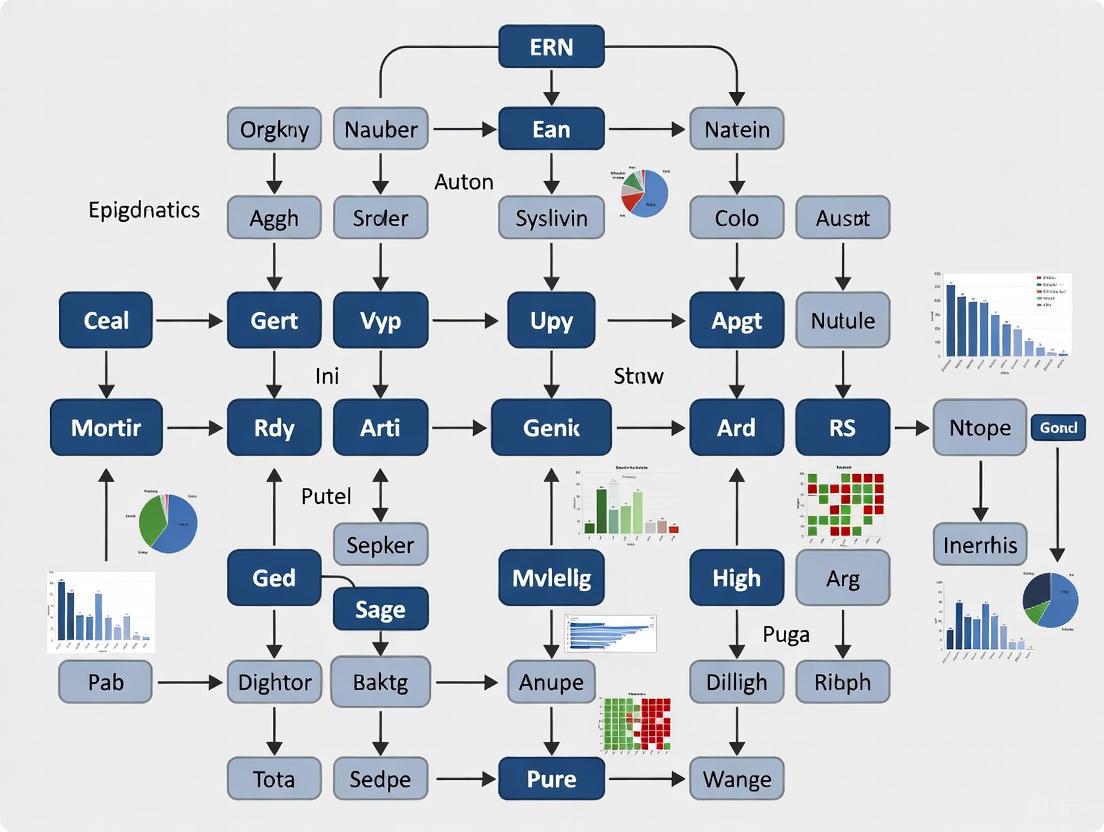
This article provides a comprehensive exploration of the Epigenetic Regulatory Network (ERN), a complex system of interdependent modifications that dictates cellular identity and function.
Epigenetic Regulatory Networks: Master Controllers of Cellular State in Health and Disease
Abstract
This article provides a comprehensive exploration of the Epigenetic Regulatory Network (ERN), a complex system of interdependent modifications that dictates cellular identity and function. Tailored for researchers and drug development professionals, we dissect the foundational principles of the ERN, detailing its key components: DNA methylation, histone modifications, chromatin remodeling, and non-coding RNAs. The scope extends to cutting-edge investigative methodologies, including epigenetic editing and multi-omics integration, and addresses the significant challenges of redundancy and therapeutic resistance. Finally, we evaluate the translational potential of targeting the ERN, reviewing advances in epigenetic therapies and their application in oncology and other diseases, thereby offering a roadmap for leveraging epigenetic networks in precision medicine.
Deconstructing the Epigenetic Regulatory Network: Core Mechanisms and Homeostatic Control
The Epigenetic Regulatory Network (ERN) represents the interconnected system of proteins and pathways that govern the establishment, maintenance, and modulation of chromatin and DNA methylation landscapes, controlling the functional output of the genome and defining cellular states and behaviors [1]. Unlike traditional studies that focus on individual epigenetic modifiers, the network perspective reveals how hundreds of proteins of diverse function cooperate in defining chromatin structure and DNA methylation landscapes, with emergent system-level properties such as robustness and bistability ensuring consistent genome function across environmental and cell-intrinsic fluctuations [1]. This whitepaper provides an in-depth technical guide to defining the ERN, with specific methodologies and resources for researchers investigating how epigenetic networks control cellular states in health and disease.
Reversible covalent modifications of DNA and histones, histone variants, chromatin remodeling, and higher-order compaction form multiple regulatory layers that integrate to control gene expression profiles and maintain genome integrity [1]. The identification of writers, readers, and erasers of epigenetic modifications, along with biochemical characterization of multi-protein complexes, has enabled deep characterization of many pathways, yet how different classes of epigenetic regulators interact to build a resilient ERN remains poorly understood [1].
Core Architecture and Robustness Mechanisms of the ERN
Hierarchical Buffering Systems
The ERN exhibits remarkable resilience to genetic perturbation through multiple layers of functional cooperation and degeneracy among network components [1]. Systematic genetic perturbation studies disrupting 200 epigenetic regulator genes, individually or in combination, have revealed that robustness emerges from three primary buffering mechanisms:
Paralogous Compensation: Representing the first layer of functional compensation, where duplicated genes with retained overlapping function provide immediate backup. Key examples include ARID1A/ARID1B, CREBBP/EP300, KAT2A/KAT2B, and SUV39H1/SUV39H2 [1]. While loss of one paralogue is often tolerated—frequently selected for in cancer—combined loss of the gene pair has deleterious effects of varying magnitude, depending on context [1].
Degeneracy: Structurally distinct elements converging on common outputs, particularly prominent among histone modifiers where multiple enzymes share common substrates. For instance, several non-paralogous methyltransferases modify H3K36, and diverse COMPASS complexes methylate H3K4 [1]. Distinct modifications that induce similar biochemical effects on chromatin have evolved and often co-occupy genomic regions, such as multiple acetylated residues that decompact chromatin and correlate with transcriptional activity [1].
Parallel Pathways: Biochemically distinct routes leading to similar functional consequences, exemplified by gene silencing mediated through either DNA methylation or heterochromatin formation, with adaptor proteins like UHRF1 and KDM2B connecting these repression pathways [1].
Functional Network Topology
Network-wide maps of functional interactions reveal distinct connectivity patterns among epigenetic regulators. CREBBP cooperates with multiple acetyltransferases to form a subnetwork that ensures robust chromatin acetylation, while ARID1A interacts with regulators from across all functional classes, positioning it as a potential network hub [1]. This topological organization creates functional specialization within the broader network architecture, with certain nodes exhibiting broader connectivity than others.
Table 1: Layers of Robustness in the Epigenetic Regulatory Network
| Robustness Mechanism | Definition | Key Examples | Experimental Validation |
|---|---|---|---|
| Paralogous Compensation | Duplicated genes with retained overlapping function | ARID1A/ARID1B, CREBBP/EP300, KAT2A/KAT2B | Combined knockout shows synthetic lethality while single knockouts are viable [1] |
| Degeneracy | Structurally distinct elements converging on common outputs | Multiple H3K36 methyltransferases, diverse COMPASS complexes for H3K4 methylation | Non-paralogous enzymes can compensate for each other's loss [1] |
| Parallel Pathways | Biochemically distinct routes to similar functional outcomes | DNA methylation vs. heterochromatin formation for gene silencing | Simultaneous disruption of both pathways required for complete loss of silencing [1] |
Experimental Framework for ERN Mapping
Systematic Genetic Perturbation Strategies
Combinatorial genetic perturbation represents the gold standard for empirically determining ERN topology. The following protocol outlines a systematic approach for mapping functional interactions:
Experimental Workflow for Genetic Interaction Mapping:
Cell Line Selection and Engineering:
- Utilize somatic cells derived from normal epithelium of human tissues (e.g., HCEC-1CT, hTERT-HME1) to avoid confounding effects of pre-existing epigenetic alterations in cancer models [1].
- Generate doxycycline-inducible Cas9-expressing cells using the pCW-Cas9 lentiviral vector [1].
- Screen for high-activity clones responsive to 1 μg/ml doxycycline.
Combinatorial Genetic Perturbation:
- Design sgRNA libraries targeting 200+ epigenetic regulator genes.
- For individual knockouts: Transfert with single synthetic guide RNAs (sgRNAs) complexing CRISPR RNAs (crRNAs) with trans-activating CRISPR RNAs (tracrRNAs) at 20 nM concentration using Dharmafect4 or Lipofectamine 3000 [1].
- For combinatorial knockouts: Utilize multiple sgRNAs simultaneously or sequentially.
Phenotypic Assessment:
- Monitor somatic cell fitness through longitudinal growth assays.
- Assess epigenetic states via chromatin immunoprecipitation followed by sequencing (ChIP-seq) for key histone modifications.
- Evaluate transcriptomic changes through RNA sequencing.
Genetic Interaction Analysis:
- Identify synthetic sick/lethal interactions by comparing observed double mutant phenotypes to expected values based on single mutant effects.
- Map functional interactions between gene pairs based on deviation from expected fitness.
Integrative Multi-Omics Network Reconstruction
Computational approaches that integrate multiple data types provide complementary methods for ERN inference. The SPIDER (Seeding PANDA Interactions to Derive Epigenetic Regulation) algorithm represents a advanced methodology for reconstructing gene regulatory networks using epigenetic data [2]:
SPIDER Workflow Protocol:
Input Data Preparation:
- Transcription Factor Motifs: Derive from position weight matrices (e.g., Cis-BP) mapped to reference genome using FIMO [2].
- Open Chromatin Regions: Process narrowPeak files from DNase-seq or ATAC-seq data [2].
- Gene Regulatory Regions: Define as 2kb windows centered around transcriptional start sites based on RefSeq annotations [2].
Seed Network Construction:
- Intersect transcription factor motif locations with open chromatin and gene regulatory regions.
- Construct bipartite network where edges represent transcription factors with motif locations overlapping both open chromatin and target gene regulatory regions.
- Degree-normalize edge weights to emphasize connections to high-degree transcription factors and genes.
Message-Passing Optimization:
- Apply PANDA (Passing Attributes between Networks for Data Assimilation) message-passing algorithm to harmonize connections across all transcription factors and genes [2].
- Iteratively refine network until edge weights stabilize.
Network Validation:
- Validate predictions using independently derived ChIP-seq data from ENCODE [2].
- Assess accuracy using Area Under the Receiver-Operating Characteristic Curve (AUC-ROC).
Table 2: Research Reagent Solutions for ERN Mapping
| Reagent/Category | Specific Examples | Function/Application | Technical Notes |
|---|---|---|---|
| Cell Models | HCEC-1CT, hTERT-HME1 [ME16C] | Normal epithelial cells for physiological ERN studies | Prefer over cancer lines to avoid confounding epigenetic alterations [1] |
| Gene Editing | pCW-Cas9 lentiviral vector, synthetic gRNAs (crRNA + tracrRNA) | Combinatorial perturbation of epigenetic regulators | Use doxycycline-inducible system for temporal control; transfect at 20nM [1] |
| Epigenomic Profiling | CUT&Tag for histone modifications (H3K4me3, H3K27ac, etc.) | High-resolution chromatin state mapping | Superior signal-to-noise ratio vs. ChIP-seq; lower cell requirements [3] |
| Computational Tools | SPIDER, PANDA, ChromHMM | Network reconstruction from multi-omics data | Integrates motif, accessibility, and expression data [2] |
ERN Dysregulation in Disease and Therapeutic Targeting
Network Fragility in Disease States
While the ERN demonstrates remarkable robustness in physiological settings, accumulated epigenetic disorder in disease states creates synthetic fragilities. When combined with oncogene activation, epigenetic disorder exposes vulnerabilities and broadly sensitizes cells to further perturbation [1]. This principle is particularly evident in cancer, where:
- Oncogenic Signaling Impact: Oncogenic drivers such as KRAS, EGFR, and MYC induce genome-wide changes in chromatin and DNA methylation patterns in transformed cells [1].
- Mutation Accumulation: Additional epigenetic alterations superimpose during tumor progression due to interactions with tumor microenvironment and subclonal mutations frequently targeting epigenetic regulators [1].
- Network Collapse Threshold: The increased regulatory disorder impacts the network's ability to enact consistent function, creating vulnerabilities that may be exploited therapeutically [1].
Epigenetic Drug Development
Epigenetic drugs target key enzymes involved in epigenetic regulation to correct abnormal gene expression patterns, with several mechanistic classes:
- DNA Methyltransferase Inhibitors (DNMTi): Azacitidine and decitabine block DNMT activity, leading to reactivation of silenced genes through passive demethylation during DNA replication [4].
- HDAC Inhibitors: Vorinostat and romidepsin prevent removal of acetyl groups from histones, maintaining open chromatin structure that facilitates transcription [4].
- Emerging Targets: BET bromodomain inhibitors and other novel targets addressing non-coding RNAs and specific chromatin remodelers [4].
Network-based drug discovery approaches have identified promising repurposing candidates, including vorinostat (HDAC1 inhibitor) and sivelestat (ELANE inhibitor) for multiple sclerosis, demonstrating how ERN analysis can reveal therapeutic opportunities [5].
Advanced Techniques and Future Directions
Single-Cell and Dynamic ERN Mapping
Emerging technologies enable unprecedented resolution for studying ERN dynamics:
- Single-Cell Multi-Omics: Simultaneous measurement of chromatin accessibility, DNA methylation, and transcriptome in individual cells reveals cell-to-cell heterogeneity in ERN states.
- Time-Resolved Epigenomics: Longitudinal tracking of histone modification dynamics during critical transitions (e.g., embryonic development, cellular differentiation) using CUT&Tag profiling across multiple time points [3].
- Live-Cell Imaging: CRISPR-based imaging systems for visualizing chromatin dynamics in real-time.
Integration with Three-Dimensional Genome Architecture
The three-dimensional organization of the genome represents a critical component of the ERN that remains underexplored in network models:
- Chromatin Conformation Capture: Integration of Hi-C, ChIA-PET, and related methods to incorporate spatial constraints into ERN models.
- Loop Extrusion Dynamics: Modeling the impact of cohesin and CTCF on ERN function and gene regulation.
- Nuclear Compartmentalization: Accounting for the spatial organization of epigenetic modifications within the nucleus.
The field of epigenetic therapy is rapidly evolving, with promising developments extending beyond oncology into neurodegenerative, cardiovascular, and autoimmune diseases [4]. Advances in understanding epigenetic mechanisms and their role in diverse pathologies are driving the next generation of therapies designed to modulate network states rather than individual targets.
Defining the Epigenetic Regulatory Network requires moving beyond the characterization of isolated modifications to understanding the system-level properties that emerge from interactions between hundreds of epigenetic regulators. The ERN's robustness stems from multiple layers of functional cooperation and degeneracy, yet this robustness can be compromised in disease states, creating therapeutic opportunities. Advanced methodologies combining systematic genetic perturbation, multi-omics integration, and computational modeling provide powerful approaches for mapping ERN architecture and dynamics. As these technologies mature, they will enable increasingly precise modulation of epigenetic networks for therapeutic benefit across a wide spectrum of diseases.
The epigenetic regulatory network (ERN) represents the interconnected system of proteins and pathways that establish, maintain, and modulate chromatin and DNA methylation landscapes to control functional genome output. This whitepaper provides a comprehensive technical guide to the ERN's core components—writers, erasers, readers, and movers—and their cooperative functions in defining cellular states. We examine how functional redundancy and degeneracy within the ERN confer remarkable resilience to genetic perturbation in normal somatic cells, while accumulated epigenetic disruptions in disease states create novel therapeutic vulnerabilities. Detailed experimental methodologies for systematic ERN interrogation are presented, alongside emerging research tools and visualization frameworks that enable targeted investigation of epigenetic regulatory mechanisms. Understanding these core components and their interactions provides critical insights for exploiting epigenetic networks in therapeutic development.
The epigenetic regulatory network (ERN) comprises the complex, interconnected system of proteins and biochemical pathways that govern the establishment, maintenance, and dynamic modulation of chromatin structure and DNA methylation patterns [1]. This network controls the functional output of the genome by integrating multiple regulatory layers including reversible covalent modifications of DNA and histones, histone variants, chromatin remodeling, and higher-order chromatin compaction [1]. The ERN defines cellular states and behaviors through its coordinated regulation of gene expression profiles and maintenance of genome integrity.
Molecular control within the ERN is distributed across hundreds of proteins with diverse functions that cooperate to build a resilient regulatory system [1]. While individual epigenetic pathways have been extensively characterized, understanding how different classes of epigenetic regulators interact to form a robust network remains a fundamental challenge in epigenetics. Emerging research demonstrates that the ERN exhibits system-level properties including robustness and bistability of its outputs, ensuring consistent genome function across environmental fluctuations and internal perturbations [1]. This robustness emerges from multiple layers of functional cooperation and degeneracy among network components, creating both challenges and opportunities for therapeutic intervention.
Core ERN Components: Molecular Mechanisms and Functions
The ERN operates through four principal classes of components that execute distinct biochemical functions: writers that deposit epigenetic marks, erasers that remove them, readers that interpret them, and movers that reposition nucleosomes. The coordinated activity of these components establishes and maintains the epigenetic landscape.
Writers: Establishing Epigenetic Marks
Writers are enzymes that catalyze the addition of covalent modifications to DNA and histone proteins. These enzymes establish the chemical signals that constitute the epigenetic code, including DNA methylation patterns and post-translational modifications of histone tails.
DNA Methyltransferases (DNMTs): These writers catalyze the transfer of methyl groups to cytosine bases, primarily at CpG islands, forming 5-methylcytosine (5mC) [6]. DNMT1 maintains methylation patterns during DNA replication, while DNMT3A and DNMT3B establish de novo methylation patterns. DNA methylation typically creates a transcriptionally repressive environment by recruiting proteins that promote chromatin compaction [6].
Histone Acetyltransferases (HATs): HATs, including CREBBP/EP300 and KAT2A/KAT2B, catalyze the transfer of acetyl groups to lysine residues on histone tails [1] [6]. This neutralizes the positive charge of histones, reducing their affinity for DNA and promoting an open chromatin state permissive for transcription. CREBBP exemplifies functional cooperation within the ERN, forming a subnetwork with multiple acetyltransferases to ensure robust chromatin acetylation [1].
Histone Methyltransferases (HMTs): HMTs catalyze the methylation of lysine and arginine residues on histones. These include SUV39H1/SUV39H2 (H3K9 methylation), EZH2 (H3K27 methylation), and COMPASS family complexes (H3K4 methylation) [1] [6]. The functional outcome of histone methylation depends on the specific residue modified and the degree of methylation (mono-, di-, or tri-methylation).
Novel Histone Modification Writers: Recent research has identified writers for novel histone modifications including citrullination, crotonylation, succinylation, propionylation, butyrylation, 2-hydroxyisobutyrylation, and 2-hydroxybutyrylation [6]. These expanding modification types significantly increase the complexity of the histone code.
Erasers: Removing Epigenetic Marks
Erasers are enzymes that remove covalent modifications from DNA and histones, enabling dynamic regulation of epigenetic states. These components provide reversibility essential for epigenetic plasticity during cellular differentiation and environmental adaptation.
Ten-Eleven Translocation (TET) Enzymes: TET enzymes catalyze the iterative oxidation of 5mC to 5-hydroxymethylcytosine (5hmC), 5-formylcytosine (5fC), and 5-carboxylcytosine (5caC) [6]. This process initiates DNA demethylation pathways, both passive (replication-dependent) and active (replication-independent), leading to transcriptional activation of affected genes.
Histone Deacetylases (HDACs): HDACs remove acetyl groups from histone lysine residues, restoring the positive charge and promoting chromatin compaction [6]. This typically results in transcriptional repression. HDACs function as critical regulators of gene expression networks, and their inhibition can reactivate silenced tumor suppressor genes.
Histone Demethylases (KDMs): KDMs catalyze the removal of methyl groups from histone lysine and arginine residues. The LSD1 and Jumonji families of demethylases target specific methylation states with precise specificity [6]. Their activity enables dynamic regulation of histone methylation patterns in response to cellular signals.
Readers: Interpreting Epigenetic Signals
Readers are protein domains that recognize and bind to specific epigenetic modifications, translating the chemical signals into functional biological outcomes through recruitment of effector complexes.
Methyl-CpG-Binding Domain (MBD) Proteins: MBD proteins, including MECP2, MBD1, and MBD2, recognize and bind to methylated CpG dinucleotides [6]. These readers recruit additional cofactors such as HDACs and chromatin remodeling complexes to methylated DNA, facilitating the formation of transcriptionally repressive heterochromatin.
Bromodomains: These structural motifs recognize and bind to acetylated lysine residues on histones [6]. Proteins containing bromodomains, such as those in the SWI/SNF and BET families, often function as transcriptional co-activators that promote gene expression by recruiting additional transcription machinery.
Chromodomains and Tudor Domains: These specialized domains recognize methylated lysine residues on histones with specificity for both the modified residue and methylation state [6]. For example, HP1 proteins use chromodomains to bind H3K9me3, facilitating heterochromatin formation and spread.
Movers: Remodeling Chromatin Structure
Movers comprise ATP-dependent chromatin remodeling complexes that physically reposition, eject, or restructure nucleosomes, altering chromatin accessibility without modifying the chemical properties of histones.
SWI/SNF Complexes: These multi-subunit complexes, including cBAF, PBAF, and ncBAF variants, utilize ATP hydrolysis to slide, evict, or restructure nucleosomes [1] [6]. SWI/SNF complexes represent a prototypical example of degeneracy within the ERN, with 29 protein subunits assembling in various combinations to exert partly overlapping functions in transcription regulation and genome maintenance [1]. Components like ARID1A function as functional hubs, interacting with regulators across all functional classes within the ERN [1].
ISWI Complexes: ISWI family remodelers regulate nucleosome spacing and facilitate the assembly of chromatin higher-order structure, often promoting chromatin compaction [6].
CHD Complexes: CHD remodelers typically slide nucleosomes and can contain additional chromatin-binding domains that recognize specific histone modifications [6].
INO80 Complexes: INO80 family remodelers specialize in histone variant exchange, such as replacing H2A with H2A.Z, and play roles in DNA repair and transcription [6].
Table 1: Core ERN Component Classes and Representative Examples
| Component Class | Biochemical Function | Representative Examples | Primary Functional Role |
|---|---|---|---|
| Writers | Deposit covalent modifications | DNMTs, HATs (CREBBP/EP300), HMTs (EZH2, SUV39H1) | Establish epigenetic marks that define chromatin states |
| Erasers | Remove covalent modifications | TET enzymes, HDACs, KDMs (LSD1, JMJC family) | Enable dynamic regulation and reversibility of epigenetic states |
| Readers | Recognize specific modifications | MBD proteins, Bromodomains, Chromodomains | Translate epigenetic marks into functional biological outcomes |
| Movers | Reposition nucleosomes | SWI/SNF, ISWI, CHD, INO80 complexes | Alter chromatin accessibility and architecture |
ERN Robustness: Functional Redundancy and Compensation Mechanisms
The ERN exhibits remarkable resilience to genetic perturbation through multiple layers of functional redundancy and compensation. Systematic genetic studies demonstrate that most individual epigenetic regulators are dispensable for somatic cell fitness, with robustness emerging from cooperative interactions among network components [1].
Paralogous Redundancy
Gene duplication has created numerous paralogue pairs within the ERN that provide a first layer of functional compensation [1]. Key examples include:
- ARID1A/ARID1B: SWI/SNF complex subunits with overlapping functions in chromatin remodeling
- CREBBP/EP300: Histone acetyltransferases with conserved catalytic activities
- KAT2A/KAT2B: Additional acetyltransferases with complementary functions
- SUV39H1/SUV39H2: H3K9 methyltransferases involved in heterochromatin formation
While individual loss of these paralogues is typically tolerated in normal cells—and frequently selected for in cancer—combined disruption of gene pairs produces deleterious effects of varying magnitude depending on cellular context [1].
Degeneracy and Convergent Function
Beyond structural homology, the ERN exhibits extensive degeneracy—structurally distinct elements that converge on common functional outputs [1]. This is particularly evident among histone modifiers, where multiple non-paralogous enzymes target identical substrates. For example, various COMPASS complexes methylate H3K4, while multiple methyltransferases modify H3K36 [1]. Additionally, distinct modifications that induce similar biochemical effects (e.g., multiple acetylated residues that decompact chromatin) often co-occur in genomic regions associated with transcriptional activity.
Parallel Pathways and Network Buffering
Robustness further emerges from parallel pathways that achieve similar functional outcomes through distinct biochemical routes [1]. Gene silencing provides a paradigm: repression can be mediated by DNA methylation through DNMTs or by heterochromatin formation through polycomb repressor complexes (PRC1 and PRC2) [1]. Adaptor proteins like UHRF1 (binding repressive histone marks and recruiting DNMTs) and KDM2B (recognizing CpG islands and recruiting PRC1) connect these pathways, creating integrated buffering mechanisms [1].
Table 2: Layers of Robustness in the Epigenetic Regulatory Network
| Robustness Mechanism | Definition | ERN Examples | Experimental Evidence |
|---|---|---|---|
| Paralogous Redundancy | Functional overlap between gene duplicates | ARID1A/ARID1B, CREBBP/EP300, KAT2A/KAT2B | Individual knockout tolerated; combined knockout deleterious [1] |
| Degeneracy | Structurally distinct elements with convergent function | Multiple H3K4 methyltransferases (COMPASS family) | Independent enzymes maintain H3K4 methylation when others are impaired [1] |
| Parallel Pathways | Distinct biochemical routes to similar functional outcomes | DNA methylation vs. polycomb-mediated silencing | Both pathways maintain repression; combined disruption required for gene reactivation [1] |
| Inter-class Cooperation | Functional compensation across different component classes | ARID1A interactions across writer, eraser, reader classes | ARID1A-deficient cells show broad functional interactions across ERN [1] |
Experimental Approaches for ERN Investigation
Systematic interrogation of the ERN requires combinatorial approaches that assess individual and combined perturbations across network components. The following methodologies enable comprehensive mapping of functional interactions within the epigenetic regulatory system.
Systematic Genetic Perturbation Screening
Objective: To identify functional interactions and compensation mechanisms across the ERN through combinatorial genetic disruption.
Protocol Details:
Cell Model Establishment:
- Utilize somatic cells derived from normal human epithelium (e.g., HCEC-1CT colonic epithelial cells, hTERT-HME1 mammary epithelial cells) to minimize confounding effects of pre-existing epigenetic alterations in cancer models [1].
- Generate doxycycline-inducible Cas9-expressing clones through lentiviral transduction with pCW-Cas9 vector and monoclonal selection [1].
- Pre-treat with 1 μg/ml doxycycline for 24 hours to induce Cas9 expression prior to transfection.
Combinatorial Genetic Perturbation:
- Target 200+ epigenetic regulator genes individually and in combination using synthetic guide RNAs (sgRNAs) [1].
- Complex CRISPR RNAs (crRNAs) with trans-activating crRNAs (tracrRNAs) to form specific gRNAs at 20 nM concentration.
- Perform reverse transfection using Dharmafect4 (HME1 cells) or Lipofectamine 3000 (HCEC-1CT cells) [1].
- Replace growth medium after 24 hours.
Validation and Functional Assessment:
- After 72 hours, sort individual cells into multiwell plates using fluorescence-activated cell sorting (e.g., MoFlo XDP cell sorter) to generate monoclonal populations [1].
- Screen clonal populations by immunofluorescence and functional assays for epigenetic modifications.
- Assess cell fitness, proliferation, and global epigenetic changes through high-content imaging, RNA sequencing, and epigenomic profiling.
Epigenome Editing with CRISPR-dCas9 Systems
Objective: To causally investigate specific epigenetic modifications at defined genomic loci.
Protocol Details:
dCas9-Effector Fusion Design:
Targeting Strategy:
- Design sgRNAs with complementary sequences to target genomic loci of interest.
- Consider chromatin accessibility and nucleosome positioning when selecting target sites within regulatory regions.
Delivery and Validation:
- Deliver dCas9-effector and sgRNA constructs via lentiviral transduction or lipid nanoparticles.
- Assess epigenetic modifications at target loci through bisulfite sequencing (DNA methylation), chromatin immunoprecipitation (histone modifications), or targeted sequencing approaches.
- Monitor downstream transcriptional effects via RT-qPCR or RNA sequencing.
Multi-omics Integration for ERN Mapping
Objective: To identify core epigenetic regulators and their functional interactions through integrated analysis of multiple molecular layers.
Protocol Details:
Data Generation:
- Perform whole-genome bisulfite sequencing for DNA methylation patterns.
- Conduct chromatin immunoprecipitation sequencing (ChIP-seq) for histone modifications and transcription factor binding.
- Implement assay for transposase-accessible chromatin with sequencing (ATAC-seq) for chromatin accessibility.
- Generate RNA sequencing data for transcriptional outputs.
Spatial Multi-omics:
- Apply emerging spatial technologies to preserve architectural context of epigenetic regulation [6].
- Correlate epigenetic states with spatial organization in tissue microenvironments.
Computational Integration:
- Employ network analysis algorithms to identify functional hubs within the ERN.
- Develop machine learning models to predict vulnerability points based on multi-omics features.
Diagram 1: ERN Component Interactions and Robustness Mechanisms. Core components (writers, erasers, readers, movers) regulate molecular features (DNA methylation, histone modifications, chromatin accessibility) that collectively control gene expression. Dashed lines indicate robustness mechanisms that provide functional backup.
The Scientist's Toolkit: Research Reagent Solutions
Table 3: Essential Research Reagents for ERN Investigation
| Reagent/Category | Specific Examples | Function/Application | Experimental Context |
|---|---|---|---|
| CRISPR Screening Tools | pCW-Cas9 (doxycycline-inducible), sgRNA libraries targeting 200+ ERGs | Systematic genetic perturbation of epigenetic regulators | Functional interaction mapping in normal somatic cells [1] |
| Epigenome Editors | dCas9-DNMT3A, dCas9-TET1, dCas9-p300, dCas9-HDAC | Targeted manipulation of specific epigenetic marks at defined loci | Causal investigation of epigenetic modifications [7] [6] |
| Cell Model Systems | HCEC-1CT (colon epithelial), hTERT-HME1 (mammary epithelial) | Normal somatic cells with intact epigenetic networks | Physiological ERN studies minimizing cancer context confounders [1] |
| Small Molecule Inhibitors | HDAC inhibitors, BET bromodomain inhibitors, EZH2 inhibitors | Chemical perturbation of specific epigenetic regulators | Therapeutic targeting and functional validation [7] [6] |
| Multi-omics Platforms | Whole-genome bisulfite sequencing, ChIP-seq, ATAC-seq, spatial transcriptomics | Comprehensive mapping of epigenetic states and transcriptional outputs | Systems-level ERN analysis and biomarker discovery [6] |
Clinical Implications and Therapeutic Opportunities
Progressive accumulation of epigenetic alterations represents a hallmark of various diseases, particularly cancer, where approximately 30% of epigenetic regulators show broad loss-of-function [1] [7]. While the ERN maintains robustness in normal cells, accumulated epigenetic disorder in transformed cells creates novel vulnerabilities that can be exploited therapeutically.
Synthetic Lethality in Epigenetically Disrupted Cells
Cancer cells harboring mutations in specific ERN components often develop selective dependencies on backup regulators, creating opportunities for synthetic lethal approaches [1]. For example, ARID1A-deficient cells display broad sensitization to further perturbation, exposing synthetic fragilities that can be targeted pharmacologically [1]. The presence of known oncogenic drivers alongside epigenetic regulator loss significantly increases epigenetic fragility, potentially contributing to tumorigenesis while offering therapeutic windows [1].
Epigenetic Therapy Combinations
Single-agent epigenetic therapies often face limitations due to ERN robustness mechanisms [6]. However, rational combination strategies show significant promise:
- DNMT inhibitors + HDAC inhibitors: Dual targeting of DNA methylation and histone acetylation pathways
- EZH2 inhibitors + immunotherapy: Enhancing immune recognition through altered transcriptional programs
- BET inhibitors + targeted therapies: Overcoming resistance pathways in oncogene-driven cancers The integration of multi-omics technologies enables identification of core epigenetic drivers within complex networks, facilitating precision approaches to epigenetic therapy [6].
Diagram 2: ERN Dysregulation in Cancer and Therapeutic Strategies. Accumulated epigenetic disorder in cancer cells creates network fragility and synthetic lethal opportunities that can be targeted through multiple therapeutic approaches.
The epigenetic regulatory network represents a highly robust system maintained through coordinated interactions among writers, erasers, readers, and movers. Understanding the core components of this network and their functional relationships provides critical insights into both normal cellular physiology and disease pathogenesis. While redundancy and degeneracy within the ERN present challenges for therapeutic intervention, they also create opportunities for selective targeting of epigenetically disrupted cells. Future research leveraging systematic perturbation approaches, multi-omics technologies, and spatial analysis methods will continue to reveal the organizational principles of the ERN, enabling more effective targeting of epigenetic mechanisms in disease treatment.
Interplay of DNA Methylation and Histone Modifications in Gene Silencing and Activation
The epigenetic regulatory network (ERN) represents the complex, interconnected system of proteins and pathways that govern the establishment, maintenance, and modulation of chromatin and DNA methylation landscapes, ultimately controlling the functional output of the genome in defining cellular states and behaviors [1]. This network exhibits remarkable robustness in normal cells, with substantial functional redundancy inbuilt to prevent network collapse through multiple layers of functional cooperation and degeneracy among its components [1]. The ERN integrates two primary epigenetic signaling systems: DNA methylation, which involves the covalent addition of a methyl group to cytosine bases primarily in CpG dinucleotides, and histone modifications, which encompass post-translational alterations to histone proteins including methylation, acetylation, phosphorylation, and ubiquitylation [8] [9]. Rather than operating independently, these systems engage in sophisticated cross-regulatory interactions that establish stable transcriptional states essential for development, cellular differentiation, and tissue-specific gene expression patterns. When disrupted, this intricate interplay contributes to various disease states, including cancer and developmental disorders, making understanding of these mechanisms crucial for therapeutic development [7] [10].
Fundamental Mechanisms of Epigenetic Regulation
DNA Methylation: Writers, Erasers, and Readers
DNA methylation involves the covalent addition of a methyl group to the fifth carbon of cytosine bases (5-methylcytosine, 5mC), primarily within CpG dinucleotides [11]. This process is catalyzed by DNA methyltransferases (DNMTs), with DNMT3A and DNMT3B responsible for de novo methylation, and DNMT1 maintaining methylation patterns during DNA replication [11]. Approximately 70-90% of CpG sites throughout the genome are typically methylated, while CpG islands—regions with high G+C content and dense CpG clustering—remain largely unmethylated, particularly when located near promoter regions [11]. DNA methylation generally correlates with transcriptional repression through several mechanisms: it can directly impede transcription factor binding, alter chromatin accessibility, and recruit methyl-DNA binding proteins (MBD family) that associate with complexes containing histone deacetylases (HDACs) to promote a repressive chromatin state [11].
Histone Modifications: The Complexity of the Histone Code
Histone modifications represent a complex signaling system that regulates DNA accessibility through post-translational modifications to histone proteins [8]. The nucleosome, consisting of an octamer of histone proteins (H2A, H2B, H3, and H4) around which DNA is wrapped, provides multiple sites for reversible modifications that influence chromatin structure and function [8] [9]. These modifications include acetylation, methylation, phosphorylation, ubiquitylation, and several more recently discovered modifications such as lactylation and citrullination [8] [9]. Unlike DNA methylation, histone modifications can be associated with either activation or repression depending on the specific modification, its location, and cellular context [8].
Table 1: Key Histone Modifications and Their Functional Associations
| Histone Modification | Function | Genomic Location |
|---|---|---|
| H3K4me3 | Activation | Promoters, bivalent domains |
| H3K27ac | Activation | Enhancers, promoters |
| H3K9ac | Activation | Enhancers, promoters |
| H3K4me1 | Activation | Enhancers |
| H3K36me3 | Activation | Gene bodies |
| H3K27me3 | Repression | Promoters in gene-rich regions, developmental regulators |
| H3K9me3 | Repression | Satellite repeats, telomeres, pericentromeres |
| H3S10P | DNA replication | Mitotic chromosomes |
| γH2A.X | DNA damage | DNA double-strand breaks |
Histone acetylation generally promotes an open chromatin state by neutralizing the positive charge on lysine residues, reducing histone-DNA interactions, and allowing transcription factor binding [8]. This modification is dynamically regulated by histone acetyltransferases (HATs) and histone deacetylases (HDACs) [8]. Histone methylation exhibits greater complexity, with different residues and methylation states conferring distinct functional consequences. For example, H3K4me3 marks active promoters, H3K4me1 marks enhancers, H3K36me3 is found across transcribed gene bodies, while H3K27me3 and H3K9me3 are associated with transcriptional repression [8].
Mechanistic Interplay Between DNA Methylation and Histone Modifications
Hierarchical Relationships in Gene Silencing
The relationship between DNA methylation and histone modifications in establishing gene silencing states has been extensively investigated, with evidence supporting both directions of control. Some studies indicate that DNA methylation patterns can guide histone modifications during gene silencing. For instance, methylated DNA is recognized by MBD family proteins that recruit complexes containing histone modifiers such as HDACs and histone methyltransferases, thereby promoting repressive histone marks [10] [11]. This relationship is exemplified by the interaction between MBD1 and the H3K9 methyltransferase Suv39h1, which enhances MBD1-mediated transcriptional repression [11].
Conversely, other studies demonstrate that histone modification states can direct DNA methylation patterns. The repressed erythroid-specific carbonic anhydrase II (CAII) promoter exhibits a bipartite epigenetic organization where active histone modifications (H3/H4 acetylation and H3K4me3) are localized around the transcription start site, while high levels of CpG methylation are present directly upstream from these active marks [12]. This configuration suggests that active histone modifications may prevent the spreading of CpG methylation toward the promoter core, demonstrating that repressive DNA methylation immediately adjacent to a promoter does not necessarily repress transcription [12]. This challenges the conventional view that promoter-proximal DNA methylation universally correlates with transcriptional silencing.
Table 2: Experimental Evidence for Hierarchical Relationships in Epigenetic Silencing
| Experimental System | Key Finding | Hierarchical Relationship | Reference |
|---|---|---|---|
| p16INK4a tumor suppressor | Histone modifications (H3K9 methylation) occurred prior to DNA methylation during silencing | Histone modifications → DNA methylation | [13] |
| Carbonic anhydrase II (CAII) promoter | Active histone modifications prevent spreading of adjacent DNA methylation | Histone modifications → DNA methylation boundary | [12] |
| MBD1-Suv39h1 interaction | Methylated DNA recruits histone methyltransferase | DNA methylation → Histone modifications | [11] |
| Neurospora crassa (dim5 mutant) | Loss of histone methyltransferase eliminates DNA methylation | Histone modifications → DNA methylation | [14] |
Context-Dependent Interactions in Facultative Heterochromatin
The interplay between DNA methylation and histone modifications exhibits significant context dependency, particularly in facultative heterochromatin marked by H3K27me3. Recent single-cell multi-omic technology (scEpi2-seq) that simultaneously profiles DNA methylation and histone modifications has revealed that differentially methylated regions demonstrate independent cell-type regulation in addition to H3K27me3 regulation, indicating that CpG methylation acts as an additional layer of control in facultative heterochromatin [15]. This simultaneous profiling has enabled direct observation of how specific histone modification contexts correlate with DNA methylation patterns, showing that regions marked by repressive histone modifications (H3K27me3 and H3K9me3) exhibit much lower DNA methylation levels (8-10%) compared to regions marked by the active mark H3K36me3 (50%) [15].
Advanced Methodologies for Studying Epigenetic Interplay
Single-Cell Multi-Omic Profiling Technologies
Traditional methods for studying DNA methylation and histone modifications typically require separate experiments using techniques such as bisulfite sequencing (for DNA methylation) and chromatin immunoprecipitation followed by sequencing (ChIP-seq, for histone modifications). However, the recent development of single-cell Epi2-seq (scEpi2-seq) enables joint readout of histone modifications and DNA methylation in the same single cell, providing unprecedented insight into the dynamics of epigenetic interactions [15]. This method leverages TET-assisted pyridine borane sequencing (TAPS) for bisulfite-free methylation detection while simultaneously using antibody-tethered micrococcal nuclease (MNase) to profile histone modifications [15].
The scEpi2-seq workflow begins with cell permeabilization and antibody binding to specific histone modifications, followed by single-cell sorting into 384-well plates. MNase digestion is then initiated by calcium addition, and the resulting fragments are processed with adaptor ligation containing cellular barcodes. The material undergoes TAPS conversion, where methylated cytosine is converted to uracil while leaving barcoded adaptors intact. Following library preparation and sequencing, both histone modification positions (from read mapping) and DNA methylation status (from C-to-T conversions) are extracted from the same single cell [15]. Application of this technology in K562 cells has demonstrated high-quality data with over 50,000 CpGs detected per single cell and high specificity (FRiP scores of 0.72-0.88) for histone modification profiling [15].
Chromatin Immunoprecipitation (ChIP) Methodologies
Chromatin immunoprecipitation remains a cornerstone technique for investigating histone modifications and protein-DNA interactions. The standard ChIP protocol involves cross-linking proteins to DNA using formaldehyde, followed by chromatin fragmentation typically through sonication or enzymatic digestion [12] [8]. Specific antibodies against histone modifications of interest are used to immunoprecipitate the bound chromatin, after which the cross-links are reversed and the associated DNA is purified for sequencing analysis [8].
Quantitative ChIP protocols incorporate rigorous normalization procedures, including input controls and formula-based calculations: [%ChIP/input] = [E(Ctinput-CtChIP) * 100%], where E represents primer efficiency [12]. For sequential ChIP (reChIP) experiments, mononucleosomal chromatin preparation is optimized through micrococcal nuclease digestion, typically using 200 units of MNase with digestion for 30 minutes at room temperature in the presence of 1mM CaCl₂ [12]. The resulting mononucleosomal fragments enable high-resolution mapping of histone modifications relative to nucleosome positioning.
Genetic Perturbation Strategies for ERN Mapping
Systematic genetic perturbation approaches have been developed to map functional interactions within the epigenetic regulatory network. These typically involve CRISPR-Cas9 mediated knockout of epigenetic regulator genes (ERGs), either individually or in combination, to assess their impact on cellular fitness and epigenetic states [1]. A key methodology utilizes doxycycline-inducible lentiviral Cas9 systems (e.g., pCW-Cas9) combined with synthetic guide RNAs targeting specific ERGs [1]. Following transfection and antibiotic selection, monoclonal cell lines are derived through single-cell sorting and validated using immunofluorescence and functional assays.
Large-scale genetic interaction mapping has revealed that the ERN exhibits extensive robustness through multiple compensatory mechanisms, including paralog redundancy (e.g., CREBBP/EP300, ARID1A/ARID1B), degeneracy (structurally distinct elements converging on common outputs), and parallel pathways (distinct biochemical routes to similar functional consequences) [1]. This robustness is progressively compromised in cancer cells, where accumulated epigenetic alterations create context-specific vulnerabilities that may be exploited therapeutically [1].
The Scientist's Toolkit: Essential Research Reagents and Methodologies
Table 3: Key Research Reagents and Experimental Tools for Epigenetic Studies
| Reagent/Tool | Function/Application | Example Specifications | Experimental Use |
|---|---|---|---|
| Anti-H3K4me3 Antibody | Marks active promoters | Abcam ab8580, 1μg per ChIP | Promoter-associated histone modification profiling |
| Anti-H3K27me3 Antibody | Identifies facultative heterochromatin | Upstate #07-449, 2μg per ChIP | Polycomb-mediated silencing studies |
| Anti-H3K9me3 Antibody | Detects constitutive heterochromatin | Gift from T. Jenuwein [#4861], 2μg per ChIP | Heterochromatin formation studies |
| Anti-Acetyl-Histone H3 | Recognizes hyperacetylated active chromatin | Upstate #06-942, 2μg per ChIP | Transcription activation analysis |
| Protein A/G–agarose | Immunoprecipitation of antibody-chromatin complexes | 33% slurry, 30μl per reaction | Chromatin immunoprecipitation |
| Micrococcal Nuclease (MNase) | Nucleosome positioning mapping | 200 units, 30min digestion at room temperature | Mononucleosomal chromatin preparation |
| pCW-Cas9 System | Doxycycline-inducible CRISPR-Cas9 | Lentiviral vector, 1μg/ml doxycycline induction | Epigenetic regulator gene knockout |
| TAPS Reagents | Bisulfite-free methylation sequencing | TET2, pyridine borane | scEpi2-seq methylation detection |
Implications for Disease and Therapeutic Development
Dysregulation of the interplay between DNA methylation and histone modifications contributes significantly to human diseases, particularly cancer. In cancer development, the epigenetic regulatory network undergoes substantial disruption, with broad loss of approximately 30% of epigenetic regulators globally within cancer cells [7]. This leads to aberrant transcriptional responses to stress and confers enhanced adaptive capacity over normal cells [7]. The accumulated epigenetic disorder in neoplastic cells creates synthetic fragilities and broadly sensitizes cells to further perturbation, potentially offering therapeutic opportunities [1].
Notably, histone fold mutations have been identified in approximately 7% of cancer patients, with H2B E76K being the most common mutation [7]. This mutation destabilizes the H2B/H4 interface, leading to increased chromatin accessibility and upregulation of key signaling pathways including polycomb-repressed regions, epithelial-mesenchymal transition pathways, and AKT and c-Jun signaling, collectively contributing to tumorigenesis [7]. Additionally, CTCF transcription factor binding site mutations occur with higher frequency at persistent CTCF binding sites in many cancers, disrupting higher-order chromatin architecture and contributing to oncogenic gene expression programs [7].
The interconnected nature of epigenetic regulatory mechanisms has inspired several therapeutic approaches:
- Combination epigenetic therapy targeting both DNA methylation and histone modifications
- Synthetic lethal approaches targeting compensatory pathways in epigenetically disrupted cancer cells
- Postbiotic therapy leveraging microbial metabolites with epigenetic modulatory activity
Interestingly, the microbiome has emerged as a significant modulator of epigenetic states, with specific bacterial species such as Faecalibaculum rodentium producing butyrate that functions as a histone deacetylase inhibitor, providing epigenetic modulation of cell apoptosis [7]. In colorectal cancer, the presence of intra-tumoral bacteria modulates treatment response, potentially through the production of soluble metabolites that regulate HLA expression and other epigenetically modulated pathways [7].
Future Directions and Concluding Perspectives
The field of epigenetic interplay continues to evolve rapidly with emerging technologies and conceptual frameworks. Single-cell multi-omic approaches are poised to reveal unprecedented detail about the dynamics and heterogeneity of epigenetic states in development and disease [15]. The application of artificial intelligence-based modeling to epigenetic data, particularly in clinical contexts such as liquid biopsy, represents a promising frontier for biomarker development and clinical translation [7]. Additionally, the systematic mapping of genetic interactions within the ERN provides a foundation for predicting synthetic lethal relationships that may be exploited therapeutically [1].
A critical emerging concept is that of the epigenetic regulatory network as an integrated system with properties that extend beyond the function of individual components. This network perspective helps explain how normal cells maintain epigenetic stability despite constant environmental fluctuations, and how this stability becomes compromised in disease states [1] [7]. The demonstrated bipartite organization of epigenetic marks at specific loci, with repressive DNA methylation existing adjacent to active histone modifications without necessarily repressing transcription, challenges simplified models of epigenetic regulation and highlights the context-dependent nature of these interactions [12].
As epigenetic therapies continue to advance, combination approaches that target multiple components of the ERN simultaneously may prove more effective than single-agent therapies. Furthermore, understanding the temporal dynamics of epigenetic changes during disease progression, particularly the transition to metastatic disease where epigenetic alterations may facilitate the necessary cellular adaptations, represents a crucial area for future investigation [7]. The integration of epigenetic profiling into clinical practice, particularly through non-invasive liquid biopsy approaches, holds significant promise for improving diagnosis, prognosis, and therapeutic monitoring across a range of human diseases.
The Role of Non-Coding RNAs and Chromatin Remodeling in Network Stability
The epigenetic regulatory network (ERN) represents a sophisticated, multi-layered system of interacting components that maintains cellular state stability through functional redundancy and compensatory mechanisms. Non-coding RNAs (ncRNAs) and ATP-dependent chromatin remodeling complexes have emerged as critical players in this network, contributing significantly to its resilience. Recent research reveals that ncRNAs interact extensively with chromatin remodelers to fine-tune gene expression programs, while the ERN exhibits remarkable robustness to individual perturbations through paralog compensation, degeneracy, and parallel pathways. However, in disease states such as cancer, accumulated epigenetic alterations can push this network beyond its stability threshold, creating context-specific vulnerabilities. Understanding these interactions provides novel insights for therapeutic interventions targeting network fragility in human diseases.
The epigenetic regulatory network (ERN) comprises the interconnected system of proteins, RNAs, and pathways that govern the establishment, maintenance, and modulation of chromatin and DNA methylation landscapes. This network controls the functional output of the genome by integrating reversible covalent modifications of DNA and histones, histone variants, chromatin remodeling, and higher-order compaction [1]. The ERN exhibits emergent system-level properties including robustness and bistability, which ensure consistent genome function across environmental fluctuations and cellular divisions [1]. This robustness emerges from multiple layers of functional cooperation and degeneracy among network components, creating a resilient system that maintains cellular fitness despite perturbations [1].
Within this network framework, non-coding RNAs and chromatin remodeling complexes serve as critical nodes that influence network stability. ncRNAs, particularly long non-coding RNAs (lncRNAs), have shifted from the margins of molecular biology to the core of our understanding of gene regulation, cellular plasticity, and disease pathogenesis [16]. Similarly, ATP-dependent chromatin remodeling complexes, especially the SWI/SNF family, function as central processors that interpret regulatory information and implement chromatin structural changes [17]. The interaction between these elements creates a dynamic control system that rewires cellular responses in development, stress, and pathology.
Non-Coding RNAs: Diverse Regulators in the ERN
Classification and Functional Mechanisms
Non-coding RNAs represent a heterogeneous class of RNA molecules that regulate gene expression without being translated into proteins. The major classes include:
- MicroRNAs (miRNAs): ~22 nucleotide transcripts that bind to complementary sequences on target mRNAs, leading to translational repression or mRNA degradation [18].
- Long non-coding RNAs (lncRNAs): Transcripts longer than 200 nucleotides that function through diverse mechanisms including chromatin remodeling, scaffolding of protein complexes, and regulation of transcription [19] [18].
- Circular RNAs (circRNAs): Covalently closed loop structures that function as microRNA sponges, transcriptional regulators, and protein scaffolds [16] [18].
Table 1: Major Non-Coding RNA Classes and Their Functions
| ncRNA Class | Size Range | Primary Functions | Subcellular Localization |
|---|---|---|---|
| miRNA | ~22 nucleotides | mRNA degradation, translational repression | Cytoplasm |
| lncRNA | >200 nucleotides | Chromatin remodeling, transcription regulation, molecular scaffolding | Nucleus, Cytoplasm |
| circRNA | Variable | miRNA sponging, protein scaffolding, translation | Cytoplasm |
| snoRNA | 60-300 nucleotides | rRNA modification, RNA processing | Nucleolus |
LncRNAs demonstrate particular functional diversity in their mechanisms of action. They can directly interact with chromatin-modifying enzymes and nucleosome-remodeling factors to control chromatin structure and accessibility of genetic information [20]. Rather than functioning as uniform molecular sponges, lncRNAs are now understood as diverse ribonucleoprotein scaffolds with defined subcellular localizations, modular secondary structures, and dosage-sensitive activities—often functioning at low abundance to achieve molecular specificity [16].
Regulatory Roles in Network Stability
ncRNAs contribute significantly to ERN stability through several key mechanisms:
- Network buffering: ncRNAs can compensate for genetic perturbations by providing alternative regulatory pathways. For instance, in somatic cells, most individual epigenetic regulators are dispensable for fitness due to functional compensation within the network [1].
- Context-dependent regulation: ncRNA effects are deeply dependent on cell type, developmental stage, metabolic state, and environmental stressors, allowing precise adjustment of network outputs without destabilization [16].
- Multi-target coordination: Single ncRNAs can regulate multiple nodes within a pathway simultaneously, as demonstrated by miR-142-3p, which coordinates YES1, TWF1, YAP1 phosphorylation, and autophagy pathways to overcome drug resistance in hepatocellular carcinoma [16].
The positioning of ncRNAs within the ERN allows them to function as integrative hubs that process multiple inputs and coordinate coherent outputs, thereby contributing to network stability despite fluctuating conditions or individual component failure.
Chromatin Remodeling Complexes: Architectural Engineers of the Genome
The SWI/SNF Complex and Its Functions
The SWI/SNF chromatin remodeling complex represents a prototypical example of an ATP-dependent chromatin remodeler that plays a central role in ERN stability. This complex contains a conserved DNA-dependent ATPase as its catalytic subunit (either BRM or BRG1) and distinct flanking domains that facilitate interactions with chromatin [17]. The SWI/SNF complex uses ATP hydrolysis to alter chromatin structure by sliding, ejecting, or restructuring nucleosomes, thereby controlling DNA accessibility [17].
The mechanism of SWI/SNF-mediated chromatin remodeling follows several models:
- Nucleosome sliding: The complex uses ATP hydrolysis to remodel histones, causing nucleosomes to slide along DNA and expose previously concealed regulatory elements [17].
- DNA bulging: SWI/SNF can push or pull linker DNA into nucleosome regions, creating DNA bulges that change histone-DNA interactions and increase DNA accessibility [17].
- Targeted recruitment: The complexes are recruited to specific genomic locations by transcriptional activators, transcription factors, or lncRNAs, ensuring precise spatial and temporal regulation [17].
Table 2: Subunits of SWI/SNF Chromatin Remodeling Complexes
| Subunit Type | Component Examples | Function | Complex Association |
|---|---|---|---|
| Catalytic ATPase | BRG1, BRM | ATP hydrolysis, nucleosome remodeling | BAF (BRG1/BRM), PBAF (BRG1 only) |
| Core subunits | BAF155, BAF170, SNF5 | Structural integrity, basic remodeling activity | BAF and PBAF |
| Signature subunits | BAF250A/B, BAF180, BAF200 | Complex specificity, target recognition | BAF (BAF250), PBAF (BAF180/200) |
| Accessory subunits | BAF57, BAF53A/B, BAF60A-C | Specialized functions, complex modulation | BAF and PBAF |
Robustness Mechanisms in Chromatin Remodeling Systems
Chromatin remodeling complexes contribute to ERN stability through several robustness mechanisms:
- Paralog compensation: Duplicated genes with overlapping functions, such as CREBBP/EP300 and ARID1A/ARID1B, provide buffer capacity where loss of one paralogue is tolerated while combined loss has deleterious effects [1].
- Degeneracy: Multiple structurally distinct complexes can perform similar functions. For example, various SWI/SNF assemblies (cBAF, PBAF, ncBAF) exert partly overlapping functions in transcription regulation and genome maintenance [1].
- Functional redundancy: Parallel pathways leading to similar functional outcomes exist, such as gene silencing mediated by either DNA methylation or heterochromatin formation [1].
These overlapping mechanisms ensure that the chromatin remodeling system maintains functionality despite component failures or environmental challenges, representing a fundamental stabilizing element within the broader ERN.
Integration of ncRNAs and Chromatin Remodeling in Network Stability
Molecular Interaction Mechanisms
The integration of ncRNAs with chromatin remodeling complexes creates sophisticated regulatory circuits that enhance ERN stability. Two primary interaction models have been identified:
- Binding Model: lncRNAs can directly bind to subunits of chromatin remodeling complexes, serving as guides to anchor them to specific genomic locations or functioning as decoys to sequester them from chromatin. For example, the lncRNA SChLAP1 directly binds to the hSNF5 subunit of the SWI/SNF complex, antagonizing its tumor suppressive functions by decreasing genomic binding [17].
- Recruitment Model: lncRNAs can recruit chromatin remodeling complexes to specific genomic loci, enabling targeted chromatin modifications. The lncRNA Mhrt protects against cardiac hypertrophy by directly binding to the Brg1 helicase domain, sequestering it from genomic DNA loci and inhibiting its gene regulatory functions [20].
These interaction modes allow for precise spatial and temporal control of chromatin remodeling activities, adding a layer of regulation that enhances network responsiveness while maintaining stability through controlled feedback mechanisms.
Network-Level Functional Consequences
The integration of ncRNAs with chromatin remodeling machinery has several network-level consequences:
- Distributed control: Regulatory control is distributed across multiple network nodes rather than concentrated at single points, reducing vulnerability to single-component failure.
- Feedback stabilization: ncRNAs can establish negative feedback loops that stabilize network outputs. For instance, Brg1 regulates the expression of many genes, including those encoding ncRNAs that can in turn regulate Brg1 activity [20].
- Context-dependent rewiring: The same ncRNA can participate in different regulatory modules depending on cellular context, allowing dynamic network reconfiguration without structural overhaul.
These properties enable the ERN to maintain functional outputs despite component variations, environmental fluctuations, or moderate levels of damage—key characteristics of a robust biological system.
Figure 1: ncRNA and Chromatin Remodeling Interactions in ERN Stability
Experimental Approaches and Methodologies
Systematic Genetic Perturbation Mapping
Comprehensive understanding of ERN stability requires systematic approaches to map functional interactions:
- Combinatorial mutagenesis screens: Simultaneous disruption of multiple epigenetic regulator genes reveals functional interactions and compensation mechanisms. A recent study disrupted 200 epigenetic regulator genes individually and in combination to generate network-wide maps of functional interactions [1].
- Network robustness assessment: Quantitative analysis of cellular fitness after progressive epigenetic perturbation determines the threshold for network collapse. Research shows normal cells tolerate loss of many individual regulators, but accumulated disorder in neoplastic cells creates synthetic fragility [1].
- Interaction mapping: Epistatic analyses identify redundancy by structural homology, degeneracy, or parallel pathways, clarifying buffering mechanisms upon perturbation [1].
Protocol: Systematic Genetic Perturbation of ERN Components
- Cell line selection: Utilize somatic cells derived from normal human epithelium (e.g., HCEC-1CT, hTERT-HME1) to minimize pre-existing epigenetic alterations [1].
- Cas9 system establishment: Transduce cells with doxycycline-inducible lentiviral Cas9 vector (e.g., pCW-Cas9) and select high-activity clones responsive to 1 μg/ml doxycycline [1].
- Combinatorial guide RNA design: Design synthetic guide RNAs (gRNAs) targeting individual or combined epigenetic regulator genes, complexing CRISPR RNAs (crRNAs) with trans-activating CRISPR RNAs (tracrRNAs) [1].
- Transfection optimization: Reverse transfect gRNAs at 20 nM concentration using appropriate transfection reagents (e.g., Dharmafect4 for HME1 cells, Lipofectamine 3000 for HCEC-1CT cells) [1].
- Monoclonal line generation: After 72 hours post-transfection, sort individual cells into multiwell plates using a cell sorter (e.g., MoFlo XDP) and raise clonal populations [1].
- Validation screening: Screen knockout efficiency by immunofluorescence or Western blot detecting target proteins (e.g., ARID1A, CREBBP) [1].
Network Reconstruction from Epigenetic Data
Computational approaches can reconstruct regulatory networks from epigenetic data:
- SPIDER algorithm: The Seeding PANDA Interactions to Derive Epigenetic Regulation (SPIDER) approach overlaps transcription factor motif locations with epigenetic data (open chromatin locations) and applies message-passing algorithms to construct gene regulatory networks [2].
- Multi-omic integration: Combine predicted transcription factor binding information with protein-protein interaction and gene co-expression data to estimate regulatory networks [2].
- Experimental validation: Use independently derived ChIP-seq data as "gold standard" networks to evaluate prediction accuracy [2].
Figure 2: SPIDER Network Reconstruction Workflow
ncRNA-Chromatin Interaction Mapping
Several specialized approaches can characterize interactions between ncRNAs and chromatin remodeling complexes:
- RNA-centric proteomics: Identify protein interaction partners of specific lncRNAs using techniques such as CHIRP-MS or RAP-MS.
- Chromatin localization: Determine genomic binding sites of chromatin-associated ncRNAs through ChIRP-seq or CHART-seq.
- Functional validation: Assess the functional consequences of ncRNA perturbation on chromatin states using RNAi or CRISPR-based approaches.
Protocol: Characterizing lncRNA-Chromatin Remodeler Interactions
- Identification of candidate lncRNAs: Screen for nuclear-enriched lncRNAs with expression patterns correlated with chromatin remodeling activity [20].
- Interaction validation: Employ RNA immunoprecipitation (RIP) or crosslinking immunoprecipitation (CLIP) to verify direct binding between lncRNAs and chromatin remodeling subunits (e.g., Brg1) [20].
- Functional domain mapping: Use truncated lncRNA constructs to identify minimal functional domains required for interaction (e.g., Mhrt requires a specific region to bind Brg1's helicase domain) [20].
- Phenotypic rescue assays: Test whether wild-type versus mutant lncRNAs can rescue physiological phenotypes (e.g., Mhrt rescue of stress-induced cardiac hypertrophy) [20].
- Genomic binding assessment: Determine how lncRNA perturbation affects genome-wide distribution of chromatin remodelers using ChIP-seq [17].
Table 3: Essential Research Reagents for ncRNA-Chromatin Remodeling Studies
| Reagent/Resource | Function/Application | Example Specifications |
|---|---|---|
| Inducible Cas9 System | Combinatorial gene knockout | pCW-Cas9 vector, 1 μg/ml doxycycline induction [1] |
| Synthetic Guide RNAs | Targeted gene disruption | 20 nM concentration, complexed crRNA:tracrRNA [1] |
| Chromatin Accessibility Assays | Mapping open chromatin regions | ATAC-seq, DNase-seq [2] |
| Position Weight Matrices | Transcription factor binding prediction | Cis-BP database, FIMO mapping [2] |
| Crosslinking Reagents | RNA-protein interaction capture | Formaldehyde, UV crosslinking [20] [17] |
| SPIDER Algorithm | Network reconstruction from epigenetic data | Integration of motif locations with open chromatin data [2] |
Quantitative Data Synthesis: Network Properties and Stability Metrics
Table 4: Quantitative Measures of ERN Stability and ncRNA Function
| Parameter | Measurement Approach | Representative Findings |
|---|---|---|
| Network robustness | Cellular fitness after ERG perturbation | Most individual epigenetic regulators dispensable in somatic cells; functional compensation observed [1] |
| Synthetic fragility | Fitness impact of combined perturbations | Accumulated epigenetic disorder in neoplastic cells exposes synthetic fragility [1] |
| Paralogue compensation | Viability after paralogue pair knockout | Combined loss of ARID1A/ARID1B or CREBBP/EP300 has deleterious effects [1] |
| ncRNA network influence | Multi-target coordination efficacy | miR-142-3p targets YES1 and TWF1, converging on YAP1 phosphorylation and autophagy [16] |
| Chromatin remodeler recruitment | Genomic binding upon ncRNA perturbation | SChLAP1 decreases SWI/SNF genomic binding, impairing tumor suppressive functions [17] |
The integration of non-coding RNAs and chromatin remodeling complexes within the epigenetic regulatory network creates a robust system that maintains cellular stability while allowing adaptive responses. The multilayered control systems built by these components rewire cells in development, stress, and pathology, with network robustness emerging from functional redundancy, paralog compensation, and degeneracy among components [16] [1].
Future research directions should focus on:
- Single-cell and spatial resolution: Applying single-cell and spatial transcriptomics with targeted RNA-protein crosslinking will sharpen causal maps of ncRNA activity in situ [16].
- Network fragility thresholds: Determining how much epigenetic disorder can be endured before network collapse, particularly in disease contexts [1].
- Therapeutic exploitation: Leveraging knowledge of ERN stability to develop treatments that specifically target network vulnerabilities in cancer cells while sparing normal cells [1] [7].
The coming decade will likely see principles of precision engineering applied to the complexity of RNA biology, potentially yielding novel therapeutic strategies that manipulate network stability for clinical benefit. As the field progresses, integrating mechanistic biology with data-driven network inference and engineering-oriented translational design will be essential for realizing the full potential of ncRNA and chromatin remodeling research.
Epigenetic Regulatory Networks (ERNs) represent the complex, interconnected system of chromatin modifiers, transcription factors, and signaling pathways that establish and maintain cellular identity. In multicellular organisms, pluripotent cells undergo differentiation into terminal fates through the adoption of characteristics necessary for specific cell type functions. Concomitant with this differentiation process, cells progressively lose their original plasticity, a phenomenon observed since early embryological experiments [21]. The molecular basis for this progressive restriction of cellular plasticity lies within the ERN framework, which governs both the adoption of specific fates and the restriction of alternative developmental pathways. Master regulatory transcription factors can reprogram cellular identity when ectopically expressed, but their effectiveness diminishes significantly in fully differentiated cells, demonstrating the strengthening of ERN stability over developmental time [21]. Understanding ERN plasticity—the dynamic interplay between stability and flexibility in cellular states—provides critical insights into normal development, disease pathogenesis, and potential therapeutic interventions, particularly in cancer where cellular plasticity contributes to drug resistance [22] [23].
Core Mechanisms of Cellular State Maintenance
Chromatin-Based Mechanisms of Fate Restriction
The maintenance of cellular state is enforced through multiple chromatin-based mechanisms that create a stable epigenetic landscape. Genes involved in the deposition and maintenance of histone marks associated with transcriptional repression, particularly H3K27 and H3K9 methylation, have been implicated in developmental fate restriction. Removal of the PRC2 component mes-2/E(z) extends the time period during which ectopic expression of fate-determining transcription factors like hlh-1 or end-1 results in aberrant adoption of alternative fates [21]. The histone chaperone lin-53, functioning as part of a complex with PRC2 components (MES-2/E(z), MES-3, and MES-6/ESC), is critical in maintaining cell fate restriction in germ cells. Additionally, the FACT chromatin chaperone complex and the chromodomain-containing gene mrg-1/MRG15 are necessary to restrict cell fate transformations [21]. These mechanisms collectively establish a chromatin environment that stabilizes transcriptional programs against stochastic fluctuations or external reprogramming signals.
Transcription Factor Networks in Fate Stabilization
Terminal selector-type transcription factors act in postmitotic cells to specify terminal identity while simultaneously restricting cellular plasticity. In C. elegans, for example, removal of various terminal selector TFs permits CHE-1-mediated cellular reprogramming, indicating their dual role in both directing fate adoption and maintaining fate restriction [21]. A detailed characterization of the terminal selector TF UNC-3 revealed cooperation with multiple chromatin remodeling factors, including the H3K9 methyltransferases MET-2 and SET-25, demonstrating coordinated action between differentiation factors and histone modifiers in stabilizing cellular identity [21]. This network architecture, where transcription factors both activate lineage-specific genes and recruit chromatin modifiers to repress alternative fates, creates a self-reinforcing regulatory circuit that maintains cellular state across cell divisions.
Table 1: Key Molecular Players in Cellular Fate Restriction
| Molecule/Complex | Molecular Function | Role in Fate Restriction |
|---|---|---|
| PRC2 complex (MES-2/3/6) | H3K27 methyltransferase | Represses alternative fate genes through H3K27me3 deposition |
| lin-53/RbAP46/48 | Histone chaperone | Facilitates PRC2-mediated repression in germ cells |
| MET-2/SET-25 | H3K9 methyltransferases | Establish heterochromatic regions to limit plasticity |
| Terminal selector TFs (e.g., UNC-3) | Sequence-specific transcription factors | Activate lineage-specific genes while recruiting repressive complexes |
| usp-48 | Ubiquitin hydrolase | Restricts cellular plasticity with tissue specificity |
| DOT-1.1 | H3K79 methyltransferase | Limits reprogramming capacity in differentiated cells |
Feedback Loops and Cellular Memory
Gene regulatory networks maintain cellular memory through feedback loop architectures that create bistable expression states. Positive autoregulation helps lock genes into active states, ensuring stability once a transcriptional state is established. Double positive feedback loops—where two genes mutually enhance each other's expression—are especially critical for maintaining bistable gene expression states that can persist through multiple cell divisions [23]. This cellular memory operates at the transcriptional level, with bistable configurations alternating between active ("on") and inactive ("off") modes to ensure essential gene expression patterns are maintained [23]. The mutual reinforcement within these feedback loops provides stability against random fluctuations in gene expression, although accumulated noise over successive cell divisions can eventually destabilize this memory [23].
ERN Dynamics in Cellular Differentiation and Reprogramming
Progressive Restriction of Plasticity During Development
Classical embryology experiments and somatic nuclear transplantation studies have demonstrated the progressive loss of cell fate plasticity as development proceeds. Nuclei removed from progressively later stage frog embryos and transplanted into enucleated eggs showed diminishing ability to support full development, indicating increasing restriction of developmental potential [21]. Similarly, in C. elegans, ectopic expression of the neuronal transcription factor CHE-1 can induce neuronal effector genes in immature cells but not in fully mature non-neuronal cells [21]. This restriction is temporally regulated, with effectiveness of reprogramming factors declining as development progresses. The transcription factor MyoD can induce differentiation of multiple cell types into muscle, but this capacity is limited to specific permissive cell types, while others remain refractory [21]. In C. elegans, the muscle determinant hlh-1 (MyoD homolog) shows declining ability to induce muscle markers as development progresses [21], illustrating how ERNs become increasingly stabilized over developmental time.
Experimentally-Induced Reprogramming
Forward genetic screens in C. elegans have identified multiple factors that restrict cellular plasticity when mutated. A screen for mutants in which ectopically expressed CHE-1 can induce neuronal effector genes in epidermal cells identified a ubiquitin hydrolase, usp-48, that restricts cellular plasticity with notable cellular specificity [21]. A subsequent screen using epidermis-specific che-1 expression identified additional proteins that restrict plasticity of epidermal cells, including a chromatin-related factor (H3K79 methyltransferase DOT-1.1), a transcription factor (nuclear hormone receptor NHR-48), two MAPK-type protein kinases (SEK-1 and PMK-1), a nuclear localized O-GlcNAc transferase (OGT-1), and a member of large family of nuclear proteins related to the Rb-associated LIN-8 chromatin factor [21]. These findings reveal the diversity of molecular mechanisms that safeguard cellular identity against reprogramming signals.
Diagram 1: ERN-mediated blocking of cellular reprogramming. Plasticity restrictors prevent ectopic CHE-1 from activating neuronal genes in wild-type epidermal cells, but their removal enables reprogramming.
ERN Plasticity in Disease and Therapeutic Resistance
Differentiation-State Plasticity in Cancer
In basal-like breast cancer, high differentiation-state heterogeneity is associated with therapeutic resistance. Single-cell expression analysis of Cytokeratin 19 (K19), Cytokeratin 14 (K14), and Vimentin (VIM) reveals distinct differentiation states within tumors, with triple-negative (TN) and basal-like subtypes showing significantly higher heterogeneity than other subtypes [22]. This heterogeneity provides a substrate for therapeutic resistance, as drug-tolerant persister (DTP) cell populations with altered marker expression emerge during treatment with a wide range of pathway-targeted therapeutic compounds [22]. MEK and PI3K/mTOR inhibitor-driven DTP states arise through distinct cell-state transitions rather than Darwinian selection of preexisting subpopulations, involving dynamic remodeling of open chromatin architecture [22]. This plasticity enables tumor cells to adopt alternative states that bypass therapeutic targeting, representing a non-genetic mechanism of resistance.
Table 2: Breast Cancer Subtypes and Differentiation-State Heterogeneity
| Tumor Subtype | Molecular Classification | Heterogeneity Level | Predominant Differentiation States |
|---|---|---|---|
| Luminal | ER+/PR+/HER2− | Low | Almost exclusively K19+/K14−/VIM− |
| HER2+ (ER+) | ER+/PR−/HER2+ | Low | Predominantly K19+/K14−/VIM− |
| HER2+ (ER−) | ER−/PR−/HER2+ | Moderate | K19+/K14−/VIM− with K19+/K14+/VIM− subpopulation |
| Triple-negative | Basal-like | High | Multiple K19/K14/VIM-defined states including dual-positive cells |
| Triple-negative | Claudin-low | High | Dominant mesenchymal (VIM+) expression |
Cellular Memory and Drug Resistance
Cellular memory mechanisms contribute significantly to drug resistance in cancer. Cells can exist in either a drug-susceptible state or a drug-resistant state and can dynamically transition between these states [23]. In melanoma, untreated cells inherently fluctuate between drug-susceptible and primed conditions, with the TGF-β and PI3K pathways playing pivotal roles in regulating these transitions [23]. The application of scMemorySeq—a combination of cellular barcoding and single-cell RNA sequencing—has enabled mapping of heritable gene expression states and their shifts over time in response to therapeutic pressure [23]. This approach revealed that preconditioning cells with a PI3K inhibitor shifted them into a MAPK-dependent transcriptional state, enhancing sensitivity to MAPK inhibitors [23]. This suggests that transient modulation of signaling pathways can alter gene expression states to enhance therapeutic susceptibility.
Diagram 2: Cellular state transitions in drug resistance. Signaling pathways and chromatin regulators mediate transitions between drug-sensitive and tolerant states, presenting therapeutic intervention points.
Experimental Approaches for Studying ERN Plasticity
Forward Genetic Screens
Forward genetic screens have proven powerful for identifying novel factors involved in cell fate restriction. In C. elegans, a screen for mutants in which ectopically expressed CHE-1 can induce neuronal effector genes in epidermal cells involved mutagenizing synchronized late L4 larvae with ethyl methanesulfonate (EMS) [21]. F2 animals were heat-shocked to induce che-1 expression and screened for activation of neuronal markers in epidermal cells. A second epidermis-specific screen expressed che-1 under the col-19 promoter (an adult-specific collagen) and sorted mutants with high GFP expression using a COPAS Biosorter [21]. These approaches identified multiple plasticity restrictors with notable specificity, demonstrating that although these factors may be broadly expressed, their phenotypic consequences can be highly tissue-specific.
Single-Cell Memory Sequencing (scMemorySeq)
The scMemorySeq technique integrates single-cell RNA sequencing with cellular lineage barcoding to analyze the persistence of gene expression states at single-cell resolution [23]. This method involves introducing a barcode library into cells, allowing high-throughput lineage tracking while scRNA-seq deciphers transcriptional states. When cellular memory persists, all descendant cells maintain the same transcriptional state as the initial cell; if memory is lost, lineages diversify with distinct gene expression profiles [23]. Application to BRAF V600E-mutated melanoma cells identified two primary transcriptionally distinct populations: one with high expression of primed-state markers (EGFR, AXL) and another expressing drug-susceptible genes (SOX10, MITF) [23]. This approach enables quantitative analysis of state transitions and their heritability.
Differentiation-State Heterogeneity Quantification
Quantifying differentiation-state heterogeneity in breast cancer involves immunofluorescent imaging and image cytometry of single-cell expression of K19, K14, and VIM. After identifying single nuclei using a DNA counterstain (DAPI), cytoplasmic expression of markers is assessed in expanded regions around each nucleus [22]. The frequency of differentiation states within each tumor region is determined, and diversity is calculated using the Shannon diversity index [22]. For analysis of RNAseq data from cell lines, cumulative Z-score means and variances between luminal, myoepithelial, and EMT genesets serve as metrics of molecular differentiation-state heterogeneity [22]. These quantitative approaches enable correlation between phenotypic heterogeneity and therapeutic responses.
Table 3: Experimental Methods for ERN Plasticity Research
| Method | Key Reagents/Resources | Application in ERN Research |
|---|---|---|
| Inducible TF expression | Heat-shock promoters, tissue-specific promoters | Testing reprogramming capacity across cell types and developmental stages |
| Forward genetic screening | EMS mutagenesis, COPAS Biosorter | Identifying novel plasticity restrictors without prior assumptions |
| scMemorySeq | Cellular barcodes, scRNA-seq | Mapping heritable gene expression states and transition dynamics |
| Differentiation-state imaging | K19, K14, VIM antibodies, image cytometry | Quantifying intratumoral heterogeneity and DTP states |
| Chromatin accessibility mapping | ATAC-seq, BRD4 inhibitors | Profiling open chromatin architecture changes in state transitions |
| Pathway modulation | TGF-β ligands, PI3K/mTOR inhibitors, BET inhibitors | Testing causal roles of signaling in state transitions |
Therapeutic Targeting of ERN Plasticity
Combination Therapies to Prevent Resistance
The dynamic nature of ERN plasticity presents therapeutic opportunities for preventing resistance. In basal-like breast cancer, increased activity of chromatin modifier enzymes, including BRD4, is observed in DTP cells [22]. Co-treatment with the PI3K/mTOR inhibitor BEZ235 and the BET inhibitor JQ1 prevents changes to open chromatin architecture, inhibits DTP state acquisition, and results in robust cell death in vitro and xenograft regression in vivo [22]. This combination approach targets both the signaling pathways driving proliferation and the chromatin remodeling capacity that enables state transitions, effectively blocking escape routes from therapeutic pressure.
Transient Modulation to Sensitize Cells
Transient modulation of signaling pathways can alter cellular memory states to enhance drug sensitivity. Short pretreatment with PI3K inhibitor before targeted therapy substantially lowers resistance in melanoma by shifting cells into a MAPK-dependent transcriptional state [23]. This preconditioning approach takes advantage of the inherent plasticity of cancer cells to steer them toward more drug-susceptible states before administering primary therapy. Similarly, targeting the TGF-β signaling pathway can reduce transitions to primed, resistant states [23]. These strategies represent a paradigm shift from continuous maximal pathway inhibition to transient, sequential modulation that leverages ERN dynamics for therapeutic benefit.
Research Reagent Solutions
Table 4: Essential Research Tools for ERN Plasticity Studies
| Reagent/Category | Specific Examples | Function/Application |
|---|---|---|
| Cell Line Models | HCC1143, SUM149PT (basal-like breast cancer); WM989 (melanoma) | Models of differentiation-state heterogeneity and drug-tolerant persister states |
| Animal Models | C. elegans strains with tissue-specific promoters; Patient-derived xenografts | In vivo study of plasticity restrictors and tumor heterogeneity |
| Plasticity Reporters | col-19::che-1::2xFLAG; gcy-5::gfp; K19/K14/VIM reporters | Monitoring cell state transitions and reprogramming efficiency |
| Pathway Inhibitors | BEZ235 (PI3K/mTORi); JQ1 (BETi); Trametinib (MEKi); Vemurafenib (BRAFi) | Probing signaling pathway roles in state maintenance and transitions |
| Genetic Tools | EMS mutagenesis; RNAi libraries; CRISPR-based epigenetic editors | Screening for and validating plasticity regulators |
| Analysis Platforms | COPAS Biosorter; scRNA-seq with lineage barcoding; Image cytometry | High-throughput screening and single-cell state analysis |
Advanced Tools for Mapping and Manipulating the Epigenome
The epigenetic regulatory network (ERN) constitutes the collection of complex epigenetic modifications that collectively drive cellular states, maintaining transcriptional programs through self-repagating feedback loops [7] [24]. Within isogenic cell populations, functional heterogeneity arises from epigenetic variation, enabling differential responses to environmental cues and developmental programs. Single-cell epigenomics has emerged as a transformative approach for deconvoluting this heterogeneity by mapping chromatin accessibility, histone modifications, and DNA methylation at cellular resolution. This technological revolution provides unprecedented insight into how epigenetic variation establishes and maintains distinct cellular identities within tissues, with profound implications for understanding development, aging, and disease pathogenesis.
The fundamental biological challenge addressed by single-cell epigenomics lies in the dynamic nature of epigenetic regulation. As described in studies of cellular senescence, "chromatin is hierarchically folded into higher-order structures to facilitate DNA compaction, enabling genome surveillance" [25]. These three-dimensional architectures vary between individual cells, creating diversity in gene regulatory potential. Furthermore, research on brain aging reveals that transcriptional variability increases in specific neuronal populations with advanced age, suggesting erosion of epigenetic stability [26]. Single-cell approaches uniquely capture this cell-to-cell variation, moving beyond ensemble averages to reveal the full spectrum of cellular states.
Technological Foundations of Single-Cell Epigenomics
Key Methodological Approaches
Single-cell epigenomics encompasses several powerful methodologies for profiling chromatin states at cellular resolution. The most widely adopted approach is single-cell Assay for Transposase-Accessible Chromatin using sequencing (scATAC-seq), which identifies genomically accessible regions based on their susceptibility to transposase integration [27]. These accessible regions correspond to active regulatory elements including enhancers, promoters, and insulators, providing a window into the regulatory landscape of individual cells. Additional methods include scCUT&Tag and scCUT&RUN for mapping histone modifications and transcription factor binding, and bisulfite sequencing approaches for DNA methylation mapping at single-cell resolution.
The complexity of scATAC-seq data presents substantial computational challenges, characterized by high dimensionality, sparsity, and complex technical artifacts [27]. Each cell provides a sparse sampling of its accessible genome, requiring specialized analytical frameworks to extract biological signals. Recent advances address these challenges through foundation models like EpiAgent, pretrained on large-scale datasets such as the Human-scATAC-Corpus comprising 27 published datasets and 30 PBMC samples from 10x Genomics [27]. Such models encode chromatin accessibility patterns as concise 'cell sentences' and capture cellular heterogeneity behind regulatory networks via bidirectional attention mechanisms, significantly enhancing analytical capabilities.
Experimental Workflow
The standard workflow for single-cell epigenomic profiling involves several critical steps. First, nuclei are isolated from fresh or frozen tissue specimens and tagmented using a hyperactive Tn5 transposase that simultaneously fragments and adapts accessible genomic regions. The resulting fragments are then barcoded using microfluidic approaches to assign cellular origin before amplification and sequencing. Importantly, computational methods like KAS-CUT&Tag have extended these capabilities to map protein binding to single-stranded DNA regions, including transcription bubbles, revealing dynamic processes such as RNA polymerase II backtracking as a transcriptional checkpoint during initiation [28].
Table 1: Key Single-Cell Epigenomics Technologies
| Technology | Profiling Target | Key Applications | Considerations |
|---|---|---|---|
| scATAC-seq | Chromatin accessibility | Identification of active regulatory elements, cell type annotation | High sparsity, complex data structure |
| scCUT&Tag | Protein-DNA interactions | Histone modification mapping, transcription factor binding | Lower throughput, antibody quality dependent |
| KAS-CUT&Tag | Single-stranded DNA regions | Transcription bubble mapping, polymerase dynamics | Specialized applications |
| scWGS | Somatic mutations | Mutational signatures, clonal relationships | Complementary to epigenomic profiling |
| Multiome | ATAC + RNA simultaneous | Linked regulome and transcriptome | Technical complexity, data integration |
Analytical Frameworks for Single-Cell Epigenomic Data
Computational Tools and Algorithms
The analysis of single-cell epigenomics data requires specialized computational tools that address its unique characteristics. Early approaches included cisTopic, which employs cis-regulatory topic modeling on single-cell ATAC-seq data, and Signac, an integrated framework for single-cell chromatin state analysis [27]. These tools enable dimensionality reduction, clustering, and visualization of scATAC-seq data, facilitating the identification of cellular states based on chromatin accessibility patterns.
More recent innovations leverage deep learning approaches to enhance analytical capabilities. SCALE implements latent feature extraction for single-cell ATAC-seq analysis, while PeakVI offers a deep generative model for the same purpose [27]. scBasset represents a sequence-based modeling approach using convolutional neural networks to directly learn from DNA sequences underlying accessibility peaks [27]. These methods progressively improve our ability to resolve subtle cellular states from complex epigenomic datasets.
The emerging paradigm of foundation models represents a quantum leap in single-cell epigenomics analysis. EpiAgent exemplifies this approach, demonstrating exceptional performance in unsupervised feature extraction, supervised cell type annotation, and data imputation [27]. By incorporating external embeddings, EpiAgent enables effective cellular response prediction for both out-of-sample stimulated and unseen genetic perturbations, supporting reference data integration and query data mapping. Through in silico knockout of cis-regulatory elements, such models demonstrate potential to computationally model cell state changes, significantly accelerating hypothesis generation and experimental design.
Integration with Other Data Modalities
A particular strength of modern single-cell epigenomics lies in its integration with complementary data types. Multiome approaches simultaneously profile chromatin accessibility and gene expression in the same cell, enabling direct correlation of regulatory elements with their transcriptional outputs [26]. Spatial epigenomic technologies further enhance this integration by providing spatial coordinates of cellular and molecular heterogeneity, revolutionizing our understanding of the tumor microenvironment and tissue organization [6].
The integration of single-cell whole-genome sequencing (scWGS) with epigenomic profiling has revealed intriguing connections between mutational processes and epigenetic states. Studies of the aging human brain identified "two age-associated mutational signatures that correlate with gene transcription and gene repression, respectively, and revealed gene length- and expression-level-dependent rates of somatic mutation in neurons" [26]. These findings directly link the genomic and epigenomic dimensions of cellular aging, suggesting coordinated mechanisms of molecular erosion.
Figure 1: Experimental and Computational Workflow for Single-Cell Multiomic Profiling
The Scientist's Toolkit: Essential Research Reagents and Solutions
Table 2: Key Research Reagent Solutions for Single-Cell Epigenomics
| Reagent/Resource | Function | Application Notes |
|---|---|---|
| Hyperactive Tn5 Transposase | Simultaneous fragmentation and tagging of accessible DNA | Core enzyme for scATAC-seq; critical for efficient tagmentation |
| Nuclei Isolation Kits | Release of intact nuclei from tissue specimens | Quality directly impacts library complexity and cell recovery |
| Cell Hashing Antibodies | Sample multiplexing through lipid-tagged antibodies | Enables cost reduction through sample pooling |
| Feature Barcoding Kits | Cell surface protein quantification alongside epigenomics | Correlates surface markers with chromatin state |
| Chromium Next GEM Chips (10x Genomics) | Microfluidic partitioning of single cells | Industry standard for high-throughput single-cell libraries |
| EpiAgent Foundation Model | Pretrained deep learning model for scATAC-seq analysis | Enables multiple downstream tasks including perturbation prediction [27] |
| Human-scATAC-Corpus | Curated collection of 27+ scATAC-seq datasets | Training resource for development of analytical algorithms [27] |
| KAS-CUT&Tag Reagents | Mapping protein binding to single-stranded DNA | Specialized application for transcription bubble mapping [28] |
Case Studies: Insights into Development and Disease
Cellular Senescence and Aging
Single-cell epigenomics has provided remarkable insights into the epigenetic regulation of cellular senescence and aging. Research has demonstrated that "senescent cells undergo significant changes in their chromatin structure which impact genome accessibility and alter their transcriptional activity" [25]. These changes include global heterochromatin loss, deficiencies in nuclear lamins, depletion of core histones and their modifications, and epigenetic regulation of the senescence-associated secretory phenotype (SASP) [25]. The application of single-cell technologies to aging human brain tissue revealed that a common feature across cell types is the "widespread downregulation of 'housekeeping' genes" involved in translation, metabolism, homeostasis, ribosomes, intracellular localization and transport [26]. These findings position epigenetic dysregulation as a central driver of the aging process.
Notably, different cell types exhibit distinct epigenetic trajectories during aging. In the human prefrontal cortex, "L2/3 excitatory neurons had the most up- and downregulated genes (201 and 1,273 respectively) of all cell types" when comparing elderly and adult samples [26]. Furthermore, only one cell type—IN-SST neurons—showed a significant increase in transcriptional variability in elderly brains, suggesting cell-type-specific patterns of epigenetic destabilization [26]. These findings highlight the importance of cellular resolution for understanding organism-level aging processes.
Cancer Heterogeneity and Therapy Resistance
In oncology, single-cell epigenomics has revealed how tumor evolution and therapeutic resistance are driven by epigenetic plasticity. Studies describe "the association between epigenetic modification abnormalities and therapeutic resistance in tumors," with particular focus on the "widespread dysregulation and crosstalk of various types of epigenetic modifications" that interact through complex regulatory networks [6]. This epigenetic heterogeneity enables functional adaptation under therapeutic pressure, contributing to treatment failure.
Excitingly, single-cell approaches have identified specific epigenetic states associated with metastatic progression. In ER-positive breast cancer, researchers "identified specific subtypes of stromal and immune cells critical to forming a pro-tumor microenvironment in metastatic lesions, including CCL2+ macrophages, exhausted cytotoxic T cells, and FOXP3+ regulatory T cells" [29]. Analysis of cell-cell communication further highlighted "a marked decrease in tumor-immune cell interactions in metastatic tissues, likely contributing to an immunosuppressive microenvironment" [29]. These findings illustrate how the tumor epigenetic landscape shapes cellular ecosystems to support malignant progression.
Figure 2: Epigenetic Plasticity in Cancer Progression and Therapy Resistance
Future Perspectives and Clinical Translation
The clinical translation of single-cell epigenomics holds particular promise for advancing personalized medicine approaches. In cancer, "the combination of epigenetic drugs with other treatment modalities, such as chemotherapy, targeted therapy, or immunotherapy, shows potential for synergistically enhancing efficacy and reducing drug resistance" [6]. Furthermore, the application of multi-omics technologies aids in "identifying core epigenetic factors from complex epigenetic networks, enabling precision treatment and overcoming therapeutic resistance in tumors" [6]. The development of epigenetic clocks based on DNA methylation patterns provides robust markers for estimating chronological or biological age, with second-generation clocks focusing on clinical phenotypes and mortality risk, and third-generation clocks providing multi-species utility [7].
Technological innovations continue to expand the horizons of single-cell epigenomics. Spatial multi-omics technologies, "by providing spatial coordinates of cellular and molecular heterogeneity, revolutionize our understanding of the tumor microenvironment, offering new perspectives for precision therapy" [6]. Computational methods for predicting cellular responses to perturbation are also rapidly advancing, with tools like EpiAgent enabling "effective cellular response prediction for both out-of-sample stimulated and unseen genetic perturbations" [27]. These capabilities will progressively enhance our ability to model disease processes and intervention strategies in silico before laboratory validation.
Looking forward, the integration of single-cell epigenomics with functional screening approaches promises to bridge observational and mechanistic research. CRISPR-based systematic perturbation screens combined with single-cell readouts enable "unbiased identification of regulatory networks in cancer" [28] [27]. Similarly, chemical approaches in epigenomics studies provide pharmacological validation of epigenetic mechanisms [28]. These convergent approaches will progressively decode the complex relationship between epigenetic variation and cellular heterogeneity, ultimately enabling precise manipulation of cell states for therapeutic benefit.
The fundamental premise of epigenetic regulation rests on the association between specific chromatin modifications and gene expression states. However, for decades, the field has been largely correlative, unable to definitively establish whether observed epigenetic marks instruct transcriptional outcomes or are merely consequences of transcriptional activity. The emergence of CRISPR-dCas9-based epigenome editing technologies has revolutionized this paradigm by providing precise tools for causal interrogation [30] [31]. These technologies enable researchers to move beyond observational studies and actively test hypotheses about the functional roles of specific epigenetic modifications within the broader context of the Epigenetic Regulatory Network (ERN) that governs cellular states [32].
Catalytically dead Cas9 (dCas9) serves as the foundation for these approaches, providing programmable DNA targeting without inducing DNA double-strand breaks [30] [31]. By fusing dCas9 to various epigenetic effector domains, researchers can now install or remove specific chromatin modifications at precise genomic locations and observe the resulting transcriptional consequences [30] [33]. This precision perturbation strategy has transformed our ability to deconvolve the complex relationships between individual epigenetic marks, their combinatorial effects, and their context-dependent functions within the ERN [32]. The resulting insights are proving invaluable for understanding cellular differentiation, disease mechanisms, and developing novel therapeutic strategies that target the epigenome.
Core Mechanisms of CRISPR-dCas9 Epigenetic Editing
The CRISPR-dCas9 epigenetic editing platform operates through a modular architecture consisting of two essential components: a guide RNA (gRNA) that provides targeting specificity through complementary base pairing, and a dCas9 protein fused to epigenetic effector domains that execute functional modifications [30] [31]. This system can be directed to virtually any genomic locus by simply designing an appropriate gRNA sequence, making it significantly more accessible than previous technologies based on zinc finger proteins or TAL effectors [31] [34].
The effector domains fused to dCas9 determine the specific epigenetic modification installed at the target site. These domains typically derive from the catalytic cores of chromatin-modifying enzymes, isolated to focus on their modification-writing capability while excluding potential non-catalytic functions [32]. The resulting fusion proteins can be categorized based on their functional outcomes:
- Transcriptional Activation: Effectors such as the p300 acetyltransferase domain (installing H3K27ac) and TET1 demethylase (removing DNA methylation) are associated with gene activation [35] [34].
- Transcriptional Repression: Effectors including DNMT3A (adding DNA methylation), KRAB (recruiting repressive complexes), and EZH2 (depositing H3K27me3) facilitate gene silencing [36] [32].
- Enhancer Modulation: Tools like dCas9-LSD1 specifically target enhancer elements by removing H3K4me1/2 marks to probe enhancer function [34].
A key advantage of this system is its compatibility with multiplexing, whereby multiple gRNAs can target the same effector to broad genomic regions, or multiple effectors with distinct functions can be coordinated to dissect complex epigenetic interactions [32] [31]. Recent advances have further enhanced the toolkit through engineered systems like dCas9GCN4, which incorporates an optimized array of GCN4 motifs to recruit up to five copies of scFV-tagged epigenetic effectors, significantly amplifying editing efficiency and enabling more robust installation of chromatin marks at physiological levels [32].
Quantitative Analysis of Epigenetic Modification Outcomes
Systematic studies using CRISPR-dCas9 tools have generated quantitative data on the transcriptional outcomes resulting from specific epigenetic modifications. These data reveal both the potential and limitations of individual epigenetic marks to instruct gene expression and provide insights into the hierarchical organization of the ERN.
Table 1: Transcriptional Outcomes from Programmed Epigenetic Modifications at Endogenous Loci
| Modification Installed | Effector Domain | Average Fold Change in Transcription | Response Penetrance Across Cells | Persistence After Editor Removal |
|---|---|---|---|---|
| H3K4me3 | Prdm9-CD | ~3-5 fold increase | High (~80% of cells) | Short-term (days) |
| H3K27ac | p300-CD | ~2-10 fold increase | Moderate (~60% of cells) | Short-term (days) |
| DNA Methylation | DNMT3A-3L | ~5-20 fold decrease | High (~75% of cells) | Long-term (weeks-months) |
| H3K27me3 | Ezh2-FL | ~2-5 fold decrease | Moderate (~50% of cells) | Medium-term (weeks) |
| H2AK119ub | Ring1b-CD | ~2-3 fold decrease | Low-Moderate (~40% of cells) | Short-term (days) |
| H3K9me2 | G9a-CD | ~1.5-3 fold decrease | Variable (~30-70% of cells) | Medium-term (weeks) |
Data derived from systematic epigenome editing studies [32]
Table 2: Combinatorial Epigenetic Editing Effects
| Modification Combination | Transcriptional Outcome | Notable Characteristics |
|---|---|---|
| H3K27me3 + H2AK119ub | Synergistic repression (≥5-fold) | Maximized silencing penetrance across single cells |
| DNA Methylation + KRAB | Durable silencing (>4 weeks) | Heritable through cell divisions |
| H3K4me3 + H3K27ac | Additive activation (~15-fold) | Enhanced remodeling of chromatin accessibility |
| TET1-targeted demethylation + MS2-TET1 | Enhanced reactivation | Improved efficiency via recruitment of DNA repair factors |
Data from combinatorial editing studies [36] [32] [34]
The quantitative data reveal several important principles of epigenetic regulation. First, most individual chromatin modifications produce modest but significant transcriptional changes (typically 2-10 fold), suggesting that the ERN operates through cooperative interactions rather than single master regulators [32]. Second, the penetrance of transcriptional effects varies substantially between modifications, indicating cell-to-cell heterogeneity in epigenetic responsiveness. Third, modification persistence differs markedly, with DNA methylation demonstrating particularly stable inheritance while histone acetylation effects are more transient [36] [34]. These quantitative relationships highlight the complex architecture of the ERN and emphasize the importance of combinatorial control in establishing stable cellular states.
Experimental Protocols for Causality Testing
Systematic Epigenome Editing to Test Causal Relationships
The following protocol outlines a comprehensive approach for causally linking specific epigenetic modifications to transcriptional outcomes using modular CRISPR-dCas9 systems:
System Design and Cloning:
- Select epigenetic effector domains based on the modification of interest (e.g., Prdm9-CD for H3K4me3, p300-CD for H3K27ac, DNMT3A-3L for DNA methylation) [32].
- Clone effector domains into a modular dCas9GCN4 scaffold system that enables recruitment of up to five effector copies for enhanced editing efficiency.
- Design and clone gRNAs targeting genomic regions of interest, using enhanced scaffold designs for improved stability and binding [32].
- Generate catalytic point mutant controls for each effector to distinguish enzymatic from potential scaffolding effects.
Cell Engineering and Editor Delivery:
- Introduce the dCas9GCN4 and CDscFV components into cells via piggyBac transposition or lentiviral delivery for stable integration.
- For transient delivery, utilize advanced systems like RENDER (Robust ENveloped Delivery of Epigenome-editor Ribonucleoproteins) based on engineered virus-like particles, which are particularly valuable for large epigenome editors and primary cells [36].
- Implement inducible systems (e.g., doxycycline-inducible) to enable temporal control over editor expression and distinguish primary from secondary effects [32].
Validation of Epigenome Editing:
- Confirm successful installation of the intended modification 48-72 hours post-induction using CUT&RUN-qPCR or CUT&Tag for histone modifications [37] [32].
- For DNA methylation changes, utilize bisulfite sequencing, EM-Seq, or TAPS methods that provide quantitative, base-resolution mapping [37].
- Assess editing specificity by evaluating ON-target versus OFF-target modification levels through genome-wide approaches.
Functional Outcome Assessment:
- Measure transcriptional changes at target loci using RT-qPCR, single-cell RNA-seq, or reporter systems 3-7 days post-editing.
- Evaluate phenotypic consequences through relevant functional assays (e.g., differentiation capacity, proliferation, apoptosis) where appropriate.
- Track persistence of epigenetic and transcriptional effects over multiple cell divisions following editor withdrawal.
Context Dependency Testing:
- Compare editing outcomes across multiple genomic contexts (promoters, enhancers, gene bodies) and cellular contexts (different cell types, states) [32].
- Test combinatorial editing by recruiting multiple effectors simultaneously to examine synergistic or hierarchical relationships.
This systematic approach enables rigorous testing of causal relationships between specific epigenetic modifications and their functional consequences within the ERN.
Therapeutic Epigenome Editing Application
The following protocol details the application of CRISPR-dCas9 epigenetic editing for therapeutic target validation, as exemplified by miR-200c reactivation in breast cancer:
Target Selection and gRNA Design:
- Identify epigenetically silenced tumor suppressor genes with hypermethylated promoters in disease states (e.g., miR-200c in breast cancer) [35].
- Design multiple gRNAs flanking CpG-rich regions of the target promoter using bioinformatic tools like CHOPCHOP to maximize target coverage while minimizing off-target effects.
- Validate gRNA specificity through Sanger sequencing of cloned constructs [35].
Demethylation Editor Assembly:
- Employ a dCas9-TET1 fusion construct targeting the catalytic domain of TET1 to the miR-200c promoter.
- For enhanced efficiency, utilize systems that couple TET1 with DNA oxidation and repair factors (e.g., Casilio-ME system) [34].
- Include control constructs with catalytically inactive TET1 (dCas9-mutTET1) to control for dCas9 binding effects.
Cell Transfection and Editing:
- Transfect target cell lines (e.g., MDA-MB-231 and MCF-7 breast cancer cells) using appropriate delivery methods.
- Confirm transfection efficiency using GFP-marked vectors visualized by fluorescence microscopy [35].
- Harvest cells 24-48 hours post-transfection for molecular analysis.
Efficacy Assessment:
- Quantify promoter demethylation using bisulfite sequencing or methylation-specific PCR.
- Measure target gene re-expression (miR-200c) using RT-qPCR.
- Evaluate downstream functional effects on established target pathways (ZEB1, ZEB2, KRAS) via Western blot or RT-qPCR [35].
- Assess phenotypic consequences through functional assays including MTT assays for cell viability and Annexin V/PI staining for apoptosis.
This therapeutic editing protocol demonstrates how CRISPR-dCas9 tools can establish causal relationships between specific epigenetic alterations, gene expression changes, and disease-relevant phenotypes, thereby validating potential therapeutic targets within the ERN.
Visualization of Epigenetic Editing Mechanisms and Workflows
The Scientist's Toolkit: Essential Research Reagents
Table 3: Essential Research Reagents for CRISPR-dCas9 Epigenetic Editing
| Reagent Category | Specific Examples | Function and Application |
|---|---|---|
| dCas9 Effector Fusions | dCas9-p300 Core [34], dCas9-TET1-CD [35] [34], dCas9-DNMT3A [36] [34], dCas9-Prdm9 [32] | Catalytic domains fused to dCas9 for installing specific modifications (H3K27ac, DNA demethylation, DNA methylation, H3K4me3) |
| Modular Editing Systems | dCas9GCN4 with scFV-tagged effectors [32], Casilio-ME [34] | Enhanced recruitment systems for installing physiological modification levels and combinatorial editing |
| Delivery Systems | RENDER eVLPs [36], Lentiviral (Fuw-dCas9-effector) [34], Lipid Nanoparticles | Enable efficient delivery of large epigenome editors, particularly to hard-to-transfect cells |
| Validation Tools | CUT&RUN/CUT&Tag [37] [32], TAPS/EM-Seq [37], Bisulfite Sequencing [37] [35] | Methods for confirming precise installation of epigenetic modifications at target loci |
| Control Reagents | Catalytic point mutants (e.g., dCas9-mutTET1) [35] [32], GFP-only effectors [32] | Essential controls to distinguish enzymatic effects from docking or binding artifacts |
| gRNA Design Tools | CHOPCHOP [35], Enhanced scaffold designs [32] | Optimize targeting efficiency and specificity while minimizing off-target effects |
CRISPR-dCas9 epigenetic editing technologies have fundamentally transformed our approach to studying epigenetic regulatory networks, enabling a shift from correlative observations to causal demonstrations. The quantitative data generated through systematic application of these tools reveals that the ERN operates through context-dependent, combinatorial mechanisms rather than simple deterministic rules [32]. The ability to precisely install individual modifications at specific genomic locations has demonstrated that most epigenetic marks function as quantitative tuners of transcriptional probability rather than binary on/off switches, with effect sizes typically ranging from 2-10 fold depending on genomic and cellular context [32].
These technologies are particularly powerful for validating disease-relevant epigenetic mechanisms and identifying potential therapeutic targets, as exemplified by the successful reactivation of tumor suppressor genes like miR-200c in breast cancer models [35]. Furthermore, advanced delivery systems such as RENDER platform eVLPs now enable transient, efficient delivery of large epigenome editors to clinically relevant primary cells, opening new avenues for therapeutic development [36].
As the field advances, key challenges remain in achieving base-resolution editing of histone modifications, understanding the temporal dynamics of epigenetic memory, and decoding the combinatorial logic of multiple coexisting modifications [37] [32]. However, the current toolkit already provides unprecedented capability to dissect the causal relationships within epigenetic regulatory networks, ultimately enhancing our ability to understand and manipulate cellular states in development, disease, and regeneration.
The precise regulation of cellular states is governed by complex epigenetic regulatory networks (ERNs) that coordinate gene expression without altering the underlying DNA sequence. These multi-layered networks encompass mechanisms including DNA methylation, chromatin accessibility, and RNA modifications such as m6A methylation, which collectively establish and maintain cellular identity and function [38]. Disruption of these ERNs is a hallmark of various diseases, particularly cancer, where aberrant epigenetic reprogramming drives malignant transformation and progression [38] [39] [40].
Multi-omics integration has emerged as a powerful paradigm for deciphering these complex regulatory circuits. By simultaneously analyzing multiple molecular layers—genome, epigenome, transcriptome, and proteome—researchers can move beyond correlation to uncover causal regulatory relationships and functional interactions within ERNs [38] [40]. This approach is particularly valuable for mapping the interplay between different epigenetic modifications and their collective impact on transcriptional programs that define cellular states in development, homeostasis, and disease [38].
Fundamental Concepts and Analytical Framework
Key Epigenetic Regulatory Layers
Epigenetic regulation operates through several interconnected mechanisms that collectively form comprehensive regulatory networks:
- DNA Methylation: The addition of methyl groups to cytosine bases in CpG islands, typically associated with transcriptional repression when occurring in promoter regions. This stable epigenetic mark influences long-term gene silencing and genomic stability [38].
- Chromatin Accessibility: The physical accessibility of DNA regions regulated through nucleosome positioning and histone modifications, which determines the binding capacity of transcription factors and regulatory proteins. Assays such as ATAC-seq capture this dynamic regulatory landscape [39] [40].
- RNA Modifications: Post-transcriptional regulatory mechanisms including N6-methyladenosine (m6A) RNA methylation that influence RNA processing, stability, localization, and translation efficiency. These modifications add another layer of regulation to gene expression output [38].
Principles of Multi-Omics Integration
Effective multi-omics integration requires specialized computational approaches that can handle the heterogeneous nature of omics data:
- Data Harmonization: Transformation of diverse data types into compatible formats and normalization to account for technical variability while preserving biological signals [38] [39].
- Multi-Modal Data Fusion: Simultaneous analysis of paired measurements from the same cells or samples to identify direct relationships between epigenetic features and transcriptional outcomes [39] [40].
- Network Inference: Reconstruction of regulatory networks by identifying key transcription factors, epigenetic regulators, and their target genes through correlation patterns and temporal relationships [40].
- Dimensionality Reduction: Techniques such as UMAP and Harmony algorithm application to visualize high-dimensional data and remove batch effects while preserving biologically relevant variation [39] [40].
Experimental Design and Methodologies
Study Design Considerations
Robust multi-omics studies require careful experimental design to ensure biological relevance and technical feasibility:
Table 1: Key Considerations for Multi-Omics Study Design
| Design Aspect | Considerations | Recommendations |
|---|---|---|
| Sample Selection | Biological relevance, clinical annotations, availability | Include disease progression series (e.g., normal, premalignant, malignant) [38] |
| Sample Size | Statistical power, technical variability, cost | Minimum n=5 per group for bulk assays; 10,000+ cells per sample for single-cell assays [38] [39] |
| Control Samples | Baseline reference, normalization | Match normal/tissue controls to disease samples; include technical controls for each assay [38] |
| Replication | Technical vs biological replicates | Include both technical replicates (same sample) and biological replicates (different samples) [38] |
Core Methodologies for Data Generation
Sample Preparation and Quality Control
Proper sample processing is critical for high-quality multi-omics data:
- Tissue Collection and Storage: Snap-freezing in liquid nitrogen with storage at -80°C preserves nucleic acid integrity. For single-cell assays, immediate processing with cold-active protease digestion maintains cell viability [38] [40].
- Nuclei Isolation: Critical for ATAC-seq and single-nucleus RNA-seq. Density gradient centrifugation with iodixanol solutions (25%, 29%, 35%) effectively purifies nuclei while preserving epigenetic states [40].
- Quality Assessment: RNA Integrity Number (RIN) >7.0 for transcriptomics, TSS enrichment score >4 for ATAC-seq, and cell viability >80% for single-cell assays ensure data quality [38] [39].
Multi-Omics Sequencing Approaches
Table 2: Core Sequencing Methodologies for Multi-Omics Studies
| Methodology | Key Applications | Protocol Highlights | Quality Metrics |
|---|---|---|---|
| RNA m6A Sequencing | Mapping m6A methylation sites | m6A-specific antibody immunoprecipitation, U-labeled second-strand cDNA synthesis [38] | IP efficiency, peak distribution, motif enrichment |
| 850K DNA Methylation Array | Genome-wide CpG methylation profiling | Bisulfite conversion, array hybridization, intensity measurement [38] | Bisulfite conversion efficiency, detection p-values |
| scRNA-seq | Single-cell transcriptomics | 10x Genomics platform, unique molecular identifiers (UMIs), cDNA amplification [39] [40] | Genes/cell >500, mitochondrial reads <25%, doublet removal [40] |
| scATAC-seq | Single-cell chromatin accessibility | Tn5 transposase tagmentation, barcoded library preparation [39] [40] | TSS enrichment >4, fragments in peaks >3,000, nucleosome signal <4 [40] |
| Multiome ATAC+Gene Expression | Parallel chromatin and transcript measurement | Simultaneous nuclei processing for both assays, shared barcodes [40] | Correlation between gene activity and expression |
Computational Integration Pipelines
The integration of multi-omics data requires specialized computational workflows:
Multi-Omics Data Integration Workflow
Key Analytical Techniques and Statistical Approaches
Quantitative Data Analysis Methods
Multi-omics data analysis employs sophisticated statistical approaches to extract meaningful biological insights:
- Descriptive Statistics: Initial data characterization using measures of central tendency (mean, median) and dispersion (variance, standard deviation) for each omics modality [41] [42].
- Differential Analysis: Identification of significant changes between conditions using statistical tests (Wilcoxon, t-test) with multiple testing correction (FDR < 0.01) [38] [39].
- Correlation Analysis: Measurement of associations between epigenetic features and gene expression using Pearson or Spearman correlation coefficients [38] [41].
- Regression Modeling: Multivariate approaches including LASSO regression for feature selection and predictive model building, particularly for clinical outcome prediction [39].
Network Inference and Visualization
Reconstruction of regulatory networks from multi-omics data involves several key steps:
- Transcription Factor Motif Analysis: Identification of enriched transcription factor binding motifs in accessible chromatin regions using tools like HOMER or MEME Suite [40].
- Peak-to-Gene Linking: Association of regulatory elements with target genes based on correlation between chromatin accessibility and gene expression [40].
- Regulatory Network Construction: Integration of TF motifs, chromatin accessibility, and gene expression to build directed networks representing regulatory hierarchies [40].
Regulatory Network Inference from Multi-Omics Data
Case Studies in Cancer Research
Cutaneous Squamous Cell Carcinoma (cSCC)
A comprehensive multi-omics study of cSCC progression analyzed normal skin, actinic keratosis (AK), and cSCC samples through parallel RNA m6A sequencing, 850K DNA methylation arrays, whole transcriptome sequencing, and ATAC-seq profiling [38]. This integrated approach revealed:
- Dynamic Epigenetic Remodeling: Progressive changes in DNA methylation and chromatin accessibility during the transition from normal skin to AK to invasive cSCC [38].
- Crosstalk Between Epigenetic Layers: DNA methylation and m6A modification were found to jointly regulate gene expression through both independent and synergistic mechanisms [38].
- Candidate Driver Identification: Multi-omics integration identified IDO1, IFI6, and OAS2 as epigenetically upregulated genes, with functional validation confirming their roles in regulating cell proliferation, migration, and invasion in cSCC [38].
t(8;21) Acute Myeloid Leukemia (AML)
Single-cell multi-omics analysis of t(8;21) AML bone marrow samples through paired scRNA-seq, scATAC-seq, and scTCR-seq revealed:
- Transcriptional and Epigenetic Heterogeneity: Distinct cellular subpopulations with varied regulatory programs and drug resistance potential [39].
- Key Regulatory Factor Identification: TCF12 was identified as the most active transcription factor in blast cells, driving a universally repressed chromatin state [39].
- T Cell Compartment Characterization: EOMES-mediated transcriptional regulation was found to promote expansion of a cytotoxic T cell population with increased clonality and drug resistance tendencies [39].
- Prognostic Signature Development: Machine learning-based integration of multi-omic profiles identified a robust 9-gene prognostic signature with significant predictive value across multiple independent AML cohorts [39].
Pan-Cancer Regulatory Element Analysis
A large-scale integrated analysis of scATAC-seq and scRNA-seq data from eight carcinoma types (breast, skin, colon, endometrium, lung, ovary, liver, and kidney) identified:
- Conserved Epigenetic Regulation: TEAD family transcription factors were found to widely control cancer-related signaling pathways across multiple tumor types [40].
- Tumor-Specific Transcription Factors: In colon cancer, CEBPG, LEF1, SOX4, TCF7, and TEAD4 were identified as highly activated transcription factors in tumor cells compared to normal epithelial cells [40].
- Regulatory Network Conservation: Despite tissue-specific differences, common regulatory principles and network architectures were discovered across diverse epithelial cancers [40].
Table 3: Key Regulatory Circuits Identified Through Multi-Omics Integration
| Cancer Type | Core Regulatory Factors | Epigenetic Mechanisms | Functional Consequences |
|---|---|---|---|
| Cutaneous SCC | IDO1, IFI6, OAS2 | DNA methylation, m6A modification, chromatin accessibility | Enhanced cell proliferation, migration, invasion [38] |
| t(8;21) AML | TCF12, EOMES | Chromatin remodeling, TF footprinting | Repressed chromatin state, cytotoxic T cell expansion [39] |
| Colon Cancer | CEBPG, LEF1, SOX4, TCF7, TEAD4 | Accessible chromatin regions, TF motif enrichment | Malignant transcriptional programs, therapeutic vulnerability [40] |
The Scientist's Toolkit: Essential Research Reagents and Platforms
Table 4: Essential Research Reagents and Platforms for Multi-Omics Studies
| Category | Specific Products/Platforms | Key Applications | Considerations |
|---|---|---|---|
| Library Preparation Kits | 10x Genomics Single Cell Immune Profiling Solution Kit v2.0 [39] | scRNA-seq and V(D)J library preparation | Compatibility with downstream analysis pipelines |
| Chromium Next GEM Kits | Single Cell Multiome ATAC + Gene Expression [40] | Parallel chromatin accessibility and gene expression profiling | Nuclei quality critical for success |
| Nuclear Isolation Kits | Shbio Cell Nuclear Isolation Kit [39] | Nuclei purification for ATAC-seq and single-nucleus assays | Maintain epigenetic states during isolation |
| m6A Immunoprecipitation | m6A-specific antibody (Synaptic Systems) [38] | RNA m6A methylation profiling | Antibody specificity critical for peak calling |
| Bioinformatics Tools | Seurat, Signac, Harmony, ArchR [39] [40] | Single-cell data analysis and integration | Computational resources, learning curve |
| Statistical Platforms | R Programming, Python (Pandas, NumPy, SciPy) [41] [42] | Statistical analysis and machine learning | Package ecosystem, reproducibility |
Future Directions and Clinical Translation
The integration of multi-omics data continues to evolve with emerging technologies and analytical approaches:
- Spatial Multi-Omics: Combining single-cell resolution with spatial context to understand tissue organization and cellular microenvironment influences on epigenetic regulation [40].
- Long-Read Sequencing: Application of Pacific Biosciences and Oxford Nanopore technologies for more comprehensive detection of epigenetic modifications and haplotype-resolved regulation [38].
- Machine Learning Advancement: Development of specialized neural network architectures and deep learning models for predicting regulatory relationships and identifying master regulatory circuits from complex multi-omics data [39] [40].
- Clinical Implementation: Translation of multi-omics signatures into diagnostic, prognostic, and predictive biomarkers for personalized treatment strategies, particularly in oncology [38] [39].
Multi-omics integration represents a paradigm shift in understanding epigenetic regulatory networks, providing unprecedented insights into the complex molecular circuitry governing cellular states in health and disease. As technologies mature and analytical methods improve, these approaches will increasingly enable the identification of targetable regulatory vulnerabilities across a wide spectrum of human diseases.
Spatial multi-omics represents a paradigm shift in molecular biology, enabling researchers to visualize the intricate relationships between epigenetic modifications, gene expression, and cellular organization within intact tissue architectures. For researchers investigating the epigenetic regulatory network (ERN) that governs cellular states, these technologies provide an unprecedented window into how DNA methylation, histone modifications, and chromatin accessibility operate within specific tissue microenvironments to control cell fate and function. The spatial context is particularly crucial because, as recent studies demonstrate, "cells do not operate in isolation, their functionality and behaviors are intrinsically linked to their local microenvironments" [43]. This technical guide examines cutting-edge methodologies, analytical frameworks, and applications of spatial multi-omics for delineating the epigenetic landscape, with specific emphasis on their relevance for understanding ERN dynamics in development, disease, and therapeutic intervention.
Core Technologies in Spatial Epigenomics
Methodological Foundations
Spatial multi-omics technologies have evolved to simultaneously capture multiple molecular layers from the same tissue specimen, preserving crucial spatial information that is lost in bulk or single-cell dissociative approaches. The current technological landscape encompasses several key platforms capable of profiling the epigenome in situ:
Spatial Joint Profiling of DNA Methylome and Transcriptome (spatial-DMT): This recently developed method achieves "whole-genome spatial co-profiling of DNA methylation and the transcriptome of the same tissue section at near single-cell resolution" [44]. The approach combines microfluidic in situ barcoding with enzymatic methyl-sequencing (EM-seq) conversion, avoiding the DNA damage associated with traditional bisulfite conversion while maintaining high conversion efficiency (>99%) [44].
DBiT-seq Platform: This commercially available system enables "high-resolution spatial epigenome mapping" for multiple epigenetic modalities including "spatial ATAC-seq, spatial CUT&Tag, spatial DNA methylation, and spatial transcriptome" from the same tissue sample [45]. The platform uses spatial barcoding to achieve cellular and subcellular resolution across large tissue areas.
Integrated ST-SP Framework: A recently published wet-lab and computational approach enables "spatial transcriptomics (ST) and spatial proteomics (SP)" from the same tissue section, allowing "single-cell level comparisons of RNA and protein expression" while maintaining spatial context [46].
Spatial-DMT Workflow and Protocol
The spatial-DMT methodology provides an exemplary case study for detailed technical examination. The protocol involves the following key steps [44]:
Tissue Preparation: Fixed frozen tissue sections are treated with hydrochloric acid (HCl) to disrupt nucleosome structures and remove histones, improving Tn5 transposome accessibility for DNA methylation profiling.
Multi-tagmentation: Two rounds of Tn5 transposition are performed to insert adapters containing universal ligation linkers into genomic DNA, balancing DNA yield with experimental time while minimizing RNA degradation.
mRNA Capture: Biotinylated reverse transcription primers with unique molecular identifiers (UMIs) capture mRNAs, followed by reverse transcription to synthesize cDNA.
Spatial Barcoding: Two sets of spatial barcodes (A1-A50 and B1-B50) flow perpendicularly in microfluidic channels, covalently conjugating to universal linkers through templated ligation, creating a two-dimensional grid of spatially barcoded tissue pixels (n=2,500).
Library Separation: Barcoded gDNA fragments and cDNA are released after reverse crosslinking, with biotin-labelled cDNA enriched using streptavidin beads and separated from gDNA.
EM-seq Conversion: gDNA undergoes enzymatic methyl-sequencing conversion where modified cytosines are oxidized by TET2 protein and protected from deamination by APOBEC protein, while unmodified cytosines are deaminated to uracil.
Library Construction: Separate libraries are constructed for cDNA (via template switching) and gDNA (via splint ligation) followed by high-throughput sequencing.
This workflow has been successfully applied to mouse embryogenesis (E11, E13) and postnatal mouse brains (P21), generating high-quality data with "32.2-65.7% of reads retained, yielding 355,069-753,052 reads per pixel across 1,699-2,493 pixels" and covering "136,639-281,447 CpGs per pixel" [44].
Figure 1: Spatial-DMT experimental workflow integrating DNA methylome and transcriptome profiling from the same tissue section.
Analytical Frameworks for Spatial Multi-Omics Data
Computational Integration and Ecological Spatial Analysis
The complexity of spatial multi-omics data demands advanced computational approaches that can integrate multiple molecular modalities while preserving spatial relationships. The MESA (multiomics and ecological spatial analysis) framework represents a significant advancement by adapting ecological diversity metrics to analyze tissue organization [43]. MESA introduces several innovative metrics:
Multiscale Diversity Index (MDI): Evaluates diversity variations across spatial scales, where "lower MDI values indicate consistent diversity across scales, whereas higher values signal more pronounced shifts" [43].
Global Diversity Index (GDI): Assesses whether patches of similar diversity are spatially adjacent.
Local Diversity Index (LDI): Distinguishes regions by their diversity patterns and identifies 'hot spots' (clusters of patches with high diversity) and 'cold spots' (clusters of patches with low diversity).
Diversity Proximity Index (DPI): Evaluates spatial relationships among hot/cold spots, where "higher DPI values suggest spots that are closer and larger and could indicate more dynamic cellular interactions" [43].
This framework enables researchers to move beyond visualization toward systematic quantification of spatial patterns and their association with phenotypic outcomes like disease progression.
Deep Learning Integration
The integration of artificial intelligence with spatial multi-omics has created new opportunities for deciphering complex epigenetic regulation. Recent implementations use Graph Neural Networks (GNNs) and Recurrent Neural Networks (RNNs) to model spatiotemporal dynamics in tissue environments [47]. These approaches are particularly valuable for understanding cardiomyocyte differentiation, where "transcriptional synergy—defined as the cooperative enhancement of gene expression where the combined effect of multiple transcription factors exceeds their individual contributions—between Gata4 and MEIS1 has emerged as a fundamental regulatory mechanism" [47]. Deep learning models can predict differentiation efficiency in induced pluripotent stem cell-derived cardiomyocytes (iPSC-CMs) by analyzing spatial epigenomic patterns, potentially accelerating regenerative medicine applications.
Figure 2: MESA analytical framework adapting ecological principles for spatial multi-omics analysis.
Key Applications in Epigenetic Research
Mapping Mammalian Development and Disease
Spatial multi-omics technologies have generated profound insights into epigenetic regulation during mammalian embryogenesis and disease progression. Applying spatial-DMT to mouse embryos at E11 and E13 stages has produced "rich DNA–RNA bimodal tissue maps" that "revealed the spatial context of known methylation biology and its interplay with gene expression" [44]. These maps demonstrate how the "concordance and distinction in spatial patterns of the two modalities highlighted a synergistic molecular definition of cell identity in spatial programming of mammalian development" [44].
In cancer research, spatial epigenomics has revealed mechanisms of therapy resistance, where "the association between epigenetic modification abnormalities and therapeutic resistance in tumors has garnered widespread attention" [6]. The technology has been particularly valuable for characterizing the tumor microenvironment, where "cellular memory lies at the transcriptional state of a cell" and "operates through bistable configurations which alters between active ('on') and inactive ('off') modes, ensuring essential gene expression" [23]. This cellular memory contributes significantly to drug resistance in cancer, creating reversible epigenetic states that permit tumor cells to survive therapeutic pressure.
Clinical Translation and Molecular Diagnostics
The clinical applications of spatial multi-omics are rapidly expanding, particularly in molecular diagnostics and personalized oncology. These technologies "enable high-throughput, high-resolution, and multi-modal integrated analysis, facilitating the precise, detailed, and dynamic mapping of disease progression" [48]. Key clinical applications include:
Refined Pathological Classification: Spatial multi-omics enables "region-specific chromatin remodeling analysis for deciphering chemotherapy resistance mechanisms" and "spatial regulation of immune microenvironments characterization" [48].
Biomarker Discovery: The identification of spatial biomarkers "for antibody-drug conjugates (ADCs), bispecifics, and immunotherapies" is enhancing targeted therapy development [49].
Therapeutic Targeting: Combining "epigenetic therapies with other treatment modalities shows potential for synergistically enhancing efficacy and reducing drug resistance" [6].
Essential Research Reagents and Platforms
Table 1: Key Research Reagent Solutions for Spatial Multi-Omics Experiments
| Reagent/Platform | Function | Application in Epigenetics |
|---|---|---|
| Tn5 Transposase | Fragments DNA and inserts adapters for sequencing | Enables chromatin accessibility mapping and integration of epigenetic profiling [44] |
| EM-seq Conversion Kit | Enzymatic conversion of unmodified cytosines to uracil | Alternative to bisulfite treatment for DNA methylation analysis with reduced DNA damage [44] |
| Spatial Barcodes (A1-A50, B1-B50) | Unique molecular identifiers for spatial positioning | Creates 2D coordinate system for assigning sequencing reads to tissue locations [44] |
| Biotinylated dT Primers | mRNA capture with UMI for transcript counting | Enables spatial transcriptomics alongside epigenomic profiling [44] |
| DBiT-seq Chips | Microfluidic device for spatial barcoding | Compatible with spatial ATAC-seq, CUT&Tag, DNA methylation, and transcriptomics [45] |
| RNAscope Probes | In situ hybridization for RNA visualization | Validates spatial transcriptomic findings with high sensitivity and specificity [49] |
| Antibody Panels (40-plex) | Multiplexed protein detection | Enables spatial proteomics alongside epigenetic and transcriptomic data [49] |
Current Challenges and Future Perspectives
Despite rapid advancements, spatial multi-omics faces several technical challenges that represent opportunities for future development. Current limitations include:
Spatial Resolution: While improving, "current commercial platforms for spatial transcriptomics are limited by their spatial resolution, which is confined to the smallest capture clusters and lacks true single-cell resolution" [48]. Computational methods are being developed to address this limitation through integration of multiple data modalities.
Multi-omics Integration: "Systematic low correlations between transcript and protein levels" observed at cellular resolution highlight the biological complexity of integrating different molecular layers [46].
Computational Demands: The massive data volumes generated by spatial multi-omics require sophisticated analytical frameworks and substantial computational resources.
Future development will likely focus on enhanced resolution, improved multi-modal integration, and more accessible computational tools. As these technologies mature, they will continue to transform our understanding of epigenetic regulatory networks in tissue context, ultimately advancing both basic research and clinical applications in precision medicine.
Epigenetic Regulatory Networks (ERNs) represent the complex interplay of molecular modifications that regulate gene expression without altering the underlying DNA sequence. These networks are fundamental to understanding cellular states, as they mediate processes such as development, cell differentiation, and the emergence of disease pathologies. A critical challenge in ERN research has been the systematic profiling of non-coding genomic regions, where over 95% of disease-associated variants reside, and the dynamic molecular modifications that govern these regulatory landscapes [50] [51]. Traditional single-cell methods have been limited in throughput, sensitivity, and their ability to confidently link non-coding genetic variants to their functional outcomes in gene expression.
This technical guide examines two transformative technologies that are advancing our capacity to profile ERNs: Single-cell DNA–RNA sequencing (SDR-seq) for concurrent genomic and transcriptomic analysis, and CRISPR/Cas13a-based biosensors for the detection of dynamic non-coding RNA modifications. SDR-seq enables the direct association of both coding and non-coding genetic variants with gene expression profiles from the same cell [52], while CRISPR/Cas13a biosensors provide ultra-sensitive, specific detection of regulatory non-coding RNAs that are central to ERN functionality [53] [54]. Together, these methodologies provide researchers with unprecedented tools for deconstructing the mechanistic basis of cellular state transitions in development, homeostasis, and disease.
SDR-seq: Technical Framework and Workflow
Single-cell DNA–RNA sequencing (SDR-seq) is a droplet-based, multiomic platform designed to simultaneously profile up to 480 genomic DNA loci and the transcriptome in thousands of single cells. Its primary innovation lies in enabling accurate determination of variant zygosity alongside associated gene expression changes, thereby directly linking genotype to phenotype at single-cell resolution [52].
Core Principles and Workflow
The SDR-seq protocol involves a carefully orchestrated series of steps to preserve and analyze both DNA and RNA from the same cell. The following diagram illustrates the complete experimental workflow.
Experimental Protocol Overview:
- Cell Preparation and Fixation: Cells are dissociated into a single-cell suspension, then fixed and permeabilized. The fixation method is critical; testing has shown that glyoxal provides superior RNA target detection and UMI coverage compared to paraformaldehyde (PFA), as it avoids nucleic acid cross-linking [52].
- In Situ Reverse Transcription: Fixed cells undergo in situ reverse transcription using custom poly(dT) primers. This step adds a Unique Molecular Identifier (UMI), a sample barcode, and a capture sequence to each cDNA molecule, preserving transcript information [52].
- Droplet-Based Partitioning and Barcoding: Cells are loaded onto a microfluidics platform (e.g., Mission Bio Tapestri) for droplet generation. Within the first droplet, cells are lysed and treated with proteinase K. A second droplet generation step introduces a barcoding bead containing distinct cell barcode oligonucleotides, along with target-specific primers and PCR reagents [52] [51].
- Multiplexed PCR Amplification: A multiplexed PCR amplifies both gDNA and RNA targets within each droplet. Cell barcoding is achieved through complementary capture sequence overhangs on the PCR amplicons and the cell barcode oligonucleotides [52].
- Library Separation and Sequencing: Emulsions are broken, and sequencing-ready libraries are generated. Distinct overhangs on the gDNA (R2N) and RNA (R2) reverse primers allow for physical separation of the two libraries, enabling optimized sequencing for each data type [52].
Key Performance Metrics and Applications
SDR-seq has been rigorously validated for sensitivity, scalability, and accuracy as shown in the table below.
Table 1: Key Performance Metrics of SDR-seq
| Parameter | Performance Metric | Experimental Context |
|---|---|---|
| Throughput | Thousands of cells per run | Human iPS cells and primary B-cell lymphoma [52] |
| Multiplexing Capacity | Up to 480 gDNA and RNA targets simultaneously | Scalable panel designs (120, 240, 480 targets) [52] |
| gDNA Target Detection | >80% of targets detected in >80% of cells | 480-plex panel in iPS cells [52] |
| RNA Correlation with Bulk RNA-seq | High correlation for majority of targets | Comparison in human stem cells [52] |
| Allelic Dropout (ADO) Rate | Significantly lower than previous methods (<96%) | Enabled accurate zygosity determination [52] |
| Cross-contamination | gDNA: <0.16%; RNA: 0.8-1.6% (removable with barcodes) | Species-mixing experiment (human and mouse cells) [52] |
A primary application of SDR-seq is the functional phenotyping of genomic variants in their endogenous context. In a proof-of-concept study using human induced pluripotent stem cells (iPSCs), SDR-seq successfully associated both coding and non-coding variants with distinct gene expression patterns [52]. Furthermore, in primary B-cell lymphoma samples, the technology revealed that cancer cells with a higher mutational burden exhibited elevated B-cell receptor signaling and a more malignant, tumorigenic gene expression state, providing direct insights into how genetic heterogeneity drives disease progression [52] [50].
CRISPR/Cas13a Biosensors: Principles and Signal Transduction
While SDR-seq offers a broad profiling capability, CRISPR/Cas13a-based biosensors provide a complementary approach for the highly sensitive and specific detection of dynamic RNA modifications, particularly non-coding RNAs (ncRNAs) that are key components of ERNs.
Mechanism of CRISPR/Cas13a
CRISPR/Cas13a is an RNA-guided RNA-targeting system. Upon recognition and binding to its target ssRNA sequence via a guide RNA (crRNA), the Cas13a protein exhibits two distinct ribonuclease (RNase) activities: (1) sequence-specific cis-cleavage of the target RNA, and (2) non-specific trans-cleavage of nearby non-target RNA molecules. This "collateral cleavage" activity is the cornerstone of its biosensing application, as it can be harnessed to amplify a detectable signal [53] [54].
Biosensor Design and Workflow
The following diagram illustrates the core mechanism of Cas13a and its integration into a typical biosensor workflow.
Experimental Protocol Overview:
- Assay Design: Design crRNAs that are complementary to the target ncRNA (e.g., miRNA, lncRNA). Simultaneously, design reporter molecules that will be cleaved upon Cas13a activation. These reporters are typically labeled with a fluorophore-quencher pair (for fluorescence) or an electrochemical tag [53].
- Sample Preparation and Amplification (Optional): Extract total RNA from the sample. For low-abundance targets, an optional pre-amplification step (e.g., RPA, RCA) may be integrated to enhance sensitivity [53].
- Cas13a Reaction: The sample is incubated with the Cas13a-crRNA complex and the reporter molecules. If the target ncRNA is present, it activates Cas13a, triggering the collateral cleavage of the reporter molecules.
- Signal Detection and Readout: The cleavage of reporters generates a quantifiable signal. The specific readout depends on the biosensor type:
- Fluorescence: Cleavage separates the fluorophore from the quencher, producing a fluorescent signal [53].
- Electrochemistry: Cleavage releases an electroactive tag, leading to a measurable change in current [53].
- Colorimetry: Cleavage induces a visible color change, often readable on a lateral flow strip [53].
Table 2: Comparison of CRISPR/Cas13a Biosensor Modalities
| Biosensor Type | Signal Readout | Key Features | Reported Sensitivity |
|---|---|---|---|
| Fluorescence | Fluorescence intensity | High sensitivity, suitable for quantitative analysis | Detection limits reaching 1 amol/L [53] |
| Electrochemical | Change in electrical current | Potential for miniaturization, portability | High sensitivity, capable of distinguishing single-nucleotide variations [53] |
| Colorimetric | Visible color change | Simple readout, ideal for point-of-care use | Compatible with lateral flow assays [53] |
| Surface-Enhanced Raman Spectroscopy (SERS) | Raman scattering intensity | Provides a unique fingerprint for the analyte | High multiplexing capability [53] |
These biosensors are particularly valuable for detecting disease-associated ncRNAs. For instance, they have been applied for the simultaneous detection of breast cancer biomarkers like circROBO1 and BRCA1, and for ultrasensitive miRNA detection, showcasing their potential in cancer diagnostics and monitoring treatment responses [53].
Integration with Epigenetic Regulatory Network (ERN) Research
The integration of SDR-seq and CRISPR/Cas13a biosensors provides a powerful, multi-scale framework for interrogating ERNs. SDR-seq delivers a global, unbiased view of the network by connecting genetic variants (the static blueprint) to transcriptional outcomes (the dynamic state) within the same cell. This is crucial for understanding how non-coding variants disrupt transcription factor binding sites and alter the regulatory landscape, thereby influencing cellular states and predisposing to disease [52] [55] [56].
CRISPR/Cas13a biosensors, on the other hand, allow for the targeted, highly sensitive monitoring of specific ncRNA actors within these networks. Since ncRNAs like miRNAs and lncRNAs can regulate gene expression by influencing chromatin state and transcription factor activity, the ability to dynamically detect their levels is essential for understanding real-time ERN fluctuations in response to stimuli or during disease progression [53] [57].
Computational methods like the SPIDER algorithm further enhance the value of data generated by these technologies. SPIDER uses epigenetic data, such as chromatin accessibility, to reconstruct gene regulatory networks by identifying transcription factor motifs found in accessible chromatin regions and applying a message-passing framework to infer regulatory relationships [55]. This allows for the construction of more accurate, cell-type-specific ERN models, pinpointing key regulatory nodes and interactions.
The Scientist's Toolkit: Essential Research Reagents and Materials
The following table catalogs key reagents and materials essential for implementing the technologies discussed in this guide.
Table 3: Research Reagent Solutions for Profiling Non-Coding Regions and Dynamic Modifications
| Reagent / Material | Function | Application Context |
|---|---|---|
| Mission Bio Tapestri Platform | Microfluidics system for generating barcoded, single-cell droplets. | SDR-seq workflow for simultaneous DNA and RNA profiling [52]. |
| Custom Multiplex PCR Panels | Primer panels for targeted amplification of specific gDNA loci and RNA transcripts. | SDR-seq target capture (e.g., 120 to 480-plex panels) [52]. |
| Glyoxal Fixative | Cell fixative that preserves RNA without cross-linking nucleic acids. | Superior to PFA for RNA target detection in SDR-seq sample preparation [52]. |
| Cas13a Protein | RNA-targeting CRISPR effector protein with collateral cleavage activity. | Core enzyme in CRISPR/Cas13a biosensors for ncRNA detection [53] [54]. |
| Fluorophore-Quencher Reporters | ssRNA probes that emit fluorescence upon Cas13a-mediated cleavage. | Signal generation in fluorescence-based Cas13a biosensors [53]. |
| Lateral Flow Strips | Membrane-based strips for visual detection of labeled nucleic acids. | Readout for portable, colorimetric Cas13a biosensor devices [53]. |
| SPIDER Algorithm | Computational tool for reconstructing Gene Regulatory Networks from epigenetic data. | Inferring TF-gene regulatory interactions from chromatin accessibility data [55]. |
The advent of SDR-seq and CRISPR/Cas13a-based biosensors marks a significant leap forward in our ability to profile the non-coding genome and its dynamic modifications. SDR-seq directly addresses the long-standing challenge of linking non-coding genetic variants to their functional transcriptional effects at single-cell resolution. In parallel, CRISPR/Cas13a biosensors offer a rapid, highly sensitive, and potentially point-of-care solution for monitoring the dynamic non-coding RNA components that execute regulatory functions. When used individually or in an integrated fashion, and combined with computational network inference tools, these technologies provide a powerful arsenal for deconstructing the complexity of Epigenetic Regulatory Networks. This will undoubtedly accelerate research into cellular state transitions, disease mechanisms, and the development of novel diagnostic and therapeutic strategies.
Navigating ERN Complexity: Redundancy, Resistance, and Combination Strategies
Intrinsic Redundancy and Network Fragility in Disease States like Cancer
The epigenetic regulatory network (ERN) constitutes a complex system of writers, readers, and erasers that dynamically control chromatin architecture and gene expression without altering DNA sequences. Within healthy cells, the ERN exhibits remarkable robustness and stability, maintaining cellular identity through countless divisions. This stability arises not from simplicity but from intrinsic redundancy—a property traditionally viewed as biological inefficiency but increasingly recognized as a fundamental structural principle governing system resilience. Emerging research reveals that this redundancy is characterized by functional degeneracy, wherein multiple distinct epigenetic components can perform similar functions, and distributed buffering capacity, where backup mechanisms exist across different regulatory layers [58] [59].
In cancer, this carefully balanced redundant architecture undergoes profound disruption. The transition from health to disease represents a shift from robust stability to network fragility, where the very redundancy mechanisms that normally ensure fidelity become compromised or co-opted to support malignant phenotypes. This fragility manifests as epigenetic instability that drives tumor evolution and therapeutic resistance through non-genetic mechanisms. The systematic genetic perturbation of 200 epigenetic regulators has demonstrated that while most individual regulators are dispensable for somatic cell fitness due to network buffering, accumulated epigenetic disorders expose synthetic fragilities that broadly sensitize cells to further perturbation [58]. This review examines the principles governing this critical transition, with particular focus on how redundancy failure in the ERN establishes and maintains disease states like cancer.
Theoretical Framework: Redundancy as a Structural Information Principle
Redefining Redundancy in Biological Systems
Classical information theory has historically framed redundancy as inefficiency—something to be minimized for optimal coding and transmission. This perspective is embodied in Shannon's source coding theorem, which seeks to eliminate correlated patterns to approach the entropy limit of a signal. However, this framework proves inadequate for understanding complex biological systems like the ERN, where redundancy serves fundamentally different purposes [59].
A paradigm shift extends information theory from asymptotic coding efficiency to finite-sample informational organization. In this new framework, redundancy is not wasted bits but the geometry of informational dependence—a structural degree of freedom through which data organize meaning, stability, and generalization. Formally, this can be expressed as:
ℛf(X) = Df(PX∥ΠX) = 𝔼ΠX[f(p(x)/∏ipi(xi))]
Where ℛf(X) represents redundancy as an f-divergence from statistical independence, p(x) is the joint density, and pi(xi) are the marginals [59]. This mathematical formulation captures how redundancy measures the departure of data from independence—the structure that sustains meaning in finite systems.
The Equilibrium Principle of Redundancy
In biological networks, redundancy is bounded both above and below, yielding a natural equilibrium R* between over-compression (loss of structure) and over-coupling (collapse). This equilibrium represents the optimal redundancy point where systems achieve maximal stability and generalization capacity. While minimizing redundancy maximizes channel efficiency in communication systems, maintaining an optimal level of redundancy enhances stability in structured, finite regimes like living cells [59].
The systematic perturbation of epigenetic regulators reveals that robustness emerges from multiple layers of functional cooperation and degeneracy among network components. Paralogues represent only a first layer of functional compensation within the ERN, with intra- and inter-class interactions buffering the effects of perturbation in a gene-specific manner. For instance, CREBBP cooperates with multiple acetyltransferases to form a subnetwork that ensures robust chromatin acetylation, while ARID1A interacts with regulators across all functional classes [58].
Table 1: Manifestations of Redundancy Across Disciplines
| Field/Domain | Classical View of Redundancy | Modern Perspective | Biological Correlate |
|---|---|---|---|
| Information Theory | Reduces channel capacity; should be minimized for efficient coding | Ensures reliability, error correction, and structured transmission in noisy environments | Backup transcriptional circuits in stress response |
| Neuroscience/Sensory Coding | Inefficiency in neural encoding | Overlapping receptive fields increase robustness, fault tolerance, and predictive stability | Multiple chromatin modifiers regulating common gene sets |
| Statistics/Machine Learning | Multicollinearity and overparameterization seen as overfitting | Redundant features improve generalization and stability; tunable regularization target | Distributed epigenetic memory systems maintaining cellular identity |
| Physics/Complex Systems | Degeneracy and non-essential degrees of freedom | Enables stability, emergence, and robustness in high-dimensional systems | Phase-separated chromatin domains with redundant regulatory elements |
| Deep Representation Learning | Compression objective to be minimized | Networks self-organize redundant subspaces that enhance generalization and robustness | Core pluripotency networks with redundant positive feedback loops |
Mechanisms of Epigenetic Regulation and Redundancy in Cellular Homeostasis
Architectural Principles of the Epigenetic Regulatory Network
The ERN comprises several interconnected systems that maintain transcriptional programs through dynamic, reversible modifications. The major epigenetic mechanisms include:
- DNA methylation: Primarily involving 5-methylcytosine (5mC) establishment by DNA methyltransferases (DNMTs) and removal through TET enzyme-mediated oxidation [60] [6]
- Histone modifications: Diverse post-translational modifications including acetylation, methylation, phosphorylation, ubiquitination, and newer discoveries like citrullination, crotonylation, and 2-hydroxyisobutyrylation [6]
- Chromatin remodeling: ATP-dependent complexes that reposition nucleosomes to alter DNA accessibility
- Non-coding RNA regulation: RNA molecules that influence chromatin states and transcriptional outcomes [6]
Each layer contains built-in redundancy through enzyme families with overlapping functions, paralogous genes, and cross-regulatory circuits that create distributed backup systems. This network architecture ensures functional resilience through degenerate encoding of transcriptional states, where multiple configuration patterns can produce equivalent phenotypic outcomes [58].
Redundancy in Stem Cell Maintenance and Differentiation
In normal development, the ERN maintains a delicate balance between stemness and differentiation through redundant regulatory circuits. Embryonic stem cells utilize multilayer epigenetic buffering to maintain pluripotency while retaining differentiation capacity. Key pluripotency factors like OCT4, SOX2, and NANOG are regulated through reinforcing epigenetic loops that create bistable cellular states [60].
This bistability represents a form of state redundancy, where the network can exist in either self-renewing or differentiating configurations. The stability of these states is maintained through positive feedback loops within the ERN that create cellular memory—the ability of cells to preserve information from past experiences and respond appropriately. Gene regulatory networks (GRNs) play a central role in sustaining this transcriptional memory, with double positive feedback loops—where two genes mutually enhance each other's expression—being especially critical for maintaining bistable gene expression states [23].
Table 2: Key Epigenetic Regulatory Complexes and Their Redundant Functions
| Enzyme Complex | Primary Function | Redundant Elements | Cellular Role |
|---|---|---|---|
| Polycomb Repressive Complexes (PRC1/PRC2) | Transcriptional repression through H3K27 methylation | Multiple variant complexes with overlapping targets | Stem cell maintenance, differentiation blockade |
| SWI/SNF complexes | ATP-dependent chromatin remodeling | Multiple subunit isoforms with tissue-specific expression | Lineage commitment, enhancer activation |
| DNMT family (DNMT1, DNMT3A/B) | DNA methylation establishment and maintenance | Overlapping functions in maintenance methylation | Genomic imprinting, transposon silencing |
| TET family (TET1/2/3) | DNA demethylation through 5mC oxidation | Tissue-specific expression with compensatory capacity | Pluripotency regulation, enhancer dynamics |
| HAT complexes (CBP/p300, GNAT, MYST) | Histone acetylation | Broad substrate overlap with context-specific functions | Transcriptional activation, chromatin accessibility |
Network Fragility and Loss of Redundant Capacity in Cancer
Mechanisms of Epigenetic Network Collapse
Cancer cells exhibit widespread disruption of the normal redundant architecture of the ERN, leading to fragile network states that paradoxically support malignant progression while creating therapeutic vulnerabilities. The mechanisms underlying this network collapse include:
Critical Node Failure
Specific epigenetic regulators function as critical hubs whose perturbation disproportionately impacts network integrity. In bladder cancer, mutations in chromatin modifiers like CREBBP, EP300, ARID1A, and KDM6A disrupt entire functional modules. Patients with CREBBP and EP300 mutations show poor overall survival, while KDM6A mutations create dependency on alternative demethylation pathways [61]. These critical nodes represent points where redundancy is insufficient to buffer against perturbation.
Compromised Functional Compensation
The systematic genetic perturbation of epigenetic regulators reveals that while individual components are often dispensable, combinations of perturbations expose synthetic fragilities. When combined with oncogene activation, accumulated epigenetic disorder broadly sensitizes cells to further perturbation. For example, ARID1A-deficient cells show enhanced sensitivity to additional epigenetic disruption [58]. This illustrates the concept of redundancy exhaustion, where the network's buffering capacity becomes depleted.
Bistable State Destabilization
Cancer co-opts the normal bistable states maintained by redundant feedback loops, creating aberrant stability in malignant phenotypes. In melanoma, cells fluctuate between drug-susceptible and primed-resistant states maintained by TGF-β and PI3K signaling pathways. The transition between these states is governed by GRNs with double positive feedback loops that can become locked in drug-resistant configurations [23].
Cancer Stem Cells and Epigenetic Fragility
Cancer stem cells (CSCs) represent a paradigm of how corrupted redundancy mechanisms maintain disease states. CSCs exhibit epigenetic reprogramming that mirrors embryonic stem cells but with crucial differences in redundant capacity:
- Sustained self-renewal through dysregulated pluripotency networks with corrupted feedback regulation [60]
- Blocked differentiation via repressive chromatin states that resist normal differentiation signals
- Therapeutic resistance through enhanced DNA damage repair and drug efflux mechanisms
The epigenetic landscape of CSCs shows distinct patterns compared to bulk tumor cells and normal stem cells. DNMT1, crucial for maintaining both normal and malignant stem cells, becomes essential for CSC survival but dispensable for normal stem cell maintenance, indicating a selective redundancy loss in malignant populations [60].
In acute myeloid leukemia (AML), TET2 mutations induce hypermethylation and repression of genes involved in hematopoietic differentiation, such as GATA2 and members of the HOX gene family. This repression reinforces self-renewal and stemness potential by eliminating differentiation-promoting transcriptional programs. Restoring TET2 expression prevents leukemogenesis, demonstrating the reversibility of these epigenetic lesions [60].
Diagram 1: Epigenetic Network Fragility in Cancer Stem Cell Development. Critical epigenetic alterations disrupt redundant networks, leading to CSC acquisition and malignant properties.
Quantitative Assessment of Epigenetic Network States
Mapping Epigenetic Landscapes in Cancer
Advanced analytical approaches enable quantitative assessment of redundancy states in epigenetic networks. Integrative analysis of bladder cancer reveals that mutation-specific gene signature scores provide better prognostic stratification than genomic aberrations alone. For example, CREBBP and EP300 mutation signatures associate with poor overall survival, while KDM6A mutation signatures show opposite trends, with low scores linking to favorable prognosis through enhanced immune activity [61].
Table 3: Quantitative Signatures of Epigenetic Regulator Dysfunction in Bladder Cancer
| Epigenetic Regulator | Mutation Type | Signature Score Association | Clinical Correlation | Immune Microenvironment |
|---|---|---|---|---|
| CREBBP | Somatic mutation | High score in mutant | Poor overall survival | Immunosuppressive profile |
| EP300 | Somatic mutation | High score in mutant | Poor overall survival | Reduced T-cell infiltration |
| KDM6A | Somatic mutation | Low score in mutant | Favorable prognosis | Enhanced immune activity |
| ARID1A | Somatic mutation | Variable | Context-dependent | Altered macrophage polarization |
| KMT2D | Somatic mutation | Not significant | Limited prognostic value | Minimal immune association |
Network Resilience Assessment Framework
The resilience of biological networks can be quantified using frameworks adapted from flow-weighted network analysis. This approach maps networks as hypergraphs that encode cascading failures through hyperedges, applying percolation theory to examine phase transitions and identify stable hyper-motifs during degradation processes [62].
In this framework, Black Swan nodes represent critical points whose failure triggers disproportionate network collapse. These can be identified through threshold-based clustering methods using hyperedge cardinality as a node feature. The distribution of failure cascades follows power-law distributions with Lévy features, indicating the scale-free nature of network fragility [62].
Experimental Approaches and Research Methodologies
Systematic Perturbation Screening
Comprehensive understanding of redundancy in ERNs requires systematic approaches to network perturbation. State-of-the-art methodologies include:
Combinatorial Genetic Perturbation
Large-scale studies disrupting 200 epigenetic regulator genes, individually and in combination, generate network-wide maps of functional interactions. This approach reveals that paralogues represent only a first layer of functional compensation, with intra- and inter-class interactions providing additional buffering capacity. The resulting interaction maps identify synthetic lethal relationships that emerge when redundancy fails [58].
Lineage Tracing and Cellular Memory Mapping
The scMemorySeq technique integrates single-cell RNA sequencing with cellular lineage barcoding to analyze the persistence of gene expression states at single-cell resolution. This method enables quantitative tracking of cellular memory by mapping heritable gene expression states and their shifts over time [23].
Application in melanoma cells revealed that untreated cells inherently fluctuate between drug-susceptible and primed-resistant states. Through analysis of 12,531 melanoma cells (with 7,581 barcode-labeled cells), researchers identified two primary transcriptionally distinct populations: one expressing primed-state markers (EGFR, AXL) and another expressing drug-susceptible genes (SOX10, MITF) [23].
Diagram 2: scMemorySeq Workflow for Cellular Memory Tracking. Integrated lineage barcoding and transcriptomics enables quantification of epigenetic memory and state transitions.
The Scientist's Toolkit: Essential Research Reagents and Platforms
Table 4: Key Research Reagent Solutions for Epigenetic Network Analysis
| Reagent/Platform | Primary Function | Experimental Application | Technical Considerations |
|---|---|---|---|
| scMemorySeq | Integrates cellular barcoding with scRNA-seq | Lineage tracing and cellular memory mapping | Requires high-complexity barcode libraries and single-cell resolution |
| CRISPR-based epigenetic editors | Targeted manipulation of epigenetic marks | Functional validation of specific regulators | Off-target effects require careful control design |
| CUT&RUN/TAG | Mapping histone modifications and transcription factor binding | Epigenomic profiling with low cell input | Superior signal-to-noise ratio compared to ChIP-seq |
| Multiplexed perturbation screens | High-throughput assessment of genetic interactions | Mapping redundant pathways and synthetic lethality | Requires sophisticated bioinformatic analysis pipelines |
| Epigenetic inhibitor libraries | Pharmacological targeting of epigenetic regulators | Assessing therapeutic vulnerability | Specificity varies considerably between compounds |
Therapeutic Implications and Intervention Strategies
Targeting Fragile Nodes in Compromised Networks
The inherent fragility of cancer epigenetic networks creates unique therapeutic opportunities. Several strategic approaches have emerged:
Synthetic Lethal Targeting
Combination therapies that simultaneously target multiple components of compromised redundant systems can achieve selective cancer cell killing. For example, ARID1A-deficient cells show enhanced sensitivity to EZH2 inhibition, leveraging the specific redundancy failure in SWI/SNF complexes [58]. This approach strategically targets the collapsed redundancy buffer in cancer cells while sparing normal cells with intact backup systems.
Epigenetic Priming and Memory Resetting
Therapeutic interventions aimed at resetting aberrant cellular memory states show promise for overcoming drug resistance. In melanoma, preconditioning cells with PI3K inhibitors shifts them into a MAPK-dependent transcriptional state, enhancing sensitivity to MAPK inhibitors. Even short pretreatment substantially lowers resistance by altering the bistable state equilibrium [23].
Combination Epigenetic Therapy
Single-targeted epigenetic therapies often show limited efficacy due to residual redundancy in cancer networks. However, combining epigenetic drugs with other treatment modalities demonstrates synergistic potential. The combined application of DNMT inhibitors with HDAC inhibitors or immunotherapy leverages the compromised redundant capacity of cancer cells while activating complementary death mechanisms [6].
Diagnostic and Prognostic Applications
Quantitative assessment of redundancy states in patient tumors enables improved stratification and treatment selection:
- EpiRG signature scores derived from mutation-specific gene expression patterns outperform genomic aberration data alone for prognostic prediction [61]
- Network fragility metrics can identify patients most likely to respond to specific epigenetic therapies
- Cellular memory mapping provides insights into therapeutic resistance mechanisms and adaptation pathways
Integrative analysis combining epiRG signatures with immune profiling and global methylation assessment offers powerful biomarkers that integrate genomic, epigenetic, and immune microenvironment features for improved prognostic prediction [61].
The study of intrinsic redundancy and network fragility in cancer represents a paradigm shift in understanding disease states. Rather than viewing cancer solely through the lens of genetic mutations, this framework emphasizes the critical role of epigenetic network integrity in maintaining cellular identity and the catastrophic consequences of redundancy failure.
Future research directions should focus on:
- Quantitative modeling of redundancy thresholds that define the boundary between robust and fragile network states
- Dynamic mapping of epigenetic network reorganization during therapeutic intervention and resistance development
- Development of redundancy-centric combination therapies that strategically target compromised backup systems
- Clinical translation of network fragility biomarkers for patient stratification and treatment selection
The integration of multi-omics technologies, particularly spatial transcriptomics and epigenomics, will revolutionize our ability to map redundancy states within the tissue context, account for microenvironmental influences, and develop precisely targeted interventions that account for the fragile equilibrium of cancer epigenetic networks [6] [61].
As the field advances, therapeutic strategies will increasingly focus not merely on inhibiting specific oncogenic pathways but on strategically exploiting collapsed redundancy to achieve selective cancer cell elimination while preserving normal tissue function. This approach represents a promising frontier for overcoming therapeutic resistance and improving outcomes across diverse cancer types.
Mechanisms of Resistance to Single-Agent Epigenetic Therapies
Therapeutic resistance remains a defining challenge in oncology, with epigenetic therapies being no exception. While targeting the reversible landscape of epigenetic modifications holds immense promise for cancer treatment, the clinical application of single-agent epigenetic drugs has faced significant limitations [6]. The initial enthusiasm for drugs targeting DNA methyltransferases (DNMTs), histone deacetylases (HDACs), and other epigenetic regulators has been tempered by the reality of transient responses and eventual treatment failure across various malignancies [63] [64].
This resistance arises from the inherent complexity and adaptability of the Epigenetic Regulatory Network (ERN), an intricate system of writers, readers, erasers, and chromatin remodelers that maintains cellular states through dynamic, multilayered control [6]. When challenged with single-agent targeted therapy, the ERN demonstrates remarkable plasticity through compensatory mechanisms, feedback loops, and cellular heterogeneity that enable tumor cell survival and persistence [63]. Understanding these resistance mechanisms is fundamental to advancing epigenetic therapy beyond its current limitations and realizing its potential in precision oncology.
Molecular Mechanisms of Resistance
Compensatory Activation within the Epigenetic Network
The interconnected nature of the ERN allows cancer cells to bypass targeted inhibition through redundant and compensatory pathways. When one epigenetic modifier is inhibited, others frequently undergo upregulation or increased activity, maintaining the malignant transcriptional program [6].
Histone Modification Compensation: Inhibition of specific histone deacetylases (HDACs) can lead to the overexpression of alternative HDAC isoforms or increased activity of histone methyltransferases [65]. This compensation preserves the chromatin landscape necessary for oncogenic expression profiles. For example, HDAC inhibitor resistance in breast cancer models involves upregulation of EZH2, the catalytic subunit of Polycomb Repressive Complex 2 (PRC2), which maintains repressive H3K27me3 marks at tumor suppressor genes [65].
DNA Methylation Plasticity: While DNMT inhibitors (DNMTi) can initially reverse hypermethylation of tumor suppressor genes, resistant cells often exhibit rapid remethylation dynamics through overexpression of DNMT isoforms or recruitment of alternative silencing complexes [63]. The rate of this genome-wide methylation reshaping post-DNMTi correlates with overall survival in AML, highlighting its clinical significance [63].
Table 1: Compensatory Epigenetic Mechanisms in Response to Targeted Therapy
| Targeted Epigenetic Agent | Primary Mechanism | Common Compensatory Responses | Functional Outcome |
|---|---|---|---|
| DNMT Inhibitors (e.g., 5-azacytidine) | Demethylation of silenced genes | Upregulation of DNMT3A/B; TET2 loss; increased histone methylation | Persistent silencing of tumor suppressors |
| HDAC Inhibitors (e.g., vorinostat) | Increased histone acetylation | Overexpression of EZH2; increased HDAC isoform switching; SIRT1 activation | Maintained repressive chromatin at critical loci |
| EZH2 Inhibitors (e.g., tazemetostat) | Reduction of H3K27me3 | Upregulation of alternate histone methyltransferases; increased DNA methylation | Bypass of polycomb-mediated silencing |
| IDH1/2 Inhibitors (e.g., ivosidenib) | Reduction of 2-HG oncometabolite | Selection of pre-existing IDH wild-type clones; metabolic adaptation | Continued differentiation block |
Cellular Plasticity and Stemness Programs
The ERN plays a fundamental role in maintaining cellular identity, including stem cell states that confer inherent therapy resistance. Single-agent epigenetic therapies often fail to eradicate the drug-tolerant persister cells that exhibit stem-like properties [63].
Leukemic Stem Cell (LSC) Persistence: In Acute Myeloid Leukemia (AML), quiescent LSCs survive DNMTi and HDAC inhibitor therapy through multiple ERN-mediated mechanisms. These include maintained repressive chromatin at pro-apoptotic genes, hypomethylation of anti-apoptotic BCL-2 family promoters, and metabolic adaptations that reduce drug sensitivity [63] [66]. The DNMT3A and DNMT3B enzymes play vital roles in sustaining the epigenetic landscape of LSCs, regulating gene networks specifically involved in relapse and treatment resistance [63].
Therapy-Induced Senescence and Senescence Escape: Epigenetic therapies can induce cellular senescence as a resistance mechanism rather than cell death. Senescent cells undergo large-scale chromatin reorganization, including heterochromatin loss, nuclear lamin deficiencies, and histone depletion, creating a protective, non-proliferative state [25]. These cells subsequently serve as reservoirs for tumor recurrence through senescence escape mechanisms.
Epithelial-Mesenchymal Transition (EMT): In solid tumors like breast cancer, epigenetic therapies can inadvertently activate EMT programs through ERN rewiring, promoting migratory, invasive phenotypes and resistance to multiple treatment modalities [67]. This transition involves comprehensive reconfiguration of histone modifications and DNA methylation patterns at developmental gene promoters.
Tumor Microenvironment-Mediated Resistance
The tumor microenvironment (TME) creates protective niches that shield cancer cells from epigenetic therapeutics through multiple mechanisms that operate beyond cell-autonomous resistance pathways.
Stromal Protection: Cancer-associated fibroblasts (CAFs) and other stromal components secrete factors that maintain cancer cell stemness and drug resistance. In breast cancer, the TME influences therapeutic response through HDAC-mediated regulation of the senescence-associated secretory phenotype (SASP) and immune cell recruitment [25] [67]. These stromal-epithelial interactions can counteract the effects of single-agent epigenetic therapy.
Immune Evasion: While some epigenetic therapies can enhance tumor immunogenicity, resistance often involves adaptive immune evasion mechanisms. DNMT inhibitor resistance in AML has been linked to impaired interferon signaling signatures, with patients exhibiting high interferon signals achieving 54% objective response rates to PD-1 inhibitors, suggesting that immune mechanisms contribute to the resistance phenotype [63].
Metabolic Adaptation: The TME imposes metabolic constraints that influence epigenetic drug efficacy. Nutrient limitations, hypoxia, and altered metabolic crosstalk can reduce the effectiveness of epigenetic therapies by limiting cofactor availability (e.g., α-ketoglutarate for TET enzymes, acetyl-CoA for HATs) or promoting the production of oncometabolites that inhibit epigenetic regulators [64].
Experimental Models and Methodologies for Studying Resistance
In Vitro Models of Epigenetic Therapy Resistance
Drug Tolerance Persistence (DTP) Models:
- Protocol: Expose cancer cell lines to approximately IC50-IC70 concentrations of epigenetic drugs (e.g., 0.5-5 μM DNMTi, 0.1-1 μM HDACi) for 72 hours, then maintain in drug-free media until recovery. Rechallenge surviving populations with escalating drug concentrations over 3-6 months to select for resistant clones [63].
- Key Measurements: RNA-seq for transcriptional profiling, ChIP-seq for histone modifications (H3K27ac, H3K4me3, H3K27me3), whole-genome bisulfite sequencing for DNA methylation, and ATAC-seq for chromatin accessibility at multiple timepoints during resistance development.
- Validation: Functional assays including colony formation, apoptosis detection (Annexin V/PI staining), and drug efflux pump activity (via fluorescent substrates).
3D Organoid and Co-culture Systems:
- Protocol: Establish patient-derived organoids or spheroids in basement membrane matrix. For co-culture, incorporate primary cancer-associated fibroblasts (CAFs) or immune cells at relevant ratios (typically 1:1 to 1:5 cancer:stromal cells). Treat with epigenetic drugs and monitor viability over 14-21 days [65].
- Advantages: Preserves tumor architecture and cell-cell interactions that influence therapeutic response. Particularly valuable for studying microenvironment-mediated resistance mechanisms.
In Vivo and Clinical Study Approaches
Patient-Derived Xenograft (PDX) Models:
- Protocol: Implant patient tumor fragments into immunocompromised mice (NSG preferred for hematopoietic tumors). Once engrafted, randomize to vehicle vs. epigenetic drug treatment groups (n=6-8). Monitor tumor growth/regression and harvest at progression for molecular analysis [66].
- Biomarker Monitoring: Serial liquid biopsies to track circulating tumor DNA (ctDNA) methylation patterns and mutation acquisition during treatment. Particularly valuable for assessing clonal evolution under therapeutic pressure.
Clinical Trial Biomarker Strategies:
- Remethylation Dynamics: Measure genome-wide methylation reshaping speed following DNMT inhibitor treatment, which correlates with overall survival in AML [63].
- Interferon Signatures: Assess dsRNA/interferon signaling profiles, as patients with high interferon signals achieve 54% objective response rates with PD-1 inhibitors after epigenetic therapy failure [63].
- Oncometabolite Monitoring: For IDH1/2 inhibitor trials, track 2-hydroxyglutarate (2-HG) clearance thresholds (<35 nM) as pharmacodynamic biomarkers [63].
Table 2: Key Analytical Methods for Epigenetic Resistance Research
| Method Category | Specific Techniques | Key Applications in Resistance Research | Technical Considerations |
|---|---|---|---|
| Genome-Wide Methylation | Whole Genome Bisulfite Sequencing (WGBS); Reduced Representation Bisulfite Sequencing (RRBS) | Mapping remethylation dynamics; identifying resistant-specific hypomethylated regions | Input DNA quality critical; deep sequencing (>30x) needed for accuracy |
| Chromatin Profiling | ChIP-seq (H3K27ac, H3K4me3, H3K27me3); ATAC-seq | Assessing compensatory histone modifications; chromatin accessibility changes in resistant cells | Antibody validation essential; cell number requirements (50K-500K cells) |
| Transcriptional Networks | RNA-seq; Single-cell RNA-seq | Identifying resistance-associated gene expression programs; cellular heterogeneity | scRNA-seq reveals rare resistant subpopulations; spatial transcriptomics for microenvironment context |
| 3D Genome Architecture | Hi-C; HiChIP | Detecting chromatin topological changes in resistant cells | Computational expertise required for data interpretation; high sequencing depth |
| Metabolic Profiling | LC-MS metabolomics; Stable isotope tracing | Assessing oncometabolite changes; metabolic adaptations in resistance | Rapid quenching needed to preserve metabolic state; specialized instrumentation |
The Scientist's Toolkit: Research Reagent Solutions
Table 3: Essential Research Tools for Epigenetic Resistance Studies
| Research Tool Category | Specific Examples | Primary Applications | Key Considerations |
|---|---|---|---|
| Epigenetic Inhibitors | 5-azacytidine (DNMTi); Vorinostat (HDACi); Tazemetostat (EZH2i); Ivosidenib (IDH1i) | Establishing resistance models; combination therapy screening | Dose optimization critical; monitor for off-target effects |
| Cell Line Models | MOLM-13 (AML); MCF-7 (Breast); Patient-derived organoids | In vitro resistance mechanisms; high-throughput compound screening | Authentication essential; monitor genetic drift over passages |
| Antibodies for Epigenetic Marks | H3K27ac (active enhancers); H3K4me3 (active promoters); H3K27me3 (facultative heterochromatin) | ChIP-seq; immunofluorescence; Western blotting | Lot-to-lot variability concerns; validation in specific applications needed |
| CRISPR Screening Libraries | Epigenetic-focused (gRNA against ~1000 epigenetic regulators); Genome-wide | Identifying synthetic lethal interactions; resistance mechanism discovery | Include non-targeting controls; sufficient replication (3+ biological replicates) |
| Methylation Array Platforms | Illumina EPIC array (850K CpG sites) | Clinical biomarker development; longitudinal monitoring | DNA quality critical (260/280 >1.8); bisulfite conversion efficiency verification |
| Live Cell Imaging Systems | Incucyte; Confocal microscopy with environmental control | Real-time monitoring of persistence; cell division tracking | Long-term culture conditions optimization; minimal phototoxicity |
Future Directions and Therapeutic Opportunities
Understanding resistance mechanisms reveals promising avenues for therapeutic advancement. The future of epigenetic therapy lies in rationally designed combination strategies that anticipate and preempt resistance evolution.
Biomarker-Guided Combination Therapy: Emerging data suggest that specific epigenetic mutations predict response to particular combinations. DNMT3A-mutant AML cohorts may benefit from adaptive trial designs (e.g., I-SPY2 model) that assign hypomethylation responders to high-dose DNMT inhibitors like SGI-110 [63]. Similarly, IDH1/2 mutant patients should be monitored for 2-HG clearance thresholds to optimize combination timing.
Synthetic Lethality Approaches: Targeting compensatory pathways that become essential in the context of epigenetic inhibition represents a promising strategy. For example, HDAC inhibitor resistance mediated by EZH2 upregulation creates vulnerability to concurrent EZH2 inhibition [65]. Systematic CRISPR screens are identifying novel synthetic lethal interactions within the ERN that could be exploited therapeutically.
Sequential and Intermittent Dosing: The reversibility of epigenetic modifications enables innovative scheduling approaches to overcome resistance. Preclinical models demonstrate that intermittent dosing of DNMT inhibitors can delay resistance by reducing selective pressure for compensatory epigenetic remodeling [6]. Sequential administration targeting different components of the ERN may also prevent adaptive responses.
The integration of multi-omics technologies, especially single-cell epigenomic profiling and spatial transcriptomics, will revolutionize our ability to map resistance evolution in real time and design intervention strategies that account for tumor heterogeneity and plasticity [6] [67]. As our understanding of the ERN in cellular state control deepens, so too will our capacity to overcome the formidable challenge of therapeutic resistance in epigenetic cancer therapy.
The epigenetic regulatory network (ERN) represents the complex, interconnected system of proteins and pathways that establish and maintain chromatin structure and DNA methylation landscapes, ultimately defining cellular states [1]. A key characteristic of a healthy ERN is its robustness, an emergent property driven by functional redundancy and degeneracy among its components, such as paralogous genes and diverse enzyme complexes that converge on common outputs [1]. This robustness ensures cellular fitness despite fluctuations or minor perturbations. In cancer, however, this network is progressively disrupted. Oncogenic signaling and accumulating mutations in epigenetic regulators lead to epigenetic disorder, which, while advantageous for tumor progression, also exposes synthetic fragilities and compromises the network's resilience [1] [7]. This paradigm provides the fundamental rationale for combining epigenetic drugs with other therapeutic modalities: targeted disruption of the already-weakened ERN in cancer cells can selectively sensitize them to chemotherapy, targeted therapy, and immunotherapy, thereby overcoming key mechanisms of treatment resistance [6] [68] [69].
Rationale and Mechanisms of Epigenetic Combination Therapies
Core Mechanisms of Epigenetic Dysregulation in Cancer
Epigenetic therapy aims to reverse aberrant gene expression patterns by targeting the "writers," "erasers," and "readers" of epigenetic marks. The primary mechanisms involved include:
- DNA Methylation: Hypermethylation of CpG islands in promoter regions can silence tumor suppressor genes, while genome-wide hypomethylation can promote genomic instability [6] [68].
- Histone Modifications: Abnormal patterns of acetylation, methylation, and other post-translational modifications alter chromatin structure and gene expression, contributing to malignant transformation [6] [70].
- Chromatin Remodeling: Mutations in complexes like SWI/SNF can disrupt normal gene control, with subunits such as ARID1A acting as functional hubs within the ERN [1].
Table 1: Key Epigenetic Mechanisms and Their Roles in Cancer Therapy Resistance
| Epigenetic Mechanism | Role in Therapy Resistance | Potential Epigenetic Drug Target |
|---|---|---|
| DNA Hypermethylation | Silences tumor suppressor genes and DNA repair genes [68] | DNA Methyltransferase Inhibitors (e.g., Azacitidine) |
| Histone Deacetylation | Creates closed chromatin, repressing genes required for apoptosis and immune recognition [70] | Histone Deacetylase Inhibitors (e.g., Vorinostat) |
| Histone Methylation | Represses tumor suppressor genes and antigen presentation machinery; H3K27me3 deposited by EZH2 silences MHC genes [68] | EZH2 Inhibitors (e.g., Tazemetostat) |
| Chromatin Remodeling Dysfunction | Alters accessibility of genes involved in drug response and cell fate decisions [1] | Synthetic lethal approaches (e.g., targeting ARID1A-deficient cancers) |
Systemic View: ERN Robustness and Fragility
Research shows that the ERN in normal somatic cells is highly resilient to single-gene perturbations due to built-in functional compensation and degeneracy [1]. For instance, paralogues like CREBBP/EP300 or ARID1A/ARID1B provide a first layer of redundancy. However, in cancer cells, the accumulation of epigenetic alterations, combined with oncogenic stress, pushes the ERN toward a state of synthetic fragility. In this state, the loss of a specific regulator (e.g., ARID1A) creates a dependency on its paralogue or a related pathway, making the cell vulnerable to a second, targeted insult [1] [7]. This principle underpins the logic of combining epigenetic drugs with other agents to selectively target cancer cells.
Optimizing Epigenetic Drug Combinations with Different Modalities
Epigenetic Drugs with Chemotherapy
The combination of epigenetic drugs with traditional cytotoxic agents aims to reverse the epigenetic adaptations that allow cancer cells to survive chemotherapy.
- Mechanism of Synergy: Epigenetic drugs can "re-sensitize" cancer cells to chemotherapy by re-opening chromatin and reactivating silenced genes critical for apoptosis, cell cycle control, and drug metabolism [69]. For example, DNMT inhibitors can demethylate and reactivate pro-apoptotic genes, making cells more susceptible to chemotherapeutic-induced cell death [70].
- Experimental Evidence: Preclinical studies using delivery systems like nanoparticles to co-deliver epigenetic drugs and chemotherapeutics have demonstrated enhanced efficacy in overcoming drug resistance. These systems ensure both drugs reach the same cell population, a key factor for success [69].
- Considerations for Protocol Design: The sequence of administration is critical. Epigenetic "priming"—treating cells with an epigenetic drug before administering chemotherapy—is often more effective, as it allows time for gene re-expression and chromatin re-modeling [69].
Epigenetic Drugs with Targeted Therapy
This strategy exploits the synthetic fragility of the compromised ERN to create potent and specific vulnerabilities.
- Mechanism of Synergy: Targeted disruption of the ERN can sensitize cells to inhibitors of specific oncogenic signaling pathways. For example, ARID1A-deficient cancer cells show broad sensitivity to further perturbations, making them vulnerable to targeted agents [1]. Similarly, HDAC inhibitors can disrupt the activity of multiple signaling pathways, including PI3K/Akt and MAPK/Ras, synergizing with targeted agents against these cascades [70].
- Experimental Evidence: Systematic genetic perturbation screens, where hundreds of epigenetic regulator genes are disrupted in combination with oncogene activation, have been used to map these functional interactions and identify new synthetic lethal partners [1].
- Protocol Insight: Genetic screens using CRISPR-Cas9 in Cas9-expressing cell lines (e.g., hTERT-HME1 or HCEC-1CT) are a foundational methodology for identifying synergistic combinations. Cells are transfected with guide RNAs targeting specific epigenetic regulators, and clonal populations are selected and screened for sensitivity to targeted therapies [1].
Epigenetic Drugs with Immunotherapy (Epi-Immunotherapy)
Epi-immunotherapy is a particularly promising avenue for converting immunologically "cold" tumors into "hot," T-cell-inflamed tumors.
- Mechanism of Synergy: Epigenetic drugs can enhance anti-tumor immunity through multiple coordinated mechanisms [68] [71]:
- Increasing Tumor Immunogenicity: By reactivating silenced tumor-associated antigens and cancer-testis antigens.
- Restoring Antigen Presentation: By reversing the epigenetic suppression of Major Histocompatibility Complex (MHC) class I and II molecules.
- Modulating Immune Checkpoints: By inducing the expression of immune checkpoint proteins like PD-1/PD-L1, which, when combined with checkpoint blockade, enhances T-cell-mediated killing.
- Reprogramming the Tumor Microenvironment (TME): By altering the function of immune cells within the TME, such as suppressing myeloid-derived suppressor cells (MDSCs) and enhancing the cytotoxicity of Natural Killer (NK) and CD8+ T cells.
Diagram 1: Epi-immunotherapy synergy mechanism. EPI: Epigenetic drug. ICB: Immune checkpoint blocker.
- Clinical Applications: This approach is being investigated in both hematological malignancies and solid tumors. The combination of HDAC or DNMT inhibitors with PD-1/PD-L1 blockade has shown promise in reversing resistance to immune checkpoint inhibitors [68] [71].
Table 2: Selected Approved Epigenetic Drugs and Their Combination Potential
| Drug (INN) | Class | Approved Indication(s) | Reported Combination Effects |
|---|---|---|---|
| Azacitidine | DNMT Inhibitor | Myelodysplastic Syndromes (MDS), AML | Synergizes with PD-1/PD-L1 inhibitors; enhances chemosensitivity [6] |
| Vorinostat | HDAC Inhibitor | Cutaneous T-cell Lymphoma (CTCL) | Sensitizes tumors to chemotherapy and targeted therapy; modulates immune cell function [70] |
| Romidepsin | HDAC Inhibitor | CTCL, Peripheral T-cell Lymphoma (PTCL) | Induces apoptosis; affects cell cycle and differentiation [70] |
| Panobinostat | HDAC Inhibitor | Relapsed/Refractory Multiple Myeloma | Shows efficacy in combination with proteasome inhibitors and immunotherapy [70] |
| Tazemetostat | EZH2 Inhibitor | Epithelioid Sarcoma, Follicular Lymphoma | Reverses H3K27me3-mediated silencing of tumor suppressors and immune genes [68] |
Practical Considerations and Experimental Protocols
The Scientist's Toolkit: Key Research Reagent Solutions
Table 3: Essential Reagents for Investigating Epigenetic Combination Therapies
| Reagent / Tool | Function/Application | Example Use Case |
|---|---|---|
| pCW-Cas9 Lentiviral Vector | Doxycycline-inducible Cas9 expression for CRISPR screens [1] | Generating isogenic cell lines with knockout of specific ERN components (e.g., ARID1A, CREBBP). |
| Synthetic crRNA/tracrRNA | Forms specific gRNA for CRISPR knockout with high efficiency [1] | Reverse transfection to introduce specific genetic perturbations in Cas9-expressing cells. |
| HDAC Inhibitors (e.g., Vorinostat) | Pan-HDAC inhibitor; increases histone acetylation [70] | In vitro testing of combination effects with chemotherapy, targeted therapy, or immune checkpoint inhibitors. |
| DNMT Inhibitors (e.g., Azacitidine) | DNA hypomethylating agent; reverses promoter hypermethylation [6] | Priming cells to re-express silenced tumor suppressor genes or antigens prior to combination treatment. |
| TRAPT Deep Learning Tool | Predicts key transcriptional regulators from epigenomic data [72] | Identifying novel upstream regulators and potential therapeutic targets within a dysregulated ERN. |
Methodological Workflow: Mapping ERN Interactions and Synthetic Lethality
A core experimental approach for identifying new combination therapy opportunities involves systematically perturbing the ERN and assessing cell fitness.
Diagram 2: Workflow for ERN perturbation and drug screening.
Addressing Delivery Challenges
A significant hurdle in translating epigenetic therapy, particularly for solid tumors, is achieving effective drug exposure at the tumor site without causing dose-limiting toxicity [69]. Advanced Drug Delivery Systems (DDSs) offer promising solutions:
- Nanoparticles and Co-delivery Systems: Can be engineered for tumor-targeted delivery, protecting epigenetic drugs from rapid clearance and improving their pharmacokinetics. They are particularly useful for the co-delivery of epigenetic drugs with other agents (e.g., chemotherapeutics or immunomodulators) to ensure simultaneous arrival at the tumor site [69].
- Responsive Release Systems: Designed to release their payload in response to specific tumor microenvironment (TME) cues (e.g., pH, enzymes), further enhancing specificity and reducing off-target effects [69].
The strategic combination of epigenetic drugs with established cancer therapies represents a paradigm shift rooted in a systems-level understanding of the ERN. By targeting the inherent fragility of the cancer epigenome, these approaches can resensitize tumors to chemotherapy, create new synthetic lethal vulnerabilities for targeted therapy, and powerfully augment anti-tumor immunity. Future progress will be driven by the continued elucidation of ERN architecture, the development of more specific epigenetic agents, and innovations in drug delivery that maximize therapeutic efficacy while minimizing toxicity. The integration of multi-omics technologies and artificial intelligence, as exemplified by tools like TRAPT for predicting key transcriptional regulators, will further enable the identification of core vulnerabilities within complex epigenetic networks, paving the way for truly personalized and effective combination regimens [72].
Overcoming Challenges in Identifying Core Drivers from Complex Epigenetic Networks
The fundamental challenge in contemporary epigenetics research lies in deciphering how core drivers emerge from immensely complex, multi-layered regulatory networks to dictate cellular state transitions. An Epigenetic Regulatory Network (ERN) constitutes an integrated system where DNA modification, histone modifications, RNA modifications, chromatin remodeling, and non-coding RNA regulation interact to control gene expression patterns without altering the DNA sequence itself [73]. These networks operate through specialized enzymes categorized as "writers" that add modifications, "erasers" that remove them, "readers" that interpret these marks, and "remodelers" that restructure chromatin accessibility [73]. In pathological contexts such as cancer, neurodegenerative diseases, and autoimmune disorders, these networks become dysregulated, creating formidable challenges for identifying which specific components within these intricate systems serve as primary drivers of disease phenotypes rather than passive bystanders [74] [75] [76]. The resolution of this challenge is critical for advancing targeted epigenetic therapies and understanding cellular differentiation, aging, and disease progression.
Key Methodological Frameworks for Core Driver Identification
Multi-Omics Integration Approaches
Integrated multi-omics strategies represent a powerful paradigm for unraveling complex ERNs by simultaneously analyzing multiple epigenetic layers and their functional outcomes. This approach was effectively demonstrated in a study on cutaneous squamous cell carcinoma (cSCC) that combined RNA m6A sequencing, 850K DNA methylation arrays, whole transcriptome sequencing, and ATAC-seq chromatin accessibility profiling across normal skin, actinic keratosis, and cSCC samples [38]. This comprehensive methodology enabled researchers to identify how DNA methylation and m6A modification jointly regulate gene expression through both independent and synergistic mechanisms, leading to the validation of epigenetically upregulated candidate genes (IDO1, IFI6, and OAS2) as core drivers in cSCC progression [38]. Similarly, in zebrafish heart regeneration research, a comprehensive analysis of histone modifications (H3K4me1, H3K4me3, H3K27me3, and H3K27ac) across regeneration stages identified distinct transcription factor ensembles associated with dynamic chromatin state transitions, revealing conserved regulatory elements that could potentially be reactivated to unlock regenerative potential in adult human hearts [77].
Table 1: Multi-Omics Technologies for Epigenetic Driver Identification
| Technology | Application | Resolution | Key Insights Generated |
|---|---|---|---|
| Whole-genome bisulfite sequencing (WGBS) | DNA methylation profiling | Single-base | Comprehensive methylation mapping across genome [78] |
| ATAC-seq | Chromatin accessibility | Single-nucleotide | Open chromatin regions, TF binding sites [75] [38] |
| ChIP-seq | Histone modifications | 200-600 bp | Genome-wide histone mark distribution [77] |
| m6A-seq | RNA methylation | Transcript-level | m6A distribution across transcriptome [38] |
| Single-cell multi-omics | Cellular heterogeneity | Single-cell | Epigenetic heterogeneity in tissues [78] |
Regulatory Network Analysis and Feed-Forward Loop Identification
Systematic mapping of regulatory interactions represents another critical approach for identifying core drivers within ERNs. Research on basal-like breast cancer (BLBC) exemplifies this strategy through the identification of feed-forward loops (FFLs) that integrate DNA methylation, transcription factors (TFs), and microRNAs (miRNAs) into coherent regulatory motifs [74]. This study analyzed data from The Cancer Genome Atlas (TCGA) using specialized computational tools including ELMER (for linking methylation to expression) and DESeq2 (for differential expression analysis), followed by application of the FANMOD algorithm to identify FFLs [74]. The investigation revealed 110 TF-mediated FFLs, 43 miRNA-mediated FFLs, and five composite FFLs, involving 18 hypermethylated and 32 hypomethylated genes, eight upregulated and nine downregulated TFs, and 21 upregulated and seven downregulated miRNAs [74]. Key regulatory TFs identified included AR, EBF1, FOS, FOXM1, and TEAD4, while crucial miRNAs included miR-3662, miR-429, and miR-4434 [74]. This systematic approach demonstrates how complex epigenetic interactions can be decomposed into manageable regulatory motifs whose components can be prioritized for functional validation.
Computational and Machine Learning Approaches
Advanced computational methods have become indispensable for identifying core drivers from vast epigenetic datasets. The geMER pipeline exemplifies this approach by detecting mutation enrichment regions within both coding and non-coding genomic elements to identify candidate driver genes across 33 cancer types from TCGA [79]. This method identified 16,667 candidate drivers out of 22,026 eligible unique genes with 2.54 million somatic mutations, distributed across genomic elements as follows: CDS (41.2%), promoters (10.3%), splice sites (32.9%), 3'UTRs (11.3%), and 5'UTRs (4.3%) [79]. Machine learning techniques have further enhanced this capability, with conventional supervised methods (support vector machines, random forests, gradient boosting) enabling classification, prognosis, and feature selection across tens to thousands of CpG sites [78]. More recently, deep learning approaches including multilayer perceptrons and convolutional neural networks have been employed for tumor subtyping, tissue-of-origin classification, and survival risk evaluation [78]. Emerging transformer-based foundation models like MethylGPT (trained on >150,000 human methylomes) and CpGPT demonstrate robust cross-cohort generalization and produce contextually aware CpG embeddings that transfer efficiently to age and disease-related outcomes [78].
Diagram 1: Integrated workflow for identifying core drivers in epigenetic networks. The approach combines multi-omics data collection with computational analysis to prioritize key regulatory elements.
Experimental Protocols for Epigenetic Network Analysis
Comprehensive Multi-Omics Profiling Protocol
A robust protocol for multi-omics epigenetic analysis requires meticulous sample preparation, sequencing, and computational integration:
Sample Preparation and Sequencing:
- DNA Methylation Profiling: Utilize Illumina Infinium MethylationEPIC 850K arrays or whole-genome bisulfite sequencing (WGBS) on bisulfite-converted DNA. For WGBS, fragment DNA to 200-300bp, repair ends, and add A-tails followed by methylated adapter ligation [78] [38].
- Chromatin Accessibility: Perform ATAC-seq on 50,000-100,000 nuclei using the Hyperactive Transposase Tn5 to fragment and tag accessible genomic regions. Amplify library with 10-12 PCR cycles before sequencing [75] [38].
- Histone Modification Mapping: Conduct ChIP-seq with specific antibodies (e.g., H3K27ac, H3K4me3, H3K27me3). Cross-link cells with 1% formaldehyde, sonicate chromatin to 200-500bp, immunoprecipitate with validated antibodies, and prepare sequencing libraries [77].
- Transcriptome Analysis: Extract total RNA with TRIzol, assess quality (RIN > 8.0), perform ribosomal RNA depletion or poly-A selection, and prepare strand-specific libraries for sequencing [74] [38].
- m6A Methylation Profiling: Isolate poly(A) RNA from 30μg total RNA, fragment to 100nt, immunoprecipitate with m6A-specific antibody, and construct sequencing libraries [38].
Data Integration and Analysis:
- Process raw data through standardized pipelines: FastQC for quality control, Trim Galore for adapter removal, and appropriate aligners (HISAT2 for RNA-seq, Bowtie2 for ChIP-seq) [75] [38].
- Identify differentially methylated regions (DMRs) using methods like DSS or methylSig, and differential peaks with MACS2 for ChIP-seq and ATAC-seq [74] [38].
- Integrate multi-omics datasets using tools like MultiOmicsViz or MOFA to identify coordinated epigenetic changes across modalities [38].
Feed-Forward Loop Analysis Protocol
The systematic identification of FFLs within ERNs follows a structured computational approach:
Data Collection and Preprocessing:
- Obtain matched DNA methylation (e.g., Illumina 450K/850K arrays), gene expression (RNA-seq), and miRNA expression (small RNA-seq) data from public repositories (TCGA, GEO) or newly generated datasets [74].
- Process DNA methylation data with minfi or ChAMP packages, including normalization (BMIQ) and probe filtering (remove cross-reactive probes) [74] [76].
- Analyze differential expression with DESeq2 or edgeR, applying thresholds (e.g., |logFC| > 0.58, adjusted p-value < 0.05) [74].
Regulatory Pair Identification:
- Identify statistically significant DNA methylation-gene expression pairs using ELMER with parameters: get.diff.meth (sig.diff = 0.3, p_value = 0.01), get.pair (raw.pvalue = 0.05) [74].
- Predict transcription factor binding motifs in differentially methylated distal regions with get.enriched.motif (lower.OR = 1.1, min.incidence = 10) [74].
- Construct miRNA-gene and miRNA-TF interaction networks using multiMiR, integrating predictions from TargetScan, miRDB, and experimentally validated interactions from miRTarBase [74].
- Extract TF-gene and TF-TF interactions from ENCODE and CHEA databases via Harmonizome [74].
FFL Identification and Validation:
- Apply the FANMOD algorithm to identify three-node FFLs within the integrated regulatory network [74].
- Classify FFLs into three types: TF-mediated (TF regulates both gene and miRNA), miRNA-mediated (miRNA represses both gene and TF), and composite FFLs (miRNA and TF mutually regulate each other while both regulating a common target gene) [74].
- Perform functional enrichment analysis (GO, KEGG) on genes participating in significant FFLs using clusterProfiler or Enrichr [74] [76].
- Validate top FFLs experimentally through CRISPRi/a, siRNA knockdown, or chromatin conformation capture techniques [74].
Diagram 2: Classification of feed-forward loops in epigenetic regulatory networks. FFLs represent recurrent network motifs that integrate multiple epigenetic regulation layers.
Table 2: Essential Research Reagents for Epigenetic Network Analysis
| Category | Specific Reagents/Tools | Application | Key Features |
|---|---|---|---|
| DNA Methylation | Illumina Infinium MethylationEPIC 850K array [38] | Genome-wide methylation profiling | Covers 850,000 CpG sites including enhancer regions |
| ELMER v.2.21.0 [74] | Linking methylation to gene expression | Infers TF networks from methylation and expression data | |
| Chromatin Analysis | Hyperactive Tn5 Transposase [75] | ATAC-seq library preparation | Efficient tagmentation of accessible chromatin |
| H3K27ac, H3K4me3 antibodies [77] | ChIP-seq for active promoters/enhancers | Marks active regulatory elements | |
| Transcriptomics | DESeq2 v.1.34.0 [74] | Differential expression analysis | Handles count-based RNA-seq data with shrinkage estimation |
| multiMiR v.1.16.0 [74] | miRNA-target prediction | Integrates multiple miRNA databases | |
| Network Analysis | FANMOD algorithm [74] | Network motif discovery | Identifies FFLs and other regulatory motifs |
| Cytoscape v.3.5.1+ [75] [76] | Network visualization and analysis | Platform for biological network analysis with plugins | |
| Data Resources | TCGA-BRCA [74] | Cancer epigenomics data | Matched multi-omics data for cancer types |
| ENCODE/CHEA [74] | TF-target interactions | Experimentally validated regulatory interactions |
Analytical Frameworks and Data Interpretation Strategies
Chromatin State Transition Analysis
The dynamic nature of epigenetic regulation necessitates analytical approaches that capture temporal changes in chromatin states. In zebrafish heart regeneration research, scientists analyzed transitions in histone modifications (H3K4me1, H3K4me3, H3K27me3, H3K27ac) across multiple time points following myocardial injury [77]. This approach revealed a sequence of epigenetic reprogramming events: a rapid gain of repressive chromatin marks one day post-injury, followed by acquisition of active chromatin characteristics on day four, and a transition back to a repressive state by day 14 [77]. The identification of super-enhancers at genes implicated in extracellular matrix reorganization and TOR signaling highlighted how chromatin dynamics coordinate regenerative responses [77]. This temporal mapping of chromatin states provides a powerful framework for understanding how epigenetic networks orchestrate complex biological processes and identifies key transition points where core regulatory drivers exert their influence.
Machine Learning-Based Driver Prioritization
Advanced machine learning approaches have revolutionized the identification of core drivers from complex epigenetic datasets. The geMER pipeline exemplifies this strategy by detecting mutation enrichment regions within both coding and non-coding genomic elements to identify candidate driver genes [79]. When applied to 33 cancer types from TCGA, this approach identified 16,667 candidate drivers out of 22,026 eligible unique genes with 2.54 million somatic mutations [79]. Benchmarking against established methods (ActiveDriverWGS, oncodriveFML, DriverPower) demonstrated geMER's superior performance in identifying known cancer genes, particularly in prostate, rectal, and ovarian cancers [79]. The integration of mutation data with expression and epigenetic features enables more accurate prioritization of functional drivers from passenger events. Furthermore, deep learning models like MethylGPT and CpGPT, pretrained on extensive methylome datasets (≥150,000 human methylomes), provide contextually aware CpG embeddings that transfer efficiently to clinical prediction tasks, offering promising avenues for identifying core epigenetic drivers with clinical relevance [78].
Table 3: Machine Learning Applications in Epigenetic Driver Identification
| Method Category | Specific Algorithms | Applications | Advantages |
|---|---|---|---|
| Traditional ML | Random Forests, SVM, Gradient Boosting [78] | Classification of cancer subtypes, feature selection | Handles high-dimensional data, provides feature importance |
| Deep Learning | Multilayer Perceptrons, CNN [78] | Tumor subtyping, tissue-of-origin classification | Captures non-linear interactions between CpGs |
| Foundation Models | MethylGPT, CpGPT [78] | Cross-cohort generalization, imputation | Pretrained on large datasets, transfer learning capability |
| Network Algorithms | FANMOD, DriverNet [74] [79] | Network motif discovery, driver identification | Context-aware, integrates network topology |
The identification of core drivers within complex epigenetic regulatory networks remains a formidable challenge that requires integrated methodological approaches. The convergence of multi-omics profiling, advanced computational algorithms, and innovative experimental validation strategies provides a powerful framework for decomposing this complexity into manageable components. The recognition that epigenetic drivers often operate through recurrent network motifs like feed-forward loops, and that their influence manifests through coordinated changes across multiple epigenetic layers, offers a conceptual roadmap for future research. As single-cell multi-omics technologies mature and machine learning approaches become increasingly sophisticated, we anticipate a new era of epigenetic research where core drivers can be identified with unprecedented precision and specificity, ultimately accelerating the development of targeted epigenetic therapies for cancer, regenerative medicine, and complex diseases.
The epigenetic regulatory network (ERN) governs cellular identity and function by dynamically modulating gene expression without altering the DNA sequence. Within this network, a novel class of microbiome-derived compounds, termed postbiotics, is emerging as a powerful exogenous modulator. Defined as preparations of inanimate microorganisms and/or their components that confer a health benefit, postbiotics include bioactive metabolites such as short-chain fatty acids (SCFAs), exopolysaccharides, and bacteriocins [80] [81]. This whitepaper delineates the mechanisms by which these compounds influence host epigenetic machinery, including direct inhibition of histone deacetylases (HDACs) and regulation of DNA methyltransferases (DNMTs) [82]. We synthesize current preclinical evidence, provide detailed experimental methodologies for investigating these phenomena, and discuss the implications of postbiotics as stable, safe, and precise tools for targeting the ERN in therapeutic development and disease management.
The Epigenetic Regulatory Network (ERN) in Cellular States
The Epigenetic Regulatory Network (ERN) is a complex, integrated system that maintains cellular homeostasis and dictates cell fate through three primary mechanisms: DNA methylation, histone modification, and non-coding RNA-associated gene silencing [83] [84]. This network ensures the stable inheritance of gene expression patterns during cell division, allowing differentiated cells to maintain their identity. The ERN is highly responsive to environmental cues, and its dysregulation is a hallmark of various diseases, including cancer, metabolic syndromes, and inflammatory disorders [82] [84]. The plasticity of the ERN makes it a compelling therapeutic target for redirecting cellular states in disease contexts.
Postbiotics: Defining a Novel Class of Microbiome-Derived Therapeutics
Postbiotics represent a paradigm shift from live probiotic therapies. They are defined as "preparations of inanimate microorganisms and/or their components that confer a health benefit on the host" [85]. This category encompasses a diverse range of structures, including:
- Non-viable microbial cells (e.g., bacterial lysates)
- Structural components (e.g., surface layer proteins, cell wall fragments)
- Microbial metabolites (e.g., SCFAs, bacteriocins, exopolysaccharides) [80] [81] [86]
Unlike live probiotics, postbiotics circumvent concerns related to the transfer of antibiotic resistance genes, bacterial translocation in vulnerable individuals, and viability loss during storage [80] [81]. Their inherent stability and defined nature offer significant advantages for industrial applications and reproducible therapeutic development.
The Interface: Postbiotics as Modulators of the ERN
The gut microbiome produces a plethora of metabolites that can influence host physiology. Many of these compounds serve as substrates or co-factors for epigenetic enzymes [82] [83]. Postbiotics, as concentrated sources of these bioactive molecules, can therefore be harnessed to target the ERN deliberately. Their effects on epithelial barrier function, immune response, and systemic metabolism are often mediated through epigenetic mechanisms, positioning them as critical communicators between environmental factors (like diet) and host gene expression [80] [87].
Mechanistic Insights: How Postbiotics Influence Epigenetic Pathways
Postbiotics modulate the host ERN through several well-defined biochemical mechanisms. The table below summarizes the key epigenetic mechanisms influenced by major postbiotic classes.
Table 1: Key Postbiotic Classes and Their Epigenetic Mechanisms of Action
| Postbiotic Class | Specific Examples | Primary Epigenetic Target | Molecular Consequence | Downstream Cellular Effect |
|---|---|---|---|---|
| Short-Chain Fatty Acids (SCFAs) | Butyrate, Propionate [82] | HDAC Inhibitor (Class I/IIa) [82] | ↑ Histone Acetylation (H3K9ac, H3K14ac) | Activation of silenced genes (e.g., p21, BAK); improved gut barrier [82] |
| Folate and related 1-carbon metabolites | Folate (produced by Bifidobacterium spp.) [82] | DNA Methylation (DNMT substrate) [82] | Modulates DNA methylation patterns via SAMe | Altered expression of tumor suppressor genes; efficiency of DNA repair [82] |
| Bacterial Exopolysaccharides (EPS) | EPS from Lactobacillus plantarum [81] | Indirect via Immune Signaling | Modulation of inflammatory gene expression via TLRs | Antioxidant, immunomodulatory, and anti-cancer effects [81] |
| Bacteriocins | Bacteriocins from Lactobacillus spp. [80] | Not fully elucidated; potential indirect effects | May influence ERN via impacts on gut microbiota composition | Antimicrobial and anti-cancer properties [80] |
Diagram: Postbiotic Modulation of the Epigenetic Regulatory Network
The following diagram illustrates the core mechanisms by which postbiotics influence the host ERN, integrating the pathways described in this section.
Experimental Evidence and Data Synthesis
Preclinical Models Demonstrating Efficacy
Robust preclinical models are essential for validating the epigenetic influence of postbiotics. The following table synthesizes key quantitative findings from animal studies, highlighting the physiological outcomes linked to epigenetic modifications.
Table 2: Synthesis of Preclinical Evidence on Postbiotic-Mediated Epigenetic Effects
| Disease Model | Postbiotic Intervention | Key Epigenetic Findings | Physiological Outcome | Source |
|---|---|---|---|---|
| DSS-Induced Colitis (Mouse) | Postbiotic from B. adolescentis B8589 [85] | Stronger modulation of gut microbiota β-diversity vs. probiotic (Adonis R²=0.158, P<0.024) [85] | ↓ Histology scores (↓ inflammatory cell infiltration, mucosal damage) [85] | [85] |
| In Vitro Cancer Models | Sodium Butyrate [82] | HDAC inhibition; ↑ H3K9ac at promoters of p21 and BAK [82] | Induction of apoptosis and cell cycle arrest [82] | |
| In Vitro Angiogenesis Models | Butyrate [82] | HDAC inhibition | Repression of angiogenesis; ↓ expression of pro-angiogenic factors (EGF, HIF1α) [82] | [82] |
| Medulloblastoma Cells | Sodium Butyrate [82] | HDAC inhibition | Increased cell death [82] | [82] |
Comparative Efficacy: Postbiotics vs. Probiotics
A direct comparative study in a dextran sulfate sodium (DSS)-induced colitis mouse model revealed critical insights. While both postbiotics and probiotics from Bifidobacterium adolescentis B8589 ameliorated colitis (significantly decreased histology scores, P < 0.05), the postbiotic treatment demonstrated a stronger ability to modulate the gut microbiota structure and functional metagenomic potential [85]. Specifically, the postbiotic, but not the probiotic, significantly restored the fecal microbiota beta diversity that was disrupted by DSS treatment [85]. This suggests that the benefits of postbiotics may extend beyond those of their live counterparts, potentially through more direct or sustained influence on microbial community structure and host pathways, including the ERN.
Experimental Protocols for Investigating Postbiotic Epigenetics
To establish causal links between postbiotic administration and epigenetic changes, a multi-omics approach is recommended. Below is a detailed workflow for a standard preclinical investigation.
Detailed Protocol: Murine Colitis Model for Evaluating Postbiotic Efficacy
This protocol is adapted from a study that directly compared postbiotics and probiotics [85].
Objective: To evaluate the therapeutic efficacy and epigenetic impact of a postbiotic in a DSS-induced colitis model.
Experimental Groups (n=7/group):
- Control Group: Receives regular drinking water + daily oral gavage of saline.
- DSS Group: Receives 2-3% (w/v) DSS in drinking water for 5-7 days + daily oral gavage of saline.
- Postbiotic Group: Receives DSS in drinking water + daily oral gavage of postbiotic preparation (e.g., 200 μL of inactivated B. adolescentis B8589 culture or its cell-free supernatant).
- Probiotic Group (Reference): Receives DSS in drinking water + daily oral gavage of live probiotic (e.g., ~10^9 CFU of B. adolescentis B8589).
Key Materials and Reagents:
- Dextran Sulfate Sodium (DSS): MW 36,000-50,000; induces epithelial damage and colitis. Source: MP Biomedicals.
- Bifidobacterium adolescentis B8589 (or other strain of interest).
- Postbiotic Preparation: Bacteria are inactivated by heat (e.g., 70°C for 30 min) or ultraviolet irradiation. The inactivated culture or cell-free supernatant (CFS) is lyophilized for stability [85].
- Tissue Fixative: 10% Neutral Buffered Formalin for histology.
- DNA/RNA Extraction Kits: e.g., AllPrep DNA/RNA/Protein Mini Kit (Qiagen) for multi-omics analysis from tissue.
Procedure:
- Acclimatization: House mice under standard conditions for 1 week.
- Colitis Induction & Treatment: Administer DSS in drinking water ad libitum for 5-7 days. Concurrently, administer the postbiotic/probiotic/saline via daily oral gavage for the entire study period (e.g., 12 days).
- Disease Activity Index (DAI) Monitoring: Record daily body weight, stool consistency, and fecal blood (occult blood test).
- Sample Collection: Euthanize mice at study endpoint.
- Colon Tissue: Measure length (colon shortening is a marker of inflammation).
- Tissue Sections: Preserve in formalin for H&E staining and histopathological scoring.
- Snap-Freezing: Preserve colon tissue and fecal samples at -80°C for subsequent omics analyses.
- Downstream Analyses:
- Histology: Score H&E-stained sections for inflammatory cell infiltration, mucosal damage, and crypt loss.
- Epigenetic Analysis:
- DNA Methylation: Perform whole-genome bisulfite sequencing (WGBS) or reduced representation bisulfite sequencing (RRBS) on colon tissue DNA.
- Histone Modifications: Conduct chromatin immunoprecipitation followed by sequencing (ChIP-seq) for marks like H3K9ac and H3K27ac.
- Microbiome Analysis: Perform whole-metagenome shotgun sequencing on fecal samples to assess taxonomic and functional changes.
Diagram: Experimental Workflow for Postbiotic-Epigenetics Research
The following diagram outlines the key stages of a comprehensive research pipeline for studying postbiotic-induced epigenetic modulation.
Table 3: Key Research Reagent Solutions for Postbiotic-Epigenetics Studies
| Reagent / Material | Function / Application | Example Product/Source |
|---|---|---|
| HDAC Activity Assay Kit | Quantifies total HDAC activity or class-specific activity in cell/tissue lysates after postbiotic treatment. | Colorimetric HDAC Activity Assay Kit (e.g., Abcam, Cayman Chemical) |
| DNMT Inhibition Assay Kit | Measures the effect of postbiotic extracts or metabolites on DNMT enzyme activity. | EpiQuick DNMT Activity/Inhibition Assay Kit (Epigentek) |
| Antibodies for Histone Modifications | Critical for ChIP-seq and Western Blot analysis of histone marks. | Anti-H3K9ac, Anti-H3K27ac, Anti-H3K4me3 (e.g., Cell Signaling Technology, Abcam) |
| Whole-Genome Bisulfite Sequencing (WGBS) Kit | For genome-wide, single-base resolution analysis of DNA methylation patterns. | EZ DNA Methylation-Gold Kit (Zymo Research) |
| Cell-Free Supernatant (CFS) Filtration Units | For preparing sterile, cell-free postbiotic fractions from bacterial cultures. | 0.22 μm PVDF Syringe Filters (e.g., Millipore) |
| Lyophilizer (Freeze Dryer) | For stabilizing postbiotic preparations for long-term storage and ensuring dosage consistency. | Labconco FreeZone Freeze Dryer |
| Dextran Sulfate Sodium (DSS) | For inducing experimental colitis in murine models to test therapeutic efficacy. | DSS, MW 36-50,000 (MP Biomedicals) |
| AllPrep DNA/RNA/Protein Mini Kit | For simultaneous isolation of genomic DNA, total RNA, and protein from a single tissue sample for integrated multi-omics. | Qiagen |
Discussion and Future Perspectives
The strategic application of postbiotics to modulate the ERN presents a frontier in precision medicine and therapeutic development. The stability, safety, and defined nature of postbiotics make them superior to live probiotics for scalable clinical applications [80] [81] [85]. Future research must focus on:
- Characterization of Bioactive Molecules: Isolating and synthesizing the specific molecules within postbiotic preparations responsible for epigenetic effects [86].
- Clinical Validation: Moving beyond preclinical models to well-designed human trials that directly measure epigenetic markers in response to postbiotic interventions [80] [87].
- Standardization and Dosage: Establishing universal standards for postbiotic production, composition, and dosing regimens to ensure reproducibility and efficacy [86].
- Synergistic Formulations: Exploring combinations of postbiotics with other therapeutic agents, including drugs and prebiotics, for enhanced epigenetic modulation.
In conclusion, postbiotics represent a powerful and practical tool for deliberately influencing the Epigenetic Regulatory Network. By leveraging these microbiome-derived compounds, researchers and drug developers can pioneer a new class of targeted epigenetic therapies for a wide range of complex diseases.
From Bench to Bedside: Validating ERN Targets in Clinical Models and Trials
The Epigenetic Regulatory Network (ERN) is the complex, interconnected system of proteins and pathways that governs the establishment, maintenance, and modulation of chromatin and DNA methylation landscapes, ultimately controlling the functional output of the genome and defining cellular states [1]. This network exhibits properties of robustness and resilience, characterized by substantial functional redundancy among its components. This redundancy acts as a built-in buffer, making normal cells remarkably tolerant to the loss of individual epigenetic regulators [1] [7]. However, in disease states such as cancer, this network undergoes significant remodeling. The accumulation of epigenetic alterations, combined with oncogenic stress, creates a state of epigenetic fragility, exposing synthetic lethal vulnerabilities that can be therapeutically exploited [1] [7]. This paradigm forms the foundational rationale for developing ERN-targeted therapies.
The progressive disorder within the ERN of diseased cells lowers the threshold for network collapse, creating a therapeutic window where cancer cells, with their already compromised epigenome, are more susceptible to further ERN perturbation than healthy cells [1]. This guide details the preclinical models and methodologies essential for validating these novel therapeutic strategies, providing a technical roadmap for researchers and drug development professionals.
Foundational Concepts of ERN Biology and Robustness
The robustness of the ERN in somatic cells arises from multiple, layered mechanisms of functional compensation. A systematic genetic perturbation study involving 200 epigenetic regulator genes revealed that this robustness is not merely a product of single-layer redundancy but a network-level property [1].
Table 1: Mechanisms of Robustness in the Epigenetic Regulatory Network
| Mechanism | Description | Example in ERN |
|---|---|---|
| Paralog Compensation | Functional backup by evolutionarily duplicated genes with overlapping functions [1]. | ARID1A/ARID1B, CREBBP/EP300, KAT2A/KAT2B [1]. |
| Degeneracy | Structurally distinct components converging on a common functional output [1]. | Multiple non-paralogous methyltransferases targeting H3K36; different COMPASS complexes methylating H3K4 [1]. |
| Parallel Pathways | Distinct biochemical routes leading to similar functional consequences [1]. | Gene silencing mediated by either DNA methylation or Polycomb repressor complexes (PRC1/PRC2) [1]. |
| Inter-Class Cooperation | Functional buffering through interactions between different classes of regulators [1]. | CREBBP cooperation with multiple acetyltransferases; ARID1A interactions across all functional classes [1]. |
Understanding these mechanisms is critical for preclinical model design. For instance, effectively modeling synthetic lethality requires disrupting multiple layers of redundancy, as targeting a single paralogue may be insufficient to induce a deleterious phenotype in robust normal cells [1].
In Vitro Models for ERN-Targeted Therapy Development
In vitro models provide a controlled, high-throughput platform for initial target validation and mechanistic studies. The choice of model should reflect the biological context of the specific ERN component being targeted.
Genetic Perturbation in Immortalized Cell Lines
Isogenic cell lines with defined genetic knockouts are powerful tools for dissecting ERN function. The following protocol, adapted from studies in normal human somatic cells, details the generation of such models [1].
Experimental Protocol: Generation of ERG-Knockout Monoclonal Cell Lines
- Cell Line Selection: Use physiologically relevant cell lines. Studies have utilized human colonic epithelial cells (HCEC-1CT) and human mammary epithelial cells (hTERT-HME1) transduced with a doxycycline-inducible Cas9 system [1].
- Cas9 Induction: Pre-treat cells with 1 μg/mL doxycycline for 24 hours to induce Cas9 expression [1].
- Guide RNA Transfection: Complex synthetic CRISPR RNAs (crRNAs) targeting the gene of interest (e.g., ARID1A, CREBBP) with trans-activating crRNAs (tracrRNAs) to form guide RNAs. Perform reverse transfection at 20 nM concentration using a transfection reagent such as Dharmafect4 or Lipofectamine 3000 [1].
- Clonal Selection: 72 hours post-transfection, sort individual cells into multiwell plates using a fluorescence-activated cell sorter (FACS) [1].
- Validation: Raise clonal populations and validate knockout via immunofluorescence and/or immunoblotting for the target protein [1].
Advanced 3D and Organ-on-a-Chip Systems
While 2D cultures are useful, advanced 3D models better recapitulate the tissue-specific mechanical and biochemical characteristics of target organs [88].
The 3D-SeboSkin Model for Ex Vivo Studies: This model, a co-culture of human skin explants with a feeder layer of human SZ95 sebocytes, prevents rapid tissue degeneration and maintains normal histomorphological characteristics, making it suitable for ex vivo preclinical exploration [89].
- Protocol Outline: Full-thickness human skin specimens are cut into uniform samples (e.g., 6 mm). The explants are cultured with or without the therapeutic compound (e.g., 30 μg/mL adalimumab) for three days in the presence of the SZ95 feeder layer. Post-culture, tissue and supernatant are harvested for protein extraction and analysis of cytokines, autophagy proteins, and signaling pathway molecules [89].
Organ-on-a-Chip (OOC) Platforms: Microphysiological systems (MPS) like gut-liver-on-a-chip models incorporate fluid flow, shear stress, and multi-cellular interactions, offering a more human-relevant platform for assessing efficacy and toxicity, including drug-induced liver injury (DILI) [88]. Integrating artificial intelligence and machine learning can further optimize these complex systems by managing parameters like media composition, oxygen gradients, and nutrient supply [88].
Research Reagent Solutions for In Vitro ERN Studies
Table 2: Essential Reagents for In Vitro ERN Research
| Research Reagent | Function/Application | Specific Example / Note |
|---|---|---|
| Doxycycline-inducible pCW-Cas9 vector | Enables controlled activation of CRISPR-Cas9 genome editing for inducible gene knockout [1]. | Critical for targeting essential genes or creating sequential knockouts. |
| Synthetic crRNAs and tracrRNAs | Forms the guide RNA complex for directing Cas9 to specific genomic loci [1]. | Designed to target specific Epigenetic Regulator Genes (ERGs). |
| SZ95 Sebocyte Cell Line | Acts as a feeder layer in ex vivo 3D skin models to maintain tissue viability and morphology [89]. | Key for studying diseases like Hidradenitis Suppurativa (HS). |
| Serum-Free Sebomed Medium | Specialized culture medium for maintaining sebocytes and other epithelial cells in co-culture experiments [89]. | Supplemented with growth factors, gentamycin, and retinol. |
| Human Cytokine Antibody Array | Multiplexed protein blotting for simultaneous quantification of dozens of inflammatory cytokines from tissue lysates or supernatants [89]. | Enables profiling of anti-inflammatory drug responses. |
| Proteome Profiler Array (e.g., NFκB Pathway) | Simultaneous measurement of multiple proteins within a specific signaling pathway to elucidate mechanism of action [89]. | Useful for confirming on-target effects. |
In Vivo Models for Therapeutic Validation
In vivo models are indispensable for evaluating ERN-targeted therapies within the context of a whole organism's immune system, pharmacokinetics, and complex tissue microenvironment. Adherence to best practices in preclinical testing is crucial for improving clinical translation rates [90].
Best Practices for Preclinical In Vivo Study Design
A rigorous, sequential approach to in vivo testing is recommended to minimize animal morbidity and generate reliable data [90].
1. Maximum Tolerated Dose (MTD) and Safety Studies:
- Objective: Determine the highest dose of a nanomedicine that does not cause unacceptable side effects over a specific period [90].
- Procedure: Conduct short-duration dose escalation studies in non-tumor-bearing animals. Monitor for acute toxicity, with weight loss >20% or unresponsiveness classified as dose-limiting toxicities (DLTs) [90].
- Safety Analyses: Include analysis of serum cytokines (e.g., IL-6, IL-12), complete blood counts, and liver enzymes (e.g., ALT, AST) in both treated and control animals [90].
2. Pharmacokinetic / ADME Studies:
- Objective: Characterize the Absorption, Distribution, Metabolism, and Elimination of the therapeutic agent [90].
- Procedures:
- Absorption/Bioavailability: Examine plasma concentration of the nanomedicine's cargo over time.
- Distribution: Use techniques like in vivo imaging systems (IVIS), HPLC, or ICP-MS to determine accumulation in various organs and tumors.
- Metabolism & Elimination: Analyze blood chemistry to understand metabolite formation and clearance routes, which are critical for anticipating immune responses [90].
3. Efficacy and Mechanism of Action Studies:
- Objective: Evaluate the anti-tumor effect of the therapy and investigate its biological mechanism [90].
- Models: These studies are performed in tumor-bearing animals, utilizing models detailed in section 4.2.
Relevant Murine Tumor Models for ERN Dysregulation
The choice of tumor model should be driven by the specific epigenetic lesion being targeted. Advances in understanding molecular drivers have enabled the creation of more clinically relevant models for rare cancers with defined ERN alterations [91].
- Ependymoma (EPN) Models: Supratentorial EPNs driven by ZFTA-RELA or YAP1 fusions can be modeled by expressing these fusion oncogenes in neural stem cells, which is sufficient to generate EPN in mice [91].
- Diffuse Midline Glioma (DMG) Models: These aggressive tumors are characterized by H3 K27M mutations. Genetically engineered mouse models incorporating this histone mutation, often with co-mutations in TP53 or PDGFRA, recapitulate the disease's biology and are essential for testing therapeutics like EZH2 inhibitors [91].
- Atypical Teratoid Rhabdoid Tumor (ATRT) Models: As these pediatric tumors are defined by loss of SMARCB1, conditional knockout models of this SWI/SNF complex subunit are used to study tumorigenesis and validate targeted therapies [91].
The following workflow outlines the key stages of a comprehensive in vivo preclinical study, integrating the different study types and analyses:
Integrating Network Biology into Preclinical Validation
Moving beyond single-target validation, incorporating systems-level approaches can significantly enhance the predictive power of preclinical models.
Computational Reconstruction of Gene Regulatory Networks
Methods like SPIDER (Seeding PANDA Interactions to Derive Epigenetic Regulation) bridge the gap between epigenetic data and network reconstruction. SPIDER integrates transcription factor motif locations with open chromatin data (e.g., from DNase-seq or ATAC-seq) and uses a message-passing algorithm to estimate context-specific gene regulatory networks [2]. This approach can identify regulatory interactions missed by motif analysis alone, potentially revealing novel, therapeutically targetable co-regulatory relationships and synthetic lethal interactions within the ERN [2].
Identifying and Validating Synthetic Lethality
The core principle of targeting the disrupted ERN in cancer is synthetic lethality. As demonstrated in foundational research, cells deficient in one ERN component (e.g., ARID1A) become dependent on its paralogue or other network neighbors for survival. Oncogenic activation further sensitizes these cells to additional ERN perturbations [1]. Preclinical validation requires:
- Isogenic Pairs: Using models where the only variable is the presence or absence of the ERG mutation.
- Combinatorial Screening: Systematically testing the loss of the primary ERG target in combination with pharmacological inhibition or genetic knockdown of a candidate synthetic lethal partner.
- Functional Readouts: Measuring cell fitness, apoptosis, and hallmark pathway activation to confirm a robust synthetic lethal interaction.
The successful development of ERN-targeted therapies hinges on the intelligent application of a hierarchical preclinical model toolkit. This process begins with reductionist in vitro systems for mechanistic discovery and progresses through increasingly complex 3D and ex vivo models, culminating in rigorous, well-designed in vivo studies that reflect the genetic and epigenetic alterations of the disease. By adopting a network-level perspective that acknowledges the inherent robustness and fragility of the epigenome, researchers can more effectively identify and validate transformative therapeutic strategies for cancer and other diseases driven by epigenetic dysregulation.
The Epigenetic Regulatory Network (ERN) represents a complex, interconnected system that controls gene expression patterns without altering the DNA sequence itself, thereby defining cellular states and identities. This network encompasses several key mechanisms, including DNA methylation, histone modifications, and chromatin remodeling, which work in concert to maintain cellular homeostasis or drive disease progression when dysregulated. In cancer and other diseases, the ERN undergoes significant alterations, leading to aberrant silencing of tumor suppressor genes or activation of oncogenic pathways. Three major classes of epigenetic drugs—DNA methyltransferase inhibitors (DNMTis), histone deacetylase inhibitors (HDACis), and Enhancer of Zeste Homolog 2 (EZH2) inhibitors—have emerged as powerful tools for interrogating and therapeutically targeting these networks. These inhibitors function through distinct yet complementary mechanisms to reverse pathological epigenetic states and restore normal gene expression patterns, offering promising avenues for therapeutic intervention in various malignancies and potentially other diseases characterized by epigenetic dysregulation.
Molecular Mechanisms and Biological Functions
DNA Methyltransferase Inhibitors (DNMTis)
Mechanism of Action: DNA methyltransferase inhibitors (DNMTis) function as nucleoside analogs that incorporate into DNA during replication and covalently trap DNMT enzymes, leading to their proteasomal degradation and subsequent global DNA hypomethylation [92] [93]. The DNMT family includes DNMT1, responsible for maintaining methylation patterns during DNA replication, and the DNMT3 family (DNMT3A, DNMT3B), which performs de novo methylation to establish new methylation patterns [93]. By inhibiting these enzymes, DNMTis reverse the hypermethylation-induced repression of tumor suppressor genes, potentially restoring their anti-tumor functions.
Biological Functions: The primary biological consequence of DNMT inhibition is the reactivation of genes silenced by promoter hypermethylation, including critical tumor suppressor genes [93]. This re-expression can lead to the restoration of normal cellular functions such as cell cycle control, differentiation, and apoptosis induction. Additionally, DNMTis have been shown to sensitize cancer cells to conventional chemotherapeutic agents and immunotherapies, suggesting their potential in combination treatment strategies [93]. The most established DNMTis in clinical use are azacytidine and decitabine, with zebularine representing a more stable and potentially less toxic alternative [92].
Histone Deacetylase Inhibitors (HDACis)
Mechanism of Action: Histone deacetylase inhibitors (HDACis) target zinc-dependent HDAC enzymes (Class I, II, and IV) that remove acetyl groups from lysine residues on histone tails and various non-histone proteins [94] [95]. By inhibiting deacetylase activity, HDACis promote a more relaxed, transcriptionally permissive chromatin state through accumulated histone acetylation. HDACs typically function as components of multiprotein corepressor complexes such as Sin3, NuRD, and CoREST, which are recruited to specific genomic loci by transcription factors [94]. The inhibition of these complexes leads to altered gene expression patterns.
Biological Functions: HDAC inhibition results in transcriptional reprogramming through various mechanisms, including chromatin remodeling and transcription factor deacetylation [94]. This leads to diverse cellular outcomes such as cell cycle arrest, differentiation, and apoptosis. HDACis affect not only protein-coding genes but also non-coding RNAs, with approximately 40% of microRNAs being upregulated or downregulated in response to HDAC inhibition [94]. Beyond oncology, HDACis show promise for treating neurological disorders, with evidence suggesting they can ameliorate deficits in synaptic plasticity and cognition in conditions like Huntington's disease and Parkinson's disease [96].
EZH2 Inhibitors
Mechanism of Action: EZH2 inhibitors target the catalytic subunit of the Polycomb Repressive Complex 2 (PRC2), which mediates gene silencing through trimethylation of histone H3 at lysine 27 (H3K27me3) [97] [98] [99]. EZH2 contains a SET domain responsible for its methyltransferase activity and requires interaction with other PRC2 components (EED, SUZ12, RBBP4/7) for full functionality [98]. These inhibitors competitively block the binding of S-adenosyl-methionine (SAM), the methyl group donor, or allosterically inhibit PRC2 complex formation, thereby reducing H3K27me3 levels genome-wide.
Biological Functions: EZH2 inhibition leads to the de-repression of genes involved in critical processes such as differentiation, cell cycle arrest, and apoptosis [97] [99]. In neuroblastoma, EZH2 inhibition has been shown to de-repress genes like TRIM63, VSTM2L, GPNMB, and TIMP3, resulting in reduced proliferation and induced differentiation [97]. EZH2 also exhibits non-canonical, PRC2-independent functions, acting as a transcriptional co-activator for factors like androgen receptor in prostate cancer and NF-κB in breast cancer [99]. The functional outcomes of EZH2 inhibition are highly context-dependent, influenced by cellular background and disease state.
Table 1: Comparative Molecular Mechanisms of Epigenetic Drug Classes
| Feature | DNMTis | HDACis | EZH2 Inhibitors |
|---|---|---|---|
| Primary Molecular Target | DNA methyltransferases (DNMT1, DNMT3A/B) [92] [93] | Zinc-dependent histone deacetylases (Class I, II, IV) [94] | EZH2 methyltransferase, PRC2 complex [98] [99] |
| Key Epigenetic Mark Alteration | Global DNA hypomethylation; gene-specific demethylation [93] | Increased histone acetylation (H3ac, H4ac) [94] | Decreased H3K27me3 levels [97] [98] |
| Direct Molecular Effect | Reversal of promoter hypermethylation [93] | Chromatin relaxation; transcription factor acetylation [94] | De-compaction of chromatin; loss of repressive marks [99] |
| Primary Transcriptional Outcome | Reactivation of silenced tumor suppressor genes [93] | Transcriptional reprogramming (2-10% of genes) [94] | De-repression of differentiation and cell cycle control genes [97] |
Interplay in the Epigenetic Regulatory Network
The ERN operates as a highly integrated system where different epigenetic modifications interact and influence one another. Understanding the crosstalk between DNA methylation, histone modifications, and other epigenetic elements is crucial for developing effective epigenetic therapies and understanding their mechanisms of action.
Synergistic Relationships: Strong evidence exists for functional cooperation between EZH2 and DNMTs in maintaining repressive chromatin states. Protein interaction data from the STRING database and experimental validation through proximity ligation assays and co-immunoprecipitation have demonstrated that DNMTs may functionally collaborate with EZH2 [100]. This cooperation enables a more stable and heritable form of gene silencing, where PRC2-mediated H3K27me3 initially marks genes for repression, which is subsequently "cemented" by DNA methylation [100]. This synergistic relationship explains the enhanced efficacy observed when combining EZH2 inhibitors with DNMTis, as this approach simultaneously targets both the initiation and maintenance phases of epigenetic silencing.
Compensatory Mechanisms and Resistance: Cancer cells often exploit redundancy within the ERN to develop resistance to single-agent epigenetic therapies. For instance, in neuroblastoma models, EZH2 inhibitor-resistant cells frequently exhibit promoter hypermethylation of the same genes that are de-repressed by EZH2 inhibition in sensitive cells [97]. This suggests that when one silencing mechanism (H3K27 methylation) is compromised, cancer cells can activate alternative pathways (DNA methylation) to maintain repression of critical growth control genes. Similarly, crosstalk between histone deacetylation and other modifications creates network robustness that can limit the effectiveness of HDAC inhibitors alone.
Sequential and Hierarchical Relationships: Evidence suggests that certain epigenetic modifications may precede and guide others in a defined hierarchy. The PRC2 complex and its H3K27me3 mark are often implicated in the initial targeting and silencing of developmental genes in stem cells and progenitor cells, with DNA methylation representing a later, more stable locking mechanism of these silenced states [100]. This hierarchical organization has important therapeutic implications, as targeting earlier events in the silencing cascade (e.g., with EZH2 inhibitors) might prevent the establishment of more permanent repression, while targeting later maintenance mechanisms (e.g., with DNMTis) might reverse already-established silencing.
Diagram 1: ERN Crosstalk and Inhibitor Mechanisms. This diagram illustrates the hierarchical relationships within the Epigenetic Regulatory Network and the points of intervention for different inhibitor classes.
Therapeutic Applications and Clinical Evidence
Monotherapeutic Applications
DNMTis: The FDA has approved azacytidine and decitabine for the treatment of myelodysplastic syndromes (MDS) and acute myeloid leukemia (AML) [93]. These agents demonstrate clinical efficacy particularly in hematological malignancies, where they reverse hypermethylation-induced gene repression and improve therapeutic outcomes. The application of DNMTis is expanding to solid tumors, with ongoing research focusing on improving treatment schedules, increasing isoform specificity, and reducing toxicity [93].
HDACis: Several HDAC inhibitors have received FDA approval for cancer treatment, including vorinostat (SAHA) for cutaneous T-cell lymphoma and romidepsin for peripheral T-cell lymphoma [94]. These agents show remarkable tumor specificity, arresting growth, inducing differentiation, and in some cases promoting apoptosis in cancer cells while sparing normal cells [94]. Beyond oncology, HDACis show promise for neurological disorders, with evidence of efficacy in preclinical models of Huntington's disease, Parkinson's disease, and cognitive disorders [96].
EZH2 Inhibitors: Tazemetostat (EPZ-6438) has received FDA approval for epithelioid sarcoma and follicular lymphoma, representing the first EZH2 inhibitor in clinical use [97] [99]. In pancreatic neuroendocrine neoplasms (PanNENs), high EZH2 expression correlates with higher tumor grade, presence of distant metastases, and shorter disease-free survival, making it a valuable prognostic marker and therapeutic target [101]. EZH2 inhibition in PanNEN models reduces cell viability and impairs proliferation, suggesting its potential as an epigenetic treatment option [101].
Combinatorial Approaches
The most promising applications of epigenetic drugs involve rational combinations that target multiple components of the ERN simultaneously. In neuroblastoma, combined treatment with EZH2 inhibitor (EPZ-6438) and DNMT inhibitor (5-aza-dC) significantly inhibited cell proliferation with MYCN destabilization at the protein level, c-MYC suppression at RNA and protein levels, and induced a robust differentiation phenotype, even in cells resistant to EZH2 inhibition alone [97]. This combination therapy demonstrated efficacy both in vitro and in vivo, suggesting a novel therapeutic strategy for advanced neuroblastoma.
Similarly, in multiple myeloma, combinatorial DNMT and EZH2 inhibition resulted in extensive epigenomic alterations that activated apoptosis and cell cycle genes, leading to increased G2/M arrest and apoptosis in MM cell lines [100]. This approach effectively reprogrammed the H3K27me3 and DNA methylation-mediated onco-epigenome to suppress multiple myeloma proliferation. The combination showed synergistic effects, with the dual inhibition causing more extensive epigenomic and transcriptional changes than either agent alone.
Table 2: Therapeutic Applications and Evidence Base of Epigenetic Drugs
| Drug Class | Key Agents (Examples) | Approved Indications | Experimental Evidence & Emerging Applications |
|---|---|---|---|
| DNMTis | Azacytidine, Decitabine, Zebularine [92] [93] | MDS, AML [93] | - Sensitizes MM cells to bortezomib [100]- Reactivates pro-apoptotic genes (PRF1, CASP6, ANXA1) in MM [100]- Combined with EZH2i in neuroblastoma [97] |
| HDACis | Vorinostat (SAHA), Romidepsin, Valproic Acid, Sodium Butyrate [94] [96] | Cutaneous T-cell lymphoma, Peripheral T-cell lymphoma [94] | - Ameliorates cognitive/motor deficits in Huntington's disease models [96]- Rescues α-synuclein toxicity in Parkinson's models [96]- Regulates ~40% of microRNAs [94] |
| EZH2 Inhibitors | Tazemetostat (EPZ-6438), GSK126, UNC1999 [97] [100] [101] | Epithelioid sarcoma, Follicular lymphoma [97] [99] | - Reduces tumor burden in PanNEN models [101]- Correlates with higher grade/metastases in PanNENs [101]- Combined with DNMTi in neuroblastoma and MM [97] [100] |
Experimental Methodologies and Research Applications
Standardized Experimental Protocols
Cell Viability and Proliferation Assays: Research investigating epigenetic inhibitors typically employs standardized viability assays such as WST-8 labeling solutions in cell counting kits, with absorbance measured at 450nm using spectrophotometric plate readers [97]. For proliferation assessment, colony formation assays are commonly used, where cells are seeded at low density (e.g., 500 cells/well in 6-well plates), allowed to form colonies over 1-2 weeks with medium changes every 3 days, followed by staining with May-Grünwald-Giemsa and automated colony counting using specialized software [97]. These assays provide quantitative data on inhibitor potency and efficacy.
Transcriptome and Epigenome Analysis: Comprehensive profiling of epigenetic drug effects utilizes transcriptome analysis (RNA-seq) to identify differentially expressed genes and pathways [97]. Methylome analysis through methods like Illumina Infinium MethylationEPIC arrays assesses DNA methylation changes in response to treatment [100]. Chromatin immunoprecipitation followed by sequencing (ChIP-seq) for marks such as H3K27me3, H3K27ac, H3K4me3, and ATAC-seq for chromatin accessibility provides detailed maps of epigenetic modifications and their alterations following inhibitor treatment [100]. Integration of these datasets through bioinformatic approaches offers systems-level insights into drug mechanisms.
Functional Validation Experiments: Flow cytometry with propidium iodide staining enables cell cycle analysis following epigenetic inhibitor treatment, quantifying arrest at specific phases (G1, S, G2/M) [97]. Apoptosis assays using Annexin V staining or caspase activation measurements (e.g., CASP6 expression) validate cell death induction [100]. Protein-level changes are confirmed through western blotting for key targets such as EZH2, H3K27me3, MYCN, c-MYC, and DNMT1 [97] [100]. For in vivo validation, transgenic mouse models (e.g., Rip1TAG2 for PanNENs) treated with inhibitors and assessed for tumor burden reduction provide preclinical evidence of efficacy [101].
Diagram 2: Experimental Workflow for Epigenetic Drug Evaluation. This diagram outlines the standard methodological approach for investigating epigenetic inhibitors, from in vitro screening to in vivo validation.
The Scientist's Toolkit: Essential Research Reagents
Table 3: Key Research Reagents for Epigenetic Drug Studies
| Reagent/Category | Specific Examples | Research Applications & Functions |
|---|---|---|
| Epigenetic Inhibitors | EPZ-6438 (EZH2i), GSK126 (EZH2i), 5-azacytidine (DNMTi), UNC1999 (EZH2i) [97] [100] [101] | Target validation; mechanistic studies; combination therapy screening |
| Cell Line Models | Neuroblastoma lines (sensitive/resistant classification); BON1, QGP1, NT3 (PanNEN); INA-6 (MM) [97] [100] [101] | Disease-specific modeling; drug sensitivity/resistance studies |
| Primary Patient-Derived Models | Islet-like tumoroids from PanNEN patients [101] | Clinically relevant ex vivo testing; personalized therapy screening |
| Animal Models | Rip1TAG2 transgenic mice (PanNEN) [101] | In vivo efficacy assessment; tumor burden evaluation |
| Antibodies for Epigenetic Marks | Anti-H3K27me3, anti-EZH2, anti-dimethyl-H3K27, anti-monomethyl-H3K27 [97] [100] | Target engagement validation; mechanistic studies (Western, ChIP) |
| Molecular Analysis Kits | WST-8 cell counting kits; flow cytometry apoptosis kits; RT-PCR reagents [97] | Viability, cell cycle, and gene expression assessment |
The comparative analysis of DNMTis, HDACis, and EZH2 inhibitors reveals both distinct and overlapping roles within the Epigenetic Regulatory Network, highlighting their unique therapeutic potentials and limitations. While each class targets different components of the epigenetic machinery, their interconnectedness through the ERN creates compelling opportunities for rational combination therapies. The emerging evidence of robust synergistic effects between EZH2 inhibitors and DNMTis across multiple cancer types represents a particularly promising direction for future research and clinical development. As our understanding of epigenetic crosstalk deepens, the strategic targeting of multiple ERN components simultaneously may overcome the limitations of monotherapies, including compensatory mechanisms and resistance development.
Future research directions should focus on refining the specificity of epigenetic drugs, developing better biomarkers for patient stratification, and optimizing combination sequences and schedules. Additionally, expanding the application of these agents beyond oncology to neurological disorders, inflammatory diseases, and other conditions characterized by epigenetic dysregulation represents an important frontier. The integration of epigenetic therapies with conventional treatments, immunotherapies, and targeted agents will likely yield the most significant clinical advances. As the field progresses, the systematic comparison of these epigenetic drug classes within the framework of the broader ERN will continue to guide the development of more effective and personalized epigenetic therapies.
The therapeutic targeting of the epigenetic regulatory network (ERN) represents a paradigm shift in oncology. This whitepaper synthesizes recent clinical trial advances in epigenetic therapies for hematologic and solid malignancies, framed within the context of ERN robustness and collapse. We review the efficacy of monotherapies and combination strategies, provide detailed experimental methodologies for perturbing the ERN, and outline key research tools. Evidence confirms that while hematologic malignancies remain more responsive to single-agent epidrugs, strategic combinations with immunotherapy, targeted therapy, and pro-apoptotic agents are overcoming historical barriers to efficacy in solid tumors, leveraging accumulated epigenetic fragility within the cancer ERN.
The epigenetic regulatory network (ERN)—the interconnected system of writers, readers, erasers, and remodelers that governs chromatin and DNA methylation landscapes—is fundamental to controlling cellular states [1]. In normal somatic cells, the ERN exhibits remarkable robustness to perturbation, a property emerging from functional redundancy and degeneracy among its components, such as paralogous genes and distinct complexes converging on common outputs [1] [7]. Oncogenesis fundamentally corrupts this homeostatic system. Oncogenic signaling and mutations in epigenetic regulator genes (ERGs) drive accumulated epigenetic disorder, which, while advantageous for tumor plasticity, can push the ERN toward a state of synthetic fragility [1] [7]. This fragility, characterized by novel dependencies and sensitization to further perturbation, forms the core rationale for epigenetic therapy. This review examines clinical advances that exploit this vulnerability, detailing efficacy outcomes and the experimental frameworks used to discover them.
Clinical Efficacy of Epigenetic Therapies
The clinical application of epidrugs varies significantly between hematologic and solid malignancies, largely reflecting the differential baseline fragility of their ERNs.
Approved Epigenetic Therapies and Key Clinical Trial Outcomes
Table 1: FDA-Approved Epigenetic Therapies for Hematologic Malignancies
| Drug Name | Target | Indication | Key Trial Outcomes |
|---|---|---|---|
| Azacitidine [102] | DNMT | MDS, AML | Improves overall survival in high-risk MDS and AML; cornerstone of therapy. |
| Decitabine [102] | DNMT | MDS, AML | Effective in treatment-naïve and relapsed/refractory AML. |
| Vorinostat [70] | HDAC (Class I, II, IV) | Cutaneous T-Cell Lymphoma (CTCL) | >30% objective response rate in progressive/persistent CTCL. |
| Romidepsin [70] | HDAC (Class I) | CTCL, Peripheral T-Cell Lymphoma (PTCL) | Objective response in relapsed PTCL; durable responses in CTCL. |
| Belinostat [70] | HDAC (Class I, II, IV) | PTCL | Promising response rates in relapsed/refractory PTCL. |
| Panobinostat [70] | HDAC (Pan) | Multiple Myeloma | Combined with bortezomib/dexamethasone; improves progression-free survival. |
| Tazemetostat [102] | EZH2 | Follicular Lymphoma, Epithelioid Sarcoma | First-in-class inhibitor for tumors with EZH2 gain-of-function mutations. |
Table 2: Emerging Combination Strategies in Solid Tumors
| Combination Strategy | Key Agents | Reported Efficacy / Phase | Proposed Mechanism |
|---|---|---|---|
| Epigenetic + Immunotherapy | DNMTi/HDACi + anti-PD-1/PD-L1 | Synergistic tumor growth reduction, prolonged survival in pre-clinical models of lung, colorectal, breast Ca, melanoma, GBM [103] [7]. | ERE induction, immunogenic cell death, enhanced tumor antigen presentation [103]. |
| Epigenetic + BH3 Mimetics | DNMTi/HMTi/HDACi + BCL-XL inhibitor | Potent synergistic cell death in human and mouse solid tumor cell lines [103]. | ERN perturbation creates unique dependency on BCL-XL over BCL2/MCL1 [103]. |
| Epigenetic + Targeted Therapy | Epidrugs + KRAS, EGFR, or MYC inhibitors | Broadly sensitizes cells to targeted oncogene inhibition [1] [104]. | Oncogene activation and ERG loss synergize to induce epigenetic fragility [1]. |
Synopsis of Clinical Efficacy
In hematologic malignancies, DNMT inhibitors (azacitidine, decitabine) and HDAC inhibitors (vorinostat, romidepsin) have established efficacy, often by reactivating silenced tumor suppressor genes and inducing differentiation or apoptosis [102] [70]. The responsiveness of these cancers is partly attributed to their high proliferative rate and specific dependencies on altered epigenetic pathways.
Conversely, solid tumors have demonstrated resistance to single-agent epidrugs [103]. However, recent trials show that rational combinations can overcome this. A pivotal development is the combination of epigenetic drugs with BCL-XL inhibition, which induces marked synergistic killing in solid tumor models by triggering immunogenic cell death [103]. This strategy, when further combined with immune checkpoint blockade (ICB), forms a potent triple-therapy regimen that has shown broad efficacy in reducing tumor growth and improving survival across multiple murine and immunocompetent human tumor models [103]. This demonstrates that co-targeting the ERN and apoptotic machinery can expose a critical vulnerability in solid tumors.
Experimental Protocols for ERN Perturbation
Understanding the efficacy of epigenetic therapies relies on robust experimental models for perturbing and probing the ERN. The following are key methodologies cited in recent literature.
Systematic Genetic Perturbation to Map ERN Robustness and Fragility
This protocol is used to generate network-wide maps of functional interactions and identify synthetic lethal partners [1].
Objective: To systematically dissect the functional compensation and degeneracy within the ERN in normal vs. oncogenically transformed cells.
Materials and Reagents:
- Cell Models: Normal somatic epithelial cells (e.g., HCEC-1CT, hTERT-HME1) and their isogenic counterparts transformed with relevant oncogenes (e.g., KRAS, MYC) [1].
- Perturbation Tool: Doxycycline-inducible lentiviral pCW-Cas9 system [1].
- Perturbation Library: Synthetic guide RNAs (sgRNAs) targeting 200+ epigenetic regulator genes, both individually and in pairwise combinations to test for genetic interactions [1].
- Analysis Tools: Next-generation sequencing, bioinformatic pipelines for genetic interaction scoring.
Workflow:
- Generate Cas9-Expressing Cells: Transduce cells with pCW-Cas9 lentivirus and isolate monoclonal populations with high, doxycycline-inducible Cas9 activity [1].
- Combinatorial Transfection: Pre-treat cells with doxycycline to induce Cas9 expression. Transfect with complexed crRNA and tracrRNA to form active sgRNAs, targeting single genes or gene pairs [1].
- Phenotypic Screening: Monitor cellular fitness (e.g., proliferation, viability) post-knockout. For combinatorial screens, measure fitness defects relative to expected effects of single knockouts [1].
- Validation: Isolate monoclonal knockout lines (e.g., via FACS) and validate loss of target protein by immunofluorescence or immunoblotting [1].
- Data Analysis: Identify genetic interactions (synthetic sick/lethal or suppressive) to reveal functional compensation and map the ERN topology.
Experimental workflow for systematic ERN perturbation.
In Vivo Evaluation of Epigenetic-Immunotherapy Combinations
This protocol assesses the efficacy of combining epigenetic modulators with immune checkpoint blockade in immunocompetent models [103].
Objective: To evaluate the anti-tumor efficacy and immunomodulatory effects of epigenetic therapy combined with anti-PD-1 in vivo.
Materials and Reagents:
- Animal Models: Immunocompetent murine syngeneic models (e.g., MC38, CT26) or orthotopic models of lung, colorectal, and breast carcinoma, as well as immunocompetent human cancer models [103].
- Therapeutic Agents: Epigenetic drugs (e.g., DNMTi, HDACi), BCL-XL inhibitor (e.g., A1331852), anti-PD-1 monoclonal antibody, and appropriate vehicle controls [103].
- Analysis Tools: Flow cytometry, single-cell RNA sequencing (scRNA-seq) of the tumor microenvironment (TME).
Workflow:
- Tumor Engraftment: Implant tumor cells subcutaneously or orthotopically into immunocompetent mice.
- Treatment Administration: Randomize mice into treatment groups once tumors are palpable. Administer therapies (epigenetic drug, BCL-XL inhibitor, anti-PD-1) alone or in combination per pre-defined schedule (e.g., several cycles) [103].
- Tumor Monitoring: Measure tumor volumes regularly and record overall survival.
- TME Analysis: At endpoint, harvest tumors for analysis by flow cytometry and scRNA-seq to profile immune cell populations (T cells, NK cells, macrophages, Tregs) [103].
- Mechanistic Investigation: Analyze expression of endogenous retroelements (EREs) and markers of immunogenic cell death (e.g., calreticulin exposure, ATP release) in vitro [103].
The Scientist's Toolkit: Key Research Reagents and Platforms
Table 3: Essential Research Tools for Epigenetic Therapy Investigation
| Reagent / Platform | Function / Utility | Key Features / Examples |
|---|---|---|
| CRISPR-dCas9 Epigenetic Editing [7] [105] | Precise, programmable modulation of epigenetic marks at specific loci without altering DNA sequence. | dCas9 fused to effector domains (e.g., DNMT3A for methylation, p300 for acetylation). Enables causal inference of specific modifications [105]. |
| Next-Gen Epigenetic Editors [105] | Advanced platforms for targeted gene regulation. | Includes dCas12, dCas13 systems, and RNA-guided editors (e.g., RADAR, RESTORE). Offer enhanced specificity, multiplexing, and reversible control [105]. |
| DNMT Inhibitors [106] [102] | Induce DNA hypomethylation and reactivation of silenced tumor suppressor genes. | Azacitidine, Decitabine (FDA-approved). Used in vitro to study DNA demethylation effects. |
| HDAC Inhibitors [102] [70] | Increase histone acetylation, promoting open chromatin and gene activation. | Vorinostat, Romidepsin, Panobinostat (FDA-approved). Tool compounds for probing histone acetylation function. |
| BCL-XL Inhibitors [103] | Induce apoptosis; synergize with epidrugs in solid tumors. | A1331852 (research compound). Key for combination strategies in solid tumor models. |
| Immune Checkpoint Inhibitors [103] | Block T-cell inhibitory signals; combined with epidrugs to enhance anti-tumor immunity. | Anti-PD-1 mAb. Used in syngeneic mouse models to test efficacy of combination therapies. |
| Synthetic Guide RNAs (sgRNAs) [1] | Target CRISPR-based systems (Cas9, dCas9) to specific genomic loci. | Complexed crRNA and tracrRNA. Essential for genetic screens and epigenetic editing. |
| scRNA-seq & ATAC-seq [103] [105] | Profile transcriptional and chromatin accessibility states at single-cell resolution. | Unravels heterogeneity of tumor and immune cells in the TME following epigenetic therapy. |
Signaling Pathways in Epigenetic Combination Therapy
The efficacy of novel combinations, particularly in solid tumors, is driven by the interplay of multiple signaling pathways.
Signaling pathways in epigenetic combination therapy.
The concept of an Epigenetic Regulatory Network (ERN) provides a crucial framework for understanding how DNA methylation signatures serve as powerful biomarkers. The ERN represents the complex, interconnected system of epigenetic modifications that collectively define cellular states [7]. Within this network, DNA methylation (DNAm) functions not in isolation but as a dynamic component that responds to and influences broader chromatin architecture and gene expression profiles. This dynamic nature makes DNAm an ideal biomarker source, as patterns at specific cytosine-guanine dinucleotides (CpG sites) capture information about biological aging, disease risk, and environmental exposures [107]. Unlike static genetic variants, DNAm patterns are highly responsive to age, environmental exposures, and disease processes, creating a molecular record of an individual's biological trajectory [107]. The development of high-throughput technologies for measuring methylation across hundreds of thousands of CpG sites has enabled the creation of sophisticated predictive models that translate these epigenetic signals into clinically actionable biomarkers [107] [108].
DNA Methylation Biomarker Classes and Applications
DNA methylation biomarkers can be categorized into several classes based on their predictive targets and clinical applications. The table below summarizes the major categories and their characteristics.
Table 1: Major Categories of DNA Methylation-Based Biomarkers and Predictors
| Category | Representative Predictors | Key Features | Primary Applications |
|---|---|---|---|
| Chronological Age Clocks | Horvath Clock (353 CpGs), Hannum Clock (71 CpGs), PedBE, DeepMAge [107] | Estimate calendar age; pan-tissue or tissue-specific; some based on neural networks [107] | Forensic identification, data quality control, pediatric development assessment |
| Biological Age Clocks | PhenoAge, GrimAge, DNAmFitAge [107] [109] | Incorporate clinical biomarkers or plasma protein proxies; correlate with healthspan and mortality risk [107] | Mortality risk prediction, intervention studies, healthspan assessment |
| Pace-of-Aging Clocks | DunedinPACE [107] [110] | Measure rate of physiological decline across multiple organ systems over time [107] | Longitudinal aging research, clinical trial endpoints, gerotherapeutic evaluation |
| Disease Risk Predictors | Epi proColon (colorectal cancer), Galleri (multi-cancer), MRS for CHD [107] | Targeted CpG panels or poly-epigenetic risk scores for specific diseases [107] | Early cancer detection, cardiovascular risk stratification, personalized screening |
| Lifestyle/Exposure Biomarkers | EpiSmokEr, McCartney Smoking Score, Alcohol Predictor [107] | Quantify cumulative environmental exposures and behavioral factors [107] | Epidemiology studies, exposure assessment, behavioral intervention monitoring |
| Protein Surrogates | EpiScores for plasma proteins [107] | Use DNAm patterns as proxies for plasma protein concentrations [107] | Monitoring physiological processes without direct protein measurement |
These biomarker classes demonstrate the remarkable versatility of DNA methylation signatures for capturing diverse biological information. The second-generation clocks like GrimAge and PhenoAge have shown particular clinical utility because they are trained on clinical phenotypes and mortality risk rather than just chronological age, making them more strongly associated with age-related morbidity and mortality [107] [109]. Furthermore, disease-specific methylation signatures have been identified for conditions ranging from inflammatory bowel disease to stroke, enabling risk stratification and early detection [110] [111].
Methodological Framework: From Sample to Signature
Sample Collection and DNA Methylation Assessment
The standard workflow for developing DNA methylation biomarkers begins with sample collection, typically from peripheral whole blood, though other tissues like buccal cells or placental tissue can be source-specific [107] [109]. For blood samples, protocols involve collection using EDTA tubes or lancet and capillary method with preservation in lysis buffer [109]. DNA extraction follows, with 500ng of DNA typically subjected to bisulfite conversion using kits like the EZ DNA Methylation Kit from Zymo Research, which converts unmethylated cytosines to uracils while leaving methylated cytosines unchanged [109].
The converted DNA is then applied to microarray platforms, primarily Illumina's Infinium HumanMethylationEPIC 850k BeadChip, whichinterrogates over 850,000 CpG sites across the genome [107] [109]. The arrays are processed through hybridization, staining, and imaging using Illumina iScan SQ instruments to capture raw intensity data [109]. For higher resolution, whole-genome bisulfite sequencing provides comprehensive coverage but at substantially higher cost [107].
Data Preprocessing and Normalization
Raw methylation data requires extensive preprocessing before analysis. The Minfi package in R is commonly used for quality control and preprocessing [109]. Key steps include:
- Detection p-value filtering: Removal of samples where >1% of sites have detection p-value >0.01 and CpGs where >1% of samples have detection p-values >0.01 [110]
- Normalization: Methods like ssNoob (single-sample Noob) are applied to reduce technical variation and batch effects [109]
- Imputation: k-nearest neighbors algorithm to address missing CpG values [109]
- Cell type deconvolution: Estimation of immune cell proportions using reference-based methods (e.g., 12-cell immune deconvolution) to account for blood cell composition differences [109]
Predictive Model Development
DNAm predictors are built using machine learning approaches that identify optimal CpG combinations correlated with target outcomes [107]. Common methodological frameworks include:
- Penalized regression: Elastic net regression used in Horvath and GrimAge clocks selects informative CpG sites while reducing overfitting [107]
- Surrogate modeling: Approaches like GrimAge use DNAm patterns as proxies for plasma proteins and smoking history [107]
- Deep learning: Models like DeepMAge and AltumAge use neural networks to enhance prediction accuracy across tissues [107]
- Multi-omics integration: Newer approaches combine methylation data with other molecular data types for enhanced prediction [107]
The predictive models are typically trained on large cohorts with known outcomes (age, disease status, mortality) and validated in independent populations to assess generalizability [107].
Figure 1: Experimental workflow for developing DNA methylation biomarkers, from sample collection to final signature validation.
Advanced Computational Approaches and Multi-Omics Integration
The field is rapidly evolving beyond single-omics approaches toward multi-omics integration. Artificial intelligence and deep learning models are being increasingly applied to enhance predictive accuracy and robustness [107]. The integration of methylation data with other molecular data types, including transcriptomics, proteomics, and metabolomics, provides a more comprehensive view of biological states [108]. For example, the DNAm-metabolic clock developed by Xu et al. uses DNAm markers as surrogates for metabolites, creating a hybrid clock that predicts chronological age and is strongly associated with disability, gait speed, mortality, and disease risk [107].
Spatial multi-omics technologies represent another frontier, providing spatial coordinates of cellular and molecular heterogeneity within tissues [6]. This approach revolutionizes our understanding of the tumor microenvironment and tissue-specific epigenetic patterns, offering new perspectives for precision therapy [6]. The application of these advanced computational and technological approaches is enhancing the resolution and clinical utility of DNA methylation biomarkers.
Validation and Clinical Translation
Analytical Validation
Robust validation is essential for clinical translation of DNA methylation biomarkers. This includes:
- Technical validation: Assessing reproducibility across batches, platforms, and laboratories
- Biological validation: Evaluating performance across different tissues, populations, and demographic groups
- Clinical validation: Demonstrating association with relevant clinical endpoints and outcomes
Longitudinal studies are particularly valuable for establishing predictive validity. For example, in inflammatory bowel disease, DNA methylation signatures have been validated with 8-year clinical follow-up data, showing association with disease progression and treatment response [110].
Clinical Implementation Challenges
Several challenges must be addressed for successful clinical implementation:
- Tissue specificity: Methylation patterns can vary significantly between tissues, requiring careful selection of appropriate sample sources [107]
- Population generalizability: Models trained in specific populations may not perform equally well across diverse ethnic and geographic groups [107]
- Standardization: Developing standardized protocols for sample processing, data generation, and analysis is crucial for consistency across clinical settings [108]
- Regulatory considerations: Compliance with regulations like Europe's IVDR (In Vitro Diagnostic Regulation) requires rigorous validation and quality control [108]
The Scientist's Toolkit: Essential Research Reagents and Solutions
Table 2: Essential Research Reagents and Platforms for DNA Methylation Biomarker Studies
| Category | Specific Product/Platform | Key Features and Applications |
|---|---|---|
| DNA Methylation Arrays | Illumina Infinium HumanMethylationEPIC 850k BeadChip [107] [109] | Interrogates >850,000 CpG sites; genome-wide coverage; established analysis pipelines |
| Whole-Genome Bisulfite Sequencing | Various platforms and protocols [107] | Comprehensive base-resolution methylation mapping; identifies novel CpGs outside array content |
| Bisulfite Conversion Kits | EZ DNA Methylation Kit (Zymo Research) [109] | Efficient conversion of unmethylated cytosines to uracils; critical step for methylation analysis |
| Data Analysis Software | Minfi R Package [109] [110] | Comprehensive toolbox for preprocessing, normalization, and analysis of methylation array data |
| Cell Type Deconvolution Tools | 12-cell immune deconvolution method [109] | Estimates cell type proportions from blood methylation data; controls for cellular heterogeneity |
| Epigenetic Clock Calculators | Multiple published algorithms [107] [109] [110] | Implemented algorithms for Horvath, Hannum, PhenoAge, GrimAge, DunedinPACE, and other clocks |
| Multi-omics Integration Platforms | Sapient Biosciences, Element Biosciences AVITI24, 10x Genomics [108] | Enable simultaneous profiling of DNA methylation with transcriptomics, proteomics, and other omics |
DNA Methylation Biomarkers in Clinical Research: Case Studies
Neuropsychiatric Disorders
A 2025 pilot study investigated ketamine's effects on epigenetic aging in patients with Major Depressive Disorder (MDD) and Post-Traumatic Stress Disorder (PTSD) [109]. The study collected peripheral whole blood samples from 20 participants at baseline and after six ketamine infusions (0.5 mg/kg). DNA methylation analysis revealed significant reductions in epigenetic age as measured by OMICmAge, GrimAge V2, and PhenoAge biomarkers following treatment [109]. This demonstrates the utility of DNA methylation biomarkers for tracking biological aging changes in response to pharmacological interventions.
Inflammatory Bowel Disease
A comprehensive analysis of blood-based DNA methylation signatures in inflammatory bowel disease (IBD) found significant epigenetic age acceleration in IBD patients compared to controls using GrimAge, GrimAge2, and DunedinPACE clocks [110]. These associations were replicated in two independent cohorts, including both adult and pediatric patients. Furthermore, the study identified higher age acceleration in patients with active ulcerative colitis compared to inactive disease, suggesting DNA methylation signatures could serve as biomarkers for monitoring disease activity [110].
Stroke Risk Prediction
A 2025 systematic review and meta-analysis of 13 studies examined the relationship between DNA methylation-derived accelerated biological aging and stroke risk [111]. The analysis revealed a significant positive association (OR = 1.16, 95% CI 1.13-1.19), with a stronger association for incident stroke (OR = 1.28) compared to stroke recurrence (OR = 1.11) [111]. This demonstrates the potential of epigenetic age acceleration as a predictive biomarker for stroke risk stratification.
Figure 2: Relationship between the Epigenetic Regulatory Network (ERN) and clinical biomarker development, showing how DNA methylation signatures interact with other epigenetic components to define cellular states with diagnostic and prognostic value.
The field of DNA methylation biomarkers is rapidly evolving toward multi-omics integration, artificial intelligence applications, and sophisticated longitudinal modeling [107]. The conceptual framework of the Epigenetic Regulatory Network provides a systems-level understanding of how DNA methylation functions within a broader regulatory context to define cellular states [7]. Future developments will likely focus on:
- Multi-omics biomarkers: Integrating DNA methylation with other molecular data types for enhanced predictive power [107] [108]
- Single-cell resolution: Applying single-cell methylation profiling to understand cellular heterogeneity in complex tissues [108]
- Dynamic monitoring: Using serial methylation assessments to track disease progression and treatment response over time [107]
- Spatial epigenomics: Incorporating spatial context to understand tissue microenvironment influences on methylation patterns [6]
- Intervention targeting: Developing targeted therapies based on specific epigenetic vulnerabilities identified through methylation profiling [6]
DNA methylation signatures and epigenetic clocks have established themselves as powerful tools for diagnosis and prognosis across a wide range of conditions. As the field continues to mature, these biomarkers are poised to play an increasingly important role in precision medicine, enabling earlier disease detection, more accurate prognosis, and personalized therapeutic interventions.
The therapeutic window—the balance between efficacy and toxicity—remains a central challenge in developing epigenetic therapies. Unlike conventional targeted agents, drugs against epigenetic regulators act on dynamic, system-wide networks that maintain cellular identity and function. The inherent reversibility of epigenetic modifications offers tremendous therapeutic potential, but the interconnected nature of the epigenetic regulatory network (ERN) creates unique challenges for target validation. This technical guide examines current methodologies and frameworks for quantitatively assessing the therapeutic window of emerging epigenetic targets, with particular emphasis on their position within the broader ERN. We provide structured data on clinical-stage compounds, detailed experimental protocols for evaluating target engagement and selectivity, and visualization frameworks to guide researchers in translating mechanistic understanding into clinically viable therapeutic strategies.
The conceptualization of an overarching epigenetic regulatory network (ERN) provides a crucial framework for understanding cellular states and their dysregulation in disease [7]. This network comprises the collection of complex, interdependent epigenetic modifications—DNA methylation, histone modifications, RNA modifications, and chromatin remodeling—that collectively determine gene expression patterns and cellular function. In normal cells, substantial functional redundancy is built into the ERN, providing resilience against the loss of individual components through intra- or inter-class functional compensation [7]. However, in disease states such as cancer, global loss of epigenetic regulators (approximately 30% in cancer cells) creates epigenetic fragility within this network, leading to aberrant transcriptional responses to stress and conferring enhanced adaptive capacity to malignant cells [7].
This network perspective is essential for therapeutic targeting because:
- Functional Hierarchy: Epigenetic regulators within the network demonstrate variable significance, ranging from dispensable to indispensable for cell survival.
- Oncogenic Collaboration: Combined loss of epigenetic regulators alongside known oncogenic drivers substantially increases epigenetic fragility, contributing to tumorigenesis.
- Adaptive Capacity: The eroded ERN in cancer cells provides a survival advantage in stressful environments, including exposure to therapeutic agents.
Therapeutically exploiting this fragility while sparing normal tissues requires precise understanding of a compound's therapeutic window—the dose or exposure range between desired pharmacological effect and unacceptable toxicity.
Quantitative Landscape of Epigenetic-Targeted Therapeutics
Clinically Validated Epigenetic Targets
Table 1: FDA-Approved Epigenetic-Targeted Drugs and Their Therapeutic Windows
| Target | Drug Name(s) | Indication(s) | Key Efficacy Metrics | Dose-Limiting Toxicities | Therapeutic Index |
|---|---|---|---|---|---|
| DNA Methyltransferase (DNMT) | Azacitidine (Vidaza), Decitabine | MDS, AML | Overall response rate: 15-40% in MDS/AML; complete response: 10-20% | Myelosuppression, neutropenia, thrombocytopenia | Narrow; requires careful hematological monitoring |
| Histone Deacetylase (HDAC) | Vorinostat, Romidepsin, Chidamide | Cutaneous T-cell lymphoma, Peripheral T-cell lymphoma | Objective response rates: 25-35% in CTCL | Thrombocytopenia, fatigue, nausea, diarrhea | Narrow; gastrointestinal and hematological toxicity |
| EZH2 | Tazemetostat | Follicular lymphoma, Epithelioid sarcoma | ORR: 69% in FL, 15% in ES | Thrombocytopenia, anemia, fatigue | Moderate; generally manageable toxicity profile |
Emerging Epigenetic Targets in Clinical Development
Table 2: Investigational Epigenetic Drugs and Early Therapeutic Window Data
| Target | Drug | Development Phase | Key Efficacy Signals | Emerging Toxicity Concerns | Therapeutic Window Considerations |
|---|---|---|---|---|---|
| KDM1A (LSD1) | Iadademstat (ORY-1001) | Phase I/II (AML, SCLC) | Tumor growth reduction: 90% in preclinical models; increased PFS by 50% with chemotherapy in SCLC [112] | Hematological toxicity, fatigue | Combination therapy allows lower dosing; potential for favorable window in defined genotypes |
| SIRT1 | Selisistat (SEN0014196) | Phase II (Huntington's disease) | Biomarker modulation in neurodegenerative pathology | Gastrointestinal disturbances | Chronic administration required; central nervous system penetration considerations |
| PRMT5 | Pemramethostat (GSK3326595) | Phase II (early breast cancer) | Early signals of target engagement in tumor biopsies | Thrombocytopenia, fatigue | Potential for differential effects in tumor vs. normal proliferating tissues |
| DOT1L | Pinometostat | Phase I/II (AML) | Reduction in HOXA9 expression in MLL-rearranged leukemia | Mucosal inflammation, elevated liver enzymes | Genotype-defined application (MLL rearrangements) may enhance therapeutic window |
Methodological Framework for Therapeutic Window Assessment
In Vitro Target Engagement and Selectivity Profiling
Protocol: Comprehensive Epigenetic Profiling for Target Engagement
Objective: Quantitatively measure compound effects on intended epigenetic targets and collateral effects across the ERN.
Materials:
- Cell Models: Disease-relevant cell lines (primary preferred over immortalized), isogenic pairs differing in target expression
- Compound Treatment: 8-point dose response (0.1 nM - 10 μM), 24-72 hour exposure
- Readouts: Western blot for specific histone modifications, RNA-seq for transcriptional output, CETSA for target engagement
Procedure:
- Seed cells at optimized density in 6-well plates and allow adherence overnight
- Treat with compound dilution series in triplicate, include DMSO vehicle controls
- After 48 hours, harvest cells for:
- Chromatin immunoprecipitation sequencing (ChIP-seq) for specific histone marks (H3K27me3 for EZH2 inhibitors, H3K9ac for HDAC inhibitors)
- Whole transcriptome RNA sequencing
- DNA methylation analysis (whole-genome bisulfite sequencing for comprehensive coverage)
- Process data through specialized bioinformatic pipelines:
- Differential peak calling for ChIP-seq (MACS2)
- Gene set enrichment analysis for transcriptomic data
- DMR identification for methylation data (DSS, metilene)
Data Interpretation:
- Calculate IC50 for primary target modulation
- Identify off-target epigenetic effects through multi-omics integration
- Establish relationship between target engagement and functional outcomes
In Vivo Efficacy and Toxicity Assessment
Protocol: Maximum Tolerated Dose (MTD) and Pharmacodynamic Evaluation
Objective: Establish therapeutic index through integrated efficacy and toxicity assessment in relevant animal models.
Materials:
- Animal Models: Patient-derived xenografts (for oncology), genetically engineered models (for non-oncology)
- Dosing Regimen: Escalating doses (3-5 levels) based on in vitro efficacy data
- Monitoring: Daily clinical observations, twice-weekly body weight measurements, weekly hematological and clinical chemistry
Procedure:
- Randomize animals into treatment groups (n=8-10 for reliable statistical power)
- Administer compound at designated doses via clinically relevant route (PO, IV, IP)
- For efficacy arm:
- Measure tumor volume twice weekly (for oncology models)
- Conduct functional assessments in non-oncology models
- Harvest tissues at endpoint for histopathological and molecular analysis
- For dedicated toxicology arm:
- Conduct full necropsy with tissue collection for histopathology
- Analyze hematological parameters (CBC with differential)
- Assess organ function through clinical chemistry panels
- Collect plasma and tissue samples at multiple timepoints for PK/PD modeling
Data Analysis:
- Establish MTD based on body weight loss (>20%), mortality, and clinical signs
- Calculate efficacy metrics (tumor growth inhibition, survival benefit)
- Determine therapeutic index (MTD/ED50)
- Correlate target engagement in tissues with efficacy and toxicity
Visualizing Epigenetic Networks and Therapeutic Concepts
The Epigenetic Regulatory Network and Therapeutic Fragility
Diagram 1: ERN and Therapeutic Intervention
Quantitative Framework for Therapeutic Window Assessment
Diagram 2: Therapeutic Window Assessment Framework
The Scientist's Toolkit: Essential Research Reagents
Table 3: Key Research Reagents for Epigenetic Target Validation
| Reagent Category | Specific Examples | Research Application | Therapeutic Window Relevance |
|---|---|---|---|
| dCas9 Epigenetic Editing Systems | dCas9-DNMT3A, dCas9-TET1, dCas9-p300, dCas9-HDAC | Precise locus-specific epigenetic modification without DNA damage | Establish causal relationships between specific epigenetic changes and functional outcomes; identify minimal sufficient epigenetic perturbations for efficacy |
| Selective Chemical Probes | SGC-CBP30 (p300/CBP inhibitor), MS023 (PRMT inhibitor), JQ1 (BET inhibitor), GSK-LSD1 (KDM1A inhibitor) | Tool compounds with optimized selectivity profiles | Differentiate on-target from off-target effects; establish exposure-response relationships for primary target |
| Multi-omics Platforms | ChIP-seq, ATAC-seq, whole-genome bisulfite sequencing, RNA-seq, mass spectrometry for histone modifications | Comprehensive mapping of epigenetic landscapes and transcriptional outputs | Identify biomarkers of target engagement; map collateral effects across ERN; predict mechanism-based toxicities |
| Epigenetic Biosensors | FRET-based histone modification sensors, fluorescent polarization readers | Real-time monitoring of epigenetic changes in live cells | Quantify kinetic parameters of target engagement; establish PK/PD relationships |
| Patient-Derived Models | Organoids, xenografts, air-liquid interface cultures | Physiological context for efficacy and toxicity assessment | Model human-specific aspects of therapeutic window; account for tissue-specific ERN configurations |
Integrated Biomarker Strategies for Clinical Translation
Successful translation of epigenetic therapies requires biomarker strategies that inform therapeutic window optimization throughout clinical development. Key approaches include:
- Pharmacodynamic Biomarkers: Direct measurement of target modulation in accessible tissues (e.g., H3K27me3 reduction for EZH2 inhibitors, specific histone acetylation changes for HDAC inhibitors)
- Patient Stratification Biomarkers: Identification of genetic or epigenetic features that predict enhanced therapeutic window (e.g., MLL rearrangements for DOT1L inhibitors, EZH2 gain-of-function mutations for EZH2 inhibitors)
- Mechanism-Based Toxicity Biomarkers: Early indicators of on-target, off-tissue toxicity (e.g., global DNA methylation changes for DNMT inhibitors, specific cytokine profiles for immunomodulatory epigenetic drugs)
The integration of these biomarker approaches with careful clinical trial design enables dose optimization and patient selection to maximize therapeutic window in early clinical development.
Assessing the therapeutic window of emerging epigenetic regulators requires moving beyond conventional drug development paradigms to embrace the complexity of the epigenetic regulatory network. The framework presented here integrates multi-omics characterization, sophisticated animal models, and biomarker-driven clinical translation to navigate the unique challenges of epigenetic therapeutics. As our understanding of ERN biology deepens and technologies for precise epigenetic manipulation advance, the potential grows for developing epigenetic therapies with optimized therapeutic windows that successfully translate into clinical practice. Future directions include the development of more sophisticated computational models to predict ERN perturbations, advances in epigenetic editing technologies for target validation, and innovative clinical trial designs that incorporate real-time biomarker assessment to dynamically optimize therapeutic window.
Conclusion
The Epigenetic Regulatory Network emerges as a central, dynamic system governing cellular fate, whose dysregulation is a hallmark of cancer and other complex diseases. The key takeaway is that a network-level understanding, rather than a focus on individual components, is crucial for therapeutic success. The functional redundancy within the ERN presents a challenge that can be overcome through rational combination therapies. Future directions must focus on leveraging multi-omics and single-cell technologies to identify core, non-redundant nodes within disease-specific ERNs for precise targeting. The clinical integration of epigenetic biomarkers will be essential for patient stratification and monitoring. Ultimately, the continued translation of ERN research holds immense promise for developing a new class of powerful, personalized epigenetic medicines that can reverse aberrant cellular states and overcome therapeutic resistance.
References
- 1. Systematic genetic perturbation reveals principles ... [https://pmc.ncbi.nlm.nih.gov/articles/PMC12000879/]
- 2. Constructing gene regulatory networks using epigenetic data [https://www.nature.com/articles/s41540-021-00208-3]
- 3. Dynamic epigenomic landscape and gene regulatory ... [https://epigeneticsandchromatin.biomedcentral.com/articles/10.1186/s13072-025-00615-4]
- 4. Mechanisms, Challenges, and Future Use Cases of ... [https://blog.drugbank.com/mechanisms-challenges-and-future-use-cases-of-epigenetic-drugs/]
- 5. A gene regulatory network approach harmonizes genetic and ... [https://pmc.ncbi.nlm.nih.gov/articles/PMC9991005/]
- 6. Targeting epigenetic regulators as a promising avenue to ... [https://www.nature.com/articles/s41392-025-02266-z]
- 7. Clinical epigenetics: recent advances and opportunities [https://epicom.biomedcentral.com/articles/10.1186/s43682-025-00038-y]
- 8. Histone modifications [https://www.abcam.com/en-us/technical-resources/guides/epigenetics-guide/histone-modifications]
- 9. A comprehensive review of histone modifications during ... [https://pmc.ncbi.nlm.nih.gov/articles/PMC12206194/]
- 10. Epigenetic interplay between histone modifications and DNA ... [https://pubmed.ncbi.nlm.nih.gov/18407786/]
- 11. Epigenetic regulation by DNA methylation, histone ... [https://link.springer.com/article/10.1007/s00018-025-05831-5]
- 12. DNA methylation immediately adjacent to active histone ... [https://pmc.ncbi.nlm.nih.gov/articles/PMC1807972/]
- 13. Histone modifications and silencing prior to DNA ... [https://www.sciencedirect.com/science/article/pii/S1535610802002349]
- 14. Histone modification and replacement in chromatin activation [https://genesdev.cshlp.org/content/16/14/1739.full.html]
- 15. Single-cell multi-omic detection of DNA methylation and ... [https://www.nature.com/articles/s41592-025-02847-4]
- 16. Special Issue “Regulation by Non-Coding RNAs 2025” [https://www.mdpi.com/1422-0067/26/22/10885]
- 17. Linking long non-coding RNAs and SWI/SNF complexes to ... [https://molecular-cancer.biomedcentral.com/articles/10.1186/s12943-017-0612-0]
- 18. Non-coding RNAs and their integrated biological networks [https://www.sciencedirect.com/science/article/abs/pii/S1877117325000808]
- 19. Long non-coding RNAs: definitions, functions, challenges ... [https://www.nature.com/articles/s41580-022-00566-8]
- 20. Long non-coding RNA and chromatin remodeling - PMC [https://pmc.ncbi.nlm.nih.gov/articles/PMC4829272/]
- 21. Restriction of Cellular Plasticity of Differentiated Cells ... [https://pmc.ncbi.nlm.nih.gov/articles/PMC6643894/]
- 22. Differentiation-state plasticity is a targetable resistance ... [https://www.nature.com/articles/s41467-018-05729-w]
- 23. Unlocking Cellular Memory and Gene Regulatory Networks [https://pmc.ncbi.nlm.nih.gov/articles/PMC12191380/]
- 24. The epigenetic circle: feedback loops in the maintenance of ... [https://pmc.ncbi.nlm.nih.gov/articles/PMC12366239/]
- 25. Interrogating the regulatory epigenome of cellular senescence [https://pmc.ncbi.nlm.nih.gov/articles/PMC12399507/]
- 26. Single-cell transcriptomic and genomic changes in the ... [https://www.nature.com/articles/s41586-025-09435-8]
- 27. EpiAgent: foundation model for single-cell epigenomics [https://www.nature.com/articles/s41592-025-02822-z]
- 28. 2025 VAI Epigenomics Workshop [https://www.vai.org/event/2025-vai-epigenomics-workshop/]
- 29. Single-cell RNA sequencing reveals different cellular states in ... [https://pubmed.ncbi.nlm.nih.gov/40858590/]
- 30. CRISPR/dCas9 Tools: Epigenetic Mechanism and ... [https://pubmed.ncbi.nlm.nih.gov/37834313/]
- 31. CRISPR/Cas9-based epigenome editing: An overview of ... [https://www.sciencedirect.com/science/article/abs/pii/S1046202318303219]
- 32. Systematic epigenome editing captures the context ... [https://www.nature.com/articles/s41588-024-01706-w]
- 33. CRISPR-based epigenome editing: mechanisms and ... [https://pubmed.ncbi.nlm.nih.gov/37990877/]
- 34. CRISPR 101: Epigenetics and Editing the Epigenome [https://blog.addgene.org/crispr-101-editing-the-epigenome]
- 35. CRISPR/dCas9-TET1–mediated epigenetic editing ... [https://www.nature.com/articles/s41598-025-16911-8]
- 36. Programmable epigenome editing by transient delivery of ... [https://www.nature.com/articles/s41467-025-63167-x]
- 37. Mapping epigenetic modifications by sequencing ... [https://www.nature.com/articles/s41418-023-01213-1]
- 38. Multi-omics analysis reveals the crosstalk of epigenetic ... [https://translational-medicine.biomedcentral.com/articles/10.1186/s12967-025-07262-z]
- 39. A multi-omic single-cell landscape reveals transcription and ... [https://pmc.ncbi.nlm.nih.gov/articles/PMC12288317/]
- 40. Single-cell multi-omics analysis reveals cancer regulatory ... [https://www.nature.com/articles/s41419-025-08060-7]
- 41. Quantitative Data Analysis. A Complete Guide [2025] [https://www.6sigma.us/six-sigma-in-focus/quantitative-data-analysis/]
- 42. Top 6 Visualizations for Quantitative Data Analysis Methods [https://chartexpo.com/blog/quantitative-data-analysis-methods]
- 43. Quantitative characterization of tissue states using ... [https://www.nature.com/articles/s41588-025-02119-z]
- 44. Spatial joint profiling of DNA methylome and transcriptome ... [https://www.nature.com/articles/s41586-025-09478-x]
- 45. Spatial Epigenomics — AtlasXomics [https://www.atlasxomics.com/]
- 46. An integrated approach for analyzing spatially resolved ... [https://pubmed.ncbi.nlm.nih.gov/40735471/]
- 47. Integrating Spatial Omics and Deep Learning [https://pmc.ncbi.nlm.nih.gov/articles/PMC12561129/]
- 48. Review The application and prospects of spatial omics ... [https://www.sciencedirect.com/science/article/abs/pii/S1673852725002371]
- 49. Top 10 Spatial Biology Companies of 2025 [https://www.genengnews.com/topics/omics/top-10-spatial-biology-companies-of-2025/]
- 50. Scientists finally read the hidden DNA code that shapes... | ScienceDaily [https://www.sciencedaily.com/releases/2025/10/251016223110.htm]
- 51. New SDR - Seq Tool Links DNA Variants to... | Technology Networks [https://www.technologynetworks.com/genomics/news/tracking-dna-and-rna-together-to-unlock-disease-insights-405655]
- 52. Functional phenotyping of genomic variants using joint ... [https://www.nature.com/articles/s41592-025-02805-0]
- 53. Advances in CRISPR/Cas13a-based biosensors for non- ... [https://www.sciencedirect.com/science/article/abs/pii/S0039914025007131]
- 54. Advances in CRISPR/Cas13a-based biosensors for non- ... [https://pubmed.ncbi.nlm.nih.gov/40300474]
- 55. Constructing gene regulatory networks using epigenetic data [https://pmc.ncbi.nlm.nih.gov/articles/PMC8660777/]
- 56. Complex regulatory networks influence pluripotent cell ... [https://www.nature.com/articles/s41467-024-45506-6]
- 57. Non-Coding RNA, Volume 11, Issue 5 (October 2025) [https://www.mdpi.com/2311-553X/11/5]
- 58. Systematic genetic perturbation reveals principles ... [https://pubmed.ncbi.nlm.nih.gov/40239999/]
- 59. Redundancy as a Structural Information Principle for ... [https://arxiv.org/html/2510.10938v1]
- 60. Epigenetic regulation of cancer stemness [https://www.nature.com/articles/s41392-025-02340-6]
- 61. Integrative Analysis Reveals the Prognostic Effects of ... [https://pmc.ncbi.nlm.nih.gov/articles/PMC12281021/]
- 62. A small set of critical hyper-motifs governs heterogeneous ... [https://pmc.ncbi.nlm.nih.gov/articles/PMC12371014/]
- 63. Epigenetic mechanisms of drug resistance in acute ... [https://www.frontiersin.org/journals/pharmacology/articles/10.3389/fphar.2025.1672524/full]
- 64. Drug resistance in cancer: molecular mechanisms and ... [https://link.springer.com/article/10.1186/s43556-025-00352-w]
- 65. Epigenetic mechanisms in breast cancer therapy and resistance [https://pmc.ncbi.nlm.nih.gov/articles/PMC7979820/]
- 66. Epigenetic mechanisms of drug resistance in acute myeloid ... [https://pmc.ncbi.nlm.nih.gov/articles/PMC12587329/]
- 67. Progress in epigenetic research of breast cancer [https://pmc.ncbi.nlm.nih.gov/articles/PMC12446028/]
- 68. Epi‐Immunotherapy in Cancer Treatment: Mechanisms ... [https://pmc.ncbi.nlm.nih.gov/articles/PMC12460071/]
- 69. Therapeutic regulation of epigenetics in cancer treatment ... [https://www.sciencedirect.com/science/article/abs/pii/S1748013224001063]
- 70. Epigenetic Modifiers in Cancer Therapy: Unlocking New ... [https://oncodaily.com/oncolibrary/375352]
- 71. A New Trend in Cancer Treatment: The Combination of ... [https://www.frontiersin.org/journals/immunology/articles/10.3389/fimmu.2022.809761/full]
- 72. TRAPT: a multi-stage fused deep learning framework for ... [https://www.nature.com/articles/s41467-025-58921-0]
- 73. Epigenetics-targeted drugs: current paradigms and future ... [https://www.nature.com/articles/s41392-024-02039-0]
- 74. Identification of Epigenetic Regulatory Networks of Gene ... [https://pmc.ncbi.nlm.nih.gov/articles/PMC12384104/]
- 75. Developmental chromatin restriction of pro-growth gene ... [https://pmc.ncbi.nlm.nih.gov/articles/PMC6204296/]
- 76. A comprehensive epigenetic network can influence the ... [https://www.nature.com/articles/s41598-024-64415-8]
- 77. Leveraging chromatin state transitions for the identification of ... [https://pubmed.ncbi.nlm.nih.gov/38364861/]
- 78. DNA methylation and machine learning - PMC - NIH [https://pmc.ncbi.nlm.nih.gov/articles/PMC12512482/]
- 79. A core driver gene set identified based on geMER reveals ... [https://www.nature.com/articles/s41698-025-01060-y]
- 80. Postbiotics: Novel Modulators of Gut Health, Metabolism ... [https://pubmed.ncbi.nlm.nih.gov/41212512/]
- 81. Probiotic-derived postbiotics: a perspective on next- ... [https://pmc.ncbi.nlm.nih.gov/articles/PMC12311805/]
- 82. Influences of diet and the gut microbiome on epigenetic ... [https://pmc.ncbi.nlm.nih.gov/articles/PMC4609101/]
- 83. Modulation of the Gut Microbiota by Nutrition and Its ... [https://www.mdpi.com/1422-0067/25/2/1228]
- 84. Epigenetic regulation−The guardian of cellular ... [https://www.sciencedirect.com/org/science/article/pii/S0327954521001456]
- 85. Stronger gut microbiome modulatory effects by postbiotics ... [https://www.nature.com/articles/s41538-022-00169-9]
- 86. Comprehensive insights into postbiotics: Bridging the gap ... [https://www.sciencedirect.com/science/article/pii/S3050843625000253]
- 87. The epigenetic influence of diet-induced gut microbiome ... [https://pmc.ncbi.nlm.nih.gov/articles/PMC12535778/]
- 88. Advanced In Vitro Models for Preclinical Drug Safety [https://pmc.ncbi.nlm.nih.gov/articles/PMC11763796/]
- 89. HS 3D-SeboSkin Model Enables the Preclinical ... [https://pmc.ncbi.nlm.nih.gov/articles/PMC9967844/]
- 90. Best Practices for Preclinical In Vivo Testing of Cancer ... [https://pmc.ncbi.nlm.nih.gov/articles/PMC7473451/]
- 91. Utilizing preclinical models to develop targeted therapies for ... [https://pmc.ncbi.nlm.nih.gov/articles/PMC8561121/]
- 92. DNA methyltransferase inhibitors and their emerging role ... [https://pubmed.ncbi.nlm.nih.gov/23898051/]
- 93. The Role of the DNA Methyltransferase Family and ... [https://pubmed.ncbi.nlm.nih.gov/39996888/]
- 94. Roles of histone deacetylases in epigenetic regulation [https://pmc.ncbi.nlm.nih.gov/articles/PMC3320549/]
- 95. Histone deacetylases (HDACs):erasers of epigenetic marks [https://www.bmglabtech.com/en/blog/histone-deacetylases-hdacs/]
- 96. Epigenetic targets of HDAC inhibition in neurodegenerative ... [https://pmc.ncbi.nlm.nih.gov/articles/PMC2405764/]
- 97. Synthetic lethality of EZH2 and DNMT Inhibition ... [https://pmc.ncbi.nlm.nih.gov/articles/PMC12613573/]
- 98. The epigenetic role of EZH2 in acute myeloid leukemia - PMC [https://pmc.ncbi.nlm.nih.gov/articles/PMC11627098/]
- 99. Epigenetic regulation of cancer progression by EZH2 [https://biomarkerres.biomedcentral.com/articles/10.1186/s40364-018-0122-2]
- 100. Combinatorial DNMTs and EZH2 inhibition reprograms the ... [https://www.nature.com/articles/s41598-025-17093-z]
- 101. EZH2 Inhibition as New Epigenetic Treatment Option for ... [https://www.mdpi.com/2072-6694/13/19/5014]
- 102. The epigenetic revolution in hematology: from benchside ... [https://link.springer.com/article/10.1007/s10238-025-01783-z]
- 103. Co-targeting of epigenetic regulators and BCL-XL ... [https://pubmed.ncbi.nlm.nih.gov/40442785/]
- 104. Targeting epigenetic regulators as a promising avenue to ... [https://pubmed.ncbi.nlm.nih.gov/40675967/]
- 105. Epigenetic mechanisms and next-gen editing platforms in ... [https://www.sciencedirect.com/science/article/abs/pii/S104084282500304X]
- 106. Engineered nanotechnology for epigenetic therapy in ... [https://www.sciencedirect.com/science/article/abs/pii/S1385894725113296]
- 107. DNA methylation-based health predictors [https://pmc.ncbi.nlm.nih.gov/articles/PMC12520070/]
- 108. Insights from Biomarkers & Precision Medicine 2025 [https://www.signifyresearch.net/insights/biomarkers-billions-and-breakthroughs-insights-from-biomarkers-precision-medicine-2025/]
- 109. Epigenetic aging and DNA methylation biomarker changes ... [https://www.nature.com/articles/s41398-025-03683-y]
- 110. Analysis of blood-based DNA methylation signatures ... [https://link.springer.com/article/10.1007/s00439-025-02779-1]
- 111. Accelerated biological aging based on DNA methylation ... [https://www.frontiersin.org/journals/neurology/articles/10.3389/fneur.2025.1640853/full]
- 112. Current Approaches to Epigenetic Therapy - PMC [https://pmc.ncbi.nlm.nih.gov/articles/PMC10594535/]