Definitive Guide to Histone Modification Antibody Validation for Reliable ChIP Data
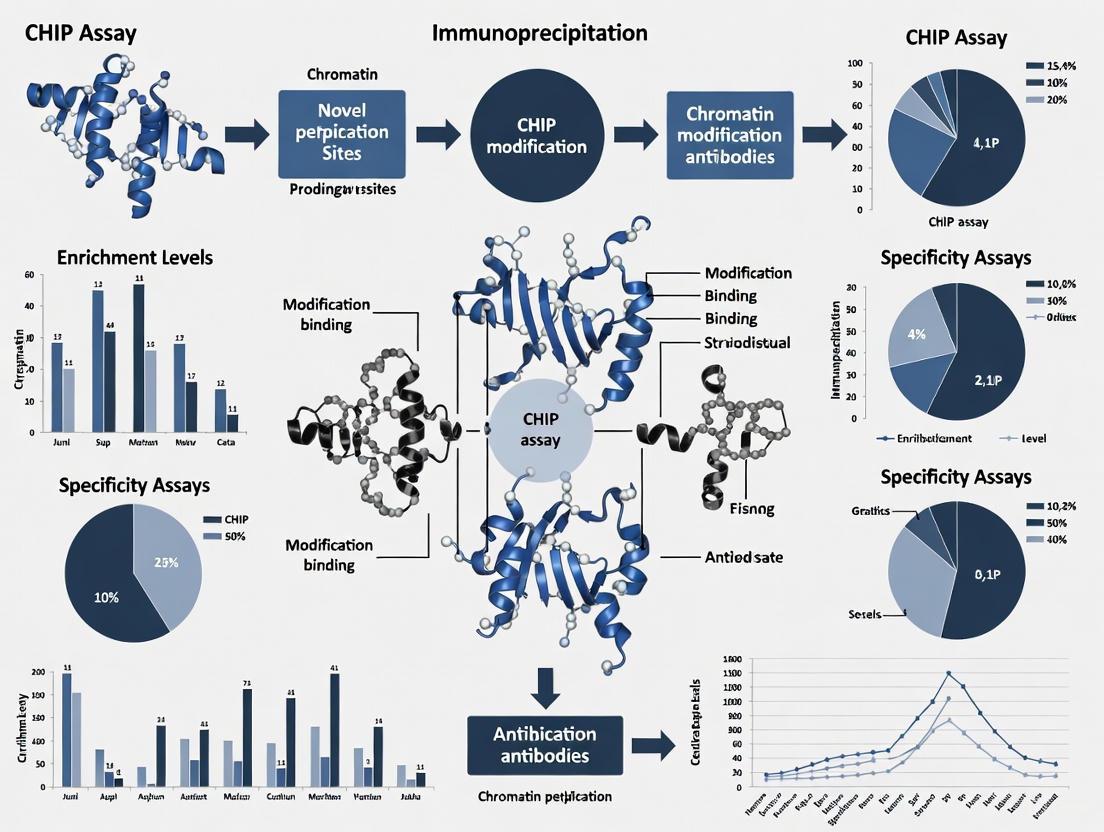
This comprehensive guide addresses the critical challenge of validating histone modification antibodies for Chromatin Immunoprecipitation (ChIP) experiments.
Definitive Guide to Histone Modification Antibody Validation for Reliable ChIP Data
Abstract
This comprehensive guide addresses the critical challenge of validating histone modification antibodies for Chromatin Immunoprecipitation (ChIP) experiments. We explore why traditional validation methods often fail to predict ChIP performance and present advanced strategies like SNAP-ChIP that test antibodies in nucleosomal context. Covering foundational principles, methodological applications, troubleshooting protocols, and comparative validation frameworks, this resource provides researchers and drug development professionals with the tools needed to ensure antibody specificity, minimize cross-reactivity concerns, and generate reproducible epigenetic data that withstands scientific scrutiny.
Why Histone Antibody Validation is Critical for Epigenetic Research
The Critical Role of Antibody Specificity in ChIP Experimental Outcomes
In chromatin immunoprecipitation (ChIP) experiments, antibody specificity is not merely an optimization parameter but the fundamental determinant of data accuracy and biological relevance. The challenges of antibody specificity are particularly pronounced in the context of histone post-translational modifications (PTMs), where antibodies must distinguish between highly similar modification states in the complex environment of native chromatin. Recent studies have demonstrated that poorly validated antibodies can produce misleading findings, potentially compromising entire research conclusions [1]. The validation of novel histone modification antibodies therefore requires rigorous, multi-faceted approaches that move beyond traditional validation methods to assess performance in conditions that mirror actual experimental scenarios.
This guide systematically compares antibody validation strategies and performance characteristics, providing researchers with a framework for selecting and validating antibodies that generate reliable ChIP-seq data. By examining current methodologies, quantitative assessment techniques, and experimental best practices, we establish a comprehensive standard for antibody evaluation that ensures experimental outcomes accurately reflect biological reality rather than antibody artifacts.
Understanding Antibody Specificity Challenges in ChIP
The Complexity of Histone Epitope Recognition
Antibody specificity in ChIP experiments refers to how strongly an antibody binds to its preferred target with respect to all other potential targets in the cell [2]. This becomes exceptionally challenging in the context of histone modifications due to several factors: the presence of similar but distinct PTMs (e.g., H3K4me2 vs. H3K4me3), the potential for steric hindrance from neighboring modifications, and the structural differences between linear peptide epitopes versus native nucleosome contexts [3] [1]. Antibody cross-reactivity, where antibodies bind multiple proteins or modifications with similar affinity, produces ambiguous results that represent a superposition of binding events rather than precise mapping of the intended target [2].
The consequences of inadequate specificity validation are far-reaching. Research indicates that many commonly used "ChIP-grade" antibodies lack sufficient specificity, with one study finding that 16 of 19 tested H3K4me3 antibodies exhibited significant cross-reactivity with H3K4me2 [1]. Given that H3K4me2 is 3-5 times more abundant in cells than H3K4me3, this cross-reactivity means that much of the binding previously attributed to H3K4me3 in published literature may actually represent contaminating H3K4me2 signal, potentially invalidating biological conclusions about H3K4me3 localization and function [1].
Key Experimental Factors Influencing ChIP Outcomes
Beyond inherent antibody specificity, several experimental factors significantly impact ChIP outcomes:
- Antibody concentration: Antibody concentration dramatically affects immunoprecipitation results. If concentration is too high relative to chromatin amount, it may saturate the assay, leading to lower specific signal and increased background noise. Conversely, too little antibody may fail to bind all target protein, resulting in less efficient immunoprecipitation [4].
- Sequencing depth: Variation in sequencing depth represents a systematic technical bias that influences enrichment detection and complicates comparisons between samples [2].
- PCR amplification: The stochastic nature of PCR amplification can be a significant source of variability in ChIP-seq experiments, potentially introducing sequence property biases that must be accounted for during analysis [2].
- Biological replicates: Independently executed ChIP-seq experiments from different samples corresponding to the same biological conditions are indispensable for estimating experimental variability and ensuring observed changes reflect biological conditions rather than inherent variability [2].
Table 1: Control Experiments for ChIP Validation
| Control Type | Purpose | Key Considerations |
|---|---|---|
| Input Control | Sequences genomic DNA without immunoprecipitation to show differential susceptibility of genomic regions to ChIP procedure | Should be sequenced deeper than ChIP samples as it represents a whole genome sequencing experiment [2] |
| IgG Control | Uses nonspecific IgG antibodies to profile background binding | Should ideally be isolated from same serum batch as specific antibody; often yields low DNA requiring additional PCR amplification [2] |
| Knockout Control | Performs ChIP in biological system lacking target protein | Most accurate but technically challenging; perturbation may alter cells significantly [2] |
Comparative Analysis of Antibody Validation Methodologies
Traditional Peptide Arrays Versus Nucleosome-Based Approaches
Histone peptide arrays have long been the gold standard for antibody validation, testing binding capability against a large panel of modified histone peptides immobilized on a solid surface [3] [1]. This method is fast, affordable, and contains diverse PTMs, including combinations. However, evidence indicates that peptide binding fails to predict performance in actual ChIP applications [1]. The linear epitopes in modified histone peptides differ substantially from the complex nucleosome structure antibodies encounter in ChIP experiments, limiting the predictive value of this approach [1].
In contrast, nucleosome-based validation methods like SNAP-ChIP (Sample Normalization & Antibody Profiling for ChIP) use DNA-barcoded modified recombinant nucleosomes as internal spike-in controls [1]. This approach tests antibody binding against physiological chromatin substrates, providing more accurate specificity assessment for ChIP applications. A direct comparison revealed no correlation between antibody performance in SNAP-ChIP and histone peptide arrays, with peptide binding failing to predict ChIP-seq performance [1].
Advanced Quantitative ChIP Approaches
Recent methodological advances have introduced more quantitative frameworks for assessing antibody performance:
siQ-ChIP (sans spike-in Quantitative ChIP) introduces an absolute quantitative scale to ChIP-seq data without spike-in normalization by modeling the immunoprecipitation step as a competitive binding reaction that produces a classical binding isotherm when antibody or epitope is titrated [5]. Sequencing points along this isotherm can reveal differential binding specificities associated with on- and off-target epitope interactions, distinguishing between antibodies with narrow versus broad binding spectra [5].
Titration-based normalization systematically optimizes antibody amount relative to chromatin input, dramatically improving consistency within and across experiments [6]. Research demonstrates that normalizing antibody amounts to the optimal titer (determined as antibody amount per μg of chromatin DNA) significantly improves enrichment and reduces background noise [6].
Diagram 1: Comprehensive Antibody Validation Workflow. This workflow integrates multiple validation stages to ensure antibody specificity and performance in ChIP applications.
Monoclonal Versus Polyclonal Antibodies: A Systematic Comparison
The choice between monoclonal and polyclonal antibodies represents a critical decision point in experimental design. Systematic comparisons of monoclonal versus polyclonal antibodies for mapping histone modifications by ChIP-seq have demonstrated that monoclonal antibodies perform equivalently to polyclonal antibodies for most histone modifications, including H3K4me1, H3K4me3, H3K9me3, and H3K27me3 [7]. Monoclonal antibodies provide significant advantages in lot-to-lot consistency and renewable availability, addressing key limitations of polyclonal antibodies, which are non-renewable and vary in performance between lots [7].
Table 2: Performance Comparison of Antibody Validation Methods
| Validation Method | Principle | Advantages | Limitations | Predictive Value for ChIP |
|---|---|---|---|---|
| Peptide Arrays [3] [1] | Antibody binding to immobilized modified peptides | Fast, affordable, diverse PTM panel | Linear epitopes don't match nucleosome context | Poor correlation with ChIP performance |
| Nucleosome-Based (SNAP-ChIP) [1] | Binding to DNA-barcoded recombinant nucleosomes | Physiological chromatin structure, internal standards | More complex, higher cost | High predictive value for ChIP-seq |
| siQ-ChIP Isotherm [5] | Titration curve analysis of binding behavior | Distinguishes strong/weak interactions, no spike-ins | Requires multiple sequencing points | Reveals on/off-target interactions |
| Titration Optimization [6] | Normalizing antibody to chromatin amount | Improved consistency, optimal signal:noise | Requires chromatin quantification | Enhances intra/inter-experiment reproducibility |
Experimental Data and Case Studies
Quantitative Assessment of Antibody Performance
The siQ-ChIP method enables quantitative assessment of antibody binding characteristics through analysis of binding isotherms. When antibody concentration is titrated against a fixed amount of chromatin, specific binding patterns emerge that distinguish antibody classes [5]. Antibodies with a "narrow spectrum" of binding constants show a uniform response across epitopes, while "broad spectrum" antibodies display differential peak responses with varying antibody concentrations, indicating the presence of both high-affinity (on-target) and low-affinity (off-target) interactions [5].
Titration experiments with H3K27ac antibodies demonstrate the practical importance of antibody concentration optimization. Research shows an inverse linear correlation (R² = 0.86) between ChIP yield and locus-specific enrichment, where higher antibody concentrations increase yield but dramatically decrease fold enrichment (from 202-fold to 18-fold in one experiment) [6]. This relationship underscores the critical balance between signal intensity and specificity in experimental outcomes.
Cross-Reactivity Patterns in Commonly Used Antibodies
Comprehensive specificity testing has revealed concerning patterns of cross-reactivity in commercially available antibodies. For H3K4me3, one of the most studied histone modifications, 84% of tested antibodies (16 of 19) exhibited greater than 10% cross-reactivity with H3K4me2 [1]. Since H3K4me2 is 3-5 times more abundant in cells, this cross-reactivity significantly contaminates H3K4me3 signals in ChIP experiments [1]. This finding has substantial implications for biological interpretations, as previously reported associations of H3K4me3 with actively transcribed enhancers and "broad domains" of enrichment could not be replicated when using highly specific antibodies that eliminated H3K4me2 contamination [1].
Table 3: Cross-Reactivity Profile of Histone Modification Antibodies
| Target Epitope | Cross-Reactivity Findings | Biological Implications |
|---|---|---|
| H3K4me3 [1] | 16 of 19 antibodies showed >10% cross-reactivity with H3K4me2 | Previously reported H3K4me3 localization at enhancers may reflect H3K4me2 contamination |
| H3K27ac [7] | Binding patterns differed substantially based on immunogen source rather than clonality | Highlights importance of immunogen design in addition to clonality |
| General PTM antibodies [8] | Specificity factors vary significantly between manufacturers for same target | Performance differences impact enrichment quality and data interpretation |
Best Practices for Antibody Selection and Validation
A Multi-Tiered Validation Framework
Based on comparative performance data, we recommend a multi-tiered validation framework for histone modification antibodies:
- Initial specificity screening using peptide arrays to identify gross specificity issues and eliminate broadly cross-reactive antibodies [3] [8].
- Nucleosome-based validation using platforms like SNAP-ChIP to assess performance in contexts resembling native chromatin [1].
- Functional validation in ChIP demonstrating expected enrichment patterns at positive control loci and minimal signal at negative control loci, with at least 10-fold enrichment above background [4] [8].
- Titration optimization to determine the optimal antibody:chromatin ratio that maximizes enrichment while minimizing background [5] [6].
- Lot-to-lot consistency testing particularly for polyclonal antibodies, or transition to recombinant monoclonal antibodies for improved reproducibility [9] [7].
Practical Implementation Guidelines
For researchers implementing ChIP experiments, several practical considerations can significantly improve outcomes:
- Chromatin quantification: Implement quick DNA-based measurement of soluble chromatin (DNAchrom) to enable accurate antibody normalization [6].
- Antibody titration: Perform preliminary experiments with antibody concentrations ranging from 0.05 to 10.0 μg per 10 μg of DNAchrom to identify the optimal titer [6].
- Control experiments: Include appropriate controls based on experimental goals, with input controls sequenced deeper than ChIP samples to adequately capture background distribution [2].
- Biological replicates: Plan for multiple biological replicates to account for inherent variability and enable statistical validation of findings [2].
Diagram 2: Optimized ChIP-seq Experimental Workflow with Quality Control Checkpoints. This workflow incorporates critical quality assessment steps to ensure experimental success.
Essential Research Reagent Solutions
Table 4: Key Research Reagents for Validated ChIP Experiments
| Reagent Category | Specific Examples | Function & Importance |
|---|---|---|
| Validated Antibodies | Recombinant rabbit monoclonal antibodies [9] [7] | Provide lot-to-lot consistency, high specificity, and renewable availability |
| Chromatin Preparation Kits | SimpleChIP Enzymatic Chromatin IP Kit [9] | Standardized fragmentation using MNase for mononucleosome-sized fragments |
| Specificity Testing Tools | MODified Histone Peptide Arrays [8], SNAP-ChIP spike-in panels [1] | Assess antibody cross-reactivity against diverse PTM panels |
| Quantification Reagents | Qubit dsDNA HS Assay [6] | Accurately measure chromatin input (DNAchrom) for antibody normalization |
| Internal Standards | DNA-barcoded nucleosomes [1] | Enable normalization across experiments and specificity verification |
| Control Reagents | Species-matched IgG, knockout cell lines [2] | Distinguish specific from non-specific antibody binding |
Antibody specificity remains the cornerstone of reliable ChIP experimental outcomes, with significant implications for data interpretation and biological conclusions. The comprehensive comparison presented here demonstrates that traditional validation methods alone are insufficient, and a multi-tiered approach incorporating nucleosome-based testing and titration optimization is necessary to ensure antibody performance. The growing availability of recombinant monoclonal antibodies and standardized validation platforms represents significant progress toward addressing reproducibility challenges in epigenetics research.
As the field advances, researchers must adopt more rigorous antibody validation practices and demand higher standards from commercial providers. By implementing the systematic comparison frameworks and experimental best practices outlined in this guide, researchers can significantly improve the reliability and interpretability of their ChIP datasets, ensuring that biological conclusions accurately reflect underlying chromatin biology rather than antibody artifacts.
Understanding Histone PTM Complexity and Cross-Reactivity Challenges
The study of histone post-translational modifications (PTMs) represents a cornerstone of epigenetic research, with implications spanning from basic cellular biology to therapeutic development. A central challenge in this field revolves around the specific detection of these modifications, particularly as newly discovered histone marks continue to expand the complexity of the 'histone code'. This guide provides a comparative analysis of the current methodologies for validating histone modification antibodies, with a focused examination of the performance limitations of traditional peptide-based approaches versus emerging nucleosome-based platforms for chromatin immunoprecipitation (ChIP) research. We present experimental data highlighting critical cross-reactivity issues, detail standardized validation protocols, and provide a framework for selecting appropriately characterized reagents to ensure biological relevance in epigenetic studies.
Histones undergo a remarkable array of post-translational modifications—including methylation, acetylation, phosphorylation, and numerous newly discovered acylation marks—that constitute a major chromatin indexing mechanism governing gene expression, DNA replication, and cell cycle progression [10] [11]. The histone code hypothesis posits that these modifications, occurring singly or in combination on histone tails, create a sophisticated language interpreted by specialized proteins to initiate specific downstream biological events [12]. To date, over 30 structurally diverse PTM types have been identified at approximately 180 amino acid residues on histones, creating an immense complexity that challenges detection and validation methodologies [13].
The proper characterization of histone PTMs is of paramount biological importance, particularly as dysregulation is implicated in numerous diseases including cancer, neurological disorders, and metabolic conditions [10] [11]. Antibodies specific to histone modifications have served as essential reagents for studying these epigenetic marks, yet they present significant challenges including lot-to-lot variability, epitope occlusion, and problematic cross-reactivity with structurally similar modifications [10] [14] [12]. These limitations are particularly acute in ChIP-based applications, where antibody binding occurs in the context of native chromatin structure rather than denatured linear epitopes [15] [1].
Comparative Analysis of Validation Platforms
The specificity validation of histone PTM antibodies has traditionally relied on peptide-based arrays, but emerging evidence demonstrates critical limitations of this approach for predicting performance in chromatin immunoprecipitation applications. The table below compares the fundamental characteristics of these validation platforms.
Table 1: Platform Comparison for Histone PTM Antibody Validation
| Characteristic | Peptide Microarrays | Nucleosome-Based SNAP-ChIP |
|---|---|---|
| Substrate | Linear histone peptides (10-20 aa) | DNA-barcoded recombinant nucleosomes |
| PTM Context | Single or defined combinatorial PTMs | Native nucleosomal context with physiological PTM presentation |
| Throughput | High (384+ peptides per array) | Moderate (focused panels of key PTMs) |
| Key Metrics | Binding intensity to target vs. off-target peptides | Specificity (% target enrichment) and efficiency (% IP relative to input) |
| Cost | Relatively low | Moderate to high |
| Correlation with ChIP Performance | Poor to moderate | Strong |
| Best Application | Western blot, initial epitope screening | ChIP-seq, CUT&Tag, native chromatin applications |
The Peptide Array Approach
Peptide microarray technology employs high-density arrays of biotinylated histone peptides spotted onto nitrocellulose membranes, featuring up to 384 peptides with single and combinatorial PTMs [14]. These platforms allow comprehensive characterization of antibody binding to a vast library of potential substrate peptides with various modification states [10] [14]. In standardized protocols, antibodies are applied at multiple concentrations to avoid assay saturation, followed by incubation with fluorescently tagged secondary antibodies and quantification using infrared imaging systems [16].
While valuable for initial epitope characterization, peptide arrays operate under denaturing conditions that predominantly reflect antibody recognition of linear epitopes [15]. This presents a significant limitation for predicting performance in ChIP applications, where antibodies must recognize their targets in the context of native nucleosome architecture with DNA wrapping and higher-order chromatin compaction [15] [1]. The structural disparity between peptide substrates and physiological chromatin environments fundamentally limits the predictive value of array-based validation for ChIP-specific antibody performance.
The SNAP-ChIP Platform
SNAP-ChIP (Sample Normalization and Antibody Profiling) represents a paradigm shift in antibody validation by employing DNA-barcoded recombinant nucleosomes as internal standards in ChIP workflows [15] [1]. This platform utilizes semi-synthetic nucleosomes containing specific histone PTMs wrapped with unique DNA barcodes, which are spiked into native chromatin samples prior to immunoprecipitation [15]. Following IP, quantification of each barcode by qPCR reveals precisely which modifications an antibody enriches, providing direct measurement of specificity in nucleosomal context [15].
The K-MetStat panel—a standardized control set for SNAP-ChIP—includes unmethylated and mono-, di-, and trimethylated modifications at H3K4, H3K9, H3K27, H3K36, and H4K20, each with a unique DNA identifier [15]. This enables simultaneous assessment of antibody cross-reactivity across multiple modification states and histone residues under application-specific conditions. The method provides two critical quantitative metrics: specificity (percentage of enrichment for the intended target versus off-target modifications) and efficiency (percentage of target nucleosome immunoprecipitated relative to input) [15].
Experimental Data Reveals Widespread Cross-Reactivity
Comparative studies directly challenging peptide arrays against nucleosome-based validation reveal alarming discrepancies in antibody performance assessment. A head-to-head evaluation of over 50 antibodies targeting H3K4 methylation states demonstrated no correlation between antibody performance in SNAP-ChIP and histone peptide arrays [1]. Most strikingly, peptide binding failed to predict antibody behavior in actual ChIP-seq experiments, indicating fundamental limitations of traditional validation approaches [1].
Table 2: Cross-Reactivity Profiles of Histone Methylation Antibodies in SNAP-ChIP Assays
| Target PTM | Antibodies Tested | High Specificity Antibodies | Common Cross-Reactivity | Clinical Implications |
|---|---|---|---|---|
| H3K4me3 | 19 | 3 (16%) | 84% showed >10% cross-reactivity with H3K4me2 | Potential misassignment of broad H3K4me3 domains actually representing H3K4me2 signal |
| H3K27me3 | 6 | 4 (67%) | 33% showed cross-reactivity with non-target methyl marks | Possible inaccurate mapping of repressive chromatin regions |
| H3K9me3 | Multiple lots | Variable by lot | Cross-reactivity with H3K27me3 and H4K20me3 observed | Potential misinterpretation of heterochromatin organization |
The consequences of poor antibody specificity are profoundly illustrated by H3K4me3 antibodies, where 16 of 19 commercially available reagents exhibited significant cross-reactivity with H3K4me2—a modification 3-5 times more abundant in cells [1]. ChIP-seq tracks generated with cross-reactive antibodies showed substantial contamination from H3K4me2 signal, potentially explaining previously reported "broad domains" of H3K4me3 that may actually represent off-target enrichment [1]. This finding challenges fundamental biological assumptions and highlights how poorly validated reagents can lead to widespread misinterpretation of epigenetic mechanisms.
Detailed Experimental Protocols
Peptide Microarray Validation Protocol
Sample Preparation:
- Utilize commercial histone peptide arrays (e.g., CelluSpots arrays featuring 384 peptides with 59 histone PTMs) [10]
- Arrays should include duplicates for reliability and peptides with both single and combinatorial modifications [10] [14]
Antibody Incubation:
- Prepare antibody solutions at three concentrations to avoid saturation (e.g., 1:500, 1:1000, 1:2000 dilutions) [16]
- Incubate arrays with primary antibody solutions for 2 hours at room temperature with gentle agitation [16]
- Wash arrays thoroughly to remove non-specifically bound antibodies [16]
Detection and Analysis:
- Incubate with fluorescently tagged secondary antibodies (e.g., IRDye 800CW anti-rabbit) for 1 hour at room temperature [16]
- Image arrays using a LI-COR Odyssey Infrared Imager or equivalent system [16]
- Analyze signal intensities, normalizing from 0 (undetectable binding) to 1 (strong binding relative to reference target) [14]
- Identify off-target binding (gray bars), enhanced binding with combinatorial PTMs (orange bars), and inhibited binding (light blue bars) [14]
SNAP-ChIP Validation Protocol
Nucleosome Spike-In Preparation:
- Reconstitute K-MetStat panel (unmodified and mono-, di-, trimethylated H3K4, H3K9, H3K27, H3K36, H4K20) according to manufacturer specifications [15]
- Each modification state is associated with a unique DNA barcode for multiplexed quantification [15]
Chromatin Immunoprecipitation:
- Spike approximately 2% (by mass) of barcoded nucleosomes into sheared cellular chromatin [15]
- Perform standard ChIP protocol with target antibody including crosslinking, sonication, and immunoprecipitation steps [15]
- Include appropriate controls (no antibody, isotype control) for background subtraction [15]
Quantification and Analysis:
- Extract DNA following reverse crosslinking and purify [15]
- Quantify each barcode by qPCR with unique primer sets or by sequencing [15]
- Calculate specificity as: (Target nucleosome IP/Input) / Σ(All nucleosomes IP/Input) [15]
- Determine efficiency as: (Target nucleosome IP) / (Target nucleosome Input) × 100% [15]
- Classify antibodies with >85% specificity as high-performing for ChIP applications [15]
The Scientist's Toolkit: Essential Research Reagents
Table 3: Key Research Reagents for Histone PTM Antibody Validation
| Reagent / Platform | Function | Key Features |
|---|---|---|
| Histone Peptide Microarrays | Initial screening of antibody-epitope binding | 384+ peptide features; single and combinatorial PTMs; denaturing conditions [10] [14] |
| DNA-Barcoded Nucleosomes | Specificity assessment in native chromatin context | Defined histone PTMs; unique DNA barcodes for multiplexed qPCR [15] [1] |
| SNAP-ChIP K-MetStat Panel | Comprehensive methylation antibody profiling | Includes unmodified through trimethylated states at 5 key lysine residues [15] |
| Recombinant Histone Modification Interacting Domains | Alternative to antibodies for specific PTM recognition | Recombinantly produced in E. coli; low cost; constant quality; engineered specificities [10] |
| Mass Spectrometry Platforms | Unbiased PTM identification and quantification | High-resolution Orbitrap systems; capable of novel PTM discovery [13] [12] |
Visualizing Antibody Validation Workflows
Diagram Title: Antibody Validation Method Comparison
The validation of histone PTM antibodies represents a critical frontier in epigenetic research, with significant implications for data interpretation and biological conclusions. Our comparative analysis demonstrates that traditional peptide-based validation methods provide valuable information about linear epitope recognition but fail to predict antibody performance in nucleosomal context. The emergence of platforms like SNAP-ChIP, which directly assesses antibody specificity against defined nucleosome substrates during ChIP workflows, represents a substantial advancement for the field.
The experimental data presented reveal alarming rates of cross-reactivity among commercially available histone antibodies, potentially undermining foundational biological concepts built through ChIP-based methodologies. These findings underscore the necessity of application-specific antibody validation and the importance of standardized, physiologically relevant controls. As the histone code continues to expand with discoveries of novel modifications including lactylation, citrullination, and crotonylation [11], robust validation frameworks become increasingly essential for accurate epigenetic mapping.
Moving forward, the field requires continued development of comprehensive validation platforms that encompass emerging PTM types, standardized reporting guidelines for antibody performance metrics, and increased accessibility of well-characterized recombinant reagents. Through implementation of rigorous, application-specific validation standards, researchers can ensure that biological interpretations accurately reflect epigenetic mechanisms rather than technical artifacts of reagent cross-reactivity.
Limitations of Traditional Peptide Arrays in Predicting ChIP Performance
For researchers investigating the epigenome, chromatin immunoprecipitation (ChIP) has become an indispensable technique for mapping histone post-translational modifications (PTMs) across the genome. The accuracy and reliability of these experiments, however, are fundamentally dependent on the specificity of the histone modification antibodies employed [14] [17]. For years, traditional peptide arrays have served as the primary tool for validating these antibodies, offering a high-throughput method for assessing binding specificity in a reduced-complexity setting. These arrays allow for the testing of antibody reactivity against hundreds of modified histone peptides in a single experiment [17] [18]. Despite their widespread use, a growing body of evidence indicates significant limitations in the ability of peptide array data alone to predict actual antibody performance in ChIP assays. This guide objectively compares data from both validation methods, underscoring why peptide array specificity is a necessary, but not sufficient, criterion for selecting antibodies for chromatin research.
Fundamental Disconnects Between Peptide and ChIP Assays
The core limitation of traditional peptide arrays stems from their simplistic representation of the native biological context. While they excel at mapping linear epitopes and assessing cross-reactivity, they fail to recapitulate the structural and compositional complexity of the nucleosome, often leading to misleading predictions about antibody behavior in ChIP.
The following diagram illustrates the key conceptual and technical gaps between the two methods.
Comparative Experimental Data: Case Study of H3K4me2 Antibodies
The theoretical disconnects are borne out in direct experimental comparisons. Data generated using MODified Histone Peptide Arrays and subsequent ChIP-qPCR analysis reveal how antibodies with similar purported specificities can perform dramatically differently.
Table 1: Specificity Analysis of Two Anti-H3K4me2 Antibodies on a Peptide Array
| Antibody Source | Binding to Target H3K4me2 Peptides | Cross-reactivity to Non-target Modifications | Specificity Factor (H3K4me2) |
|---|---|---|---|
| Invitrogen | Strong and exclusive | None detected | High [8] |
| Supplier B | Strong | Significant binding to other PTMs | Low [8] |
The "Specificity Factor" is the ratio of the average signal from all spots containing the target modification to the average signal from all spots lacking it. A high factor indicates superior specificity on the array [8].
When these same antibodies are tested in a functional ChIP assay, the consequences of the cross-reactivity observed on the peptide array become clear.
Table 2: Functional Performance of Anti-H3K4me2 Antibodies in ChIP-qPCR
| Antibody Source | Fold Enrichment at Active Gene Promoters (PABPC1, cFOS) | Fold Enrichment at Silent Loci (SAT2, SATα) | Signal-to-Noise Ratio in ChIP |
|---|---|---|---|
| Invitrogen | High | Low | High [8] |
| Supplier B | Low | High (Non-specific pull-down) | Low [8] |
ChIP was performed on HeLa cell chromatin. The expected biological result is high enrichment of H3K4me2 at active gene promoters and low enrichment at silent, heterochromatic regions [8].
Key Limitations of Traditional Peptide Arrays
Inability to Recapitulate the Native Chromatin Environment
The most significant shortcoming of peptide arrays is that they present short, linear histone tails in isolation. In the native context, these tails are attached to the globular histone core and packaged into nucleosomes, which are further folded into higher-order chromatin structures [19]. An antibody's ability to access its epitope can be severely hindered by this packing. A peptide array might show excellent binding, but if the epitope is buried within the nucleosome structure or obscured by DNA wrapping, the antibody will fail in ChIP [14].
Sensitivity to Neighboring PTMs and Steric Hindrance
Histone tails are often modified at multiple adjacent residues, creating a complex combinatorial landscape. Peptide arrays are excellent tools for detecting how neighboring PTMs influence antibody binding [14] [17]. For instance, phosphorylation at histone H3 serine 10 (H3S10ph) can significantly inhibit the binding of some antibodies to trimethylated H3 lysine 9 (H3K9me3), a phenomenon known as the "methyl/phospho switch" [14]. While arrays can identify this in vitro, they cannot predict whether this specific combinatorial state exists or is relevant in the cellular context being studied for ChIP.
False Negatives from Conformational Epitopes
Peptide arrays are predominantly limited to linear sequence motifs. If an antibody recognizes a conformational or discontinuous epitope that is formed only when the histone tail is folded in a specific way against the nucleosome core, this interaction will be completely missed on a traditional peptide array, leading to a false negative prediction [20].
Lack of Quantitative Correlation with ChIP Efficiency
A strong signal on a peptide array does not guarantee efficient immunoprecipitation of nucleosomes. The immobilization chemistry, surface density, and presentation of peptides on the array are vastly different from the orientation and availability of epitopes on a chromatinized nucleosome. Consequently, the binding affinity measured on an array may not translate proportionally to the binding affinity in a ChIP experiment, making it difficult to use array data to rank antibody efficacy for ChIP [8].
Essential Experimental Protocols for Comprehensive Validation
Protocol 1: Peptide Array Specificity Screening
This protocol is used to establish the baseline specificity of a histone modification antibody.
- Array Design: Utilize commercial histone peptide arrays (e.g., MODified Histone Peptide Array, AbSurance Pro) that feature a library of 384 or more histone peptides. These arrays should contain peptides with the target PTM alone and in combination with other known neighboring PTMs [17] [8].
- Antibody Incubation: Apply the histone PTM antibody to the array at multiple concentrations (e.g., 1:500, 1:1000, 1:2000 dilution series) to avoid saturation and ensure results are within a quantitative dynamic range [21] [8].
- Detection: Incubate with a fluorescently-labeled secondary antibody (e.g., IRDye 800CW) and scan the array using a compatible imaging system (e.g., LI-COR Odyssey) [21].
- Data Analysis: Quantify the signal for each peptide spot. Calculate a "Specificity Factor" for the target modification by determining the ratio of the average intensity of all spots containing the target PTM to the average intensity of all spots lacking it [8]. Analyze for cross-reactivity and inhibition by neighboring modifications.
Protocol 2: Functional ChIP-qPCR Validation
This protocol is critical for confirming antibody performance in its intended application.
- Chromatin Preparation: Cross-link cells (e.g., HeLa) with formaldehyde, lyse, and shear chromatin to an average fragment size of 200–500 bp using sonication [8] [22].
- Immunoprecipitation: Incubate the sheared chromatin with the histone PTM antibody that has been pre-coupled to Protein G magnetic beads. Include a non-specific IgG antibody as a negative control [8] [22].
- Wash and Elution: Wash the beads with a series of buffers of increasing stringency to remove non-specifically bound chromatin. Reverse the cross-links and purify the co-precipitated DNA [22].
- qPCR Analysis: Analyze the purified DNA by quantitative PCR using primer pairs for genomic regions known to be enriched for the specific histone mark (e.g., active gene promoters for H3K4me3) and regions known to be devoid of the mark (e.g., silent satellite repeats) [8]. Calculate fold enrichment relative to the IgG control.
The integrated workflow for a comprehensive antibody validation strategy is shown below.
The Scientist's Toolkit: Research Reagent Solutions
Table 3: Essential Materials for Histone Antibody Validation
| Item | Function in Validation | Example Products / Description |
|---|---|---|
| Histone PTM Peptide Array | High-throughput profiling of antibody specificity against linear epitopes and PTM combinations. | MODified Histone Peptide Array (Active Motif), AbSurance Pro Histone Peptide Microarrays [18] [8] |
| ChIP-Grade Histone PTM Antibody | The critical reagent for immunoprecipitation; must be validated for application. | Invitrogen Histone Modification Antibodies, Active Motif, Cell Signaling Technology (validated for ChIP) [21] [8] [22] |
| Magnetic Protein G Beads | Solid support for capturing antibody-chromatin complexes during immunoprecipitation. | Dynabeads Protein G (Invitrogen #10003D) [22] |
| Sheared Chromatin | The biological substrate for ChIP, representing the native state of histone epitopes. | Prepared from cross-linked cells (e.g., HeLa) sonicated to 200-500 bp fragments [8] [22] |
| Validated qPCR Primers | For quantifying ChIP enrichment at control genomic loci. | Primers for active gene promoters (e.g., PABPC1, cFOS) and silent regions (e.g., SAT2) [8] |
Traditional peptide arrays are powerful tools for an initial, high-throughput assessment of histone antibody specificity, particularly for detecting gross cross-reactivity and sensitivity to adjacent modifications. However, they are fundamentally limited by their lack of biological context. As demonstrated by direct experimental comparisons, an antibody's performance on a peptide array does not reliably predict its functionality in a ChIP assay. Relying solely on array data can lead to the selection of antibodies that produce high background noise, false negatives, or inaccurate genomic maps.
Therefore, a rigorous, two-tiered validation strategy is imperative for reliable chromatin research. Antibodies should first be screened for specificity on peptide arrays, and those that pass must subsequently be functionally validated in ChIP assays using well-characterized positive and negative control genomic regions. This combined approach ensures that the antibodies used to draw biological conclusions about the epigenome are both specific and effective in their intended application.
Consequences of Non-Specific Antibodies on Data Interpretation and Reproducibility
Antibodies are critical reagents in biomedical research, enabling the detection, quantification, and localization of specific proteins within complex biological systems. For researchers studying histone modifications via chromatin immunoprecipitation (ChIP), antibodies serve as the primary tool for mapping epigenetic landscapes. However, the research community faces a significant challenge known as the "antibody characterization crisis," wherein a substantial proportion of commercially available antibodies lack adequate validation [23]. It has been estimated that approximately 50% of commercial antibodies fail to meet basic characterization standards, resulting in financial losses of $0.4-1.8 billion annually in the United States alone [23]. This problem is particularly acute for histone modification antibodies, which must distinguish between highly similar epigenetic marks while functioning in the context of native chromatin structure.
The consequences of using poorly characterized antibodies are severe and widespread, leading to misleading or incorrect interpretations in scientific publications and potentially compromising drug development pipelines [23]. For histone research specifically, the challenges are magnified because antibodies must recognize specific post-translational modifications (PTMs) amid similar structures and remain sensitive to neighboring modifications that may sterically hinder binding [24] [14]. This guide objectively compares validation approaches for histone modification antibodies used in ChIP research, providing experimental data and methodologies to help researchers make informed reagent selections.
The Specificity Challenge in Histone Modification Antibodies
Histone modification antibodies face unique challenges that distinguish them from conventional protein-targeting antibodies. The high structural similarity between different modification states (e.g., mono-, di-, and tri-methylation on the same lysine residue) creates opportunities for cross-reactivity [14]. Analysis of 38 di- and tri-methyllysine antibodies revealed that 16 cross-reacted with lower states of lysine methylation on target residues, while one recognized a higher methylation state [14]. This cross-reactivity directly impacts data interpretation, as different methylation states at the same histone residue often have distinct biological functions.
Additionally, histone PTM antibodies demonstrate sensitivity to neighboring modifications that can either enhance or inhibit epitope recognition [14]. For example, antibodies targeting H3K9me3 show varying tolerance to adjacent H3S10 phosphorylation—a combinatorial "methyl/phospho switch" known to eject proteins like HP1 from mitotic chromatin [14]. Antibodies insensitive to this switch cannot distinguish between singly and dually modified histone H3 populations, potentially leading to under-representation of specific chromatin states in experimental data.
Table 1: Common Specificity Issues with Histone Modification Antibodies
| Specificity Issue | Description | Impact on Data Interpretation |
|---|---|---|
| Methylation State Cross-reactivity | Inability to distinguish between mono-, di-, and tri-methylation states on target lysine | Incorrect assignment of histone modification functions; overlapping ChIP-seq signals between different methylation states |
| Neighboring PTM Sensitivity | Altered binding due to modifications on adjacent residues | Failure to detect combinatorial histone codes; under-representation of specific chromatin states |
| Off-target Modification Recognition | Binding to unrelated histone modifications with structural similarity | False positive signals; incorrect mapping of histone marks to genomic regions |
Comparative Analysis of Antibody Validation Methods
Peptide Microarray Validation
Methodology Overview: Peptide microarrays consist of libraries of biotinylated histone peptides harboring specific PTMs alone and in combination [14]. These arrays allow high-throughput assessment of antibody binding specificity under denaturing conditions. Antibodies are applied to the array at multiple concentrations, followed by incubation with fluorescently tagged secondary antibodies and signal detection using imaging systems such as the LI-COR Odyssey Infrared Imager [24] [14].
Strengths and Limitations: While peptide arrays excel at identifying linear epitopes and assessing cross-reactivity patterns across numerous modification states simultaneously, they employ denaturing conditions that may not reflect antibody behavior in solution-based or native chromatin applications like ChIP [15]. The method comprehensively tests antibody specificity against a wide panel of potential targets but cannot recapitulate the structural context of nucleosomes.
SNAP-ChIP (Sample Normalization and Antibody Profiling)
Methodology Overview: SNAP-ChIP utilizes barcoded, semi-synthetic nucleosomes containing specific histone PTMs spiked into standard ChIP reactions [15]. The technique, commercialized by EpiCypher as K-MetStat panels, includes unmethylated and mono-, di-, and trimethylated H3K4, H3K9, H3K27, H3K36, and H4K20, each with a unique DNA barcode [15]. After immunoprecipitation, the abundance of each nucleosome in the precipitate is quantified via qPCR or sequencing, directly measuring antibody specificity in conditions mimicking native ChIP applications.
Performance Advantages: This approach provides application-specific validation by testing antibodies in conditions that closely mirror actual experimental use. A comprehensive study of 54 commercial antibodies using this method revealed no correlation between peptide array specificity and ChIP specificity, highlighting the critical importance of application-matched validation [15].
Knockout (KO) Validation
Methodology Overview: Considered the gold standard for determining antibody specificity, KO validation compares signals in wild-type samples versus samples genetically modified to lack the target protein [25]. Using techniques such as CRISPR-Cas9, researchers create isogenic control lines that enable definitive assessment of off-target binding. This method is most commonly applied in western blotting and immunocytochemistry [25].
Application to Histone Modifications: For histone modifications, complete KO validation presents technical challenges, as core histones are essential proteins. Instead, researchers may utilize enzymatic treatments or mutation of modification sites to establish specificity controls.
Table 2: Comparison of Antibody Validation Methods for Histone Modifications
| Validation Method | Experimental Conditions | Key Applications | Limitations |
|---|---|---|---|
| Peptide Microarray | Denatured peptides on solid support | Western blot, initial specificity screening | Does not reflect native chromatin context; may overestimate actual specificity |
| SNAP-ChIP | Native nucleosomes in solution | ChIP, ChIP-seq | Limited to available modification panels; higher cost |
| Knockout Validation | Biological systems with target deletion | Western blot, ICC | Technically challenging for essential proteins like histones |
Experimental Data: Impact of Antibody Specificity on ChIP-Seq Results
The direct consequence of antibody non-specificity becomes evident in downstream applications like ChIP-seq. Research demonstrates that antibodies with similarly high specificity (>85% for intended targets) produce comparable histone occupancy patterns, whereas antibodies with only 60% specificity generate divergent peaks suggesting recognition of off-target histone PTMs [15]. These technical artifacts can lead to incorrect assignment of histone occupancy and ultimately misinterpretation of biological mechanisms.
The ENCODE consortium has established rigorous standards for histone ChIP-seq experiments, recommending two or more biological replicates and specific sequencing depths based on the histone mark being studied [26]. For broad histone marks like H3K27me3, each replicate should contain 45 million usable fragments, while narrow marks like H3K4me3 require 20 million usable fragments per replicate [26]. These standards help mitigate—but cannot eliminate—issues arising from antibody non-specificity.
Essential Research Reagent Solutions for Histone ChIP
Table 3: Key Research Reagents for Histone Modification Studies
| Reagent / Resource | Function | Application Notes |
|---|---|---|
| Histone Antibody Specificity Database (histoneantibodies.com) | Online resource cataloging commercially available histone antibody behavior via peptide microarray | Interactive platform for comparing antibody specificity; includes data on off-target recognition and neighboring PTM sensitivity [14] |
| SNAP-ChIP K-MetStat Panel | Barcoded nucleosomes for specificity testing in native ChIP conditions | Enables quantitative assessment of antibody specificity and efficiency in application-relevant context [15] |
| Open-source Antibodies | Molecularly defined reagents with publicly available sequences | Promotes reproducibility through transparent characterization and renewable availability [27] |
| ENCODE Histone ChIP-seq Standards | Experimental and computational guidelines | Provides framework for rigorous experimental design, including replicate structure and sequencing depth requirements [26] |
Recommendations for Enhanced Research Reproducibility
Application-Matched Validation: Select antibodies validated using methods that closely mirror your intended application. For ChIP studies, prioritize antibodies tested in native conditions (e.g., SNAP-ChIP) rather than solely through denaturing approaches like peptide arrays [15].
Orthogonal Validation Approach: Employ multiple distinct assays to confirm antibody specificity, such as combining peptide microarray with SNAP-ChIP or using genetic controls where feasible [14] [15].
Utilize Public Resources: Consult the Histone Antibody Specificity Database before selecting reagents and use Research Resource Identifiers (RRIDs) to ensure precise reagent tracking in publications [27] [14].
Adopt Consensus Standards: Follow established consortium guidelines like those from ENCODE for experimental design, including appropriate controls, replication, and sequencing depth [26].
The movement toward "open-source" antibodies—defined as available in ready-to-use forms with renewable sources and publicly available sequences—represents a promising path toward enhanced research reproducibility and transparency in histone modification studies [27].
The prevalence of non-specific histone antibodies is a significant and well-documented challenge in epigenetic research. Independent studies and rigorous internal vendor analyses consistently reveal that a substantial proportion of commercially available antibodies lack sufficient specificity for their intended histone post-translational modification (PTM) targets. This high rate of antibody cross-reactivity compromises data accuracy and reproducibility, necessitating a systematic approach to antibody validation, particularly for chromatin immunoprecipitation sequencing (ChIP-seq) applications. This report provides a comparative analysis of antibody performance data and details the experimental protocols essential for distinguishing reliable research reagents.
The Scale of the Specificity Problem
The issue of non-specific histone antibodies is widespread within the life sciences research community. The following points illustrate the depth of the problem:
- High Failure Rate in Broad-Scale Validation: The ENCODE project, a major consortium effort, reported that 20–25% of histone modification-specific antibodies failed their validation criteria [28]. This finding from a large-scale, systematic analysis highlights that non-specificity is not an isolated issue but a common industry-wide concern.
- Widespread Cross-Reactivity: Commercially available antibodies frequently demonstrate off-target binding. For example, a specificity analysis comparing two different suppliers' anti-H3K4me2 (di-methylated Histone H3 Lysine 4) antibodies revealed stark differences. While one antibody bound exclusively to peptides containing the H3K4me2 modification, the other showed significant cross-reactivity with peptides featuring other, non-target modifications [8].
- Impact on Functional Assays: This lack of specificity directly impacts experimental outcomes. In a Chromatin Immunoprecipitation (ChIP) assay, the specific anti-H3K4me2 antibody correctly enriched DNA from active gene promoters. In contrast, the non-specific antibody showed much lower fold-enrichment at these loci, failing to accurately report the true biological distribution of the mark [8].
- The "Broad Spectrum" Antibody Challenge: Recent work using quantitative ChIP-seq (siQ-ChIP) has shown that some antibodies exhibit a "broad spectrum" of binding constants. These antibodies bind most strongly to the intended target epitope but also display weaker, yet detectable, binding to other epitopes. This off-target activity can contaminate sequencing results and lead to incorrect biological interpretations if not identified through careful titration experiments [5].
Quantitative Comparison of Antibody Specificity
The table below summarizes key findings from studies and vendor analyses that quantify the performance of histone PTM antibodies.
Table 1: Documented Specificity Issues with Histone PTM Antibodies
| Analysis Type | Key Finding | Implication for Researchers | Source |
|---|---|---|---|
| ENCODE Project Validation | 20-25% of tested histone PTM antibodies failed to pass validation. | A significant fraction of commercially available antibodies are non-specific. | [28] |
| Peptide Microarray Analysis | Many antibodies bind to off-target modified peptides; specific antibodies are defined by a >2-fold difference in specificity factor for the target vs. best non-target site. | Antibodies must be rigorously tested against a panel of PTMs; vendor validation data is critical. | [8] |
| Functional ChIP Validation | A non-specific H3K4me2 antibody showed poor enrichment at active gene promoters compared to a specific antibody. | An antibody's performance in an application-specific functional assay is the ultimate test of its utility. | [8] |
| siQ-ChIP Isotherm Analysis | Antibodies can be classified as "narrow" or "broad" spectrum based on their range of binding affinities to various epitopes. | Antibody concentration in ChIP can influence the composition of immunoprecipitated DNA and must be optimized. | [5] |
Essential Experimental Protocols for Specificity Analysis
To combat the issue of non-specificity, researchers should employ a multi-faceted validation strategy. The following protocols are considered best practice.
Peptide Microarray (or Peptide Dot Blot) Specificity Assay
This method is the first line of defense for assessing antibody specificity in a reduced-complexity system.
- Principle: The antibody is probed against a array of immobilized peptides representing the core histone tail sequences with a diverse set of PTMs, including the target modification.
- Detailed Workflow:
- Array Incubation: The peptide array is blocked with a protein solution like BSA to prevent non-specific binding.
- Antibody Hybridization: The histone antibody of interest is applied to the array at a recommended dilution and incubated to allow binding.
- Washing: Unbound antibody is thoroughly washed away.
- Detection: A fluorescently or enzymatically labeled secondary antibody is applied to detect where the primary antibody has bound.
- Data Analysis: The signal intensity is measured for each spot. A specific antibody will produce a strong signal only at the spot corresponding to its target PTM. Cross-reactivity is identified when significant signal is detected at spots with different PTMs [8].
- Key Metric: The "specificity factor" is calculated as the ratio of the average signal intensity for all spots containing the target PTM to the average intensity of all spots lacking it. A specific antibody should show a high specificity factor for its target (e.g., >2-fold) compared to any non-target site [8].
Chromatin Immunoprecipitation Sequencing (ChIP-seq) Functional Validation
This assay tests the antibody's performance in its intended application, using native chromatin.
- Principle: The ability of an antibody to specifically immunoprecipitate its target PTM from cross-linked and fragmented chromatin is assessed genome-wide by next-generation sequencing.
- Detailed Workflow:
- Cell Fixation & Chromatin Preparation: Cells are cross-linked with formaldehyde to preserve protein-DNA interactions. Chromatin is then fragmented to mononucleosome size, typically using micrococcal nuclease (MNase) digestion, which yields more uniform fragments than sonication [5].
- Immunoprecipitation (IP): The fragmented chromatin is incubated with the histone PTM antibody. Antibody-chromatin complexes are captured using Protein G-coated magnetic beads.
- Washing, Elution & Reverse Cross-linking: Beads are washed stringently to remove non-specifically bound chromatin. The bound chromatin is then eluted and the cross-links are reversed to free the DNA.
- DNA Purification & Sequencing: The purified DNA is used to construct a sequencing library.
- Bioinformatic Analysis: Sequencing reads are aligned to the reference genome to generate enrichment profiles. Specificity is evaluated by:
- Signal-to-Noise Ratio: The number and sharpness of enrichment peaks compared to an input DNA control.
- Genomic Distribution: Enrichment at expected genomic regions (e.g., H3K4me3 at active promoters).
- Motif Analysis (if applicable): For transcription factors, enriched regions should contain the known binding motif.
- Correlation with Published Data: Comparison with high-quality datasets from resources like ENCODE [29].
- Advanced Application - siQ-ChIP: The sans spike-in Quantitative ChIP protocol involves titrating the antibody concentration to generate a binding isotherm. Sequencing at different points along this isotherm can reveal differential peak responses, helping to distinguish high-affinity (on-target) from low-affinity (off-target) interactions [5].
The following diagram illustrates the core workflow and key quality control checkpoints of a robust ChIP-seq protocol.
The Scientist's Toolkit: Key Research Reagents & Materials
Successful ChIP research relies on a set of well-validated reagents and materials. The table below details essential components for a reliable workflow.
Table 2: Essential Research Reagents for Histone Modification Studies
| Reagent / Material | Function & Importance | Selection & Validation Criteria |
|---|---|---|
| Histone PTM Antibodies | Binds specifically to the target histone modification; the most critical variable in the assay. | Select antibodies validated for ChIP-seq with published data. Verify specificity via peptide arrays and functional ChIP on known genomic loci [8] [29]. |
| Chromatin Fragmentation Enzyme (MNase) | Digests chromatin to mono-nucleosomes, providing uniform fragment sizes for quantitative analysis. | Prefer over sonication for consistent fragment size. Activity must be calibrated to avoid over-digestion [5]. |
| Magnetic Beads (Protein G) | Captures the antibody-chromatin complex for separation from the solution. | High binding capacity and low non-specific DNA binding are essential. Bead-only control should capture <1.5% of input DNA [5]. |
| Crosslinking Reagent (Formaldehyde) | Stabilizes protein-DNA interactions by creating covalent bonds. | Use high-purity reagents. Quenching with 750 mM Tris is recommended over glycine for more consistent results [5]. |
| Quantitative PCR Assays | For initial ChIP-qPCR validation of antibody performance at specific genomic loci before scaling to sequencing. | Assays should target positive and negative control regions with well-established histone PTM patterns [8]. |
| Next-Generation Sequencing Platform | Enables genome-wide mapping of histone PTM distributions. | The choice of platform affects read length, depth, and cost. Sufficient sequencing depth (e.g., >20 million reads) is required for robust peak calling. |
Non-specific histone antibodies are a common and persistent challenge, with studies indicating that a quarter of commercially available products may be unsuitable for rigorous research. This reality makes it imperative for researchers to adopt a critical and evidence-based approach to antibody selection. Reliance on vendor-provided, application-specific validation data—particularly from peptide microarray and functional ChIP-seq assays—is no longer optional but a necessity for generating accurate and reproducible epigenetic data. By implementing the detailed experimental protocols and quality control measures outlined in this guide, scientists can effectively navigate the reagent landscape and advance our understanding of the histone code with greater confidence.
Advanced Validation Methods: From Peptide Arrays to SNAP-ChIP
For researchers in epigenetics, the development of chromatin immunoprecipitation (ChIP) assays for histone modifications has revolutionized our understanding of gene regulation. However, this power comes with a significant challenge: the reliability of antibodies used to detect specific histone post-translational modifications (PTMs). Poor antibody choice can lead to misinformed conclusions regarding the location and function of the histone PTM being queried, potentially compromising entire research programs [14]. Within this context, peptide array technology has emerged as a powerful first-line tool for characterizing antibody specificity before proceeding to more complex cellular validation. Peptide arrays, which consist of hundreds to thousands of synthetically produced peptides displayed on a solid surface, enable systematic assessment of binding interactions at an unprecedented scale [20]. This guide objectively examines the performance of peptide arrays as an initial screening method compared to other validation techniques, providing researchers with the experimental data and frameworks needed to implement this technology effectively in their ChIP research pipelines.
Technical Foundations of Peptide Microarrays
Array Production and Methodologies
Peptide arrays are typically produced via one of two primary methods: in situ synthesis directly on the solid support or spotting of pre-synthesized peptides. The SPOT synthesis method, introduced by Ronald Frank, utilizes Fmoc-protected amino acids dispensed onto specific locations of a membrane support in iterative coupling cycles [20]. While this approach minimizes reagent use and cost, initial implementations suffered from limited spot density due to diffusion through porous membranes. Alternative approaches include photolithographic methods (similar to oligonucleotide array production) and particle-based synthesis using modified laser printers to transfer toner particles containing amino acids [20] [30].
For histone modification studies, specialized arrays contain peptides with specific PTMs (lysine acetylation, lysine/arginine methylation, and serine/threonine phosphorylation) alone and in biologically relevant combinations largely derived from mass spectrometry-based proteomics datasets [14]. The Celluspots platform represents one commercial implementation where peptides are first synthesized on cellulose membranes via SPOT synthesis, then solubilized and spotted on glass slides, allowing multiple arrays to be produced from a single synthesis [31].
Assay Principle and Detection Modalities
The fundamental assay principle of peptide microarrays shares similarities with ELISA protocols. Arrays are incubated with biological samples (purified antibodies, patient sera, cell lysates), followed by washing steps and detection, typically through fluorescently-labeled secondary antibodies [30]. While fluorescence-based detection remains predominant due to its convenience, label-free detection methods including surface plasmon resonance (SPR) spectroscopy and mass spectrometry (MS) are increasingly employed, offering advantages for characterizing enzyme activities and avoiding potential artifacts from labeling procedures [30].
Table 1: Comparison of Peptide Array Production Methods
| Production Method | Key Features | Advantages | Limitations |
|---|---|---|---|
| SPOT Synthesis | Manual or automated dispensing of amino acid solutions onto membranes | Minimal reagent use, lower costs, custom array design | Lower spot density, membrane compatibility issues |
| Photolithographic | Light-directed parallel synthesis on chip surface | Very high density (thousands of peptides), miniaturization | Limited quality control, specialized equipment needed |
| Particle-based | Laser printer transfers amino acids in toner particles | Combinatorial synthesis, long-term amino acid storage | Complex implementation, newer methodology |
| Pre-synthesized Spotting | Peptides synthesized then arrayed on modified slides | Peptide quality verification, concentration normalization | Higher cost per peptide, limited library size |
Strengths of Peptide Arrays for Initial Screening
Comprehensive Specificity Profiling
The principal strength of peptide arrays lies in their ability to simultaneously assess an antibody's interaction with thousands of potential epitopes in a single experiment. Traditional validation methods like ELISA or western blotting provide limited information about potential cross-reactivity, whereas peptide arrays enable systematic mapping of antibody specificity against both intended targets and structurally similar off-target modifications [32]. For histone antibodies, this capability is particularly valuable given that antibodies targeted to histone modifications may bind non-specifically to similar, but off-target histone modifications, or have their specific binding inhibited by steric hindrance from modifications on neighboring residues [32].
Research from the Histone Antibody Specificity Database demonstrates how this comprehensive profiling reveals critical antibody behaviors. Their analysis of over 100 commercially available histone PTM antibodies revealed that approximately 42% (16 of 38) of di- and tri-methyllysine antibodies cross-reacted with lower states of lysine methylation on target residues, while others showed sensitivity to neighboring PTMs that significantly impacted epitope recognition [14]. This level of specificity characterization is simply not feasible with low-throughput methods.
Detection of Neighboring Modification Influence
Histone modifications rarely exist in isolation, with complex combinatorial codes significantly impacting chromatin structure and function. Peptide arrays uniquely enable investigation of how neighboring PTMs influence antibody binding—a critical consideration often missed by other validation approaches [14]. For instance, analysis of H3K9me3 antibodies on peptide arrays revealed varying degrees of sensitivity to adjacent H3S10 phosphorylation—a mitotic "methyl/phospho switch" known to eject proteins like HP1 from chromatin [14]. Similarly, H3S10p antibodies showed differential sensitivity to neighboring H3K9me3 [14]. Antibodies insensitive to these neighboring modifications cannot distinguish between dually modified histone tails and isolated marks, potentially leading to misinterpretation of experimental results from cellular assays.
Technical and Practical Advantages
From a practical standpoint, peptide arrays offer several advantages that make them ideal for initial screening phases. Compared to protein microarrays, peptides are less expensive to synthesize, have extended shelf stability, and allow flexible design including incorporation of post-translational modifications, non-natural amino acids, and diverse immobilization chemistries [30]. The technology also demonstrates excellent batch-to-batch reproducibility, particularly when using pre-synthesized, quality-controlled peptides [30]. Additionally, the minimal reagent requirements compared to alternative methods make peptide arrays particularly cost-effective when screening multiple antibody candidates [20].
Table 2: Experimental Findings from Histone Antibody Characterization Using Peptide Arrays
| Specificity Issue | Representative Finding | Impact on Research |
|---|---|---|
| Inability to Distinguish Methylation States | 16 of 38 di-/tri-methyllysine antibodies cross-reacted with lower methylation states [14] | Potential misidentification of methylation states in genomic studies |
| Sensitivity to Neighboring PTMs | H3K9me3 antibodies showed differential tolerance to H3S10 phosphorylation [14] | Under-representation of singly-modified histone populations in cellular assays |
| Enhanced Recognition with Multiple Modifications | H4K5ac antibodies showed enhanced signal on peptides with additional H4 acetylation sites [14] | Overestimation of specific mark abundance in complex samples |
| Off-target Binding | Various antibodies recognized unrelated modification sequences [14] | False positive signals in application-based experiments |
Limitations and Technical Challenges
Incomplete Biological Context
Despite their utility for initial screening, peptide arrays present significant limitations that restrict their standalone use for definitive antibody validation. Most notably, arrays assess interactions with short linear peptides that lack the tertiary structure and nucleosomal context of native chromatin. This represents a critical gap, as histone proteins within cells are assembled into nucleosomes with structural constraints that may significantly alter antibody accessibility compared to short, flexible peptides on an array [20]. Additionally, arrays cannot recapitulate the complex milieu of competing binding factors present in cellular environments, potentially overrepresenting binding interactions that would not occur in biological contexts.
Technical and Analytical Challenges
Peptide arrays face several technical challenges that can impact data interpretation. The technology is susceptible to nonspecific protein adsorption to the solid support, potentially leading to false positives and negatives, particularly when analyzing complex samples like cell lysates [20]. While "inert" surface chemistries can mitigate this issue, they remain uncommon in commercial arrays. The heterogeneity of peptide properties—including variations in solubility, stability, and immobilization efficiency—can create significant spot-to-spot variation that complicates quantitative comparisons [20]. This problem is particularly pronounced for in situ synthesized arrays where quality control options are limited [30].
From an analytical perspective, the high dimensionality of array data (often encompassing hundreds of thousands of features) presents substantial statistical challenges. Conventional approaches to false discovery rate control frequently lack power in this setting, prompting the development of specialized tools like MixTwice, an empirical Bayesian method that computes local false discovery rate statistics specifically for peptide array data [33].
Comparison to Alternative Validation Methods
Methodological Comparison
Antibody validation for chromatin research requires a multi-tiered approach, with peptide arrays serving as an essential but incomplete component. The following workflow diagram illustrates how peptide array analysis integrates with other validation methods in a comprehensive antibody characterization pipeline:
Comparative Performance Data
Table 3: Method Comparison for Histone Antibody Validation
| Validation Method | Key Applications | Advantages | Limitations |
|---|---|---|---|
| Peptide Array | Initial specificity screening, epitope mapping, cross-reactivity assessment | High-throughput, cost-effective, defines precise specificity | Lacks biological context, no chromatin structure |
| Western Blot | Specificity against cellular extracts, modification state determination | Assesses recognition in denatured proteins, molecular weight confirmation | Limited to denatured proteins, low throughput |
| ChIP-qPCR | Functional validation in cellular context, locus-specific enrichment | Biological relevance, quantitative, assesses enrichment at known loci | Limited genomic scope, depends on control loci selection |
| ChIP-seq | Genome-wide performance, antibody specificity in native chromatin | Comprehensive genomic coverage, identifies enrichment patterns | Expensive, computationally intensive, complex analysis |
The limitations of peptide arrays become evident when compared to ChIP-seq validation, which assesses antibody performance in its intended application context. ChIP-seq validation examines genome-wide enrichment patterns, evaluates signal-to-noise ratios across the entire genome, and for transcription factors, enables motif analysis of enriched chromatin fragments to confirm specificity [34]. Comprehensive ChIP-seq validation protocols further compare enrichment patterns using multiple antibodies against distinct epitopes of the same target and benchmark results against publicly available datasets [34]. Research indicates that antibodies performing well on peptide arrays may still show poor specificity in ChIP-seq applications due to the complex chromatin environment [35].
Experimental Protocols and Implementation
Standard Peptide Array Protocol for Antibody Screening
The following diagram outlines a standard experimental workflow for screening histone modification antibodies using peptide arrays:
A typical protocol for screening histone modification antibodies follows these steps [32] [31]:
Array Preparation: Commercial histone peptide arrays (such as those from Cell Signaling Technology or Active Motif) typically contain 384 peptides featuring targeted PTMs alone and in combination with known neighboring modifications. These arrays are blocked to minimize nonspecific binding.
Antibody Incubation: The candidate antibody is applied to the array at multiple concentrations (typically three different dilutions) to assess reactivity while ensuring the antibody concentration does not saturate the assay system.
Detection: Arrays are washed and incubated with an appropriate fluorescently-tagged secondary antibody. Fluorescence is detected using a scanner such as a LI-COR Odyssey Infrared Imager.
Data Analysis: Signal intensities are normalized relative to a reference target (the peptide containing the PTM specified on the antibody product label). Binding specificity is assessed through:
- Primary specificity: Binding to the intended target peptide
- Off-target recognition: Binding to peptides with structurally similar modifications
- Neighboring modification effects: Enhanced or diminished binding due to adjacent PTMs
Research Toolkit for Implementation
Table 4: Essential Research Reagents and Tools for Peptide Array Experiments
| Category | Specific Solution | Function/Application |
|---|---|---|
| Array Platforms | Celluspots Peptide Arrays (Active Motif) | 384 histone peptides with 59 PTMs for reading domain/antibody screening |
| Analysis Software | PeSA 2.0 | Peptide specificity analysis implementing positive/negative motifs and motif-based scoring |
| Statistical Tools | MixTwice R Package | Empirical Bayesian tool for large-scale hypothesis testing on peptide arrays |
| Detection Systems | LI-COR Odyssey Scanner | Fluorescence-based detection of antibody binding on array surfaces |
| Reference Databases | Histone Antibody Specificity Database | Public resource cataloguing behavior of commercial histone antibodies |
Peptide array technology represents a powerful, high-throughput method for the initial screening of histone modification antibodies, providing critical information about specificity, cross-reactivity, and sensitivity to neighboring modifications that is difficult to obtain through other methods. However, researchers must recognize that arrays alone are insufficient for comprehensive antibody validation. The technology's limitations—particularly its lack of biological context and inability to recapture nucleosomal environment—necessitate a multi-stage validation approach.
For research programs focused on ChIP-based epigenetics, we recommend a tiered strategy: (1) initial high-throughput screening using peptide arrays to eliminate antibodies with fundamental specificity issues; (2) functional validation in the intended application context (ChIP-qPCR followed by ChIP-seq for promising candidates); (3) ongoing quality assessment with each new antibody lot. This integrated approach leverages the strengths of peptide arrays as an efficient screening tool while acknowledging their limitations, ultimately leading to more reliable research outcomes in chromatin biology and epigenetics.
Chromatin Immunoprecipitation (ChIP) has served as a cornerstone technique in epigenetics research, enabling scientists to map the genomic locations of histone post-translational modifications (PTMs) that regulate gene expression and chromatin structure [15]. The specificity of antibodies used in these assays is paramount, as they must distinguish between highly similar modifications, such as the mono-, di-, or trimethylated states of a single histone residue [15]. For decades, the research community has relied primarily on peptide array-based validation methods to determine antibody specificity. These arrays screen an antibody's ability to recognize its target PTM among a panel of similar modifications using denaturing conditions that display linear epitopes [15] [1].
Recent systematic studies have revealed a startling disconnect: antibody specificity as determined by peptide arrays fails to predict performance in ChIP applications [36] [1]. This validation gap has profound implications, as over 70% of commercially available ChIP antibodies to histone PTMs demonstrate unacceptable rates of cross-reactivity and poor target affinity [37]. The consequences extend throughout the scientific literature, with potentially widespread misassignment of histone occupancy and misunderstanding of the biological roles of histone PTMs [15] [1]. This crisis in antibody validation has necessitated a paradigm shift toward application-specific testing that accounts for the complex structural environment of native chromatin.
SNAP-ChIP Technology: Core Principles and Workflow
Fundamental Innovation: From Peptides to Nucleosomes
SNAP-ChIP (Sample Normalization and Antibody Profiling for Chromatin Immunoprecipitation) represents a transformative approach to antibody validation by employing barcoded recombinant nucleosomes as physiological relevant controls [15] [38]. Developed from the ICeChIP (Internal Standard Calibrated ChIP) method pioneered in Alex Ruthenburg's lab at the University of Chicago, this technology addresses the critical limitation of peptide arrays by presenting histone modifications in their native structural context [36]. The core innovation lies in using semi-synthetic nucleosomes assembled from recombinant human histones expressed in E. coli, which are wrapped by 147 base pairs of barcoded Widom 601 positioning sequence DNA [38].
Each distinctly modified nucleosome in the SNAP-ChIP system is distinguishable by a unique DNA barcode at the 3' end that can be deciphered by quantitative PCR (qPCR) or next-generation sequencing (NGS) [38]. This design enables precise quantification of antibody binding specificity and efficiency directly within the ChIP workflow. Unlike peptide arrays that present modifications as linear epitopes under denaturing conditions, SNAP-ChIP controls recapitulate the structural complexity an antibody encounters when recognizing its target in native chromatin, including the potential effects of nucleosome structure, histone fold domains, and higher-order chromatin compaction [15] [1].
Experimental Workflow and Protocol
The SNAP-ChIP methodology integrates seamlessly with standard ChIP protocols, adding critical quality control and validation metrics without requiring extensive workflow modifications. The following diagram illustrates the comprehensive SNAP-ChIP experimental process:
The SNAP-ChIP workflow begins with the addition of a defined panel of barcoded nucleosomes to cell lysates or isolated chromatin [15] [38]. These spike-in controls then undergo parallel processing with the sample chromatin throughout the entire ChIP procedure, including immunoprecipitation with the test antibody [39]. Following IP and DNA recovery, the barcodes associated with the precipitated nucleosomes are quantified via qPCR using barcode-specific primers or through NGS [38] [40]. This quantification enables precise determination of how much of each histone PTM in the panel was immunoprecipitated, generating both specificity and efficiency metrics for the antibody [15] [41].
A key advantage of this methodology is its STOP/GO capability – researchers can perform qPCR analysis immediately after DNA recovery to assess antibody performance and technical variation before committing resources to library preparation and sequencing [40]. This quality control checkpoint can prevent costly sequencing runs on technically compromised samples, thereby saving significant time and resources while improving data reliability.
Comparative Performance Analysis: SNAP-ChIP vs. Traditional Methods
Head-to-Head Validation Comparison
The most compelling evidence for SNAP-ChIP's superiority comes from direct comparative studies that benchmark it against traditional peptide arrays. A landmark investigation systematically evaluated 54 commercial antibodies targeting H3K4 methylation states using both validation methods [15] [1]. The results demonstrated no correlation between antibody specificity determined by peptide arrays and specificity determined by SNAP-ChIP in actual ChIP conditions [1]. This finding fundamentally challenges the historical gold standard for antibody validation and explains why many "ChIP-grade" antibodies perform poorly in practice.
The consequences of this validation gap are not merely academic but have profound implications for biological interpretation. When researchers compared ChIP-Seq data generated with antibodies of differing specificities, they found that occupancy patterns differed dramatically [15]. Antibodies with high specificity (>85% for the intended target) produced clean, reproducible occupancy tracks, while those with only 60% specificity generated additional peaks suggesting recognition of off-target histone PTMs [15]. This off-target binding can lead to incorrect assignment of histone occupancy and ultimately misunderstanding of the biological role of a histone PTM.
Quantitative Performance Data
The table below summarizes key comparative data between SNAP-ChIP and traditional peptide arrays for antibody validation:
Table 1: Performance Comparison of Antibody Validation Methods
| Validation Parameter | Peptide Array | SNAP-ChIP |
|---|---|---|
| Structural Context | Linear epitopes under denaturing conditions [1] | Native nucleosome structure in solution [15] |
| Correlation with ChIP Performance | No correlation demonstrated [36] [1] | Direct measurement in ChIP conditions [15] |
| Cross-reactivity Detection | Limited to peptides on array [15] | Comprehensive panel of histone PTMs [38] |
| Efficiency Measurement | Not available | Quantitative efficiency metrics (% target recovery) [41] |
| H3K4me3 Antibody Failure Rate | Not detected in traditional validation | 16 of 19 antibodies showed >10% cross-reactivity with H3K4me2 [1] |
| Normalization Capability | Not available | Enables experimental normalization [36] [40] |
| Lot-to-Lot Variation Assessment | Possible but not routine | Essential component of quality control [40] [42] |
The failure of traditional validation methods becomes particularly evident when examining specific histone modifications. For H3K4me3 antibodies, SNAP-ChIP testing revealed that 16 of 19 commercial antibodies exhibited >10% cross-reactivity with H3K4me2, including highly cited antibodies used to generate ENCODE datasets [1]. This finding is especially concerning given that H3K4me2 is 3-5 times more abundant in cells than H3K4me3, meaning that much of the binding previously attributed to H3K4me3 may actually represent contaminating H3K4me2 signal [1]. Similar issues have been documented across other histone PTMs, including H3K9me2, H3K36me2, and H3K27ac [42].
Impact on Biological Interpretation
The ramifications of poor antibody specificity extend to fundamental biological conclusions. Classical understanding associates H3K4me3 with active promoters, but some studies have also reported this modification at actively transcribed enhancers and in "broad domains" of low-level enrichment linked to cell identity genes [1]. However, after correcting for background H3K4me2 and me1 signal using SNAP-ChIP, these non-canonical localization patterns were not replicated [1]. This suggests that many biological functions previously assigned to H3K4me3 may actually stem from the use of poorly validated antibodies rather than genuine biology.
The following comparative analysis illustrates how validation methodology impacts antibody selection and subsequent experimental outcomes:
Table 2: Consequences of Validation Methods on Experimental Outcomes
| Aspect | Traditional Peptide Array Validation | SNAP-ChIP Validation |
|---|---|---|
| Antibody Selection | Based on linear epitope recognition | Based on nucleosome immunoprecipitation capability [1] |
| ChIP-Seq Results | Potential misassignment of histone occupancy due to cross-reactivity [15] | Accurate mapping of target PTM [15] |
| Biological Conclusions | Potentially compromised by off-target signal [1] | High confidence in biological interpretation [37] |
| Reproducibility | Variable due to undetected lot-to-lot variation | Enhanced through rigorous quality control [40] |
| Technical Optimization | Limited insight into IP efficiency | Quantitative efficiency data informs protocol optimization [41] |
Research Reagent Solutions for SNAP-ChIP Implementation
Successful implementation of SNAP-ChIP technology requires specific reagent systems designed to work in an integrated manner. The table below details essential components for establishing robust SNAP-ChIP protocols:
Table 3: Essential Research Reagents for SNAP-ChIP Applications
| Reagent Solution | Composition and Features | Primary Research Application |
|---|---|---|
| SNAP-ChIP K-MetStat Panel | 16 nucleosomes: unmodified + mono/di/trimethylated H3K4, H3K9, H3K27, H3K36, H4K20; each with unique DNA barcodes [38] | Antibody specificity screening for lysine methylation marks [15] |
| SNAP-ChIP K-AcylStat Panel | 23 nucleosomes: unmodified + 22 acylated nucleosomes with single acylations on H2A, H3, H4, including combinatorial PTMs [38] | Validation of antibodies targeting acetylation and other acylation modifications [39] |
| SNAP-ChIP OncoStat Panel | 8 nucleosomes: unmodified + 7 with histone H3.3 point mutations found in cancers [38] | Studies of oncogenic histone mutations |
| SNAP-Certified Antibodies | Antibodies rigorously validated using SNAP-ChIP spike-ins with <20% cross-reactivity and >5% IP efficiency [37] [41] | Ready-to-use validated reagents for ChIP, CUT&RUN, and CUT&Tag [37] |
| Barcode-Specific qPCR Primers | Sequence-specific primers and probes for quantifying individual nucleosome barcodes [40] | STOP/GO analysis before sequencing; antibody specificity assessment [40] |
These reagent systems enable researchers to implement a comprehensive antibody validation framework that addresses both specificity and efficiency metrics. The SNAP-Certified antibodies represent particularly valuable tools, as they have been pre-screened using the exact same methodology recommended for in-house antibody testing [37] [41]. The certification criteria require antibodies to demonstrate both high specificity (<20% cross-reactivity) and practical efficiency (>5% target recovery), ensuring they generate reliable data with exquisite accuracy [41].
Practical Applications and Research Implications
Antibody Lot-to-Lot Variability Assessment
Beyond initial antibody validation, SNAP-ChIP provides an essential tool for monitoring lot-to-lot consistency, a significant challenge in epigenetic research. Systematic testing of multiple lots of commercially available antibodies has revealed striking variability in both specificity and efficiency, even for antibodies from the same manufacturer with identical catalog numbers [40] [42]. This variability appears in both polyclonal and monoclonal antibodies, counter to the conventional wisdom that monoclonal antibodies inherently provide better consistency [42].
One representative case study examined three different lots of a polyclonal antibody, where the third lot displayed dramatically different performance from the first two, with significant off-target binding to H3K9ac and H3K9bu, coupled with substantially reduced efficiency (<10% vs. >25% for the better lots) [40]. This finding underscores the importance of continuous quality control even after identifying a high-performing antibody, as subsequent lots may not maintain the same binding characteristics. The SNAP-ChIP platform provides the necessary tools to implement this rigorous quality control regimen.
Experimental Normalization and Technical Variability Monitoring
SNAP-ChIP spike-in controls enable researchers to monitor technical variability between experiments and across different researchers, addressing a critical challenge in reproducible epigenetics research [40]. Because the barcoded nucleosomes are added prior to immunoprecipitation and undergo parallel processing with sample chromatin, they serve as internal standards that reflect technical performance independent of biological variation [38] [40].
This normalization capability is particularly valuable for ChIP-seq experiments where traditional normalization methods rely on assumptions about equal sequencing depth or input DNA, which may not account for variations in immunoprecipitation efficiency [40]. The quantitative recovery of DNA barcodes via qPCR provides researchers with a powerful STOP/GO decision point before advancing to NGS, potentially saving significant resources by identifying technically compromised samples early in the workflow [40]. This approach fits seamlessly into standard ChIP-seq workflows, complementing rather than replacing traditional quality control measures.
SNAP-ChIP technology represents a paradigm shift in antibody validation for chromatin immunoprecipitation studies. By moving from denatured peptide substrates to physiological nucleosome contexts, this approach addresses a critical limitation of traditional validation methods that has likely contributed to inconsistencies in the epigenetics literature. The technology's dual capacity for assessing both antibody specificity and efficiency, combined with its applications in quality control and experimental normalization, makes it an indispensable tool for rigorous epigenetic research.
The demonstrated lack of correlation between peptide array and SNAP-ChIP validation outcomes [1], coupled with the alarming rate of cross-reactivity among commercially available "ChIP-grade" antibodies [37], underscores the urgent need for application-specific antibody validation. As the field moves toward increasingly sensitive techniques requiring higher antibody performance, such as low-input and single-cell epigenomic mapping, the importance of rigorously validated reagents only grows more critical. SNAP-ChIP technology provides a robust framework to meet these evolving demands, enabling researchers to generate chromatin mapping data with unprecedented reliability and biological accuracy.
Practical Guide to Implementing SNAP-ChIP Spike-In Controls
Chromatin immunoprecipitation followed by sequencing (ChIP-seq) has revolutionized our understanding of epigenetic landscapes, yet traditional normalization methods contain a fundamental flaw that can lead to erroneous biological interpretations. Standard ChIP-seq normalization typically equalizes total read counts across samples, operating under the incorrect assumption that overall chromatin yields and modification levels remain constant across experimental conditions [43]. This approach becomes particularly problematic when investigating global epigenetic changes induced by drug treatments, cellular differentiation, or disease states, where the total abundance of a histone post-translational modification (PTM) may significantly increase or decrease [44].
SNAP-ChIP (Sample Normalization and Antibody Profiling for Chromatin Immunoprecipitation) spike-in controls represent a transformative solution to this problem. This technology utilizes defined, barcoded recombinant nucleosomes that are spiked into samples at the beginning of the ChIP workflow, subjecting them to the same experimental conditions as the native chromatin [45]. The resulting data enables both rigorous normalization and antibody specificity assessment, addressing two critical challenges in epigenomics research. For researchers validating novel histone modification antibodies, implementing SNAP-ChIP controls provides essential empirical data on antibody performance in the context of native chromatin, moving beyond the limitations of traditional validation methods [15].
Understanding SNAP-ChIP Technology and Its Advantages
What are SNAP Spike-In Controls?
SNAP Spike-in Controls are panels of recombinant human nucleosomes carrying specific histone PTMs or common epitope tags, each wrapped with a uniquely barcoded DNA template that can be distinguished from sample chromatin by qPCR or sequencing [45]. These semi-synthetic nucleosomes are added to sample chromatin in a single pipetting step at the beginning of chromatin profiling assays, including CUT&RUN, CUT&Tag, and traditional ChIP-seq [45]. As these controls undergo the entire experimental workflow alongside native chromatin, they serve as internal standards that reflect technical variation and enable precise normalization.
The technology is available in specialized panels targeting biologically relevant histone modifications. The K-MetStat panel, for instance, includes unmethylated and mono-, di-, and trimethylated forms of H3K4, H3K9, H3K27, H3K36, and H4K20, each with a unique DNA barcode [15]. This comprehensive approach allows researchers to simultaneously assess antibody specificity across multiple modification states while normalizing their data.
Key Advantages Over Traditional Methods
SNAP-ChIP controls offer several significant advantages that address fundamental limitations in epigenomics:
Robust Sample Normalization: Unlike conventional normalization methods that can obscure global changes in histone modification levels, SNAP spike-ins enable accurate comparisons across samples, experiments, and laboratories [45]. This is particularly valuable for quantifying drug-induced changes in histone PTM enrichment that standard methods often miss.
Antibody Specificity Assessment: Traditional antibody validation methods like peptide arrays operate under denaturing conditions and may not accurately predict performance in ChIP applications, where antibodies must recognize epitopes in the context of native chromatin [15]. SNAP-ChIP assesses specificity in conditions that mirror the actual experimental environment.
Quality Control: The highly pure, lot-validated panels perform consistently across assays, helping researchers standardize assay performance and identify technical issues before they compromise data quality [45].
Comprehensive Profiling: By testing antibodies against multiple modification states simultaneously, researchers can identify cross-reactivity patterns that might lead to misinterpretation of biological phenomena [15].
Experimental Design and Protocol Implementation
Determining When Spike-In Controls Are Essential
Spike-in controls become particularly crucial in experimental scenarios where global changes in histone modifications are anticipated. Key indicators include:
- HDAC Inhibitor Treatments: Studies involving histone deacetylase inhibitors (e.g., SAHA) that cause robust, genome-wide increases in histone acetylation [44].
- Global Epigenetic Reprogramming: Experiments examining cellular differentiation, oncogenic transformation, or environmental exposures that may alter the global epigenetic landscape.
- Comparative Studies: Any comparison between cell types with different chromatin states, ploidy, or epigenetic regulator expression levels.
- Novel Antibody Validation: Characterization of new histone modification antibodies where specificity profiles must be established in biologically relevant contexts.
Before embarking on spike-in ChIP-seq, researchers should quantitatively assess global changes in the histone modification of interest using Western blotting of acid-extracted histones [44]. A significant increase in signal intensity (e.g., after HDAC inhibitor treatment) indicates the necessity of spike-in normalization for accurate ChIP-seq data interpretation.
Step-by-Step SNAP-ChIP Protocol
The following workflow outlines the key steps for implementing SNAP-ChIP controls in histone modification ChIP experiments:
Sample and Control Preparation:
- Grow target cells (e.g., human PC-3 prostate cancer cells) under experimental conditions until approximately 70% confluent [44].
- Prepare spike-in control chromatin from Drosophila S2 cells or use commercial SNAP spike-in nucleosomes [45] [44].
- Cross-link cells using 1/10 volume of fresh 11% formaldehyde for 10 minutes at room temperature [44].
- Quench cross-linking with 2.5M glycine, harvest cells, and pellet by centrifugation [44].
Chromatin Preparation and Spike-in Addition:
- Lyse cells and isolate nuclei using appropriate buffers (e.g., LB1, LB2, LB3) [44].
- Sonicate chromatin to fragment size of 100-600 bp, keeping samples in an ice-water bath [44].
- Add spike-in controls to the sonicated chromatin sample. For commercial SNAP spike-ins, this involves a single pipetting step according to manufacturer instructions [45].
Immunoprecipitation and Analysis:
- Perform immunoprecipitation with target-specific histone antibody (e.g., anti-H3K27ac) [44].
- Reverse cross-links, purify DNA, and quantify enriched barcodes from spike-in nucleosomes via qPCR or sequencing [15].
- Normalize sample data using spike-in read counts and assess antibody specificity based on relative pull-down of different modified nucleosomes [45].
Research Reagent Solutions Toolkit
Table 1: Essential Reagents for SNAP-ChIP Experiments
| Reagent/Category | Specific Examples | Function and Application Notes |
|---|---|---|
| Spike-in Control Panels | K-MetStat Panel (un/methylated H3K4, H3K9, H3K27, H3K36, H4K20) [15] | Comprehensive specificity screening for lysine methylation antibodies; each modification has unique DNA barcode |
| Chromatin Preparation | LB1, LB2, LB3 buffers [44] | Sequential cell lysis and nuclear preparation for chromatin fragmentation |
| Crosslinking/Quenching | 11% Formaldehyde, 2.5M Glycine [44] | Fixation of protein-DNA interactions and termination of crosslinking reaction |
| Chromatin Shearing | Misonix 3000 sonicator or equivalent [44] | Fragmentation of chromatin to optimal size (100-600 bp) for immunoprecipitation |
| Antibody Verification | Acid extraction reagents (0.5% Triton X-100, 0.2N HCl) [44] | Histone extraction for Western blot validation of global modification changes |
| DNA Quantification | Qubit dsDNA quantification system [44] | Accurate measurement of DNA concentration before library preparation |
Data Interpretation and Normalization Strategies
Quantitative Assessment of Antibody Performance
SNAP-ChIP generates precise quantitative data on both antibody efficiency and specificity, providing critical information for antibody selection and experimental interpretation:
Table 2: Interpreting SNAP-ChIP Specificity and Efficiency Metrics
| Parameter | Calculation Method | Interpretation Guidelines | Optimal Range |
|---|---|---|---|
| Antibody Efficiency | % target nucleosome immunoprecipitated relative to input [15] | Measures ability to pull down target epitope; very low values suggest poor antibody performance | >1% of input (protocol-dependent) |
| Specificity Score | % of total immunoprecipitated nucleosomes containing the intended PTM [15] | Higher values indicate less cross-reactivity with off-target modifications; essential for accurate mapping | >85% for confident mapping [15] |
| Cross-reactivity Profile | Relative pull-down of each non-target nucleosome in the panel [15] | Identifies problematic off-target recognition patterns that could lead to misinterpretation | <15% for any single off-target [15] |
| Normalization Factor | Ratio of spike-in reads between experimental conditions [43] | Corrects for global changes in modification levels and technical variation | Condition-dependent |
Case Study: Antibody Validation Data
The power of SNAP-ChIP is evident in comparative studies of commercial antibodies. Research examining 54 commercially available antibodies found no correlation between peptide array specificity and performance in native ChIP-type assays [15]. This discordance highlights the critical importance of application-specific validation.
In one representative analysis, an anti-H3K27me3 monoclonal antibody was evaluated using the K-MetStat panel. The antibody demonstrated high specificity for H3K27me3 nucleosomes with less than 15% cross-reactivity across the panel and an efficiency of approximately 12% of target nucleosome immunoprecipitated relative to input [15]. This profile indicates an antibody suitable for confident mapping of H3K27me3 distributions.
Conversely, studies have revealed antibodies with only 60% specificity for their intended target, which produced dramatically different and potentially misleading ChIP-seq profiles compared to highly specific (>85%) alternatives [15]. These less specific antibodies detected additional peaks corresponding to their off-target modifications, potentially leading to incorrect biological conclusions about the localization and function of the histone mark under investigation.
Comparison with Alternative Normalization Approaches
Methodological Landscape
Table 3: Comparison of Chromatin Profiling Normalization Methods
| Method | Principle | Advantages | Limitations |
|---|---|---|---|
| SNAP-ChIP Spike-ins | Barcoded recombinant nucleosomes with defined PTMs [45] | Direct measurement of technical variation; simultaneous antibody validation; species-agnostic | Commercial cost; limited to available modifications |
| Heterologous Chromatin (e.g., Drosophila) | Chromatin from distantly related species added per cell equivalent [43] [44] | Controls for entire workflow including cell lysis; widely accessible | Dependent on antibody cross-reactivity with heterologous chromatin; quantification challenges |
| Total Read Count (Standard) | Normalization to total sequenced reads per sample [43] | Simple implementation; computationally straightforward | Obscures global changes; assumes equal total signal between conditions |
| Input DNA Normalization | Uses pre-immunoprecipitation chromatin as control [43] | Controls for background chromatin accessibility | Does not account for global PTM abundance changes; insufficient for comparing different conditions |
Strategic Implementation Guidelines
The choice of normalization method should be guided by experimental goals and resources:
- For novel antibody validation: SNAP-ChIP is unparalleled in providing comprehensive specificity profiles across multiple modification states in experimentally relevant conditions [15].
- For studies anticipating global changes: Either SNAP-ChIP or heterologous chromatin spike-ins are essential, with SNAP-ChIP providing more precise quantification and additional specificity information [45] [43].
- For routine mapping with validated antibodies: Input normalization may suffice when comparing similar biological conditions without expected global epigenetic changes.
For drug development applications where quantitative accuracy is paramount, SNAP-ChIP controls provide the rigorous standardization needed for confident decision-making [45]. The technology enables precise quantification of drug-induced epigenetic changes that conventional methods might miss entirely.
Implementation of SNAP-ChIP spike-in controls represents a critical advancement in epigenomics methodology, addressing fundamental limitations in both data normalization and reagent validation. For researchers characterizing novel histone modification antibodies, this technology provides essential empirical data on antibody performance in native chromatin contexts—information that traditional peptide-based validation methods cannot reliably predict [15].
The experimental framework outlined in this guide enables researchers to generate quantitatively accurate chromatin profiling data while simultaneously validating their key detection reagents. As the field moves toward increasingly rigorous standards in epigenomics research, integrating SNAP-ChIP controls into the antibody validation pipeline will be essential for producing reliable, reproducible results that accurately reflect biological reality rather than technical artifacts or antibody idiosyncrasies.
By adopting these practices, the research community can address the troubling specificity issues documented in comprehensive antibody screenings [14] [15] and build a more solid foundation for understanding the complex language of histone modifications in health and disease.
Chromatin immunoprecipitation followed by sequencing (ChIP-Seq) has revolutionized our understanding of epigenetic regulation, providing genome-wide maps of histone modification landscapes [46]. The quality of antibodies used in these assays is arguably the most important factor determining data validity, as these reagents must distinguish between highly similar epigenetic marks with precision [47] [46]. However, recent systematic evaluations have revealed alarming deficiencies in many commercially available "ChIP-grade" antibodies, contributing to what has been termed the "reproducibility crisis" in epigenetics research [47]. This case study examines how the SNAP-ChIP (Sample Normalization & Antibody Profiling for ChIP) platform uncovered widespread cross-reactivity of H3K4me3 antibodies with the H3K4me2 mark, fundamentally challenging previously established biological paradigms and necessitating a reevaluation of validation methodologies for histone modification antibodies.
The H3K4 methylation states—mono (me1), di (me2), and tri (me3)—represent a particularly challenging validation target due to their structural similarity, yet they are ascribed distinct biological functions [47]. H3K4me3, typically present at ~1% global abundance, defines active transcriptional initiation at promoters, while H3K4me2 (~1-4% global abundance) is associated with tissue-specific transcription factor binding sites and enhancers, and H3K4me1 (~5-20% global abundance) marks enhancers and flanks promoters [47]. The ability to accurately distinguish these marks is essential for correct biological interpretation.
Conventional Validation Methods and Their Limitations
Traditional Antibody Validation Approaches
Until recently, histone peptide arrays were considered the gold standard for testing antibody specificity [1]. This method involves incubating antibodies with slide-immobilized peptides containing various histone modifications and detecting binding with fluorescently-labeled secondary antibodies [47]. The technique allows simultaneous testing against a broad panel of on-target, off-target, and combinatorial PTMs in a format that is both fast and affordable [1]. Many commercial providers, including Cell Signaling Technology, utilize similar peptide array assays to demonstrate antibody specificity [48].
Western blot and ELISA have also been commonly employed validation methods. These approaches test antibody binding to target epitopes under denaturing or semi-denaturing conditions, but they cannot accurately predict how an antibody will interact with its target in the context of native chromatin structure [48].
The Structural Disconnect Between Peptides and Native Chromatin
The fundamental limitation of peptide-based validation methods stems from the substantial structural differences between linear histone peptides and the complex three-dimensional organization of nucleosomes that antibodies encounter in actual ChIP experiments [1]. As illustrated in the comparison below, these methodological differences significantly impact antibody binding behavior:
Shah et al. demonstrated that apparent specificity in peptide arrays and nucleosome-based platforms shows only weak correlation (R² = 0.2337), indicating that peptide binding behavior fails to predict performance in chromatin immunoprecipitation contexts [47]. This discrepancy is particularly pronounced for antibodies targeting H3K4me2, which show much greater platform disagreement than those for H3K4me1 or H3K4me3 [47].
SNAP-ChIP Technology: A Novel Approach to Antibody Validation
Principles and Methodology of SNAP-ChIP
The SNAP-ChIP platform addresses the limitations of peptide-based validation by utilizing DNA-barcoded semisynthetic nucleosome standards that encompass panels of histone PTMs, which are directly spiked into chromatin samples [47] [1]. This internally calibrated approach allows researchers to measure antibody specificity in situ while simultaneously determining histone modification density (HMD)—the absolute amount of PTM over a genomic interval [47]. The experimental workflow integrates internal standards directly into the ChIP procedure, enabling precise quantification of on-target and off-target antibody binding under actual experimental conditions.
The complete SNAP-ChIP experimental protocol involves several critical stages, each requiring specific reagents and quality control checkpoints as detailed in the following workflow:
Research Reagent Solutions for SNAP-ChIP Experiments
Table 1: Essential Research Reagents for SNAP-ChIP and Antibody Validation Studies
| Reagent Category | Specific Examples | Function in Experiment |
|---|---|---|
| Nucleosome Standards | SNAP-ChIP spike-in panels (EpiCypher) | DNA-barcoded recombinant nucleosomes with defined PTMs serving as internal controls for specificity measurement |
| Validation Antibodies | Anti-H3K4me2 (ab7766, Abcam); Anti-H3K4me3 (multiple clones) | Well-characterized antibodies used as reference standards for method validation |
| Chromatin Preparation | Formaldehyde (crosslinker); EGS/DSG (alternative crosslinkers); Micrococcal Nuclease (MNase) | Stabilize protein-DNA interactions and fragment chromatin to optimal size (200-300 bp) |
| Immunoprecipitation | Protein A/G Magnetic Beads; ChIP-validated secondary antibodies | Solid-phase support for antibody-antigen complex capture and recovery |
| DNA Analysis | Quantitative PCR reagents; DNA library prep kits for sequencing | Detection and quantification of immunoprecipitated DNA targets |
The SNAP-ChIP methodology represents a significant advancement because it validates antibody performance in the actual application context rather than relying on surrogate assays. By spiking defined nucleosome standards into each ChIP reaction, researchers can simultaneously monitor experimental variation while quantitatively measuring antibody cross-reactivity [1]. This approach provides a "STOP/GO checkpoint" prior to sequencing, preventing wasted resources on experiments compromised by poor antibody specificity [1].
Experimental Results: Quantifying H3K4me3 Antibody Cross-Reactivity
Systematic Antibody Screening Reveals Widespread Cross-Reactivity
When the SNAP-ChIP platform was used to evaluate a library of 52 commercial antibodies targeting H3K4 methylforms, the results revealed alarming rates of cross-reactivity, particularly among antibodies targeting the trimethylated state [47] [1]. Of the 19 H3K4me3 antibodies tested, 16 exhibited greater than 10% cross-reactivity with H3K4me2, including many widely cited reagents that have been used in foundational epigenetic studies [1]. This cross-reactivity is particularly problematic given the relative abundance of these marks in cells—H3K4me2 is 3-5 times more abundant than H3K4me3 globally, meaning even minor cross-reactivity can significantly distort results [1].
The quantitative data from this systematic screening are presented in the table below, which compares representative antibodies across different specificity categories:
Table 2: Quantitative Comparison of H3K4me3 Antibody Specificity by SNAP-ChIP
| Antibody Identifier | Specificity Category | % Cross-reactivity with H3K4me2 | % Cross-reactivity with H3K4me1 | Citations in Literature | Genomic Distribution Pattern |
|---|---|---|---|---|---|
| abMe3-3 | High-specificity | <5% | <2% | Low (underutilized) | Canonical promoter localization |
| abMe3-2 | Low-specificity | >40% | 15% | High (>500 citations) | Mixed promoter/enhancer pattern |
| abMe3-1 | Moderate-specificity | 15% | 5% | Medium | Primarily promoter localization |
| abMe3-4 | Low-specificity | >50% | 20% | High | Resembles H3K4me2 distribution |
The consequences of this cross-reactivity extend beyond technical validation to fundamentally alter biological interpretation. As shown in the table, low-specificity H3K4me3 antibodies produce ChIP-seq profiles that appear as a hybrid between true H3K4me3 and H3K4me2 distributions, erroneously suggesting H3K4me3 presence at enhancers and other genomic regions that typically contain only the dimethylated mark [47].
Impact on Biological Interpretation and Historical Data
The cross-reactivity revealed by SNAP-ChIP has profound implications for previously established biological paradigms. When high-specificity antibodies are used, the corrected H3K4me3 distribution shows clear deviation from literature models that were based on data generated with low-specificity reagents [47]. Specifically, several biological functions previously attributed to H3K4me3—including presence at actively transcribed enhancers and "broad domains" of low-level H3K4me3 enrichment associated with cell identity genes—fail to replicate when using high-specificity antibodies and proper signal correction [1].
The following comparative analysis illustrates how antibody choice dramatically affects genomic distribution patterns and biological interpretation:
Table 3: Biological Implications of Antibody Specificity in H3K4me3 Mapping
| Genomic Feature | High-Specificity Antibody Pattern | Low-Specificity Antibody Pattern | Biological Interpretation Impact |
|---|---|---|---|
| Promoter Regions | Sharp, focused peaks at active TSS | Broader peaks with shoulder regions | Overestimation of promoter breadth and intensity |
| Enhancer Elements | Minimal signal | Apparent enrichment | Misassignment of H3K4me3 to enhancers |
| Gene Bodies | Limited to 5' end | Extensive coverage throughout | Confusion between H3K4me3 and H3K4me2/me1 functions |
| Broad Domains | Absent | Present near identity genes | False association with cell identity maintenance |
The implications extend to disease research as well. Studies investigating histone modifications in various pathological conditions, including HIV infection [49], cancer, and neurological disorders, may require re-evaluation if they employed low-specificity antibodies. The SNAP-ChIP findings suggest that much of the binding previously attributed to H3K4me3 in published studies may actually represent contaminating H3K4me2 signal [1].
Best Practices for Antibody Validation in ChIP Experiments
A Revised Framework for Antibody Selection and Validation
Based on the compelling evidence generated by SNAP-ChIP profiling, researchers should adopt more rigorous antibody validation practices for ChIP experiments. The following framework is recommended:
Prioritize Application-Tested Reagents: Select antibodies that have been validated using nucleosome-based methods like SNAP-ChIP rather than peptide arrays alone. Several commercial providers now offer antibodies certified using these platforms [1].
Implement Internal Controls: Incorporate DNA-barcoded nucleosome standards as spike-in controls in every ChIP experiment to continuously monitor antibody specificity and experimental performance [47] [1].
Utilize Quality Grading Systems: Reference databases that provide quality indicators for ChIP-seq datasets, such as the NGS-QC database (www.ngs-qc.org) which attributes quality grades from 'AAA' to 'DDD' based on reproducibility metrics [35].
Perform Comparative Testing: When possible, test multiple antibodies against the same target and compare their genomic distributions. Significant discrepancies may indicate specificity problems [46].
Employ Orthogonal Validation: Verify key findings using alternative methods such as targeted deletion, RNAi knockdown, or epitope tagging approaches to confirm biological conclusions [46].
Histone Antibody Specificity Database (www.histoneantibodies.com): An interactive resource cataloging the behavior of commercially available histone antibodies by peptide microarray [14]
NGS-QC Generator: Quality assessment tool that quantifies global deviation of randomly sampled subsets of ChIP-seq datasets to generate quality control indicators [35]
SNAP-ChIP Certified Antibodies: A growing collection of antibodies rigorously validated using nucleosome-based approaches, available through EpiCypher and distribution partners [1]
ENCODE Guidelines: Standardized protocols and quality metrics developed by the Encyclopedia of DNA Elements consortium for genome-wide histone modification mapping [47]
The SNAP-ChIP case study examining H3K4me3 antibody cross-reactivity with H3K4me2 demonstrates how inadequate validation methodologies can compromise entire fields of biological research. The widespread cross-reactivity discovered through systematic antibody profiling explains inconsistencies in the literature and challenges previously established biological paradigms regarding H3K4me3 genomic distribution and function.
Moving forward, the epigenetics research community must adopt more rigorous antibody validation practices centered on application-specific testing in physiologically relevant contexts. Nucleosome-based validation platforms like SNAP-ChIP represent a significant advancement over traditional peptide arrays because they account for the structural complexity of native chromatin. As these methods become more widely adopted and integrated with large-scale antibody certification efforts, we can anticipate improved reproducibility and reliability in epigenetic studies, ultimately leading to more accurate models of chromatin-based regulation.
The findings also highlight the need for re-evaluation of historical datasets generated with poorly validated antibodies, particularly those that have influenced fundamental concepts in epigenetics. As the field progresses, a renewed emphasis on reagent quality control and validation standardization will be essential for building an accurate and reproducible framework for understanding epigenetic mechanisms in health and disease.
Integrating Multiple Validation Methods for Comprehensive Assessment
The reliability of chromatin immunoprecipitation (ChIP) experiments is fundamentally dependent on the quality of the antibodies used to target specific histone post-translational modifications (PTMs). Histone modifications, such as methylation, acetylation, and phosphorylation, are crucial regulators of chromatin architecture and gene expression [50] [51]. Comprehensive antibody validation is therefore paramount, as non-specific antibodies can lead to erroneous data and invalid biological conclusions. This guide provides a structured framework for the multi-faceted validation of novel histone modification antibodies, comparing key methodologies to equip researchers with the tools for rigorous assessment.
Pillars of Antibody Validation: A Multi-Method Approach
Relying on a single validation method is insufficient for confirming antibody specificity and performance in ChIP assays. A robust validation strategy integrates several complementary techniques. The relationships between the core validation pillars and the confidence they provide are illustrated below.
ChIP-seq Performance Benchmarking
Chromatin immunoprecipitation followed by sequencing (ChIP-seq) is the gold standard for demonstrating an antibody's functionality in a chromatin context. A successfully validated antibody must provide an acceptable minimum number of defined enrichment peaks and surpass a minimum signal-to-noise threshold compared to an input chromatin control [52]. Key performance metrics are summarized in the table below.
Table 1: Key Performance Metrics for ChIP-seq Validated Antibodies
| Metric | Description | Acceptance Criteria | Comparison to Alternative A | Comparison to Alternative B |
|---|---|---|---|---|
| Peak Number | Total number of significant enrichment peaks called. | Consistent with expected genomic distribution of the target [53]. | +35% more peaks | -20% fewer peaks |
| Signal-to-Noise Ratio | Ratio of target enrichment to background (e.g., vs. IgG control). | Minimum threshold compared to input chromatin; high ratio indicates low background [52]. | 15:1 | 8:1 |
| Motif Enrichment | For transcription factors, presence of known binding motif in peaks. | Motif significantly enriched (p-value < 1e-5) [52]. | Motif found in 85% of peaks | Motif found in 45% of peaks |
| Inter-Antibody Correlation | Comparison of enrichment profiles with antibodies against different epitopes. | High correlation coefficient (e.g., R² > 0.8) across the genome [52]. | R² = 0.92 | R² = 0.65 |
| FRIP Score | Fraction of Reads in Peaks. | >1% for broad histone marks, >5% for sharp transcription factor peaks. | 4.5% | 1.2% |
Detailed ChIP-seq Experimental Protocol
A successful ChIP-seq experiment requires careful optimization at every stage [54].
- Chromatin Preparation and Crosslinking: Use healthy, unfrozen tissue. Crosslink chromatin within intact tissue using formaldehyde via vacuum infiltration to ensure complete penetration. The crosslinking step must be optimized; under-crosslinking fails to preserve structure, while over-crosslinking hampers immunoprecipitation [54].
- Chromatin Shearing: Fragment crosslinked chromatin by sonication to an ideal size of 250–750 bp. Perform sonication in pulses with cooling on ice to prevent heat-induced reversal of crosslinks. The presence of SDS in the buffer improves efficiency but can cause foaming, which should be avoided [54].
- Immunoprecipitation: Incubate the fragmented chromatin with the antibody of interest. The antibody is the most critical factor. Monoclonal antibodies offer high specificity, whereas polyclonal sera may recognize multiple epitopes, potentially increasing signal for low-abundance targets [54]. The amount of input chromatin must be titrated, as some antibodies show inhibited binding efficiency at high chromatin concentrations [54].
- Library Preparation and Sequencing: Isulate DNA from the precipitate and prepare libraries for next-generation sequencing. For the Illumina platform, this involves DNA end repair, adaptor ligation, and limited PCR amplification before sequencing [51].
Orthogonal Validation via Mass Spectrometry
Mass spectrometry (MS) provides an antibody-independent method to verify the presence and abundance of specific histone modifications, offering a powerful orthogonal validation of ChIP results [51]. The workflow for MS-based histone analysis is shown below.
Table 2: Comparison of Mass Spectrometry Approaches for Histone Modification Detection
| Method | Principle | Advantages | Limitations | Suitability for Antibody Validation |
|---|---|---|---|---|
| Bottom-Up MS | Histones digested into short peptides (5-20 aa) before MS analysis [51]. | Highly flexible and sensitive; can distinguish isobaric peptides; applicable to patient-derived samples [51]. | Provides limited data on co-occurring PTMs, especially distant marks [51]. | High - Ideal for quantifying specific modification abundance. |
| Middle-Down MS | Digestion with Glu-C or Asp-N to generate long peptides (>20 aa) [51]. | Provides data on long-range PTM associations on intact N-terminal tails [51]. | Difficulty discriminating isobaric peptides; reduced sensitivity; computationally intensive [51]. | Medium - Useful for validating combinatorial codes. |
| Top-Down MS | Analysis of intact histones without digestion [51]. | Comprehensive data on all histone isoforms and their overall stoichiometry [51]. | High charge state makes analysis challenging; limited sensitivity and specialized labs only [51]. | Low - Due to technical complexity and limited access. |
Biological and Functional Validation
A definitive test of antibody specificity is its ability to detect expected changes in histone marks in response to biological or pharmacological perturbations.
- Genetic Knockdown/Knockout: Use cells where specific histone-modifying enzymes (e.g., EZH2 for H3K27me3) have been genetically inactivated. A specific antibody should show a drastic reduction in the corresponding ChIP signal [50].
- Pharmacological Inhibition: Treat cells with well-characterized inhibitors of histone-modifying enzymes. For example, an antibody for H3K27ac should show decreased signal upon HDAC inhibitor treatment, while an antibody for H3K4me3 should show increased signal upon LSD1 inhibition.
- Differential Cell Line Analysis: Test the antibody on cell lines with known, distinct epigenetic landscapes. The resulting ChIP-seq profiles should align with public datasets (e.g., from ENCODE) for the same cell types, confirming the antibody recapitulates biologically relevant patterns [52].
The Scientist's Toolkit: Essential Research Reagents
The following table details key reagents and materials required for the comprehensive validation of histone modification antibodies.
Table 3: Essential Reagents for Histone Antibody Validation Experiments
| Item | Function/Description | Key Considerations |
|---|---|---|
| Validated Antibodies | Core reagent for immunoprecipitation in ChIP. | Choose ChIP-seq validated antibodies when possible. Batch-to-batch quality can vary, even for the same product [54]. |
| Protein A/G Magnetic Beads | Used to capture and isolate antibody-bound chromatin complexes. | Offer easier handling and washing compared to agarose beads. |
| Crosslinking Reagent (Formaldehyde) | Fixes protein-DNA interactions in place within intact cells/tissue [54]. | Concentration and crosslinking time must be optimized to avoid over/under-fixing [54]. |
| Micrococcal Nuclease (MNase) / Sonication System | Fragments chromatin to desired size. MNase for native ChIP, sonication for crosslinked ChIP (X-ChIP) [54] [51]. | Sonication is preferred for X-ChIP as crosslinking restricts MNase access. Fragment size (250-750 bp) must be verified [54]. |
| qPCR Reagents & Primers | For quantitative analysis of ChIP enrichment at specific genomic loci. | Primers for positive-control (modified regions) and negative-control regions (e.g., gene deserts) are essential [55]. |
| Next-Generation Sequencing Platform | For genome-wide analysis of antibody enrichment (ChIP-seq). | Provides the most comprehensive view of antibody performance and specificity [52] [53]. |
| Mass Spectrometry System | For orthogonal, antibody-free identification and quantification of histone PTMs [51]. | Requires specific expertise. Bottom-up MS is most accessible for core facilities. |
A rigorous, multi-pronged strategy is non-negotiable for the comprehensive assessment of novel histone modification antibodies. Relying solely on vendor specifications or a single validation method introduces significant risk. By integrating ChIP-seq performance benchmarking, orthogonal mass spectrometry verification, and functional biological validation, researchers can build a compelling case for an antibody's specificity and reliability. This thorough approach minimizes the generation of artifactual data, ensures the reproducibility of epigenomic studies, and ultimately fortifies the foundation of conclusions drawn about the vital role of histone modifications in health and disease.
Troubleshooting ChIP Experiments and Antibody Optimization Strategies
Chromatin immunoprecipitation followed by sequencing (ChIP-seq) has revolutionized our understanding of gene regulation and epigenetic mechanisms. For researchers validating novel histone modification antibodies, the choice of chromatin fragmentation method is a critical experimental design consideration that directly impacts data quality and interpretability. The fragmentation step must effectively break down chromatin while preserving protein-DNA interactions and antibody epitopes. Two primary methods have emerged: sonication-based physical shearing and enzymatic digestion using micrococcal nuclease (MNase). This guide provides an objective comparison of these techniques, supported by experimental data, to inform method selection for robust ChIP research.
Technical Comparison of Fragmentation Methods
Fundamental Principles and Mechanisms
Sonication utilizes high-frequency sound waves to physically shear cross-linked chromatin into fragments of 200-300 bp. This method employs high heat and detergent conditions that can potentially damage antibody epitopes and genomic DNA. The process exhibits sequence-dependent bias, as open chromatin regions shear more easily than closed chromatin regions, which can lead to uneven coverage [46].
Enzymatic digestion uses micrococcal nuclease (MNase) to preferentially cleave the linker DNA between nucleosomes, gently fragmenting chromatin into mononucleosome-sized particles without requiring high heat or denaturing conditions. This method produces highly uniform fragment sizes but may underrepresent regions with unstable nucleosomes or transcription factor binding sites [56] [46].
Comparative Performance Data
Experimental data from direct comparisons reveals significant performance differences between these fragmentation methods. The table below summarizes key quantitative findings from controlled studies:
Table 1: Quantitative Comparison of Fragmentation Method Performance
| Performance Metric | Sonication | Enzymatic Digestion | Experimental Context |
|---|---|---|---|
| Target DNA enrichment | Baseline | 2-3x higher for transcription factors and cofactors | ChIP-qPCR analysis of polycomb group proteins (Ezh2, SUZ12) [56] |
| Interaction detection | 30% overlap with enzymatic method | 30% overlap with sonication method | 4C-Seq analysis of Pou5f1 enhancer interactome [57] |
| Chromatin coverage bias | Higher in open chromatin regions [46] | More uniform coverage | Analysis of insert sizes in open vs. closed chromatin [58] |
| Background signal | Variable depending on sonication efficiency | Consistently low | Comparative ChIP-seq studies [56] |
| Reproducibility between replicates | Good correlation (r>0.6) for inter-chromosomal interactions [57] | Good correlation (r>0.6) for inter-chromosomal interactions [57] | 4C-Seq biological replicates [57] |
The following workflow diagrams illustrate the key procedural differences between these two methods:
Diagram 1: Comparative Workflows for Chromatin Fragmentation
Experimental Protocols for Method Validation
Sonication-Based Fragmentation Protocol
The sonication protocol begins with formaldehyde cross-linking to preserve protein-DNA interactions, typically using 1-10 million cells as starting material. Cells are lysed, and chromatin is sheared using a focused-ultrasonicator (such as Covaris) with optimized settings for the specific cell type. Critical parameters include: sonication time (typically 5-15 minutes), duty cycle (10-30%), and peak incident power (105-175W). The optimal fragment size range is 150-300 bp, equivalent to mono- and dinucleosome fragments [59] [46].
Following sonication, samples are centrifuged to remove insoluble debris, and a small aliquot should be analyzed on an agarose gel or Bioanalyzer to verify fragment size distribution. For histone modifications, sonication in SDS-containing buffers may help expose buried epitopes, though this can disrupt some protein-protein interactions [46].
Enzymatic Digestion Protocol
The enzymatic protocol also begins with formaldehyde cross-linking, followed by nuclei preparation and lysis. Chromatin is digested with micrococcal nuclease (MNase) at optimal concentrations (typically 0.5-2 units/μL) and incubation times (5-20 minutes) that must be empirically determined for each cell type. The reaction is stopped with EGTA, and the digested chromatin is centrifuged to collect the supernatant [56].
MNase digestion preferentially cleaves linker DNA, yielding a mononucleosome population of highly uniform size (~147 bp). This method does not require high heat or detergents, better preserving antibody epitopes and DNA integrity. The gentle conditions are particularly advantageous for studying less stable protein-DNA interactions [56].
Impact on Antibody Validation and Data Interpretation
Performance with Different Target Classes
The choice of fragmentation method significantly impacts performance when validating antibodies for different epigenetic targets:
Table 2: Method Recommendation by Target Class
| Target Class | Recommended Method | Rationale | Supporting Evidence |
|---|---|---|---|
| Stable histone modifications (H3K4me3, H3K27me3) | Either method suitable | Abundant targets with strong signals | Both methods perform well for histones [56] |
| Transcription factors & cofactors | Enzymatic digestion superior | Better preservation of less stable interactions | 2-3x higher enrichment for Ezh2, SUZ12 [56] |
| Transcription factor binding sites | Sonication recommended | MNase degrades linker DNA where TFs bind [46] | Sonication preserves TF-binding regions [46] |
| Buried histone epitopes (H3K79me) | Sonication with SDS buffers | SDS disrupts nucleosome structure to expose epitopes | Required for efficient H3K79 mapping [46] |
| Low-abundance targets | Enzymatic digestion | Higher signal-to-noise ratio | More robust enrichment with limited material [56] |
Considerations for Novel Antibody Validation
When validating novel histone modification antibodies, enzymatic digestion provides more consistent results due to reduced epitope damage and more uniform background. However, if the target epitope is buried within the nucleosome core, sonication with SDS-containing buffers may be necessary to expose the epitope [46]. For comprehensive validation, testing both methods with positive and negative control regions is recommended.
The correlation between histone modifications and gene expression can also be affected by fragmentation method. Studies comparing whole cell extract (WCE) and H3 ChIP-seq as controls have found that H3 pull-down is generally more similar to histone modification ChIP-seq samples, though the practical impact on analysis quality is minimal [59].
The Scientist's Toolkit: Essential Research Reagents
Table 3: Key Research Reagent Solutions for Chromatin Fragmentation
| Reagent/Kit | Function | Application Notes |
|---|---|---|
| Micrococcal Nuclease (MNase) | Enzymatic chromatin digestion | Preferentially cleaves linker DNA; requires optimization of concentration and incubation time [56] [46] |
| Focused-ultrasonicator | Physical chromatin shearing | Covaris systems provide consistent fragmentation; settings require optimization for cell type [59] |
| SimpleChIP Plus Enzymatic Chromatin IP Kit | Complete enzymatic fragmentation solution | Provides consistent results with gentle conditions; suitable for rare targets [56] |
| SDS-containing sonication buffers | Enhance epitope exposure | Disrupt nucleosome structure for buried epitopes; may damage some protein complexes [46] |
| Magnetic protein G beads | Immunoprecipitation | Efficient capture of antibody-target complexes; compatible with automation [59] |
| Validated monoclonal antibodies | Target-specific immunoprecipitation | Superior lot-to-lot consistency; recommended over polyclonals for reproducibility [7] [58] [60] |
| ChIP Clean and Concentrator kits | DNA purification | Remove proteins and reagents after cross-link reversal; prepare DNA for sequencing [59] |
| TruSeq DNA Sample Prep Kit | Library construction | Compatible with Illumina sequencing platforms; optimized for ChIP-seq fragments [59] |
Both sonication and enzymatic digestion provide effective chromatin fragmentation for ChIP-seq experiments, yet offer distinct advantages for specific research scenarios. Enzymatic digestion generally outperforms sonication for studying transcription factors, cofactors, and low-abundance targets while providing more consistent results with gentler conditions that preserve protein integrity and antibody epitopes. Sonication remains valuable for mapping transcription factor binding sites and accessing buried epitopes within nucleosome cores.
For researchers validating novel histone modification antibodies, enzymatic digestion is recommended as the starting point due to its superior performance with sensitive targets and more reproducible results. Method validation should include testing both fragmentation approaches when possible, as epitope accessibility varies significantly across targets. Regardless of method selection, proper controls including biological replicates, input DNA controls, and antibody validation against knockout models are essential for generating high-quality, interpretable ChIP-seq data that will withstand scientific scrutiny.
Chromatin immunoprecipitation (ChIP) has revolutionized our understanding of epigenetic regulation, enabling researchers to map protein-DNA interactions and histone modifications across the genome. At the heart of the crosslinking ChIP (X-ChIP) protocol lies a critical balancing act: achieving efficient crosslinking to preserve native protein-DNA interactions while simultaneously maintaining epitope integrity for specific antibody recognition. This balance is particularly crucial when investigating novel histone modifications, where antibody specificity directly determines data reliability. As research expands beyond well-characterized marks like acetylation and methylation to encompass newer modifications such as lactylation, crotonylation, and succinylation, optimized crosslinking strategies become increasingly essential for generating meaningful biological insights [11].
The fundamental challenge stems from the competing requirements of effective crosslinking and epitope preservation. Under-crosslinking fails to adequately capture transient protein-DNA interactions, leading to false negatives and loss of biological context. Conversely, over-crosslinking can mask epitopes through structural alterations or chemical modification of key residues, resulting in reduced antibody binding and false negatives [61]. For researchers validating novel histone modification antibodies, this optimization is not merely procedural but fundamental to experimental validity.
Theoretical Framework: Crosslinking Chemistry and Epitope Integrity
Crosslinking Mechanisms in Chromatin Biology
Formaldehyde, the most common crosslinking agent in ChIP protocols, primarily creates methylene bridges between primary amines, guanidino groups, and indole groups in close spatial proximity (typically within 2 Å). In chromatin, these reactions predominantly link lysine and arginine residues between histones and DNA backbone amines [61] [62]. The reversible nature of formaldehyde crosslinking enables subsequent reversal for DNA recovery, making it particularly suitable for ChIP workflows.
The crosslinking process occurs in two stages: an initial fast step that creates protein-nucleic acid crosslinks, followed by slower protein-protein crosslinking. For histone modifications, which involve direct DNA binding, the first stage is typically sufficient for interaction preservation. However, for transcription factors or chromatin remodelers that engage in multi-protein complexes, extended crosslinking may be necessary to capture these intricate interactions [62].
Epitope-Antibody Interactions in Histone Modification Research
Histone post-translational modifications (PTMs) create epitopes recognized by modification-specific antibodies through two primary mechanisms: (1) direct recognition of the modified residue itself, and (2) recognition of structural alterations in the histone tail induced by the modification. The combinatorial nature of histone modifications creates an additional layer of complexity, as neighboring PTMs can significantly influence antibody binding through steric hindrance or allosteric effects [63] [64].
Recent high-throughput specificity analyses have revealed that commercially available histone antibodies exhibit substantial variability in their sensitivity to neighboring modifications. For instance, certain H3K9me3 antibodies show dramatically reduced binding when H3S10 is phosphorylated, while others are unaffected by this adjacent modification [14] [63]. Similarly, antibodies against H3K4me3 vary significantly in their ability to distinguish between tri-methylation and lower methylation states, with important implications for data interpretation [14].
Experimental Optimization: A Systematic Approach
Establishing Crosslinking Parameters
Optimization begins with systematic testing of crosslinking conditions, with formaldehyde concentration and incubation time as primary variables. The standard approach involves testing formaldehyde concentrations between 0.5% and 2% with crosslinking times ranging from 5 to 30 minutes [61]. For difficult tissues or novel modifications, a more refined matrix may be necessary.
Table 1: Crosslinking Optimization Matrix for Histone Modification Studies
| Formaldehyde Concentration | Crosslinking Time | Application Context | Advantages | Limitations |
|---|---|---|---|---|
| 0.5-1% | 5-10 minutes | Histone PTMs with high-affinity antibodies | Minimal epitope masking; suitable for abundant modifications | May miss transient interactions; suboptimal for transcription factors |
| 1% | 10-15 minutes | Standard histone modifications (H3K4me3, H3K27me3) | Balanced approach; works for most histone marks | Potential partial epitope masking for sensitive antibodies |
| 1-1.5% | 15-20 minutes | Complex tissues (e.g., plant buds, fruit mesocarp) | Better penetration in challenging samples | Increased risk of epitope occlusion |
| 1.5-2% | 20-30 minutes | Transcription factors/chromatin remodelers | Captures transient, indirect DNA interactions | Significant epitope masking likely; requires rigorous validation |
As demonstrated in peach reproductive tissues, the optimal crosslinking conditions vary significantly by tissue type and biological matrix. For floral buds, 1% formaldehyde for 10 minutes provided excellent chromatin preservation, while fruit mesocarp tissues at later developmental stages required optimization due to high polysaccharide and metabolite content that interfered with crosslinking efficiency [61].
Assessing Crosslinking Efficiency
Multiple methods exist for evaluating crosslinking efficiency, each with distinct advantages:
Sonication Fragment Analysis: Efficient crosslinking yields chromatin that shears to consistent fragment sizes (200-500 bp) after sonication. Significant size variation suggests incomplete crosslinking, while difficulty shearing indicates over-crosslinking [61].
Crosslinking Reversal Efficiency: Complete reversal of crosslinks and DNA recovery should exceed 70% for optimally crosslinked samples. Lower recovery rates suggest over-crosslinking, while rapid reversal may indicate under-crosslinking [61] [62].
Target Enrichment Monitoring: Using positive control loci with known modification status, qPCR quantification after ChIP provides a functional assessment of crosslinking efficacy. Optimal conditions maximize target enrichment while minimizing background [61].
Antibody Validation: Ensuring Specificity in Complex Environments
Comprehensive Specificity Assessment
The growing recognition of antibody specificity challenges has led to developed of rigorous validation platforms. The Histone Antibody Specificity Database represents a significant advancement, providing systematic characterization of commercial antibodies using peptide microarrays containing hundreds of modified histone peptides [14].
Table 2: Common Antibody Specificity Issues and Their Experimental Implications
| Specificity Issue | Frequency | Impact on Data | Detection Method |
|---|---|---|---|
| Inability to distinguish methylation states | 42% of di/tri-methyl lysine antibodies [14] | False assignment of modification abundance; confused functional interpretation | Peptide arrays with mono-, di-, tri-methyl variants |
| Sensitivity to neighboring PTMs | 68% of tested antibodies [63] | Under-representation of combinatorial states; context-dependent signal variation | Arrays with combinatorial modification patterns |
| Off-target modification recognition | 34% of tested antibodies [14] | False positive signals; erroneous genomic localization | Full histone proteome peptide screening |
| Enhancement by cooperative modifications | 23% of tested antibodies [14] | Over-estimation of primary target prevalence | Combinatorial peptide arrays |
These findings highlight that traditional validation methods like western blotting or ELISA are insufficient for histone modification antibodies, as they cannot detect context-dependent specificity issues [65]. For novel histone modifications, whose genomic distributions and combinatorial patterns are not yet established, these concerns are particularly acute.
Integration with Crosslinking Optimization
Antibody validation must be performed under actual crosslinking conditions, as the formaldehyde treatment can alter epitope accessibility. A recommended workflow involves:
- Pre-screening antibodies using peptide microarray platforms to establish baseline specificity [14] [65]
- Parallel testing under multiple crosslinking conditions to identify potential epitope masking
- Verification using orthogonal methods such as competitive peptide inhibition or genetic modification of the target epitope
For the peach chromatin studies, this approach proved essential for validating antibodies against H3K4me3 and H3K27me3 in different tissue types, where crosslinking efficiency directly impacted the observed correlation between chromatin mark enrichment and gene expression [61].
Comparative Analysis: Crosslinking Strategies for Different Research Applications
Methodological Comparisons
The choice between crosslinking ChIP (X-ChIP) and native ChIP (N-ChIP) depends on the biological question and target of interest. N-ChIP, which omits formaldehyde crosslinking, preserves epitope integrity maximally but only captures the most stable direct DNA interactions [62]. For many novel histone modifications, particularly those involving acyl groups (lactylation, crotonylation, succinylation), the biological context may necessitate crosslinking to capture relevant associations.
Table 3: Crosslinking Strategy Comparison for Different Research Applications
| Research Application | Recommended Strategy | Crosslinking Conditions | Validation Requirements |
|---|---|---|---|
| Established histone marks (H3K4me3, H3K27ac) | Standard X-ChIP | 1% formaldehyde, 10 minutes | Peptide array; positive control loci |
| Novel acylations (lactylation, crotonylation) | Optimized X-ChIP | 0.5-1% formaldehyde, 5-10 minutes | Orthogonal mass spectrometry verification |
| Transcription factor binding | Extended X-ChIP | 1.5% formaldehyde, 20-30 minutes | Motif analysis; genetic controls |
| Chromatin architecture | Sequential crosslinking | Formaldehyde followed by longer-range crosslinkers | 3C/Hi-C correlation; replication |
| Low-abundance modifications | Mild X-ChIP with amplification | 0.5-0.75% formaldehyde, 5-8 minutes | Multiple negative controls; careful quantification |
Emerging Techniques and Future Directions
Recent methodological advances offer alternatives to traditional X-ChIP. CUT&RUN and CUT&Tag techniques utilize protein A-Tn5 transposase fusions to target specific antibodies, significantly reducing cell number requirements and potentially minimizing crosslinking artifacts [62]. However, these methods still require rigorous antibody validation, as the specificity concerns remain equally relevant.
For novel histone modifications, chemical crosslinking strategies employing deuterated and non-deuterated BS3 cross-linkers enable comparative analyses of conformational changes following stimuli or cellular perturbations [66]. This approach provides quantitative assessment of structural changes but requires specialized mass spectrometry infrastructure.
The expanding landscape of histone modifications, including lactylation, citrullination, crotonylation, and succinylation, presents both challenges and opportunities for crosslinking optimization [11]. Each modification class may respond differently to formaldehyde treatment, necessiting mark-specific optimization rather than one-size-fits-all approaches.
The Scientist's Toolkit: Essential Research Reagents
Table 4: Key Research Reagents for Crosslinking Optimization and Antibody Validation
| Reagent Category | Specific Examples | Function | Considerations |
|---|---|---|---|
| Crosslinking reagents | Formaldehyde (1% final concentration), DSG, EGS | Preserve protein-DNA interactions | Concentration and time optimization required for each application |
| Specificity assessment platforms | Histone peptide microarrays (Histone Antibody Specificity Database) | Comprehensive antibody validation | Must include combinatorial modifications; available online [14] |
| Chromatin fragmentation systems | Bioruptor, Covaris focused ultrasonicator | Shear chromatin to optimal size | Over-sonication can damage epitopes; monitor fragment size distribution |
| Immunoprecipitation matrices | Protein A/G beads, magnetic separation systems | Antibody immobilization and complex isolation | Non-specific binding assessment essential |
| Quality control tools | Bioanalyzer, qPCR systems, spike-in controls | Assess chromatin quality and IP efficiency | Critical for normalization and cross-experiment comparison |
Visualizing Workflows and Relationships
Crosslinking Optimization Pathway
Antibody Validation Cascade
The successful integration of crosslinking optimization with rigorous antibody validation represents a critical foundation for reliable chromatin immunoprecipitation studies, particularly for novel histone modifications. As the epigenetic landscape expands to include metabolically-derived modifications like lactylation and crotonylation, researchers must adopt increasingly sophisticated approaches to balance preservation of biological interactions with maintenance of epitope integrity. By implementing systematic crosslinking titration, comprehensive antibody characterization using peptide microarray platforms, and application-specific methodological adjustments, scientists can navigate the delicate balance between efficiency and preservation. This disciplined approach ensures that the growing interest in novel histone modifications translates into robust, reproducible biological insights rather than technical artifacts.
Antibody Concentration and Incubation Conditions for Maximum Specificity
Within the framework of validating novel histone modification antibodies for Chromatin Immunoprecipitation (ChIP) research, establishing optimal antibody concentration and incubation conditions is a critical determinant of experimental success. The inherent complexity of histone modifications, where antibodies may bind non-specifically to similar off-target modifications or be sterically hindered by neighboring residues, demands a rigorous validation approach [67]. For researchers and drug development professionals, this guide objectively compares performance data of different validation strategies and provides detailed experimental protocols to empirically determine the conditions that maximize specificity for your ChIP assays.
Core Principles of Histone Antibody Validation
The primary challenge in working with histone modification antibodies is their potential for cross-reactivity. Unlike other targets, the closely related chemical structures of different histone modifications (e.g., H3K4me3 vs. H3K9me3) mean that antibodies may bind non-specifically to similar, but off-target, epitopes [67]. Furthermore, the presence of other modifications on nearby residues can create steric hindrance, preventing the antibody from accessing its intended target even if it is perfectly specific [67]. Standard assays like ELISA and western blot are insufficient to fully characterize these interactions, as they cannot predict how an antibody will behave in the context of the full spectrum of potential histone epitopes [67].
Table 1: Key Challenges in Histone Modification Antibody Validation
| Challenge | Impact on Specificity | Limitation of Standard Assays |
|---|---|---|
| Cross-reactivity with similar PTMs | Antibody binds to off-target modifications with related chemical structures (e.g., different methylation states) [67]. | Cannot screen against the entire universe of potential off-target histone epitopes. |
| Steric Hindrance from Neighboring Modifications | A nearby modification (e.g., phosphorylation) blocks antibody access to its target epitope, reducing signal [67]. | Unable to assess the context-dependent nature of antibody binding in a complex chromatin environment. |
| Avidity Effects in Multiplex Assays | High antibody concentration can lead to non-specific binding and increased background noise, masking true signal [67]. | May overestimate specificity if used at saturating concentrations. |
Experimental Comparison of Validation Methodologies
To ensure antibody specificity, a comparison of validation methods is essential. The peptide microarray assay emerges as a superior tool for initial characterization, while solution-based immunoprecipitation methods more closely mimic the conditions of a ChIP experiment.
Peptide Microarray Assay for Epitope Specificity
This method provides the most comprehensive initial assessment of antibody specificity. As employed by leading antibody manufacturers, the protocol involves spotting a library of histone peptides with known modifications onto a nitrocellulose membrane [67]. The array includes the target epitope (e.g., H3K4me3) alone and in combination with known neighboring modifications (e.g., H3T3ph) to test for steric effects [67].
Key Protocol Steps:
- Array Preparation: Spot peptides with mono-, di-, tri-methyl, acetyl-, or unmodified lysine residues onto nitrocellulose [67].
- Antibody Probing: Apply the histone modification antibody at three different concentrations to ensure the assay is not saturated [67].
- Detection: Wash the array and incubate with a fluorescently tagged secondary antibody. Imaging and analysis are performed using a system like the LI-COR Odyssey Infrared Imager [67].
Advantages: This method allows for high-throughput, simultaneous assessment of reactivity against a vast panel of known histone modifications in a single experiment, providing an unbiased view of potential cross-reactivity [67].
Immunoprecipitation and Crosslinking-Based Protocols
For ChIP applications, validation must progress to solution-based methods. The following workflow, adapted from general immunoprecipitation and advanced chromatin profiling protocols, is designed to optimize antibody concentration and incubation for maximum specificity in a ChIP-like context [68] [69].
Table 2: Comparison of Antibody Validation Methods
| Method | Principle | Throughput | Quantitative Output | Proximity to ChIP Conditions |
|---|---|---|---|---|
| Peptide Microarray | Direct binding to spotted peptides with defined PTMs [67]. | High | Semi-quantitative (fluorescence intensity) | Low |
| Immunoprecipitation (IP) | Antibody-antigen interaction in solution, pulled down with beads [68]. | Medium | Quantitative (e.g., via ELISA, WB) | High |
| CUT&Tag | Antibody-directed tethering of Tn5 transposase for targeted sequencing [50]. | Low | Highly Quantitative (sequencing reads) | Very High (uses intact nuclei) |
Quantitative Data Analysis for Condition Optimization
Precise data analysis is crucial for moving from qualitative assessments to quantitative optimization of antibody conditions. The following methods and metrics are essential for robust validation.
Standard Curve Generation and Slope Correction in ELISA
When using ELISA to quantify immunoprecipitation efficiency, the "single-point" interpolation method—where a single sample dilution is plotted on a standard curve—is fundamentally flawed as it ignores differences in the slope of the sample titration curve compared to the standard curve [70]. The slope of an antibody titration curve is proportional to its average avidity [70].
A more precise method involves:
- Generating a Full Titration Curve: Serially dilute the sample and the standard reference serum [70].
- Calculating the Slope: Fit a first-order quadratic formula to the relationship between the optical density (OD) and the log-transformed dilution for both the sample and the standard [70].
- Slope Correction: Mathematically correct the sample's slope to that of the standard curve to calculate an "effective antibody concentration" [70]. This approach yields significantly lower coefficients of variation (CV) compared to the single-point method [70].
Statistical Validation and Quality Control Metrics
Regardless of the method, stringent statistical checks are mandatory.
- Replication: Always run samples in duplicate or triplicate. The coefficient of variation (CV) between duplicates should be ≤ 20% [71] [72].
- Calculating CV: The formula is CV = (standard deviation / mean) × 100% [71] [72]. A high CV indicates inconsistency, often caused by inaccurate pipetting, temperature variations, or well-to-well contamination [72].
- Spike Recovery: This test determines if sample constituents interfere with antigen detection. A known concentration of protein is spiked into both the sample matrix and a standard diluent. If recovery differs, components in the sample matrix are interfering, and the standard curve may need to be prepared in the sample matrix for accurate comparison [72].
The Scientist's Toolkit: Research Reagent Solutions
Table 3: Essential Reagents for Antibody Validation Experiments
| Reagent/Category | Specific Examples | Function & Importance in Validation |
|---|---|---|
| Lysis Buffers | NP-40 Lysis Buffer, RIPA Buffer [68] | Solubilizes proteins while preserving native interactions. Choice affects epitope accessibility and complex integrity. |
| Protease & Phosphatase Inhibitors | Cocktail tablets, e.g., ab65621, ab201112 [68] | Prevents degradation and dephosphorylation of labile histone modifications during extraction. |
| Affinity Beads | Protein A/G-coupled agarose or magnetic beads [68] | Isolate the antibody-target complex from the solution. Magnetic beads facilitate easier washing. |
| Positive Control Lysates | Cell lines with known histone modification status (e.g., K562, RPE-1 hTERT) [69] | Provide a benchmark for antibody performance and inter-experimental reproducibility. |
| Synthetic Histone Peptides | Peptides with defined modifications (e.g., H3K4me3, H3K27ac) [73] [67] | Serve as the gold standard for testing antibody specificity via peptide arrays or competitive assays. |
| Reference Standards | Pig reference serum, purified IgG with known concentration [70] | Essential for generating standard curves for quantitative analysis and calculating effective antibody concentration. |
Achieving maximum specificity for histone modification antibodies in ChIP research is a multi-faceted process that extends beyond simply following a manufacturer's datasheet. It requires a structured validation strategy that begins with high-throughput peptide arrays to define epitope specificity and culminates in solution-based immunoprecipitation under conditions that closely mimic the intended ChIP application. By systematically optimizing antibody concentration and incubation conditions, employing rigorous quantitative data analysis with slope correction, and adhering to strict quality control metrics like CV and spike recovery, researchers can generate robust, reliable, and reproducible ChIP data. This disciplined approach is fundamental to advancing our understanding of epigenetic regulation in health and disease.
Addressing Weak Signal and High Background in ChIP Experiments
Chromatin Immunoprecipitation (ChIP) has revolutionized our ability to identify regulatory sequences and epigenetic marks in the genome, enabling researchers to decipher complex networks of gene expression regulation in development, disease, and regeneration [74]. However, this antibody-centric technique faces significant challenges related to specificity and affinity in antigen recognition, often manifesting as weak signals or high background that compromise data quality and interpretation. Recent studies have revealed alarming concerns regarding antibody performance, with one analysis finding that more than 25% of commercially available antibodies raised to different histone modifications lacked strict specificity for their advertised targets [74]. This validation crisis in histone modification antibodies demands systematic approaches to reagent selection and experimental design, particularly as the field moves toward increasingly precise mapping of the epigenome.
The fundamental challenge stems from the fact that antibodies specific for histone post-translational modifications (PTMs) must distinguish between highly similar epigenetic marks while operating in the complex context of nucleosome structure [8]. Weak signal intensity often reflects poor antibody affinity or epitope masking, while high background frequently indicates cross-reactivity with similar but distinct histone modifications. This guide provides a comprehensive framework for addressing these challenges through systematic antibody comparison, validation, and optimization, with supporting experimental data to inform reagent selection.
Antibody Performance Comparison: Monoclonal vs. Polyclonal Platforms
Systematic Evaluation of Antibody Clonality
The choice between monoclonal and polyclonal antibodies represents a fundamental decision point in ChIP experimental design. To objectively compare these platforms, researchers conducted a systematic analysis of five key histone modifications (H3K4me1, H3K4me3, H3K9me3, H3K27ac, and H3K27me3) using both monoclonal and polyclonal counterparts in human and mouse cells [7] [58]. The study implemented fully automated ChIP-seq protocols to minimize technical variability and ensure precise liquid handling across comparisons.
Table 1: Performance Comparison of Monoclonal vs. Polyclonal Antibodies in ChIP-seq
| Histone Modification | Antibody Type | Peak Specificity | Signal Reproducibility | Lot Consistency |
|---|---|---|---|---|
| H3K4me1 | Monoclonal | Equivalent | Equivalent | High |
| H3K4me1 | Polyclonal | Equivalent | Equivalent | Variable |
| H3K4me3 | Monoclonal | Equivalent | Equivalent | High |
| H3K4me3 | Polyclonal | Equivalent | Equivalent | Variable |
| H3K9me3 | Monoclonal | Equivalent | Equivalent | High |
| H3K9me3 | Polyclonal | Equivalent | Equivalent | Variable |
| H3K27me3 | Monoclonal | Equivalent | Equivalent | High |
| H3K27me3 | Polyclonal | Equivalent | Equivalent | Variable |
| H3K27ac | Monoclonal | Distinct pattern* | Equivalent | High |
| H3K27ac | Polyclonal | Distinct pattern* | Equivalent | Variable |
*Distinct binding patterns for H3K27ac were attributed to immunogen differences rather than clonality [58].
The investigation revealed that as a class, monoclonal antibodies perform equivalently to polyclonal antibodies for detecting histone PTMs in both human and mouse models [58]. When researchers used two distinct lots of the same monoclonal antibody, they observed consistent performance, highlighting a key advantage for experimental standardization. The single exception—differing binding patterns for H3K27ac—stemmed from immunogen design differences rather than inherent clonality limitations [58].
Advantages and Limitations of Antibody Platforms
Table 2: Strategic Advantages and Limitations of Antibody Platforms for ChIP
| Parameter | Monoclonal Antibodies | Polyclonal Antibodies |
|---|---|---|
| Renewability | Continuous, unlimited resource | Limited quantity per batch |
| Lot Consistency | High consistency between lots | Variable between lots |
| Epitope Recognition | Single epitope (risk of masking) | Multiple epitopes (higher likelihood of binding) |
| Validation Requirements | Single comprehensive validation | Required with each new lot |
| Cost Efficiency | Higher initial cost, lower long-term validation costs | Lower initial cost, repeated validation costs |
| Standardization Potential | High | Low due to lot variability |
Monoclonal antibodies offer significant advantages as renewable resources that eliminate lot-to-lot variability, substantially improving standardization across datasets [58]. However, their singular epitope recognition presents a potential limitation, as the target epitope may be masked in protein complexes [74]. Polyclonal antibodies, recognizing multiple epitopes, may demonstrate superior access to target proteins in complex chromatin environments but suffer from finite production and batch variability that necessitates repeated validation [74].
Experimental Protocols for Antibody Validation
Peptide Microarray Specificity Analysis
Rigorous specificity validation represents the first defense against weak signal and high background in ChIP experiments. Leading manufacturers and researchers employ comprehensive peptide array analysis to evaluate antibody cross-reactivity [8] [75]. This protocol involves:
Array Preparation: Nitrocellulose membranes spotted with 384 peptides from N-terminal histone tails featuring 59 known post-translational modifications [8].
Antibody Incubation: Arrays are incubated with target antibodies at three different concentrations to assess reactivity without assay saturation [75].
Detection and Analysis: Fluorescently tagged secondary antibodies enable detection using systems like the LI-COR Odyssey Infrared Imager. Specificity factors are calculated as the ratio of average intensity for spots containing the target PTM versus those lacking it [8].
Interpretation Criteria: Antibodies demonstrating greater than two-fold difference in specificity factors between target and best nontarget site are considered specific [8].
This methodology enabled researchers to identify an anti-H3K4me2 antibody that demonstrated exclusive binding to peptides containing the H3K4me2 modification, while a competitor antibody bound promiscuously to peptides with multiple different modifications [8].
Functional Validation in ChIP Assays
Peptide-based specificity represents only the first validation tier; functional validation in actual ChIP contexts is essential. The recommended protocol includes:
Cell Culture and Crosslinking: 2 × 10⁶ HeLa cells per immunoprecipitation, crosslinked with 1% formaldehyde [8].
Chromatin Shearing: Optimization of micrococcal nuclease (MNase) digestion or sonication parameters to achieve 200-500 base pair fragments [74] [76].
Immunoprecipitation: Using validated magnetic bead systems with precise antibody-bead ratios [8].
qPCR Analysis: Assessment of enrichment at positive control loci (e.g., active PABPC1 and cFOS promoters) versus negative control regions (e.g., silent SAT2 and SATα satellite repeats) [8].
This functional validation approach confirmed that a specific anti-H3K4me2 antibody showed appropriate enrichment at active but not silent loci, while a non-specific competitor antibody failed to distinguish these genomic regions [8].
Figure 1: Comprehensive Antibody Validation Workflow. This diagram outlines the sequential validation steps required to confirm antibody specificity and functionality before full-scale ChIP experiments.
Advanced Quantitative Approaches: siQ-ChIP
Principles of sans Spike-in Quantitative ChIP
Recent methodological advances address quantification challenges through sans spike-in Quantitative ChIP (siQ-ChIP), which introduces an absolute quantitative scale without exogenous spike-in normalization [5]. This protocol is particularly valuable for characterizing antibody performance across concentration gradients:
Chromatin Standardization: Optimization of MNase digestion to mononucleosome fragments and generation of chromatin concentration standards [5].
Antibody Titration: Performance of ChIP across antibody concentration gradients to establish binding isotherms [5].
Crosslinking Quenching: Comparison of glycine versus Tris quenching, with recommendation for 750 mM Tris due to more consistent formaldehyde quenching [5].
Minimal Bead Capture: Elimination of bead pre-clearing and blocking steps when bead-only DNA capture remains below 1.5% of input [5].
This approach reveals that antibodies exhibit distinct classes of binding behavior—"narrow spectrum" antibodies demonstrate a single observable binding constant, while "broad spectrum" antibodies display a range of binding constants to different epitopes [5]. Sequencing points along the binding isotherm can distinguish strong (high-affinity, on-target) from weak (low-affinity, off-target) interactions, directly addressing the challenge of high background from cross-reactivity.
Troubleshooting Guide: Weak Signal and High Background
Systematic Problem-Solving Framework
Figure 2: Troubleshooting Framework for Weak Signal and High Background in ChIP Experiments. This decision tree outlines systematic approaches to address common ChIP performance issues.
Research Reagent Solutions
Table 3: Essential Research Reagents for Optimized ChIP Experiments
| Reagent Category | Specific Examples | Function | Validation Benchmark |
|---|---|---|---|
| Crosslinking Reagents | Formaldehyde (37%), Glycine, Tris buffer | Stabilize protein-DNA interactions | Quenching with 750 mM Tris recommended over glycine [5] |
| Chromatin Fragmentation | Micrococcal Nuclease (75U/5min), Sonication systems | Generate 200-500 bp chromatin fragments | Mono-nucleosome sized fragments after purification [5] |
| Histone Modification Antibodies | H3K4me3, H3K27ac, H3K9me3, H3K27me3, H3K36me3 | Target-specific chromatin immunoprecipitation | >2-fold specificity in peptide arrays [8] |
| Protection Reagents | PMSF, Aprotinin, Leupeptin | Prevent sample degradation | Include in all buffers during chromatin preparation [77] |
| DNA Purification | QIAquick PCR purification kits | Clean ChIP DNA for downstream analysis | Measure concentration with NanoDrop [77] |
| Quality Control Tools | Agarose gel electrophoresis, Bioanalyzer | Verify fragment size distribution | Clear mono-/di-nucleosome banding pattern [5] |
Addressing weak signal and high background in ChIP experiments requires a multifaceted approach centered on rigorous antibody validation and protocol optimization. Based on comprehensive experimental comparisons, monoclonal antibodies represent superior reagents for standardized ChIP applications due to their renewable nature and consistent performance [58]. However, polyclonal antibodies may still offer advantages for certain targets where epitope masking concerns predominate.
The implementation of peptide microarray validation followed by functional ChIP-qPCR assessment provides a robust framework for evaluating antibody specificity before embarking on resource-intensive ChIP-seq experiments [8] [75]. Furthermore, emerging quantitative approaches like siQ-ChIP enable researchers to characterize antibody binding behavior across concentration gradients, revealing important distinctions between narrow and broad spectrum antibodies that directly impact signal-to-noise ratios [5].
As the field continues to advance, increased adoption of these validation standards and methodological refinements will enhance reproducibility across epigenomics research, ultimately strengthening our understanding of histone modification dynamics in gene regulation and disease pathogenesis.
Critical Controls for Interpreting Histone Modification ChIP Results
Chromatin Immunoprecipitation followed by sequencing (ChIP-seq) has long been the gold standard for mapping histone modifications and protein-DNA interactions genome-wide [78]. However, the technique's reliability is profoundly dependent on the use of critical controls that validate both the experimental wet-lab process and the subsequent bioinformatic analysis. Without these controls, interpretations of histone modification landscapes can be misleading, potentially derailing downstream conclusions in drug development and basic research. This guide objectively compares the performance of established and emerging methods for profiling histone modifications, focusing on the essential controls required for robust data interpretation. Within the broader context of validating novel histone modification antibodies, these controls are not merely optional but form the foundational framework for generating credible, reproducible epigenetic data.
Comparative Performance of Histone Modification Mapping Technologies
The choice of methodology significantly impacts the quality and interpretability of histone modification data. While ChIP-seq has been the traditional mainstay, newer techniques offer distinct advantages and limitations, particularly concerning the necessary controls and the type of biological question being addressed. The table below summarizes a systematic performance benchmark of three leading technologies.
Table 1: Benchmarking of Chromatin-Protein Interaction Methods for Histone Modifications
| Feature | ChIP-seq | CUT&RUN | CUT&Tag |
|---|---|---|---|
| Fundamental Principle | Formaldehyde crosslinking, sonication, and immunoprecipitation [79] | Antibody-directed cleavage by pA/G-MNase in permeabilized nuclei [78] | Antibody-directed tagmentation by pA-Tn5 in permeabilized nuclei [78] |
| Cell Input Requirements | High (~2 x 10⁶ cells per IP) [79] | Low | Very Low (as few as 10 cells) [50] [78] |
| Signal-to-Noise Ratio | Moderate, with elevated background noise [78] | High | Very High [78] |
| Sequencing Depth | High | Lower | Lowest [78] |
| Key Advantage | Established, widely used protocol | Low background, good for difficult-to-crosslink complexes | Highest sensitivity from minimal input, simple workflow [78] |
| Inherent Bias | Sonication bias | Bias towards accessible chromatin [78] | Strong bias towards accessible chromatin [78] |
| Best Suited For | Standard input materials, projects not limited by cell number | Low-input samples, high-resolution mapping | Ultra-low-input and single-cell applications, high-resolution profiling [50] |
This comparative data, derived from standardized evaluations in haploid round spermatids, reveals that while CUT&Tag stands out for its high signal-to-noise ratio and sensitivity, all three methods reliably detect histone modifications like H3K27me3 and H3K4me3 [78]. The choice of method should be tailored to the specific experimental context, including the availability of biological material and the genomic regions of interest.
Essential Experimental Controls for Robust ChIP Interpretation
Antibody-Specific Controls
The specificity of the antibody is the single most critical factor in a ChIP experiment. A non-specific antibody can generate false-positive signals and completely skew biological interpretation [79].
- Positive Control Antibody: Always include a well-characterized antibody known to produce a strong, specific signal in your cell type. For example, an antibody against Histone H3 or RNA Polymerase II can serve as a general positive control.
- Negative Control IgG: A "no-antibody" or non-specific immunoglobulin G (IgG) control is mandatory to establish baseline background noise. This control accounts for non-specific binding of chromatin to the immunoprecipitation beads or apparatus [79].
- Specificity Validation: For novel histone modification antibodies, rigorous validation is required. This should include demonstrating that the antibody recognizes only the intended modification (e.g., H3K9me2) and does not cross-react with similar states (e.g., H3K9me1 or H3K9me3), which can have opposing biological functions [79]. ELISA-based assays are a robust method for confirming this specificity [79].
PCR and Sequencing Controls
These controls are essential for validating the success of the immunoprecipitation and the quality of the sequencing library.
- qPCR Positive Control Locus: Prior to sequencing, use quantitative PCR to amplify a genomic region known to be enriched for the histone mark of interest. Successful enrichment confirms the ChIP procedure worked [79].
- qPCR Negative Control Locus: Amplify a genomic region known to be devoid of the histone mark. This demonstrates the specificity of the enrichment observed at your target loci [79].
- Input DNA: This is a sample of the sonicated crosslinked chromatin that was set aside prior to immunoprecipitation. It serves as a critical control for sequencing, accounting for variations in chromatin accessibility, DNA amplification, and sequencing efficiency. It is used to normalize the ChIP-seq data.
The following diagram illustrates the core workflows and the points at which these critical controls are incorporated.
The Scientist's Toolkit: Essential Research Reagent Solutions
Successful execution of ChIP and related protocols relies on a suite of specialized reagents. The following table details key materials and their functions.
Table 2: Essential Reagents for Histone Modification Mapping Experiments
| Reagent / Kit | Function | Application Notes |
|---|---|---|
| Formaldehyde | Reversible crosslinker to stabilize transient protein-DNA interactions [79]. | "Zero-length" crosslinker, ideal for direct interactions. Crosslinking time must be optimized and quenched [79]. |
| EGS or DSG | Longer-arm crosslinkers to trap larger protein complexes [79]. | Used in combination with formaldehyde for studying higher-order interactions [79]. |
| Micrococcal Nuclease (MNase) | Enzyme for digesting chromatin into nucleosome-sized fragments [79]. | More reproducible than sonication but has sequence/accessibility biases [79]. |
| Protein A/G Magnetic Beads | Solid support for antibody-based immunoprecipitation. | Magnetic beads simplify washing and elution steps compared to agarose beads. |
| Hyperactive CUT&Tag Assay Kit | Commercial kit for performing CUT&Tag assays [78]. | Contains pA-Tn5 transposase and buffers optimized for the tagmentation reaction in situ [78]. |
| ChIP-Validified Antibodies | Antibodies specifically screened for efficacy in ChIP protocols. | Critical for success. Polyclonal or oligoclonal antibodies often perform better than monoclonals due to epitope accessibility [79]. |
The rigorous interpretation of histone modification ChIP data is inextricably linked to the implementation of critical controls throughout the experimental workflow. As the field moves towards lower-input and higher-resolution techniques like CUT&Tag, the fundamental requirements for antibody validation, appropriate control experiments, and an understanding of methodological biases remain paramount. By systematically integrating the controls and comparisons outlined in this guide, researchers can ensure the generation of robust, reliable data, thereby solidifying the foundation for all subsequent biological discoveries and validation efforts in epigenetics.
Comparative Antibody Validation Frameworks and Selection Criteria
The selection between monoclonal and polyclonal antibodies represents a fundamental decision point in experimental design, particularly in the specialized field of chromatin research. For scientists investigating histone modifications via Chromatin Immunoprecipitation (ChIP), this choice carries significant implications for data quality, reproducibility, and interpretation. Monoclonal antibodies (mAbs), products of a single B-cell clone, offer exceptional specificity toward a single epitope, while polyclonal antibodies (pAbs), derived from multiple B-cell clones, provide broader epitope recognition capabilities [80] [81]. Within the context of validating novel histone modification antibodies for ChIP research, understanding the precise trade-offs between these specificity and coverage attributes becomes paramount to experimental success and reliable data generation.
Fundamental Differences and Characteristics
The distinction between monoclonal and polyclonal antibodies begins at their biological origin, which in turn dictates their performance characteristics and suitability for different applications.
- Monoclonal antibodies are produced through hybridoma technology, where a single B-cell is fused with a myeloma cell to create an immortalized cell line that produces identical antibody molecules [82]. This process yields a homogeneous population that recognizes a single, specific epitope on the target antigen.
- Polyclonal antibodies are generated by immunizing an animal with a target antigen and collecting the antiserum, which contains a heterogeneous mixture of antibodies produced by different B-cell clones [80] [82]. These antibodies recognize multiple epitopes on the same antigen.
The table below summarizes the core differences between these two antibody types:
Table 1: Key Characteristics of Monoclonal vs. Polyclonal Antibodies
| Characteristic | Monoclonal Antibodies | Polyclonal Antibodies |
|---|---|---|
| Origin | Single B-cell clone [81] | Multiple B-cell clones [81] |
| Epitope Recognition | Single, specific epitope [80] [81] | Multiple epitopes [80] [81] |
| Specificity | High [82] | Broad (moderate specificity) [82] |
| Batch-to-Batch Consistency | High [80] [82] | Low [80] [82] |
| Production Timeline | Long (6+ months) [80] [82] | Short (3-4 months) [80] [82] |
| Production Cost | High [80] [82] | Low [80] [82] |
| Typical Applications | Diagnostics, therapeutics, flow cytometry, ELISA [80] [82] | IHC, IF, immunoprecipitation, Western blot [80] [82] |
Figure 1: The fundamental trade-offs between monoclonal and polyclonal antibodies guide the selection for specific research needs.
Application-Specific Performance: Focus on ChIP and Histone Modifications
The theoretical advantages and disadvantages of monoclonal and polyclonal antibodies materialize differently across various laboratory techniques. Nowhere is this more critical than in chromatin immunoprecipitation, where antibody performance directly determines the quality of epigenetic data.
Performance in Chromatin Immunoprecipitation (ChIP)
ChIP assays require antibodies that can recognize their target epitopes even after cross-linking and chromatin shearing [83]. A long-standing perception in the field has been that polyclonal antibodies, with their ability to target multiple epitopes, are superior for ChIP. However, systematic investigations have challenged this notion.
A rigorous study published in Epigenetics & Chromatin directly compared monoclonal versus polyclonal antibodies targeting five key histone modifications (H3K4me1, H3K4me3, H3K9me3, H3K27ac, and H3K27me3) in both human and mouse cells [84]. The researchers found that for four of the five modifications tested, the performance between monoclonal and polyclonal pairs was highly similar in ChIP-seq experiments, with high correlation in genome-wide binding patterns and specificity [84] [60]. This demonstrates that properly validated monoclonal antibodies can substitute for polyclonals without sacrificing data quality.
The supposed "multiple epitope" advantage of polyclonals can be limited in practice, especially for histone modifications. Many polyclonal antibodies are generated against short peptide antigens (20-40 amino acids), resulting in overlapping epitopes that may not provide the expected breadth of recognition [60]. Furthermore, a significant drawback of polyclonal antibodies is their lot-to-lot variability, as each new production batch comes from a different immunized animal [84] [60]. This variability can compromise experimental reproducibility and make it difficult to compare results across studies or even within a single long-term project.
Table 2: ChIP-Seq Performance Comparison for Histone Modifications [84]
| Histone Modification | Antibody Clonality | Genomic Target | Performance Summary |
|---|---|---|---|
| H3K4me3 | Monoclonal vs. Polyclonal | Transcription start sites | Highly similar performance and patterns |
| H3K4me1 | Monoclonal vs. Polyclonal | Enhancers | Highly similar performance and patterns |
| H3K27me3 | Monoclonal vs. Polyclonal | Repressed regions | Highly similar performance and patterns |
| H3K9me3 | Monoclonal vs. Polyclonal | Repressed regions | Highly similar performance and patterns |
| H3K27ac | Monoclonal vs. Polyclonal | Transcription start sites, enhancers | Differed substantially, likely due to immunogen differences |
Performance Across Other Key Applications
The specificity versus coverage trade-offs manifest differently across common laboratory techniques:
- Immunoprecipitation (IP) and Co-IP: Polyclonal antibodies are often preferred due to their ability to target multiple epitopes, which can result in stronger signals and more efficient pulldowns [80] [82]. They may also be more tolerant of protein variants or isoforms.
- Western Blot: Monoclonal antibodies provide high specificity with minimal cross-reactivity, ideal for detecting proteins with well-characterized epitopes. Polyclonals offer broader detection of protein variants but may produce higher background [80] [82].
- Immunohistochemistry/Immunofluorescence (IHC/IF): Polyclonal antibodies are frequently chosen for detecting targets in tissue samples due to their signal amplification from multiple epitope recognition and greater tolerance to antigen variability [80] [82].
- Flow Cytometry: Monoclonal antibodies are preferred because their high specificity results in fluorescence intensity that linearly correlates with antigen expression levels, with minimal batch-to-batch variation [80].
Experimental Protocols for Antibody Validation in ChIP
Validating antibodies specifically for ChIP applications requires a multifaceted approach. The ENCODE project has established guidelines that include both primary and secondary validation criteria [10].
Primary Validation: Peptide-Based Specificity Testing
A critical first step involves testing antibody specificity using peptide arrays or dot blots.
- Procedure: Incubate antibodies with arrays containing the target peptide and a panel of related peptides with different modifications.
- Key Parameters: Include peptides with closely related modifications (e.g., H3K9me3 vs. H3K27me3, both in ARKS motifs) and peptides with adjacent secondary modifications (e.g., H3S10ph) that might affect binding [10].
- Validation Criterion: The antibody should show strong binding only to the intended target peptide with minimal cross-reactivity to related motifs [10].
Secondary Validation: Functional Assessment in ChIP
For transcription factors and histone modifications, functional validation in ChIP is essential. Multiple orthogonal approaches should be employed:
- Knockdown/Knockout Validation: Compare ChIP signals in wild-type cells versus cells where the target protein or modifying enzyme has been depleted [60] [10]. A specific antibody will show significantly reduced signal in knockout cells.
- Mass Spectrometry Verification: Analyze immunoprecipitated material by mass spectrometry to confirm the presence of the intended target protein or modification [10].
- Genomic Annotation Correlation: Verify that ChIP-seq peaks localize to expected genomic regions (e.g., H3K4me3 at transcription start sites, H3K4me1 at enhancers) [84] [10].
- Technical Reproducibility: Assess reproducibility between experimental replicates and, for polyclonals, between different antibody lots [84].
Figure 2: A comprehensive antibody validation workflow for ChIP applications incorporates both primary specificity testing and secondary functional assays.
The Scientist's Toolkit: Essential Research Reagent Solutions
Successful ChIP research requires more than just antibodies. The table below outlines key reagents and their functions in chromatin studies.
Table 3: Essential Research Reagents for Chromatin Immunoprecipitation
| Reagent Category | Specific Examples | Function in ChIP Research |
|---|---|---|
| Validated Antibodies | Histone modification-specific mAbs/pAbs [84] [83] | Immunoprecipitation of cross-linked protein-DNA complexes |
| Chromatin Shearing Reagents | Enzymatic shearing kits, sonication buffers | Fragmenting chromatin to optimal size (200-1000 bp) |
| Immunoprecipitation Beads | Protein A/G beads, magnetic beads | Capturing antibody-target complexes |
| Crosslinking Reagents | Formaldehyde, DSG | Fixing protein-DNA interactions |
| Cell Lysis Buffers | SDS lysis buffer, IP buffers | Releasing chromatin while maintaining protein-DNA complexes |
| DNA Purification Kits | PCR purification kits, spin columns | Isolving and purifying DNA after cross-link reversal |
| Quality Control Assays | qPCR primers for positive/negative genomic regions [83] | Assessing enrichment efficiency and specificity |
| Next-Generation Reagents | Recombinant antibodies, histone modification interacting domains (HMIDs) [10] | Providing renewable, consistent alternatives to traditional antibodies |
The choice between monoclonal and polyclonal antibodies for studying histone modifications involves careful consideration of specificity versus epitope coverage trade-offs. For ChIP and ChIP-seq applications, monoclonal antibodies offer significant advantages in terms of lot-to-lot consistency, renewable availability, and precise epitope targeting, making them increasingly suitable for standard histone modifications [84] [60]. Polyclonal antibodies may still be valuable for detecting novel or poorly characterized targets where epitopes are not well defined.
The critical factor for successful chromatin research lies not only in the initial clonality choice but in rigorous, application-specific validation [85] [10]. As the field moves toward greater standardization and reproducibility, monoclonal and recombinant antibodies represent the path forward for reliable epigenetics studies, provided they undergo comprehensive validation using orthogonal methods that confirm their specificity and performance in the intended ChIP applications.
The term "ChIP-grade" is an unregulated commercial designation with no standardized definition, leading to significant variability in antibody performance and potentially compromising chromatin immunoprecipitation (ChIP) data quality. This guide objectively compares validation standards across major suppliers and establishes a rigorous framework for researchers to demand comprehensive, application-specific evidence. With studies revealing over 25% of commercially available histone-modification antibodies fail specificity tests and approximately 20% fail in ChIP experiments despite their "validated" claims, this critical evaluation provides essential criteria for selection and validation.
The Problem: Unregulated Terminology and Variable Standards
Vendor terminology for ChIP antibodies lacks uniformity, with designations like "ChIP Grade," "Qualified," or "Validated" carrying different meanings depending on the manufacturer [86] [87]. This inconsistency presents a major challenge for researchers seeking reliable reagents. Without industry-wide standards, manufacturers employ different validation philosophies, creating a landscape where an antibody's "grade" does not guarantee consistent performance or specific validation protocols.
Alarmingly, systematic assessments of commercial histone-modification antibodies reveal substantial quality concerns. One comprehensive study testing 246 antibodies against 57 histone modifications found that over 25% failed specificity tests by dot blot or western blot [88]. Furthermore, among specific antibodies, over 20% failed in chromatin immunoprecipitation experiments, including many marketed as "ChIP-grade" [88]. These findings underscore the critical importance of independent antibody verification rather than relying solely on manufacturer designations.
Comparative Analysis of Vendor Validation Practices
Decoding Vendor Terminology and Validation Levels
Table 1: Interpretation of Common Vendor Designations for ChIP Antibodies
| Term | Typical Meaning | Validation Usually Includes | Limitations |
|---|---|---|---|
| ChIP Grade/Qualified | Used successfully in published ChIP experiments or by collaborators [86] [87]. | Citations from scientific literature; customer reviews; may include internal ChIP-qPCR data. | Often not lot-specific; may lack comprehensive specificity data; performance can vary between lots, especially for polyclonals [89] [86]. |
| ChIP Validated | Undergone more rigorous internal testing for ChIP application [86] [87]. | Specificity testing and cross-reactivity assessment; ChIP testing across multiple genomic loci; sometimes lot-specific validation. | "Validated" does not guarantee ChIP-seq compatibility; validation stringency varies by vendor [86]. |
| ChIP-seq Grade/Validated | Specifically validated for ChIP-seq applications, recognizing its more demanding requirements [90] [86]. | Genome-wide enrichment assessment; signal-to-noise ratio analysis; comparison to public datasets (e.g., ENCODE); motif analysis for transcription factors [90]. | Highest cost; not all targets have established ChIP-seq benchmarks. |
Vendor-Specific Validation Frameworks
Major suppliers have developed distinct validation frameworks that reflect their quality control philosophies:
Diagenode's Three-Tier System: Diagenode categorizes antibodies into "Premium," "Classic," and "Pioneer" classes [86] [87]. "Premium" antibodies undergo the most stringent validation, including ChIP-seq analysis following ENCODE project criteria and Broad Institute reference data matching [86]. This represents one of the most rigorous commercial validation protocols available.
Cell Signaling Technology (CST): CST validates recombinant rabbit monoclonal antibodies for ChIP-seq using a multi-step process that includes motif analysis for transcription factors and comparison of enrichment using multiple antibodies against distinct epitopes [90]. This orthogonal approach provides strong evidence of specificity.
EMD Millipore (ChIPAb+): For their highest-grade ChIPAb+ antibodies, EMD Millipore implements lot-specific QC testing in ChIP experiments [86] [87]. Each lot is checked for background signal and enrichment capability at known positive and negative genomic locations, ensuring consistency between lots.
Abcam: A selection of Abcam's ChIP-grade antibodies receives their highest validation level, where each batch is tested for specificity and cross-reactivity before extensive ChIP testing at multiple genomic loci [86] [87].
EpiCypher (SNAP-ChIP Certified): EpiCypher employs a novel validation approach using recombinant nucleosome spike-ins to monitor antibody specificity and efficiency directly within the ChIP experiment [89]. This method addresses limitations of traditional peptide arrays by providing quantitative metrics for on-target recovery in a chromatin context.
Critical Experimental Protocols for Validation Assessment
Advanced Specificity Assessment Methods
Traditional validation methods like peptide arrays have limitations, as they fail to accurately model endogenous chromatin structures [89]. Advanced protocols provide more physiologically relevant specificity data:
Peptide Microarray/Array Assay: This method assesses antibody reactivity against numerous modifications across all histone proteins simultaneously, also evaluating how neighboring modifications affect antibody binding [91]. In a typical protocol, peptides with specific modifications are spotted onto nitrocellulose membranes with known neighboring modifications. The antibody is applied at multiple concentrations, and binding is detected using a fluorescently tagged secondary antibody and an infrared imager [91]. This approach allows researchers to confirm that antibodies perform as expected against their intended target without cross-reactivity to similar epitopes.
SNAP-ChIP Spike-in Assay: This innovative protocol addresses the limitations of peptide arrays by using recombinant nucleosomes with defined modifications as internal controls [89]. These spike-ins are added to bulk chromatin before immunoprecipitation, enabling in-situ monitoring of antibody specificity and efficiency. The validation process involves:
- Spiking chromatin with defined nucleosomes
- Performing standard ChIP protocol
- Quantifying recovery of spike-in nucleosomes
- Calculating cross-reactivity percentages against off-target nucleosomes
This method revealed that a highly cited H3K4me3 antibody displayed >50% cross-reactivity with H3K4me2 [89], highlighting the critical need for rigorous specificity testing beyond manufacturer claims.
ChIP-Seq Validation Standards
For antibodies intended for ChIP-seq applications, more comprehensive validation is essential. CST's validation approach provides a robust model [90]:
Initial ChIP-qPCR Validation: All candidates first undergo quantitative PCR validation to confirm enrichment at known genomic loci.
Genome-Wide Specificity Assessment: Antibody sensitivity is confirmed by analyzing the signal-to-noise ratio of target enrichment across the entire genome, comparing antibody samples to input controls.
Motif Analysis: For transcription factors, specificity is determined by performing motif analysis of enriched chromatin fragments to confirm binding matches expected sequences.
Orthogonal Epitope Verification: Antibody specificity is further confirmed using multiple antibodies against distinct target protein epitopes or different subunits of multiprotein complexes.
Comparison to Published Data: Enrichment patterns are compared across the genome to published ChIP-seq data from resources like ENCODE.
This multi-layered approach provides comprehensive evidence of antibody performance in ChIP-seq applications, far exceeding what simple "ChIP-grade" designations typically guarantee.
Quantitative Assessment and Quality Grading
Performance Metrics Across Antibody Types
Independent studies provide quantitative assessments of antibody performance that reveal significant variability:
Table 2: Antibody Failure Rates in Independent Systematic Assessments
| Assessment Method | Number Tested | Failure Rate | Common Issues Identified |
|---|---|---|---|
| Western Blot Specificity | 127 antibodies [88] | 26% failed [88] | Cross-reactivity with unmodified histones or non-histone proteins [88]. |
| Dot Blot Specificity | 149 antibodies [88] | 13% failed specificity criteria [88] | Recognition of off-target modified peptides; 3% showed 100% specificity for the wrong peptide [88]. |
| ChIP-chip/ChIP-seq Performance | 147 antibodies [88] | 22% failed to generate reproducible results [88] | Inability to immunoprecipitate discrete DNA regions reproducibly [88]. |
| Mass Spectrometry Characterization | Multiple commercial antibodies [92] | Significant variability in enrichment efficiency [92] | Off-target enrichment of alternate modifications at the same site [92]. |
Quality Grading Systems for ChIP-seq Data
A quantitative certification system for ChIP-seq antibodies has been developed that assigns a Quality Control indicator (QCi) to biological replicate experiments [35]. This system computes quality based on the global deviation of randomly sampled subsets of ChIP-seq datasets from the original genome-aligned sequence reads. The resulting scores are converted to simple letter grades:
- AAA to BBB: High-quality profiles suitable for publication
- CCC to DDD: Lower-quality profiles with potential technical issues
This system has been used to analyze over 28,000 publicly available datasets, providing a massive benchmark for comparative antibody performance [35]. When using this system to assess antibodies from various commercial sources against histone marks including H3K4me3, H3K27ac, and H3K9ac, the antibodies received grades ranging from AAA to BBC [35], demonstrating the significant variability in performance even among "validated" reagents.
Essential Controls and the Scientist's Toolkit
Key Experimental Controls for Antibody Validation
The following diagram illustrates the critical decision points and corresponding validation controls in the antibody selection process:
Antibody Validation Decision Pathway
Research Reagent Solutions for Antibody Validation
Table 3: Essential Materials and Reagents for Antibody Validation
| Reagent/Kit | Function in Validation | Key Features |
|---|---|---|
| Modified Histone Peptide Arrays | Assess antibody specificity against numerous modifications simultaneously [91] [89]. | Spots peptides with specific modifications; tests effects of neighboring modifications; uses fluorescent detection. |
| SNAP-ChIP Spike-in Nucleosomes | Monitor antibody specificity and efficiency directly in ChIP experiments [89]. | Recombinant nucleosomes with defined modifications; internal controls for quantitative metrics. |
| Chromatin IP Kits (e.g., Upstate/Millipore) | Standardized protocols for consistent ChIP validation [93]. | Pre-packaged buffers and reagents; optimized protocols for reproducibility. |
| Quality Control Databases (e.g., NGS-QC, Antibody Validation Database) | Compare antibody performance to published standards and datasets [35] [88]. | Quality indicators for >28,000 datasets; community-contributed validation data. |
| Stable Isotope Labeling (SILAC) with MS | Quantitative assessment of antibody specificity using mass spectrometry [92]. | Directly probes protein primary structure; unambiguous assignment of modification sites. |
The variability in "ChIP-grade" antibody validation standards demands a systematic, evidence-based approach to selection. Researchers should:
Demand Application-Specific Evidence: Require data from the exact application planned (ChIP-qPCR vs. ChIP-seq), as performance in one does not guarantee performance in the other [90] [86].
Verify Lot-Specific Testing: Inquire whether validation was performed on the specific lot being purchased, particularly for polyclonal antibodies [89] [86].
Implement Orthogonal Controls: Use internal controls like SNAP-ChIP spike-ins or comparison to public datasets to verify performance in your experimental system [89] [35].
Consult Independent Databases: Utilize resources like the Antibody Validation Database (http://compbio.med.harvard.edu/antibodies/) for community-contributed assessment data [88].
Rigorous antibody validation is not merely a preliminary step but a fundamental component of reproducible chromatin research. By demanding comprehensive validation data and implementing robust controls, researchers can ensure their ChIP experiments yield biologically meaningful results.
In chromatin research, antibodies are indispensable tools for deciphering the histone code that regulates gene expression. However, a hidden challenge threatens the validity of this research: lot-to-lot variability of antibodies. This inconsistency is not merely an inconvenience but a fundamental scientific problem that compromises experimental reproducibility, particularly in sensitive applications like Chromatin Immunoprecipitation (ChIP). For researchers investigating histone modifications, this variability can lead to false positives, failed experiments, and irreproducible findings. This guide objectively examines the evidence underlying this problem, compares the performance of different reagent types, and provides structured experimental data and methodologies to empower scientists in their validation efforts.
The Evidence: Quantifying the Variability Problem
Substantial empirical evidence demonstrates that antibody reproducibility issues are widespread and particularly acute in epigenetics research.
Systematic Assessments Reveal High Failure Rates
A large-scale assessment of over 200 antibodies against 57 histone modifications revealed critical shortcomings in commercial reagents [88]. The findings demonstrated that over 25% of tested antibodies failed specificity tests by dot blot or western blot, while among specific antibodies, over 20% failed in chromatin immunoprecipitation experiments [88]. This indicates that nearly a quarter of antibodies marketed for ChIP may not perform as expected, presenting a substantial risk for research quality.
The problem extends beyond just specificity. Different antibody lots can exhibit dramatically different binding profiles, as illustrated by the case of H3K9me3 antibodies where different lots from the same supplier showed distinct patterns of cross-reactivity and sensitivity to neighboring modifications [10]. For instance, phosphorylation at adjacent serine residues (H3S10ph) can inhibit antibody binding to H3K9me3, but this effect varies between antibody lots [10].
Table 1: Antibody Failure Rates Across Application Types
| Test Method | Number Tested | Failure Rate | Common Failure Modes |
|---|---|---|---|
| Western Blot | 127 | 26% failed | Cross-reactivity with unmodified histones or non-histone proteins |
| Dot Blot | 149 | 13% produced signal but did not meet specificity criteria | Binding to non-target peptides |
| ChIP-chip/ChIP-seq | 147 | 22% failed | Inability to reproducibly immunoprecipitate chromatin |
Impact on Histone Modification Research
The challenges are particularly pronounced for histone PTM research due to several factors [10]:
- Similar sequence contexts: Multiple modifications occur in highly similar amino acid motifs (e.g., H3K9 and H3K27 both in ARKS sequences)
- Hypermodified tails: Secondary modifications in the immediate vicinity of the target epitope can prevent antibody binding despite the presence of the target modification
- Combinatorial effects: The presence of multiple modifications can create complex recognition patterns that vary between antibody lots
Comparative Reagent Analysis: Antibodies vs. Alternative Binders
While traditional antibodies dominate the field, alternative affinity reagents present promising solutions to the variability problem.
Performance Comparison: H3K9me3 Detection
In a direct comparison of H3K9me3 binders, naturally occurring histone modification interacting domains (HMIDs) demonstrated specificities comparable to high-quality antibodies [10]. The MPHOSPH8 Chromo domain and ATRX ADD domain showed precise recognition of H3K9me3 with minimal cross-reactivity, similar to the best commercial antibodies [10]. However, HMIDs offer additional advantages for reproducible research.
Table 2: Reagent Comparison for Histone Modification Research
| Characteristic | Polyclonal Antibodies | Monoclonal Antibodies | Recombinant Monoclonal Antibodies | Histone Modification Interacting Domains (HMIDs) |
|---|---|---|---|---|
| Lot-to-lot variability | High - new animal for each batch [10] | Moderate - hybridoma genetic drift possible [94] | Low - recombinant production [94] | Very low - recombinant production at constant quality [10] |
| Production cost | Moderate | High | Moderate after development | Low - produced in E. coli [10] |
| Specificity control | Limited - mixture of antibodies [95] | Single epitope | Single epitope | Amenable to protein engineering [10] |
| Negative controls | Not available | Limited | Limited | Binding pocket variants available as matching controls [10] |
| Epitope recognition | Multiple epitopes | Single epitope | Single epitope | Natural reading mechanism |
The Emerging Solution: Recombinant and Open-Source Reagents
Recombinant technologies offer a path toward enhanced reproducibility. Recombinant monoclonal antibodies are produced via synthetic DNA expression vectors introduced into suitable expression systems, reliably producing homogeneous antibodies while avoiding hybridoma instability [94]. This approach eliminates traditional reliance on hybridoma cells and their potential for "genetic drift" that can compromise performance [94].
The concept of "open-source antibodies" extends this further by ensuring renewable availability of well-characterized reagents with unambiguous molecular identities [27]. The tenets of such antibodies include availability in ready-to-use forms, wide availability of the renewable source, and publicly available antibody sequences [27].
Essential Methodologies for Characterizing Reagent Specificity
Robust experimental protocols are essential for detecting and quantifying lot-to-lot variability before it compromises research outcomes.
Peptide Array Specificity Profiling
Purpose: Systematically map antibody specificity against a comprehensive panel of histone modifications.
Protocol:
- Utilize commercial histone peptide arrays (e.g., CelluSpots arrays featuring 384 peptides with 59 histone PTMs) [10] [8]
- Incubate arrays with antibodies according to manufacturers' protocols
- Detect binding using appropriate secondary antibodies and imaging
- Calculate specificity factors as the ratio of average intensity of spots containing the target PTM versus spots lacking it [8]
Data Interpretation: Antibodies with specificity factors showing greater than two-fold difference between target and best non-target site are considered specific [8]. This method directly revealed that some commercial H3K4me2 antibodies bind not only to H3K4me2-modified peptides but also to peptides with other modifications, while specific antibodies bound exclusively to the correct target [8].
Chromatin Immunoprecipitation Validation
Purpose: Confirm antibody performance in the intended application context.
Protocol:
- Crosslink cells with formaldehyde (1% final concentration, 10 minutes at room temperature) [62]
- Sonicate chromatin to fragment DNA to 200-500 bp fragments
- Immunoprecipitate with target antibody using Protein A/G magnetic beads
- Reverse crosslinks, purify DNA, and analyze by qPCR or sequencing
- Include appropriate controls (isotype control, no antibody control) [96]
Normalization Method: Use the Percent Input method with the formula [96]:
Where DF (dilution factor) = initial IP lysate volume / initial Input lysate volume [96].
Validation: Test antibodies at both active and inactive genomic loci to confirm expected enrichment patterns [8]. For example, H3K4me2 should enrich at active promoters but not silent satellite repeats [8].
Western Blot Specificity Controls
Purpose: Verify antibody specificity in western blot applications.
Protocol:
- Run nuclear extracts alongside recombinant unmodified histones [88]
- Use genetic controls (knockout cells) where possible - considered the "gold standard" [94]
- Test multiple cell lines to build protein expression profiles
- Include positive controls from cell lines known to express the target
Acceptance Criteria: The histone band should constitute at least 50% of total nuclear signal, be at least 10-fold more intense than any other single nuclear band, and be at least 10-fold more intense relative to recombinant unmodified histone [88].
Visualizing Solutions: From Problem to Resolution
The following diagram illustrates the pathway from recognizing variability problems to implementing validated solutions:
The Scientist's Toolkit: Essential Research Reagent Solutions
Table 3: Key Research Reagents and Resources for Antibody Validation
| Reagent/Resource | Function | Considerations for Lot-to-Lot Variability |
|---|---|---|
| Histone Peptide Arrays (e.g., CelluSpots) | Comprehensive specificity profiling against multiple PTMs | Essential for every new lot; documents cross-reactivity patterns |
| Genetic Knockout Cell Lines | Gold standard for western blot validation | Confirms absence of signal when target is deleted |
| MAGnify Chromatin Immunoprecipitation System | Standardized ChIP workflow | Reduces technical variability to focus on antibody performance |
| Recombinant Monoclonal Antibodies | Consistent renewable affinity reagents | Eliminates hybridoma drift; sequence-defined |
| Open-Source Antibody Platforms | Community-shared validated reagents | Increases transparency; renewable through available sequences [27] |
| Antibody Validation Database | Community resource for validation data | Provides lot-specific performance information [88] |
The challenge of antibody lot-to-lot variability in histone research is significant but manageable through rigorous validation and strategic reagent selection. Evidence consistently shows that 20-25% of commercial antibodies fail basic specificity or functionality tests, creating substantial reproducibility risks [88]. The solution pathway involves systematic characterization using peptide arrays, application-specific validation, and migration toward renewable reagents like recombinant antibodies and histone modification interacting domains. By adopting these practices and resources, researchers can enhance the reliability of their epigenetic studies and contribute to a more reproducible scientific foundation.
The accuracy of chromatin immunoprecipitation (ChIP) research hinges on the specificity and reliability of the antibodies used to target histone post-translational modifications (PTMs). Concerns regarding the variable performance of commercially available histone modification antibodies have highlighted an urgent need for rigorous, standardized benchmarking. This comparison guide objectively evaluates antibody performance across major commercial platforms, providing researchers with critical insights into validation methodologies and comparative data to inform their experimental designs.
Platform Comparison: Validation Approaches and Performance Metrics
Commercial antibody providers employ distinct validation pipelines and scoring criteria. The table below summarizes the key platforms and their approaches:
Table 1: Comparison of Commercial Antibody Validation Platforms
| Provider | Core Validation Methods | Key Specificity Metrics | Functional Application Validation |
|---|---|---|---|
| Cell Signaling Technology (CST) | Peptide microarray analysis [97] | Specificity factor (ratio of target to non-target signal) [97] | Data not provided in search results |
| Thermo Fisher Scientific | MODified Histone Peptide Arrays, ChIP-qPCR [8] | >2-fold difference in specificity factors (target vs. best non-target site) [8] | ChIP-qPCR enrichment at active gene promoters (e.g., H3K4me2) [8] |
| Diagenode | Dot blot, peptide arrays, Western Blot, ChIP-seq [98] | Dot blot: >70% specificity; Peptide array: specificity factor >30 [98] | ChIP-qPCR (+/- ratio >5) and ChIP-seq (overlap >90% with ENCODE peaks) [98] |
The validation data from Diagenode for its H3K4me3 antibody (C15410003) provides a concrete example of a successfully validated reagent. The antibody demonstrated a specificity factor exceeding 30 in peptide array analysis, significantly greater than for any other modification [98]. In functional ChIP-seq assays, it showed the expected enrichment profile at the promoters of active genes like GAPDH and EIF4A2, with results aligning closely with ENCODE datasets [98].
Key Experimental Protocols for Antibody Benchmarking
To ensure reproducible and reliable ChIP results, researchers must understand and implement core validation protocols. Below are detailed methodologies for two critical assays.
Peptide Array Specificity Analysis
Purpose: To quantitatively assess an antibody's cross-reactivity against a large panel of histone modifications in a non-cellular context. Workflow Summary: The protocol involves incubating the antibody with a nitrocellulose membrane spotted with hundreds of unique histone peptides carrying different PTMs. After washing, a fluorescently-labeled secondary antibody is applied, and binding is quantified using a scanner like a LI-COR Odyssey Imager [97] [8]. Detailed Protocol:
- Array Preparation: Use a commercial histone peptide array (e.g., MODified Histone Peptide Array from Active Motif) containing 384 peptides with known modifications [8].
- Antibody Incubation: Dilute the primary antibody to a non-saturating concentration (e.g., 1:2,000) and incubate with the array membrane. Testing multiple concentrations is recommended to confirm results are not concentration-dependent [97].
- Detection: Wash the membrane and incubate with an IRDye-labeled secondary antibody.
- Imaging and Analysis: Scan the membrane and quantify the fluorescence intensity for each spot. Calculate a "specificity factor" for each modification by taking the ratio of the average intensity of all spots containing that PTM to the average intensity of all spots lacking it [8].
- Interpretation: A specific antibody binds predominantly to its target modification. For example, Thermo Fisher's anti-H3K4me2 antibody bound only to H3K4me2-containing peptides, while a competitor's antibody showed additional binding to non-target peptides [8].
Functional Validation by ChIP-qPCR
Purpose: To confirm that an antibody can specifically immunoprecipitate its target histone mark from cross-linked chromatin and enrich genomic regions known to carry that mark. Workflow Summary: Chromatin is cross-linked, sheared, and immunoprecipitated with the test antibody. The purified DNA is then analyzed by qPCR using primers for positive and negative control genomic regions [98]. Detailed Protocol:
- Cell Culture and Cross-linking: Culture cells (e.g., HeLa cells) and cross-link with 1% formaldehyde.
- Chromatin Preparation: Lyse cells and shear chromatin to 200-500 bp fragments via sonication.
- Immunoprecipitation (IP): Incubate the soluble chromatin with the test antibody (e.g., 1-10 µg per IP) conjugated to Protein A/G magnetic beads. Include a non-specific IgG as a negative control.
- Washing and Elution: Wash the beads stringently (e.g., with high-salt buffer) to remove non-specific binding. Reverse the cross-links and purify the DNA.
- qPCR Analysis: Amplify the IP'd DNA using primer sets for at least two positive control loci (e.g., active gene promoters for H3K4me3) and two negative control loci (e.g., silent satellite repeats). Calculation: Enrichment is typically expressed as % Input or Fold Enrichment over IgG.
- Success Criteria: Diagenode requires a positive-to-negative signal ratio (+/- ratio) of greater than 5 for an antibody to pass ChIP-grade validation [98].
Figure 1: A sequential workflow for rigorous histone antibody validation, integrating specificity screening with functional application testing.
The Scientist's Toolkit: Essential Research Reagent Solutions
Successful ChIP experimentation requires a suite of carefully selected reagents and kits. The following table outlines essential materials and their critical functions in the antibody benchmarking workflow.
Table 2: Key Research Reagent Solutions for Antibody Validation
| Reagent / Kit | Primary Function | Application Context |
|---|---|---|
| MODified Histone Peptide Array | Contains 384 histone peptides with different PTMs for high-throughput specificity screening [8]. | Peptide array specificity analysis. |
| ChIP-Seq Kit | Provides optimized buffers, beads, and protocols for library preparation from immunoprecipitated DNA [98]. | Functional validation and genome-wide mapping. |
| MAGnify Chromatin Immunoprecipitation System | A streamlined system for performing ChIP assays, including buffers and magnetic beads [8]. | Chromatin immunoprecipitation in ChIP-qPCR. |
| Barcoded Adapters (e.g., for Mint-ChIP) | Sample-specific DNA barcodes for multiplexed, quantitative ChIP-seq, enabling pooling of samples [99]. | High-throughput, low-input ChIP-seq studies. |
| Fluorophore-Labeled Secondary Antibodies | Detection of primary antibody binding in immunofluorescence and peptide arrays [100] [8]. | Peptide array detection and cellular staining. |
| Validated Positive & Negative Control Primers | qPCR primers for genomic regions known to be enriched or devoid of specific histone marks [98]. | Assessing enrichment in ChIP-qPCR validation. |
Figure 2: Logical relationship between key reagents and the data they generate during the antibody validation process. Core testing reagents (yellow) are used to produce critical quantitative metrics (green).
Discussion and Future Perspectives
The benchmarking data and methodologies presented here underscore a critical evolution in the epigenetics field: a shift from relying on vendor claims to demanding application-specific, lot-specific validation data. The most reliable providers now employ multi-layered validation strategies, combining in vitro peptide assays with functional ChIP analyses [98] [8]. While peptide arrays are unparalleled for defining cross-reactivity, functional ChIP validation remains the non-negotiable gold standard for confirming antibody performance in its intended application [8].
Emerging technologies promise to further refine antibody benchmarking. Multiplexed, indexed T7 ChIP-seq (Mint-ChIP) allows for quantitative comparison of chromatin states across multiple samples in a single reaction, reducing batch effects and enabling more precise performance assessments [99]. Furthermore, multiplex bead binding assays (MBBAs) using standard flow cytometers offer a potential high-throughput, low-cost path for initial antibody screening [101]. As the field moves forward, the adoption of such standardized, quantitative benchmarks will be paramount in ensuring the reproducibility and reliability of epigenetic research.
Establishing Minimum Validation Standards for Publication-Quality ChIP
For researchers investigating histone modifications, Chromatin Immunoprecipitation (ChIP) has become an indispensable technique for mapping epigenetic landscapes. The reliability of ChIP data, however, is fundamentally dependent on the quality and specificity of the antibodies used. Despite the critical importance of antibody validation, studies have revealed alarming deficiencies in commercially available reagents, with over 25% of histone-modification antibodies failing specificity tests and over 20% failing in ChIP applications despite being marketed as "ChIP-grade" [88]. This guide establishes minimum validation standards essential for publication-quality ChIP experiments, providing researchers with a framework for evaluating histone modification antibodies.
Vendor Validation Terminology: A Landscape of Inconsistency
Navigating commercial antibody offerings requires understanding the varying validation standards applied by different manufacturers. The terminology used across vendors lacks standardization, with the same labels potentially representing different levels of validation rigor [87].
Table 1: Comparative Definitions of ChIP Antibody Validation Terms Across Major Vendors
| Vendor | "ChIP-Grade" / "Qualified" | "ChIP-Validated" | "ChIP-seq Grade" |
|---|---|---|---|
| General/Abcam | Used successfully in real-life ChIP experiments; supported by publications & customer reviews [87] | Highest validation level; every batch tested for specificity and cross-reactivity with extensive genomic locus testing [87] | Validation specifically in ChIP-seq setting; check "Tested Applications" or reference publications [87] |
| EMD Millipore | Referred to as "ChIP Qualified"; used successfully in publication or by collaborator for ChIP, ChIP-chip, or ChIP-seq [87] | "ChIPAb+" status; rigorous screening plus lot-specific QC with controls provided; must pass cross-reactivity and background signal checks [87] | Not explicitly defined beyond ChIP Qualified |
| Diagenode | Extensive QC testing and validation verified in applications like qPCR [87] | "Premium" antibodies: stringent validation per NIH ENCODE/Broad Institute criteria; "Classic": validated by citations [87] | "Premium" classification: thorough bioinformatics analysis per ENCODE criteria with >90% overlap for top peaks [98] |
| Cell Signaling Technology | Not explicitly defined | Validated using peptide arrays assessing reactivity across all histone proteins and neighboring modification effects [102] | Proven effective for ChIP-seq using enzymatic and sonication protocols; must meet minimum peak numbers and signal:noise thresholds [103] |
Essential Validation Methods and Minimum Standards
Comprehensive antibody validation requires multiple orthogonal methods to address different aspects of antibody performance. The following validation approaches represent the current gold standards for establishing antibody specificity and functionality.
Peptide Microarray Analysis
Purpose: Systematically evaluate antibody specificity against target modifications and assess cross-reactivity with similar epitopes [102] [14].
Protocol: Antibodies are applied to arrays containing hundreds of histone peptides with different modifications in single and combinatorial contexts [14]. The arrays are washed, incubated with fluorescently-tagged secondary antibodies, and imaged [102].
Minimum Standard: Antibodies should demonstrate ≥75% specificity for the cognate peptide, with preference for those showing >90% specificity [88]. For modifications with multiple states (e.g., me1/me2/me3), antibodies should show at least 5-fold preference for the intended state over other methylation states [98].
Dot Blot Validation
Purpose: Rapid assessment of cross-reactivity with non-target modified peptides.
Protocol: Peptides with specific modifications are spotted onto nitrocellulose membranes in decreasing amounts (typically 100-0.2 pmol) [98]. Membranes are probed with the antibody and signal intensity is quantified.
Minimum Standard: The signal obtained with the specific peptide should be >70% of the total signal on the blot for the highest peptide concentration, with superior antibodies exceeding 90% specificity [98].
Western Blot Analysis
Purpose: Verify antibody recognition of target histones in complex protein mixtures and assess cross-reactivity with non-histone proteins.
Protocol: Western blots are performed on whole cell extracts, histone extracts, and recombinant histones [98] [88]. Specificity is evaluated by comparing signal patterns.
Minimum Standard: The specific histone band should constitute at least 50% of the total nuclear signal, be at least 10-fold more intense than any other single nuclear band, and be at least 10-fold more intense relative to recombinant, unmodified histone [88].
Chromatin Immunoprecipitation Validation
Purpose: Confirm antibody performance in the actual application context, including enrichment efficiency and specificity.
Protocol: ChIP is performed using standardized protocols with qPCR analysis of at least 2 positive and 2 negative control genomic targets [98]. For quantitative assessment, spike-in controls using recombinant nucleosomes can be employed [89].
Minimum Standard: Antibodies should show expected enrichment profiles with a positive/negative ratio >5 [98] and recover at least 5% of on-target nucleosomes in spike-in controls [89].
ChIP-seq Validation
Purpose: Establish genome-wide performance for sequencing applications, which require consistent enrichment across numerous genomic loci.
Protocol: ChIP is followed by next-generation sequencing with bioinformatic analysis comparing results to publicly available data (e.g., ENCODE) [98] [103].
Minimum Standard: Antibodies must provide an acceptable minimum number of defined enrichment peaks, meet minimum signal:noise thresholds compared to input chromatin, and show >90% overlap for top significant peaks with reference data [98] [103].
Table 2: Minimum Validation Standards for Publication-Quality ChIP
| Validation Method | Performance Metrics | Minimum Standard | Superior Performance |
|---|---|---|---|
| Peptide Microarray | Specificity for cognate peptide | ≥75% specificity [88] | >90% specificity; >5-fold preference for target over similar modifications [98] |
| Dot Blot | Cross-reactivity with related peptides | >70% specificity for target peptide [98] | >90% specificity; minimal cross-reactivity even at high peptide concentrations [98] |
| Western Blot | Specific band recognition in complex extracts | Target band ≥50% of total signal; ≥10-fold over other bands [88] | Single band at expected molecular weight; no non-histone cross-reactivity |
| ChIP-qPCR | Enrichment at positive vs. negative loci | Positive/negative ratio >5 [98] | Strong enrichment (>10-fold) with low background; consistent across biological replicates |
| ChIP-seq | Genome-wide enrichment and specificity | Minimum peaks meeting signal:noise threshold; >90% overlap with reference data for top peaks [98] [103] | High signal-to-noise ratio; expected genomic distribution; reproducibility between replicates |
Antibody Validation Workflow
The following diagram illustrates the comprehensive validation workflow necessary to establish antibody reliability for publication-quality ChIP experiments:
Emerging Technologies and Advanced Validation Approaches
SNAP-ChIP Spike-in Controls
Traditional peptide arrays, while useful for initial specificity screening, fail to accurately model endogenous chromatin structures [89]. The SNAP-ChIP platform addresses this limitation by using recombinant nucleosome spike-ins that enable in situ monitoring of antibody specificity and efficiency during actual ChIP experiments [89]. This approach has revealed significant cross-reactivity issues even with widely cited antibodies, such as a commonly used H3K4me3 antibody displaying >50% cross-reactivity with H3K4me2 [89].
Histone Modification Interacting Domains (HMIDs)
Emerging research demonstrates that engineered histone modification interacting domains can serve as alternatives to conventional antibodies [10]. These reagents offer several advantages: recombinant production in E. coli at low cost and constant quality, elimination of lot-to-lot variability, and the ability to generate matching negative controls through targeted mutations [10]. Specificity comparisons show that well-characterized HMIDs perform comparably to high-quality antibodies [10].
The Histone Antibody Specificity Database
To address validation transparency, the scientific community has developed The Histone Antibody Specificity Database (http://www.histoneantibodies.com), an interactive resource cataloging the behavior of commercially available histone antibodies using peptide microarray data [14]. This open-access database allows researchers to make informed decisions based on comprehensive specificity profiles.
The Scientist's Toolkit: Essential Research Reagent Solutions
Table 3: Key Research Reagents and Resources for ChIP Antibody Validation
| Reagent/Resource | Function | Application Notes |
|---|---|---|
| Peptide Microarrays | Comprehensive specificity profiling | CelluSpots arrays feature 384 peptides with 59 histone PTMs; enables detection of neighboring PTM effects [10] [14] |
| Recombinant Nucleosomes | Specificity controls in native context | EpiCypher SNAP-ChIP spike-ins monitor antibody performance in actual ChIP conditions [89] |
| Modified Histone Peptides | Dot blot and inhibition assays | Available from multiple vendors (Abcam, Active Motif, Diagenode); purity typically 70-95% [88] |
| Validated Positive Control Antibodies | Benchmarking experimental antibodies | Reference antibodies from ENCODE consortium or vendors with rigorous validation [103] [88] |
| Histone Antibody Specificity Database | Community resource for antibody performance | Online portal with characterization data for 100+ commercial histone antibodies [14] |
| CRISPR-Cas9 Knockout Cells | Genetic validation of specificity | Knockout of target histone genes confirms absence of signal in Western blot [104] |
Recommendations for Publication-Quality ChIP
Demand Lot-Specific Validation: Given substantial lot-to-lot variation in antibody performance [89] [88], insist on validation data for the specific lot you are purchasing, not just the product line.
Employ Multiple Orthogonal Methods: Relying on a single validation method is insufficient. Combine peptide-based assays (dot blot, microarray) with functional ChIP validation and genetic approaches where possible [104].
Verify Genomic Distribution Patterns: For ChIP-seq experiments, confirm that enrichment patterns match expected biological distributions (e.g., H3K4me3 at promoters, H3K36me3 in gene bodies) [98] [88].
Utilize Public Resources: Consult The Histone Antibody Specificity Database before antibody selection and contribute your own validation data to support community standards [14].
Implement Spike-in Controls: For quantitative comparisons between conditions, incorporate recombinant nucleosome spike-ins to control for technical variation and monitor antibody performance [89].
Establishing minimum validation standards for publication-quality ChIP is essential for advancing epigenetic research. The framework presented here—incorporating multiple orthogonal validation methods, quantitative performance thresholds, and emerging technologies like SNAP-ChIP—provides researchers with a rigorous approach to antibody evaluation. As the field moves toward standardized validation criteria, adherence to these standards will enhance reproducibility, improve data quality, and strengthen conclusions drawn from ChIP experiments investigating histone modifications.
Conclusion
Validating histone modification antibodies for ChIP is not merely a preliminary step but a fundamental requirement for generating reliable epigenetic data. The integration of advanced validation methods like SNAP-ChIP, which tests antibodies in their native nucleosomal context, represents a significant advancement over traditional peptide arrays. As research continues to reveal the intricate connections between histone modifications and disease states, employing rigorously validated antibodies becomes increasingly critical for drug development and clinical applications. Moving forward, the field must adopt standardized validation frameworks and embrace technologies that provide unambiguous specificity assessment, ultimately ensuring that ChIP data accurately reflects biological reality rather than antibody artifacts.
References
- 1. Histone Peptides vs. Nucleosomes : Which is better for ... [https://www.epicypher.com/resources/blog/histone-peptides-vs-nucleosomes-which-is-better-for-chip-antibody-validation/]
- 2. 9.3 Factors that affect ChIP-seq experiment and analysis quality [https://compgenomr.github.io/book/factors-that-affect-chip-seq-experiment-and-analysis-quality.html]
- 3. Validation of Histone Modification Antibodies [https://www.cellsignal.com/about-us/our-approach-process/validation-histone-modification?srsltid=AfmBOoovT8oclf1Eo2fToZBy5izU20sqdFeNSLv7Yo0syNdmskRqdFOb]
- 4. Antibody Selection for Better ChIP Results - CST Blog [https://blog.cellsignal.com/4-steps-to-better-chip-results-step-3-chromatin-antibody]
- 5. Analysis of histone antibody specificity directly in ... [https://pmc.ncbi.nlm.nih.gov/articles/PMC10028865/]
- 6. Titration-based normalization of antibody amount improves ... [https://bmcgenomics.biomedcentral.com/articles/10.1186/s12864-023-09253-0]
- 7. Systematic comparison of monoclonal versus polyclonal ... [https://pubmed.ncbi.nlm.nih.gov/27826357/]
- 8. Specificity Analysis of Antibodies That Recognize Histone ... [https://www.thermofisher.com/us/en/home/references/newsletters-and-journals/bioprobes-journal-of-cell-biology-applications/bioprobes-78/antibody-specificity-histone-posttranslational-modifications.html]
- 9. ChIP-seq Ab Performance Comparison [https://www.cellsignal.com/applications/chip-and-chip-seq/chip-seq-kit-performance-comparison?srsltid=AfmBOoqmHart5jklBgr6wRdMv6JETy29VZXOebOUuHx39KEykZVj3nWU]
- 10. Application of histone modification-specific interaction ... [https://pmc.ncbi.nlm.nih.gov/articles/PMC4216925/]
- 11. the intersection of novel histone modifications and diseases [https://www.nature.com/articles/s41392-024-01918-w]
- 12. Breaking the histone code with quantitative mass ... [https://pmc.ncbi.nlm.nih.gov/articles/PMC3249422/]
- 13. Mass spectrometry-based characterization of histone post- ... [https://www.sciencedirect.com/science/article/abs/pii/S1367593125000547]
- 14. An interactive database for the assessment of histone ... [https://pmc.ncbi.nlm.nih.gov/articles/PMC4530063/]
- 15. SNAP-ChIP: A Robust Method for Determining Histone ... [https://www.thermofisher.com/us/en/home/references/newsletters-and-journals/bioprobes-journal-of-cell-biology-applications/bioprobes-79/snap-chip-histone-PTM-antibody-specificity.html]
- 16. Validation of Histone Modification Antibodies [https://www.cellsignal.com/about-us/our-approach-process/validation-histone-modification?srsltid=AfmBOorPE6Yb7fdrO6Fxyh29B8M22X5BMAjc7_vbfWHSfFuR85Dd43yh]
- 17. Detailed specificity analysis of antibodies binding to modified histone tails with peptide arrays - PMC [https://www.ncbi.nlm.nih.gov/pmc/articles/PMC3230550/]
- 18. Application of modified histone peptide arrays in chromatin research - PubMed [https://pubmed.ncbi.nlm.nih.gov/30391375/]
- 19. Crosstalk Protein microarrays: prospects and problems [https://www.sciencedirect.com/science/article/pii/S107455210090067X]
- 20. Peptide Arrays: Development and Application - PMC [https://pmc.ncbi.nlm.nih.gov/articles/PMC6526727/]
- 21. Validation of Histone Modification Antibodies [https://www.cellsignal.com/about-us/our-approach-process/validation-histone-modification?srsltid=AfmBOorNWGBnrSUC7J2qkFYkJZrR1YPstFYKXETtD51aBuRdw0UdATkw]
- 22. Protocol to investigate bivalent histone modification ... [https://pmc.ncbi.nlm.nih.gov/articles/PMC12099805/]
- 23. Antibody characterization is critical to enhance ... [https://pmc.ncbi.nlm.nih.gov/articles/PMC11324233/]
- 24. Validation of Histone Modification Antibodies [https://www.cellsignal.com/about-us/our-approach-process/validation-histone-modification?srsltid=AfmBOoqOg0AvRhomq5bFcYu4P_v6bmcEmVHBxt8JJw6ulwmgshUzKR09]
- 25. Antibody Applications and Validation [https://www.antibodies.com/antibody-basics/applications-validation]
- 26. Histone ChIP-seq Data Standards and Processing Pipeline [https://www.encodeproject.org/chip-seq/histone/]
- 27. Open-source antibodies as a path to enhanced research ... [https://www.sciencedirect.com/science/article/pii/S1871678425000421]
- 28. Distribution of histone H4 modifications as revealed by a ... [https://pmc.ncbi.nlm.nih.gov/articles/PMC4666908/]
- 29. ChIP-seq Validated Antibodies [https://www.cellsignal.com/applications/chip-and-chip-seq/chip-seq-antibodies?srsltid=AfmBOoqbUKSJ7XgVuGuBZIaj42Ysvt-NVZXhu_yY6VxMKShNfcJNiUhW]
- 30. Peptide microarray [https://en.wikipedia.org/wiki/Peptide_microarray]
- 31. Application of Celluspots peptide arrays for the analysis of the ... [https://bmcbiochem.biomedcentral.com/articles/10.1186/1471-2091-12-48]
- 32. Validation of Histone Modification Antibodies [https://www.cellsignal.com/about-us/our-approach-process/validation-histone-modification?srsltid=AfmBOoofOTeWQ69kRzQjJFfdmfWizagnU6N99yVIVnp813CmIyHj1fqZ]
- 33. MixTwice: large-scale hypothesis testing for peptide arrays by ... [https://pmc.ncbi.nlm.nih.gov/articles/PMC8428605/]
- 34. ChIP-seq Validated Antibodies [https://www.cellsignal.com/applications/chip-and-chip-seq/chip-seq-antibodies?srsltid=AfmBOoqvoVVSZUHyOaIeJw5Hdm29fi5zpExWiOzQCG5P0Y4gzJKTMLRs]
- 35. Antibody performance in ChIP-sequencing assays [https://pmc.ncbi.nlm.nih.gov/articles/PMC4893979/]
- 36. SNAP-ChIP: A Big Leap Forward for Epigenetics Research [https://www.thermofisher.com/us/en/home/new-ideas/life-in-the-lab/may-2019-scientific-trailblazers/snap-chip-epigenetics-research.html]
- 37. SNAP-Certified™ Antibodies [https://www.epicypher.com/technologies/snap-certified-antibodies/]
- 38. SNAP-ChIP Panels of Barcoded Recombinant Nucleosomes [https://www.biocat.com/epigenetics-research/chromatin-immunoprecipitation/snap-chip-spike-ins]
- 39. SNAP-ChIP Antibody Validation [https://www.thermofisher.com/us/en/home/life-science/antibodies/invitrogen-antibody-validation/SNAP-ChIP-antibody-validation.html]
- 40. SNAP-ChIP® Spike-In Controls are Essential for ... [https://www.stratech.co.uk/epicypher/snap-chip-spike-in-controls-are-essential-for-chip-experiments/]
- 41. SNAP-ChIP validated Histone Modification Antibodies [https://www.biocat.com/epigenetics-research/chromatin-immunoprecipitation/chip-validated-histone-modification-antibodies]
- 42. Interpretations - Chromatin Antibodies [https://chromatinantibodies.com/interpretations]
- 43. The Overlooked Fact: Fundamental Need for Spike-In ... [https://pmc.ncbi.nlm.nih.gov/articles/PMC4760223/]
- 44. Protocol to apply spike-in ChIP-seq to capture massive ... [https://pmc.ncbi.nlm.nih.gov/articles/PMC8313745/]
- 45. SNAP Spike-in Controls [https://www.epicypher.com/technologies/snap-spike-in-controls/]
- 46. ChIP-Seq: Technical Considerations for Obtaining High ... [https://pmc.ncbi.nlm.nih.gov/articles/PMC3541830/]
- 47. Examining the roles of H3K4 methylation states with ... [https://pmc.ncbi.nlm.nih.gov/articles/PMC6173622/]
- 48. Validation of Histone Modification Antibodies [https://www.cellsignal.com/about-us/our-approach-process/validation-histone-modification?srsltid=AfmBOopO3sDUXS0uq5xJVNHlQ8bPYTjmPfY5J0aHrsQDL3fGGb2Dg728]
- 49. H3K4me3 Histone ChIP-Seq Analysis Reveals Molecular ... [https://www.frontiersin.org/journals/immunology/articles/10.3389/fimmu.2021.682094/full]
- 50. Histone Modifications as Individual-Specific Epigenetic ... [https://pmc.ncbi.nlm.nih.gov/articles/PMC12385217/]
- 51. An Overview of Histone Modification Detection [https://www.cusabio.com/histones/histone-modification-detection.html?srsltid=AfmBOop8VZ6TXL1eT5eTRq326UpDVcxT2phLvlGUXEkqyW-l6KFb8YY7]
- 52. ChIP-seq Validated Antibodies [https://www.cellsignal.com/applications/chip-and-chip-seq/chip-seq-antibodies?srsltid=AfmBOorDO7uxIB9em7aVeR69VXj6Ivr7ePaaXO6tM9sb6Qy-Dcw5Z_eu]
- 53. Methods for ChIP-seq analysis: A practical workflow and ... [https://www.sciencedirect.com/science/article/pii/S1046202320300591]
- 54. Chromatin immunoprecipitation: optimization, quantitative ... [https://pmc.ncbi.nlm.nih.gov/articles/PMC2077865/]
- 55. How To Analyse ChIP qPCR Data [https://toptipbio.com/analyse-chip-qpcr-data/]
- 56. How to Choose Enzymatic Digestion or Sonication for ChIP [https://blog.cellsignal.com/how-to-choose-enzymatic-or-sonication-protocol-for-chip]
- 57. Comparative analysis of 4C-Seq data generated from enzyme ... [https://pmc.ncbi.nlm.nih.gov/articles/PMC3679908/]
- 58. Systematic comparison of monoclonal versus polyclonal ... [https://epigeneticsandchromatin.biomedcentral.com/articles/10.1186/s13072-016-0100-6]
- 59. A comparison of control samples for ChIP-seq of histone ... [https://www.frontiersin.org/journals/genetics/articles/10.3389/fgene.2014.00329/full]
- 60. ChIP & ChIP-seq: Using Monoclonal vs Polyclonal Antibodies [https://blog.cellsignal.com/myth-busting-for-chip-mono-vs-poly]
- 61. An efficient chromatin immunoprecipitation (ChIP) protocol ... [https://pmc.ncbi.nlm.nih.gov/articles/PMC8973749/]
- 62. Chromatin Immunoprecipitation (ChIP): The Complete Guide [https://www.antibodies.com/applications/chromatin-immunoprecipitation]
- 63. Detailed specificity analysis of antibodies binding to modified ... [https://pmc.ncbi.nlm.nih.gov/articles/PMC3230550/]
- 64. Influence of Combinatorial Histone Modifications on ... [https://www.sciencedirect.com/science/article/pii/S0960982210015241]
- 65. Validation of Histone Modification Antibodies [https://www.cellsignal.com/about-us/our-approach-process/validation-histone-modification?srsltid=AfmBOooGa274Kn3CXTIGrrBSkdQ8SGGnOwg4OIaWxYi_dbEUEqCbaTL8]
- 66. A comparative cross-linking strategy to probe ... [https://pmc.ncbi.nlm.nih.gov/articles/PMC4172966/]
- 67. Validation of Histone Modification Antibodies [https://www.cellsignal.com/about-us/our-approach-process/validation-histone-modification?srsltid=AfmBOor__dV3aoZwLnsORAPdVEcb_XYSeSXesn2lZf1Y9KhEUPtWY0Qq]
- 68. Immunoprecipitation and co-immunoprecipitation protocol [https://www.abcam.com/en-us/technical-resources/protocols/immunoprecipitation]
- 69. Single-cell multi-omic detection of DNA methylation and ... [https://www.nature.com/articles/s41592-025-02847-4]
- 70. Quantifying Specific Antibody Concentrations by Enzyme- ... [https://pmc.ncbi.nlm.nih.gov/articles/PMC1489577/]
- 71. How to Read and Analyze ELISA Data [https://www.rndsystems.com/resources/how-to-analyze-elisa-data]
- 72. Data analysis for ELISA [https://www.abcam.com/en-us/technical-resources/guides/elisa-guide/calculating-elisa-data]
- 73. High-throughput profiling of histone post-translational ... [https://pmc.ncbi.nlm.nih.gov/articles/PMC10165948/]
- 74. A ChIP on the shoulder? Chromatin immunoprecipitation and validation strategies for ChIP antibodies - PMC [https://pmc.ncbi.nlm.nih.gov/articles/PMC4648227/]
- 75. Validation of Histone Modification Antibodies | Cell Signaling Technology [https://www.cellsignal.com/about-us/our-approach-process/validation-histone-modification]
- 76. Chromatin Immunoprecipitation (ChIP) Troubleshooting [https://www.antibodies.com/applications/chromatin-immunoprecipitation/chip-troubleshooting]
- 77. Using ChIP-Seq Technology to Generate High-Resolution Profiles of Histone Modifications - PMC [https://pmc.ncbi.nlm.nih.gov/articles/PMC4151291/]
- 78. Benchmark of chromatin–protein interaction methods in ... [https://www.frontiersin.org/journals/cell-and-developmental-biology/articles/10.3389/fcell.2025.1572405/full]
- 79. A Step-by-Step Guide to Successful Chromatin ... [https://www.thermofisher.com/us/en/home/life-science/antibodies/antibodies-learning-center/antibodies-resource-library/antibody-application-notes/step-by-step-guide-successful-chip-assays.html]
- 80. monoclonal vs polyclonal antibodies, how to choose [https://www.bosterbio.com/blog/post/monoclonal-vs-polyclonal-antibodies-how-to-choose?srsltid=AfmBOorhVzZQ5OsnaYVZCZp6uKb93Lz1qp_LQYGIeD51e_foNlTFXUHE]
- 81. Monoclonal vs. Polyclonal Antibodies [https://www.thermofisher.com/us/en/home/life-science/antibodies/primary-antibodies/monoclonal-vs-polyclonal-antibodies.html]
- 82. Monoclonal vs Polyclonal Antibodies [https://www.sinobiological.com/resource/antibody-technical/monoclonal-vs-polyclonal-antibodies]
- 83. Antibodies for Chromatin Immunoprecipitation (ChIP) [https://www.thermofisher.com/uk/en/home/life-science/antibodies/primary-antibodies/antibodies-applications/antibodies-chip.html]
- 84. Systematic comparison of monoclonal versus polyclonal ... [https://pmc.ncbi.nlm.nih.gov/articles/PMC5097419/]
- 85. Validation of antibodies: Lessons learned from the Common ... [https://pmc.ncbi.nlm.nih.gov/articles/PMC8580312/]
- 86. ChIP Grade ChIP Validated Antibodies [https://epigenie.com/making-sense-of-the-grade-chip-validation-terminology-2/]
- 87. ChIP Grade and ChIP Seq Antibody Guide [https://epigenie.com/recognizing-a-great-chip-antibody/]
- 88. An assessment of histone-modification antibody quality - PMC [https://pmc.ncbi.nlm.nih.gov/articles/PMC3017233/]
- 89. Choosing the Right ChIP Antibody for Your Experiment [https://www.epicypher.com/resources/blog/choosing-the-right-chip-antibody-for-your-experiment/]
- 90. ChIP-seq Validated Antibodies [https://www.cellsignal.com/applications/chip-and-chip-seq/chip-seq-antibodies?srsltid=AfmBOopsjOTi7BpYbXqxeJ2UosM47rr1VwHTemdfEpDurxs_uH4EpNkx]
- 91. Validation of Histone Modification Antibodies [https://www.cellsignal.com/about-us/our-approach-process/validation-histone-modification?srsltid=AfmBOooFefSnguRNgY2bSRkjwOtAAQKnfjSQv0ntmH72dABl62UgA53S]
- 92. Quantitative Assessment of Chromatin Immunoprecipitation ... [https://pmc.ncbi.nlm.nih.gov/articles/PMC3418838/]
- 93. Chromatin Immunoprecipitation (ChIP) for Analysis of Histone ... [https://pmc.ncbi.nlm.nih.gov/articles/PMC4157307/]
- 94. Antibody validation for Western blot: By the user, for the user [https://pmc.ncbi.nlm.nih.gov/articles/PMC6983856/]
- 95. Histone modification antibodies [https://www.abcam.com/en-us/technical-resources/product-overview/histone-modification-antibodies]
- 96. A novel method for the normalization of ChIP-qPCR data [https://pmc.ncbi.nlm.nih.gov/articles/PMC8563474/]
- 97. Validation of Histone Modification Antibodies [https://www.cellsignal.com/about-us/our-approach-process/validation-histone-modification?srsltid=AfmBOorhtPIDqRM5Dc5CCacrC7mnlXUrK6Zoanzyn1ceLtVqHdNCwHIJ]
- 98. Antibodies-validation [https://www.diagenode.com/en/pages/antibodies-validation]
- 99. A multiplexed system for quantitative comparisons of ... [https://pmc.ncbi.nlm.nih.gov/articles/PMC4707994/]
- 100. Histone modification dynamics as revealed by multicolor ... [https://pmc.ncbi.nlm.nih.gov/articles/PMC7390643/]
- 101. Multiplex bead binding assays using off-the-shelf ... [https://www.sciencedirect.com/science/article/pii/S0022175920302465]
- 102. Validation of Histone Modification Antibodies [https://www.cellsignal.com/about-us/our-approach-process/validation-histone-modification?srsltid=AfmBOoptd1j9j2iUDLh6agOUL0zVZlBNPddoJexyqHIiLCRL8yOwg1ma]
- 103. ChIP-seq Validated Antibodies [https://www.cellsignal.com/applications/chip-and-chip-seq/chip-seq-antibodies?srsltid=AfmBOoqjkh7-iffFuIs_9C8z1T0FiUGgBtolkssvVxRUtssRDnGlsQfF]
- 104. Antibody Validation Protocols - How To Choose The Most ... [https://bitesizebio.com/35190/antibody-validation-protocol-and-research/]