Cell-Free DNA Methylation Profiling: A Comprehensive Guide for Researchers
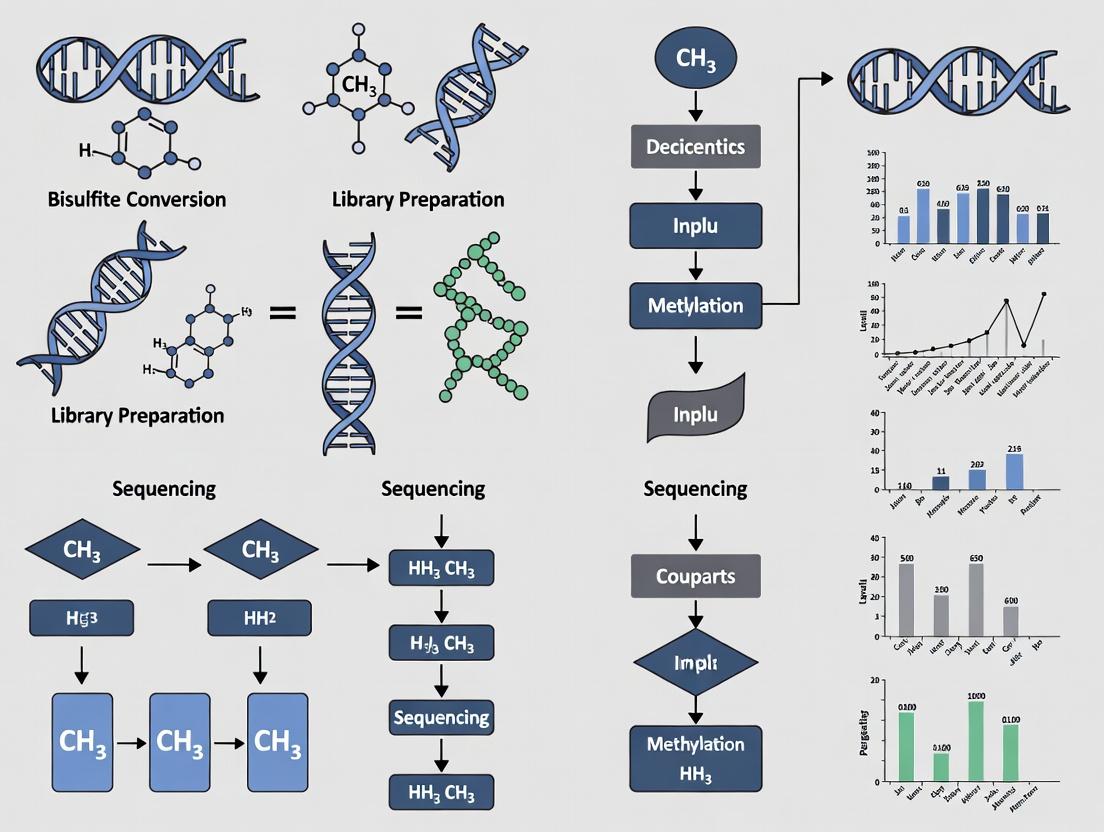
This article provides a detailed exploration of cell-free DNA (cfDNA) methylation profiling techniques, a rapidly evolving frontier in liquid biopsy.
Cell-Free DNA Methylation Profiling: A Comprehensive Guide for Researchers
Abstract
This article provides a detailed exploration of cell-free DNA (cfDNA) methylation profiling techniques, a rapidly evolving frontier in liquid biopsy. Tailored for researchers, scientists, and drug development professionals, we cover foundational biology, cutting-edge methodological workflows (including bisulfite conversion, enrichment-based, and TAPS-based approaches), and critical considerations for assay optimization and troubleshooting. We further compare and validate different platforms for clinical and translational applications, from early cancer detection to therapy monitoring, empowering the audience to select and implement the most appropriate strategies for their specific research and development goals.
Demystifying cfDNA Methylation: From Biology to Biomarker Potential
Origin and Structure of cfDNA
Cell-free DNA (cfDNA) refers to fragmented DNA molecules present in body fluids, primarily blood plasma. Its origin is heterogeneous, derived from various cellular processes. The structural hallmark of cfDNA is its nucleosomal fragmentation pattern, with a dominant peak at ~167 base pairs (bp), corresponding to DNA wrapped around a nucleosome core.
Table 1: Origins and Characteristics of cfDNA
| Origin | Primary Mechanism | Typical Fragment Size (bp) | Key Features |
|---|---|---|---|
| Apoptotic Cells | Caspase-activated DNase digestion | ~167 (multiples thereof) | Regular, nucleosome-protected fragments; majority of background cfDNA. |
| Necrotic Cells | Uncontrolled DNA release | Broad range (> 10,000) | Longer, irregular fragments. |
| Active Secretion / NETosis | Vesicular release or neutrophil traps | Variable | Associated with exosomes, apoptosis bodies, or NET structures. |
| Tumor Cells (ctDNA) | Primarily apoptosis, some necrosis | ~166-168 (shorter peak) | Can carry tumor-specific mutations, copy number alterations, methylation marks. |
| Fetal Trophoblasts (NIPT) | Placental apoptosis | Slightly shorter average | Fetal-derived fraction in maternal plasma; enables non-invasive testing. |
Clinical Significance and Thesis Context
cfDNA analysis has revolutionized non-invasive diagnostics. In oncology, circulating tumor DNA (ctDNA) enables liquid biopsy for mutation detection, treatment monitoring, and minimal residual disease assessment. In prenatal testing, it forms the basis for Non-Invasive Prenatal Testing (NIPT). Within the broader thesis on cell-free DNA methylation profiling techniques, cfDNA serves as the critical analyte. Methylation patterns on cfDNA are highly tissue-specific and stable, providing a powerful biomarker for cancer detection, tissue-of-origin mapping, and distinguishing pathological from normal cfDNA sources. Profiling these epigenetic marks requires specialized, highly sensitive protocols to overcome the low abundance and fragmented nature of cfDNA.
Application Notes and Protocols
Application Note 1: Isolation of cfDNA from Plasma for Methylation Studies
- Principle: Efficient removal of cellular debris and subsequent capture of short, fragmented DNA while preserving methylation marks.
- Critical Considerations: Use EDTA or Streck tubes for blood collection to prevent lysis of nucleated cells. Process plasma within 6 hours. Double-centrifugation (e.g., 1600 x g, 10 min; then 16,000 x g, 10 min) is essential to remove residual platelets and vesicles. Isolation kits using silica-membrane columns optimized for short fragments are recommended over phenol-chloroform.
- Quality Control: Quantify using fluorometry (e.g., Qubit dsDNA HS Assay). Assess fragment size distribution using a High Sensitivity DNA Bioanalyzer/TapeStation chip (expect peak ~167 bp).
Protocol 1: Bisulfite Conversion of cfDNA for Methylation Profiling
- Objective: To convert unmethylated cytosines to uracil while leaving 5-methylcytosines intact, enabling methylation-specific analysis via sequencing or PCR.
- Reagents: Commercial bisulfite conversion kit (e.g., EZ DNA Methylation series), cfDNA sample (≥5 ng), thermal cycler.
- Procedure:
- Denaturation: Mix cfDNA with kit-provided denaturation solution. Incubate at 95°C for 5-10 min.
- Conversion: Add prepared bisulfite solution to denatured DNA. Incubate in thermal cycler (cycling conditions: e.g., 15-20 cycles of 95°C for 30 sec, 50-60°C for 15-60 min).
- Desalting/Binding: Transfer mixture to a spin column containing silica membrane. Bind DNA by centrifugation.
- Desulfonation: Add fresh desulphonation solution to the column, incubate at room temperature (20-25°C) for 15-20 min, then centrifuge.
- Wash & Elution: Wash column twice with wash buffer. Elute converted DNA in low-EDTA TE buffer or nuclease-free water (10-20 µL). Store at -80°C.
- Post-Conversion QC: Assess conversion efficiency via PCR for completely unmethylated control sequences (e.g., ALU elements).
Protocol 2: Targeted Methylation Sequencing of cfDNA using PCR Amplicon-Based Panels
- Objective: To enrich and sequence specific genomic loci for high-depth methylation analysis from low-input cfDNA.
- Reagents: Bisulfite-converted cfDNA, targeted methylation panel (e.g., commercial or custom designs for cancer biomarkers), high-fidelity DNA polymerase for bisulfite-converted DNA, library prep reagents, sequencer.
- Procedure:
- First-Stage PCR (Target Amplification): Amplify bisulfite-converted DNA using panel-specific primers containing universal overhangs. Use 10-20 ng of converted DNA as input. Cycle number should be minimized (10-15 cycles) to reduce PCR bias.
- Second-Stage PCR (Indexing & Adapter Addition): Use a second PCR to attach full sequencing adapters and unique dual indices (UDIs) to the amplicons from step 1 (5-10 cycles).
- Library Clean-up: Purify amplified libraries using magnetic beads (e.g., SPRI beads) to remove primers and fragments <100 bp.
- Quantification & Pooling: Quantify libraries by qPCR (for molarity). Pool equimolar amounts.
- Sequencing: Run on a high-throughput sequencer (e.g., Illumina MiSeq/NextSeq) with paired-end 150 bp reads to cover the entire amplicon.
Visualization: cfDNA Methylation Profiling Workflow
Diagram Title: cfDNA Methylation Analysis Pipeline
The Scientist's Toolkit: Key Research Reagent Solutions
Table 2: Essential Materials for cfDNA Methylation Profiling Experiments
| Item/Reagent | Function & Explanation |
|---|---|
| Cell-Free Blood Collection Tubes (e.g., Streck) | Preserves blood by stabilizing nucleated cells, preventing genomic DNA contamination and cfDNA dilution during transport/storage. |
| Silica-Membrane cfDNA Isolation Kits | Selectively bind short-fragment DNA, enabling high recovery of cfDNA while removing proteins, salts, and inhibitors. |
| High-Sensitivity DNA Quantitation Kit (Fluorometric) | Accurately quantifies low concentrations of cfDNA (down to pg/µL) without being biased by RNA or nucleotides. |
| High-Sensitivity DNA Bioanalyzer Kit | Provides precise electrophoretic sizing to confirm the characteristic ~167 bp peak and assess fragment integrity. |
| Commercial Bisulfite Conversion Kit | Provides optimized reagents for complete, efficient conversion while minimizing DNA degradation (critical for cfDNA). |
| PCR Polymerase for Bisulfite-Converted DNA | Enzymes engineered to efficiently amplify uracil-rich, bisulfite-converted templates with high fidelity. |
| Targeted Methylation Panel (e.g., Custom Probe Set) | Designed oligonucleotides to enrich disease-relevant genomic regions (e.g., differentially methylated regions - DMRs). |
| SPRI (Solid Phase Reversible Immobilization) Beads | Magnetic beads for size-selective purification and clean-up of sequencing libraries, removing primer dimers. |
| Unique Dual Index (UDI) Adapter Kits | Allow multiplexing of many samples by tagging each with a unique barcode pair, reducing index hopping errors in sequencing. |
| Methylation-Aware Bioinformatics Pipeline (e.g., Bismark) | Software tools specifically designed to align bisulfite-converted reads and accurately call cytosine methylation states. |
5-methylcytosine (5-mC) is a canonical epigenetic modification involving the covalent addition of a methyl group to the fifth carbon of a cytosine residue, predominantly in CpG dinucleotide contexts. In mammalian genomes, it serves as a primary mechanism for the stable repression of gene transcription, playing critical roles in X-chromosome inactivation, genomic imprinting, silencing of transposable elements, and tissue-specific gene regulation. Within the thesis on cell-free DNA (cfDNA) methylation profiling techniques, understanding 5-mC is foundational. The methylation patterns in cfDNA, shed from apoptotic and necrotic cells into the bloodstream, offer a non-invasive window into the tissue of origin and disease state, most notably in oncology (liquid biopsy), prenatal testing, and transplant monitoring.
Table 1: Genomic Distribution and Quantitation of 5-mC in Human Tissues
| Genomic Feature | Average % CpG Methylation (Healthy Somatic Cell) | Notes on Variability | cfDNA Relevance |
|---|---|---|---|
| Global Genome | 70-80% | Lower in pluripotent stem cells | Global hypomethylation is a cancer hallmark |
| CpG Islands (CGIs) | ~5-10% | Typically unmethylated; hypermethylation silences tumor suppressor genes | CGI hypermethylation in cfDNA indicates specific cancer types |
| Gene Promoters | Varies widely: Low in active genes, High in silent | Key regulatory region | Promoter methylation in cfDNA enables tissue-of-origin mapping |
| Gene Bodies | ~50-60% | Positively correlates with transcription levels | Provides gene activity signature |
| Repetitive Elements | >80% | Prevents genomic instability | Hypomethylation in cfDNA indicates genomic instability (e.g., cancer) |
| cfDNA (Healthy) | Reflects mixture of contributing tissues | Liver, hematopoietic cells are major contributors | Baseline for detecting deviations |
Table 2: Common Bisulfite-Sequencing Based Methods for 5-mC Profiling in cfDNA
| Method | Input DNA | Key Principle | Primary Application in cfDNA | Advantage for cfDNA |
|---|---|---|---|---|
| Whole-Genome Bisulfite Sequencing (WGBS) | 10-100 ng | Treats DNA with bisulfite, converting unmodified C to U, then sequences entire genome | Discovery of novel methylation markers; comprehensive profiling | Gold standard for unbiased analysis |
| Reduced Representation Bisulfite Sequencing (RRBS) | 1-100 ng | MspI digestion enriches for CpG-rich regions prior to bisulfite treatment and sequencing | Cost-effective profiling of promoter and CGI regions | Suitable for limited cfDNA input |
| Targeted Bisulfite Sequencing (e.g., using PCR or hybridization capture) | <1-10 ng | Bisulfite conversion followed by amplification/capture of specific gene panels | High-depth validation and monitoring of known biomarker panels | Maximizes sensitivity for low-abundance cfDNA variants |
| Methylation-Specific PCR (MSP) | <1 ng | Uses primers specific for methylated or unmethylated sequences post-bisulfite | Rapid, low-cost detection of specific methylated alleles | High clinical utility for single-marker tests |
Detailed Protocols
Protocol 1: Sodium Bisulfite Conversion of Low-Input cfDNA for Downstream Sequencing
Purpose: To deaminate unmethylated cytosines to uracils while leaving 5-mC residues intact, enabling single-base resolution mapping of methylation.
Materials:
- Purified cfDNA sample (1-50 ng in volume ≤ 20 µL)
- Commercially available bisulfite conversion kit (e.g., EZ DNA Methylation kits)
- Thermal cycler
- Nuclease-free water
- Microcentrifuge
Procedure:
- Denaturation: Combine cfDNA with kit-provided denaturation buffer. Incubate at 95°C for 5 minutes.
- Conversion: Immediately add the prepared CT Conversion Reagent (sodium bisulfite solution) to the denatured DNA. Mix thoroughly.
- Incubation: Perform thermal cycling: 15-20 cycles of (95°C for 30 seconds, 50°C for 15-60 minutes). Protect from light. This prolonged incubation ensures complete conversion.
- Binding: Transfer the reaction mixture to a spin column containing a silica membrane. Bind the DNA by centrifugation.
- Desulfonation: Wash the column with kit-provided wash buffers. Apply the desulphonation buffer directly to the membrane and incubate at room temperature for 15-20 minutes. This step removes the sulphonate group added to cytosine during conversion, completing the transformation to uracil.
- Washing and Elution: Perform final wash steps. Elute the converted DNA in 10-20 µL of nuclease-free water or elution buffer. The bisulfite-converted DNA is now ready for library preparation and sequencing.
Protocol 2: Methylation-Specific Droplet Digital PCR (ddPCR) for cfDNA Biomarker Quantification
Purpose: To achieve absolute quantification of the percentage of methylated molecules at a specific locus in a cfDNA sample with high precision.
Materials:
- Bisulfite-converted cfDNA (from Protocol 1)
- ddPCR Supermix for Probes (no dUTP)
- FAM-labeled probe for methylated sequence, HEX/VIC-labeled probe for unmethylated sequence (or reference assay)
- Methylation-specific and control (reference) primer sets
- Droplet generator, droplet reader, and DG8 cartridges
- Thermal cycler with a gradient block
Procedure:
- Reaction Setup: Prepare a 20 µL reaction mix containing 1x ddPCR Supermix, each primer at 900 nM, each probe at 250 nM, and ~1-10 ng of bisulfite-converted cfDNA.
- Droplet Generation: Load the reaction mix and droplet generation oil into a DG8 cartridge. Generate droplets using the droplet generator. Typically, this yields ~20,000 nanoliter-sized droplets per sample.
- PCR Amplification: Transfer the emulsified droplets to a 96-well PCR plate. Seal and run PCR: 95°C for 10 min (enzyme activation); 40 cycles of (94°C for 30 s, annealing at assay-specific Tm for 1 min); 98°C for 10 min (enzyme deactivation). Ramp rate should be 2°C/s.
- Droplet Reading: Load the plate into the droplet reader. The reader flows each droplet sequentially past a two-channel optical detector measuring FAM and HEX fluorescence.
- Analysis: Use the associated software to analyze the fluorescence amplitude of each droplet. Droplets are classified as FAM+ (methylated), HEX+ (unmethylated/reference), double-positive, or negative. The concentration (copies/µL) of methylated and total target DNA is calculated using Poisson statistics. The methylation percentage = [methylated] / ([methylated] + [unmethylated]) * 100.
Visualization of Workflows and Pathways
Title: cfDNA Methylation Profiling Workflow
Title: 5-mC Mediated Gene Silencing Pathway
The Scientist's Toolkit: Research Reagent Solutions
Table 3: Essential Materials for cfDNA Methylation Analysis
| Item | Function/Description | Example Product/Catalog |
|---|---|---|
| cfDNA Isolation Kit | Optimized for low-abundance, fragmented DNA from plasma/serum. Minimizes genomic DNA contamination. | QIAamp Circulating Nucleic Acid Kit, MagMAX Cell-Free DNA Isolation Kit |
| Sodium Bisulfite Conversion Kit | Chemical treatment for discriminating 5-mC from unmethylated C. Critical for all sequencing and PCR-based methods. | EZ DNA Methylation (Lightning/ Direct) kits, MethylCode Bisulfite Conversion Kit |
| Methylation-Specific ddPCR Assay | Pre-designed or custom assay (primers & probes) for absolute quantification of methylation at a specific locus. | Bio-Rad ddPCR Methylation Assays, Custom TaqMan Methylation Assays |
| Bisulfite-Sequencing Library Prep Kit | Converts bisulfite-treated, single-stranded DNA into sequencing libraries, often with unique molecular identifiers (UMIs). | Swift Biosciences Accel-NGS Methyl-Seq, NuGen Ovation Methyl-Seq |
| Methylated & Unmethylated Control DNA | Genomic DNA from cell lines treated with/without methylase (e.g., SssI). Essential for assay validation and quality control. | MilliporeSigma CpGenome Universal Methylated DNA, Zymo Research Human Methylated & Non-methylated DNA Set |
| Targeted Methylation Enrichment Probes | Biotinylated RNA or DNA probes for hybrid-capture of bisulfite-converted target regions prior to sequencing. | Agilent SureSelect Methyl-Seq, Twist Bioscience Methylation Panels |
| Bioinformatics Pipeline | Software for alignment (e.g., Bismark, BWA-meth), methylation extraction, and differential analysis. | nf-core/methylseq, MethylKit, SeSAMe |
Why cfDNA Methylation? Advantages Over Mutational Analysis and Protein Biomarkers
This application note supports the broader thesis research on cell-free DNA (cfDNA) methylation profiling techniques. The thesis posits that cytosine methylation patterns in cfDNA constitute a superior biomarker class for non-invasive liquid biopsy, offering unique advantages over traditional mutational analysis and protein-based assays in oncology, prenatal diagnostics, and chronic disease monitoring.
Table 1: Comparative Analysis of Liquid Biopsy Modalities
| Feature | cfDNA Methylation | cfDNA Mutational Analysis | Protein Biomarkers |
|---|---|---|---|
| Biological Insight | Epigenetic regulation; tissue/cell type of origin | Somatic genetic alterations | Functional protein expression/secretion |
| Tumor Detection Sensitivity (Early-Stage) | High (0.01% allele fraction) | Low-Moderate (requires ~0.1-1% VAF) | Variable, often low |
| Tissue of Origin Identification | Yes (via reference methylomes) | No (unless tissue-specific mutation) | Possible, but limited specificity |
| Detection of Multiple Cancer Types | Yes (pan-cancer panels) | Limited to known driver mutations | Often cancer-type specific |
| Dynamic Range & Quantitative Potential | High (correlates with tumor burden) | Moderate (affected by clonality) | Low (saturation, non-linear) |
| Resistance to Nuclease Degradation | High (methylation is covalent) | High | Low (protein denaturation/degradation) |
| Influence by Benign Conditions | Low (tissue-specific patterns) | Low (but CHIP confounds) | High (inflammation, other diseases) |
| Typical Limit of Detection (LoD) | ~0.01% Tumor-Derived cfDNA | ~0.1% Variant Allele Frequency | ng/mL to μg/mL range |
Table 2: Clinical Utility Comparison in Oncology
| Application | cfDNA Methylation Advantage | Limitation in Alternative Modalities |
|---|---|---|
| Early Cancer Detection | Detects epigenomic silencing pre-malignant/early lesions. | Mutations may be absent; proteins lack sensitivity. |
| Minimal Residual Disease (MRD) | High sensitivity; independent of known mutations. | Mutational MRD requires prior tumor sequencing. |
| Therapy Response Monitoring | Tracks epigenomic evolution and heterogeneity. | Protein levels can lag; mutations may not reflect all clones. |
| Tumor Heterogeneity Capture | Reflects diverse epigenomic cell states. | Mutations capture clonal phylogeny only. |
Detailed Experimental Protocols
Protocol 1: Sodium Bisulfite Conversion of cfDNA for Methylation Analysis
Objective: To convert unmethylated cytosines to uracil while leaving 5-methylcytosines unchanged, enabling methylation-specific sequencing or PCR.
Materials: (See Scientist's Toolkit below) Procedure:
- cfDNA Input: Use 5-30 ng of purified cfDNA (Qubit quantification) in 20 µL of nuclease-free water.
- Denaturation: Add 130 µL of CT Conversion Reagent (from Zymo Research or equivalent), mix, and incubate at 98°C for 8 minutes.
- Conversion: Incubate at 64°C for 3.5 hours in a thermal cycler with a heated lid (105°C).
- Binding: Load the reaction onto a Zymo-Spin IC Column pre-equilibrated per manufacturer's instructions. Centrifuge at 14,000 x g for 30 seconds.
- Desulphonation: Add 200 µL of M-Desulphonation Buffer to the column. Incubate at room temperature (20-30°C) for 20 minutes. Centrifuge at 14,000 x g for 30 seconds.
- Washing: Wash the column with 200 µL of M-Wash Buffer, centrifuge. Repeat with a second 200 µL wash. Centrifuge an additional 2 minutes to dry membrane.
- Elution: Elute bisulfite-converted DNA in 15 µL of M-Elution Buffer. Store at -80°C until library preparation.
Protocol 2: Targeted Methylation Sequencing (e.g., Bisulfite Capture-Seq)
Objective: To enrich and sequence CpG-rich regions of interest from bisulfite-converted cfDNA.
Materials: (See Scientist's Toolkit below) Procedure:
- Library Preparation: Construct sequencing libraries from 10-50 ng of bisulfite-converted DNA using a methylation-compatible kit (e.g., Swift Biosciences Accel-NGS Methyl-Seq). This step incorporates adapters compatible with bisulfite-degraded DNA.
- Target Enrichment: Dilute the library to 100-200 ng in 3.4 µL. Hybridize with a custom CpG island/regulatory region bait panel (e.g., xGen Methylation Panel, IDT) at 65°C for 16 hours according to manufacturer's protocol.
- Capture Bead Binding: Add streptavidin magnetic beads to bind biotinylated bait-library hybrids. Wash with stringent buffers to remove non-specifically bound DNA.
- Amplification: Perform 12-14 cycles of PCR amplification to enrich the captured library.
- Sequencing: Pool and sequence on an Illumina NovaSeq 6000 (PE 150 bp) to a minimum depth of 20,000x per CpG site for robust statistical analysis.
- Bioinformatics: Align reads to a bisulfite-converted reference genome (e.g., using Bismark). Calculate methylation ratios (C/(C+T)) per CpG site. Perform differential methylation analysis (e.g., methylKit R package).
Visualizations
Title: cfDNA Methylation Analysis Workflow
Title: Logical Advantages Over Mutations & Proteins
The Scientist's Toolkit
Table 3: Essential Research Reagent Solutions for cfDNA Methylation Profiling
| Item | Example Product/Brand | Critical Function |
|---|---|---|
| cfDNA Preservation Tubes | Streck Cell-Free DNA BCT | Stabilizes blood cells to prevent genomic DNA contamination during shipment/storage. |
| cfDNA Extraction Kit | Qiagen Circulating Nucleic Acid Kit, MagMAX Cell-Free DNA Kit | High-efficiency isolation of short-fragment cfDNA from plasma/serum. |
| Bisulfite Conversion Kit | Zymo Research EZ DNA Methylation-Lightning Kit | Complete, rapid conversion of unmethylated C to U with high DNA recovery. |
| Methylation-Compatible Library Prep Kit | Swift Biosciences Accel-NGS Methyl-Seq, NuGen Methyl-Seq | Constructs NGS libraries from bisulfite-converted DNA, minimizing bias. |
| Targeted Methylation Panel | IDT xGen Methylation Panel, Agilent SureSelectXT Methyl-Seq | Biotinylated RNA baits for hybrid-capture of CpG regions of interest. |
| Methylation Alignment Software | Bismark, BSMAP | Maps bisulfite-converted reads to reference genome and calls methylation status. |
| Methylation Analysis Suite | methylKit (R), SeSAMe (R/Bioconductor) | Performs differential methylation analysis, clustering, and visualization. |
| Reference Methylome Database | ENCODE, Roadmap Epigenomics, GEO | Public datasets for tissue-specific methylomes for deconvolution analysis. |
This application note details protocols for identifying biological sources and tissue-of-origin signatures using cell-free DNA (cfDNA) methylation profiling. Framed within a broader thesis on cfDNA methylation techniques, this document provides researchers and drug development professionals with actionable methodologies for liquid biopsy analysis, cancer detection, and monitoring tissue-specific damage.
Table 1: Characteristic Methylation Signatures of Major Biological Sources
| Biological Source / Tissue Type | Key Genomic Regions (Representative) | Average Methylation Level (Bisulfite-seq Beta Value) | Diagnostic Utility (Common Context) |
|---|---|---|---|
| Hepatocytes (Liver) | F2RL3, AQP3 gene promoters; LINER-1 elements | 0.65 - 0.85 | Monitoring liver transplant rejection, hepatocellular carcinoma |
| Lymphocytes (Immune) | RASSF1A, CDKN2A (p16) promoters; FOXP3 CNS2 enhancer | 0.70 - 0.95 (hyper in Tregs) | Assessing immune cell turnover, lymphoma detection |
| Neurons (Brain) | RHBDF2, BAI1 promoters; Tissue-Differential Methylated Regions (TDMRs) | 0.40 - 0.60 | Detecting glioblastoma, traumatic brain injury |
| Colon Epithelium | SEPT9, VIM promoters; BMP3 regulatory regions | 0.80 - 0.95 (in adenomas/carcinoma) | Colorectal cancer screening (e.g., Epi proColon) |
| Placental Trophoblasts | RASSF1A, SERPINB5 promoters; chromosome 19 miRNA cluster | < 0.10 (hypomethylated) | Non-invasive prenatal testing (NIPT) |
| Pancreatic Beta Cells | INS IGF2 imprinting control region; PDX1 enhancer | 0.30 - 0.50 | Monitoring diabetes-related beta cell death |
Table 2: Performance Metrics of Tissue-of-Origin Deconvolution Methods
| Method / Assay | Number of Informative CpG Sites | Reported Accuracy (TOO Detection) | Limit of Detection (cfDNA Input) | Primary Technology Platform |
|---|---|---|---|---|
| EPIC Array (850K) | ~ 850,000 | 85-90% for major tissues | 5-10 ng | Microarray (Bisulfite-converted) |
| Whole-Genome Bisulfite Sequencing (WGBS) | ~ 28 Million | >90% (with sufficient coverage) | 10-30 ng | Next-Generation Sequencing |
| Targeted Bisulfite Sequencing (e.g., cfMBD-seq) | 10,000 - 100,000 (selected) | 80-88% | 1-5 ng | NGS Panel |
| Methylation-PCR (qMSP) | 1 - 10 loci | Tissue-specific (binary) | < 1 ng | Real-time PCR |
Detailed Experimental Protocols
Protocol 1: Tissue-of-Origin Deconvolution from Plasma cfDNA Using Targeted Bisulfite Sequencing
Objective: To determine the proportional contributions of major tissue types to a plasma cfDNA sample via analysis of methylation signatures at pre-defined marker CpGs.
Materials: See "The Scientist's Toolkit" section.
Procedure:
- cfDNA Extraction & QC: Extract cfDNA from 3-10 mL of EDTA or Streck-tube collected plasma using a silica-membrane column kit (e.g., QIAamp Circulating Nucleic Acid Kit). Elute in 20-50 µL. Quantify using a fluorometric assay (e.g., Qubit dsDNA HS Assay). Assess fragment size distribution using a Bioanalyzer or Tapestation (expect peak ~167 bp).
- Bisulfite Conversion: Treat 5-20 ng of cfDNA with sodium bisulfite using a dedicated kit (e.g., EZ DNA Methylation-Lightning Kit). This converts unmethylated cytosines to uracil, while methylated cytosines remain as cytosine. Follow manufacturer's protocol with careful handling to minimize DNA degradation.
- Library Preparation for Targeted Sequencing: a. Pre-amplification (Optional): Perform a limited-cycle (4-6 cycles) multiplex PCR using primers targeting the panel of tissue-informative CpG regions. Use a polymerase tolerant of uracil (e.g., KAPA HiFi Uracil+). b. Indexing PCR: Add unique dual indices (UDIs) and full sequencing adapters in a second PCR (8-12 cycles). c. Library Clean-up: Purify the final library using double-sided SPRI bead selection (e.g., 0.6x then 0.8x ratios) to remove primer dimers and select the cfDNA fragment size range. d. QC & Quantification: Assess library concentration (qPCR) and size profile.
- Sequencing: Pool libraries and sequence on an Illumina platform (e.g., NextSeq 550 or NovaSeq) to achieve a minimum of 50,000-100,000 reads per marker region.
- Bioinformatic Analysis: a. Alignment & Methylation Calling: Map bisulfite-treated reads to a bisulfite-converted reference genome (e.g., using Bismark or BWA-meth). Extract methylation calls (counts of C vs T) at each CpG site. b. Deconvolution: Use a reference-based algorithm (e.g., methylCC or a custom implementation of non-negative matrix factorization, NMF). Input is a matrix of methylation beta values for your sample across marker CpGs. The algorithm compares this to a pre-built reference matrix of methylation profiles for pure cell types (e.g., liver, lung, neutrophil, etc.) and solves for the proportional contribution of each that best fits the observed cfDNA profile.
- Interpretation: The output is a vector of estimated proportions from contributing tissues. Elevated contributions from a specific tissue may indicate cell death or turnover in that organ (e.g., elevated hepatocyte signature in liver injury).
Protocol 2: Validation of Tissue-Specific Methylation Markers via Combined Bisulfite Restriction Analysis (COBRA)
Objective: To biochemically validate the methylation status of a candidate tissue-specific CpG island identified from public databases (e.g., TCGA).
Materials: Genomic DNA from target and control tissues/cell lines, sodium bisulfite conversion kit, PCR reagents, restriction enzymes (BstUI, TaqI), agarose gel electrophoresis supplies.
Procedure:
- DNA & Bisulfite Conversion: Isolate genomic DNA from pure cell populations or tissues. Convert 500 ng of each DNA sample with sodium bisulfite.
- PCR Amplification: Design PCR primers that flank the CpG-rich region of interest, avoiding CpG sites in the primer sequence itself. Amplify the converted DNA.
- Restriction Digestion: Digest half of the PCR product with a restriction enzyme (e.g., BstUI (CGCG) or TaqI (TCGA)) whose recognition sequence is created only if the original CpG site was methylated (and thus remained as CG after conversion). The other half remains undigested as a control.
- Gel Analysis: Run digested and undigested products on a 2-3% agarose gel.
- Interpretation: Complete digestion indicates the site was fully methylated in the original DNA. Partial digestion indicates a heterogeneous cell population or partial methylation. No digestion indicates the site was unmethylated. Compare patterns between tissue types to confirm specificity.
Visualizations
Title: cfDNA Methylation Tissue Deconvolution Workflow
Title: Tissue Signature Deconvolution Logic Model
The Scientist's Toolkit: Research Reagent Solutions
Table 3: Essential Materials for cfDNA Methylation Profiling
| Item / Reagent | Function & Brief Explanation | Example Product(s) |
|---|---|---|
| cfDNA Extraction Kit | Isolation of short, fragmented cfDNA from plasma while minimizing genomic DNA contamination from lysed blood cells. | QIAamp Circulating Nucleic Acid Kit, MagMAX Cell-Free DNA Isolation Kit |
| Bisulfite Conversion Kit | Chemical treatment that differentially converts unmethylated cytosines to uracil for subsequent sequence-based discrimination. Critical for methylation analysis. | EZ DNA Methylation-Lightning Kit, MethylEdge Bisulfite Conversion System |
| Uracil-Tolerant PCR Polymerase | High-fidelity DNA polymerase capable of amplifying bisulfite-converted DNA (containing uracil) without carry-over bias or degradation. | KAPA HiFi Uracil+ Polymerase, Pfu Turbo Cx Hotstart |
| Targeted Methylation Panel | A pre-designed set of probes/primers to enrich for tissue-informative CpG regions, optimizing sequencing depth on limited cfDNA input. | Illumina EPIC Array, Twist Methylation Panels, Agilent SureSelect Methyl |
| Methylated/Unmethylated Control DNA | Bisulfite-converted DNA from cells with known global methylation states (e.g., enzymatically methylated vs. unmethylated) for assay calibration. | EpiTect PCR Control DNA Set, CpGenome Universal Methylated DNA |
| Unique Dual Indexes (UDIs) | Molecular barcodes for multiplexing samples in NGS, enabling precise demultiplexing and reducing index hopping errors. | Illumina IDT for Illumina UDIs, Nextera UD Indexes |
| SPRI Beads | Magnetic beads for size-selective clean-up and purification of DNA libraries, crucial for removing primers and selecting cfDNA-sized fragments. | AMPure XP Beads, KAPA Pure Beads |
| Bioanalyzer/TapeStation | Microfluidic capillary electrophoresis for accurate quantification and size profiling of cfDNA and sequencing libraries. | Agilent 2100 Bioanalyzer (High Sensitivity DNA chip), TapeStation D1000/High Sensitivity D1000 |
Application Notes
Cell-free DNA (cfDNA) methylation profiling has emerged as a transformative liquid biopsy approach, enabling non-invasive detection, classification, and monitoring of diverse pathologies. Its utility stems from the tissue-specific nature of DNA methylation patterns, which are shed into the bloodstream. Within the context of advancing methylation profiling techniques, the following applications are paramount.
Cancer: cfDNA methylation analysis allows for early cancer detection, tissue-of-origin localization, minimal residual disease (MRD) monitoring, and therapy response assessment. Tumor-specific hypermethylation of promoter CpG islands and global hypomethylation patterns serve as highly specific biomarkers.
Prenatal Testing: Non-invasive prenatal testing (NIPT) via cfDNA methylation profiling can screen for fetal aneuploidies (e.g., Trisomy 21) and, more recently, for monogenic disorders and pregnancy-associated complications like preeclampsia by discerning fetal- from maternal-derived methylation patterns.
Transplantation: In organ transplant recipients, donor-derived cfDNA (dd-cfDNA) is a sensitive biomarker of allograft injury or rejection. Methylation profiling can specifically differentiate donor cfDNA from recipient background noise, enhancing specificity over donor-recipient genetic difference methods.
Beyond: Applications are expanding into inflammatory diseases (e.g., rheumatoid arthritis, sepsis), neurology (e.g., Alzheimer's disease, traumatic brain injury), and metabolic disorders, where cell death and turnover release tissue-specific methylated cfDNA.
Table 1: Key Quantitative Performance Metrics of cfDNA Methylation Assays (2023-2024)
| Application | Target Condition | Typical Sensitivity | Typical Specificity | Reported cfDNA Fraction | Key Methylation Markers |
|---|---|---|---|---|---|
| Cancer Detection | Multi-Cancer Early Detection | 50-90% (Stage I-IV) | >99% | 0.1%-10% (tumor) | SEPT9, SHOX2, RASSF1A hypermethylation |
| Prenatal Testing | Fetal Trisomy 21 | >99% | >99% | 5-20% (fetal) | Differentially Methylated Regions (DMRs) on chr21 |
| Transplant Rejection | Acute Rejection (Heart) | 70-85% | 75-90% | 0.5-5% (donor) | Tissue-specific DMRs for organ identity |
| Neurological Injury | Traumatic Brain Injury | 80-95% | 85-95% | Varies | Brain-derived cfDNA hypomethylation markers |
Table 2: Comparison of Core cfDNA Methylation Profiling Techniques
| Technique | Bisulfite Treatment | Readout | Resolution | Advantages | Limitations |
|---|---|---|---|---|---|
| Whole-Genome Bisulfite Sequencing (WGBS) | Yes | Sequencing | Single-base | Gold standard, genome-wide | High cost, input DNA demands |
| Methylated DNA Immunoprecipitation-Seq (MeDIP-seq) | No | Sequencing | ~100-300 bp | Lower cost, no bisulfite degradation | Antibody-dependent, semi-quantitative |
| Methylation-Sensitive Restriction Enzyme (MSRE) Digestion | No | Sequencing / qPCR | Enzyme site-dependent | Simple, cost-effective for targets | Limited to recognition sites |
| Targeted Bisulfite Sequencing (e.g., Methylation PCR Panels) | Yes | Sequencing / NGS | Single-base (targeted) | High depth, cost-effective for panels | Limited to pre-defined regions |
| EPIC Array | Yes | BeadChip Hybridization | Single CpG (850k sites) | Cost-effective for large cohorts | Limited to pre-designed probes |
Experimental Protocols
Protocol 2.1: Targeted Bisulfite Sequencing for Multi-Cancer Early Detection (MCED)
Objective: To identify and quantify cancer-associated methylation signatures in plasma cfDNA.
Materials:
- Plasma samples (processed within 4h of collection)
- cfDNA extraction kit (e.g., QIAamp Circulating Nucleic Acid Kit)
- Bisulfite conversion kit (e.g., EZ DNA Methylation-Lightning Kit)
- Targeted methylation PCR panel (e.g., for 50-100 marker regions)
- High-fidelity PCR master mix
- Next-generation sequencing library prep kit
- Indexing primers
- SPRI beads
- Sequencing platform (e.g., Illumina NextSeq 2000)
Procedure:
- cfDNA Extraction: Isolate cfDNA from 5-10 mL of plasma per manufacturer's protocol. Elute in 20-50 µL low-EDTA TE buffer. Quantify using a fluorometer (e.g., Qubit hsDNA assay).
- Bisulfite Conversion: Treat 10-20 ng of cfDNA with bisulfite reagent to convert unmethylated cytosines to uracil, while methylated cytosines remain unchanged. Follow kit instructions precisely. Purify converted DNA.
- Targeted Amplification: Perform multiplex PCR using bisulfite-converted DNA as template and primers designed for target CpG-rich regions. Use a hot-start polymerase to minimize non-specific amplification. Cycle conditions: 95°C for 5 min; 35-40 cycles of 95°C/30s, 60°C/30s, 72°C/45s; final extension 72°C/5 min.
- Library Preparation & Indexing: Clean up PCR product with SPRI beads. Perform a second limited-cycle PCR to add Illumina P5/P7 flow cell adapters and unique dual index (UDI) barcodes for sample multiplexing.
- Sequencing: Pool libraries equimolarly. Sequence on an Illumina platform (2x150bp) to a minimum average depth of 10,000x per amplicon.
- Data Analysis:
- Align reads to a bisulfite-converted reference genome (e.g., using Bismark).
- Extract methylation calls for each CpG site.
- Calculate mean methylation beta-value (methylated reads / total reads) per region.
- Input beta-values into a pre-trained machine learning classifier (e.g., Random Forest) for cancer signal detection and tissue-of-origin prediction.
Protocol 2.2: dd-cfDNA Methylation Analysis for Transplant Rejection Monitoring
Objective: To quantify donor-derived cfDNA fraction in recipient plasma using organ-specific methylation signatures.
Materials:
- Recipient plasma (pre-transplant and serial post-transplant)
- Recipient and donor buffy coat DNA (reference)
- cfDNA extraction kit
- Bisulfite conversion kit
- Whole-genome amplification kit (for reference DNA)
- Methylation-sensitive ddPCR or NGS assay (e.g., for organ-specific DMRs)
Procedure:
- Reference Methylation Profiling: Isolate genomic DNA from donor and recipient buffy coats. Perform WGBS or EPIC array analysis to identify differentially methylated regions (DMRs) highly specific to the donor organ (e.g., heart, kidney) and methylated uniquely in donor or recipient background.
- Plasma cfDNA Processing: Extract cfDNA from 4-8 mL of recipient plasma at multiple time points.
- Bisulfite Conversion: Convert plasma cfDNA as in Protocol 2.1.
- Targeted Quantification (ddPCR method):
- Design ddPCR probes specific to the converted sequence of a selected donor-specific DMR (methylated state) and a reference gene (control for total cfDNA).
- Perform duplex ddPCR on bisulfite-converted cfDNA.
- Calculate %dd-cfDNA = (concentration of donor DMR assay / concentration of reference assay) * 100.
- Analysis & Interpretation: Establish a baseline %dd-cfDNA at stable graft function. A sustained elevation (>1% for heart/lung, >0.5% for kidney) or a sharp rise is indicative of potential allograft injury, prompting further clinical assessment.
Diagrams
Title: cfDNA Methylation Profiling Core Workflow
Title: From Disease to Diagnostic Output Pathway
The Scientist's Toolkit: Key Research Reagent Solutions
Table 3: Essential Materials for cfDNA Methylation Research
| Item | Example Product | Function & Critical Notes |
|---|---|---|
| cfDNA Stabilization Tube | Streck Cell-Free DNA BCT | Preserves blood sample for up to 14 days, preventing genomic DNA contamination and cfDNA degradation for reliable longitudinal studies. |
| High-Sensitivity cfDNA Extraction Kit | QIAamp Circulating Nucleic Acid Kit (QIAGEN) | Maximizes yield of short-fragment cfDNA from large plasma volumes while removing PCR inhibitors. Critical for low-abundance targets. |
| Bisulfite Conversion Kit | EZ DNA Methylation-Lightning Kit (Zymo Research) | Efficiently converts unmethylated C to U with minimal DNA fragmentation (<6h protocol). High conversion efficiency (>99.5%) is mandatory. |
| Methylation-Specific ddPCR Assay | Bio-Rad ddPCR Methylation Assay Probes | Enables absolute quantification of specific methylated alleles without NGS. Essential for validating markers and monitoring known targets (e.g., dd-cfDNA). |
| Targeted Methylation Sequencing Panel | Illumina TruSight Oncology 500 (ctDNA) or Custom Agilent SureSelectXT | Hybrid capture-based panels enrich for hundreds of cancer-related methylated regions, allowing deep sequencing from limited cfDNA input. |
| Whole-Genome Bisulfite Sequencing Kit | Accel-NGS Methyl-Seq DNA Library Kit (Swift Biosciences) | Designed for low-input (as low as 1ng) bisulfite-converted DNA, reducing amplification bias for genome-wide discovery studies. |
| Methylation Data Analysis Software | Bismark / SeqMonk / R Bioconductor (minfi, DSS) | Open-source tools for alignment, methylation extraction, differential analysis, and visualization. Commercial cloud platforms (e.g., Partek Flow) offer integrated pipelines. |
| Methylated & Non-Methylated Control DNA | EpiTect PCR Control DNA Set (QIAGEN) | Validates bisulfite conversion efficiency and serves as critical positive/negative controls for assay development and quality control. |
Hands-On Workflows: Core cfDNA Methylation Profiling Techniques
Within a thesis focused on advancing cell-free DNA (cfDNA) methylation profiling techniques, the pre-analytical phase is paramount. Inconsistent sample collection, processing, or extraction can introduce profound bias, confounding methylation signatures and jeopardizing downstream analysis. This document provides detailed application notes and protocols to ensure the generation of high-quality, methylation-preserved plasma cfDNA for epigenomic research.
Blood Collection Protocols for cfDNA Methylation Analysis
The choice of blood collection tube is critical for stabilizing nucleosomal DNA and preserving its methylation state.
Key Quantitative Data: Blood Collection Tube Comparison
Table 1: Performance of common blood collection tubes for cfDNA methylation studies.
| Tube Type | Additive | cfDNA Yield Stability | Methylation Preservation | Max Processing Delay (RT) | Key Consideration |
|---|---|---|---|---|---|
| K₂/K₃ EDTA | EDTA | Degrades after 4-6h | Poor after 3-4h | 2-4 hours | Rapid processing is mandatory. |
| Cell-Stabilizing Tubes (e.g., Streck, PAXgene) | Formaldehyde-free crosslinkers | Stable for up to 14 days | Excellent for up to 7 days | Up to 7 days | Gold standard for methylation studies. |
| Citrate Tubes | Sodium Citrate | Moderate degradation after 6h | Moderate | 4-6 hours | Lower EDTA concentration may affect downstream steps. |
Detailed Protocol: Blood Draw with Cell-Stabilizing Tubes
Objective: Collect whole blood while preventing leukocyte lysis and genomic DNA contamination, thereby preserving the native cfDNA methylome.
- Venipuncture: Perform standard phlebotomy using a 21G needle.
- Tube Filling: Draw blood into a 10mL cell-stabilizing tube. Invert the tube 10 times immediately after collection to ensure complete mixing with the preservative.
- Transport: Store and transport tubes at 4-25°C. DO NOT FREEZE. Avoid vigorous shaking.
- Processing Timeline: Process samples within the validated window (typically 3-7 days for optimal methylation preservation).
Plasma Isolation and Processing
The goal is to harvest platelet-poor plasma with minimal cellular contamination.
Detailed Protocol: Dual-Centrifugation for Plasma Preparation
Reagents/Materials: Centrifuge (swing-out rotor recommended), sterile pipettes, 2mL low-binding microcentrifuge tubes, permanent marker.
- First Spin (Cell Removal):
- Centrifuge the stabilized blood tube at 800-1,600 RCF for 10 minutes at 4°C.
- Using a sterile pipette, carefully transfer the upper plasma layer (approx. 4mL from a 10mL tube) to a fresh 15mL conical tube. Avoid the buffy coat and RBC layer.
- Second Spin (Platelet Removal):
- Centrifuge the transferred plasma at 16,000 RCF for 10 minutes at 4°C.
- Transfer the cleared supernatant (platelet-poor plasma) into new 2mL low-binding tubes in 1mL aliquots to avoid freeze-thaw cycles.
- Storage: Immediately freeze aliquots at -80°C until cfDNA extraction.
cfDNA Extraction Best Practices for Methylation Studies
Extraction must maximize recovery of short, fragmented cfDNA while avoiding enzymatic modifications that alter methylation patterns.
Key Quantitative Data: cfDNA Extraction Kit Comparison
Table 2: Performance of selected cfDNA extraction kits for methylation profiling applications.
| Kit / Method | Principle | Average Yield (from 1mL plasma) | Fragment Size Retention | Inhibition Risk for Bisulfite Conversion | Methylation Bias |
|---|---|---|---|---|---|
| Silica-column (QIAamp) | Column-based binding | 5-15 ng | Good for >100bp | Low | Low |
| Magnetic Bead-based (e.g., MagMAX) | Bead-based binding | 8-20 ng | Excellent, incl. short fragments | Very Low | Very Low |
| Phenol-Chloroform | Liquid-liquid partition | 10-25 ng | Variable, risk of shearing | High (carryover) | Moderate (due to contaminants) |
Detailed Protocol: Magnetic Bead-Based cfDNA Extraction
Objective: Isize cfDNA with high efficiency and purity, suitable for bisulfite conversion and sequencing.
- Thaw Plasma: Thaw 1-4mL of frozen plasma on ice or at 4°C.
- Digestion: Add Proteinase K and lysis buffer (containing carrier RNA if specified). Incubate at 56°C for 30 minutes.
- Binding: Add magnetic beads optimized for short-fragment DNA binding. Mix thoroughly and incubate at room temperature for 10 minutes.
- Washing: Place on a magnetic stand. Discard supernatant. Wash beads twice with 80% ethanol.
- Elution: Dry beads briefly and elute cfDNA in a low-EDTA or TE buffer (pre-heated to 55-60°C) to a final volume of 20-50µL. Use nuclease-free water if proceeding directly to bisulfite conversion.
- QC: Quantify yield using a fluorometer assay specific for dsDNA (e.g., Qubit). Assess fragment distribution using a Bioanalyzer or Tapestation (expected peak ~167 bp).
The Scientist's Toolkit: Research Reagent Solutions
Table 3: Essential materials for cfDNA methylation pre-analytics.
| Item | Function & Importance |
|---|---|
| Cell-Stabilizing Blood Collection Tubes (e.g., Streck BCT, PAXgene) | Preserves cellular integrity, prevents de novo cfDNA release and methylation changes during transport. |
| Low-Binding Pipette Tips & Microcentrifuge Tubes | Minimizes adsorption of low-abundance cfDNA to plastic surfaces, improving yield. |
| Magnetic Bead-Based cfDNA Extraction Kit (e.g., MagMAX, NextPrep) | High-efficiency recovery of short-fragment cfDNA with minimal contaminant carryover. |
| Fluorometric dsDNA HS Assay (e.g., Qubit) | Accurate quantification of low-concentration, fragmented cfDNA without overestimation by RNA or contaminants. |
| High-Sensitivity Fragment Analyzer (e.g., Agilent Bioanalyzer) | Visualizes cfDNA fragment size distribution and detects high molecular weight gDNA contamination. |
| Bisulfite Conversion Kit (e.g., EZ DNA Methylation) | Converts unmethylated cytosines to uracils while preserving 5-methylcytosines, enabling methylation analysis. |
Workflow and Pathway Visualizations
Title: End-to-End cfDNA Methylation Sample Workflow
Title: Pre-Analytical Variables Impacting cfDNA Methylation
Within the thesis on advancing cell-free DNA (cfDNA) methylation profiling techniques, bisulfite conversion sequencing stands as the foundational gold standard. It enables single-base-resolution mapping of 5-methylcytosine (5mC), critical for developing non-invasive liquid biopsies for cancer detection, fetal aneuploidy screening, and monitoring treatment response in drug development.
Core Principles of Bisulfite Conversion
Treatment of DNA with sodium bisulfite deaminates unmethylated cytosines to uracil, while methylated cytosines remain unchanged. Subsequent sequencing and comparison to a reference genome reveal methylation patterns. Key metrics include conversion efficiency (>99% required) and bisulfite-induced DNA damage management.
Techniques: Comparative Analysis
| Parameter | Whole-Genome Bisulfite Sequencing (WGBS) | Reduced Representation Bisulfite Sequencing (RRBS) | Targeted Bisulfite Panels |
|---|---|---|---|
| Genome Coverage | ~90% of CpGs (theoretical) | ~2-3 million CpGs, enriched in CpG islands, promoters, enhancers | 10s to 1000s of pre-defined CpG regions |
| Input DNA | 10-100 ng (high-quality); 5-50 ng (post-bisulfite) | 1-100 ng | <1 ng - 10 ng (optimal for cfDNA) |
| Sequencing Depth | 20-30x per strand | 10-20x per CpG | 500-5000x per amplicon/probe |
| Primary Cost Driver | Sequencing | Library Prep & Sequencing | Panel Design & Synthesis |
| Best For | Discovery, reference methylomes, novel DMR identification | Cost-effective profiling of CpG-rich regulatory regions | Clinical applications, high-sensitivity detection of low-frequency alleles in cfDNA |
| Key Limitation | Cost, data complexity, high input | Bias towards CpG-rich regions, misses low-CpG density regions | Discovery limited to pre-selected regions |
Table 2: Application in cfDNA Methylation Profiling
| Application | Preferred Technique | Key Rationale | Target LOD (Limit of Detection) |
|---|---|---|---|
| Early Cancer Detection | Targeted Panels / RRBS | High depth enables detection of <0.1% tumor-derived cfDNA; panels target cancer-specific methylated regions. | 0.05% - 0.1% variant allele frequency |
| Tumor Origin Tracing | WGBS (if sufficient DNA) | Discovery of tissue-specific methylation signatures (e.g., liver vs lung). | N/A (Discovery) |
| Monitoring MRD (Minimal Residual Disease) | Targeted Panels | Ultra-deep sequencing of patient-specific methylation markers post-treatment. | 0.01% - 0.001% |
| Fetal Epigenetics | RRBS/Targeted | Profiles placental (cell-free) DNA methylation for prenatal conditions. | Varies by target |
Detailed Experimental Protocols
Protocol 4.1: Standard Sodium Bisulfite Conversion (Updated for Low-Input cfDNA)
Objective: Convert unmethylated cytosines to uracil in DNA fragments (<1 ng to 200 ng). Key Reagents: EZ DNA Methylation-Gold Kit (Zymo Research) or equivalent.
- Denaturation: Mix DNA sample (e.g., 5-20 µL of cfDNA) with 130 µL of CT Conversion Reagent. Incubate at 98°C for 10 min.
- Conversion: Incubate at 64°C for 2.5-4 hours. Critical step: Protect from light.
- Desalting/Binding: Transfer reaction to a Zymo-Spin IC Column containing binding buffer. Centrifuge at full speed for 30 sec.
- Desulfonation: Apply 200 µL of M-Desulphonation Buffer to column. Incubate at RT (20-30°C) for 20 min. Centrifuge for 30 sec.
- Wash & Elute: Wash twice with 200 µL of M-Wash Buffer. Elute in 10-20 µL of M-Elution Buffer or nuclease-free water.
- QC: Check conversion efficiency via PCR of control loci (e.g., ALU-C4) or spike-in unmethylated lambda DNA. Target: >99.5% conversion.
Protocol 4.2: Post-Bisulfite Library Preparation for WGBS/RRBS
Objective: Generate sequencing libraries from bisulfite-converted DNA (bsDNA). Principle: Use enzymes and adapters compatible with uracil (e.g., KAPA HyperPrep, Accel-NGS Methyl-Seq).
- End Repair & A-Tailing: Perform on bsDNA using a polymerase insensitive to uracil (e.g., PfuTurbo Cx hotstart). 20 µL bsDNA + master mix. Incubate: 30 min at 20°C, 30 min at 65°C.
- Ligation of Methylated Adapters: Use pre-methylated or T-overhang adapters to prevent bias. Ligation at 20°C for 15 min. Clean up with bead-based purification (e.g., AMPure XP).
- Amplification (Limited-Cycle PCR): Use a bisulfite-converted DNA-compatible polymerase (e.g., KAPA HiFi Uracil+). Typical cycles: 4-10. Excess cycles increase duplicates and bias.
- Library QC: Assess size distribution (Bioanalyzer/Fragment Analyzer; expect ~300 bp) and concentration (qPCR for accurate quantification).
Protocol 4.3: Hybridization Capture for Targeted Methylation Panels
Objective: Enrich bsDNA libraries for specific genomic regions (e.g., 500 CpG panel). Key Reagents: xGen Methyl-Seq Panel (IDT), SureSelect Methyl-Seq (Agilent), or custom designs.
- Pre-Capture Pooling & Concentration: Pool up to 16 uniquely indexed bsDNA libraries. Concentrate via vacuum centrifuge to 3.4 µL.
- Hybridization: Add 5 µL of hybridization buffer and 1.6 µL of biotinylated probe pool. Denature at 95°C for 10 min, then hybridize at 65°C for 16-20 hours.
- Capture: Add streptavidin-coated magnetic beads. Incubate at 65°C for 45 min. Wash with stringent buffers to remove off-target fragments.
- Post-Capture PCR: Amplify captured library for 12-14 cycles. Perform final bead clean-up.
- Sequencing: Pool captured libraries. Sequence on Illumina platforms (2x150 bp recommended).
Visualization
Diagram 1: Bisulfite Sequencing Core Workflow
Diagram 2: Techniques in Thesis Context
The Scientist's Toolkit: Research Reagent Solutions
Table 3: Essential Materials for Bisulfite Sequencing of cfDNA
| Category | Product Example (Vendor) | Function & Critical Notes |
|---|---|---|
| Bisulfite Conversion | EZ DNA Methylation-Lightning Kit (Zymo) | Fast (90 min) conversion, optimized for low-input/fragmented DNA (e.g., cfDNA). |
| Bisulfite Conversion | MethylCode Bisulfite Conversion Kit (Thermo Fisher) | Column-free, high-recovery protocol suitable for <10 ng DNA. |
| Library Prep (WGBS/RRBS) | Accel-NGS Methyl-Seq DNA Library Kit (Swift Biosciences) | Specifically designed for bisulfite-converted DNA; integrates conversion, prep, and indexing. |
| Library Prep (Targeted) | KAPA HyperPrep Kit with ABI Adapters (Roche) | Robust, low-bias prep; requires pre-methylated adapters for bisulfite workflows. |
| Target Enrichment | xGen Methyl-Seq Panel (IDT) | Hybridization capture probes designed against bisulfite-converted sequences. |
| Target Enrichment | TruSeq Methyl Capture EPIC Kit (Illumina) | Covers >3.3 million CpGs; a hybrid between RRBS and targeted panels. |
| Bisulfite Control | Lambda DNA (unmethylated) & SssI-treated DNA (methylated) (Promega) | Spike-in controls to quantify conversion efficiency and assay performance. |
| Quantification | Qubit dsDNA HS Assay Kit (Thermo Fisher) | Accurate quantification of low-concentration libraries post-bisulfite treatment. |
| Size Selection | AMPure XP Beads (Beckman Coulter) | Standard for fragment cleanup and size selection; critical ratio adjustments for bsDNA. |
| Sequencing | Illumina NovaSeq 6000 S-Prime Flow Cell | High-output sequencing required for WGBS; targeted panels can use MiSeq/NextSeq. |
Within the broader thesis on cell-free DNA (cfDNA) methylation profiling techniques, enrichment-based strategies represent a critical methodological pillar. Unlike bisulfite conversion-based whole-genome approaches, MeDIP and MBD-Seq selectively isolate methylated genomic regions, providing a cost-effective means to profile methylation in complex samples like cfDNA, where input material is limited and highly fragmented. These techniques are particularly relevant for biomarker discovery in oncology (e.g., liquid biopsies) and prenatal diagnostics, enabling the focused analysis of differentially methylated regions (DMRs) without requiring complete genome-wide sequencing.
Principle and Comparison of Techniques
MeDIP utilizes an antibody specific for 5-methylcytosine (5mC) to immunoprecipitate methylated DNA fragments. MBD-Seq employs a methyl-CpG binding domain (MBD) protein, often from MBD2 or MBD3L1, which has a high affinity for double-stranded methylated CpG sites, to capture methylated DNA. The choice between them depends on experimental goals.
Table 1: Core Comparison of MeDIP and MBD-Seq
| Feature | MeDIP-Seq | MBD-Seq (e.g., MBD2) |
|---|---|---|
| Target | 5-methylcytosine (5mC) | Methylated CpG dinucleotides |
| Capture Agent | Anti-5mC antibody | MBD fusion protein |
| CpG Density Bias | Prefers regions with moderate-to-high density | Prefers regions with high CpG density |
| Single-Copy vs. Repetitive Elements | Can capture methylated repetitive elements | Primarily captures single-copy, high-CpG regions |
| Input DNA Requirement | 50-500 ng (cfDNA: 10-50 ng with kits) | 50-1000 ng |
| Protocol Complexity | Moderate | Moderate to High |
| Best For | Genome-wide methylation screening, low-density regions | Promoter analysis, high-CpG density regions |
Table 2: Performance Metrics in cfDNA Applications
| Metric | Typical MeDIP-Seq Performance | Typical MBD-Seq Performance |
|---|---|---|
| Enrichment Efficiency | ~10-50 fold enrichment | ~20-100 fold enrichment |
| Recommended cfDNA Input | 10-100 ng (with protocol optimization) | 20-200 ng |
| Sequence Coverage Required | 30-100 million reads* | 30-80 million reads* |
| Key Limitation in cfDNA | Antibody specificity, background noise | Bias against low-CpG density DMRs, fragment size bias |
| *Dependent on genome coverage desired and level of multiplexing. |
Detailed Experimental Protocols
Protocol 3.1: Optimized MeDIP for Low-Input cfDNA
Key Reagent Solutions: See Table 4.
- DNA Preparation: Repair and A-tail 10-50 ng of cfDNA using a blunt-ending repair mix and Klenow fragment. Ligate methylated Illumina-compatible adapters.
- Denaturation: Dilute adapter-ligated DNA in 450 µL IP Buffer (10 mM Sodium Phosphate, 140 mM NaCl, 0.05% Triton X-100). Denature at 95°C for 10 min, immediately chill on ice.
- Immunoprecipitation: Add 1-5 µg of monoclonal anti-5mC antibody. Incubate at 4°C for 2 hours with rotation.
- Capture: Add 50 µL of pre-washed Protein A/G magnetic beads. Incubate at 4°C for 2 hours.
- Washes: Wash beads sequentially with 1 mL of:
- a) IP Buffer
- b) IP Buffer
- c) High-Salt Buffer (IP Buffer + 500 mM NaCl)
- d) TE Buffer.
- Elution: Elute DNA in 200 µL Elution Buffer (50 mM Tris-HCl, 10 mM EDTA, 1% SDS, 0.5 mg/mL Proteinase K) at 55°C for 2 hours.
- Purification & Amplification: Purify DNA with magnetic beads. Amplify with 10-12 cycles of PCR. Size-select (150-300 bp) for cfDNA-derived libraries.
Protocol 3.2: Standard MBD-Seq Protocol
Key Reagent Solutions: See Table 4.
- MBD Protein Immobilization: Bind 10 µg of recombinant MBD2-MBD fusion protein (or MBD capture kit) to 50 µL of pre-equilibrated magnetic beads (e.g., Streptavidin) in Bind/Wash Buffer (20 mM Tris-HCl, 800 mM NaCl, 1 mM EDTA, 0.5% Triton X-100) for 30 min at RT.
- DNA Binding: Fragment genomic DNA or use native cfDNA (100-200 ng) to 100-300 bp. Dilute in 500 µL Bind/Wash Buffer. Incubate with MBD-bound beads for 1 hour at RT with rotation.
- Fractionated Elution: Perform stepwise elution to reduce background:
- Wash 1: 2x with 1 mL High-Salt Buffer (Bind/Wash Buffer).
- Wash 2: 2x with 1 mL Medium-Salt Buffer (e.g., 400 mM NaCl).
- Elution: Elute captured methylated DNA with 200 µL Elution Buffer (20 mM Tris-HCl, 1 M NaCl, 1 mM EDTA, 1% SDS).
- Purification & Library Construction: Purify eluted DNA. Proceed with standard library preparation (end-repair, A-tailing, adapter ligation) and limited-cycle PCR amplification.
Visualization of Workflows and Logical Framework
MeDIP-Seq Experimental Workflow
MBD-Seq Fractionation Workflow
Enrichment Methods in cfDNA Thesis Context
The Scientist's Toolkit: Key Research Reagent Solutions
Table 4: Essential Materials for MeDIP and MBD-Seq
| Item | Function | Example (Commercial Kit/Reagent) |
|---|---|---|
| Anti-5mC Antibody (MeDIP) | Binds specifically to 5-methylcytosine for IP. | Diagenode C15200081, Eurogentec mouse monoclonal. |
| Recombinant MBD Protein (MBD-Seq) | High-affinity capture of methylated CpG DNA. | Thermo Fisher Scientific MethylMiner Kit (MBD2), Diagenode MBD2-MBD. |
| Magnetic Beads (Protein A/G or Streptavidin) | Solid-phase support for antibody/protein immobilization and capture. | Dynabeads (Protein A/G, Streptavidin), Sera-Mag beads. |
| Methylated Adapters | For library prep; prevent bias against methylated loci during amplification. | Illumina TruSeq Methylated Adapters. |
| DNA Polymerase for High-CG | Robust PCR amplification of GC-rich, captured DNA fragments. | KAPA HiFi HotStart Uracil+, Q5 High-Fidelity. |
| cfDNA Isolation Kit | High-purity, high-yield extraction of cfDNA from plasma/serum. | Qiagen Circulating Nucleic Acid Kit, Norgen Plasma/Serum Cell-Free DNA Kit. |
| Size Selection Beads | Critical for selecting cfDNA fragment sizes post-enrichment/amplification. | SPRIselect beads (Beckman Coulter), AMPure XP beads. |
| Positive Control DNA (Methylated) | Validate enrichment efficiency. | Zymo Research fully methylated human genomic DNA. |
1. Introduction Within the broader research on cell-free DNA (cfDNA) methylation profiling, the need for high-fidelity, bisulfite-free conversion techniques is paramount. Bisulfite sequencing, the long-standing standard, causes extensive DNA degradation, complicating analysis of low-input, fragmented cfDNA. This document details two enzymatic conversion alternatives—TET-Assisted Pyridine Borane Sequencing (TAPS) and Enzymatic Methyl-seq (EM-Seq)—providing application notes, quantitative comparisons, and detailed protocols to guide researchers in selecting and implementing these methods for sensitive epigenomic applications, including cancer biomarker discovery and therapeutic monitoring.
2. Comparative Analysis: TAPS vs. EM-Seq
Table 1: Core Methodology Comparison
| Feature | TET-Assisted Pyridine Borane Sequencing (TAPS) | Enzymatic Methyl-seq (EM-Seq) |
|---|---|---|
| Core Conversion Principle | TET2 oxidation of 5mC/5hmC to 5caC, followed by pyridine borane reduction/deamination to uracil. | Protection of 5mC/5hmC via enzymatic modification (glucosylation/oxidation), then deamination of unmodified cytosines. |
| Primary Enzymes | TET2, Pyridine Borane. | TET2, β-GT, APOBEC. |
| Input DNA Damage | Minimal (non-destructive, chemical reduction). | Minimal (enzymatic, gentle treatment). |
| Conversion Time | ~24 hours. | ~6-8 hours. |
| 5mC/5hmC Discrimination | No (converts both). | Optional (with specific oxidation/glucosylation steps). |
| Readable Bases Post-Conversion | C, T, G, A (maintains base complexity). | C, T, G, A (maintains base complexity). |
| Typical Mapping Rate | >80%. | >80%. |
| Recommended Input (cfDNA) | 1-10 ng. | 1-10 ng. |
Table 2: Performance Metrics for cfDNA Applications
| Metric | TAPS | EM-Seq | Bisulfite Seq (WGBS) |
|---|---|---|---|
| DNA Retention (%) | >90% | >90% | ~20-40% |
| Conversion Efficiency (%) | >99.5 | >99.5 | >99.5 |
| CpG Coverage Uniformity | High | High | Moderate (GC bias) |
| Library Complexity | High | High | Reduced |
| SNP Artifacts | Low | Low | High (C-to-T context) |
3. Detailed Protocols
Protocol 3.1: TAPS for Low-Input cfDNA Objective: Convert 5-methylcytosine (5mC) and 5-hydroxymethylcytosine (5hmC) in cfDNA to thymine for subsequent library prep and NGS. Materials: TET2 enzyme, Pyridine Borane solution, Purification beads, cfDNA sample (1-10 ng). Procedure:
- DNA Denaturation: Dilute cfDNA in nuclease-free water to 10 µL. Add 1.2 µL of 2M NaOH, incubate at 37°C for 10 min. Neutralize with 1.2 µL of 2M HCl.
- TET2 Oxidation: Add 2 µL 10x TET2 reaction buffer, 1 µL TET2 enzyme, 5.8 µL nuclease-free water. Incubate at 37°C for 1 hour.
- Pyridine Borane Reduction: Add 80 µL of freshly prepared Pyridine Borane solution (1M in water). Incubate at 60°C for 18 hours.
- Clean-up: Purify DNA using magnetic beads per manufacturer's protocol. Elute in 20 µL TE buffer.
- Downstream Processing: Proceed to standard DNA library preparation (e.g., ligation-based) for Illumina sequencing.
Protocol 3.2: EM-Seq for cfDNA Methylation Profiling Objective: Enzymatically convert unmodified cytosine to uracil while protecting 5mC/5hmC. Materials: EM-seq kit (NEB), containing TET2, β-GT, and APOBEC enzymes, Purification beads. Procedure:
- DNA Protection (5hmC): In a 20 µL reaction, combine cfDNA, 1x TET2 reaction buffer, TET2 enzyme. Incubate at 37°C for 1 hour.
- Glucosylation: Add β-GT master mix directly. Incubate at 37°C for 1 hour.
- APOBEC Deamination: Add APOBEC master mix. Incubate at 37°C for 1-2 hours.
- Purification: Clean up reaction using provided beads. Elute in 15 µL elution buffer.
- Library Prep: Use the converted DNA with a strand-displacing polymerase and standard adaptor ligation for sequencing library construction.
4. Visualization of Workflows
Title: TAPS Experimental Workflow
Title: EM-Seq Experimental Workflow
5. The Scientist's Toolkit: Essential Reagents & Materials
Table 3: Key Research Reagent Solutions
| Reagent / Kit | Provider Examples | Primary Function in Protocol |
|---|---|---|
| TET2 Enzyme | WiseGene, Active Motif | Catalyzes oxidation of 5mC/5hmC to 5caC (TAPS & EM-Seq). |
| Pyridine Borane | Sigma-Aldrich, TCI | Chemically reduces 5caC to dihydrouracil, which deaminates to T (TAPS). |
| EM-seq Kit | New England Biolabs (NEB) | Integrated kit containing TET2, β-GT, and APOBEC for streamlined EM-Seq. |
| β-Glucosyltransferase (β-GT) | NEB | Transfers glucose to 5hmC derivatives, protecting them from deamination (EM-Seq). |
| APOBEC Enzyme | NEB | Deaminates unmodified cytosine to uracil while sparing protected bases (EM-Seq). |
| Magnetic Clean-up Beads | Beckman Coulter, Thermo Fisher | SPRI-based size selection and purification of converted DNA. |
| Low-Input Library Prep Kit | Illumina, Takara Bio, Roche | For constructing sequencing libraries from minute amounts of converted cfDNA. |
| cfDNA Extraction Kit | Qiagen, Norgen Biotek, Streck | Isolation of high-quality, contaminant-free cfDNA from plasma/serum. |
Within the context of advancing cell-free DNA (cfDNA) methylation profiling techniques, the choice between targeted and genome-wide analysis is a fundamental determinant of research outcomes and clinical applicability. This decision balances depth, breadth, cost, and practical utility in oncology, non-invasive prenatal testing (NIPT), and other liquid biopsy applications.
Comparative Analysis of Scope and Performance
Table 1: Quantitative Comparison of Targeted vs. Genome-Wide cfDNA Methylation Profiling
| Parameter | Targeted Bisulfite Sequencing | Genome-Wide Bisulfite Sequencing (e.g., WGBS) | Methylation-Sensitive Restriction Enzyme (MSRE) Panel | Methylation Array (e.g., EPIC) |
|---|---|---|---|---|
| Genomic Coverage | <1% (Pre-defined regions) | >85% of CpGs | <0.1% (Restriction sites) | ~3% (850,000 CpG sites) |
| Typical Input cfDNA | 5-20 ng | 30-100 ng | 10-50 ng | 50-250 ng |
| Sequencing Depth | 500-10,000x | 20-50x | 200-1000x | N/A (Array-based) |
| Cost per Sample | $50 - $300 | $800 - $2,500 | $100 - $400 | $200 - $500 |
| Turnaround Time | 2-3 days | 5-7 days | 2-4 days | 2-3 days |
| Primary Application | MRD monitoring, known biomarker validation | Novel biomarker discovery, pan-cancer screening | High-sensitivity detection of hyper/hypo-methylated loci | Population studies, disease classification |
| Detectable Variant AF | ~0.01% - 0.1% | ~1% - 5% | ~0.05% - 0.5% | ~5% - 10% |
Table 2: Performance Metrics in Clinical Validation Studies (2023-2024)
| Study Focus (Cancer Type) | Assay Scope | Sensitivity (Stage I/II) | Specificity | Key Limiting Factor | Ref. |
|---|---|---|---|---|---|
| Colorectal Cancer MRD | Targeted (16-gene panel) | 87.5% | 99.2% | cfDNA yield post-surgery | Clin Chem 2023 |
| Pan-Cancer Screening | Genome-Wide (WGBS) | 41.7% | 99.3% | High cost, bioinformatics complexity | Nature Med 2024 |
| Lung Cancer Early Detection | Methylation Array (EPIC) | 76.8% | 91.5% | Limited to predefined CpGs | JCO 2023 |
| Placental Health NIPT | Targeted (imprinted genes) | 95.1% | 98.7% | Confined to known loci | AJOG 2024 |
Experimental Protocols
Protocol 1: Targeted cfDNA Methylation Sequencing via Bisulfite Conversion and Multiplex PCR
Application: Ultrasensitive monitoring of minimal residual disease (MRD) using a predefined panel of differentially methylated regions (DMRs).
- cfDNA Isolation & Quantification: Extract cfDNA from 3-10 mL of plasma using a silica-membrane column kit (e.g., QIAamp Circulating Nucleic Acid Kit). Quantify using a fluorescent dsDNA assay (e.g., Qubit HS DNA). Minimum input: 5 ng.
- Bisulfite Conversion: Treat purified cfDNA with sodium bisulfite using a conversion kit optimized for low inputs (e.g., Zymo Research EZ DNA Methylation-Lightning Kit). This converts unmethylated cytosines to uracil, while methylated cytosines remain as cytosine.
- Targeted Amplification: Perform multiplex PCR on converted DNA using two sets of primers per amplicon (bisulfite-specific forward and reverse). Use a hot-start, high-fidelity polymerase. Primer design is critical: they must be specific to bisulfite-converted sequence, avoid CpG sites, and be multiplexed efficiently (typical panel: 20-50 amplicons).
- Library Preparation & Indexing: Purify PCR products and use a limited-cycle PCR to attach full Illumina sequencing adapters and unique dual indices (UDIs) to each sample.
- Sequencing: Pool libraries and sequence on an Illumina MiSeq or NextSeq platform (2x150 bp). Target a minimum mean coverage of 2000x per amplicon.
- Bioinformatic Analysis: Align reads to a bisulfite-converted reference genome (e.g., using Bismark). Calculate methylation percentage per CpG site per amplicon. Compare to a validated threshold for positivity.
Protocol 2: Genome-Wide cfDNA Methylation Profiling via Whole-Genome Bisulfite Sequencing (WGBS)
Application: Discovery of novel methylation biomarkers across the entire genome.
- cfDNA Isolation & Quality Control: Extract cfDNA from 10-20 mL of plasma. Assess fragment size distribution using a high-sensitivity electrophoresis system (e.g., Agilent TapeStation). Target input: >50 ng.
- Library Preparation with Bisulfite Conversion (Post-Bisulfite Adapter Tagging - PBAT): a. First-Strand Synthesis: Use random hexamers with a linker sequence to prime bisulfite-converted, single-stranded cfDNA. Extend with a strand-displacing polymerase. b. Purification: Remove excess primers and enzymes. c. Second-Strand Synthesis: Primer containing the second adapter sequence binds to the linker on the first strand. Synthesize the double-stranded library. d. Amplification: Perform a low-cycle (~10) PCR to amplify the final library with indexed adapters. PBAT minimizes bias and DNA loss.
- Sequencing & Depth: Sequence on an Illumina NovaSeq platform (2x100 bp or 2x150 bp). Target 20-30x coverage of the haploid genome after deduplication.
- Bioinformatic Analysis: Process using a pipeline like MethylDackel or Bismark for alignment and methylation calling. Perform differential methylation analysis (e.g., using dmrseq in R) to identify DMRs between case and control groups.
Diagram: cfDNA Methylation Analysis Workflow Decision Tree
cfDNA Methylation Method Selection Guide
Diagram: Core Signaling Pathways Influenced by cfDNA Methylation Biomarkers
Pathways Affected by cfDNA Methylation Changes
The Scientist's Toolkit: Key Research Reagent Solutions
Table 3: Essential Materials for cfDNA Methylation Profiling
| Item | Function & Critical Consideration | Example Product(s) |
|---|---|---|
| cfDNA Isolation Kit | Efficient recovery of short, fragmented DNA from plasma. Minimizes genomic DNA contamination. | QIAamp Circulating Nucleic Acid Kit, MagMAX Cell-Free DNA Isolation Kit |
| Methylated Control DNA | Positive control for bisulfite conversion efficiency and assay sensitivity across methylation densities. | CpGenome Methylated DNA, EpiTrio Control DNA |
| Bisulfite Conversion Kit | Complete chemical conversion of unmethylated C to U with high DNA recovery (>80%). Crucial for low-input cfDNA. | EZ DNA Methylation-Lightning Kit, MethylCode Bisulfite Conversion Kit |
| Bisulfite-Specific PCR Master Mix | Polymerase engineered to read uracil and maintain high efficiency/ fidelity with converted templates. | Taq HS Methylation Master Mix, ZymoTaq PreMix |
| Target Capture Probes (for Hybridization Capture) | Biotinylated RNA or DNA probes designed against bisulfite-converted sequences for target enrichment. | xGen Methylation Panels, Twist Custom Methylation Panels |
| Methylation-Sensitive Restriction Enzymes (MSREs) | Enzymes that cut only unmethylated (or methylated) recognition sites for selective digestion. | HpaII (cuts unmethylated CCGG), McrBC (cuts methylated CpGs) |
| Methylation Array BeadChip | Array-based platform with pre-designed probes for 850k+ CpG sites, optimized for formalin-fixed or cfDNA inputs. | Infinium MethylationEPIC v2.0 Kit |
| Unique Dual Index (UDI) Adapters | Prevents index hopping and enables high-level multiplexing for targeted NGS libraries. | IDT for Illumina UD Indexes, Nextera UDI Adapters |
| High-Sensitivity DNA Assay | Accurate quantification of low-concentration, fragmented cfDNA pre- and post-conversion. | Qubit dsDNA HS Assay, Agilent High Sensitivity DNA Kit |
This document provides Application Notes and Protocols for the downstream bioinformatic analysis of cell-free DNA (cfDNA) methylation sequencing data. Within the broader thesis on Cell-Free DNA Methylation Profiling Techniques Research, this pipeline is critical for translating raw sequencing reads into biologically interpretable data regarding epigenetic states. The analysis of cfDNA methylation patterns offers non-invasive insights into tissue of origin, disease detection (e.g., cancer), and therapeutic monitoring, which are of paramount interest to researchers, scientists, and drug development professionals.
Core Analysis Workflow
The standard downstream workflow for bisulfite-converted cfDNA sequencing data (e.g., from Whole Genome Bisulfite Sequencing - WGBS or targeted panels) comprises three principal stages: Read Alignment, CpG Methylation Calling, and Differential Methylation Analysis.
Stage 1: Alignment of Bisulfite-Treated Reads
Bisulfite conversion complicates alignment by effectively creating a three-letter alphabet (C->U, then read as T). Specialized aligners are required to map reads to a bisulfite-converted reference genome.
Protocol: Alignment using Bismark
- Prerequisite: Prepare a bisulfite-converted reference genome index.
Alignment: Map paired-end or single-end reads to the indexed genome.
Deduplication: Remove PCR duplicates from the aligned BAM files.
Output: Position-sorted BAM file ready for methylation extraction.
Stage 2: CpG Methylation Calling
This step quantifies the methylation state at each cytosine in the genome, typically focusing on CpG dinucleotides.
Protocol: Methylation Extraction with Bismark
- Run Extraction: Process the deduplicated BAM file to generate a comprehensive methylation report.
- Generate Genome-Wide Coverage Files: The
--bedGraphflag produces a file that can be converted to a bigWig for visualization in genome browsers. - Key Output Files:
CpG_context_sample.txt.gz: Methylation calls for all CpG sites.sample.bedGraph.gz: Coverage file showing methylation percentages.sample.bismark.cov.gz: A concise file with columns:chr,start,end,methylation%,count methylated,count unmethylated.
Stage 3: Differential Methylation Analysis (DMA)
DMA identifies genomic regions with statistically significant differences in methylation levels between conditions (e.g., cancer vs. healthy cfDNA).
Protocol: Regional Analysis with methylKit
- Data Import: Load coverage files into R and create a methylBase object.
Filtering & Normalization: Filter by coverage and normalize read depths.
Methylation Tiling: Calculate methylation percentages in tiling windows or predefined regions (e.g., promoters).
Calculate Differential Methylation: Use a logistic regression model.
Identify Significant Regions: Select regions based on q-value and methylation difference cutoff.
Data Presentation
Table 1: Comparison of Key Bioinformatics Tools for cfDNA Methylation Analysis
| Tool Name | Primary Function | Key Strength | Typical Resource Requirements | Citation |
|---|---|---|---|---|
| Bismark | Alignment & Methylation Extraction | Gold standard for flexibility and accuracy | High CPU/RAM for alignment | Krueger & Andrews, 2011 |
| BS-Seeker2 | Alignment | Fast, supports many aligners | Moderate | Guo et al., 2013 |
| methylKit (R) | Differential Analysis | Excellent for regional and DMR analysis | Moderate RAM | Akalin et al., 2012 |
| DSS (R) | Differential Analysis | Bayesian approach, good for complex designs | Moderate | Wu et al., 2015 |
| MethylSig | Differential Analysis | Designed for low-coverage data | Low-Moderate | Park et al., 2014 |
| MethPipe | End-to-end Pipeline | Comprehensive suite for mammalian WGBS | High | Song et al., 2013 |
Table 2: Essential Quality Metrics for Downstream cfDNA Methylation Data
| Metric | Target Range (WGBS) | Interpretation |
|---|---|---|
| Alignment Rate | >70-80% | Lower rates may indicate poor bisulfite conversion or sample degradation. |
| Bisulfite Conversion Rate | >99% (non-CpG context) | Measures efficiency of C-to-U conversion. Critical for accuracy. |
| Mean CpG Coverage | 10-30x (cfDNA WGBS) | Determines statistical power for methylation calling. |
| Duplicate Rate | Variable, but as low as possible | High rates in cfDNA WGBS can indicate low input or PCR bias. |
| Methylation Distribution | Bimodal (0% and ~70-80%) | Expected for mammalian genomes; cfDNA may show different peaks. |
Visualizations
Title: cfDNA Methylation Analysis Bioinformatics Workflow
Title: Downstream Interpretation of Differential Methylation
The Scientist's Toolkit: Research Reagent & Software Solutions
Table 3: Essential Resources for cfDNA Methylation Bioinformatics
| Item / Resource | Function / Purpose | Example / Note |
|---|---|---|
| Bisulfite Read Aligner | Maps chemically converted reads to reference genome. | Bismark: Most widely used. BS-Seeker2: Faster alternative. |
| Methylation Caller | Extracts methylation counts per cytosine from aligned BAMs. | Integrated in Bismark, MethylDackel, or MethyCoverageParser. |
| Differential Analysis Package | Identifies statistically significant DMRs between sample groups. | methylKit (R): User-friendly. DSS (R): Bayesian. MethylSig (R). |
| Reference Genome | Bisulfite-converted version of the standard genome. | Must be pre-built for the aligner (e.g., GRCh38 Bisulfite Index). |
| Genome Annotation File | Provides genomic feature locations (genes, promoters, CpG islands). | GTF or GFF3 file from Ensembl or UCSC. Used for DMR annotation. |
| High-Performance Computing (HPC) | Alignment is computationally intensive. | Cluster or cloud instance (e.g., AWS, GCP) with ample CPU and RAM. |
| Visualization Software | Enables inspection of methylation patterns. | IGV (for bigWig tracks), R (for ggplot2 plots, karyoploteR). |
| Bioinformatics Pipeline Manager | Orchestrates workflow, ensures reproducibility. | Nextflow, Snakemake, or CWL-based WGBS pipelines (e.g., nf-core/methylseq). |
Optimizing Your Assay: Tackling Technical Challenges in cfDNA Methylation
Within the broader thesis on advancing cell-free DNA (cfDNA) methylation profiling techniques for liquid biopsy applications, the bisulfite conversion (BSC) step remains the most critical and vulnerable pre-analytical procedure. This conversion, which deaminates unmethylated cytosines to uracils while leaving 5-methylcytosines intact, is the cornerstone of most methylation detection methods, including next-generation sequencing (NGS) and array-based platforms. However, its harsh chemical conditions inherently introduce three major pitfalls that can confound downstream data analysis, particularly for low-input, fragmented cfDNA: Incomplete Conversion, DNA Degradation, and Sequence-Specific Bias. This document outlines these pitfalls, provides protocols for their assessment and mitigation, and presents solutions for computational bias correction.
Pitfall 1: Incomplete Conversion
Incomplete conversion occurs when unmethylated cytosines fail to deaminate, leading to false-positive methylation signals. This is especially problematic in cfDNA workflows due to low DNA quantity and quality.
Assessment Protocol: Lambda DNA Spiking
Purpose: To quantitatively measure the conversion efficiency in each sample run. Materials:
- Unmethylated Lambda DNA (e.g., Promega D1521)
- Test DNA sample (e.g., plasma-derived cfDNA)
- Bisulfite conversion kit
- qPCR system with primers specific for converted Lambda DNA
Procedure:
- Spike: Add a known amount (e.g., 0.1% of total DNA mass) of unmethylated Lambda DNA to the test cfDNA sample prior to BSC.
- Convert: Perform BSC on the mixture using your standard protocol.
- Quantify: Perform qPCR using primers designed for a region of Lambda DNA devoid of CpG sites. Use a standard curve of fully converted Lambda DNA.
- Calculate: Conversion Efficiency (%) = (Quantity of converted Lambda DNA recovered / Quantity of Lambda DNA input) × 100.
Acceptance Criterion: Conversion efficiency must be ≥99.5% for high-confidence methylation calling.
Research Reagent Solutions: Incomplete Conversion
| Reagent / Material | Function in Mitigating Incomplete Conversion |
|---|---|
| High-Efficiency BSC Kits (e.g., EZ DNA Methylation-Lightning) | Optimized reagent chemistry and cycling conditions to drive reaction to completion, often with lower DNA degradation. |
| Unmethylated Lambda DNA | Provides an internal, sequence-specific control for quantifying non-conversion rates in each reaction. |
| Alternative Conversion Reagents (e.g., TEt2-based Oxidation) | Enzymatic or chemical alternatives to sodium bisulfite that may offer gentler conversion conditions. |
| Desalting Columns/Purification Beads | Efficient removal of salts and chemicals post-conversion that can inhibit downstream enzymatic steps, ensuring complete desulfonation. |
Pitfall 2: DNA Degradation
The acidic, high-temperature, and high-salt conditions of BSC cause significant DNA strand breakage and fragmentation, reducing yield and library complexity. For already fragmented cfDNA (median ~167 bp), this can lead to complete sample loss.
Assessment Protocol: Post-Conversion Fragment Analysis
Purpose: To assess the degree of DNA fragmentation and size distribution after BSC. Materials:
- Converted DNA sample
- High-sensitivity DNA assay (e.g., Agilent Bioanalyzer 2100, TapeStation, or Fragment Analyzer with HS NGS Fragment kit)
- Qubit fluorometer with dsDNA HS assay
Procedure:
- Convert & Purify: Perform BSC and purification on a representative cfDNA sample.
- Quantify: Measure DNA concentration using a fluorescence-based method (Qubit).
- Profile Size: Run 1 µL of the purified product on a high-sensitivity fragment analyzer according to manufacturer instructions.
- Analyze: Compare the electropherogram profile (peak size, distribution, and smear) to a non-converted cfDNA control. Calculate the percentage of fragments below 100 bp.
Research Reagent Solutions: DNA Degradation
| Reagent / Material | Function in Mitigating DNA Degradation |
|---|---|
| Carrier RNA (e.g., included in Qiagen EpiTect kits) | Protects minute amounts of DNA during conversion and purification by preventing non-specific adsorption to tubes. |
| DNA Stabilization Buffers | Protect cytosine residues and reduce depurination during the harsh conversion incubation. |
| Magnetic Bead Cleanup Systems (e.g., SPRI beads) | Enable gentle, buffer-controlled purification with better recovery of short fragments compared to column-based methods. |
| Post-Conversion Whole-Genome Amplification Kits | Amplifies converted DNA to generate sufficient material for library prep, though may introduce bias. |
Pitfall 3: Sequence-Specific Bias & Correction
Bisulfite conversion kinetics are sequence-dependent. Regions with high GC content or specific motifs convert less efficiently, creating artifactual "methylation" patterns. This bias must be corrected computationally.
Bias Assessment & Correction Workflow
A standard bioinformatics pipeline involves comparing observed signals to in silico expectations from unmethylated controls.
Diagram Title: Computational Correction of Bisulfite Conversion Bias
Detailed Protocol: Bias Correction Using Methylation-Unaware Alignment andin silicoControls
Purpose: To generate a quantitative model of sequence-specific conversion bias and correct test sample data.
Materials:
- Raw sequencing data (FASTQ) from test samples.
- Raw sequencing data from a spike-in unmethylated control (e.g., Lambda, pUC19).
- Reference genome (e.g., hg38) and unconverted control genome.
- Bioinformatics tools: Trim Galore!, Bismark (or BSBolt), R/Bioconductor.
Procedure:
- Preprocessing: Trim adapters and low-quality bases using Trim Galore! (
--clip_r1 10 --three_prime_clip_r1 10 --pairedfor PE data). - Alignment: Align reads using a methylation-aware aligner (e.g., Bismark) in unbiased mode to both the converted reference and the unconverted control genome.
- Command:
bismark_genome_preparation --bowtie2 /path/to/reference - Command:
bismark --genome /path/to/converted_ref --non_directional -1 sample_R1.fq -2 sample_R2.fq
- Command:
- Extract Calls: Use
bismark_methylation_extractorto generate coverage files (CX_report.txt) containing per-CpG read counts. - Bias Modeling (R Example using
DSSpackage):
- Apply Correction: Use the fitted model to predict the expected non-conversion rate for each CpG in the test sample. Adjust the observed methylated count (
M_obs) to a corrected value (M_corr):M_corr = max(0, M_obs - (U_obs * predicted_failure_rate)).
Table 1: Impact of Common Bisulfite Conversion Pitfalls on cfDNA Methylation Data
| Pitfall | Typical Frequency in cfDNA Workflows | Primary Effect on Data | Common Mitigation Success Rate* |
|---|---|---|---|
| Incomplete Conversion | 5-15% of reactions if not optimized | False-positive methylation calls; reduced sensitivity for hypomethylation. | >99% with optimized kits & spiked controls. |
| DNA Degradation | Near-universal; 50-90% mass loss. | Loss of long fragments; skewed size profile; reduced library complexity/coverage. | 30-60% yield recovery with carrier RNA & bead cleanup. |
| Sequence-Specific Bias | Universal but variable by sequence. | Inaccurate methylation levels at specific genomic regions (e.g., high GC). | 70-90% artifact reduction with computational correction. |
*Success rate defined as the reduction in the artifact's measurable impact on final data quality.
Table 2: Comparison of Commercial Bisulfite Conversion Kits for cfDNA
| Kit (Example) | Input Range (cfDNA) | Claimed Conversion Efficiency | Claimed DNA Recovery | Recommended Bias Control |
|---|---|---|---|---|
| EZ DNA Methylation-Lightning | 10 pg - 500 ng | >99% | High (for modified DNA) | Unmethylated & Methylated DNA controls |
| Qiagen EpiTect Fast DNA Bisulfite | 1 ng - 2 µg | >99% | Moderate-High | Carrier RNA included |
| Swift Biosciences Accel-NGS Methyl-Seq | 1-100 ng | Implied >99.5% | Optimized for NGS | Integrated library prep with unique molecular indices |
| Thermo Fisher Scientific MethylCode | 10 ng - 2 µg | >99% | Moderate | Requires separate control spike-in |
For robust cfDNA methylation profiling within a thesis focused on liquid biopsy development, a multi-faceted approach to bisulfite conversion is non-negotiable. This requires: 1) rigorous experimental QC using spike-in controls and fragment analysis, 2) adoption of optimized reagent systems that maximize conversion and minimize degradation, and 3) implementation of bioinformatic bias correction models calibrated with unmethylated controls. Only by systematically addressing these three pitfalls can the true methylation landscape of cfDNA be revealed for applications in cancer detection, monitoring, and drug development.
Within the broader thesis on cell-free DNA (cfDNA) methylation profiling techniques, a paramount challenge is the isolation of low-abundance, tumor-derived cfDNA (ctDNA) from the overwhelming background of cfDNA released from healthy cells. This "background noise" can obscure the tumor signal, limiting the sensitivity and specificity of liquid biopsies for early cancer detection, minimal residual disease monitoring, and therapy response assessment. This Application Note details protocols and analytical strategies to enhance the signal-to-noise ratio by exploiting the systematic differences in methylation patterns between normal and malignant cells.
The following table summarizes the typical contribution of various tissues to the circulating cfDNA pool in healthy individuals and cancer patients, highlighting the dynamic range ctDNA must be detected within.
Table 1: Major Contributors to Total Plasma cfDNA Pool
| cfDNA Source (Healthy Tissue) | Approx. Contribution in Healthy Individuals | Approx. Contribution in Cancer Patients* | Key Methylation Hallmark |
|---|---|---|---|
| Hematopoietic Cells (WBCs, erythroid progenitors) | 60-80% | 30-70% (dynamic) | Tissue-specific differentially methylated regions (tDMRs). |
| Vascular Endothelial Cells | 10-20% | 10-25% | Distinct hypomethylation at specific loci. |
| Hepatocytes | 1-5% | 1-10% | Stable, liver-specific methylation signatures. |
| Colonocytes (via turnover) | <1% | 1-5% | Methylation patterns of intestinal crypts. |
| Other Solid Tissues | <1% each | Variable | Tissue-of-origin tDMRs. |
| Tumor-Derived (ctDNA) | 0% | 0.01% - >10% (stage-dependent) | Cancer-specific hyper/hypomethylation, fragmented patterns. |
Note: Contribution in cancer patients is influenced by tumor type, burden, location, and therapy. ctDNA fraction can be <0.1% in early-stage disease.
Table 2: Comparative Analysis of Methylation-Based Enrichment Techniques
| Technique | Principle | Effective ctDNA Fraction Enrichment* | Input cfDNA | Key Limitation |
|---|---|---|---|---|
| Methylated CpG Tandem Amplification and Sequencing (MCTA-Seq) | Captures sequences with high CpG density, often hypermethylated in cancer. | 5-50 fold | 10-30 ng | Bias towards CpG-rich regions. |
| Methylation-Aware Restriction Enzyme Digestion | Enzymatic digestion of unmethylated DNA (e.g., using NotI, HpaII). | 10-100 fold | >20 ng | Incomplete digestion; sequence context dependence. |
| Immunoprecipitation-based (MeDIP, mAB) | Antibody pull-down of methylated cytosines. | 3-20 fold | 50-100 ng | Lower resolution; GC bias. |
| Bisulfite Conversion + Targeted PCR (ddPCR) | Converts unmethylated C to U; target-specific quantitation of methylated alleles. | Enables detection down to ~0.01% VAF | 5-20 ng per assay | Limited multiplexing; requires a priori markers. |
| Bisulfite Conversion + Whole Genome Sequencing (WGBS) | Genome-wide single-base resolution methylation mapping. | No physical enrichment; analytical subtraction. | 50-100 ng | High cost; large input; bioinformatics complexity. |
| Targeted Bisulfite Sequencing (e.g., TEC-seq, Guardant Reveal) | Bisulfite conversion followed by targeted NGS of pre-defined panels. | Enables detection down to ~0.1% VAF | 10-30 ng | Panel-limited; requires marker discovery phase. |
VAF: Variant Allele Frequency. Enrichment fold is variable and tumor-type dependent.
Experimental Protocols
Protocol 3.1: Targeted Methylation Sequencing for ctDNA Detection (TEC-seq Variant)
Objective: To detect and quantify tumor-derived methylated fragments from plasma cfDNA using a targeted panel and bisulfite sequencing.
I. Materials & Reagents:
- Plasma-derived cfDNA (10-50 ng).
- Sodium Bisulfite Conversion Kit (e.g., EZ DNA Methylation-Lightning Kit, Zymo Research).
- Target-Specific Primers for a validated panel of cancer-specific methylated markers (e.g., SEPT9, SHOX2, BMP3, etc.) and control normalization markers.
- High-Fidelity Hot-Start DNA Polymerase for bisulfite-converted DNA.
- Library Preparation Kit compatible with bisulfite-treated DNA.
- Indexing Primers for multiplexed NGS.
- SPRI Beads for size selection and cleanup.
- Qubit dsDNA HS Assay Kit.
- Bioanalyzer/TapeStation reagents.
II. Procedure:
- Bisulfite Conversion: Treat 10-50 ng of cfDNA with sodium bisulfite per manufacturer's protocol. This deaminates unmethylated cytosines to uracils, while methylated cytosines remain unchanged. Purify converted DNA.
- Multiplex PCR Amplification: Perform a multiplexed PCR reaction using bisulfite-specific primers targeting 50-100 genomic regions known to be differentially methylated in the cancer type of interest. Include primer pairs for 5-10 genomic regions known to be constitutively unmethylated in all tissues (negative controls) and a spiked-in synthetic methylated control for conversion efficiency.
- Library Construction and Indexing: Amplify the initial PCR product with a second, limited-cycle PCR to add full Illumina adapters and unique dual indices (UDIs) for sample multiplexing.
- Library Purification & QC: Purify the final library using SPRI beads (0.8x ratio) to remove primer dimers. Quantify with Qubit and assess size distribution (expected peak ~300-350 bp) via Bioanalyzer.
- Sequencing: Pool libraries at equimolar ratios and sequence on an Illumina platform (e.g., MiSeq, NextSeq) to achieve a minimum of 10,000x raw read depth per targeted region.
- Bioinformatic Analysis:
- Alignment: Map reads to a bisulfite-converted reference genome using aligners like
bismarkorBSMAP. - Methylation Calling: Extract methylation counts for each CpG site in the targeted regions.
- Noresholding: For each marker, calculate the fraction of reads showing methylation. Apply a threshold (e.g., >3 standard deviations above the mean of healthy controls) to call a sample positive for that marker.
- Composite Score: Generate a patient-level score (e.g., number of positive markers, or weighted sum of methylation fractions) to distinguish cancer from non-cancer.
- Alignment: Map reads to a bisulfite-converted reference genome using aligners like
Protocol 3.2: Methylation-Aware Depletion of Background cfDNA Using Restriction Enzymes
Objective: To physically digest and deplete cfDNA fragments derived from white blood cells (major noise source) by targeting constitutively unmethylated loci specific to hematopoietic lineages.
I. Materials & Reagents:
- Plasma cfDNA (30-100 ng).
- Methylation-Sensitive Restriction Enzymes (MSREs) (e.g., HpaII, Hin6I, AciI) with appropriate 10x buffer.
- Heat-Inactivated Fetal Bovine Serum (HI-FBS) or BSA.
- DNA Cleanup Beads (e.g., AMPure XP).
- qPCR Assays: One targeting an MSRE-cut site (e.g., in the ELANE gene promoter, unmethylated in WBCs) and one targeting a control region resistant to all used MSREs.
II. Procedure:
- MSRE Digestion Setup: Combine cfDNA, 1x reaction buffer, 20 U of each selected MSRE, and 100 µg/mL HI-FBS/BSA in a 50 µL reaction. Incubate at 37°C for 16 hours.
- Enzyme Inactivation: Heat-inactivate at 65°C for 20 minutes.
- Digestion Efficiency QC: Perform qPCR on digested and undigested (control) cfDNA using the two assays.
- The ELANE assay should show a significant increase in Ct (∆Ct > 5) in the digested sample, indicating successful cutting of WBC-derived DNA.
- The control assay should show minimal Ct shift (∆Ct < 0.5), confirming digestion is specific.
- Library Preparation: Proceed with library construction (e.g., using a ThruPLEX Plasma-seq kit) from the digested material for whole-genome or targeted sequencing. The resulting library will be depleted of fragments from WBCs, thereby relatively enriching for fragments from other sources, including potential tumor DNA.
Diagrams
Title: Targeted Methylation Sequencing Workflow
Title: Signal vs. Noise in cfDNA Methylation
The Scientist's Toolkit: Key Research Reagent Solutions
Table 3: Essential Materials for cfDNA Methylation-Based ctDNA Studies
| Item / Kit Name | Vendor Examples | Primary Function in Protocol |
|---|---|---|
| cffDNA/cfDNA Extraction Kit | Qiagen Circulating Nucleic Acid Kit, Norgen Plasma/Serum Cell-Free Circulating DNA Kit, Streck cfDNA BCT tubes (blood collection) | Isolation of high-integrity, high-molecular-weight cfDNA from plasma/serum while minimizing genomic DNA contamination from lysed blood cells. |
| Methylated & Unmethylated DNA Controls | Zymo Research (Human), MilliporeSigma | Positive and negative controls for bisulfite conversion efficiency, PCR bias assessment, and calibration of assays. |
| Bisulfite Conversion Kit | Zymo Research EZ DNA Methylation Series, Qiagen EpiTect Fast | Chemical conversion of unmethylated cytosine to uracil, enabling discrimination of methylation status at single-base resolution downstream. |
| Bisulfite-Converted DNA Library Prep Kit | Swift Biosciences Accel-NGS Methyl-Seq, Diagenode TrueMethyl | Enzymatic or post-bisulfite approaches designed to handle the fragmented, converted DNA and minimize bias during NGS library construction. |
| Targeted Methylation Panels | IDT xGen Methylation Panels, Twist Bioscience NGS Methylation Panels | Custom or predesigned probe sets for hybrid capture-based enrichment of specific genomic regions post-bisulfite conversion, enabling deep sequencing of markers. |
| Methylation-Sensitive Restriction Enzymes (MSREs) | New England Biolabs (HpaII, Hin6I), Thermo Scientific | Enzymes that cleave DNA at specific sequences only when the CpG site within the recognition motif is not methylated. Used for background depletion. |
| Digital PCR Mastermix for Methylation | Bio-Rad ddPCR Supermix for Probes (no dUTP), Thermo Scientific TaqMan Methylation Assays | Enables absolute quantification of low-abundance methylated alleles without the need for NGS, providing high sensitivity for validation. |
| Bioinformatics Pipelines | bismark, MethylDackel, SeSAMe |
Open-source software packages for aligning bisulfite-seq reads, calling methylation states, and performing downstream differential analysis. |
PCR Bias and Duplication Artifacts in Library Preparation
Within the ongoing research for a thesis on cell-free DNA (cfDNA) methylation profiling techniques, optimizing library preparation is paramount. PCR amplification is a necessary step to generate sufficient material for sequencing, especially from low-input cfDNA samples. However, this step introduces two major artifacts: PCR bias, the preferential amplification of certain sequences over others, and PCR duplicates, identical reads originating from a single template molecule. These artifacts distort methylation calling accuracy, skew fragment size distribution analysis, and misrepresent true molecular diversity, ultimately compromising downstream bioinformatic analysis for biomarker discovery and drug development.
Quantitative Impact of PCR Cycles on Duplication Rates and Bias
Table 1: Effect of PCR Cycle Number on Key NGS Metrics in cfDNA Libraries
| PCR Cycles | % Duplicate Reads | Effective Library Complexity | CV of Coverage* | Methylation Calling Error Rate |
|---|---|---|---|---|
| 12 | 15-25% | High | 8-12% | <1% |
| 18 | 40-60% | Moderate | 15-25% | 2-5% |
| 25 | 70-90% | Low | 30-50% | 5-15% |
*CV: Coefficient of Variation across genomic regions. Data compiled from recent studies on duplex-aware cfDNA library prep (2023-2024).
Detailed Protocol: Duplex Sequencing-Compatible cfDNA Library Prep for Methylation Analysis
This protocol minimizes PCR bias and enables duplicate removal via Unique Molecular Identifiers (UMIs).
Materials:
- Input: 5-30 ng plasma-derived cfDNA.
- Enzymes: Cytosine-methylated adapter ligation mix, UMI-containing adapters, methylation-aware polymerase (e.g., Pfu Cx), uracil-specific excision reagent (USER) enzyme.
- Reagents: Solid-phase reversible immobilization (SPRI) beads, sodium bisulfite conversion kit, PCR purification kit.
- Equipment: Thermocycler, magnetic rack, Qubit fluorometer, Bioanalyzer.
Procedure:
- End Repair & A-Tailing: Perform standard end-repair and A-tailing reactions on isolated cfDNA. Purify using 1.8x SPRI bead ratio.
- Methylated Adapter Ligation: Ligate methylated, dual-UMI adapters to the cfDNA. Use a 10:1 molar excess of adapter to insert. Purify with 1.0x SPRI beads to remove adapter dimers.
- Bisulfite Conversion: Treat the ligated library with sodium bisulfite using a recommended kit (e.g., EZ DNA Methylation-Lightning). Desulfonate and elute in a low volume.
- Limited-Cycle, Bias-Reduced PCR:
- Reaction Setup: Combine bisulfite-converted DNA, methylation-aware high-fidelity PCR master mix, and index primers.
- Cycling Conditions:
- 95°C for 2 min.
- Cycle 12-14x: 98°C for 20s, 60°C for 30s, 72°C for 1 min.
- 72°C for 5 min. Hold at 4°C.
- Purification: Clean PCR product with 0.9x SPRI beads.
- Library QC: Quantify yield via Qubit. Assess size distribution (expected peak ~320 bp) via Bioanalyzer or TapeStation.
- Bioinformatic Duplicate Removal: Sequence the library. During analysis, group reads by their UMI pairs and genomic start/end coordinates. Only consensus reads from both original DNA strands are retained as non-duplicate.
Diagram: Workflow for Duplex-Aware cfDNA Methylation Library Prep
The Scientist's Toolkit: Key Reagents for Mitigating PCR Artifacts
Table 2: Essential Research Reagent Solutions
| Reagent / Solution | Function in Mitigating Bias/Duplicates | Example Product |
|---|---|---|
| High-Fidelity, Methylation-Aware Polymerase | Reduces sequence-dependent amplification bias during post-bisulfite PCR; maintains fidelity of converted cytosines. | Pfu Cx Turbo, KAPA HiFi Uracil+ |
| Duplex Sequencing Adapters (Methylated) | Contains double-stranded Unique Molecular Identifiers (UMIs) to trace original template molecules, enabling bioinformatic consensus calling and true duplicate removal. | IDT for Illumina Duplex Seq Adapters |
| Methylated Adapter Ligation Master Mix | Efficiently ligates methylated adapters to bisulfite-converted DNA, preserving strand-specific UMI information. | NEBNext Enzymatic Methyl-seq Kit |
| Bisulfite Conversion Kit (High-Recovery) | Maximizes recovery of low-input cfDNA post-conversion, reducing the need for excessive subsequent PCR cycles. | EZ DNA Methylation-Lightning Kit |
| SPRI (Solid Phase Reversible Immobilization) Beads | Enables precise size selection and clean-up to remove adapter dimers and optimize library size distribution, improving sequencing efficiency. | AMPure XP Beads |
Diagram: Source and Impact of PCR Artifacts in cfDNA Methylation Profiling
Within the broader thesis on advancing cell-free DNA (cfDNA) methylation profiling techniques for cancer detection and monitoring, rigorous Quality Control (QC) is paramount. The low abundance and fragmented nature of cfDNA, combined with the bisulfite conversion process inherent to methylation analysis, introduce multiple potential failure points. This document details the essential QC checkpoints required to ensure data integrity from sample acquisition through final sequencing, framing them as critical application notes for researchers and drug development professionals.
QC Checkpoint 1: Pre-Analytical cfDNA Assessment
Prior to any enzymatic or chemical treatment, the quality and quantity of isolated cfDNA must be validated.
Research Reagent Solutions & Materials:
| Item | Function in QC |
|---|---|
| High-Sensitivity Fluorometric Assay (e.g., Qubit dsDNA HS) | Accurate quantification of low-concentration dsDNA, superior to UV absorbance for cfDNA. |
| Fragment Analyzer or Bioanalyzer (High Sensitivity DNA Kit) | Electrophoretic sizing to confirm the ~170 bp nucleosomal peak and calculate fragment size distribution. |
| TaqMan-based qPCR Assay for Reference Genes | Amplification of long (>200 bp) and short (<150 bp) targets to assess DNA fragmentation index and PCR inhibitors. |
| Digital PCR (dPCR) for Absolute Target Copy Number | Ultrasensitive, absolute quantification of specific genomic loci (e.g., APP) to gauge input material sufficiency. |
Quantitative Data Summary: Table 1: Pre-Analytical cfDNA QC Metrics and Acceptable Ranges
| Metric | Assay/Instrument | Acceptable Range (Typical) | Action Threshold |
|---|---|---|---|
| Concentration | Fluorometry (Qubit) | >0.5 ng/μL (varies by application) | <0.1 ng/μL; insufficient for library prep |
| Purity (260/280) | UV Spectrophotometry | 1.8 - 2.0 | >2.0 (potential RNA/contaminant) |
| Fragment Size Profile | Capillary Electrophoresis | Peak ~167 bp, >50% of fragments 150-250 bp | Majority of fragments >500 bp (genomic DNA contamination) |
| Degradation Factor (DF) | qPCR (Long vs. Short Amplicon) | DF < 0.3 | DF > 0.5 indicates significant degradation |
Protocol 1.1: cfDNA Integrity Number (cFIN) Calculation via Capillary Electrophoresis
- Perform cfDNA analysis using Agilent High Sensitivity DNA kit on a 2100 Bioanalyzer or equivalent Fragment Analyzer system.
- Export the electrophoretic trace data (fluorescence units vs. time/size).
- Identify the peak region between 145 bp and 185 bp (mononucleosomal peak).
- Calculate the area under the curve (AUC) for the mononucleosomal region (AUCmono) and the *high molecular weight region* (>500 bp, AUChmw).
- Compute cFIN using the formula: cFIN = AUCmono / (AUCmono + AUC_hmw) x 100.
- A cFIN score > 50 is generally acceptable for methylation sequencing; scores < 30 indicate high contamination with genomic DNA.
QC Checkpoint 2: Post-Bisulfite Conversion QC
Bisulfite conversion is harsh and can cause severe DNA degradation. QC after this step is non-negotiable.
Experimental Protocol 2.1: Post-Bisulfite Conversion Yield and Integrity Check Materials: Converted DNA, High-sensitivity fluorometric assay (Qubit), Conversion-specific qPCR assay.
- Quantify: Re-quantify DNA using a fluorometric assay. Expect a 50-90% loss in mass depending on input quality.
- Assess Conversion Efficiency: Use a qPCR assay with primers designed for fully converted DNA. A common target is the LINE-1 repetitive element.
- Run Parallel Controls: Include known methylated and unmethylated control DNA (e.g., from CpGenome kits) in the conversion batch.
- Calculate Efficiency: Compare Cq values from conversion-specific primers to a control assay for total DNA (using unconverted DNA as template). Efficiency should be >95%. Alternatively, perform pyrosequencing on control DNA to verify >99% C-to-T conversion at non-CpG sites.
QC Checkpoint 3: Library Preparation and Pre-Sequencing
Post-library construction, assess library quality, fragment size, and molarity.
Quantitative Data Summary: Table 2: Library QC Metrics for Methylation Sequencing
| Metric | Method | Ideal Outcome |
|---|---|---|
| Library Concentration | qPCR-based (library-aware) assay | Sufficient for clustering (e.g., >2 nM) |
| Library Fragment Size | Capillary Electrophoresis | Peak ~50 bp larger than cfDNA input; tight distribution |
| Adapter Dimer Presence | Capillary Electrophoresis | <5% of total peak area; visualized as ~125 bp peak |
| Complexity Estimation | Based on input mass & unique reads | >50% of theoretical library complexity retained |
QC Checkpoint 4: Final Sequencing Metrics
Post-sequencing bioinformatics QC validates the entire experimental pipeline.
Experimental Protocol 4.1: Post-Alignment Methylation-Specific QC Analysis
- Alignment: Map bisulfite-treated reads to a bisulfite-converted reference genome using aligners like Bismark or BWA-meth.
- Generate Metrics: a. Mapping Efficiency: Should be >50% for cfDNA (species-dependent). b. Bisulfite Conversion Rate: Calculate % of cytosines in non-CpG contexts (CHH, CHG) that are converted to thymine. Target >99%. c. CpG Coverage Depth: Determine mean coverage across targeted CpGs. For panel sequencing, >500x; for WGBS, >30x. d. Duplicate Rate: Mark PCR duplicates. For cfDNA, rates can be high (>40%) but excessive rates (>80%) indicate low library complexity. e. Methylation Beta Value Distribution: Plot a histogram of methylation levels across all CpGs. Expect a bimodal distribution (high and low methylated peaks) in mammalian genomes.
Quantitative Data Summary: Table 3: Final Bioinformatics QC Metrics
| Metric | Calculation/Description | Acceptable Threshold |
|---|---|---|
| Total Reads | Raw sequencing output | Application-dependent |
| Mapping Efficiency | (Aligned Reads / Total Reads) x 100 | >50% |
| Non-CpG Conversion Rate | 1 - (C reads / Total reads) at CHG/CHH sites | >99% |
| CpG Coverage (Mean) | Total reads at CpG sites / Number of CpGs | Panel: >500x, WGBS: >30x |
| Duplicate Rate | (Duplicate Reads / Aligned Reads) x 100 | <80% (cfDNA context) |
| Coverage Uniformity | % of target bases at >20% mean coverage | >80% for targeted panels |
Visualized Workflows
Title: cfDNA Methylation Profiling QC Workflow
Title: Bioinformatics QC Metric Categories
Application Notes
The Trilemma in cfDNA Methylation Profiling
In cell-free DNA (cfDNA) methylation research for oncology and prenatal diagnostics, investigators face a fundamental trilemma: maximizing sequencing depth, achieving broad genomic coverage, and adhering to stringent budget constraints. These factors are mutually limiting; optimizing one typically compromises another. High-depth, targeted panels (e.g., 1000x coverage) yield sensitive detection of low-frequency methylation changes but provide limited genomic context. Whole-genome bisulfite sequencing (WGBS) offers comprehensive coverage but at shallow depth (5-10x), limiting sensitivity for rare epigenetic events, and at a high cost. Reduced-representation bisulfite sequencing (RRBS) and methylation-specific PCR (MS-PCR) represent intermediate cost-benefit points. The choice of technique must be aligned with the study's primary objective: discovery (favoring coverage) vs. validation/clinical detection (favoring depth).
Table 1: Comparative Analysis of cfDNA Methylation Profiling Techniques
| Technique | Approximate Cost per Sample (USD)* | Typical Depth | Genomic Coverage | Primary Application |
|---|---|---|---|---|
| Whole-Genome Bisulfite Seq (WGBS) | $1,500 - $2,500 | 5x - 15x | >85% of CpGs | Discovery, pan-cancer profiling |
| Reduced-Rep. Bisulfite Seq (RRBS) | $400 - $800 | 20x - 50x | ~10% of CpGs (CpG-rich regions) | Cost-effective discovery |
| Targeted Methyl-Seq (Panel) | $200 - $500 | 500x - 5000x | 0.01% - 1% of CpGs | High-sensitivity detection, MRD monitoring |
| Methylation-Specific PCR (qMSP) | $50 - $150 | Qualitative/Quantitative | Single to few loci | Ultra-low-cost validation & screening |
*Cost estimates include library prep and sequencing on Illumina platforms for 1-10 samples. Prices vary by vendor and scale.
Strategic Considerations
- Sample Multiplexing: Using unique dual indices (UDIs) allows high-level multiplexing (e.g., 96+ samples) on a single NovaSeq S4 flow cell, dramatically reducing per-sample sequencing costs for WGBS or RRBS, albeit with lower per-sample depth.
- Hybrid Capture vs. Amplicon-Based Targeting: For panel design, hybrid capture allows more flexible probe design and broader region coverage but is more expensive than amplicon-based approaches, which are highly efficient for limited, predefined loci.
- Bisulfite Conversion Kits: Choice of conversion kit impacts DNA recovery, fragmentation, and conversion efficiency. High-recovery kits are critical for low-input cfDNA but increase cost.
- Bioinformatics Costs: Often overlooked, the computational cost for aligning bisulfite-converted reads and performing differential methylation analysis is substantial for WGBS, requiring high-performance computing resources.
Experimental Protocols
Protocol 1: Optimized cfDNA Isolation and Bisulfite Conversion for Low-Input Samples
Objective: To reliably isolate and convert cfDNA from 1-5 mL of plasma for downstream methylation profiling, maximizing yield for cost-effective analysis.
Materials:
- Plasma samples (EDTA or Streck tubes)
- QIAamp Circulating Nucleic Acid Kit (Qiagen) or equivalent
- EZ DNA Methylation-Lightning Kit (Zymo Research)
- Magnetic stand, thermal cycler, 1.5 mL DNA LoBind tubes
- Qubit dsDNA HS Assay Kit
Procedure:
- cfDNA Isolation: Process plasma per the QIAamp protocol. Elute DNA in 20 µL of AVE buffer. Quantify using 2 µL on the Qubit HS assay.
- Bisulfite Conversion: Use the entire eluate (or a minimum of 5 ng cfDNA) as input for the Zymo Lightning Kit.
- Add 130 µL of Lightning Conversion Reagent to the 20 µL DNA. Mix thoroughly.
- Incubate in a thermal cycler: 98°C for 8 min, 54°C for 60 min, hold at 4°C.
- Transfer mix to a Zymo-Spin IC Column containing 600 µL of M-Binding Buffer.
- Wash with 100 µL of M-Wash Buffer, then 200 µL of L-Desulphonation Buffer (incubate 15-20 min at RT), then 200 µL of M-Wash Buffer again.
- Elute in 10-12 µL of M-Elution Buffer.
- Post-Conversion QC: Assess conversion efficiency via qPCR of non-CpG control regions or by using spike-in unconverted control DNA. Store at -80°C.
Protocol 2: Cost-Effective, Multiplexed Reduced-Representation Bisulfite Sequencing (RRBS) Library Prep
Objective: To generate multiplexed RRBS libraries from bisulfite-converted cfDNA for balanced coverage and depth at a moderate cost.
Materials:
- Bisulfite-converted cfDNA (from Protocol 1)
- NuGen Ovation RRBS Methyl-Seq System (Tecan)
- SPRIselect beads (Beckman Coulter)
- Indexing primers (IDT for Illumina, 8bp UDIs)
- Thermocycler, magnetic stand, PCR plates
Procedure:
- End-Repair & A-Tailing: Combine 10 µL converted DNA with 10 µL End Repair/A-Tailing Master Mix. Incubate: 30 min at 20°C, 30 min at 37°C, hold at 4°C.
- Adapter Ligation: Add 20 µL Ligation Master Mix and 2.5 µL of a unique dual-indexed adapter (1.5 µM) to each sample. Incubate: 60 min at 20°C.
- Bead Cleanup: Add 90 µL of SPRIselect beads (0.9x ratio) to the 40 µL ligation reaction. Purify and elute in 22 µL.
- MspI Digestion & Size Selection: Add 25 µL MspI Master Mix. Incubate: 60 min at 37°C.
- Perform double-sided SPRI bead selection (e.g., 0.6x to 0.15x ratio) to isolate fragments between 150-400 bp. Elute in 17 µL.
- PCR Amplification: Add 25 µL PCR Master Mix and 8 µL of PCR Primer Mix. Run PCR: 98°C 45s; 10-12 cycles of (98°C 15s, 60°C 30s, 72°C 30s); 72°C 1 min.
- Final Cleanup: Purify with 0.9x SPRI beads. Elute in 20 µL. Quantify by qPCR (Kapa Library Quant Kit). Pool libraries equimolarly for sequencing on an Illumina NovaSeq (2x100bp or 2x150bp).
Pathway and Workflow Visualizations
Title: cfDNA Methylation Analysis Workflow & Trilemma
Title: Technique Selection Based on Research Goal
The Scientist's Toolkit: Key Research Reagent Solutions
Table 2: Essential Materials for cfDNA Methylation Studies
| Item (Example Product) | Function in Workflow | Key Consideration for Cost-Benefit |
|---|---|---|
| cfDNA Isolation Kit (QIAamp CNA Kit, Circulating Nucleic Acid Kit) | Purifies cfDNA from plasma/serum while removing genomic DNA contamination. | High recovery is critical for low-input samples; higher cost justified for rare analyte studies. |
| Bisulfite Conversion Kit (EZ DNA Methylation-Lightning Kit, Epitect Fast DNA Bisulfite Kit) | Chemically converts unmethylated cytosines to uracil, leaving 5-methylcytosine unchanged. | Conversion efficiency (>99%) and DNA recovery balance cost. Lightning kits offer faster protocols. |
| Library Prep Kit for Methyl-Seq (NuGen Ovation RRBS, Swift Accel-NGS Methyl-Seq) | Prepares bisulfite-converted DNA for NGS with appropriate adapters and size selection. | RRBS kits reduce sequencing costs by enriching CpG-rich areas. Targeted panels require custom probes. |
| Unique Dual Indexes (UDIs) (IDT for Illumina, Twist UDIs) | Allows multiplexing of many samples without index hopping cross-talk, enabling cost-sharing on a flow cell. | Essential for reducing per-sample sequencing cost in WGBS/RRBS. Initial investment lowers long-term cost. |
| Methylation Control DNA (Zymo Human Methylated & Non-methylated DNA Set) | Provides 100% methylated and 0% methylated controls to assess conversion efficiency and bisulfite bias. | Necessary for assay validation and quality control; a non-negotiable cost. |
| High-Sensitivity DNA Quant Kit (Qubit dsDNA HS, TapeStation HS D1000) | Accurately quantifies low amounts of DNA and assesses fragment size distribution pre- and post-library prep. | Prevents over/under-sequencing, optimizing sequencing spend. |
Benchmarking Platforms: Validation, Comparison, and Clinical Translation
Within the rapidly advancing field of liquid biopsy for oncology, cell-free DNA (cfDNA) methylation profiling has emerged as a powerful tool for early cancer detection, minimal residual disease monitoring, and therapy response prediction. The clinical translation of these techniques hinges on robust validation frameworks that rigorously define analytical performance. Sensitivity, specificity, and the Limit of Detection (LOD) are the cornerstones of this framework, ensuring that the low abundance of tumor-derived methylated cfDNA can be reliably distinguished from the background of normal cfDNA. This document provides application notes and detailed protocols for establishing these critical validation parameters within a research thesis focused on cfDNA methylation profiling.
Core Validation Metrics: Definitions and Context
Sensitivity (Analytical): The probability that the assay correctly identifies a methylated target when it is present in a sample. For cfDNA, this is a function of both the bisulfite conversion efficiency and the assay's ability to detect low allele frequencies. Specificity (Analytical): The probability that the assay correctly reports the absence of a methylated target when it is not present in the sample. Critical for minimizing false positives from incomplete bisulfite conversion or non-specific amplification. Limit of Detection (LOD): The lowest concentration of methylated alleles at which the assay can reliably detect the target with a defined probability (typically ≥95%). This is paramount given the often <0.1% variant allele frequency of tumor-derived cfDNA.
Table 1: Summary of Key Validation Metrics for cfDNA Methylation Assays
| Metric | Definition | Typical Target for Clinical cfDNA Assays | Primary Influencing Factor in Methylation Profiling |
|---|---|---|---|
| Sensitivity | Proportion of true methylated calls out of all samples containing the methylated target. | >95% for allele frequencies ≥0.1% | Bisulfite conversion efficiency, PCR bias, sequencing depth. |
| Specificity | Proportion of true unmethylated calls out of all samples lacking the methylated target. | >99% | Incomplete bisulfite conversion, primer/probe specificity, indexing errors. |
| Limit of Detection (LOD) | Lowest methylated allele frequency detected with ≥95% probability. | 0.02% - 0.1% variant allele frequency | Background error rate, input cfDNA mass, assay technology (PCR vs. NGS). |
Detailed Experimental Protocols
Protocol: Establishing Sensitivity and Specificity Using Synthetic Controls
Objective: To empirically determine the analytical sensitivity and specificity of a targeted cfDNA methylation assay (e.g., methylation-specific PCR or bisulfite sequencing).
Materials:
- Fully Methylated Genomic DNA Control: (e.g., CpGenome Universal Methylated DNA).
- Fully Unmethylated Genomic DNA Control: (e.g., Whole Genome Amplification product).
- Hydrostatic Shearing Device or Sonicator.
- Bisulfite Conversion Kit: (e.g., EZ DNA Methylation-Lightning Kit).
- Methylation-Specific qPCR Assay or Bisulfite Sequencing Primers.
- Digital PCR System or Next-Generation Sequencer.
Procedure:
- Control Preparation:
- Shear methylated and unmethylated genomic DNA to ~160 bp using a hydrostatic shearer (e.g., Covaris) to mimic cfDNA.
- Quantify sheared DNA using a fluorescent assay (e.g., Qubit dsDNA HS Assay).
- Dilution Series for Sensitivity:
- Prepare a serial dilution of sheared methylated DNA in a background of sheared unmethylated DNA to create simulated cfDNA samples with methylated allele frequencies of 100%, 10%, 1%, 0.1%, 0.01%, and 0%.
- Perform each dilution in triplicate.
- Bisulfite Conversion:
- Convert 20-50 ng of each simulated sample using a commercial bisulfite conversion kit according to the manufacturer's protocol. Include a no-template control (NTC).
- Target Amplification and Detection:
- For qPCR: Perform methylation-specific real-time PCR on the bisulfite-converted DNA. Use a standard curve for absolute quantification.
- For NGS: Amplify target regions with bisulfite-specific primers, construct libraries, and sequence on an appropriate platform. Analyze methylation calls using bioinformatics pipelines (e.g., Bismark).
- Data Analysis:
- Sensitivity: Calculate as (Number of samples correctly called methylated at a given allele frequency) / (Total number of samples containing methylated DNA at that frequency) x 100%.
- Specificity: Calculate as (Number of 0% allele frequency samples correctly called unmethylated) / (Total number of 0% allele frequency samples) x 100%.
Protocol: Determining the Limit of Detection (LOD)
Objective: To statistically determine the lowest methylated allele frequency detectable with 95% confidence.
Materials: As per Protocol 3.1.
Procedure:
- Preparation of LOD Samples:
- Prepare a minimum of 20 independent replicate samples at each of 4-5 methylated allele frequencies near the expected LOD (e.g., 0.05%, 0.1%, 0.25%, 0.5%). Use the 0% unmethylated control as the blank.
- Sample Processing:
- Process all replicates through the entire integrated workflow: bisulfite conversion, target amplification (qPCR/NGS), and detection/analysis, in a randomized order to avoid batch effects.
- Response Measurement:
- Record a binary result (detected/not detected) for each replicate based on a pre-defined analytical threshold (e.g., Ct value < 40 for qPCR, ≥5 reads with methylation for NGS).
- Statistical Analysis:
- Fit a probit or logistic regression model to the proportion of detected replicates (y-axis) versus the log10 of the methylated allele concentration (x-axis).
- The LOD is defined as the concentration at which the assay detects the target with 95% probability. This is typically derived from the regression model (the concentration at which the fitted curve crosses 0.95 detection probability).
Table 2: Example LOD Determination Data from a Probit Analysis
| Methylated Allele Frequency (%) | Number of Replicates | Number of Detections | Detection Rate (%) |
|---|---|---|---|
| 0.0 (Blank) | 24 | 0 | 0.0 |
| 0.05 | 24 | 8 | 33.3 |
| 0.10 | 24 | 18 | 75.0 |
| 0.25 | 24 | 23 | 95.8 |
| 0.50 | 24 | 24 | 100.0 |
| Calculated LOD (95% Probability) | 0.22% |
Visualization of Workflows and Relationships
Title: cfDNA Methylation Profiling Validation Workflow
Title: LOD Determination via Probit Analysis
The Scientist's Toolkit: Essential Research Reagents & Materials
Table 3: Key Reagent Solutions for cfDNA Methylation Validation
| Item | Example Product/Category | Critical Function in Validation |
|---|---|---|
| Reference Methylation Standards | Seraseq Methylated cfDNA Reference Material, Horizon Discovery multiplex methylation controls. | Provides commutability and defined methylated allele frequencies for sensitivity/LOD studies. |
| Bisulfite Conversion Kits | EZ DNA Methylation-Lightning Kit (Zymo), EpiTect Fast DNA Bisulfite Kit (Qiagen). | Converts unmethylated cytosine to uracil while preserving 5-methylcytosine. Efficiency is paramount for specificity. |
| Methylation-Specific PCR Assays | TaqMan Methylation-Specific PCR, SYBR Green-based MS-HRM. | Enables sensitive detection of low-abundance methylated targets post-conversion. |
| Digital PCR Systems | Bio-Rad QX200 Droplet Digital PCR, Thermo Fisher QuantStudio Absolute Q. | Provides absolute quantification without standard curves, ideal for LOD studies and rare allele detection. |
| Targeted Bisulfite Sequencing Kits | Illumina Infinium MethylationEPIC, Agilent SureSelectXT Methyl-Seq, Twist cfDNA Methylation Panels. | Enables genome-wide or targeted high-throughput methylation profiling for multi-marker validation. |
| Bioinformatics Pipelines | Bismark, MethylKit, SeSAMe. | Essential for analyzing bisulfite sequencing data, calling methylation status, and calculating variant allele frequencies. |
| cfDNA Extraction Kits | QIAamp Circulating Nucleic Acid Kit, MagMAX Cell-Free DNA Isolation Kit. | High-efficiency, consistent recovery of low-concentration, fragmented cfDNA is critical for reproducible sensitivity. |
Within the broader thesis on advancing cell-free DNA (cfDNA) methylation profiling for liquid biopsy applications, selecting an appropriate methodology is paramount. This application note provides a detailed technical comparison of the three dominant approaches: Bisulfite Sequencing (Bisulfite-seq), Methylation-Specific Enrichment, and Enzymatic Conversion Methods. Each technique presents distinct trade-offs in resolution, input DNA requirements, sequence bias, and compatibility with degraded, low-input cfDNA samples, directly impacting their utility in non-invasive cancer detection, fetal medicine, and therapeutic monitoring.
Table 1: Core Technical & Performance Metrics
| Metric | Whole-Genome Bisulfite Sequencing (WGBS) | Enrichment-Based (e.g., MeDIP-seq, MBD-seq) | Enzymatic Conversion (e.g., EM-seq, TET-Assisted Pyridine Borane Sequencing) |
|---|---|---|---|
| Principle | Chemical conversion of C to U (5mC remains C) | Antibody/MBD-domain pull-down of methylated DNA | TET/APOBEC enzymes to convert 5mC/5hmC without strand degradation |
| Input DNA | 10-100 ng (standard); >5 ng (ultra-low input) | 50-500 ng | 1-100 ng (more efficient with low input) |
| Resolution | Single-base pair | ~100-200 bp (enriched region) | Single-base pair |
| Genome Coverage | Genome-wide, unbiased | Targeted to highly methylated regions | Genome-wide, unbiased |
| Bisulfite-Induced Artifacts | High (DNA fragmentation, C-to-T conversion inefficiency) | None (avoids bisulfite) | Very Low (preserves DNA integrity) |
| Data Complexity | High (aligns to 3-letter genome) | Moderate (aligns to standard genome) | High (aligns to converted genome) |
| Typular Cost per Sample | High | Medium | High (reagent cost, but decreasing) |
| Best Suited For | Discovery profiling, imprinting, fine-mapping | Profiling known hypermethylated regions (e.g., promoters) | Low-input cfDNA, long-range epigenetic features |
Table 2: Performance on cfDNA-Specific Challenges
| Challenge | Bisulfite-seq | Enrichment Methods | Enzymatic Methods |
|---|---|---|---|
| Fragmented DNA Compatibility | Poor (exacerbates damage) | Good | Excellent (minimal damage) |
| GC-Bias | High (post-conversion) | Moderate (depends on protocol) | Low |
| Detection of Low-Frequency Hypermethylation | Excellent sensitivity | High sensitivity for targeted regions | Excellent sensitivity |
| Multiplexing Potential | High | Medium | High |
| 5-Hydroxymethylcytosine (5hmC) Discrimination | No (converted with 5mC) | No (typically enriches both) | Yes (with specific enzyme treatments) |
Detailed Experimental Protocols
Protocol 3.1: Optimized cfDNA WGBS Library Preparation Objective: Generate sequencing libraries from low-input cfDNA for single-base methylation calling while minimizing bias. Materials: cfDNA extract (5-50 ng), Cytosine Methylation Kit (e.g., EZ DNA Methylation-Gold), high-fidelity DNA polymerase, library prep beads, unique dual index adapters.
- Bisulfite Conversion: Dilute cfDNA in 20 µL. Add 130 µL CT Conversion Reagent. Incubate: 98°C for 10 min, 64°C for 2.5 hours. Desalt using spin columns.
- Desulfonation & Clean-up: Add 200 µL M-Desulphonation Buffer, incubate 15 min at RT. Bind DNA to column, wash, elute in 10-20 µL.
- Library Construction: Use a post-bisulfite adapter tagging method. Amplify with 8-12 PCR cycles using methylation-aware polymerase.
- Size Selection & QC: Select fragments 150-350 bp using SPRI beads. Assess library size (Bioanalyzer) and concentration (qPCR).
Protocol 3.2: Methylated DNA Immunoprecipitation Sequencing (MeDIP-seq) for cfDNA Objective: Enrich for genome-wide methylated regions from cfDNA for cost-effective biomarker analysis. Materials: Anti-5-methylcytosine antibody, protein A/G magnetic beads, sonicator, dA-tailing kit, NGS adapter ligation reagents.
- cfDNA Fragmentation & End-Prep: Fragment 50-100 ng cfDNA via sonication/covalent shearing to ~200 bp. Repair ends and add 'A' overhangs.
- Adapter Ligation & Denaturation: Ligate methylated adapters. Denature DNA at 95°C for 10 min, immediately chill on ice.
- Immunoprecipitation: Combine denatured DNA with anti-5mC antibody in IP buffer, 4°C overnight. Add beads, incubate 2 hours. Wash beads 3x with IP buffer.
- Elution & PCR Amplification: Elute DNA with Proteinase K at 50°C for 2 hours. Clean eluate and amplify library with 12-15 PCR cycles.
- Bead-based Clean-up: Purify final library.
Protocol 3.3: Enzymatic Methyl-seq (EM-seq) for cfDNA Objective: Perform bisulfite-free, high-fidelity whole-genome methylation sequencing from low-input cfDNA. Materials: EM-seq Kit (TET2, APOBEC3A, PCR Master Mix), NGS adapters, SPRI beads.
- DNA Oxidation & Deamination: In a single reaction, mix cfDNA (1-100 ng) with TET2 (oxidizes 5mC/5hmC to 5caC) and APOBEC3A (deaminates C to U, leaves 5caC intact). Incubate at 37°C for 1 hour.
- Glycosylation & Cleavage (Optional): Add UDG and Endo VIII to remove deaminated cytosines, creating abasic sites. Cleave with AP lyase. This step enriches for originally methylated signals.
- Library Preparation: Repair DNA ends. Ligate EM-seq adapters containing methylated cytosines.
- PCR & Enrichment: Amplify with 8-12 cycles. During PCR, 5caC is read as thymine, enabling methylation calling.
- Final Purification: Clean up with SPRI beads.
Signaling Pathways & Workflow Diagrams
Title: cfDNA Methylation Profiling Method Workflows
Title: Method Selection Logic for cfDNA Studies
The Scientist's Toolkit: Key Research Reagent Solutions
| Reagent/Material | Primary Function in cfDNA Methylation Analysis | Key Considerations |
|---|---|---|
| Methylated & Non-Methylated Spike-in Controls (e.g., SeraSeq) | Quantify conversion efficiency, detect technical bias, and normalize inter-run variation. | Essential for clinical assay development and validating low-frequency methylation events. |
| Methylation-Specific Adapters & Unique Dual Indexes | Allow multiplexing of samples post-conversion/enrichment while preserving methylation state during PCR. | Critical for reducing index hopping and cross-contamination in high-throughput studies. |
| High-Sensitivity DNA Binding Beads (SPRI) | Size selection and clean-up of fragmented cfDNA libraries. Adjustable ratios are used to exclude very short fragments or adapter dimers. | Bead-to-sample ratio optimization is crucial for cfDNA yield recovery. |
| TET2 & APOBEC3A Enzyme Mix | Core components of enzymatic conversion kits. TET2 oxidizes 5mC, APOBEC deaminates cytosine, enabling bisulfite-free conversion. | Enzyme lot consistency is vital for reproducibility. Activity must be validated for low-input DNA. |
| Anti-5-Methylcytosine Antibody (for MeDIP) | Immunoprecipitates DNA fragments containing 5mC. Must have high affinity and specificity. | Antibody quality directly impacts enrichment efficiency and background noise. Batch validation required. |
| Methylation-Aware NGS Alignment Software (e.g., Bismark, BSMAP) | Maps bisulfite/converted reads to a reference genome, calling methylated cytosines. | Computational resource requirements are high. Choice impacts sensitivity and speed. |
Assessing Commercial Kits and Platforms for cfDNA Methylation Profiling
Within the broader thesis on cell-free DNA (cfDNA) methylation profiling techniques, the selection of an appropriate commercial solution is a critical early-stage decision that dictates downstream data quality, applicability, and translational potential. This document provides application notes and protocols for assessing leading commercial kits and platforms, focusing on bisulfite conversion-based workflows as the current gold standard for single-base resolution methylation analysis from limited cfDNA inputs.
Comparative Analysis of Commercial cfDNA Methylation Kits
Table 1: Comparison of Major cfDNA-Specific Methylation Library Prep Kits (Post-Bisulfite Conversion)
| Kit/Platform | Recommended Input (cfDNA) | Key Technology | Adapters | Typical Workflow Time | Primary Application Focus |
|---|---|---|---|---|---|
| Swift Biosciences Accel-NGS Methyl-Seq | 1-50 ng | Enzymatic conversion of adapters for bisulfite compatibility | Methylated, unique dual index (UDI) | ~5.5 hours | Low-input, high-complexity libraries for cancer and liquid biopsy. |
| Diagenode Premium RRBS Kit | 5-100 ng | Reduced Representation Bisulfite Sequencing (RRBS) | Methylated, integrated into protocol | ~2 days | Cost-effective, targeted enrichment of CpG-rich regions. |
| QIAGEN QIAseq Methyl Library Kit | <10 ng | Patented molecular indexing for error correction | UMI-integrated, methylated | ~6.5 hours | Ultra-low input, duplex sequencing for high accuracy. |
| New England Biolabs (NEB) NEBNext Enzymatic Methyl-Seq | 1-100 ng | Enzymatic conversion (EM-Seq) as bisulfite alternative | Compatible with methylated adapters | ~6 hours | DNA-friendly; avoids bisulfite-induced degradation. |
| Illumina DNA Prep with Enrichment (Methylation Panel) | Varies by panel | Hybrid capture-based (e.g., Illumina TMB, TruSight Oncology) | Standard Illumina | ~2 days | Targeted methylation profiling of defined gene panels. |
Detailed Experimental Protocol: Benchmarking Kit Performance
Objective: To evaluate the performance of two selected commercial kits (e.g., Swift Accel-NGS Methyl-Seq vs. QIAGEN QIAseq Methyl) using a reference cfDNA sample.
Materials (Research Reagent Solutions):
- Reference cfDNA: Seraseq ctDNA Methylation Reference Material (known methylation profile).
- Bisulfite Conversion Reagent: Zymo Research EZ DNA Methylation-Lightning Kit.
- Commercial Kits: As per Table 1.
- Quality Control Instruments: Qubit fluorometer, Agilent Bioanalyzer/TapeStation.
- Sequencing Platform: Illumina NovaSeq 6000 (150bp PE recommended).
- Analysis Software: FastQC, Bismark, MethylKit (R package).
Protocol Steps:
1. Sample Preparation & Quality Control (Pre-Library Prep):
- Quantify reference cfDNA using Qubit dsDNA HS Assay. Aliquot 10 ng per kit evaluation.
- Assess fragment size distribution using Agilent High Sensitivity DNA Kit (Bioanalyzer). Expect a peak ~160-170bp.
2. Bisulfite Conversion (if required by kit):
- Perform using Zymo Lightning Kit.
- Input: 10 ng cfDNA in 20 µL TE.
- Procedure: Follow manufacturer's protocol. Elute in 10-20 µL M-Elution Buffer.
- Post-Conversion QC: Quantify recovered DNA (Qubit ssDNA Assay). Expect significant yield loss (typical).
3. Library Preparation (Parallel for Each Kit):
- Follow respective manufacturer's protocols strictly.
- Critical Step: Use unique dual indices (UDIs) for each kit reaction to enable multiplexing.
- Perform recommended number of PCR amplification cycles (typically 8-12).
4. Post-Library QC and Pooling:
- Quantify final libraries using Qubit dsDNA HS Assay.
- Assess library profile on Bioanalyzer/TapeStation. Expect a broad smear from ~200-500bp.
- Normalize libraries to 4 nM and pool equimolarly.
5. Sequencing & Data Analysis:
- Sequence on an Illumina platform targeting ~50-100M paired-end reads per library.
- Bioinformatics Pipeline: a. Trim adapters and low-quality bases (Trim Galore!). b. Align to bisulfite-converted reference genome (hg38) using Bismark. c. Extract methylation calls (CpG contexts) with Bismark methylation extractor. d. Calculate and compare: Alignment Efficiency, Duplicate Rate, CpG Coverage Uniformity, Methylation Beta Value Concordance with known reference values.
Visualization of Workflow and Decision Logic
Diagram Title: Decision Logic for Selecting a cfDNA Methylation Kit
Diagram Title: Core cfDNA Methylation-Seq Workflow
The Scientist's Toolkit: Essential Research Reagent Solutions
Table 2: Essential Materials for cfDNA Methylation Profiling Experiments
| Item | Supplier Examples | Function & Critical Notes |
|---|---|---|
| cfDNA Isolation Kit | QIAGEN Circulating Nucleic Acid Kit, Norgen Plasma/Serum Circulating DNA Kit | Specialized for low-abundance cfDNA from plasma/serum, minimizes genomic DNA contamination. |
| Methylated DNA Standard | Seraseq ctDNA Methylation, Zymo Research Human Methylated & Non-methylated DNA | Controls for bisulfite conversion efficiency and library prep performance. |
| Bisulfite Conversion Kit | Zymo EZ DNA Methylation-Lightning, Invitrogen MethylCode | Chemically converts unmethylated C to U, leaving 5mC/5hmC intact. Critical for yield. |
| Methylated Adapters & Indices | Illumina TruSeq DNA Methylation, IDT for Illumina - UDI Methyl Adapters | Pre-methylated adapters prevent digestion during bisulfite treatment, preserving library complexity. |
| High-Fidelity Methylation-Aware Polymerase | KAPA HiFi HotStart Uracil+, Pfu Turbo Cx | Polymerases resistant to uracil (bisulfite-induced) for accurate amplification of converted DNA. |
| Size Selection Beads | Beckman Coulter SPRIselect, KAPA Pure Beads | Critical for post-library cleanup and selecting optimal fragment sizes (e.g., removing short primers/adapter dimers). |
| High-Sensitivity QC Assay | Agilent High Sensitivity DNA Kit (Bioanalyzer), D5000/HS TapeStation | Accurate sizing and quantification of fragmented cfDNA and final libraries. Fluorometric quant alone is insufficient. |
Integrating Methylation Data with Fragmentomics and Copy Number Analysis
Application Notes
This integrated multi-modal analysis of cell-free DNA (cfDNA) is designed to enhance the sensitivity and specificity of non-invasive liquid biopsies for cancer detection, molecular subtyping, and therapy monitoring. By concurrently examining DNA methylation patterns, fragmentomic features, and copy number alterations, a more comprehensive genomic and epigenomic profile of the tissue(s)-of-origin, particularly tumors, can be reconstructed.
Key Integrated Applications:
- High-Sensitivity Early Cancer Detection: Combining low-level methylation signals (e.g., from ctDNA) with complementary fragmentomic abnormalities (e.g., shortened fragments, end-motif shifts) significantly improves detection rates over single-analyte approaches, especially for early-stage and low-shedding tumors.
- Multi-Cancer Classification and Tissue-of-Origin Localization: Methylation panels specific to cell lineage provide primary tissue identification. Fragmentomic patterns (e.g., nucleosomal footprints) and copy number profiles further refine the diagnosis and can identify multiple concurrent malignancies.
- Monitoring Minimal Residual Disease (MRD) and Relapse: The multi-parametric approach increases the robustness for detecting molecular recurrence, as alterations in any one of the three modalities can signal emerging disease ahead of clinical or radiological detection.
- Deciphering Tumor Heterogeneity and Evolution: Parallel assessment allows tracking of distinct subclones defined by unique methylation patterns, associated fragmentation profiles, and regional copy number changes, providing insights into tumor evolution under therapeutic pressure.
Quantitative Performance Metrics of Multi-Modal vs. Single-Analyte Approaches
Table 1: Comparative analytical performance in early-stage (I/II) non-small cell lung cancer (NSCLC) detection.
| Analytical Method | Sensitivity (%) | Specificity (%) | AUC (95% CI) | Key Limitation of Single Method |
|---|---|---|---|---|
| Methylation-only (10-gene panel) | 48.5 | 96.0 | 0.78 (0.72-0.84) | Low fractional concentration of ctDNA limits signal. |
| Fragmentomics-only (whole-genome sequencing) | 54.2 | 94.5 | 0.81 (0.76-0.86) | Confounded by non-cancerous physiological changes. |
| Copy Number Alteration (CNA)-only | 41.0 | 98.0 | 0.71 (0.65-0.77) | Requires higher ctDNA fraction for confident calling. |
| Integrated Three-Modal Analysis | 73.8 | 95.5 | 0.92 (0.88-0.95) | Increased computational and data integration complexity. |
Detailed Experimental Protocols
Protocol 1: End-to-End Workflow for Integrated cfDNA Analysis
I. Sample Preparation & Library Construction
- cfDNA Extraction: Isolate cfDNA from 3-10 mL of plasma using a silica-membrane column kit (e.g., QIAamp Circulating Nucleic Acid Kit). Elute in 20-40 µL of low-EDTA TE buffer. Quantify using a fluorometer (e.g., Qubit dsDNA HS Assay).
- Bisulfite Conversion (for Methylation): Treat 20-50 ng of cfDNA using a dedicated conversion kit (e.g., Zymo Research EZ DNA Methylation-Lightning Kit). This step converts unmethylated cytosines to uracil while preserving methylated cytosines.
- Dual Library Preparation:
- Methylation Library: Amplify bisulfite-converted DNA using a targeted PCR panel covering 50-500 differentially methylated regions (DMRs) or perform whole-genome bisulfite sequencing (WGBS) library prep with methylated adapters.
- Native (for Fragmentomics & CNA) Library: In parallel, using unconverted cfDNA, construct a sequencing library with minimal PCR cycles (≤8) using a ligation-based kit (e.g., KAPA HyperPrep) to preserve native fragment length distributions.
II. Sequencing & Primary Data Generation
- Sequencing Platform: Use an Illumina NovaSeq 6000 system.
- Strategy: Sequence the methylation library (150bp PE) to a depth of ~50-100M reads for targeted panels or ~3-5B reads for WGBS. Sequence the native library (150bp PE) to a depth of ~20-30M reads for fragmentomics/CNA analysis.
III. Bioinformatic Processing & Integration
- Methylation Data Analysis:
- Alignment: Map bisulfite-treated reads to a bisulfite-converted reference genome (e.g., using Bismark or BWA-meth).
- Calling: Extract methylation ratios (beta-values) per CpG site or region. Use a reference database (e.g., from public compendiums like GEO) to deconvolute tissue-of-origin contributions.
- Fragmentomics & CNA Analysis (from Native Library):
- Alignment: Map reads to the standard human reference genome (hg38) using BWA-MEM or similar.
- Fragmentomics: Calculate fragment size distribution, generate window protection scores (WPS), and analyze genomic cleavage patterns (e.g., using tools like ichorCNA for fragmentation).
- CNA Profiling: Perform GC-correction and read-depth normalization in contiguous genomic bins (e.g., 500 kb). Use a segmentation algorithm (e.g., Circular Binary Segmentation) to identify amplifications and deletions.
- Data Integration & Model Building:
- Feature Matrix Construction: Create a patient-specific matrix combining: (i) mean methylation beta-values per DMR, (ii) fragmentomic features (e.g., % of fragments <150bp, WPS periodicity), and (iii) segmented log2 copy number ratios.
- Classification: Train a machine learning model (e.g., Random Forest or XGBoost) on this multi-modal feature matrix using labeled cases (cancer vs. healthy). Validate in an independent cohort.
Diagram 1: Integrated cfDNA multi-modal analysis workflow.
Diagram 2: Data integration and model-based decision logic.
The Scientist's Toolkit: Key Research Reagent Solutions
Table 2: Essential materials and reagents for integrated cfDNA analysis protocols.
| Item Name | Supplier Examples | Function in Protocol |
|---|---|---|
| cfDNA Extraction Kit | QIAGEN (QIAamp CNA), Norgen, Streck | Isolation of high-integrity, adapter-free cfDNA from plasma. Critical for preserving native fragment lengths. |
| Bisulfite Conversion Kit | Zymo Research (Lightning Kit), QIAGEN (EpiTect Fast) | Efficient and complete conversion of unmethylated cytosines for subsequent methylation analysis. Minimizes DNA degradation. |
| Methylation-Aware PCR Primers/Panels | Integrated DNA Technologies (IDT), Thermo Fisher | For targeted amplification of predefined differentially methylated regions (DMRs) from bisulfite-converted DNA. |
| Low-Input DNA Library Prep Kit | KAPA Biosystems (HyperPrep), NuGEN | Construction of sequencing libraries from limited native cfDNA with minimal PCR bias, essential for fragmentomics. |
| Methylated Adapters & Indexes | Illumina, New England Biolabs | For WGBS library preparation, preventing bias against methylated sequences during amplification. |
| High-Fidelity DNA Polymerase | Takara (Bio), KAPA Biosystems | Accurate amplification during library construction and targeted methylation PCR. |
| Size Selection Beads | Beckman Coulter (SPRIselect), MagBio | Cleanup and precise size selection of cfDNA libraries to remove adapter dimers and enrich for cfDNA fragments. |
Within the burgeoning field of cell-free DNA (cfDNA) methylation profiling for liquid biopsy applications, achieving standardization and reproducibility across laboratories is a fundamental challenge. Variability in pre-analytical handling, bisulfite conversion efficiency, library preparation, sequencing, and bioinformatics pipelines can confound results, hindering clinical translation and regulatory approval. This document details the critical application of reference materials (RMs) and inter-laboratory studies (ILS) to establish robust, reproducible cfDNA methylation assays, framed within a broader thesis on advancing these techniques for cancer detection and monitoring.
The Necessity for Standardization in cfDNA Methylation Profiling
cfDNA methylation biomarkers, including genome-wide hypomethylation and locus-specific hypermethylation, require highly sensitive and precise detection due to the low abundance of tumor-derived cfDNA. A 2023 meta-analysis of 47 studies revealed that pre-analytical variables alone can introduce up to a 40% variance in measured cfDNA concentration and fragment distribution. Furthermore, bisulfite conversion, a cornerstone step, exhibits efficiencies ranging from 95% to 99.5% across kits, directly impacting downstream methylation calls. This underscores the imperative for standardized protocols and benchmarks.
Reference Materials: Anchoring Measurements to a Ground Truth
RMs provide a known value against which laboratory procedures can be calibrated. For cfDNA methylation, RMs exist in a hierarchy.
Table 1: Classes of Reference Materials for cfDNA Methylation Assays
| Class | Description | Example Source | Primary Function |
|---|---|---|---|
| Primary Standard | Highly purified, characterized material with values determined by a primary method. | NIST SRM 2372a (DNA Methylation Mix) | Calibrate quantitative assays for specific CpG sites. |
| Certified Reference Material (CRM) | Characterized by a metrologically valid procedure, with certified property values. | Horizon Discovery’s cfDNA Reference Materials (e.g., HD780) | Validate assay sensitivity, specificity, and limit of detection for known variants and methylation states. |
| Quality Control Material | Material used for routine verification of method performance. Not fully certified. | In-house pooled patient plasma or commercially available synthetic cfDNA spiked into plasma matrix. | Daily or batch-specific monitoring of assay precision (repeatability). |
Key Application: Assay Validation and QC Protocol
Protocol: Using CRM for Validating a Targeted cfDNA Methylation Sequencing Assay
Objective: To determine the limit of detection (LoD), precision, and accuracy of a targeted bisulfite sequencing panel for detecting tumor-specific methylation.
Materials:
- CRM with known methylation percentages at target CpGs (e.g., Horizon HD780 series).
- Negative control (unmethylated genomic DNA, e.g., Horizon HD801).
- Native human plasma (cfDNA-free, commercially available).
- Bisulfite conversion kit.
- Targeted methylation sequencing library prep kit.
- Sequencing platform.
Procedure:
- Spike-in and Dilution Series: Serially dilute the CRM into the native plasma matrix to simulate variant allele frequencies (VAFs) of methylation from 5% down to 0.1%.
- Parallel Processing: Process each dilution level (n=5 replicates per level) alongside the negative control through the entire workflow: cfDNA extraction, bisulfite conversion, library preparation, and sequencing.
- Bioinformatics & Analysis: Use a standardized pipeline (e.g., bismark + methylKit) to calculate the observed methylation percentage at each target CpG.
- LoD Determination: The lowest VAF where all 5 replicates are detected with ≥ 95% precision and ≥ 90% accuracy against the CRM’s certified value is defined as the assay LoD.
- QC Establishment: Implement the 0.5% VAF dilution as a routine run control. Establish mean and ± 3SD bounds for methylation recovery.
Inter-Laboratory Studies: Benchmarking Reproducibility
Design and Execution of an ILS
ILS, or ring trials, evaluate the agreement of results across multiple laboratories using the same or similar methods on identical samples.
Protocol: Conducting an ILS for a cfDNA Methylation Profiling Method
Objective: To assess the inter-laboratory reproducibility of a genome-wide cfDNA methylation profiling technique (e.g., whole-genome bisulfite sequencing - WGBS).
Study Design:
- Central Coordination: A lead laboratory prepares and aliquots identical sample sets.
- Sample Set: Includes (a) a high-methylation CRM, (b) a low-methylation CRM, and (c) a mock patient sample (blinded mixture).
- Participant Instructions: Distributed protocols specify input mass, but allow for laboratory-specific bisulfite and library prep kits to assess real-world variability.
- Data Submission: Participants return raw sequencing data and a pre-filled data sheet on protocol specifics.
Data Analysis and Metrics
Table 2: Core Metrics for ILS Data Analysis in cfDNA Methylation
| Metric | Formula/Description | Acceptability Criterion (Example for WGBS) |
|---|---|---|
| Inter-lab Precision (CV%) | (Standard Deviation across labs / Mean across labs) x 100 for a given CpG. | CV < 15% for CpGs with mean methylation >10%. |
| Bias | Mean of (Lab result - Reference value) across all labs. | Absolute bias < 5 percentage points. |
| Concordance Correlation (ρ_c) | Measures both precision and deviation from the 45° line (accuracy). | ρ_c > 0.85 for genome-wide methylation density. |
| Differential Methylation Reproducibility | For mock sample, % of differentially methylated regions (DMRs) identified consistently (>80% of labs). | >70% concordance on top 100 DMRs. |
The Scientist's Toolkit: Essential Research Reagent Solutions
Table 3: Key Reagents for Standardized cfDNA Methylation Research
| Item | Function | Critical for Standardization |
|---|---|---|
| Matrix-Matched CRM | Synthetic cfDNA with engineered methylation patterns in a plasma background. | Controls for both analytical steps and sample matrix effects (inhibition, recovery). |
| Bisulfite Conversion Internal Control | Synthetic oligonucleotides with known, non-human CpG sites spiked into each sample pre-conversion. | Monitors conversion efficiency per sample, enabling data normalization. |
| UMI Adapter Kits | Library preparation kits incorporating unique molecular identifiers (UMIs). | Reduces PCR duplication bias and enables accurate molecule counting, improving quantitative precision. |
| Methylation-Aware QC Software | Tools like Qualimap or MethylSeqQC module in MultiQC. |
Provides standardized, automated QC reports on coverage uniformity, bisulfite conversion rate, and methylation strand bias. |
| Standardized Bioinformatic Containers | Docker/Singularity containers for pipelines (e.g., nf-core/methylseq). |
Ensures identical software environment and versioning across labs, eliminating algorithmic variability. |
Integrated Workflow for Standards-Based cfDNA Methylation Analysis
Diagram 1: Integrated Workflow for Standards-Based cfDNA Methylation Analysis
Decision Pathway for Implementing Standards
Diagram 2: Decision Pathway for Implementing Standards
Introduction Within the broader thesis research on cell-free DNA (cfDNA) methylation profiling techniques, their clinical translation for cancer detection, minimal residual disease (MRD) monitoring, and therapy selection presents a distinct regulatory pathway. This document outlines the application-specific evidence generation requirements and provides detailed protocols for analytical validation, critical for regulatory submissions.
Regulatory Landscape and Evidence Tiers
Clinical validation of a cfDNA methylation assay requires evidence across multiple dimensions to satisfy regulatory bodies (e.g., FDA, EMA). The required evidence is tiered based on the assay's intended use.
Table 1: Evidence Generation Requirements by Intended Use
| Intended Use (IU) | Analytical Validation | Clinical Validation (Key Endpoint) | Required Study Design | Regulatory Class (FDA Example) |
|---|---|---|---|---|
| Cancer Detection (Screening) | Limit of Detection (LOD), specificity for cancer signals. | Sensitivity & Specificity vs. histologic confirmation. | Prospective, blinded case-control or cohort study. | Class III (PMA) |
| MRD Monitoring | LOD at low tumor fraction, variant allele frequency (VAF) precision. | Recurrence-free survival (RFS) prediction vs. imaging. | Prospective longitudinal observational study. | Class II/III (De Novo/PMA) |
| Therapy Selection (Companion Diagnostic) | Reproducibility for specific methylated loci. | Objective Response Rate (ORR) or Progression-Free Survival (PFS) in treated cohort. | Retrospective analysis of clinical trial specimens. | Class III (PMA) |
Core Analytical Validation Protocols
2.1 Protocol: Determination of Limit of Detection (LOD) for Low Tumor Fraction Objective: Empirically determine the minimum tumor-derived methylated cfDNA fraction detectable with ≥95% probability. Materials: Blinded panels of serially diluted in vitro methylated DNA (simulating tumor DNA) in background of non-methylated genomic DNA (simulating wild-type cfDNA). Dilutions: 1%, 0.5%, 0.1%, 0.05%, 0.01%. Procedure:
- Spike-in Preparation: Create triplicate samples for each dilution point using commercially available CpG-methylated and unmethylated human genomic DNA controls.
- Library Preparation & Sequencing: Process all samples through the standardized cfDNA methylation protocol (e.g., bisulfite conversion, targeted methylation-aware PCR or hybrid capture, sequencing on Illumina NovaSeq).
- Bioinformatic Analysis: Align reads to the reference genome, perform methylation calling at predefined informative CpG sites.
- Statistical Analysis: For each dilution, calculate the detection rate (positive calls/total replicates). Fit a logistic regression model between tumor fraction and detection probability. The LOD is defined as the lowest concentration detected with ≥95% probability.
2.2 Protocol: Reproducibility and Precision Testing Objective: Assess inter-run, intra-run, inter-operator, and inter-site reproducibility of methylation quantification. Materials: Three reference samples (Low-positive, Mid-positive, Negative) with validated methylation levels. Procedure:
- Experimental Design: Execute a nested design where two operators at two sites analyze the three reference samples across three separate runs, with triplicate measurements per run.
- Sample Processing: Each operator processes the samples independently following the same SOP.
- Data Analysis: Calculate the coefficient of variation (CV%) for methylation beta-values at target loci for intra- and inter-assay precision. Use ANOVA to partition variance components.
Table 2: Key Performance Metrics for Analytical Validation
| Performance Characteristic | Target Specification | Typical Result (Example from Thesis Assay) |
|---|---|---|
| LOD (Tumor Fraction) | ≤0.05% | 0.04% (95% detection probability) |
| Specificity (for background signal) | ≥99.9% | 99.95% (on healthy donor cfDNA, n=100) |
| Repeatability (Intra-run CV%) | <5% | 3.2% (for VAF at 0.1% tumor fraction) |
| Reproducibility (Inter-run CV%) | <10% | 7.8% (for VAF at 0.1% tumor fraction) |
| Input cfDNA Robustness | 5-50 ng | Reliable detection down to 5 ng input |
The Scientist's Toolkit: Research Reagent Solutions
Table 3: Essential Materials for cfDNA Methylation Clinical Assay Development
| Item | Function & Rationale |
|---|---|
| CpG Methylated & Unmethylated Human DNA Controls | Provide absolute standards for assay calibration, LOD studies, and specificity testing. |
| Cell-Free DNA Collection Tubes (e.g., Streck, PAXgene) | Preserve blood sample integrity by stabilizing nucleated cells, preventing genomic DNA contamination of cfDNA. |
| Commercial cfDNA Isolation Kits (Magnetic Bead-based) | Ensure high recovery, reproducible yield of short-fragment cfDNA from plasma. |
| Bisulfite Conversion Reagents (e.g., EZ DNA Methylation kits) | Convert unmethylated cytosines to uracils while leaving methylated cytosines intact, enabling methylation detection via sequencing. |
| Targeted Methylation Sequencing Panels (Custom Design) | Enrich for disease-specific informative CpG regions, maximizing clinical signal while reducing sequencing costs and data noise. |
| Methylation-Aware Alignment Software (e.g., Bismark, BS-Seeker2) | Accurately map bisulfite-converted reads to a reference genome for downstream methylation calling. |
| Bioinformatic Pipeline for Methylation Quantification | Calculate methylation beta-values, perform differential analysis, and apply clinical classification algorithms. |
Workflow and Regulatory Pathway Visualization
Title: IVD Regulatory Pathway from Development to Market
Title: Clinical cfDNA Methylation Testing Workflow
Conclusion
cfDNA methylation profiling has matured from a promising concept into a robust and multifaceted technological domain. This guide has traversed the landscape from foundational biology through detailed methodologies, critical optimization steps, and rigorous validation frameworks. The choice of technique—whether bisulfite-based, enrichment-driven, or employing novel enzymatic conversions—hinges on the specific research question, required sensitivity, and available resources. As standardization improves and costs decrease, these techniques are poised to revolutionize non-invasive diagnostics, minimal residual disease monitoring, and precision oncology. Future directions will likely involve multi-modal integration of methylation with other cfDNA features, the development of even more sensitive single-molecule assays, and the widespread implementation of these tools in clinical trials and routine care, ultimately fulfilling the promise of truly personalized medicine.