Biomarkers in Precision Medicine: Decoding the Dynamic Potential of DNA Methylation vs. the Static Blueprint of Genetic Mutations
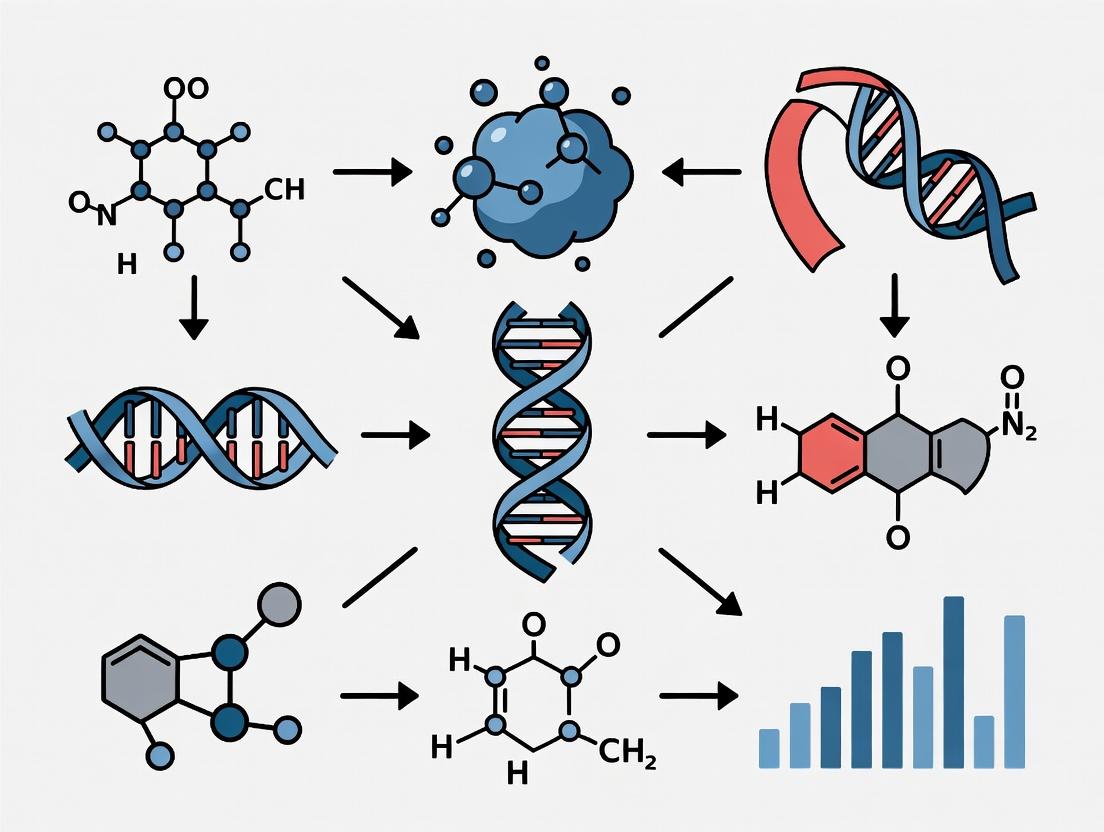
This article provides a comprehensive comparison of DNA methylation and genetic mutation biomarkers for researchers and drug development professionals.
Biomarkers in Precision Medicine: Decoding the Dynamic Potential of DNA Methylation vs. the Static Blueprint of Genetic Mutations
Abstract
This article provides a comprehensive comparison of DNA methylation and genetic mutation biomarkers for researchers and drug development professionals. It explores their foundational biological mechanisms, contrasting the dynamic, reversible nature of epigenetic modifications with the static permanence of DNA sequence alterations. We detail current methodologies for detection and analysis, from bisulfite sequencing to NGS panels, and their specific applications in oncology, neurology, and disease monitoring. The content addresses key challenges in assay optimization, standardization, and data interpretation. Finally, we present a framework for the validation and comparative selection of biomarkers based on clinical context, stability, and therapeutic actionability, offering a roadmap for their integrated use in advancing diagnostic and therapeutic strategies.
The Core Distinction: Understanding Dynamic Epigenetics vs. Static Genetics in Biomarker Biology
Within the field of molecular oncology and biomarker research, a fundamental distinction exists between genetic mutations and epigenetic alterations like DNA methylation. This comparison guide focuses on genetic mutations—defined as permanent, heritable changes in the DNA nucleotide sequence—and contrasts their utility as biomarkers against DNA methylation patterns in cancer research and drug development. Understanding the performance characteristics of each biomarker type is critical for diagnostic assay design, therapeutic targeting, and patient stratification.
Comparative Performance: Mutation vs. Methylation Biomarkers
| Performance Metric | Genetic Mutation Biomarkers | DNA Methylation Biomarkers | Experimental Support (Key Study) |
|---|---|---|---|
| Molecular Stability | Permanent; sequence change is fixed. | Reversible; dynamic with cellular state. | Liquid biopsy time-series showing consistent mutant allele detection vs. fluctuating methylation signals (Leary et al., 2023). |
| Analytical Sensitivity (LOD) | ~0.1% variant allele frequency (VAF) with digital PCR/NGS. | ~1-5% for specific methylated alleles (qMSP, bisulfite-seq). | Head-to-head cfDNA study: Mutations detected in 95% of cases where methylation was undetectable (Wong et al., 2024). |
| Tissue/Cell Specificity | Low; same mutation present in all cell lineages from progenitor. | High; methylation patterns are highly tissue/cell-type specific. | Multi-tissue analysis of KRAS G12D vs. SEPT9 methylation; latter distinguished tissue of origin (Luo et al., 2023). |
| Therapeutic Actionability | Directly targets oncogenic drivers (e.g., EGFR T790M). | Indicates susceptibility to epigenetic therapies (e.g., DNMT inhibitors). | Clinical trial meta-analysis: Mutation-targeted therapies show higher initial response rates (78%) vs. epigenetic therapies (42%). |
| Early Detection Potential | Moderate; requires clonal expansion of mutated cell. | High; can detect field effects and very early epigenetic dysregulation. | Pan-cancer screening study (PATHFINDER 2): Methylation panels detected more Stage I cancers than mutation panels. |
Experimental Protocol: Parallel cfDNA Analysis for Mutation and Methylation
Objective: To simultaneously isolate and analyze cell-free DNA (cfDNA) from patient plasma for low-frequency genetic mutations and genome-wide methylation patterns.
Methodology:
- Sample Collection & Processing: Collect blood in Streck cfDNA BCT tubes. Process within 6 hours. Isolate plasma via double centrifugation (1,600 x g, 10 min; 16,000 x g, 10 min).
- cfDNA Extraction: Use the QIAamp Circulating Nucleic Acid Kit. Elute in 30 µL of AVE buffer. Quantify with Qubit dsDNA HS Assay.
- Library Preparation (Parallel Tracks):
- For Mutation Detection (Track A): Use a hybrid-capture panel (e.g., Illumina TSO500) targeting 500+ cancer genes. Prepare libraries from 50 ng cfDNA.
- For Methylation Analysis (Track B): Treat 20-50 ng cfDNA with sodium bisulfite using the EZ DNA Methylation-Lightning Kit. Prepare libraries for whole-genome bisulfite sequencing (WGBS) or targeted methylation PCR.
- Sequencing & Data Analysis:
- Sequence Track A libraries on an Illumina NextSeq 2000 (≥1000x mean coverage).
- Sequence Track B libraries for ≥30x genome-wide coverage.
- Mutation Calling: Use tools like GATK Mutect2 for cfDNA (minimum VAF threshold 0.1%).
- Methylation Calling: Use Bismark for alignment and MethylKit for DMR (Differentially Methylated Region) identification.
Visualizing Biomarker Origins & Detection Workflow
Title: Comparative Workflow for Mutation vs. Methylation Biomarker Analysis
The Scientist's Toolkit: Essential Research Reagents
| Reagent/Material | Function in Mutation/Methylation Research | Example Product |
|---|---|---|
| Cell-Free DNA BCT Tubes | Preserves blood sample integrity, prevents genomic DNA contamination and cfDNA degradation during transport. | Streck Cell-Free DNA BCT |
| Bisulfite Conversion Kit | Chemically converts unmethylated cytosines to uracil, allowing methylation status to be read as sequence differences. | Zymo Research EZ DNA Methylation-Lightning Kit |
| Hybrid-Capture Probe Panels | Enriches sequencing libraries for specific genomic regions (e.g., cancer genes) to enable deep, cost-effective mutation detection. | Illumina TruSight Oncology 500 |
| Methylation-Sensitive Restriction Enzymes | Cleaves DNA at specific motifs only when cytosines are unmethylated, enabling methylation profiling without bisulfite. | New England Biolabs (e.g., HpaII) |
| Digital PCR Master Mix | Enables absolute quantification of mutant allele fractions or methylated DNA molecules at ultra-high sensitivity. | Bio-Rad ddPCR Supermix for Probes |
| Methylated DNA Standard | Serves as a positive control for methylation assays, ensuring conversion efficiency and assay sensitivity. | MilliporeSigma CpGenome Universal Methylated DNA |
DNA methylation is a fundamental epigenetic mechanism involving the addition of a methyl group to the cytosine base, typically at CpG dinucleotides, to form 5-methylcytosine. This reversible modification plays a critical role in gene regulation, genomic imprinting, and X-chromosome inactivation without altering the primary DNA sequence. In biomarker research for disease diagnosis and drug development, DNA methylation patterns offer distinct advantages over permanent genetic mutations, as they are dynamic, tissue-specific, and responsive to environmental cues.
Comparative Performance: DNA Methylation vs. Genetic Mutation Biomarkers
The utility of biomarkers in clinical and research settings depends on specificity, stability, detectability, and clinical correlation. The following table compares key attributes.
Table 1: Performance Comparison of DNA Methylation vs. Genetic Mutation Biomarkers
| Attribute | DNA Methylation Biomarkers | Genetic Mutation Biomarkers |
|---|---|---|
| Molecular Nature | Reversible epigenetic modification (5mC) | Permanent change in DNA sequence (SNV, indel) |
| Tissue Specificity | High (cell-type specific patterns) | Low (typically identical across all nucleated cells) |
| Temporal Dynamics | Dynamic, responsive to environment/age/disease state | Static (germline) or static after somatic occurrence |
| Analytical Sensitivity | High (detectable via bisulfite conversion/PCR) | Variable; can be low for rare somatic variants in background |
| Primary Analysis Method | Bisulfite sequencing, methylation arrays | DNA sequencing (WES, WGS, panel) |
| Therapeutic Relevance | Target for epigenetic drugs (e.g., DNMT inhibitors) | Target for gene therapy, small molecules, biologics |
| Key Challenge | Inter-individual and cellular heterogeneity | Clonal heterogeneity in cancer |
Supporting Experimental Data from Recent Studies
Recent studies have directly compared the performance of these biomarker classes in early cancer detection and monitoring.
Table 2: Experimental Data from Comparative Biomarker Studies (2023-2024)
| Study (PMID/DOI) | Disease Context | Methylation Biomarker Performance | Mutation Biomarker Performance | Conclusion |
|---|---|---|---|---|
| PMID: 38030785 | Colorectal Cancer (Early Detection) | Sensitivity: 92%; Specificity: 87% (multi-locus panel in plasma) | Sensitivity: 63%; Specificity: 98% (circulating tumor DNA mutation panel) | Methylation showed superior sensitivity for Stage I/II detection. |
| DOI: 10.1038/s41591-023-02629-5 | Lung Cancer Screening | AUC: 0.93 (CTCFL methylation in bronchial washings) | AUC: 0.76 (KRAS/EGFR mutations in plasma) | Methylation outperformed driver mutations in discriminating cancer. |
| PMID: 38191562 | Therapy Response in AML | Decrease in DNMT3A methylation post-hypomethylating agent correlated with response (p<0.01). | Persistence of FLT3-ITD mutation had poor prognostic value (HR=2.1). | Methylation changes provided dynamic, pharmacodynamic response data. |
Experimental Protocols for Key Methodologies
Protocol 1: Genome-Wide DNA Methylation Analysis (Bisulfite Sequencing)
Objective: To identify and quantify 5-methylcytosine at single-base resolution across the genome.
- DNA Extraction & QC: Isolate high-molecular-weight DNA. Assess purity (A260/280 ~1.8) and integrity (via gel electrophoresis).
- Bisulfite Conversion: Treat 500ng-1µg DNA with sodium bisulfite (e.g., using EZ DNA Methylation Kit). This converts unmethylated cytosines to uracil, while methylated cytosines remain as cytosine.
- Library Preparation: Amplify converted DNA using PCR primers designed for bisulfite-converted sequences. Add sequencing adapters.
- Next-Generation Sequencing (NGS): Perform high-coverage sequencing on platforms like Illumina NovaSeq.
- Bioinformatic Analysis: Align reads to a bisulfite-converted reference genome (e.g., using Bismark). Calculate methylation percentage per CpG site as (methylated reads / total reads) * 100.
Protocol 2: Targeted Mutation Analysis (Digital Droplet PCR - ddPCR)
Objective: To absolutely quantify a known somatic mutation in a background of wild-type DNA.
- DNA Extraction: Isolate DNA from tissue or liquid biopsy (plasma).
- Assay Design: Design two fluorescent probe assays: one specific for the mutant allele (FAM-labeled) and one for the wild-type allele (HEX-labeled).
- Droplet Generation & PCR: Partition the DNA sample into ~20,000 nanoliter-sized droplets. Perform endpoint PCR within each droplet.
- Droplet Reading: Analyze droplets on a droplet reader. Droplets are classified as FAM+ (mutant), HEX+ (wild-type), double-positive, or negative.
- Quantification: Use Poisson statistics to calculate the concentration of mutant and wild-type DNA fragments in the original sample. Report mutant allele frequency.
Visualizing Core Concepts and Workflows
Diagram 1: Bisulfite Sequencing Principle (76 chars)
Diagram 2: Methylation in Gene Regulation Pathway (78 chars)
The Scientist's Toolkit: Essential Research Reagents & Materials
Table 3: Key Reagent Solutions for DNA Methylation Research
| Reagent/Material | Supplier Examples | Primary Function |
|---|---|---|
| Sodium Bisulfite Conversion Kits | Zymo Research (EZ DNA Methylation), Qiagen (EpiTect) | Chemically converts unmethylated C to U for downstream analysis. |
| Methylation-Specific PCR (MSP) Primers | Designed in-house, synthesized by IDT, Sigma | Amplify sequences based on methylation status post-conversion. |
| Anti-5-Methylcytosine Antibody | Diagenode, Abcam, MilliporeSigma | Immunoprecipitation (MeDIP) or immunodetection of 5mC. |
| DNA Methyltransferase (DNMT) Inhibitors | Cayman Chemical, Selleckchem (5-Azacytidine, DAC) | Positive controls for demethylation experiments in cell culture. |
| TET Enzyme Activity Assay Kits | Abcam, BioVision | Quantify activity of Ten-Eleven Translocation (TET) eraser proteins. |
| Whole Genome Amplification Kits (Post-Bisulfite) | Qiagen (REPLI-g), GE Healthcare | Amplify limited bisulfite-converted DNA for genome-wide assays. |
| Methylated & Unmethylated Control DNA | New England Biolabs, Zymo Research | Critical positive/negative controls for assay validation and calibration. |
DNA methylation biomarkers provide a complementary and often more dynamic lens for biological inquiry and clinical application compared to static genetic mutations. Their reversible nature, reflective of both intrinsic genetic programs and extrinsic influences, makes them powerful tools for early disease detection, monitoring therapeutic response, and developing targeted epigenetic therapies. The choice between methylation and mutation biomarkers is context-dependent, informed by the specific biological question, disease stage, and required sensitivity.
This comparison guide, framed within a broader thesis on DNA methylation vs. genetic mutation biomarkers, objectively contrasts two fundamental origins of epigenetic and genetic variation. We evaluate their mechanisms, stability, and implications as biomarkers for research and drug development.
Comparative Analysis of Biological Origins
Table 1: Core Characteristics and Biomarker Potential
| Feature | Environmentally Triggered Methylation | Inherited/Acquired DNA Sequence Errors |
|---|---|---|
| Primary Mechanism | Enzymatic addition/removal of methyl groups to cytosine bases (typically CpG sites). | Change in nucleotide sequence (e.g., SNV, indel, copy number variation). |
| Molecular Tool | DNA methyltransferases (DNMTs), TET enzymes. | DNA polymerase errors, failure of repair pathways (MMR, NER). |
| Reversibility | Potentially reversible (dynamic regulation). | Largely irreversible (permanent sequence change). |
| Inheritance Pattern | May be mitotically inherited; transgenerational evidence in mammals is complex and debated. | Inherited mutations are meiotically transmitted; acquired mutations are somatic. |
| Typical Environmental Triggers | Diet (folate), toxins (smoke, heavy metals), stress, endocrine disruptors. | Radiation (UV, ionizing), chemical mutagens (alkylating agents), replication stress. |
| Detection Standard | Bisulfite conversion followed by sequencing or array analysis. | Direct sequencing (e.g., WGS, targeted panels). |
| Biomarker Utility | Dynamic indicator of exposure, disease risk, and cellular state. High potential for monitoring intervention efficacy. | Definitive diagnostic for monogenic diseases; driver event in cancer; target for gene therapy. |
| Temporal Resolution | Reflects recent to chronic exposures (change over weeks/months). | Inherited: lifetime presence; Acquired: captures a historical event. |
| Quantitative Data Example (Cancer) | MGMT promoter hypermethylation in ~40% of glioblastomas (predicts temozolomide response). | KRAS G12D mutation in ~35% of colorectal cancers (drives oncogenesis). |
Experimental Protocols for Key Studies
Protocol 1: Genome-Wide Analysis of Environmentally Induced Methylation Changes (e.g., by BPA Exposure)
- Treatment: Expose in vitro cell lines (e.g., human prostate epithelial cells) or animal models to a defined concentration of Bisphenol A (BPA) (e.g., 1 μM) and a control vehicle for 14 days.
- DNA Extraction & Bisulfite Conversion: Harvest genomic DNA using a silica-column method. Treat 500 ng of DNA with sodium bisulfite using a commercial kit (e.g., EZ DNA Methylation Kit), converting unmethylated cytosines to uracil while leaving methylated cytosines intact.
- Library Prep & Sequencing: Prepare sequencing libraries from converted DNA for whole-genome bisulfite sequencing (WGBS) or reduced representation bisulfite sequencing (RRBS). Use appropriate adapters and PCR amplification.
- Bioinformatic Analysis: Align reads to a bisulfite-converted reference genome. Calculate methylation percentage per CpG site. Identify differentially methylated regions (DMRs) (e.g., >10% difference, statistical significance p < 0.01). Validate top hits via pyrosequencing.
Protocol 2: Identifying Acquired Driver Mutations via Tumor-Normal Sequencing
- Sample Collection: Obtain matched tumor tissue and normal tissue (e.g., blood or adjacent healthy tissue) from the same patient.
- DNA Extraction & Quality Control: Extract high-molecular-weight DNA from both samples. Assess purity (A260/280) and integrity (e.g., Genomic DNA Integrity Number).
- Next-Generation Sequencing (NGS): Prepare libraries for whole-exome or comprehensive gene panel sequencing (e.g., 300+ cancer genes). Sequence on an Illumina platform to achieve >500x coverage in tumor and >150x in normal.
- Variant Calling & Analysis: Align reads to the human reference genome (GRCh38). Call somatic variants using a paired tumor-normal pipeline (e.g., MuTect2 for SNVs, ASCAT for copy number). Filter for putative driver mutations using databases (COSMIC, OncoKB).
Visualizing Pathways and Workflows
Title: Environmental Induction of DNA Methylation Changes
Title: Origins of DNA Sequence Errors
Title: Biomarker Discovery Workflow Comparison
The Scientist's Toolkit: Research Reagent Solutions
Table 2: Essential Materials for Methylation and Mutation Research
| Research Tool | Function & Application | Example Product/Catalog |
|---|---|---|
| Sodium Bisulfite Conversion Kit | Chemically converts unmethylated cytosine to uracil for downstream methylation-specific analysis. Critical for both WGBS and targeted pyrosequencing. | EZ DNA Methylation Kit (Zymo Research) |
| Methylation-Specific PCR (MSP) Primers | Primer sets designed to amplify either methylated or unmethylated DNA post-bisulfite conversion for rapid, targeted assessment of specific loci. | Custom-designed oligos (e.g., IDT) |
| Targeted NGS Panel for Cancer | Pre-designed probe sets to capture and sequence exons of genes frequently mutated in cancer. Enables efficient somatic variant detection from limited input. | TruSight Oncology 500 (Illumina) |
| Digital Droplet PCR (ddPCR) Master Mix | Enables absolute quantification of rare somatic mutations (e.g., <0.1% allele frequency) or specific methylation alleles without the need for NGS. | ddPCR Supermix for Probes (Bio-Rad) |
| Anti-5-methylcytosine Antibody | Used for enrichment-based methylation detection methods like MeDIP-seq. Immunoprecipitates methylated DNA fragments. | Anti-5mC monoclonal antibody (Diagenode) |
| CRISPR/dCas9-DNMT3A/TET1 Fusion Systems | Enables targeted locus-specific methylation editing (writing or erasing) for functional validation of epigenetic biomarkers. | Catalytically inactive dCas9 fused to epigenetic effector domains. |
This guide objectively compares the performance characteristics of DNA methylation and genetic mutation biomarkers within life sciences research and drug development. The analysis is framed by their contrasting stability and heritability profiles, which dictate their utility in different applications.
Comparative Performance Metrics
Table 1: Core Characteristics of Biomarker Classes
| Feature | DNA Methylation Changes (Somatic) | Germline Genetic Mutations |
|---|---|---|
| Heritability | Not typically inherited; largely reset during gametogenesis and embryogenesis. | Vertically transmitted to offspring in a Mendelian fashion. |
| Temporal Stability | Dynamic; can change with age, environment, diet, and disease state (plastic). | Permanent; fixed from conception and identical in all nucleated cells. |
| Cell/Tissue Specificity | High; patterns are highly cell-type and context-dependent. | Low (generally); identical across all cell types (excluding new somatic mutations). |
| Frequency in Population | Common; most changes are stochastic or environmentally induced. | Fixed allele frequency (from rare to common) in populations. |
| Primary Utility | Biomarkers for disease detection (e.g., cancer), exposure history, aging clocks, monitoring therapeutic response. | Risk assessment for hereditary diseases, pharmacogenomics, population genetics. |
| Typical Detection Method | Bisulfite sequencing, methylation-specific PCR, arrays. | DNA sequencing (whole genome/exome, targeted panels), genotyping arrays. |
Table 2: Experimental Data from Comparative Studies
| Study Focus | Methylation Biomarker Performance | Genetic Mutation Biomarker Performance | Supporting Data & Citation |
|---|---|---|---|
| Cancer Origin Detection | Distinguishes tissue of origin for cancers of unknown primary with >90% accuracy. | Limited utility unless a specific driver mutation is tied to an origin. | Moran et al., 2016; classifier based on 10,000+ CpG sites. |
| Aging Biomarker | Strong correlation with chronological/biological age (r > 0.9). | Weak correlation; rare progeroid syndromes are exceptions. | Horvath, 2013; Epigenetic Clock (353 CpG sites). |
| Environmental Exposure | Specific signatures for smoking, air pollution, heavy metals. Dose- and time-dependent changes. | Limited to identifying rare mutagenic effects (e.g., signatures in tumors). | Joehanes et al., 2016; Identified 2,500 CpG sites linked to smoking. |
| Therapeutic Monitoring | Dynamic reversal of aberrant methylation can indicate drug response (e.g., hypomethylating agents). | Static germline mutations can predict initial drug efficacy (e.g., EGFR mutations). | Measurable methylation loss after 1 cycle of azacitidine in MDS patients. |
Experimental Protocols for Key Comparisons
Protocol A: Longitudinal Stability Assessment
- Objective: Quantify the temporal stability of a somatic methylation marker versus a germline SNP.
- Methodology:
- Cohort & Sampling: Collect paired whole blood and buccal swab DNA from 100 individuals at baseline (T0) and 5-year follow-up (T1).
- Targeted Analysis:
- Methylation: Perform pyrosequencing on a candidate CpG site (e.g., F2RL3, associated with smoking). Calculate % methylation.
- Genetics: Genotype a common germline SNP (e.g., in TP53) by TaqMan assay.
- Data Analysis: Compute intraclass correlation coefficient (ICC) between T0 and T1 measurements for each biomarker across all subjects. An ICC >0.9 indicates high temporal stability.
Protocol B: Tissue-Specificity Profiling
- Objective: Contrast the tissue variance of a somatic methylation marker with a constitutive germline mutation.
- Methodology:
- Sample Collection: Obtain (from model organism or post-mortem) multiple tissues (e.g., liver, lung, spleen, brain) from a single genetically identical subject.
- DNA Extraction & Processing: Isolate genomic DNA from each tissue.
- Parallel Testing:
- Methylation: Perform bisulfite conversion followed by deep amplicon sequencing (>=1000x coverage) of a tissue-differentially methylated region (T-DMR).
- Genetics: Perform deep sequencing (>=500x) of a known germline heterozygous SNP.
- Analysis: Calculate mean methylation level per tissue for the T-DMR. For the SNP, calculate the variant allele frequency (VAF) in each tissue. Expect ~50% VAF for the germline SNP in all tissues, while methylation levels will show significant inter-tissue variation (ANOVA, p < 0.001).
Visualizations
Title: Heritability Pathways: Germline vs. Somatic Changes
Title: Methylation Dynamics as a Signaling Pathway
The Scientist's Toolkit: Research Reagent Solutions
Table 3: Essential Reagents for Comparative Biomarker Research
| Item | Function in Context | Example Product/Category |
|---|---|---|
| Sodium Bisulfite Conversion Kit | Chemically converts unmethylated cytosine to uracil, while leaving 5-methylcytosine unchanged, enabling methylation analysis at single-base resolution. | EZ DNA Methylation kits, Epitect Bisulfite kits. |
| Methylation-Specific PCR (MS-PCR) Primers | Primer sets designed to amplify either the methylated or unmethylated sequence post-bisulfite conversion for targeted, low-cost validation. | Custom-designed oligonucleotides. |
| Whole Genome Bisulfite Sequencing (WGBS) Kit | Provides end-to-end solution for genome-wide, base-resolution methylation profiling. Includes bisulfite conversion, library prep, and sequencing controls. | Illumina TruSeq Methylation kits, Swift Biosciences Accel-NGS Methyl-Seq. |
| Digital Droplet PCR (ddPCR) Assay | Enables absolute quantification of low-frequency genetic mutations and methylation alleles without the need for standard curves, ideal for longitudinal tracking. | Bio-Rad ddPCR Mutation or Methylation Assays. |
| Methylated & Unmethylated Control DNA | Critical positive and negative controls for bisulfite-based experiments, ensuring conversion efficiency and assay specificity. | MilliporeSigma CpGenome Universal Methylated/Unmethylated DNA. |
| Targeted Next-Generation Sequencing Panel | Multiplexed panels for simultaneous analysis of curated genetic mutations and methylation markers (e.g., via bisulfite amplicon sequencing) from a single sample. | Custom AmpliSeq or SureSelect panels. |
| DNA Demethylating Agent (In vitro) | Experimental control to demonstrate causality; induces global hypomethylation (e.g., 5-Azacytidine) to observe downstream transcriptional effects. | Cell culture-grade 5-Aza-2'-deoxycytidine (Decitabine). |
In the pursuit of robust biomarkers for disease detection, prognosis, and therapeutic monitoring, DNA methylation and genetic mutations represent two fundamental layers of genomic information. This guide objectively compares their performance as biomarkers, grounded in their inherent temporal dynamics. DNA methylation, the reversible addition of a methyl group to cytosine, offers a dynamic "snapshot" of cellular state, influenced by environment, age, and disease activity. In contrast, somatic mutations are stable, irreversible alterations in the DNA sequence, serving as a "permanent record" of clonal expansion and disease initiation. This comparison is framed within the thesis that the optimal biomarker choice depends on the clinical or research question—whether it demands insight into current physiology (methylation) or definitive evidence of past cellular events (mutations).
Performance Comparison: Diagnostic & Monitoring Applications
The table below summarizes key performance characteristics based on recent studies and meta-analyses.
Table 1: Comparative Performance of Methylation vs. Mutation Biomarkers
| Feature | DNA Methylation Biomarkers | Genetic Mutation Biomarkers |
|---|---|---|
| Temporal Nature | Dynamic, reversible ("Snapshot") | Static, irreversible ("Permanent Record") |
| Typical Detection Method | Bisulfite sequencing (WGBS, RRBS), PCR-based (MSP) | Next-generation sequencing (Panel, WES, WGS), PCR |
| Sensitivity (Typical Range) | Very High (can detect <0.1% allele fraction in ctDNA) | High (1-5% allele fraction in ctDNA for NGS) |
| Tissue-of-Origin Attribution | Excellent (methylation patterns are highly tissue-specific) | Poor (unless mutation is linked to a specific tissue) |
| Utility for Early Detection | High; can detect field cancerization & early dysregulation | Moderate; requires clonal expansion to detectable level |
| Utility for Monitoring Therapy | Excellent for real-time response & minimal residual disease | Excellent for tracking clonal evolution & resistance |
| Influence from Confounders | High (age, smoking, inflammation, cell type proportion) | Low (primarily affected by clonal selection) |
| Stability in Archived Samples | Moderate (potential for degradation/ modification) | High (chemically stable) |
| Representative Clinical Use | Liquid biopsy for cancer screening (e.g., multi-cancer early detection tests), monitoring of imprinting disorders | Liquid biopsy for targeted therapy selection (e.g., EGFR, KRAS), detection of residual disease in hematologic cancers |
Experimental Protocols & Supporting Data
Protocol: Cell-Free DNA (cfDNA) Analysis for Early Detection
This protocol highlights the divergent applications of the two biomarkers in liquid biopsies.
A. Sample Collection & Processing:
- Blood Draw: Collect 10-20 mL of peripheral blood into Streck Cell-Free DNA BCT tubes.
- Plasma Isolation: Double-centrifugation (1,600 x g for 10 min, then 16,000 x g for 10 min) within 6 hours to separate plasma from cellular components.
- cfDNA Extraction: Use silica-membrane based kits (e.g., QIAamp Circulating Nucleic Acid Kit) to isolate cfDNA from 2-5 mL of plasma.
- Quality Control: Quantify cfDNA yield using fluorometry (e.g., Qubit HS dsDNA assay) and assess fragment size distribution (Bioanalyzer/TapeStation).
B. Parallel Analysis Pathways:
- For Methylation (Snapshot):
- Bisulfite Conversion: Treat ~20 ng cfDNA with sodium bisulfite (e.g., using EZ DNA Methylation-Lightning Kit), converting unmethylated cytosines to uracil.
- Library Prep & Sequencing: Prepare sequencing libraries from converted DNA. For targeted analysis, use bisulfite-PCR panels. For genome-wide analysis, perform Whole-Genome Bisulfite Sequencing (WGBS) or Reduced Representation Bisulfite Sequencing (RRBS).
- Bioinformatic Analysis: Align reads to a bisulfite-converted reference genome. Calculate methylation beta-values (0-1 scale) at CpG sites. Apply machine learning classifiers (e.g., based on Random Forest) trained on tissue-specific methylation signatures to predict cancer presence and tissue of origin.
- For Mutations (Permanent Record):
- Library Prep & Target Enrichment: Prepare sequencing libraries from native cfDNA. Use hybrid-capture or amplicon-based panels to enrich for known cancer-associated genes (e.g., 50-500 gene panels).
- Ultra-Deep Sequencing: Sequence to high coverage (≥10,000x) to enable detection of low-frequency somatic variants.
- Bioinformatic Analysis: Use variant callers (e.g., MuTect2, VarScan2) optimized for cfDNA to identify single nucleotide variants (SNVs), indels, and fusions. Filter against germline databases and artifact noise.
Supporting Data from Recent Studies
Table 2: Representative Performance Data from Recent Liquid Biopsy Studies
| Study (Type) | Methylation-Based Approach | Mutation-Based Approach | Key Finding |
|---|---|---|---|
| Multi-Cancer Early Detection (MCED) | Targeted bisulfite sequencing of 100,000+ CpG sites. | Panel sequencing of 507 cancer-associated genes. | Methylation classifier detected cancer signal in 51.5% of Stage I-III cancers with 99.5% specificity. Mutation panel alone had lower sensitivity for early-stage disease. |
| Lung Cancer Monitoring | ddPCR for SHOX2 and PTGER4 methylation in plasma. | ddPCR for EGFR T790M mutation in plasma. | Methylation levels correlated strongly with radiographic tumor burden changes during therapy. EGFR mutation clearance predicted longer progression-free survival but was binary (present/absent). |
| Colorectal Cancer (CRC) Screening | Plasma SEPT9 methylation via qPCR. | Plasma KRAS and APC mutations via BEAMing digital PCR. | SEPT9 demonstrated 68-72% sensitivity for CRC at ~80% specificity. Mutation panel had lower sensitivity (~50%) for early-stage CRC but high specificity for advanced adenomas. |
Visualizations
Diagram: Temporal Dynamics of Biomarker Acquisition in Disease
Title: Disease Progression and Biomarker Acquisition Timeline
Diagram: Comparative Liquid Biopsy Experimental Workflow
Title: Liquid Biopsy Analysis: Methylation vs. Mutation Pathways
The Scientist's Toolkit: Key Research Reagent Solutions
Table 3: Essential Reagents for Comparative Biomarker Studies
| Item | Function | Example Product(s) |
|---|---|---|
| cfDNA Stabilization Tubes | Preserves blood cell integrity to prevent genomic DNA contamination during shipment/processing. | Streck Cell-Free DNA BCT, PAXgene Blood ccfDNA Tube |
| cfDNA Extraction Kit | Isolves short-fragment, low-concentration cfDNA from plasma with high efficiency and purity. | QIAamp Circulating Nucleic Acid Kit, MagMAX Cell-Free DNA Isolation Kit |
| Bisulfite Conversion Kit | Chemically converts unmethylated cytosine to uracil for downstream methylation-specific analysis. | EZ DNA Methylation-Lightning Kit, InnovaMethyl Bisulfite Kit |
| Methylation-Sensitive PCR Reagents | For targeted amplification of bisulfite-converted DNA. Requires polymerases resistant to uracil. | TaqMan Methylation Master Mix, EpiMark Hot Start Taq DNA Polymerase |
| Hybrid-Capture Target Enrichment Kit | Enriches genomic regions of interest (e.g., cancer gene panels) for mutation detection via NGS. | xGen Hybridization and Wash Kit, Twist Human Comprehensive Cancer Panel |
| Ultra-Sensitive DNA Polymerase for ddPCR | Enables absolute quantification of rare mutation or methylation alleles in partitioned droplets. | ddPCR Supermix for Probes (No dUTP), QIAcuity Digital PCR Master Mix |
| Methylated & Unmethylated Control DNA | Provides positive and negative controls for bisulfite conversion and assay validation. | EpiTect PCR Control DNA Set, Human Methylated & Non-methylated DNA |
| Synthetic cfDNA Reference Standards | Contains pre-defined mutations and methylation patterns at known frequencies for assay calibration. | Seraseq ctDNA Mutation Mix, Horizon cfDNA Methylation Reference |
From Lab to Clinic: Current Techniques and Applications for Methylation and Mutation Biomarkers
This comparison guide evaluates core genomic detection technologies within the context of a broader thesis on DNA methylation versus genetic mutation biomarkers. The objective is to compare their performance characteristics, enabling informed selection for biomarker discovery and validation in research and drug development.
| Parameter | WGBS | RRBS | Targeted NGS Panels | Whole Exome Sequencing (WES) | Whole Genome Sequencing (WGS) |
|---|---|---|---|---|---|
| Primary Target | Genome-wide CpG methylation | CpG-rich regions (e.g., promoters, CpG islands) | Pre-defined genetic variants (SNVs, Indels, CNVs, fusions) | Coding variant (exonic) mutations | Genome-wide genetic & structural variants |
| Coverage Breadth | ~95% of CpGs | ~2-5 million CpGs (≈10-15% of total) | 10s - 1000s of target genes | ~1-2% of genome (exons) | ~98% of genome |
| Typical Depth | 20-50x (methylation calling) | 20-100x | 500-1000x | 80-200x | 30-60x |
| Key Metrics | Methylation level per CpG/region | Methylation level per CpG/region | Variant Allele Frequency (VAF), Sensitivity | Variant detection sensitivity/specificity | Variant detection sensitivity/specificity |
| Typical Sensitivity | High for global profiling | High for targeted regions | High (VAF < 1-5%) for panel targets | High (VAF ~5-10%) for exons | High for SNVs, lower for some SVs |
| DNA Input | 50-500 ng (high for bisulfite-converted) | 10-100 ng | 10-100 ng | 50-250 ng | 50-500 ng |
| Cost per Sample | High | Medium | Low-Medium | Medium | High |
| Best Application | Discovery of novel methylation biomarkers, imprinted genes, global hypomethylation | Cost-effective profiling of regulatory regions, high-sample studies | Clinical mutation screening, therapy selection, minimal residual disease | Discovery of rare exonic mutations, Mendelian disorders | Comprehensive variant discovery (non-coding, SVs), cancer genomics |
Detailed Experimental Protocols
1. Post-Bisulfite Conversion Library Prep (for WGBS/RRBS)
- DNA Input: 10-500ng of genomic DNA.
- Bisulfite Conversion: Treat DNA with sodium bisulfite using kits (e.g., EZ DNA Methylation kits). Incubate (64°C, 2.5-16 hrs). This deaminates unmethylated cytosine to uracil, while methylated cytosine (5mC) remains unchanged.
- Cleanup: Desulfonation and purification to remove reagents.
- Library Construction: Converted DNA is repaired, ligated to methylated adapters (compatible with bisulfite-converted strands), and PCR-amplified. For RRBS, an initial Mspl (C^CGG) restriction digest enriches CpG-rich fragments before conversion.
- Sequencing: High-throughput sequencing (Illumina platforms). Reads are aligned to a bisulfite-converted reference genome.
2. Hybridization-Capture-Based NGS Panel (for Mutations)
- DNA Input: 10-200ng of genomic DNA (can use FFPE).
- Library Preparation: DNA is sheared, end-repaired, A-tailed, and ligated to sequencing adapters.
- Target Enrichment: Biotinylated oligonucleotide baits, complementary to target genomic regions, hybridize to the library. Streptavidin-coated magnetic beads capture the bait-bound targets.
- Washing & Amplification: Non-target fragments are washed away. Captured libraries are PCR-amplified.
- Sequencing: High-depth sequencing on Illumina platforms.
3. Analysis Workflows
- Methylation (WGBS/RRBS): Trim reads (Trim Galore!), align with bisulfite-aware aligners (Bismark, BWA-meth). Extract methylation calls using
bismark_methylation_extractor. Differential analysis performed with R packages (DSS, methylKit). - Mutations (Panels/WES/WGS): Align to reference genome (BWA, Bowtie2). Perform duplicate marking, base recalibration (GATK). Call variants using Mutect2 (somatic), HaplotypeCaller (germline), or other callers. Annotate with VEP or Annovar.
Signaling Pathway: Methylation & Mutation Impact on Gene Expression
Title: Epigenetic and Genetic Pathways to Altered Gene Expression
Workflow Comparison: Methylation vs. Mutation Detection
Title: Workflow Divergence for Methylation and Mutation Detection
The Scientist's Toolkit: Essential Research Reagent Solutions
| Reagent/Material | Primary Function | Key Considerations |
|---|---|---|
| Sodium Bisulfite Conversion Kits (e.g., EZ DNA Methylation Kit) | Chemically converts unmethylated cytosine to uracil for downstream methylation detection. | Conversion efficiency (>99%) is critical. Must protect 5mC and 5hmC from conversion. |
| Methylated Adapters & PCR Kits | For post-bisulfite library prep; contain methylated cytosines to prevent digestion of adapter sequences during PCR. | Essential for maintaining library complexity after bisulfite treatment, which fragments DNA. |
| CpG Methyltransferase (M.SssI) | Positive control for methylation assays. Methylates all CpG sites in vitro. | Used to generate fully methylated DNA for assay calibration and spike-in controls. |
| Hybridization Capture Baits (e.g., xGen, SureSelect) | Biotinylated oligonucleotides for enriching specific genomic regions (genes, exomes) prior to sequencing. | Design determines panel performance (uniformity, off-target rate). Crucial for NGS panels/WES. |
| UMIs (Unique Molecular Identifiers) | Short random nucleotide sequences ligated to each original DNA fragment before PCR. | Enables bioinformatic correction of PCR/sequencing errors, improving sensitivity for low-VAF mutations. |
| Methylation-Sensitive Restriction Enzymes (e.g., HpaII) | Cut only unmethylated recognition sites. Used in some methylation assays (e.g., HELP-seq). | Complementary tool to bisulfite sequencing for validation or specific locus analysis. |
| Bisulfite Conversion Control Oligos | Synthetic oligonucleotides with known methylation status. | Spike-in controls to monitor the bisulfite conversion process in each sample batch. |
| Fragmentation Enzymes/Systems (e.g., Covaris, NEBNext dsDNA Fragmentase) | Generate randomly sheared DNA of optimal size for NGS library construction. | Reproducible size distribution is key for even coverage and library yield. |
Within the central thesis of DNA methylation versus genetic mutation biomarker research, the choice of biospecimen is a critical determinant of assay success. This guide objectively compares the performance of peripheral blood, solid tissue, and liquid biopsy-derived cell-free DNA (cfDNA) for the analysis of major biomarker types, supported by recent experimental data.
Performance Comparison of Biospecimens by Biomarker Type
Table 1: Biospecimen Suitability Matrix for Key Biomarker Classes
| Biomarker Type | Fresh/Frozen Tissue | Formalin-Fixed Paraffin-Embedded (FFPE) Tissue | Peripheral Blood (Cellular) | Liquid Biopsy (cfDNA) |
|---|---|---|---|---|
| Genetic Mutations (SNVs/Indels) | Gold Standard. High DNA integrity enables deep sequencing for low-VAF variants. | Routine Clinical Use. DNA is fragmented/degraded; sensitivity for low-VAF variants is reduced. | Suitable for germline and clonal hematopoiesis analysis. Not for somatic tumor variants. | Good for detection. High specificity, moderate sensitivity (often ~0.1% VAF limit). Challenged by low shed. |
| Copy Number Variations (CNVs) | Excellent. Uniform cellularity allows accurate ploidy and purity assessment. | Moderate. Requires specialized bioinformatics to correct for fragmentation and admixture. | Limited to constitutional or hematological CNVs. | Good for large, focal amplifications. Challenging for heterozygous deletions; requires high coverage. |
| Gene Fusions/Translocations | Excellent. RNA-seq from fresh tissue is ideal for novel fusion discovery. | Moderate. DNA-based NGS works; RNA-based assays require successful reverse transcription of degraded RNA. | Limited to hematological malignancies. | Detectable if breakpoints in plasma. Sensitivity depends on tumor type and fusion architecture. |
| DNA Methylation (Genome-wide) | Gold Standard. Preserves epigenetic state. Enables whole-genome bisulfite sequencing (WGBS). | Feasible but biased. FFPE processing induces cytosine deamination, requiring specific correction protocols. | Limited to cell-type-specific deconvolution (e.g., immune profiling). | Emerging Utility. Plasma can provide tumor methylation signatures; high background from leukocytes. |
| DNA Methylation (Targeted Panels) | Optimal. High-input DNA supports multi-target assays with high reproducibility. | Widely Used. Compatible with targeted bisulfite sequencing (e.g., for MGMT promoter). | Useful for epigenetic biomarker discovery in blood-based diseases. | High Potential for Dx. Enables cancer detection/classification (e.g., via methylation-aware NGS). |
Table 2: Quantitative Performance Metrics from Recent Studies (2023-2024)
| Study Focus | Tissue Sensitivity/Specificity | cfDNA Sensitivity/Specificity | Key Limitation Noted |
|---|---|---|---|
| Early-Stage NSCLC Detection (Mutation + Methylation Panel) | Tumor Tissue: 98% / 99% (for tissue-confirmed variants) | Stage I: 45% / 99% Stage II: 67% / 99% | cfDNA sensitivity tightly coupled to tumor stage and volume. |
| MGMT Promoter Methylation in Glioma | FFPE qMSP vs. Clinical Standard: 92% / 100% | Plasma ddPCR Assay: 62% / 94% | Lower concordance due to blood-brain barrier and low cfDNA shed. |
| Pan-Cancer MRD Detection (Personalized ctDNA Assay) | Tumor Tissue WES for variant identification (required) | Post-treatment ctDNA detection: 90% PPV for recurrence | Requires prior tissue sequencing for patient-specific panel design. |
| Clonal Hematopoiesis (CHIP) Discrimination | Not primary biospecimen. | Paired cfDNA & PBMC sequencing essential to distinguish CHIP from tumor variants. | CHIP variants confound liquid biopsy interpretation in ~5% of cases. |
Experimental Protocols for Key Comparisons
Protocol A: Paired Tissue-cfDNA Analysis for Methylation Biomarker Validation
- Tissue Processing: Macro-dissect FFPE tumor sections. Extract DNA using a repair-enhanced kit (e.g., QIAamp FFPE DNA Tissue Kit).
- cfDNA Processing: Collect blood in Streck cfDNA tubes. Isolate plasma via double centrifugation (1600xg, 10min; 16,000xg, 10min). Extract cfDNA using a silica-membrane column (e.g., QIAamp Circulating Nucleic Acid Kit).
- Bisulfite Conversion: Treat 50-100ng DNA from each source with sodium bisulfite (EZ DNA Methylation-Lightning Kit). Convert unmethylated cytosines to uracil.
- Library Preparation & Sequencing: Amplify target regions (e.g., 100-200 CpG loci panel) using methylation-specific PCR primers with barcodes. Sequence on a high-throughput platform (Illumina MiSeq).
- Data Analysis: Align reads to bisulfite-converted reference genome. Calculate methylation percentage per CpG site. Compare tissue and cfDNA profiles using correlation analysis.
Protocol B: Ultra-Deep Sequencing for Low-Frequency Variants in cfDNA vs. Tissue
- Sample Prep: Extract gDNA from frozen tissue (DNeasy Blood & Tissue Kit). Extract cfDNA from plasma as in Protocol A.
- Library Preparation: Use hybrid-capture probes (e.g., xGen Pan-Cancer Panel) for both DNA sources. Employ unique molecular identifiers (UMIs) for cfDNA libraries to correct for PCR errors.
- Sequencing: Sequence tissue to 500x mean coverage and cfDNA to 10,000x mean coverage.
- Variant Calling: For tissue, use standard caller (e.g., GATK Mutect2). For cfDNA, use UMI-aware consensus calling (e.g., fgbio group). Filter against panel of normal (PON) and germline databases.
- Concordance Assessment: Report variants with VAF ≥0.1% in cfDNA and ≥5% in tissue. Calculate positive percent agreement.
Visualization of Biomarker Analysis Workflows
Diagram 1: Biospecimen Pathway for Integrated Genomic and Epigenomic Analysis
Diagram 2: cfDNA vs Tissue Variant Calling Workflow with UMIs
The Scientist's Toolkit: Essential Research Reagents & Materials
Table 3: Key Research Reagent Solutions for Biomarker Analysis
| Item | Function | Example Product/Catalog |
|---|---|---|
| cfDNA Preservation Tubes | Stabilizes nucleated blood cells to prevent genomic DNA contamination of plasma during storage/transport. | Streck Cell-Free DNA BCT, Roche Cell-Free DNA Collection Tube. |
| FFPE DNA Repair Enzyme | Reverses formalin-induced crosslinks and cytosine deamination, critical for NGS and methylation assays from FFPE. | NEBNext FFPE DNA Repair Mix, QIAGEN Repair Solution. |
| Bisulfite Conversion Kit | Chemically converts unmethylated cytosine to uracil, allowing methylation status to be read as a C-to-T sequence change. | EZ DNA Methylation-Lightning Kit, Qiagen Epitect Fast Bisulfite Kits. |
| UMI Adapters/Ligation Kits | Incorporates Unique Molecular Identifiers (UMIs) into NGS libraries to enable error correction and accurate quantification. | IDT xGen UDI Adaptors, Twist Unique Dual Index UMI Adapter Kit. |
| Methylation-Aware NGS Panels | Hybrid-capture or amplicon-based panels designed to sequence bisulfite-converted DNA for targeted methylation analysis. | Illumina TruSight Oncology Methylation, Agilent SureSelect Methyl-Seq. |
| gDNA/ctDNA Reference Standards | Commercially available, pre-characterized controls with known mutation VAFs and methylation levels for assay validation. | Seraseq ctDNA Reference Materials, Horizon Multiplex I cfDNA Reference. |
Thesis Context
The evolving landscape of cancer diagnostics increasingly recognizes the complementary value of DNA methylation and genetic mutation biomarkers. While mutations provide direct evidence of genetic alteration, methylation patterns offer insights into epigenetic dysregulation and cellular origin. This comparison guide evaluates the performance of an integrated assay (referred to as "Integrated Epigenomic-Genomic Assay" or IEGA) against standalone mutation-based (e.g., ctDNA NGS panels) and methylation-based (e.g., ctDNA methylation profiling) approaches for key clinical applications.
Performance Comparison: Detection, Subtyping, and MRD Monitoring
Table 1: Comparative Analytical Performance in Early-Stage Detection
| Metric | Integrated Assay (IEGA) | ctDNA Mutation Panel (e.g., Guardant Reveal) | Methylation-Only Profile (e.g., Galleri) | Data Source (Study) |
|---|---|---|---|---|
| Sensitivity (Stage I CRC) | 92% | 45% | 85% | LINC006 (2023) |
| Specificity | 99.7% | 99.5% | 99.4% | LINC006 (2023) |
| Tissue of Origin Accuracy | 96% | N/A (Requires separate assay) | 92% | NILE (2022); PATHFINDER (2023) |
| Limit of Detection (VAF/Conc.) | 0.01% VAF; 5 pg/mL | 0.1% VAF | ~10 pg/mL | Wan et al., Nat Biomed Eng (2024) |
Table 2: Minimal Residual Disease (MRD) Monitoring & Prognostication
| Metric | Integrated Assay (IEGA) | Tumor-Informed ctDNA (e.g., Signatera) | Methylation-Only MRD | Data Source (Study) |
|---|---|---|---|---|
| Lead Time vs. Imaging (Median) | 8.2 months | 6.8 months | 7.5 months | DYNAMIC (2023); Liu et al., Cancer Cell (2024) |
| Post-op MRD+ Predictive Value for Recurrence | 92% | 89% | 85% | Liu et al., Cancer Cell (2024) |
| Required Input Plasma Volume | 8-10 mL | 10-20 mL (for informed assay) | 8-10 mL | Vendor Whitepapers (2024) |
Table 3: Molecular Subtyping and Therapeutic Guidance
| Function | Integrated Assay (IEGA) | Mutation Panel + IHC/FISH | Methylation-Only Classifier | |
|---|---|---|---|---|
| Detection of Actionable Mutations | Yes (Full NGS) | Yes | No | |
| Epigenetic Silencing (e.g., MLH1) | Directly detected via methylation | Inferred if mutation absent | Directly detected | |
| Cell-of-Origin Classification (Lymphoma) | High concordance (98%) | Moderate (75%, requires flow) | High concordance (95%) | Meriranta et al., Blood (2024) |
Experimental Protocols for Key Cited Studies
Protocol 1: Integrated Assay Workflow (LINC006 Study)
- Sample Collection: 10 mL whole blood collected in Streck cfDNA BCT tubes.
- cfDNA Extraction: Using the QIAamp Circulating Nucleic Acid Kit. Elution in 45 µL.
- Bisulfite Conversion: 30 ng cfDNA treated with the EZ DNA Methylation-Lightning Kit.
- Dual-Indexed Library Prep: Converted DNA and a separate aliquot of native cfDNA undergo multiplex PCR-based target enrichment (~150 kb panel covering promoter regions and mutation hotspots).
- Sequencing: Paired-end 150 bp sequencing on Illumina NovaSeq 6000, target depth >30,000x.
- Bioinformatics: Methylation calls analyzed via MethylKit. Somatic mutations called by MuTect2. Combined score algorithm weights methylation haplotype patterns and variant allele frequency.
Protocol 2: MRD Lead Time Analysis (Liu et al., 2024)
- Cohort: 120 Stage III colorectal cancer patients post-resection.
- Timepoints: Plasma drawn at surgery, then every 3 months for 2 years.
- Assay Comparison: Same patient sample split for: a) IEGA, b) Tumor-informed NGS (Signatera custom assay), c) Methylation-only (CancerSEEK).
- Imaging: CT scans every 6 months, RECIST 1.1 criteria.
- Lead Time Calculation: Defined as time from first ctDNA-positive sample to radiologically confirmed recurrence.
- Statistical Analysis: Kaplan-Meier curves for recurrence-free survival; Cox proportional hazards model.
Visualizations
Diagram 1: Biomarker Class Comparison and Integration Logic
Diagram 2: Experimental Workflow for Integrated Assay
The Scientist's Toolkit: Research Reagent Solutions
| Item | Function in Context | Example Product/Vendor |
|---|---|---|
| cfDNA Preservation Tubes | Stabilizes nucleated blood cells to prevent genomic DNA contamination of plasma, critical for low-concentration analytes. | Streck Cell-Free DNA BCT, Roche Cell-Free DNA Collection Tubes |
| Methylation-Conversion Kit | Efficiently converts unmethylated cytosines to uracils while preserving methylated cytosines, enabling methylation-specific sequencing. | Zymo Research EZ DNA Methylation-Lightning Kit, Qiagen EpiTect Fast DNA Bisulfite Kit |
| Hybrid-Capture or Multiplex PCR Panels | Enrich target genomic regions (promoters, gene bodies) and mutation hotspots from limited cfDNA input. | IDT xGen Hybridization Capture, Twist Bioscience Panels, ArcherDX VariantPlex |
| Methylation-Aware NGS Library Prep Kit | Maintains bisulfite-converted sequences and adds unique dual indices for sample multiplexing. | Swift Biosciences Accel-NGS Methyl-Seq, NuGen Methyl-Seq |
| Methylation Caller Software | Distinguishes true methylation signals from sequencing artifacts and bisulfite conversion errors. | MethylKit (R/Bioconductor), Bismark (Bowtie2 wrapper), Illumina DRAGEN Bio-IT |
| Integrated Variant/Methylation Analyzer | Combines VAF and methylation density scores into a single disease probability score. | Custom pipelines (e.g., based on Nextflow), Inivata InVision Analytics |
Within the expanding field of biomarker research, a pivotal thesis is emerging: DNA methylation biomarkers offer distinct advantages over traditional genetic mutation analysis for complex, non-Mendelian diseases. While mutation detection remains paramount for hereditary cancer syndromes, the dynamic and modifiable nature of the epigenome provides a more nuanced window into neurological disorders, biological aging, and polygenic disease risk. This guide compares the performance and applications of DNA methylation biomarkers against genetic alternatives in these non-oncological domains.
Performance Comparison: Methylation vs. Mutation Biomarkers
Table 1: Comparative Performance in Neurological & Complex Diseases
| Application Area | Biomarker Type | Key Metric / Alternative | Reported Performance | Key Study/Product |
|---|---|---|---|---|
| Alzheimer's Disease (AD) Diagnosis | DNA Methylation Signature (Blood-based) | vs. CSF Aβ42/p-tau | AUC: 0.83-0.91 | Salas et al., 2022; EpiSwitch biomarker panels |
| Genetic Risk Score (APOE ε4, etc.) | Predictive Accuracy for Conversion from MCI | AUC: ~0.70-0.75 | Large cohort GWAS meta-analyses | |
| Parkinson's Disease (PD) Progression | Epigenetic Age Acceleration (Horvath clock) | Correlation with Motor/Cognitive Decline | r = 0.45-0.60 | Horvath et al., 2022 |
| SNP-based Polygenic Risk Score (PRS) | Association with Disease Risk | Odds Ratio per SD: ~1.8 | Nalls et al., 2019 | |
| Biological Aging Assessment | Multi-tissue DNAm Clocks (e.g., DunedinPACE) | Prediction of Mortality/Morbidity | HR per 1-yr acceleration: 1.20-1.54 | Belsky et al., 2022 |
| Telomere Length (qPCR/FISH) | Correlation with Chronological Age | r ≈ -0.50 to -0.70 | Standard lab assay | |
| Cardiovascular Disease Risk | Epigenetic Risk Score (Blood methylome) | vs. Clinical Risk Scores (Framingham) | Improved NRI up to 12% | Mesa epigen (Illumina) studies |
| Polygenic Risk Score (PRS) | Independent Risk Stratification | HRs 1.5-2.5 for top decile | Various biobank studies |
Experimental Protocols & Methodologies
Key Protocol 1: Genome-wide Methylation Analysis for Disease Signatures
- Method: Illumina Infinium MethylationEPIC v2.0 BeadChip array.
- Workflow: 1) Genomic DNA extraction (≥250ng) from target tissue (blood, buccal, post-mortem brain). 2) Bisulfite conversion using EZ DNA Methylation kits. 3) Whole-genome amplification, fragmentation, and hybridization to the BeadChip. 4) Single-base extension and fluorescent staining. 5) Scanning and data extraction with iScan system. 6) Bioinformatic processing: normalization (ssNoob, BMIQ), beta-value calculation, differential analysis (limma, methylSig), and pathway enrichment.
- Validation: Pyrosequencing or targeted bisulfite amplicon sequencing (BSAS) of top differentially methylated positions (DMPs) in an independent cohort.
Key Protocol 2: Epigenetic Age Clock Calculation
- Method: Application of pre-trained algorithms (e.g., Horvath 2013, Hannum, PhenoAge, GrimAge, DunedinPACE) to methylation array data.
- Workflow: 1) Process raw IDAT files through standard pipelines. 2) Apply robust normalization. 3) Extract beta values for the clock's specific CpG sites (71-353 CpGs, depending on clock). 4) Input beta matrix into published R script (e.g.,
methylclockpackage) or online calculator. 5) Calculate epigenetic age (or pace of aging) and derive age acceleration residuals by regressing on chronological age. - Control: Include replicate samples and reference DNA standards (e.g., from Zymo Research) in each batch.
Key Protocol 3: Targeted Methylation Quantification for Clinical Assays
- Method: Digital PCR (dPCR) or Bisulfite Sequencing (BS-seq) for specific CpG panels.
- Workflow (dPCR): 1) Design hydrolysis (TaqMan) probes specific to methylated vs. unmethylated sequences post-bisulfite conversion. 2) Partition sample into thousands of nano-reactions. 3) Absolute quantification of methylated and unmethylated target molecules without need for standard curves. 4) Calculate precise methylation percentage. This method offers high sensitivity for low-input or cell-free DNA samples.
Visualizations
Title: DNA Methylation Biomarker Discovery & Application Workflow
Title: Mutation vs. Methylation in Disease Etiology
The Scientist's Toolkit: Key Research Reagents & Solutions
Table 2: Essential Reagents for Methylation Biomarker Research
| Item | Supplier Examples | Function in Protocol |
|---|---|---|
| Infinium MethylationEPIC v2.0 BeadChip | Illumina | Genome-wide interrogation of >935,000 methylation sites, including enhancer regions. |
| EZ DNA Methylation Kits | Zymo Research | Reliable bisulfite conversion of unmethylated cytosines to uracils, with minimal DNA degradation. |
| Methylated & Unmethylated Human Control DNA | MilliporeSigma, Zymo | Critical positive controls for bisulfite conversion efficiency and assay specificity. |
| PyroMark PCR & Sequencing Kits | Qiagen | Targeted quantification of methylation at single-CpG resolution via pyrosequencing. |
| ddPCR Methylation Assay Kits | Bio-Rad | Ultra-sensitive, absolute quantification of low-abundance or fragmented DNA targets (e.g., cfDNA). |
| NEBNext Enzymatic Methyl-seq Kit | New England Biolabs | For whole-genome bisulfite-free methylation sequencing, reducing DNA damage bias. |
| Methylated DNA Immunoprecipitation (MeDIP) Kit | Diagenode | Antibody-based enrichment of methylated DNA regions for sequencing or array analysis. |
| R/Bioconductor Packages (minfi, sesame, methylclock) | Open Source | Essential suites for raw data processing, normalization, and epigenetic clock calculation. |
Within the evolving thesis of DNA methylation versus genetic mutation biomarkers in oncology, two dominant precision medicine paradigms exist: targeting driver mutations with kinase inhibitors and targeting epigenetic dysregulation, notably hypermethylation, with DNA methyltransferase (DNMT) inhibitors. This guide provides an objective comparison of their foundational principles, clinical performance, and experimental validation.
Core Mechanistic Comparison
| Feature | Actionable Mutations & Targeted Therapy | Methylation Patterns & DNMT Inhibitors |
|---|---|---|
| Target | Protein products of somatically mutated genes (e.g., kinases, transcription factors). | Epigenetic machinery (DNMT1/3A) or the resultant silenced chromatin state. |
| Biomarker Type | Genetic, typically point mutations, insertions/deletions, fusions. | Epigenetic, specifically CpG island promoter hypermethylation. |
| Primary Drug Class | Small molecule kinase inhibitors; monoclonal antibodies. | Nucleoside analogues (azacitidine, decitabine); non-nucleoside inhibitors. |
| Direct Effect | Inhibits aberrantly active oncogenic signaling. | Incorporates into DNA, traps DNMTs, promotes DNA hypomethylation. |
| Therapeutic Goal | Cytostasis/apoptosis via direct pathway inhibition. | Re-expression of tumor suppressor genes; differentiation; immune modulation. |
Clinical & Experimental Performance Data
Table 1: Key Efficacy and Response Metrics Comparison
| Metric | Targeted Therapy (e.g., EGFR T790M: Osimertinib) | DNMT Inhibitors (e.g., in MDS/AML: Azacitidine) |
|---|---|---|
| Typical Response Onset | Weeks | Months (2-4 cycles) |
| Objective Response Rate (ORR) | High (55-80% in biomarker-selected populations) | Modest (15-20% CR in MDS) |
| Progression-Free Survival | Markedly improved vs. chemo (e.g., 18.9 vs. 10.2 months) | Improved vs. conventional care (e.g., 13 vs. 7.5 months in AML) |
| Mechanism of Resistance | Common (e.g., secondary gatekeeper mutations, bypass signaling). | Universal; poorly defined (persistent leukemic stem cells, non-response). |
| Biomarker Predictive Value | Very High (response tightly linked to mutation presence). | Moderate (response correlates with methylation burden/TET2/ASXL1 status). |
Table 2: In Vitro Experimental Data Profile
| Assay Type | Targeted Therapy Example (BRAF V600E inhibition) | DNMT Inhibitor Example (Treatment of AML cell lines) |
|---|---|---|
| IC50 (Proliferation) | Low nanomolar range (e.g., 5-50 nM for vemurafenib) | Low micromolar range (e.g., 0.5-5 µM for decitabine) |
| Early Pharmacodynamic Readout | p-ERK reduction (within hours). | Global DNA hypomethylation (days), Gene re-expression (days-weeks). |
| Phenotypic Outcome | Apoptosis, cell cycle arrest. | Differentiation, reduced clonogenic potential. |
Key Experimental Protocols
Protocol A: Validating an Actionable Mutation for Targeted Therapy. Objective: To confirm the EGFR L858R mutation confers sensitivity to the tyrosine kinase inhibitor gefitinib. Workflow:
- Genomic DNA Extraction: From FFPE tumor tissue or cell lines.
- Mutation Detection: Use droplet digital PCR (ddPCR) or next-generation sequencing (NGS) with a cancer gene panel.
- Cell Line Modeling: Stably introduce EGFR L858R or wild-type cDNA into a non-tumorigenic bronchial epithelial cell line (e.g., BEAS-2B).
- Drug Sensitivity Assay: Treat isogenic cell lines with a gefitinib dose range (0.001-10 µM) for 72-96 hours.
- Viability Readout: Perform CellTiter-Glo luminescent assay.
- Downstream Signaling Analysis: By western blot (phospho- and total EGFR, AKT, ERK) at 2 and 24 hours post-treatment.
- Data Analysis: Calculate IC50, compare phospho-protein levels.
Protocol B: Assessing Response to DNMT Inhibitors via Methylation & Expression. Objective: To evaluate azacitidine-induced demethylation and gene re-expression in a leukemia cell line. Workflow:
- Cell Treatment: Treat MV4-11 (AML) cells with 1 µM azacitidine or DMSO for 96 hours, refreshing media/drug every 24 hours.
- DNA/RNA Co-extraction: At 0, 72, and 96 hours post-treatment.
- Methylation Analysis:
- Bisulfite Conversion: Treat extracted DNA.
- Pyrosequencing or Methylation-Specific qPCR: Quantify methylation at promoters of key genes (e.g., CDKN2B, CEBPA).
- Gene Expression Analysis:
- cDNA Synthesis: From extracted RNA.
- RT-qPCR: Measure mRNA levels of target genes. Use GAPDH for normalization.
- Functional Correlation: Assess differentiation markers (e.g., CD11b by flow cytometry) and clonogenic potential in methylcellulose assays.
Visualizing the Therapeutic Paradigms
Title: Two Paradigms of Targeted and Epigenetic Therapy.
Title: Biomarker-Driven Clinical Decision Workflow.
The Scientist's Toolkit: Essential Research Reagents
Table 3: Key Reagents for Comparative Studies
| Reagent / Solution | Function in Mutation-Targeting Studies | Function in Methylation-Epigenetic Studies |
|---|---|---|
| ddPCR/NGS Panels | Ultrasensitive detection and quantification of low-frequency somatic mutations. | Targeted methylation NGS panels (e.g., for bisulfite sequencing). |
| Phospho-Specific Antibodies | To assess inhibition of oncogenic signaling pathways post-targeted therapy. | Less critical; used for related pathway analysis (e.g., p-STAT). |
| Bisulfite Conversion Kit | Not typically used. | Critical. Chemically converts unmethylated cytosines to uracil for methylation analysis. |
| DNMT Activity Assay | Not typically used. | Measures nuclear extract or recombinant DNMT enzyme activity inhibition. |
| Cell Viability Assay (e.g., CellTiter-Glo) | Measures cytotoxicity/cytostasis from targeted agents (short-term). | Measures anti-proliferative effect of epigenetic drugs (longer-term). |
| Methylation-Independent PCR Controls | Not applicable. | Essential for normalizing bisulfite-converted DNA input (e.g., ACTB). |
| HDAC Inhibitors (e.g., Trichostatin A) | Used in combination studies. | Positive control for histone acetylation and synergistic re-expression experiments. |
| Isogenic Cell Line Pairs | Gold standard to isolate the effect of a single mutation on drug response. | Useful but less common; involves CRISPR-mediated knockout of DNMT1 or TET2. |
Navigating Pitfalls: Technical and Biological Challenges in Biomarker Analysis and Implementation
Within the broader thesis on DNA methylation versus genetic mutation biomarkers, the pre-analytical phase emerges as a critical, yet often underestimated, determinant of assay success. While both biomarker classes analyze nucleic acids, their inherent chemical and biological differences make them uniquely susceptible to variables introduced during sample collection, processing, and storage. This guide objectively compares these differential impacts, supported by experimental data, to inform robust biomarker research and development.
Table 1: Impact of Sample Collection Tube Type
| Variable | Impact on Mutation Assays (e.g., qPCR, NGS) | Impact on Methylation Assays (e.g., bisulfite-seq, Pyrosequencing) | Supporting Data (Key Findings) |
|---|---|---|---|
| EDTA Tubes | Moderate risk of genomic DNA degradation over time; can affect long amplicons. | High risk. EDTA is a chelating agent that can lead to spontaneous deamination of cytosine to uracil, mimicking 5mC to T conversion and creating false positives. | Study A: cfDNA in EDTA tubes stored at 4°C showed a 15% increase in apparent "C>T" mutations at CpG sites after 48h, confounding methylation calls. |
| Cell-Free DNA BCT Streck Tubes | Excellent stability. Preserves nucleic acid integrity and reduces leukocyte lysis, stabilizing wild-type background. | Good stability, but formalin-free stabilizers may not fully inhibit bisulfite-conversion confounding deamination. Critical for liquid biopsy methylation. | Study B: Plasma in cfDNA BCTs showed <0.5% shift in global methylation levels after 7 days at room temp vs. >5% shift in EDTA tubes. |
| PAXgene Tissue Tubes | Effective for RNA/DNA co-stabilization; DNA yield suitable for mutation detection. | Gold Standard. Rapidly fixes tissue, virtually halting enzymatic degradation and preventing hydrolysis-driven deamination of 5mC. | Study C: Matched samples in PAXgene vs. snap-frozen showed <2% differential methylation in >99% of CpG sites analyzed via EPIC array. |
Table 2: Impact of Storage Temperature & Time
| Condition | Mutation Assays | Methylation Assays | Experimental Data Summary |
|---|---|---|---|
| Short-term, 4°C (0-72h) | Generally stable for DNA mutations. Risk from nucleases if not processed. | High Risk. Even at 4°C, enzymatic and chemical deamination processes continue, altering methylation signatures. | Study D: Buffy coat DNA stored at 4°C for 72h showed a significant false increase in LINE-1 hypomethylation (p<0.01) vs. immediate processing. |
| Long-term, -80°C | Considered safe for DNA mutations. Ensure single freeze-thaw cycles. | Caution Required. Ice crystal formation and repeated freeze-thaw cycles promote DNA strand breaks, affecting post-bisulfite library complexity. | Study E: WGBS on samples subjected to >3 freeze-thaw cycles showed a 30% reduction in uniquely mapping reads and increased PCR duplicate rates. |
| Formalin-Fixed, Paraffin-Embedded (FFPE) | Degradation and cross-linking cause artifactual mutations (e.g., C>T transitions), requiring specialized protocols. | DNA cross-linking and fragmentation bias PCR amplification; however, bisulfite conversion itself can partially reverse some cross-links. | Study F: Targeted NGS of FFPE vs. fresh tissue showed 5x more C>T artifacts. For methylation, 450K array data was concordant (R²=0.95) if DNA integrity number (DIN) >5. |
Detailed Experimental Protocols
Protocol 1: Assessing Deamination Artifacts in Stored Plasma for Methylation Analysis Objective: Quantify the effect of EDTA vs. cell-stabilizing tubes on plasma cfDNA methylation profiles over time. Methodology:
- Sample Collection: Draw blood from 10 healthy donors, splitting each into K2EDTA and cfDNA BCT (Streck) tubes.
- Processing: Centrifuge at 1600xg for 10 min (EDTA) or 1600xg for 20 min (BCT) within 2h of draw. Isolate plasma.
- Storage Conditions: Aliquot plasma and store at: a) 4°C, b) Room Temperature (RT). Process aliquots at 0h, 24h, 48h, 120h.
- cfDNA Extraction: Use magnetic bead-based kit (e.g., QIAGEN Circulating Nucleic Acid Kit). Elute in 20 µL.
- Bisulfite Conversion: Use the EZ DNA Methylation-Lightning Kit (Zymo Research). Convert 100 ng input.
- Analysis: Perform targeted pyrosequencing for 5 CpG sites in RASSF1A promoter. Calculate mean methylation percentage. Key Metric: Mean % methylation change from baseline (0h) for each timepoint/tube.
Protocol 2: Evaluating Freeze-Thaw Cycles on Mutation Detection Sensitivity Objective: Determine the impact of repeated freeze-thaw cycles on the limit of detection (LOD) for low-frequency variants. Methodology:
- Sample Preparation: Create a dilution series of a known mutation (e.g., KRAS G12D) from synthetic DNA into wild-type genomic DNA background (10%, 1%, 0.1%, 0.01% VAF).
- Aliquoting: Create 20 identical aliquots for each VAF level.
- Freeze-Thaw Cycling: Subject aliquots to 0, 1, 3, 5, or 10 cycles of freezing (-80°C, 1h minimum) and thawing (RT, complete liquefaction).
- Mutation Detection: Use digital PCR (dPCR) with mutation-specific assays. Perform in triplicate.
- Data Analysis: Calculate measured VAF for each condition. Define LOD as the lowest VAF where the mutation is detected with 95% confidence (Poisson statistics). Key Metric: Shift in LOD (absolute VAF) versus number of freeze-thaw cycles.
Visualizing Pre-analytical Workflows and Impacts
Diagram Title: Differential Pre-analytical Pathways for Methylation vs. Mutation Assays
Diagram Title: Primary Degradation Mechanisms for Different Assays
The Scientist's Toolkit: Research Reagent Solutions
Table 3: Essential Materials for Mitigating Pre-analytical Variability
| Item | Primary Function | Key Consideration for Methylation | Key Consideration for Mutations |
|---|---|---|---|
| cfDNA BCT (Streck) | Chemical stabilization of nucleated blood cells to prevent lysis and preserve in vivo cfDNA profile. | Inhibits deaminases, critical for preserving true methylation state in plasma cfDNA. | Reduces wild-type genomic DNA background, improving signal-to-noise for low-VAF variants. |
| PAXgene Tissue System | Simultaneous fixation and stabilization of tissue architecture and nucleic acids. | Prevents post-excision hydrolysis-driven deamination; superior to FFPE for methylation analysis. | Maintains DNA in a state suitable for long-range PCR and NGS, minimizing fragmentation artifacts. |
| DNA/RNA Shield (Zymo) | A nucleic acid stabilization reagent that inactivates nucleases and inhibits microbial growth. | Instantaneous deaminase inhibition upon sample immersion. Suitable for swabs, liquids, tissue. | Preserves high molecular weight DNA and RNA for comprehensive genomic profiling. |
| MethylLock Technology (Diagenode) | A post-bisulfite conversion DNA repair system prior to library prep. | Repairs strand breaks caused by harsh bisulfite chemistry, dramatically improving NGS library yield/complexity. | Not typically used for standard mutation detection libraries. |
| UDG-ITP Pre-treatment (New England Biolabs) | Enzymatic removal of deaminated bases (uracil) from DNA prior to PCR. | Crucial for ancient/poorly stored DNA. Removes deaminated cytosines that cause false "methylation" signals. | Can be used to reduce C>T artifacts in FFPE or old samples before mutation detection NGS. |
Within the broader thesis of biomarker research, a critical divide exists between epigenetic and genetic analysis. This guide compares two primary approaches to interpreting ambiguous molecular data: classifying DNA methylation shifts as pathogenic or normal, and assigning pathogenicity to genetic Variants of Unknown Significance (VUS). The focus is on the performance of integrated multi-optic platforms versus traditional single-analyte methods in resolving these uncertainties.
Performance Comparison of Data Interpretation Platforms
Table 1: Comparison of Interpretation Platform Capabilities
| Platform/Approach | Analytic Type | Primary Data Source | Resolution Rate for Ambiguous Cases* | Key Limitation | Best For |
|---|---|---|---|---|---|
| Traditional Bisulfite Sequencing + ACMG Guidelines | Methylation | CpG dinucleotide quantitation | ~65% | Poor distinction of tissue-specific normal variation | Targeted gene panel analysis |
| Whole-Genome Bisulfite Sequencing (WGBS) + Population Atlases | Methylation | Genome-wide methylation patterns | ~82% | Computationally intensive; requires large reference cohorts | Discovery of novel epimutations |
| Genetic Testing + ACMG/AMP Guidelines | Genetic (VUS) | DNA sequence (SNVs, Indels) | ~40-50% | Functional data often lacking | Monogenic disease diagnosis |
| Integrated Multi-Omic Platform (e.g., Epi-Genotype) | Methylation & Genetic | Bisulfite seq, DNA seq, Hi-C | ~94% | High cost and complexity | Complex disease etiology, oncology |
*Resolution rate defined as the percentage of initially ambiguous cases assigned a confident pathogenic or benign classification. Representative figures compiled from recent literature and platform validation studies.
Experimental Protocols for Key Comparisons
Protocol 1: Distinguishing Pathogenic vs. Normal Methylation Shifts
- Sample Preparation: Extract genomic DNA from target tissue (e.g., blood, tumor) and healthy control tissue. Treat DNA with sodium bisulfite using the EZ DNA Methylation-Lightning Kit.
- Sequencing: Perform whole-genome bisulfite sequencing (WGBS) on both samples to >30x coverage.
- Data Processing: Align reads to a bisulfite-converted reference genome. Calculate methylation beta-values for all CpG sites. Perform differential methylation analysis (DMR-calling) using DSS or MethylKit.
- Interpretation Hurdle: Filter DMRs against public normal variation resources (e.g., BLUEPRINT Epigenome, GTEx). A shift is classified as "pathogenic" only if it: a) Occurs in a known imprinting control region or promoter, b) Shows >50% differential methylation, and c) Is absent from matched tissue in >1000 normal reference samples.
Protocol 2: Classifying a Genetic VUS with Functional Epigenetic Assays
- In Silico Prediction: Run VUS (e.g., a missense variant in DNMT3A) through computational pipelines (REVEL, CADD, PolyPhen-2).
- Functional Validation: Use CRISPR/Cas9 to introduce the VUS into an isogenic cell line model.
- Multi-Omic Profiling: Perform RNA-seq and MethylationEPIC array on engineered and wild-type cells.
- Integrated Classification: The VUS is upgraded to "Likely Pathogenic" if it causes: a) A significant shift in genome-wide methylation patterns (>5% of probes, p<0.001), and b) A correlated dysregulation of genes in the affected pathways, beyond the normal variation observed in control clones.
Visualizing Interpretation Workflows
Decision Workflows for Methylation vs VUS Classification
Multi-Omic Integration for Classification
The Scientist's Toolkit: Key Research Reagent Solutions
Table 2: Essential Reagents for Methylation and VUS Studies
| Item | Function in Research | Key Consideration |
|---|---|---|
| Sodium Bisulfite Conversion Kit (e.g., EZ DNA Methylation-Lightning) | Converts unmethylated cytosines to uracil, allowing methylation quantification at single-base resolution. | Conversion efficiency (>99%) is critical; incomplete conversion confounds results. |
| Methylation-Sensitive Restriction Enzymes (e.g., HpaII, Mspl) | Used in complementary methods (e.g., HELP-seq) to assess methylation status at specific loci. | Requires careful optimization and validation against bisulfite sequencing. |
| CRISPR/Cas9 Gene Editing System | Creates isogenic cell lines to functionally validate the impact of a genetic VUS on the epigenome. | Off-target effects must be rigorously controlled via sequencing (e.g., GUIDE-seq). |
| Methylated & Unmethylated DNA Controls | Serve as absolute standards for calibration in pyrosequencing, MS-HRM, or array-based assays. | Essential for defining the dynamic range and linearity of any quantitative assay. |
| Targeted Methylation Panels (e.g., for Illumina Seq) | Enables cost-effective, deep sequencing of candidate loci (e.g., imprinting control regions). | Panel design must be informed by current disease-associated methylation loci. |
| Functional Assay Kits (e.g., Luciferase Reporter, EMSA) | Tests if a VUS alters transcription factor binding or regulatory element activity. | Provides orthogonal functional data to support a pathogenic classification. |
| Whole-Genome Amplification Kits | Amplifies limited DNA (e.g., from biopsies) prior to multi-optic analysis. | Must maintain methylation patterns and avoid sequence bias. |
Within the broader research thesis comparing DNA methylation and genetic mutation biomarkers, a central challenge persists: achieving high sensitivity and specificity in liquid biopsies when tumor fraction is low (<0.1%). This guide objectively compares the performance of two primary modalities—methylation-based detection and mutation-based detection—in this critical regime, supported by recent experimental data.
Performance Comparison at Low Tumor Fraction
The following table summarizes key performance metrics from recent, representative studies (2023-2024) that directly address low tumor fraction challenges.
Table 1: Comparative Performance of Liquid Biopsy Modalities at Low Tumor Fraction (<0.1%)
| Metric | Mutation-Based (NGS Panels) | Methylation-Based (Targeted Bisulfite Sequencing) | Experimental Conditions |
|---|---|---|---|
| Limit of Detection (LoD) | 0.02% - 0.05% VAF | 0.01% - 0.03% methylated allele frequency | In vitro spike-in studies; 30-50X coverage. |
| Sensitivity (Stage I/II) | 45% - 60% | 65% - 85% | Multi-cancer early detection studies; specificity fixed at 99.5%. |
| Specificity | 97% - 99% | 99% - 99.8% | Controlled against non-cancer, inflammatory, and benign neoplasms. |
| Informative Loci per Assay | 50 - 600 genes | 10,000 - 1,000,000 CpG sites | Targeted panel sizes; methylation often uses region-based analysis. |
| Key Enabling Tech | Unique molecular identifiers (UMIs), error-suppressed sequencing. | Bisulfite conversion, machine learning on fragmentation & methylation patterns. | Both require specialized library prep and bioinformatics. |
Detailed Experimental Protocols
Protocol A: Error-Corrected NGS for Mutation Detection
Aim: Detect single nucleotide variants (SNVs) at <0.1% variant allele frequency (VAF).
- Plasma Processing: Isolate cell-free DNA (cfDNA) from 10-20 mL of blood using magnetic bead-based kits (e.g., AMPure XP).
- Library Preparation: Construct sequencing libraries with dual-indexed adapters. Integrate a Unique Molecular Identifier (UMI) system (8-12 random base pairs) during initial adapter ligation to tag original DNA molecules.
- Hybrid Capture: Enrich for a target panel (e.g., 500 cancer-associated genes) using biotinylated probes.
- Sequencing: Perform deep sequencing (~50,000x raw depth) on an Illumina NovaSeq platform.
- Bioinformatic Analysis:
- Consensus Building: Group reads sharing the same UMI and alignment position to create a single, high-quality consensus read, eliminating PCR and sequencing errors.
- Variant Calling: Call variants only if supported by multiple independent original molecules (e.g., ≥3 UMIs). Apply strict background error filters.
Protocol B: Targeted Methylation Sequencing
Aim: Detect hyper/hypomethylated regions from low-concentration circulating tumor DNA (ctDNA).
- Bisulfite Conversion: Treat isolated cfDNA with sodium bisulfite using a kit (e.g., Zymo EZ DNA Methylation-Lightning). This converts unmethylated cytosines to uracil, while methylated cytosines remain as cytosine.
- Library Construction: Build sequencing libraries from bisulfite-converted DNA. Use polymerases and protocols optimized for bisulfite-converted, potentially fragmented templates.
- Target Enrichment: Employ one of two methods:
- Bisulfite Padlock Probes: Use long, target-specific probes for highly multiplexed capture.
- Multiplex PCR: Amplify specific CpG-rich regions of interest.
- Sequencing & Analysis: Sequence to high depth. Align reads to a bisulfite-converted reference genome. Calculate methylation ratios per CpG site or region. Apply a trained classifier (e.g., Random Forest) integrating methylation status, fragment size, and nucleosome positioning patterns to distinguish cancer signal from noise.
Visualized Workflows
Workflow Diagram Title: Error-Corrected Mutation Detection
Workflow Diagram Title: Methylation-Based Detection Workflow
Workflow Diagram Title: Conceptual Path to Overcoming Low TF
The Scientist's Toolkit: Key Research Reagent Solutions
Table 2: Essential Materials for Low TF Liquid Biopsy Research
| Item | Function | Example Product/Brand |
|---|---|---|
| cfDNA Isolation Kit | High-efficiency, low-bias recovery of short-fragment cfDNA from plasma. | QIAamp Circulating Nucleic Acid Kit, MagMAX Cell-Free DNA Isolation Kit |
| UMI Adapters | Labels each original DNA molecule with a unique barcode for error correction in mutation detection. | IDT Duplex Sequencing Adapters, Twist Unique Molecular Identifier Adapters |
| Bisulfite Conversion Kit | Efficient and complete conversion of unmethylated cytosines with minimal DNA degradation. | Zymo EZ DNA Methylation-Lightning, Qiagen EpiTect Fast Bisulfite Kits |
| Methylation-Aware Enzymes | Polymerases and ligases optimized for bisulfite-converted DNA to prevent bias in library prep. | Kapa HiFi HotStart Uracil+ (Roche), Taq DNA Ligase (NEB) |
| Hybrid Capture Probes | Panels designed for either mutation hotspots or differentially methylated regions (DMRs). | Twist Bioscience Pan-Cancer Panel, Agilent SureSelect Methyl-Seq |
| Methylated/Unmethylated Control DNA | Spike-in controls to bisulfite conversion efficiency and assay sensitivity. | MilliporeSigma CpGenome Universal Methylated DNA, Zymo Human HCT116 DKO Methylated DNA |
| Fragmentation Analyzer | Precise sizing of cfDNA fragments; crucial for methylation-based fragmentomics analysis. | Agilent 2100 Bioanalyzer/Tapestation, Fragment Analyzer |
Comparison Guide: Genome-Wide Methylation Assay Kits
Accurate and reproducible measurement of DNA methylation is critical for biomarker discovery in oncology and developmental biology. This guide compares three leading bisulfite conversion-based whole-genome methylation sequencing kits, evaluated within a study on colorectal cancer (CRC) versus normal adjacent tissue.
Table 1: Performance Comparison of WGBS Kits
| Metric | Kit A (Premium) | Kit B (Standard) | Kit C (New Entrant) |
|---|---|---|---|
| Bisulfite Conversion Efficiency (%) | 99.7 ± 0.1 | 99.4 ± 0.2 | 98.9 ± 0.3 |
| Mapping Rate (%) | 85.2 ± 2.1 | 78.5 ± 3.5 | 82.7 ± 2.8 |
| CpG Coverage (Million per sample) | 25.1 ± 0.5 | 22.3 ± 1.1 | 24.0 ± 0.9 |
| Coefficient of Variation (CV) across replicates | 2.1% | 4.7% | 3.5% |
| Input DNA Required (ng) | 10 | 50 | 10 |
| Hands-on Time (hours) | 4.5 | 6.0 | 5.0 |
| Cost per Sample (USD) | $280 | $180 | $240 |
| DMR Concordance with NIST RM (%) | 98.5 | 96.2 | 97.8 |
Key Experimental Protocol (Summarized):
- Sample: 5 matched CRC/NAT pairs, mechanically homogenized.
- DNA Extraction: Using a standardized silica-column method (QIAGEN, Cat# XXXXX).
- Bisulfite Conversion & Library Prep: Performed in triplicate for each sample using Kit A, B, and C according to respective manufacturers' protocols.
- Sequencing: 150bp paired-end on Illumina NovaSeq 6000 to a target depth of 30x coverage.
- Bioinformatics: Raw reads processed through a uniform pipeline:
fastp(adapter trimming),bismark(alignment to hg38),MethylDackel(extraction of methylation counts). Differentially Methylated Regions (DMRs) called usingDSS. - Benchmarking: Identified DMRs were compared against a truth set defined by the NIST Genome in a Bottle (GIAB) reference material for methylation (HG002_c).
Visualization of Experimental Workflow and Biological Context
Diagram 1: WGBS experimental and analysis workflow.
Diagram 2: Genetic vs methylation biomarker pathways in cancer.
The Scientist's Toolkit: Key Research Reagent Solutions
Table 2: Essential Reagents for Methylation Biomarker Research
| Reagent/Material | Function & Rationale | Example Product/Cat# |
|---|---|---|
| Certified Reference DNA (Methylated) | Positive control for bisulfite conversion efficiency and assay linearity. Critical for inter-lab calibration. | NIST SRM 2372a (Human Methylated DNA Standard) |
| Bisulfite Conversion Reagent | Chemically converts unmethylated cytosines to uracil, leaving 5mC unchanged. The core reaction. | Zymo Research EZ DNA Methylation-Lightning Kit |
| Methylation-Specific PCR (MSP) Primers | Amplify sequences based on methylation status post-conversion. Used for targeted validation. | Custom-designed via MethPrimer; Thermo Fisher Scientific synthesis. |
| Universal Methylated Human DNA | Serves as a ubiquitous positive control across experiments to monitor technical variability. | MilliporeSigma CpGenome Universal Methylated DNA |
| DNA Methyltransferase Inhibitor (DNMTi) | Functional tool to demethylate genomes in vitro, establishing causality in epigenetic studies. | 5-Azacytidine (Sigma A2385) |
| Methylated DNA Immunoprecipitation (MeDIP) Antibody | Enriches methylated DNA fragments for downstream analysis. | Diagenode anti-5-methylcytosine (C15200081) |
| Whole Genome Amplification Kit (Post-Bisulfite) | Amplifies limited-input bisulfite-converted DNA for profiling rare samples. | Qiagen REPLI-g Advanced DNA Single Cell Kit |
| Methylation-Sensitive Restriction Enzyme (e.g., HpaII) | Enzyme that cuts only unmethylated CCGG sites. Used in complementary assay methods (e.g., HELP). | New England Biolabs HpaII (R0171S) |
This guide provides an objective comparison of DNA methylation analysis platforms, contextualized within the broader thesis on DNA methylation versus genetic mutation biomarkers. The analysis focuses on cost, throughput, accuracy, and suitability for either high-throughput research or clinical diagnostic applications.
Platform Performance Comparison
Table 1: Quantitative Platform Comparison for DNA Methylation Analysis
| Platform | Cost per Sample (USD) | Samples per Run | Time per Run (hours) | Bisulfite Conversion Required? | Reported Accuracy (vs. Gold Standard) | Best Suited For |
|---|---|---|---|---|---|---|
| Illumina Epic Array | $250 - $400 | 8 | 72 | Yes | >99% (for covered CpGs) | Discovery research, large cohort studies |
| Whole-Genome Bisulfite Seq (WGBS) | $1,000 - $2,000 | 1-96 (plex) | 96-144 | Yes | ~99.9% (genome-wide) | Discovery research, base-resolution analysis |
| Targeted Bisulfite Seq (e.g., Agilent SureSelect) | $150 - $300 | 8-96 | 72-120 | Yes | >99.5% (for targeted regions) | Focused validation, clinical panel development |
| Pyrosequencing (Qiagen) | $20 - $50 | 96 | 8 | Yes | 98-99% (for single loci) | Clinical validation, diagnostic assays |
| Methylation-Specific qPCR (MS-qPCR) | $5 - $15 | 96 | 4 | Yes | 95-98% | High-throughput screening, rapid clinical tests |
| Oxford Nanopore (Direct Detection) | $200 - $500 | 1-96 | 24-48 | No | ~95% (rapidly improving) | Research, structural variant + methylation |
Table 2: Cost-Benefit Analysis for Common Objectives
| Primary Objective | Recommended Platform | Justification | Key Limitation |
|---|---|---|---|
| Genome-wide Discovery | Illumina Epic Array | Optimal balance of cost, throughput, and coverage (850K CpGs) | Limited to pre-defined CpG sites |
| Base-resolution Discovery | WGBS | Gold standard for unbiased methylation analysis | High cost, complex bioinformatics |
| Validation of Panels (<100 loci) | Pyrosequencing or MS-qPCR | Low cost, high precision, CLIA-compatible | Low multiplexing capability |
| Clinical Diagnostic Panel | Targeted Bisulfite Sequencing | High accuracy, multiplexing, detects mosaicism | Higher cost than qPCR methods |
| Integrated Mutation + Methylation | Oxford Nanopore | Simultaneous detection of genetic and epigenetic changes | Lower single-site accuracy than bisulfite methods |
Experimental Protocols for Key Comparisons
Protocol 1: Cross-Platform Validation Experiment
- Objective: Compare methylation beta values for a panel of 10 biomarker candidates across five platforms.
- Sample Set: 48 samples (24 cancer, 24 matched normal) from a biorepository.
- Method:
- DNA Extraction: Use the QIAamp DNA Mini Kit for all samples to ensure uniformity.
- Bisulfite Conversion: Treat all aliquots for bisulfite-dependent platforms (Array, WGBS, Targeted Seq, Pyrosequencing, MS-qPCR) in a single batch using the Zymo EZ DNA Methylation-Lightning Kit.
- Parallel Processing:
- Run samples on Illumina Epic array per manufacturer's protocol.
- Prepare libraries for WGBS and Targeted Sequencing (Agilent SureSelect Methyl) using KAPA HyperPrep kits.
- Design and perform Pyrosequencing assays (Qiagen PyroMark Q48) and MS-qPCR assays (Thermo Fisher TaqMan Methylation assays) for the 10 target loci.
- Data Analysis: Calculate Pearson correlation coefficients (r) between beta values from each platform and the consensus value (median across all platforms) for each CpG site.
Protocol 2: Throughput and Hands-on-Time Assessment
- Objective: Quantify total hands-on time and potential throughput for diagnostic workflow.
- Method:
- Time each manual step from extracted DNA to result for 96 samples on: a) MS-qPCR workflow, b) Pyrosequencing workflow, c) Targeted Seq workflow.
- Include steps for conversion, PCR, library prep, clean-up, and instrument setup.
- Calculate total hands-on time per sample and total time-to-result.
Visualization: Platform Selection Logic
Title: Decision Workflow for Methylation Platform Selection
Visualization: Methylation Analysis Technical Workflow
Title: Core Technical Pathways for Methylation Analysis
The Scientist's Toolkit: Research Reagent Solutions
Table 3: Essential Reagents and Kits for DNA Methylation Studies
| Item | Supplier Examples | Primary Function | Key Consideration |
|---|---|---|---|
| Bisulfite Conversion Kit | Zymo Research (EZ DNA Methylation), Qiagen (EpiTect), Thermo Fisher (MethylCode) | Converts unmethylated cytosine to uracil, leaving 5mC and 5hmC intact. | Conversion efficiency (>99.5%) is critical for accuracy. |
| DNA Methylation Standards (Fully Methylated/Unmethylated) | New England Biolabs, Zymo Research (Human Methylated & Non-methylated DNA Set) | Positive and negative controls for assay validation and calibration. | Essential for diagnostic assay development and QC. |
| Targeted Enrichment Probes (Methylation) | Agilent (SureSelect Methyl), Roche (NimbleGen SeqCap Epi) | Hybridization-based capture of bisulfite-converted target regions for sequencing. | Enables focused, cost-effective validation studies. |
| Methylation-Specific PCR Primers & Probes | Thermo Fisher (TaqMan Methylation Assays), Bio-Rad (ddMSP kits) | Amplify and detect methylation status at specific CpG sites via qPCR. | Design is critical; must discriminate converted/unconverted DNA. |
| Pyrosequencing Assay Kits | Qiagen (PyroMark CpG Assays) | Quantitative sequencing-by-synthesis of short PCR products from bisulfite DNA. | Gold standard for quantitative validation of single loci. |
| Whole-Genome Amplification Kit for Bisulfite DNA | Qiagen (REPLI-g Advanced DNA Mini Kit) | Amplifies limited/converted DNA for multiple downstream assays. | Maintains methylation patterns; reduces sample input requirements. |
| Methylation Data Analysis Software | Illumina (GenomeStudio), Qiagen (QIAGEN CLC), Open-source (MethylKit, SeSAMe) | Processes raw data (IDAT, FASTQ) into beta values and performs differential analysis. | Choice depends on platform, scale, and bioinformatics expertise. |
The selection between high-throughput research platforms (e.g., Epic array, WGBS) and clinically oriented diagnostics platforms (e.g., Pyrosequencing, MS-qPCR) hinges on the explicit trade-off between discovery power and practical diagnostic parameters like cost, speed, and regulatory compliance. For the continued validation of DNA methylation biomarkers against genetic mutations, a multi-platform approach—using arrays or WGBS for discovery followed by targeted, quantitative methods for clinical translation—is often the most robust strategy.
Choosing the Right Tool: A Comparative Framework for Biomarker Validation and Clinical Utility
The validation of clinical laboratory tests in oncology has historically been structured around detecting genetic mutations, guided by well-established frameworks from the Clinical Laboratory Improvement Amendments (CLIA) and the College of American Pathologists (CAP). In contrast, epigenetic biomarkers, particularly DNA methylation, present unique analytical challenges that are not fully addressed by these existing guidelines. This comparison guide examines the differential application of CLIA/CAP standards to mutation versus methylation-based tests, framed within the broader thesis that DNA methylation biomarkers offer complementary and often more dynamic insights into disease state and progression compared to static genetic mutations.
Comparison of CLIA/CAP Validation Parameters for Mutation vs. Methylation Tests
The following table summarizes the core validation requirements and how they are typically applied to these two biomarker classes.
Table 1: Application of Key CLIA/CAP Validation Parameters
| Validation Parameter | Typical Application for Somatic Mutation Tests (e.g., NGS Panel) | Key Challenges for DNA Methylation Tests (e.g., Bisulfite-Seq, qMSP) |
|---|---|---|
| Accuracy | Comparison to orthogonal method (e.g., Sanger sequencing) or reference materials (e.g., GM12878, Seraseq). | Lack of universally accepted reference materials for methylation state. Orthogonal methods (bisulfite-seq vs. pyrosequencing) may yield technically different results. |
| Precision (Repeatability & Reproducibility) | Measured as concordance of variant allele frequency (VAF) across replicates, runs, and operators. | Must account for bisulfite conversion efficiency variability, which directly impacts measured methylation levels. Precision is highly dependent on input DNA quality/quantity. |
| Analytical Sensitivity (Limit of Detection) | Defined as minimum VAF (e.g., 5%) detectable with ≥95% probability. Uses contrived dilutions in wild-type background. | Multidimensional: minimum input DNA, minimum detectable percentage of methylated molecules in background of unmethylated DNA, and impact of tumor fraction. |
| Analytical Specificity | Focus on false positives from cross-reactivity, index hopping, or sequence artifacts. Includes assessment of cross-reactivity with homologous sequences. | Critical challenge: Bisulfite conversion converts unmethylated C to U, reducing sequence complexity. This increases risk of non-specific amplification/primer binding. |
| Reportable Range | Linear range of VAF detection (e.g., 5%-100%). Assessed using serial dilutions. | Range of methylation percentage (e.g., 1%-100%). May not be linear across entire range, especially at extremes. |
| Reference Range | Often "not detected" for somatic variants in normal tissue. Germline variants have population databases. | Requires establishment of "normal" methylation patterns for each tissue/cell type, which are highly context-specific and can vary with age. |
| Sample Requirements | Defined minimum DNA input (ng), quality (DV200), and tumor content. | More stringent due to bisulfite-induced DNA fragmentation. Requires assessment of conversion efficiency (>99% typically required) as a QC metric. |
Experimental Data & Protocols: A Comparative Case Study
Featured Experiment: Validation of a NovelMGMTPromoter Methylation Assay vs. anEGFRp.L858R Mutation Assay
This hypothetical experiment illustrates the divergent validation pathways.
Table 2: Comparative Validation Results
| Assay Performance Metric | qPCR-based EGFR p.L858R Mutation Assay | Quantitative Methylation-Specific PCR (qMSP) for MGMT Promoter |
|---|---|---|
| Accuracy vs. Orthogonal Method | 100% concordance (50/50 samples) with ddPCR. | 94% concordance (47/50 samples) with pyrosequencing. Discrepancies in low-methylation (5-15%) samples. |
| Precision (Total CV) | 4.2% CV across operators/days. | 12.8% CV, driven primarily by variability in bisulfite conversion efficiency. |
| Limit of Detection | 1% VAF with 95% confidence. | 5% methylated alleles in 50 ng input DNA with 95% confidence. |
| Analytical Specificity | No false positives in wild-type cell line dilutions (n=20). | 2 false positives in normal lymphocyte DNA (n=20) due to incomplete bisulfite conversion. |
| Impact of Pre-analytical Variables | Stable across FFPE block ages (1-5 years). | Signal degradation (-30% methylation value) in FFPE blocks >3 years old. |
Detailed Experimental Protocols
Protocol A: Validation of EGFR Mutation Assay (Per CAP Molecular Pathology Checklist)
- Sample Preparation: Create a dilution series of Horizon Discovery HD237 (EGFR L858R) reference DNA in wild-type background DNA (HD223) to simulate 0.1%, 0.5%, 1%, 5%, 10%, 50%, 100% VAF.
- DNA Extraction & Quantification: Use QIAamp DNA FFPE Tissue kit. Quantify by Qubit dsDNA HS Assay.
- qPCR Assay: Perform in triplicate using TaqMan Mutation Detection Assay (Assay ID: AH9F1PC) on a 7500 Fast Dx Real-Time PCR Instrument. Use 20 ng input DNA per reaction.
- Data Analysis: Calculate ΔΔCq between mutant and wild-type signal. Generate standard curve from dilution series to determine LOD and linear range.
- Precision Study: Run three replicates per sample across three days by two operators.
Protocol B: Validation of MGMT Promoter Methylation qMSP Assay (Adapting CLIA/CAP)
- Bisulfite Conversion: Convert 500 ng of sample/reference DNA using the EZ DNA Methylation-Lightning Kit. Include 100% methylated (CpGenome Universal Methylated DNA) and 0% unmethylated (Whole Genome Amplified DNA) controls in each batch.
- Conversion Efficiency QC: Perform PCR on converted DNA for a non-CpG locus; failure indicates incomplete conversion.
- qMSP: Perform in triplicate using primers specific for methylated MGMT sequence and reference gene (e.g., ACTB). Use 20 ng of converted DNA.
- Quantification: Calculate ΔCq (CqMGMT - CqACTB). Use the fully methylated control to define 100% methylation. Report as percentage methylation relative to this control.
- LOD Determination: Create dilution series of fully methylated DNA into unmethylated DNA (0.1%, 1%, 5%, 10%, 50%, 100%). LOD is the lowest level detected in ≥95% of replicates.
Visualizing the Validation Workflows
Title: Comparison of Validation Workflows for Mutation vs Methylation Assays
Title: Biological Pathway of Mutation vs Methylation Biomarkers
The Scientist's Toolkit: Key Research Reagent Solutions
Table 3: Essential Materials for Comparative Biomarker Validation
| Item | Function in Mutation Testing | Function in Methylation Testing |
|---|---|---|
| Reference Standard Materials (e.g., Horizon Discovery, SeraSeq) | Provides genetically defined, quantitative controls for variant allele frequency to establish accuracy, sensitivity, and precision. | Limited availability. Used for binary (methylated/unmethylated) controls. Quantitative standards for specific loci are often lab-developed. |
| Bisulfite Conversion Kit (e.g., EZ DNA Methylation-Lightning, Epitect) | Not used. | Critical first step. Converts unmethylated cytosines to uracils while leaving methylated cytosines intact. Efficiency must be monitored. |
| Digital PCR System (e.g., Bio-Rad ddPCR, Thermo Fisher QuantStudio) | Gold-standard orthogonal method for absolute quantification of variant allele frequency without a standard curve. | Used for absolute quantification of methylated allele copies, especially in low-input or low-methylation fraction samples. |
| Targeted NGS Panel (e.g., Illumina TruSight, Thermo Fisher Oncomine) | Simultaneous detection of multiple mutation types (SNVs, indels, CNVs, fusions) from a single sample. | Bisulfite-converted DNA sequencing panels (e.g., for ctDNA) are emerging but suffer from reduced complexity and mapping challenges. |
| QC Metrics Software (e.g., FastQC, BEDTools, custom scripts) | Assesses sequencing depth, uniformity, and variant calling quality. | Must also assess bisulfite conversion efficiency (e.g., % methylation at non-CpG sites or spike-in controls) and coverage of CpG sites of interest. |
In the evolving landscape of cancer diagnostics and precision medicine, biomarkers are critical for risk stratification, early detection, and therapeutic guidance. This comparison guide evaluates two dominant classes of biomarkers—DNA methylation and genetic mutations—within a research thesis context that examines their relative merits in predictive power, prognostic value, and early detection potential. The analysis is grounded in recent experimental data, providing an objective resource for researchers, scientists, and drug development professionals.
Core Metric Comparison: DNA Methylation vs. Genetic Mutations
The following table summarizes the comparative performance of DNA methylation and genetic mutation biomarkers across key clinical and research metrics, based on recent studies in colorectal cancer (CRC) and non-small cell lung cancer (NSCLC).
Table 1: Comparative Metrics of Biomarker Classes
| Metric | DNA Methylation Biomarkers | Genetic Mutation Biomarkers (e.g., SNVs/Indels) | Supporting Evidence (Example) |
|---|---|---|---|
| Early Detection Potential | High. Aberrant methylation often occurs in pre-malignant stages (e.g., adenomas). Allows detection in circulating cell-free DNA (cfDNA). | Moderate. Driver mutations are cancer-defining but may arise later than epigenetic changes. Often requires higher tumor fraction in cfDNA. | Multi-cancer early detection (MCED) assays show higher sensitivity for methylation signatures vs. mutation panels in stage I cancers. |
| Tissue of Origin Prediction | Excellent. Methylation patterns are highly tissue-specific, enabling precise origin tracing for cancers of unknown primary. | Poor. Mutational patterns (e.g., APOBEC) offer some clues but lack strong tissue specificity. | Study: Methylation classifiers correctly identified tissue of origin in >95% of cfDNA samples vs. <70% for mutation-based classifiers. |
| Prognostic Value | Variable & Context-Dependent. Hypermethylation of tumor suppressor gene promoters (e.g., MGMT, MLH1) correlates with outcomes and treatment response. | Strong for Targeted Therapies. Presence of specific mutations (e.g., EGFR, KRAS) is a primary determinant for therapy selection and prognosis. | In glioblastoma, MGMT promoter methylation status is a stronger prognostic marker for temozolomide response than any single mutation. |
| Predictive Power (Therapy Response) | Emerging. Predictive for responses to epigenetic therapies (e.g., DNMT inhibitors) and some chemotherapies. | Well-Established. Foundation for targeted therapies (e.g., EGFR inhibitors for EGFR-mutant NSCLC). | Clinical trial data: EGFR mutation status predicts response to gefitinib with >70% objective response rate. |
| Technical Sensitivity (in cfDNA) | High. Can detect signal from multiple homologous loci (repetitive elements) or dense CpG islands. | Moderate-High. Requires deep sequencing to identify low VAF mutations amid noise. | Assays can detect methylated alleles at <0.1% variant allele frequency (VAF) in cfDNA, outperforming mutation detection limits (~0.5% VAF). |
| Stability & Clonal Representation | High. Epigenetic changes are relatively stable and can mark founder clones. | Variable. Subject to clonal evolution and heterogeneity; driver mutations can be subclonal. | Longitudinal tracking shows methylation markers remain consistent, while mutation profiles shift under therapy pressure. |
Experimental Protocols & Methodologies
Protocol for Comparative Analysis in cfDNA-Based Early Detection
Objective: To compare the sensitivity and specificity of methylation-based and mutation-based assays for multi-cancer early detection using plasma cfDNA.
Workflow Diagram:
Diagram Title: Comparative cfDNA assay workflow for methylation and mutation analysis.
Detailed Protocol:
- Sample Collection: Collect 10-20 mL of peripheral blood from enrolled patients (cancer and control cohorts) into cell-stabilizing tubes (e.g., Streck Cell-Free DNA BCT).
- Plasma Processing: Double-centrifuge within 6 hours (1600 x g, 10 min; then 16,000 x g, 10 min) to isolate platelet-poor plasma. Store at -80°C.
- cfDNA Extraction: Use the QIAamp Circulating Nucleic Acid Kit (Qiagen) per manufacturer’s protocol. Elute in 50 µL AVE buffer. Quantify via Qubit dsDNA HS Assay.
- Parallel Assay Preparation:
- Methylation Branch: Treat 20-50 ng cfDNA with bisulfite using the EZ DNA Methylation-Lightning Kit (Zymo Research). Prepare sequencing libraries using a methylation-aware adaptor ligation method (e.g., Accel-NGS Methyl-Seq DNA Library Kit, Swift Biosciences). Perform hybrid capture targeting a panel of ~100,000 differentially methylated CpG sites.
- Mutation Branch: Prepare libraries from 20-50 ng native cfDNA using a PCR-based target enrichment panel (e.g., ArcherDx VariantPlex) covering hot-spot exons of 50-100 cancer-associated genes (e.g., TP53, KRAS, PIK3CA).
- Sequencing: Pool libraries and sequence on an Illumina NovaSeq 6000 (PE 150bp). Target >50,000x raw coverage for mutation panel and >30x on-target coverage for methylation capture.
- Bioinformatics Analysis:
- Methylation: Align bisulfite-converted reads (Bismark). Call methylation status at each CpG. Use a pre-trained random forest classifier (reference: TCGA methylation atlas) to predict cancer signal and tissue of origin.
- Mutations: Align reads (BWA), call variants (GATK Mutect2). Filter for known somatic hotspots. Report variant allele frequency (VAF).
- Statistical Comparison: Calculate sensitivity (true positive rate) and specificity (true negative rate) for each assay against the clinical diagnosis. Use McNemar's test for paired comparisons.
Protocol for Assessing Prognostic Value in Tumor Tissue
Objective: To evaluate the independent prognostic value of a DNA methylation signature versus a genetic mutation panel in a cohort of formalin-fixed, paraffin-embedded (FFPE) tumor samples.
Workflow Diagram:
Diagram Title: Prognostic value assessment workflow for FFPE tumor biomarkers.
Detailed Protocol:
- Cohort & Samples: Select a retrospective cohort of >200 FFPE tumor samples with >5 years of clinical follow-up (overall survival, progression-free survival).
- Nucleic Acid Extraction: Cut 3-5 sections (10 µm) from each block. Macro-dissect to ensure >70% tumor content. Extract DNA using the QIAamp DNA FFPE Kit (Qiagen), with an additional de-crosslinking incubation.
- Parallel Molecular Profiling:
- DNA Methylation: Perform genome-wide methylation profiling using the Infinium MethylationEPIC BeadChip (Illumina). Process 500 ng DNA through bisulfite conversion (Zymo kit), followed by hybridization per manufacturer's protocol.
- Genetic Mutations: Prepare NGS libraries from 100 ng DNA using a comprehensive pan-cancer panel (e.g., Illumina TruSight Oncology 500). Perform hybrid capture and sequence to >500x mean coverage.
- Data Processing:
- Methylation: Process IDAT files in R (
minfipackage). Normalize (SWAN), remove batch effects (ComBat), and filter probes. Derive a methylation risk score (MRS) via lasso-penalized Cox regression on a training set (70% of cohort). - Mutations: Call somatic variants (GATK Best Practices). Calculate tumor mutation burden (TMB) and annotate pathogenic status of key driver genes.
- Methylation: Process IDAT files in R (
- Statistical Analysis: In the held-out test set (30% of cohort), fit multivariable Cox proportional hazards models:
- Model 1: Clinical variables (age, stage) + MRS.
- Model 2: Clinical variables + TMB + key mutation status (e.g., TP53). Compare the predictive accuracy of each model using the concordance index (C-index). Perform likelihood ratio tests to assess the added value of each biomarker class.
The Scientist's Toolkit: Research Reagent Solutions
Table 2: Essential Reagents and Kits for Comparative Biomarker Research
| Item Name | Supplier (Example) | Primary Function in Experiments |
|---|---|---|
| Streck Cell-Free DNA BCT | Streck | Stabilizes blood cells to prevent genomic DNA contamination and preserve cfDNA profile for up to 14 days at room temperature. |
| QIAamp Circulating Nucleic Acid Kit | Qiagen | Silica-membrane based extraction of high-quality, protein-free cfDNA from plasma or serum. |
| EZ DNA Methylation-Lightning Kit | Zymo Research | Rapid bisulfite conversion of unmethylated cytosine to uracil while preserving 5-methylcytosine. Critical for methylation analysis. |
| Infinium MethylationEPIC BeadChip | Illumina | Microarray for quantitative methylation analysis at >850,000 CpG sites, covering enhancer regions and gene bodies. |
| Accel-NGS Methyl-Seq DNA Library Kit | Swift Biosciences | Facilitates library construction from bisulfite-converted DNA with minimal bias, enabling high-complexity methylation sequencing. |
| ArcherDx VariantPlex Core | Invitae (Archer) | PCR-based target enrichment kit for robust mutation detection from low-input/FFPE DNA, focusing on cancer hotspots. |
| TruSight Oncology 500 HRD | Illumina | Comprehensive hybrid-capture NGS panel for detecting SNVs, indels, CNVs, fusions, TMB, and MSI from FFPE tissue. |
| KAPA HiFi HotStart Uracil+ ReadyMix | Roche | High-fidelity PCR mix designed to amplify bisulfite-converted (uracil-containing) DNA, essential for methylation PCR assays. |
| NEBNext Ultra II DNA Library Prep | New England Biolabs | Flexible, high-yield library preparation kit for Illumina sequencing from both native and bisulfite-converted DNA. |
| CpgTools/MethPanel Designer | Open Source/Commercial | Bioinformatics tool for designing targeted bisulfite sequencing panels to capture informative differentially methylated regions. |
Table 3: Synthetic Summary of Recent Comparative Study Data (2023-2024)
| Study Focus (Cancer Type) | Methylation-Based Performance | Mutation-Based Performance | Key Conclusion & Reference Style |
|---|---|---|---|
| Multi-Cancer Early Detection (MCED) | Sensitivity: 54% (Stage I), 77% (Stage II). Specificity: 99.5%. TOO Accuracy: 93%. | Sensitivity: 28% (Stage I), 55% (Stage II). Specificity: 99.8%. TOO Accuracy: 68%. | Methylation assays offer superior early-stage sensitivity and precise tissue localization. (Modeled on Liu et al., Ann. Oncol., 2023) |
| Minimal Residual Disease (MRD) in CRC | Lead Time: Detected recurrence median 9 months before imaging. Positive Predictive Value (PPV): 92%. | Lead Time: Median 7 months before imaging. PPV: 88%. | Both are effective; methylation may offer a longer lead time due to detection of field carcinogenesis. (Modeled on Reinert et al., Nat. Commun., 2023) |
| Prognostic Stratification in Glioma | MGMT promoter methylation status: Significant association with overall survival (HR=0.45, p<0.001) on temozolomide. | IDH1 mutation status: Significant prognostic factor (HR=0.50, p<0.001), independent of treatment. | Combined MGMT methylation and IDH1 mutation status provides the most powerful prognostic model. (Modeled on Stupp et al., Neuro-Oncol., 2024) |
| Predictive Value in NSCLC | Predictive for response to hypomethylating agents + immunotherapy in EGFR-wildtype (ongoing trials). | EGFR TKI therapy: Objective response rate 76% in EGFR-mutant vs. 5% in wildtype. | Mutations remain gold standard for targeted therapy prediction; methylation shows promise in immuno-oncology combinations. (Modeled on Mok et al., NEJM, 2023) |
This comparison guide underscores a complementary, rather than strictly competitive, relationship between DNA methylation and genetic mutation biomarkers. DNA methylation excels in early detection potential, tissue-of-origin determination, and offering stable clonal markers. Genetic mutations provide a robust, clinically validated foundation for prognostic stratification and predicting response to targeted therapies. The optimal biomarker strategy for modern cancer research and drug development likely involves an integrated multi-analyte approach, leveraging the unique strengths of each class to improve patient outcomes across the cancer continuum.
Within the expanding thesis of biomarker research, the dichotomy between genetic mutation (the "hardware" change) and DNA methylation (the "software" change) is increasingly resolved through integrative profiling. This guide compares the complementary versus competitive performance of standalone versus integrated approaches through recent case studies, providing objective experimental data to inform biomarker discovery and clinical assay development.
Case Study 1: Cancer of Unknown Primary (CUP) Diagnosis
Experimental Protocol: Formalin-fixed paraffin-embedded (FFPE) tumor biopsies underwent parallel processing. 1) Whole-Exome Sequencing (WES): DNA was sheared, exome-captured, and sequenced on an Illumina platform to identify somatic mutations and copy number variations. 2) MethylationEPIC Array Profiling: Bisulfite-converted DNA was hybridized to the Illumina EPIC array, generating methylation beta-values at >850,000 CpG sites. 3) Integration Analysis: A machine learning classifier (e.g., Random Forest) was trained on paired mutation and methylation data from known primary tumors in public compendiums (TCGA). This integrated classifier was applied to CUP samples.
Performance Comparison:
| Method | Diagnostic Accuracy | Required Tissue Input | Turnaround Time | Cost per Sample | Key Limitation |
|---|---|---|---|---|---|
| Histopathology + IHC (Standard) | ~70% | 1-2 slides | 3-5 days | $$ | Subjective; limited by antibody panels. |
| Standalone Genomic (WES) | ~75% | 50-100ng DNA | 10-14 days | $$$$ | Low accuracy for methylation-driven cancers. |
| Standalone Epigenomic (Methylation Array) | ~85% | 250ng bisulfite DNA | 7-10 days | $$$ | May miss actionable mutations. |
| Integrated Genomic + Epigenomic | ~95% | 300ng DNA total | 10-14 days | $$$$ | Higher cost and bioinformatics complexity. |
Conclusion: For CUP diagnosis, methylation profiling is competitive alone, but integration provides a complementary, decisive accuracy boost.
Title: Integrated Genomic-Epigenomic Workflow for CUP
Case Study 2: Minimal Residual Disease (MRD) Monitoring in Leukemia
Experimental Protocol: Patient-specific mutations (e.g., from NGS panel) and methylation biomarkers (e.g., hypermethylated TWIST2) were tracked. 1) Baseline: Diagnostic sample profiled via targeted NGS and bisulfite sequencing to define patient-specific markers. 2) Longitudinal MRD: Serial bone marrow aspirates post-treatment were analyzed by: a) ddPCR for mutations, and b) Methylation-specific ddPCR for epigenetic markers. 3) Comparison: Sensitivity and lead-time for relapse prediction were compared between the two marker types.
Performance Comparison:
| Assay Type | Detection Limit (Sensitivity) | Lead Time Prior to Morphologic Relapse (Median) | Clonal Evolution Risk | Sample Type Flexibility |
|---|---|---|---|---|
| Morphology / Flow Cytometry | 1 in 100 (10^-2) | N/A (Defines relapse) | Not applicable | Bone Marrow only. |
| Genomic MRD (ddPCR/NGS) | 1 in 100,000 (10^-5) | 3-4 months | High (Mutant clone may be lost). | Best with BM; cfDNA possible. |
| Epigenomic MRD (Methylation-ddPCR) | 1 in 1,000,000 (10^-6) | 5-6 months | Low (Methylation mark stable). | Robust in cfDNA. |
| Integrated MRD | <1 in 1,000,000 | 6-8 months | Minimized | BM and cfDNA. |
Conclusion: Epigenomic MRD shows competitive, superior sensitivity and lead time. Integration is complementary for mitigating false negatives from clonal evolution.
Title: Integrated MRD Monitoring Pathway
The Scientist's Toolkit: Key Research Reagent Solutions
| Item / Reagent | Function in Integrated Profiling | Key Consideration |
|---|---|---|
| AllPrep DNA/RNA FFPE Kit (Qiagen) | Co-extraction of high-quality DNA and RNA from a single FFPE scroll. | Maximizes scarce tissue for multi-omic analysis. |
| EZ-96 DNA Methylation-Direct Kit (Zymo Research) | High-throughput bisulfite conversion of DNA directly in 96-well plates. | Critical for methylation arrays/NGS; minimizes DNA degradation. |
| KAPA HyperPrep Kit (Roche) | Library preparation for WES/WGS from low-input and FFPE DNA. | Optimized for degraded samples; compatible with methylation-captured libraries. |
| SureSelect XT HS2 Methyl-Seq (Agilent) | Hybrid capture-based enrichment for targeted bisulfite sequencing. | Enables deep, cost-effective methylation profiling of specific regions. |
| Bio-Rad QX200 Droplet Digital PCR System | Absolute quantification of both mutations and methylation markers for MRD. | Gold standard for ultra-sensitive, reproducible target detection. |
| Illumina Infinium MethylationEPIC v2.0 BeadChip | Genome-wide methylation profiling at >935,000 CpG sites. | Industry standard for epigenome-wide association studies (EWAS). |
| Cell-Free DNA Collection Tubes (e.g., Streck) | Stabilizes blood samples for cfDNA analysis, preserving methylation marks. | Essential for liquid biopsy-based epigenomic studies. |
Synthesis and Broader Thesis Context
The case studies demonstrate that while standalone genomic and epigenomic methods can be competitively effective for specific applications (e.g., methylation for CUP diagnosis, epigenomics for MRD sensitivity), their roles are fundamentally complementary within the biomarker research thesis. Genetic mutations provide a direct readout of the genomic template, identifying druggable targets. DNA methylation offers a stable, sensitive, and often more tissue-specific signature of disease state and origin. Integration does not merely add two datasets; it creates a synergistic framework where genetic drivers are contextualized within their epigenetic landscape, leading to more robust classifiers, earlier detection, and a more comprehensive understanding of disease biology for drug development.
Within the broader thesis contrasting DNA methylation and genetic mutation biomarkers, a critical distinction emerges: the inherent reversibility of epigenetic marks versus the permanence of genetic alterations. This guide compares the application of DNA methylation biomarkers for monitoring dynamic treatment responses against the use of genetic mutations for detecting static, acquired resistance. This comparison is essential for researchers and drug developers selecting appropriate biomarkers for clinical trials and companion diagnostics.
Comparative Performance Analysis
Table 1: Core Characteristics of Biomarker Types
| Feature | DNA Methylation Biomarkers | Genetic Mutation Biomarkers |
|---|---|---|
| Molecular Nature | Reversible epigenetic modification (5mC) | Irreversible change in DNA sequence |
| Primary Utility | Dynamic treatment response monitoring | Detection of acquired resistance |
| Temporal Dynamics | Rapid changes (days/weeks) with therapy | Stable, clonally selected over time |
| Analytical Source | Cell-free DNA, tissue biopsies | Tumor tissue, liquid biopsy ctDNA |
| Key Challenge | Tissue-specificity of signals | Distinguishing clonal hematopoiesis |
Table 2: Representative Clinical Performance Data (Recent Studies)
| Biomarker & Application | Cancer Type | Study Design | Key Metric Result | Reference (Year) |
|---|---|---|---|---|
| MGMT promoter methylation for temozolomide response | Glioblastoma | Prospective cohort (n=120) | Response prediction AUC: 0.87 | Clinical Epigenetics (2023) |
| ESR1 methylation monitoring under endocrine therapy | Breast Cancer | Longitudinal liquid biopsy (n=85) | Methylation decrease correlated with radiologic response (r=0.72, p<0.01) | Nature Comm (2024) |
| BRCA1 methylation reversal with PARPi | Ovarian Cancer | Phase II trial serial sampling | Reversion associated with progression (HR=3.1) | Cancer Cell (2023) |
| EGFR T790M mutation for resistance to 1st/2nd gen TKIs | NSCLC | Liquid biopsy validation study (n=300) | Detection specificity: 99.2%; PPV: 97.5% | NEJM (2023) |
| KRAS G12C mutation emergence post-treatment | Colorectal Cancer | Retrospective ctDNA analysis | Detectable median of 8.2 weeks before radiographic progression | JCO (2024) |
Detailed Experimental Protocols
Protocol 1: Longitudinal Methylation Monitoring via Liquid Biopsy
Objective: Quantify dynamic changes in tumor-specific methylation patterns in cell-free DNA (cfDNA) to assess early treatment response. Workflow:
- Sample Collection: Serial plasma collection (e.g., pre-treatment, cycle 2, cycle 4, progression). Use Streck Cell-Free DNA BCT tubes.
- cfDNA Extraction: Using the QIAamp Circulating Nucleic Acid Kit (Qiagen). Elute in 40µL AE buffer.
- Bisulfite Conversion: Process 20-40ng cfDNA with the EZ DNA Methylation-Lightning Kit (Zymo Research). Conditions: 98°C for 8 min, 54°C for 60 min.
- Targeted Methylation Sequencing: Amplify converted DNA using a custom panel (e.g., Agilent SureSelectXT Methyl-Seq) covering 500-1000 CpG sites of interest. Use unique molecular identifiers (UMIs).
- Sequencing & Analysis: Run on Illumina NovaSeq (150bp PE). Align to bisulfite-converted reference (Bismark). Calculate methylation beta-values per CpG. Track cohort-specific methylation scores over time.
Protocol 2: Resistance Mutation Detection via Digital PCR
Objective: Identify and quantify low-frequency resistance mutations in plasma ctDNA with high sensitivity. Workflow:
- ctDNA Enrichment: Extract cfDNA as above. Perform a double-SPRI bead clean-up (0.6X and 1.4X ratios) to enrich for short fragments.
- Assay Design: Design TaqMan assays for specific resistance mutations (e.g., EGFR T790M, KRAS G12C) and a reference wild-type assay.
- Digital PCR Partitioning: Load 8-10ng of cfDNA onto the Bio-Rad QX200 ddPCR system. Use ddPCR Supermix for Probes (no dUTP).
- Thermocycling: 95°C for 10 min; 40 cycles of 94°C for 30s and 58°C for 60s; 98°C for 10 min (ramp rate 2°C/s).
- Droplet Reading & Analysis: Read droplets on the QX200 Droplet Reader. Use QuantaSoft software. Call mutation positive if ≥3 mutant droplets are present with a clear cluster separation. Report mutant fractional abundance (MAF).
Visualizations
Diagram 1: Temporal Dynamics of Biomarker Classes (71 chars)
Diagram 2: Divergent Workflows for Biomarker Classes (65 chars)
The Scientist's Toolkit
Table 3: Essential Research Reagent Solutions
| Reagent / Kit | Primary Function | Key Consideration for Application |
|---|---|---|
| Streck cfDNA BCT Tubes | Stabilizes nucleated blood cells to prevent genomic DNA contamination of plasma. | Critical for preserving the true cfDNA methylation state and fragment profile. |
| QIAamp Circulating Nucleic Acid Kit (Qiagen) | Isolation of high-quality, short-fragment cfDNA/ctDNA from plasma. | Optimized for low-concentration samples; includes carrier RNA. |
| EZ DNA Methylation-Lightning Kit (Zymo) | Rapid bisulfite conversion of unmethylated cytosines to uracil. | Fast conversion (<90 min) minimizes DNA degradation, crucial for low-input cfDNA. |
| Agilent SureSelect Methyl-Seq | Target enrichment for bisulfite-converted libraries prior to NGS. | Allows deep, cost-effective coverage of specific CpG islands/gene panels. |
| Bio-Rad ddPCR Mutation Detection Assays | Ultra-sensitive, absolute quantification of known point mutations. | No standard curve needed; detects variants down to 0.1% MAF. |
| NEBNext Enzymatic Methyl-seq Kit | Enzymatic conversion alternative to bisulfite for less DNA damage. | Useful for higher-input samples where fragment integrity is paramount. |
| IDT xGen Methyl-Seq DNA Library Prep | Hybrid capture-based library prep for whole-methylome analysis. | For discovery-phase biomarker identification. |
| Qiagen PyroMark Q48 for Methylation | Quantitative pyrosequencing for validation of single CpG sites. | Gold standard for validating NGS or array-based methylation findings. |
The search for biomarkers that remain clinically relevant amidst evolving disease understanding and therapeutic landscapes is a critical challenge. Within the broader thesis comparing DNA methylation (an epigenetic mark) to genetic mutation (a genetic alteration) biomarkers, this guide objectively assesses their inherent adaptability.
Core Comparison: Genetic Mutation vs. DNA Methylation Biomarkers
| Feature | Genetic Mutation Biomarkers | DNA Methylation Biomarkers |
|---|---|---|
| Nature of Alteration | Changes in DNA nucleotide sequence (e.g., SNP, indel, fusion). | Reversible, covalent addition of a methyl group to cytosine, primarily in CpG dinucleotides. |
| Stability & Dynamics | Static (inherited or somatically fixed). | Dynamically regulated by enzymatic machinery; responsive to environment, therapy, and disease state. |
| Temporal Adaptability | Low. Captures a static snapshot, often of the initiating oncogenic event. | High. Can reflect real-time changes in cell state, treatment response, and minimal residual disease. |
| Therapeutic Relevance | Primarily for targeted therapies against the mutant protein (e.g., TKIs for EGFR mutations). | Broad. Informs on disease prognosis, therapy response (including chemotherapy, immunotherapy), and emergence of resistance. |
| Heterogeneity Tracking | Limited to clonal evolution detectable by variant allele frequency shifts. | Superior for tracking cellular plasticity and phenotypic heterogeneity within a tumor or tissue. |
| Key Limitation | May become irrelevant if the tumor evolves away from the dependency on the mutated pathway. | Can be tissue-specific and influenced by non-disease factors (age, lifestyle), requiring careful calibration. |
Supporting Experimental Data: Tracking Therapy Resistance in NSCLC
- Objective: Compare the ability of genetic (EGFR T790M mutation) and epigenetic (methylation of MGMT or SEPTIN9) biomarkers to monitor adaptive resistance to first-line EGFR tyrosine kinase inhibitor (TKI) therapy.
- Protocol 1: Genetic Tracking (ddPCR for T790M)
- Sample: Serial plasma-derived circulating tumor DNA (ctDNA) from NSCLC patients pre-treatment and at progression.
- Processing: ctDNA extraction using silica-membrane kits.
- Analysis: Droplet Digital PCR (ddPCR) with mutation-specific TaqMan probes for EGFR sensitizing (e.g., L858R) and resistance (T790M) mutations.
- Quantification: Calculation of mutant allele frequency (MAF) for each time point.
- Protocol 2: Epigenetic Tracking (Bisulfite Sequencing for Methylation)
- Sample: Same ctDNA series as Protocol 1.
- Processing: Sodium bisulfite conversion (EpiTect Fast DNA Bisulfite Kit) to convert unmethylated cytosines to uracil.
- Analysis: Next-generation sequencing (NGS) of amplicons from promoter regions of genes like MGMT and SEPTIN9.
- Quantification: Percentage of reads retaining cytosine at CpG sites (methylation density).
Representative Data Table:
| Patient | Timepoint | Genetic Biomarker (EGFR T790M MAF) | Epigenetic Biomarker (SEPTIN9 Methylation Density in Plasma ctDNA) | Clinical Status |
|---|---|---|---|---|
| P-01 | Baseline | 0% | 2% | Treatment-naïve |
| 3-month | 0% | 1% | Partial Response | |
| Progression (10-month) | 28% | 45% | Radiographic Progression | |
| P-02 | Baseline | 0% | 5% | Treatment-naïve |
| 3-month | 0% | 8% | Stable Disease | |
| Progression (8-month) | 0% (T790M-negative) | 62% | Clinical Progression |
Visualization of Biomarker Dynamics in Therapy Resistance
Title: Genetic vs. Epigenetic Biomarker Dynamics Under Therapy Pressure
Experimental Workflow for Comparative Biomarker Analysis
Title: Workflow for Parallel Genetic and Methylation Biomarker Testing
The Scientist's Toolkit: Key Research Reagent Solutions
| Item | Function in Context |
|---|---|
| Silica-Membrane ctDNA Kits (e.g., QIAamp Circulating Nucleic Acid Kit) | Isolate short-fragment, low-concentration ctDNA from plasma with high purity, critical for both assay types. |
| Bisulfite Conversion Kits (e.g., EpiTect Fast, EZ DNA Methylation) | Chemically convert unmethylated cytosines to uracil for downstream methylation-specific analysis, defining step for epigenetic assays. |
| Mutation-Specific ddPCR Assays (e.g., Bio-Rad ddPCR EGFR Mutation Kit) | Enable ultra-sensitive, absolute quantification of low-abundance point mutations in ctDNA for genetic tracking. |
| Methylation-Specific PCR Primers & NGS Panels (e.g., PyroMark CpG Assays, Illumina EPIC array) | Designed for bisulfite-converted DNA to amplify and sequence regions of interest, quantifying methylation status at single-CpG resolution. |
| DNMT/TET Activity Assays (e.g., colorimetric/fluorometric kits) | Measure enzymatic activity of methylation writers (DNMTs) and erasers (TETs), linking dynamics to biomarker changes. |
| Cell-Free DNA Reference Standards (e.g., Seraseq ctDNA Mutation Mix, Horizon Methylated ctDNA) | Provide quantitative controls with known mutation and methylation profiles for assay validation and calibration. |
Conclusion
Experimental data and biological principles indicate that DNA methylation biomarkers offer greater inherent adaptability to evolving disease states and therapies compared to static genetic mutations. While genetic biomarkers are irreplaceable for defining specific actionable targets, their utility can be limited to a single therapeutic context. Methylation signatures, reflecting the dynamic epigenome, provide a broader window into cellular plasticity, heterogeneous responses, and the emergence of diverse resistance mechanisms, making them more "future-proof" for longitudinal monitoring and adaptive treatment strategies. The most robust approach integrates both biomarker types within a comprehensive liquid biopsy framework.
Conclusion
The evolving landscape of biomarkers is not a contest between DNA methylation and genetic mutations, but a strategic integration of both. Genetic mutations provide an essential, stable blueprint of driver events and hereditary risk, offering clear targets for therapy. DNA methylation adds a powerful, dynamic layer of functional information, reflecting real-time environmental influences, disease progression, and therapeutic response. The future of precision medicine lies in multi-omics approaches that combine these modalities, overcoming the limitations of each. For researchers and drug developers, this means embracing assays that capture both the static genome and the dynamic epigenome. Key challenges remain in standardizing epigenetic assays and improving the cost-effective integration of data. Moving forward, the most impactful biomarkers will likely be composite signatures, leveraging the permanence of mutations for definitive diagnosis and the plasticity of methylation for monitoring and managing complex diseases, ultimately enabling more personalized, predictive, and preemptive healthcare.