A Complete Workflow for Cell-Free DNA Methylation Biomarker Discovery: From Liquid Biopsy to Clinical Application
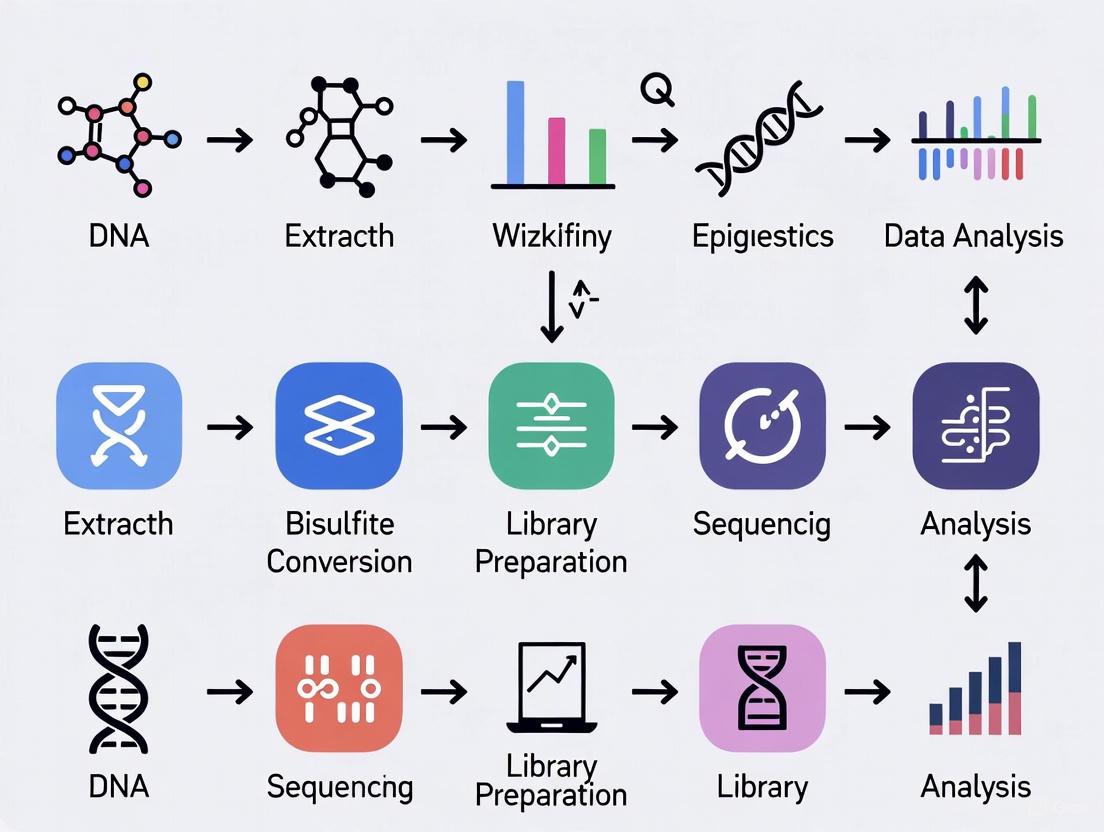
This article provides a comprehensive guide for researchers and drug development professionals on the end-to-end workflow for discovering and validating cell-free DNA (cfDNA) methylation biomarkers.
A Complete Workflow for Cell-Free DNA Methylation Biomarker Discovery: From Liquid Biopsy to Clinical Application
Abstract
This article provides a comprehensive guide for researchers and drug development professionals on the end-to-end workflow for discovering and validating cell-free DNA (cfDNA) methylation biomarkers. It covers the foundational biology of cfDNA and DNA methylation, explores established and emerging methodological approaches for methylation detection, addresses key computational and analytical challenges, and outlines robust validation frameworks. By integrating the latest research and technological advancements, this resource aims to bridge the translational gap between basic discovery and the development of clinically viable, methylation-based liquid biopsy tests for cancer diagnostics and monitoring.
Laying the Groundwork: Understanding cfDNA Biology and Methylation's Role in Cancer
Cell-free DNA (cfDNA) refers to short, double-stranded DNA fragments present in virtually all bodily fluids, including plasma, urine, and cerebrospinal fluid [1]. The study of cfDNA has gained significant importance in clinical diagnostics, serving as a valuable biomarker for various conditions, including cancer, neurodegenerative disorders, and prenatal testing [2] [1]. Understanding the biological origins and release mechanisms of cfDNA is fundamental to interpreting its analytical signal in research and clinical settings. The release of cfDNA is governed by three primary mechanisms: apoptosis, necrosis, and active secretion [1]. Each mechanism produces cfDNA with distinct molecular characteristics, particularly in terms of fragment size and profile, which can be leveraged for diagnostic purposes. This article details the origin and nature of cfDNA, providing a structured overview for scientists engaged in cfDNA methylation biomarker discovery.
Core Mechanisms of cfDNA Release
The following table summarizes the key characteristics of the three main cfDNA release mechanisms.
Table 1: Core Mechanisms of Cell-Free DNA Release
| Release Mechanism | Primary Fragment Sizes | Key Catalysts/Mediators | Biological Context |
|---|---|---|---|
| Apoptosis | 160–180 bp; nucleosomal ladder pattern [1] | Caspases, Caspase-Activated DNase (CAD) [1] | Programmed cell death; physiological and pathological processes [1] |
| Necrosis | ~10,000 bp; large, heterogeneous fragments [1] | Severe external cellular damage [1] | Trauma, injury, sepsis; unregulated cell death [1] |
| Active Secretion | 1,000–3,000 bp; associated with EVs [2] | Metabolically active processes; Extracellular Vesicles (EVs) [2] [1] | Cell-to-cell communication; living cells [1] |
The relationships between cellular processes, release mechanisms, and the resulting cfDNA characteristics are illustrated in the workflow below.
Apoptosis
Apoptosis, or programmed cell death, is widely recognized as a major source of cfDNA release from both healthy and diseased tissues [1]. This process, which can be triggered by various physiological and pathological stimuli, involves the activation of caspases. Caspases subsequently activate a specific endonuclease, Caspase-Activated DNase (CAD), which systematically cleaves chromosomal DNA at internucleosomal regions, leading to the production of mono-nucleosomal fragments [1]. The regular cleavage of DNA during apoptosis results in cfDNA that exhibits a characteristic ladder-like pattern at approximately 160–180 base pairs when visualized via gel electrophoresis [1]. A 2024 cfCRISPR (cell-free CRISPR-Cas9) screen genetically validated that genes involved in apoptotic processes are primary effectors of cfDNA release, with apoptotic regulatory genes like FADD and BCL2L1 identified as key mediators [3].
Necrosis
Necrosis is an accidental and unregulated form of cell death caused by severe external damage, such as that seen in trauma, injury, or sepsis [1]. During necrosis, cells swell and their plasma membranes disintegrate, leading to the uncontrolled release of intracellular contents, including DNA [1]. Unlike the controlled cleavage in apoptosis, chromatin is digested non-specifically during necrosis, resulting in large, heterogeneous DNA fragments often around 10,000 base pairs in length [1]. The clearance of necrotic cells is slower than that of apoptotic cells, allowing these larger DNA fragments to persist longer in the circulation and potentially promote inflammation in surrounding tissues [1].
Active Secretion
Active secretion is a regulated process whereby living cells release cfDNA through metabolically active mechanisms, independent of cell death [2] [1]. Evidence from in vitro studies indicates that this release can be associated with the percentage of cells in the G1 phase of the cell cycle and is not correlated with the level of apoptosis or necrosis [1]. A primary vehicle for the active secretion of cfDNA is extracellular vesicles (EVs), such as exosomes and microvesicles [2] [1]. These spherical phospholipid-bilayered vesicles protect their DNA cargo from degradation in the bloodstream. cfDNA associated with active secretion typically consists of longer fragments, ranging from 1,000 to 3,000 base pairs [2]. This pathway is believed to play a role in cell-to-cell communication and signaling [1].
Quantitative Insights from Key Experiments
Recent research has provided quantitative data on the contributions of different cell types and biological processes to the cfDNA pool. The table below consolidates key findings.
Table 2: Quantitative Insights from cfDNA Release Studies
| Experimental Model | Key Finding | Quantitative Result / Fragment Profile | Research Implication |
|---|---|---|---|
| CSC-Enriched Culture (SW480 Colon Cancer Line) [2] | Cultures with CSCs release greater amounts of cfDNA. | Distinct fragment profile compared to non-enriched cultures. | Suggests CSCs are a significant source of cfDNA, influencing tumor-derived signal in liquid biopsies. |
| 24-Cell Line Panel Profiling [3] | Two distinct cfDNA release phenotypes identified. | "Left-skewed": major peak at ~167 bp.\n"Right-skewed": major peak at >1000 bp. | Confirms intrinsic cellular diversity in cfDNA release, relevant for model selection. |
| cfCRISPR Genetic Screen (MCF-10A & MCF-7) [3] | Apoptosis is a primary genetic mediator of cfDNA release. | Genes mediating release primarily involved in apoptosis (e.g., FADD, BCL2L1). | Provides genetic validation for apoptosis; suggests modulation as a method to influence cfDNA yield. |
Detailed Experimental Protocol: Analyzing cfDNA Release in Cell Cultures
This protocol details the methodology for assessing the quantity and fragmentation profile of cfDNA released from cell lines in vitro, as derived from recent studies [2] [3].
Materials and Equipment
- Cell Lines: Any relevant cell line of interest (e.g., SW480, MCF-10A).
- Culture Reagents: Standard culture medium (e.g., DMEM-F12), Fetal Bovine Serum (FBS), Penicillin-Streptomycin, Trypsin-EDTA, sterile Phosphate-Buffered Saline (PBS).
- Consumables: 75 cm² cell culture flasks, 6-well plates, 50 mL conical centrifuge tubes, 0.45 µm pore-size filters.
- cfDNA Isolation & Analysis: Commercial cfDNA extraction kit, Ultrafiltration system (10 kDa membrane), Agilent Bioanalyzer or TapeStation system.
Procedure
Cell Culture and Conditioning:
- Cultivate cell lines in 75 cm² flasks under standard conditions (e.g., 37°C, 5% CO₂) until they reach 70–80% confluence.
- Discard the spent medium and wash the cell monolayer twice with sterile PBS to remove residual serum and cellular debris.
- Add a conditioned medium (e.g., standard growth medium containing 2% FBS) and incubate the cells for 48 hours [2].
Supernatant Collection and Clarification:
- Transfer the conditioned medium to 50 mL conical tubes.
- Centrifuge at 400 x g for 20 minutes at 4°C to pellet any detached cells or large debris.
- Carefully collect the supernatant and pass it through a 0.45 µm filter to ensure the complete removal of any remaining cells or particles.
- To verify the absence of cellular contamination, seed an aliquot of the filtered supernatant into a culture flask and incubate for one week, monitoring for cellular growth [2].
Concentration and cfDNA Extraction:
- Concentrate the clarified supernatant (e.g., 120 mL down to 12 mL) using an ultrafiltration system with a 10 kDa molecular weight cut-off membrane to increase the yield of cfDNA [2].
- Extract cfDNA from the concentrated supernatant using a dedicated commercial cfDNA extraction kit, following the manufacturer's instructions.
Quantification and Fragment Analysis:
- Quantify the extracted cfDNA using a fluorescence-based method suitable for low DNA concentrations.
- Analyze the fragmentation profile using a high-sensitivity automated electrophoresis system (e.g., Agilent Bioanalyzer). This will reveal the distribution of fragment sizes, allowing classification into apoptotic (~167 bp peak), necrotic (~10,000 bp), or vesicular (1,000–3,000 bp) profiles [2] [3].
The Scientist's Toolkit: Essential Research Reagents
The table below lists key reagents and their functions for studying cfDNA release mechanisms.
Table 3: Essential Reagents for cfDNA Release Studies
| Research Reagent / Tool | Function in cfDNA Research | Specific Application Example |
|---|---|---|
| Non-Adhesive Culture System [2] | Enriches for cancer stem cell (CSC) populations. | Studying the contribution of CSCs to total cfDNA release and its transforming capacity [2]. |
| TRAIL (TNF-Related Apoptosis-Inducing Ligand) [3] | Inducer of the extrinsic apoptosis pathway. | Modulating apoptosis to investigate its direct effect on cfDNA quantity and fragment size [3]. |
| Ultrafiltration Systems (10 kDa) [2] | Concentrates cfDNA from large volumes of cell culture supernatant. | Enhancing the yield of cfDNA prior to extraction for downstream analysis [2]. |
| High-Sensitivity Electrophoresis [2] [3] | Precisely characterizes cfDNA fragment size distribution. | Differentiating between apoptotic, necrotic, and actively secreted cfDNA based on fragment length profiles. |
| cfCRISPR Screening [3] | Genome-wide genetic screen to identify mediators of cfDNA release. | Unbiased discovery of genes (e.g., FADD, BCL2L1) that regulate cfDNA release. |
DNA methylation is a fundamental epigenetic mechanism that involves the addition of a methyl group to a DNA molecule, typically at the 5-carbon position of a cytosine residue preceding a guanine, known as a CpG site, to form 5-methylcytosine (5mC) [4]. This modification does not alter the underlying DNA sequence but plays a crucial role in regulating gene expression and maintaining chromosomal stability [5]. As a key component of the epigenome, DNA methylation patterns are essential for normal development, genomic imprinting, X-chromosome inactivation, and suppression of transposable elements [6] [7]. In clinical and research settings, the analysis of cell-free DNA (cfDNA) methylation from liquid biopsies has emerged as a promising tool for non-invasive disease diagnostics, particularly in oncology [6] [8].
The Core Mechanism of DNA Methylation
DNA methylation is catalyzed by enzymes called DNA methyltransferases (DNMTs), which use S-adenosyl methionine (SAM) as a methyl donor [7]. The establishment and maintenance of methylation patterns are primarily performed by DNMT3A, DNMT3B (de novo methyltransferases), and DNMT1 (maintenance methyltransferase), which faithfully copy methylation patterns during cell division [5] [9].
The functional consequence of DNA methylation depends largely on its genomic location:
- Promoter Region Methylation: Methylation of CpG islands in promoter regions is generally associated with gene silencing by preventing transcription factors from binding and recruiting proteins that promote the formation of transcriptionally inactive heterochromatin [4] [5].
- Gene Body Methylation: Methylation within the transcribed region of genes is often associated with active transcription [7].
- Enhancer Methylation: Tissue-specific methylation patterns at enhancer elements contribute to unique gene expression profiles across different cell types [4].
The following diagram illustrates how DNA methylation regulates gene expression:
DNA Methylation Patterns in Health and Disease
DNA methylation patterns are dynamically regulated throughout development and can be influenced by various environmental factors. The following table summarizes key methylation patterns and their functional consequences:
| Methylation Pattern | Genomic Context | Functional Consequence | Disease Association |
|---|---|---|---|
| Hypermethylation | Promoter CpG Islands | Gene silencing/suppression | Tumor suppressor gene inactivation in cancer [4] [5] |
| Global Hypomethylation | Repetitive elements, gene bodies | Genomic instability, oncogene activation | Cancer progression, chromosomal instability [6] [5] |
| Tissue-Specific Differential Methylation | Enhancers, CpG island shores | Cell type-specific gene expression | Normal cellular differentiation and function [4] [7] |
| Imprinting Control Region Methylation | Imprinted genes | Monoallelic gene expression | Imprinting disorders (Prader-Willi, Angelman syndromes) [5] |
In cancer, these patterns are frequently disrupted, with tumors typically displaying both genome-wide hypomethylation and localized hypermethylation of specific promoter CpG islands, particularly those associated with tumor suppressor genes [6] [5]. These alterations often occur early in tumorigenesis and remain stable throughout tumor evolution, making them excellent biomarkers for detection and monitoring [6].
Analytical Methods for DNA Methylation Assessment
The gold-standard method for DNA methylation analysis is bisulfite conversion, where treatment with bisulfite reagents converts unmethylated cytosines to uracils while leaving methylated cytosines unchanged [4]. Post-conversion, various downstream applications can be employed:
Genome-Wide Methylation Profiling Methods
| Method | Resolution | Coverage | Key Applications | Advantages | Limitations |
|---|---|---|---|---|---|
| Whole-Genome Bisulfite Sequencing (WGBS) | Single-base | Entire genome | Discovery-based studies, comprehensive methylome mapping [6] [9] | Gold standard for completeness | High cost, computational demands [6] |
| Reduced Representation Bisulfite Sequencing (RRBS) | Single-base | CpG-rich regions | Cost-effective methylome profiling [4] [9] | Focuses on informative regions, cost-effective | Incomplete genome coverage [4] |
| Infinium Methylation BeadChip | Single CpG site | Predefined CpG sites (450K-850K) | Large cohort studies, clinical biomarker validation [9] [10] | High-throughput, cost-effective for large samples | Limited to predefined sites [9] |
| Enzymatic Methyl-Sequencing (EM-seq) | Single-base | Entire genome | Chemical-free conversion, superior DNA preservation [6] | Better DNA integrity than bisulfite | Newer method, less established [6] |
Targeted Methylation Analysis Methods
For validation studies and clinical applications, particularly with limited samples like cfDNA, targeted approaches are preferred:
- Methylation-Specific PCR (qMSP): Quantitative method using primers specific to methylated sequences after bisulfite conversion [8].
- Digital Droplet PCR (ddPCR): Absolute quantification of methylated molecules with high sensitivity, suitable for low-abundance cfDNA [10].
- Multiplex ddPCR (mddPCR): Simultaneous detection of multiple methylation markers using different fluorescent probes, enhancing diagnostic sensitivity [10].
- Targeted Bisulfite Sequencing: Focused sequencing of regions of interest using designed capture probes [4].
Workflow for Cell-Free DNA Methylation Biomarker Discovery
The following diagram outlines a comprehensive workflow for cfDNA methylation biomarker discovery and validation:
Phase 1: Biomarker Discovery
The initial discovery phase requires well-characterized sample cohorts including case and appropriate control groups [6]. For cfDNA methylation biomarker discovery, considerations should include:
- Liquid Biopsy Source Selection: Blood (plasma) is most common, but local fluids (urine, saliva, CSF) may offer higher biomarker concentration for specific cancers [6].
- Control Group Design: Must include appropriate controls (healthy individuals, benign conditions, other cancer types) to ensure biomarker specificity [6] [10].
- High-Throughput Methylation Profiling: Utilize WGBS, RRBS, or methylation arrays to identify differentially methylated regions (DMRs) or CpG sites [9] [10].
- Bioinformatic Analysis: Identify DMRs with significant methylation differences between groups, then filter against public databases (e.g., TCGA) to select markers with tissue specificity and minimal background interference [10].
Phase 2: Assay Development and Validation
Promising methylation markers from the discovery phase must be translated into sensitive detection assays suitable for cfDNA:
- Multiplex Assay Design: Develop multiplex ddPCR or targeted NGS panels for simultaneous detection of multiple methylation markers to enhance sensitivity [10].
- Analytical Validation: Establish sensitivity, specificity, and limit of detection using standard curves and control samples [8] [10].
- Clinical Validation: Assess diagnostic performance in independent patient cohorts, calculating AUC, sensitivity, and specificity [10].
- Integration with Other Modalities: Combine methylation markers with existing clinical tests (e.g., imaging, other biomarkers) to enhance overall diagnostic performance [10].
The Scientist's Toolkit: Essential Research Reagent Solutions
| Category | Specific Products/Technologies | Function in Methylation Analysis |
|---|---|---|
| Bisulfite Conversion Kits | EZ DNA Methylation kits, Epitect Bisulfite kits | Convert unmethylated cytosine to uracil while preserving methylated cytosine [4] |
| Methylation-Specific Enzymes | Restriction enzymes (e.g., DpnI), DNMT inhibitors | Selective digestion of methylated DNA or pharmacological modulation of methylation [11] |
| Library Preparation Kits | Illumina DNA Prep, Accel-NGS Methyl-Seq | Prepare bisulfite-converted DNA for next-generation sequencing [4] [9] |
| Targeted Capture Panels | SureSelect Methyl-Seq, Twist Methylation Panels | Enrich regions of interest for targeted bisulfite sequencing [4] |
| Methylation qPCR/dPCR Reagents | ddPCR Supermix for probes, MethylLight reagents | Quantitative detection of methylation at specific loci [10] |
| Whole Genome Amplification Kits | REPLI-g, GenomePlex | Amplify limited DNA samples while preserving methylation patterns [8] |
| Methylated DNA Standards | Fully methylated genomic DNA, synthetic methylated oligos | Positive controls for assay development and validation [10] |
Advanced Applications and Future Directions
Machine Learning in Methylation Analysis
The complexity of genome-wide methylation data has driven the adoption of machine learning approaches. Supervised methods like support vector machines and random forests can classify cancer subtypes based on methylation profiles, while deep learning models such as MethylGPT and CpGPT enable pretraining on large methylome datasets for enhanced prediction of clinical outcomes [9].
Multi-Omics Integration
Integrating cfDNA methylation data with genomic, transcriptomic, and proteomic information provides a more comprehensive view of disease states. This approach enhances diagnostic and predictive potential beyond single-platform analyses [8] [9].
Emerging Technologies
Third-generation sequencing technologies like Oxford Nanopore and PacBio SMRT sequencing enable direct detection of DNA methylation without bisulfite conversion, preserving DNA integrity and providing long-range epigenetic information [6] [9]. Single-cell methylation profiling techniques (scBS-seq, sci-MET) reveal cellular heterogeneity in complex tissues and tumors [9].
DNA methylation serves as a critical regulatory mechanism with extensive applications in basic research and clinical diagnostics. The workflow for cfDNA methylation biomarker discovery encompasses careful sample selection, comprehensive methylome profiling, bioinformatic analysis, and rigorous validation using sensitive targeted assays. As technologies advance and computational methods become more sophisticated, DNA methylation-based biomarkers show increasing promise for non-invasive disease detection, monitoring, and personalized treatment strategies. The integration of methylation analyses with other omics data and the development of novel computational approaches will further enhance our understanding of epigenetic regulation in health and disease.
Why Methylation? Advantages over Genetic Mutations for Cancer Biomarkers
DNA methylation is an epigenetic modification involving the addition of a methyl group to the 5-carbon position of cytosine residues, primarily within CpG dinucleotides, forming 5-methylcytosine (5mC) without altering the underlying DNA sequence [12] [13]. This reversible modification plays crucial roles in regulating gene expression, genomic imprinting, and maintaining chromosomal stability under physiological conditions [13]. In oncology, DNA methylation has emerged as a powerful biomarker class that addresses several limitations inherent to genetic mutation-based approaches. While genetic mutations involve permanent changes to the DNA sequence itself, epigenetic alterations represent dynamic regulatory mechanisms that respond to environmental influences and disease states [9].
The clinical application of DNA methylation biomarkers leverages their unique biological characteristics, which include early emergence in tumorigenesis, stability in circulating cell-free DNA (cfDNA), tissue-specific patterns, and quantitative nature that reflects disease burden [12] [6]. Unlike genetic mutations that can be heterogeneously distributed throughout tumors, DNA methylation patterns demonstrate remarkable consistency across tumor subtypes, making them particularly valuable for diagnostic applications [14]. Furthermore, technological advances in detection methodologies, from bisulfite sequencing to microarray platforms, have enabled precise quantification of methylation states at single-base resolution, facilitating the translation of methylation biomarkers from research settings to clinical practice [12] [15].
Key Advantages of DNA Methylation Biomarkers
Biological and Technical Superiority
DNA methylation biomarkers offer distinct advantages across multiple dimensions of cancer biomarker development and application. These benefits stem from both fundamental biological characteristics and practical technical considerations for clinical implementation.
Table 1: Comparative Advantages of DNA Methylation vs. Genetic Mutation Biomarkers
| Aspect | DNA Methylation Biomarkers | Genetic Mutation Biomarkers |
|---|---|---|
| Stability | Enhanced resistance to degradation in cfDNA; half-life of minutes to hours [6] | Rapid degradation; challenging detection in early-stage cancers [6] |
| Temporal Occurrence | Emerge early in tumorigenesis; present in precancerous stages [12] [6] | Typically accumulate throughout cancer progression |
| Pattern Distribution | Tissue-specific patterns enable tissue-of-origin identification [6] [14] | Lacks consistent tissue-specific signature |
| Analytical Nature | Quantitative changes across multiple genomic regions [12] | Typically qualitative (presence/absence of mutations) |
| Dynamic Range | Broad dynamic range reflecting tumor burden [6] | Limited by mutant allele fraction |
| Clinical Utility | Suitable for early detection, prognosis, and monitoring [12] [14] | Primarily useful for targeted therapies and monitoring |
The stability of DNA methylation in cell-free DNA represents a particularly significant advantage for liquid biopsy applications. Methylated DNA fragments demonstrate relative enrichment within the cfDNA pool due to nucleosome interactions that protect them from nuclease degradation [6]. This inherent stability provides a practical benefit during sample collection, storage, and processing, especially compared to more labile molecules such as RNA [6]. Furthermore, cancer-specific DNA methylation patterns typically emerge during early tumorigenesis and remain stable throughout tumor evolution, making them ideal biomarkers for early detection when therapeutic interventions are most effective [6].
Clinical Application Advantages
From a clinical perspective, DNA methylation biomarkers enable several applications that are challenging with genetic mutation-based approaches:
Multi-Cancer Early Detection: Methylation-based classifiers can simultaneously screen for multiple cancer types from a single blood sample while predicting the tissue of origin, a capability recently demonstrated in large studies like PATHFINDER, which identified a cancer signal in 1.4% of asymptomatic adults [14].
Tumor Classification and Diagnosis: DNA methylation profiling has revolutionized the diagnosis of central nervous system tumors, soft tissue sarcomas, and other neoplasms where traditional histopathology faces limitations. For example, methylation-based classification altered the initial diagnosis in 12% of CNS tumor cases and provided definitive diagnoses in approximately 50% of challenging cases [14].
Risk Stratification: In conditions like juvenile myelomonocytic leukemia (JMML), DNA methylation subgroups serve as powerful independent prognostic factors, outperforming traditional clinical and genetic markers for outcome prediction [14].
DNA Methylation Biomarkers in Clinical Research
Pan-Cancer Methylation Signatures
Recent research has identified methylation biomarkers capable of detecting multiple cancer types with high sensitivity and specificity, particularly for malignancies characterized by low five-year survival rates. Integrated analysis of genome-wide DNA methylation profiles has revealed key biomarkers across pancreatic (10% five-year survival), esophageal (20%), liver (20%), lung (21%), and brain (27%) cancers [16]. Among these, ALX3, HOXD8, IRX1, HOXA9, HRH1, PTPRN2, TRIM58, and NPTX2 have emerged as important methylation biomarkers showing significant differential methylation across all five cancer types [16]. The combination of ALX3, NPTX2, and TRIM58 from distinct functional groups achieved 93.3% accuracy in validating the ten most common cancers, including the initial five low-survival-rate cancer types [16].
Tissue-Specific and Cancer-Specific Methylation Markers
Comprehensive methylation analyses have identified numerous cancer-specific methylation markers with demonstrated clinical utility across different sample types, including tissues and liquid biopsies.
Table 2: Validated DNA Methylation Biomarkers for Cancer Diagnosis
| Cancer Type | Methylation Biomarkers | Sample Type | Performance | References |
|---|---|---|---|---|
| Breast Cancer | TRDJ3, PLXNA4, KLRD1, KLRK1 | PBMC, Tissue, Blood | Sensitivity: 93.2%, Specificity: 90.4% | [12] |
| Colorectal Cancer | SDC2, SFRP2, SEPT9 | Tissue, Feces, Blood | Sensitivity: 86.4%, Specificity: 90.7% (ColonSecure study) | [12] |
| Lung Cancer | SHOX2, RASSF1A, PTGER4 | Tissue, Blood, Bronchoalveolar Lavage Fluid | High sensitivity in liquid biopsy | [12] |
| Bladder Cancer | CFTR, SALL3, TWIST1 | Urine | Superior to plasma-based detection | [12] |
| Esophageal Cancer | OTOP2, KCNA3 | Tissue, Blood | AUC: 96.6% | [12] |
| Hereditary Breast Cancer | cg47630224-MSH2, cg23652916-PALB2 | Peripheral Blood | 3-fold increased risk (AUC: 0.929) | [17] |
The development of these biomarkers leverages the fundamental roles of DNA methylation in cancer pathogenesis. Promoter hypermethylation of tumor suppressor genes leads to transcriptional silencing and loss of tumor suppressor function, while global hypomethylation can induce chromosomal instability and oncogene activation [13]. These alterations occur consistently across cancer types and can be detected in various sample matrices, enabling flexible diagnostic approaches tailored to clinical needs.
Experimental Workflows for Methylation Biomarker Discovery
Comprehensive Workflow for Methylation Biomarker Discovery
The process of identifying and validating DNA methylation biomarkers follows a structured pathway from sample collection through clinical implementation. The following diagram illustrates this comprehensive workflow:
Diagram Title: DNA Methylation Biomarker Discovery Workflow
Sample Collection and Processing Protocols
Sample Collection for Liquid Biopsy Applications
For blood-based liquid biopsy studies, collect peripheral blood into specialized cfDNA preservation tubes (e.g., cfDNA/cfRNA Preservative Norgen tubes). Process samples within 2 hours of collection using a standardized centrifugation protocol [18]:
- Initial centrifugation: 1,600 × g for 10 minutes at 4°C to separate plasma from cellular components
- Secondary centrifugation: 16,000 × g at room temperature to remove remaining cell debris
- Storage: Aliquot supernatant and store at -80°C until DNA extraction
For tissue samples, snap-freeze in liquid nitrogen or preserve in appropriate nucleic acid stabilization reagents. The selection of sample type should align with clinical objectives, with liquid biopsies offering non-invasive repeated sampling capabilities, while tissue biopsies provide comprehensive molecular profiling from the primary tumor [12].
DNA Extraction and Bisulfite Conversion Protocol
Extract cfDNA using specialized kits designed for low-concentration samples (e.g., NextPrep-Mag cfDNA isolation kit). Quantify DNA using fluorescence-based methods (e.g., Qubit dsDNA HS assay) [18].
For bisulfite conversion, use commercial kits (e.g., EZ DNA methylation-lightning kit) with the following protocol [18]:
- Denaturation: Incubate DNA in conversion reagent at 98°C for 10 minutes
- Conversion: Incubate at 54°C for 30-60 minutes
- Desalting and purification: Bind converted DNA to provided columns, wash, and elute
- Quality assessment: Verify conversion efficiency through control reactions
Alternative enzymatic conversion methods (e.g., using EM-seq kits) reduce DNA fragmentation and are particularly advantageous for limited samples [15].
Methylation Profiling and Analysis Methods
Whole-Genome Bisulfite Sequencing (WGBS) Protocol
WGBS remains the gold standard for comprehensive methylation profiling at single-base resolution [15]:
- Library preparation: Use enzymatic methyl-seq kits (e.g., NEBNext Enzymatic Methyl-seq Kit) following manufacturer's instructions
- Library quantification: Use fluorescence-based methods (e.g., Qubit dsDNA HS assay)
- Sequencing: Perform on appropriate platforms (e.g., Illumina NovaSeq 6000) with 2×150 bp paired-end reads at minimum 30× coverage
- Quality control: Assess library size distribution and concentration before sequencing
Targeted Methylation Analysis Protocol
For validation studies or clinical applications, targeted approaches offer cost-effective solutions:
- Primer design: Design bisulfite-conversion specific primers for regions of interest
- Amplification: Perform PCR with bisulfite-converted DNA as template
- Analysis: Utilize pyrosequencing, digital PCR, or next-generation sequencing for quantitative assessment
- Validation: Confirm assay performance with positive and negative methylation controls
Bioinformatic Analysis Workflow
Process sequencing data through established pipelines [15]:
- Quality control and trimming: Use FastQC and trimmers to remove adapters and low-quality bases
- Alignment: Perform conversion-aware alignment using tools like Bismark, Bismark, or BWA-meth
- Methylation calling: Extract methylation states for individual CpG sites
- Differential methylation analysis: Identify significantly differentially methylated regions using tools like Seqmonk or methylSig
- Validation: Confirm findings in independent cohorts using targeted methods
The Scientist's Toolkit: Essential Research Reagents and Platforms
Successful implementation of DNA methylation biomarker research requires specialized reagents, kits, and platforms optimized for various aspects of the workflow.
Table 3: Essential Research Reagents for DNA Methylation Biomarker Discovery
| Category | Specific Products/Kits | Application Purpose | Key Features |
|---|---|---|---|
| Sample Collection | cfDNA/cfRNA Preservative Tubes (Norgen Biotek) | Blood sample stabilization | Preserves cfDNA integrity during storage/transport |
| DNA Extraction | NextPrep-Mag cfDNA Isolation Kit (PerkinElmer) | cfDNA extraction from plasma | Magnetic bead-based, optimized for low concentrations |
| Bisulfite Conversion | EZ DNA Methylation-Lightning Kit (Zymo Research) | Chemical conversion of unmethylated C to U | Rapid conversion (90 minutes), high recovery |
| Enzymatic Conversion | NEBNext Enzymatic Methyl-seq Kit | Bisulfite-free conversion | Reduced DNA fragmentation, better preservation |
| Library Prep | Accel-NGS Methyl-Seq Kit (Swift Bio) | Library preparation for sequencing | Adaptase technology, low input requirements |
| Targeted Analysis | PyroMark PCR Kit (Qiagen) | Targeted methylation analysis | Quantitative methylation measurement |
| Microarray Platform | Infinium HumanMethylationEPIC BeadChip | Genome-wide methylation screening | 850,000 CpG sites, cost-effective for large cohorts |
| Bioinformatic Tools | Bismark, MethylKit, SeSAMe | Data processing and analysis | Specialized for bisulfite sequencing data |
Integration with Machine Learning and Advanced Analytics
The quantitative nature of DNA methylation data makes it particularly amenable to machine learning approaches for biomarker development. Several strategies have demonstrated significant utility in translating methylation patterns into clinically actionable tools [9]:
Conventional Machine Learning: Support vector machines, random forests, and gradient boosting algorithms have been successfully employed to classify tumor subtypes, predict outcomes, and select informative CpG sites from large feature sets. These methods can be streamlined through Automated Machine Learning (AutoML) platforms to create robust classifiers applicable to clinical settings [9].
Deep Learning Approaches: Multilayer perceptrons and convolutional neural networks capture nonlinear interactions between CpGs and genomic context, enabling sophisticated tumor subtyping, tissue-of-origin classification, and survival risk evaluation. Recently, transformer-based foundation models pretrained on extensive methylome datasets (e.g., MethylGPT, CpGPT) have demonstrated robust cross-cohort generalization and contextually aware CpG embeddings [9].
Multi-Cancer Early Detection: The combination of targeted methylation assays with machine learning enables early detection of multiple cancer types from plasma cell-free DNA, demonstrating high specificity and accurate tissue-of-origin prediction that enhances organ-specific screening programs [9] [14].
DNA methylation biomarkers represent a powerful paradigm in cancer diagnostics, offering distinct advantages over genetic mutation-based approaches through their early emergence in tumorigenesis, stability in circulation, tissue-specific patterns, and quantitative nature. The structured workflow for methylation biomarker discovery—encompassing appropriate sample collection, conversion-based profiling technologies, and advanced computational analysis—enables the development of robust clinical assays with applications in early detection, tumor classification, and treatment monitoring.
As technologies continue to evolve, particularly in the domains of single-cell methylation profiling, long-read sequencing, and machine learning integration, the clinical utility of DNA methylation biomarkers will expand further. The ongoing translation of these epigenetic tools from research settings to routine clinical practice holds significant promise for advancing personalized oncology and improving patient outcomes through earlier detection and more precise molecular classification of malignancies.
Within the evolving paradigm of liquid biopsy-based diagnostics, cell-free DNA (cfDNA) methylation has emerged as a cornerstone for non-invasive cancer detection and management. For a methylation biomarker to be successfully translated from a research finding to a clinically actionable tool, it must exhibit a set of fundamental characteristics that ensure reliability and utility in real-world settings [19]. These characteristics—high specificity for the target disease, inherent stability in circulation, and early appearance during tumorigenesis—form the essential triad that defines an ideal biomarker [20] [6]. This application note delineates these core characteristics, supported by quantitative data and experimental evidence, and provides detailed protocols to guide their systematic evaluation in biomarker discovery workflows. The focus is on creating a robust framework that researchers can employ to validate candidate markers effectively, thereby enhancing the pipeline for clinical translation.
Core Characteristics of an Ideal Methylation Biomarker
The evaluation of a DNA methylation biomarker's potential hinges on three interdependent pillars. The diagram below illustrates the logical relationship between these core characteristics and their collective contribution to clinical utility.
Specificity
A prime characteristic of an ideal methylation biomarker is its high specificity for a particular cancer type. This refers to the biomarker's ability to differentiate tumor DNA from normal cfDNA derived from healthy cells, thereby minimizing false-positive results [6]. Cancer-specific methylation patterns typically manifest as hypermethylation of CpG islands in promoter regions of tumor suppressor genes, leading to their silencing, coupled with global hypomethylation in other genomic regions which can induce genomic instability [20] [6]. This aberrant pattern is distinct from the methylation landscape of healthy tissues.
Specificity is quantitatively measured as the proportion of individuals without the disease who test negative. Panels combining multiple methylation markers often achieve higher specificity than single-marker assays by capturing a unique epigenetic signature of the malignancy [21]. For instance, a meta-analysis of cfDNA methylation for lung cancer detection reported a pooled specificity of 86%, indicating a strong ability to correctly identify non-cancerous cases [21]. Key genes frequently investigated for their cancer-specific hypermethylation in liquid biopsies include SHOX2, RASSF1A, and APC [21] [22].
Stability
The biological and analytical stability of methylation biomarkers is another critical attribute. DNA methylation is a stable epigenetic mark that is faithfully replicated during cell division and is less prone to random fluctuations compared to RNA transcripts or some proteins [6]. Once established in a tumor, these patterns are clonally propagated, providing a consistent signal for detection [20].
Furthermore, methylated cfDNA fragments exhibit enhanced stability in the bloodstream. Evidence suggests that nucleosomes protect methylated DNA from nuclease degradation, leading to a relative enrichment of these fragments in the total cfDNA pool [6]. This inherent stability is crucial for practical clinical application, as it allows for robustness during sample collection, storage, and processing. The half-life of cfDNA is short (minutes to a few hours), yet the methylation state remains a durable indicator of its tissue of origin, making it more reliable than labile biomarkers like RNA [6] [19]. This stability is a key advantage for developing reproducible and robust clinical diagnostic tests.
Early Appearance
Perhaps the most significant advantage of DNA methylation as a biomarker is its early onset during tumorigenesis. Epigenetic alterations, including promoter hypermethylation of tumor suppressor genes, are often initiating events in cancer development, occurring even before genetic mutations accumulate and clinical symptoms manifest [20] [6] [22]. This property makes methylation biomarkers exceptionally powerful for early-stage cancer screening, where the potential for curative intervention is highest.
The early appearance of methylation changes enables the detection of cancer when the tumor burden is minimal and the concentration of ctDNA in the blood is very low [19]. For example, methylation of genes like CDKN2A (p16) has been detected in sputum samples from high-risk individuals up to three years before a clinical diagnosis of lung cancer was made [22]. The ability to identify these early epigenetic shifts provides a critical window of opportunity for early intervention and significantly improves patient survival outcomes.
Table 1: Quantitative Diagnostic Performance of Selected Methylation Biomarkers in Liquid Biopsies
| Cancer Type | Methylation Marker(s) | Reported Sensitivity (%) | Reported Specificity (%) | Source / Context |
|---|---|---|---|---|
| Lung Cancer | SHOX2, RASSF1A |
73 | 82 | Diagnostic model in plasma [20] |
| Lung Cancer | Various (e.g., RASSF1A, APC, SHOX2) |
54 (Pooled) | 86 (Pooled) | Meta-analysis of ccfDNA [21] |
| Breast Cancer | 8-marker panel via mddPCR | AUC: 0.856* | AUC: 0.856* | Differentiation from healthy controls [10] |
| Breast Cancer | 8-marker panel via mddPCR | AUC: 0.742* | AUC: 0.742* | Differentiation from benign tumors [10] |
| Ovarian Cancer | 15-gene signature (e.g., hypermethylated genes) | N/A | N/A | cfMeDIP-seq profiling [23] |
*Area Under the Curve (AUC) is a combined performance metric where 1 represents perfect classification and 0.5 represents no discriminative power.
Table 2: Key Methylated Genes as Illustrative Biomarkers Across Cancers
| Gene Symbol | Full Name | Primary Function | Methylation Change in Cancer | Potential Clinical Utility |
|---|---|---|---|---|
| SHOX2 | Short Stature Homeobox 2 | Transcriptional factor, organ development | Hypermethylation | Lung cancer detection in plasma/sputum [20] [22] |
| RASSF1A | Ras Association Domain Family Member 1A | Tumor suppressor, apoptosis, Hippo pathway | Promoter Hypermethylation | Lung cancer diagnosis, increased in smokers [20] [22] |
| DAPK | Death-Associated Protein Kinase | Tumor suppressor, apoptosis promoter | Promoter Hypermethylation | Independent prognostic factor in lung cancer [20] |
| MGMT | O-6-Methylguanine-DNA Methyltransferase | DNA repair gene | Promoter Hypermethylation | Diagnostic marker in plasma/BLAF; associated with advanced stage [20] |
Experimental Protocols for Biomarker Evaluation
A rigorous, multi-phase workflow is essential for the discovery and validation of cfDNA methylation biomarkers. The following section outlines detailed protocols for the key stages of this process.
Biomarker Discovery and Analytical Validation Workflow
The journey from candidate identification to a clinically viable assay involves sequential steps of discovery, technical validation, and clinical verification, as outlined below.
Protocol: Multiplex ddPCR for Methylation Quantification in cfDNA
Multiplex droplet digital PCR (mddPCR) allows for the simultaneous, absolute quantification of multiple methylation markers from a limited cfDNA input, making it ideal for analytical validation and eventual clinical application [10].
1. Principle: The assay involves partitioning a bisulfite-converted cfDNA sample into thousands of nanoliter-sized droplets. Each droplet acts as an individual PCR reactor. Target-specific primers and TaqMan probes with different fluorescent dyes (e.g., FAM, VIC) enable the detection of multiple methylated loci in a single reaction. After amplification, the droplet reader counts the number of positive and negative droplets for each target, allowing for absolute quantification of the methylated DNA molecules without the need for a standard curve [10].
2. Reagents and Equipment:
- cfDNA Sample: Extracted from plasma (e.g., using QIAamp Circulating Nucleic Acid Kit).
- Bisulfite Conversion Kit: (e.g., EZ DNA Methylation-Lightning Kit, Zymo Research).
- ddPCR Supermix for Probes (No dUTP).
- Primers and MGB TaqMan Probes specific for the bisulfite-converted sequence of the methylated target genes.
- Droplet Generator (QX200), T100 Thermal Cycler, and Droplet Reader (QX200) (Bio-Rad).
- QuantaSoft Analysis Pro Software (Bio-Rad).
3. Step-by-Step Procedure:
- A. Bisulfite Conversion: Convert 5-20 ng of input cfDNA according to the manufacturer's instructions. Elute in 40 µL of elution buffer.
- B. Reaction Setup: Prepare a 21 µL reaction mixture for each sample as follows [10]:
- 10 µL of ddPCR Supermix for Probes (No dUTP)
- Adjusted volumes of forward and reverse primers and FAM/VIC-labeled MGB TaqMan probes for each target (final concentrations typically 100-900 nM each)
- 5-6 µL of bisulfite-converted DNA template
- C. Droplet Generation: Transfer 20 µL of the reaction mixture to a DG8 cartridge. Add 70 µL of Droplet Generation Oil for Probes to the appropriate well. Place the cartridge in the QX200 Droplet Generator to create ~20,000 droplets.
- D. PCR Amplification: Carefully transfer the emulsified droplets to a 96-well PCR plate. Seal the plate and run the PCR on a thermal cycler with the following protocol [10]:
- Enzyme activation: 95°C for 10 minutes.
- 40 cycles of:
- Denaturation: 94°C for 30 seconds.
- Annealing/Extension: 60°C for 1 minute.
- Enzyme deactivation: 98°C for 10 minutes.
- Hold at 4°C. (Ramp rate: 2°C/second for all steps)
- E. Droplet Reading and Analysis: Place the plate in the QX200 Droplet Reader. The instrument will stream each droplet past a two-color optical detector. Analyze the data using QuantaSoft Analysis Pro software. Set fluorescence amplitude thresholds based on no-template control and positive control samples to distinguish positive (methylated) and negative (unmethylated) droplets.
4. Data Analysis:
The software provides the concentration (copies/µL) of each methylated target in the original reaction. The fraction of methylated alleles can be calculated as:
(Concentration of methylated target / Total DNA concentration) * 100
Statistical analysis (e.g., logistic regression) is then used to determine the optimal combination of markers and their cut-off values for distinguishing cancer cases from controls [10].
Protocol: Genome-Wide Methylation Profiling using cfMeDIP-seq
For the unbiased discovery of novel methylation biomarkers, cell-free methylated DNA immunoprecipitation sequencing (cfMeDIP-seq) is a powerful method that enriches for methylated DNA fragments without requiring bisulfite conversion, thereby preserving DNA integrity [23].
1. Principle: cfMeDIP-seq utilizes an antibody specific for 5-methylcytosine (5mC) to immunoprecipitate methylated DNA fragments from sheared cfDNA. The enriched methylated DNA is then prepared into a sequencing library, which is sequenced on a high-throughput platform. This allows for the genome-wide identification of differentially methylated regions (DMRs) between case and control samples [23].
2. Reagents and Equipment:
- Magnetic beads coupled with 5mC antibody.
- cfDNA samples (from patients and controls).
- Library preparation kit (e.g., NEBNext Ultra II DNA Library Prep Kit).
- Size selection beads (e.g., AMPure XP).
- High-sensitivity DNA assay kit (e.g., Qubit dsDNA HS Assay Kit).
- Sequencing platform (e.g., Illumina NovaSeq).
3. Step-by-Step Procedure:
- A. cfDNA Fragmentation and End-Repair: If necessary, fragment cfDNA to an average size of 150-200 bp via sonication. Repair the ends of the DNA fragments to create blunt ends.
- B. Immunoprecipitation: Incubate the repaired cfDNA with the 5mC antibody-bound magnetic beads. Wash the beads to remove unbound, non-methylated DNA. Elute the enriched methylated DNA from the beads.
- C. Library Preparation: Add sequencing adapters to the eluted methylated DNA and amplify the library with a limited number of PCR cycles. Perform size selection to retain library fragments of the desired length.
- D. Sequencing and Bioinformatic Analysis: Quantify the final library and pool for sequencing. Sequence to a sufficient depth (e.g., 20-50 million reads per sample). Align the sequenced reads to a reference genome (e.g., hg38) and call DMRs using bioinformatic tools like MEDIPS or similar. Gene ontology (GO) and pathway enrichment analysis (e.g., with
clusterProfilerin R) can reveal the biological relevance of the hypermethylated genes [23].
Table 3: The Scientist's Toolkit: Essential Research Reagent Solutions
| Reagent / Kit | Primary Function | Key Consideration |
|---|---|---|
| Circulating Nucleic Acid Extraction Kit (e.g., QIAamp CNA Kit) | Isolate high-quality cfDNA from plasma/serum. | Maximize yield from low-volume samples; minimize contamination by genomic DNA. |
| Bisulfite Conversion Kit | Convert unmethylated cytosines to uracils, leaving methylated cytosines unchanged. | High conversion efficiency is critical; optimised for low-input, fragmented DNA. |
| Methylation-Specific qPCR/ddPCR Assays | Target-specific quantification of methylated alleles. | Requires careful design of primers/probes for bisulfite-converted sequences. |
| Whole-Genome Bisulfite Sequencing (WGBS) Kit | Unbiased, base-resolution methylation mapping across the genome. | High cost and data complexity; requires high DNA input. |
| cfMeDIP-seq Kit | Antibody-based enrichment and sequencing of methylated cfDNA. | No bisulfite conversion; good for fragmented DNA; resolution is lower than WGBS. |
| Methylation Microarrays (e.g., Illumina EPIC) | Interrogation of methylation at pre-defined CpG sites. | Cost-effective for large cohorts; limited to covered CpG sites. |
| 5-methylcytosine (5mC) Antibody | Core reagent for MeDIP and related enrichment protocols. | Specificity and lot-to-lot consistency are paramount. |
Liquid biopsy has emerged as a minimally invasive alternative to traditional tissue biopsies, enabling real-time monitoring of tumor dynamics and providing a comprehensive view of tumor heterogeneity [24]. While the "liquid" in liquid biopsy most commonly refers to blood, numerous other biological fluids can be utilized as valuable sources of tumor-derived material [25] [26]. The selection of an appropriate biofluid is critical for successful cell-free DNA (cfDNA) methylation biomarker discovery, as it directly impacts biomarker concentration, sample purity, and clinical applicability [6]. These fluids contain various biomarkers including circulating tumor DNA (ctDNA), circulating tumor cells (CTCs), extracellular vesicles (EVs), and non-coding RNAs, each offering unique insights into tumor biology [25] [24].
The circulatory system reaches virtually every tissue in the body, allowing blood to serve as a reservoir for cancer-specific material shed from tumors regardless of their anatomic location [6]. However, depending on their anatomical location, various cancer types shed material into nearby body fluids other than blood, including urine, saliva, cerebrospinal fluid, bile, stool, pleural effusions, peritoneal fluid, and seminal fluid [6] [26]. In contrast to the systemic nature of blood, these local body fluids often offer distinct advantages, including higher biomarker concentration and reduced background noise from other tissues [6]. This article provides a comprehensive comparison of these liquid biopsy sources with specific application to workflow design for cfDNA methylation biomarker discovery research.
Table 1: Characteristics of Major Liquid Biopsy Sources for cfDNA Methylation Biomarker Research
| Biofluid Source | Invasiveness of Collection | Relative ctDNA Yield | Key Advantages | Primary Cancer Applications | Major Limitations |
|---|---|---|---|---|---|
| Blood (Plasma) | Minimally invasive (venipuncture) | Low to moderate (highly diluted) | Systemic circulation captures biomarkers from all tumor sites [6] | Pan-cancer [25] [6] | High background cfDNA from hematopoietic cells [6] |
| Urine | Non-invasive | Variable (high for urological cancers) | Large volumes available; ideal for repeated sampling [26] | Bladder, prostate, renal cancers [6] | Lower ctDNA yield for non-urological cancers [6] |
| Saliva | Non-invasive | Variable (high for head/neck cancers) | Easiest to collect without specialist training [26] | Head and neck cancers, NSCLC [26] | Contamination with food debris; bacterial DNA |
| Cerebrospinal Fluid (CSF) | Highly invasive (lumbar puncture) | High for CNS malignancies | ctDNA present in larger amounts than plasma [26] | Central nervous system tumors [26] | Invasive collection procedure |
| Stool | Non-invasive | High for colorectal cancers | Direct contact with gastrointestinal tumors | Colorectal cancer [6] | Complex composition; inhibitory substances |
| Bile | Highly invasive (medical procedure) | High for biliary tract cancers | Superior mutation detection compared to plasma [6] | Biliary tract cancers, cholangiocarcinoma [6] | Highly invasive collection; limited availability |
Technical Considerations for Source Selection
Table 2: Technical Processing Requirements for Different Biofluid Types
| Parameter | Blood (Plasma) | Urine | Saliva | CSF | Stool |
|---|---|---|---|---|---|
| Recommended Volume | 7.5-10 mL [27] | 10-50 mL | 1-5 mL | 1-5 mL | 1-10 g |
| Key Pre-analytical Considerations | Use of EDTA/streck tubes; rapid processing to prevent cell lysis [6] | Stabilization additives; centrifugation to remove cells | Protease inhibitors; rapid processing | Less complex; minimal stabilization needed | Homogenization; inhibitor removal |
| DNA Extraction Method | QIAamp Circulating Nucleic Acid Kit (Qiagen) [28] | Phenol-chloroform-ethanol or commercial kits | Commercial kits with inhibitor removal | Standard plasma protocols | Specialized kits for stool |
| Typical cfDNA Concentration | Highly variable (0.1-10% ctDNA fraction) [24] | Higher for urological cancers [6] | Variable; tumor-type dependent | High for CNS malignancies [26] | High for colorectal cancers [6] |
| Major Contaminants | Genomic DNA from lysed blood cells [6] | Degradation products; PCR inhibitors | Bacterial DNA; food particles | Minimal | PCR inhibitors; bacterial DNA |
Experimental Protocols for cfDNA Methylation Analysis
Sample Collection and Processing Workflow
Figure 1: Universal sample collection and processing workflow for different liquid biopsy sources. Specific protocols must be optimized for each biofluid type to ensure cfDNA stability and prevent degradation.
cfDNA Extraction and Quality Control Protocol
Materials:
- QIAamp Circulating Nucleic Acid Kit (Qiagen) [28]
- Phenol-chloroform-ethanol (alternative method) [28]
- Qubit fluorometer or similar quantification system
- Bioanalyzer High Sensitivity DNA Kit or TapeStation
Procedure:
- Sample Thawing: Thaw frozen plasma/urine/saliva/CSF samples on ice or at 4°C
- cfDNA Extraction: Follow manufacturer's protocol for the QIAamp Circulating Nucleic Acid Kit with the following modifications:
- For urine samples: Add 5 μL of carrier RNA to improve yield
- For saliva samples: Pre-treat with hyaluronidase to reduce viscosity
- For stool samples: Use specialized stool DNA extraction kits
- Elution: Elute DNA in 20-30 μL of nuclease-free water or the provided elution buffer
- Quantification: Quantify DNA using Qubit fluorometer with dsDNA HS assay kit
- Quality Control: Assess fragment size distribution using Bioanalyzer High Sensitivity DNA Kit
DNA Methylation Analysis Workflow
Figure 2: Comprehensive DNA methylation analysis workflow from discovery to clinical application. Discovery phase utilizes genome-wide methods, while validation employs targeted approaches suitable for liquid biopsy samples with limited DNA input.
Bisulfite Conversion and Sequencing Protocol
Reagents:
- EZ DNA Methylation Kit (Zymo Research) or equivalent
- Sodium bisulfite solution
- DNA cleanup columns
Bisulfite Conversion Procedure:
- DNA Input: Use 5-50 ng of extracted cfDNA (volume adjustment may be needed for low-concentration samples)
- Conversion: Incubate DNA with sodium bisulfite solution using the following thermal cycler program:
- 98°C for 10 minutes (denaturation)
- 64°C for 2.5 hours (conversion)
- 4°C hold (short-term storage)
- Cleanup: Purify converted DNA using provided columns according to manufacturer's instructions
- Elution: Elute in 10-20 μL of nuclease-free water
- Conversion Efficiency Check: Include unmethylated and fully methylated control DNA in each batch
Library Preparation and Sequencing:
- Library Prep: Use commercial bisulfite sequencing library preparation kits
- Amplification: 10-12 cycles of PCR amplification
- Quality Control: Validate library quality using Bioanalyzer
- Sequencing: Perform on appropriate platform (Illumina for WGBS/ RRBS; PacBio/ Oxford Nanopore for EM-seq)
The Scientist's Toolkit: Essential Research Reagents
Table 3: Essential Research Reagents for cfDNA Methylation Biomarker Discovery
| Reagent/Category | Specific Examples | Function/Application | Considerations for Liquid Biopsies |
|---|---|---|---|
| Blood Collection Tubes | EDTA tubes, Streck Cell-Free DNA BCT tubes | Cellular genomic DNA contamination prevention [6] | Streck tubes allow longer processing windows (up to 3 days) |
| cfDNA Extraction Kits | QIAamp Circulating Nucleic Acid Kit (Qiagen) [28], QIAamp DNA Blood Mini Kit (Qiagen) [28] | Isolation of high-quality cfDNA from various biofluids | Carrier RNA addition improves yields from dilute samples (e.g., urine) |
| Bisulfite Conversion Kits | EZ DNA Methylation Kit (Zymo Research), Epitect Bisulfite Kit (Qiagen) | Convert unmethylated cytosines to uracils while preserving methylated cytosines | Optimize for low-input DNA typical of liquid biopsies |
| Methylation-Specific PCR Reagents | Quantitative MSP primers/probes, methylation-independent control assays | Targeted validation of candidate methylation biomarkers | Design amplicons <150bp to accommodate fragmented cfDNA |
| Whole-Genome Amplification | REPLI-g Advanced DNA Single Cell Kit (Qiagen) | Amplify limited cfDNA for multiple assays | Introduces amplification bias; use minimally |
| DNA Quantitation Systems | Qubit fluorometer, Bioanalyzer, TapeStation | Accurate quantification and quality assessment of fragmented cfDNA | Fluorometric methods preferred over spectrophotometry for fragmented DNA |
| Bisulfite Sequencing Kits | Accel-NGS Methyl-Seq DNA Library Kit (Swift Biosciences), Pico Methyl-Seq Library Kit | Library preparation for genome-wide methylation analysis | Specifically optimized for low-input bisulfite-converted DNA |
Source-Specific Methodological Considerations
Blood-Based Liquid Biopsies
Blood remains the most extensively characterized liquid biopsy source, with plasma being preferred over serum due to less contamination with genomic DNA from lysed cells and higher stability of ctDNA [6]. The diagnostic sensitivity of blood-based liquid biopsies is directly influenced by the ctDNA fraction, which varies significantly across cancer types and stages [6]. In early-stage disease, the low ctDNA fraction presents a substantial challenge for methylation-based detection [6].
Protocol Optimization for Blood:
- Process samples within 2 hours of collection when using EDTA tubes, or within 3 days with Streck tubes
- Perform double centrifugation (1600 × g for 10 minutes, then 16,000 × g for 10 minutes) to remove cells and debris
- Use plasma rather than serum to minimize background wild-type DNA [6]
- Aliquot plasma before freezing to avoid freeze-thaw cycles
Urine-Based Liquid Biopsies
Urine is particularly valuable for urological cancers, with studies demonstrating significantly higher sensitivity for detecting bladder cancer mutations in urine compared to plasma (87% in urine versus 7% in plasma) [6]. For non-urological cancers, urine still offers utility but with lower ctDNA yields [6].
Protocol Optimization for Urine:
- Collect first-morning void for highest cellular content
- Process within 4 hours of collection or use stabilization buffers
- Centrifuge at 2000 × g for 10 minutes to remove cells and debris, followed by high-speed centrifugation (16,000 × g for 10 minutes) to collect cfDNA
- Concentrate large urine volumes (50-100 mL) using centrifugal filters when needed
Saliva-Based Liquid Biopsies
Saliva collection is exceptionally non-invasive and can be performed without specialist training, making it ideal for serial monitoring and potential point-of-care testing [26]. Saliva is particularly rich in biomarkers for head and neck cancers, but has also shown utility for less obvious tumor types like NSCLC [26].
Protocol Optimization for Saliva:
- Collect saliva before eating or brushing teeth to reduce food debris and bleeding
- Use DNA/RNA stabilizing buffers immediately after collection
- Centrifuge at 2600 × g for 10 minutes to separate supernatant from cellular fraction
- Treat with hyaluronidase if sample is viscous
CSF and Other Specialized Fluids
CSF offers exceptional biomarker concentration for central nervous system tumors, with ctDNA present in larger amounts than in plasma [26]. Similarly, bile has emerged as a promising liquid biopsy source for biliary tract cancers, often outperforming plasma in detecting tumor-related somatic mutations [6].
Protocol Optimization for CSF:
- Process CSF samples immediately after collection when possible
- Centrifuge at 16,000 × g for 10 minutes to remove cells
- Aliquot carefully to avoid unnecessary freeze-thaw cycles
- Note that CSF typically requires less input volume for downstream applications due to higher ctDNA fraction
The selection of an appropriate liquid biopsy source is a critical first step in designing successful cfDNA methylation biomarker discovery workflows. While blood remains the most versatile source applicable to multiple cancer types, local fluids often provide superior sensitivity for cancers in proximity to these biofluids. The future of liquid biopsy likely lies in multi-analyte approaches that combine methylation analysis with other molecular features such as mutations, fragmentomics, and protein biomarkers. As technological advances continue to improve the sensitivity of methylation detection, particularly for early-stage cancers with low ctDNA fractions, the strategic selection of biofluid sources will remain paramount to successful biomarker development and clinical translation.
From Sample to Data: A Guide to Methylation Profiling Technologies and Workflows
In the evolving landscape of liquid biopsy research, cell-free DNA (cfDNA) has emerged as a transformative biomarker source for minimally invasive disease detection and monitoring. The analysis of cfDNA methylation patterns offers particularly promising avenues for cancer detection, prognosis, and treatment monitoring due to the intrinsic characteristics of DNA methylation being more prevalent, pervasive, and cell-type-specific than genomic alterations [29]. The pre-analytical phase—encompassing sample collection, processing, and storage—represents the most critical determinant of data quality and experimental reproducibility in cfDNA methylation workflows. Variations in these initial steps can profoundly impact downstream molecular analyses, potentially introducing biases that compromise the validity of methylation-based biomarkers [29] [30]. This protocol details standardized procedures for cfDNA sample handling specifically optimized for methylation biomarker discovery research, providing researchers with a framework to minimize technical artifacts and maximize analytical sensitivity.
Liquid Biopsy Source Selection
The choice of biofluid source significantly influences cfDNA yield, quality, and biomarker concentration. Selection should be guided by the target pathology and anatomical considerations to optimize the signal-to-noise ratio for methylation biomarkers.
Table 1: Comparison of Liquid Biopsy Sources for cfDNA Methylation Analysis
| Biofluid Source | Advantages | Limitations | Primary Cancer Applications | Key Considerations |
|---|---|---|---|---|
| Blood Plasma | Systemically circulates through all tissues; easily accessible; well-established protocols [6] | High dilution of tumor-derived signal; complex background from hematopoietic cells [6] | Pan-cancer applications (e.g., colorectal, breast, lung) [6] [10] | Preferred over serum due to less contamination from lysed cells and higher ctDNA stability [6] |
| Urine | Non-invasive collection; proximity to urological organs; higher biomarker concentration for urinary tract cancers [6] | Lower ctDNA from prostate and renal cancers compared to bladder cancer [6] | Bladder cancer (e.g., TERT mutations: 87% sensitivity in urine vs. 7% in plasma) [6] | Particularly effective for bladder cancer where tumors directly contact urine [6] |
| Cerebrospinal Fluid (CSF) | Direct contact with CNS; reduced background noise [6] | Invasive collection procedure | Brain tumors [6] | Outperforms plasma for detecting CNS malignancies [6] |
| Bile | High local concentration for biliary tract cancers [6] | Requires specialized clinical access | Biliary tract cancers, cholangiocarcinoma [6] | Superior mutation detection sensitivity compared to plasma [6] |
| Stool | Non-invasive; direct contact with colorectal mucosa [6] | Complex microbiome background | Colorectal cancer [6] | Excellent performance for early-stage colorectal cancer detection [6] |
Blood Collection and Initial Processing
Materials and Equipment
- Blood Collection Tubes: Cell-stabilizing tubes (e.g., Streck Cell-Free DNA BCT) or K2EDTA/K3EDTA tubes [29]
- Centrifuge: Capable of maintaining 4°C with swing-bucket rotor
- Pipettes: Sterile, single-use pipettes
- Cryovials: Sterile, nuclease-free tubes for plasma storage
- Personal Protective Equipment: Gloves, lab coat, eye protection
Step-by-Step Protocol
Blood Collection
- Venipuncture: Perform venipuncture using standard clinical procedures.
- Tube Filling: Draw blood into cell-stabilizing or EDTA tubes. Fill tubes to the recommended volume to maintain proper blood-to-additive ratio [29].
- Gentle Mixing: Invert tubes 8-10 times immediately after collection to ensure proper mixing with preservatives.
Plasma Separation
- Initial Centrifugation: Within 2 hours of collection (immediately if using EDTA tubes), centrifuge blood at 800-1600 × g for 10 minutes at 4°C [29]. This step separates plasma from cellular components.
- Plasma Transfer: Carefully transfer the upper plasma layer to a nuclease-free tube using a sterile pipette, avoiding disturbance of the buffy coat.
- Secondary Centrifugation: Centrifuge the transferred plasma at 16,000 × g for 10 minutes at 4°C to remove residual cellular debris [29].
- Aliquoting: Aliquot the cleared plasma into nuclease-free cryovials in volumes appropriate for downstream applications.
Storage
- Short-term: Store aliquots at -80°C if processing within 24 hours [29].
- Long-term: Maintain at -80°C; avoid repeated freeze-thaw cycles.
cfDNA Extraction and Quantification
Materials and Equipment
- Commercial cfDNA Kits: QIAamp Circulating Nucleic Acid Kit (Qiagen), Maxwell RSC ccfDNA Plasma Kit (Promega), or equivalent [29]
- Magnetic Stand: For magnetic bead-based extraction methods
- Spectrophotometer/Fluorometer: For DNA quantification (e.g., Qubit, Agilent Bioanalyzer, TapeStation)
- Heating Block or Thermal Cycler: For temperature-controlled incubations
- Elution Buffer: TE buffer or nuclease-free water
Step-by-Step Protocol
cfDNA Extraction
- Thawing: Thaw plasma aliquots at room temperature or 4°C.
- Protocol Selection: Follow manufacturer instructions for the selected commercial kit.
- Binding: Bind cfDNA to silica membranes or magnetic beads.
- Washing: Perform wash steps to remove contaminants (proteins, salts).
- Elution: Elute cfDNA in an appropriate volume (typically 20-50 μL) of elution buffer.
Quality Control and Quantification
- Concentration Measurement: Quantify cfDNA using fluorometric methods (e.g., Qubit dsDNA HS Assay) for accurate measurement of low-concentration samples [30].
- Fragment Size Analysis: Assess fragment size distribution using microfluidic capillary electrophoresis (e.g., Agilent Bioanalyzer High Sensitivity DNA kit) [30]. Expect a peak at ~166 bp for mononucleosomal cfDNA.
- Purity Assessment: Measure A260/A280 ratio (ideal: 1.8-2.0) and A260/A230 ratio (ideal: >2.0) using spectrophotometry [30].
Table 2: Troubleshooting Common Pre-Analytical Challenges
| Challenge | Potential Cause | Impact on Methylation Analysis | Preventive Measures |
|---|---|---|---|
| Low cfDNA Yield | Delayed processing; improper centrifugation; small plasma volume | Reduced sensitivity for detecting low-abundance methylation markers | Process samples within 2 hours; optimize centrifugation conditions; use adequate plasma volume (≥4 mL recommended) [29] |
| Genomic DNA Contamination | Cellular lysis during collection or processing; inadequate centrifugation | False positive methylation signals from hematopoietic cells | Use cell-stabilizing tubes; avoid rough handling; perform double centrifugation; check high-molecular-weight DNA contamination on Bioanalyzer [29] |
| cfDNA Degradation | Repeated freeze-thaw cycles; nuclease activity; improper storage | Incomplete bisulfite conversion; biased amplification | Limit freeze-thaw cycles; store at -80°C; use nuclease-free reagents [6] [29] |
| Hemolysis | Difficult blood draw; rough handling | Inhibition of downstream enzymatic steps; inaccurate quantification | Use proper phlebotomy technique; avoid drawing from hematomas; visually inspect plasma for pink/red discoloration |
DNA Methylation Analysis Workflow
The core analytical workflow for cfDNA methylation involves several critical steps, each requiring meticulous optimization to preserve the integrity of methylation information.
Diagram: Core cfDNA Methylation Analysis Workflow
DNA Treatment Methods
Bisulfite Conversion (Gold Standard)
- Principle: Converts unmethylated cytosines to uracils while methylated cytosines remain unchanged [29]
- Procedure:
- Denaturation: Incubate cfDNA in NaOH to create single-stranded DNA
- Sulfonation: Treat with sodium bisulfite (pH 5.0) at 50-60°C for 15-45 minutes [29]
- Desulfonation: Add NaOH to remove sulfonate groups
- Purification: Remove salts and reagents using column-based or bead-based cleanup
- Advantages: Single-base resolution; well-established protocols; comprehensive genome coverage [29]
- Limitations: DNA degradation (30-50% loss); inability to distinguish 5mC from 5hmC; over-conversion artifacts [29] [30]
Enzymatic Conversion (Emerging Alternative)
- Principle: Uses TET2 and APOBEC enzymes to protect and deaminate bases, respectively (e.g., EM-seq) [29]
- Procedure:
- Oxidation: Treat with TET2 to oxidize 5mC and 5hmC to 5caC
- Protection: Glycosylate 5hmC using oxidation enhancer
- Deamination: Apply APOBEC to deaminate cytosine but not protected bases
- Advantages: Minimal DNA degradation (<5%); distinguishes 5mC from 5hmC; compatible with low-input samples [29] [30]
- Limitations: Higher cost; newer methodology with less established protocols
Methylation Detection Platforms
Targeted Approaches
- Methylation-Specific PCR (qMSP): Quantitative method using primers specific to methylated sequences after bisulfite conversion [10]
- Digital PCR (ddPCR): Absolute quantification of methylated molecules; ideal for low-abundance targets [10]
- Multiplex ddPCR (mddPCR): Simultaneous detection of multiple methylation markers using different fluorescent probes [10]
Genome-Wide Approaches
- Whole-Genome Bisulfite Sequencing (WGBS): Comprehensive single-base resolution methylation profiling [6] [31]
- Reduced Representation Bisulfite Sequencing (RRBS): Cost-effective alternative focusing on CpG-rich regions [6]
- Methylation Arrays (Infinium): Medium-throughput profiling using beadchip technology (EPIC/850K array) [32] [30]
The Scientist's Toolkit: Essential Research Reagents
Table 3: Key Research Reagents for cfDNA Methylation Analysis
| Reagent Category | Specific Examples | Function | Application Notes |
|---|---|---|---|
| Blood Collection Tubes | Streck Cell-Free DNA BCT, PAXgene Blood ccfDNA tubes | Preserve blood samples and prevent white blood cell lysis | Enable sample stability during transport; allow processing within up to 72 hours for BCT tubes [29] |
| cfDNA Extraction Kits | QIAamp Circulating Nucleic Acid Kit, Maxwell RSC ccfDNA Plasma Kit | Isolate and purify cfDNA from plasma | Optimized for low-concentration, fragmented DNA; typically yield 60-80% recovery [29] |
| Bisulfite Conversion Kits | EZ DNA Methylation kits (Zymo Research), EpiTect Fast DNA Bisulfite Kit (Qiagen) | Convert unmethylated cytosines to uracils | Include protection against DNA degradation; conversion efficiency >95% required [29] [30] |
| Enzymatic Conversion Kits | EM-Seq Kit (New England BioLabs) | Convert DNA using enzyme-based approach | Minimize DNA degradation (<5%); ideal for limited samples [29] [30] |
| Methylation-Specific PCR Reagents | Methylation-specific primers and probes, hot-start DNA polymerases | Amplify and detect methylated DNA sequences | Require optimization for bisulfite-converted templates; need validation to exclude false positives [10] |
| Library Preparation Kits | Accel-NGS Methyl-Seq DNA Library Kit (Swift Biosciences), KAPA HyperPrep Kit | Prepare sequencing libraries from bisulfite-converted DNA | Include uracil-tolerant polymerases; optimized for fragmented input DNA [6] |
| Quality Control Tools | Agilent Bioanalyzer High Sensitivity DNA kit, Qubit dsDNA HS Assay | Assess cfDNA quantity, quality, and fragment size | Essential for verifying sample integrity pre- and post-bisulfite conversion [30] |
Quality Control and Data Normalization
Robust quality control measures are essential throughout the cfDNA methylation workflow to ensure data reliability and reproducibility.
Diagram: Quality Control and Data Processing Workflow
Critical QC Metrics
- Bisulfite Conversion Efficiency: >99% using spike-in controls (e.g., Lambda DNA) [30]
- Sample Integrity: DNA integrity number (DIN) >7 for input DNA; fragment size distribution showing ~166 bp peak for cfDNA [30]
- Array-Based QC: Detection p-value <0.01 for all probes; consistent intensity across arrays [30]
- Sequencing-Based QC: >10M reads per sample for WGBS; bisulfite conversion rate >99% based on spike-ins [31]
Normalization Strategies
- Quantile Normalization: Standardizes signal distribution across samples [30]
- BMIQ Algorithm: Corrects for probe design biases in Infinium arrays [30]
- ComBat: Removes batch effects while preserving biological variation [30]
The reliability of cfDNA methylation biomarkers is fundamentally dependent on rigorous standardization of pre-analytical procedures. From appropriate biofluid selection through to methodical sample processing and DNA treatment, each step introduces potential variability that must be controlled through protocol optimization and comprehensive quality control. The methodologies detailed in this application note provide a framework for generating high-quality, reproducible cfDNA methylation data suitable for biomarker discovery and validation. As liquid biopsy applications continue to expand, adherence to these standardized pre-analytical practices will be essential for translating cfDNA methylation biomarkers from research settings into clinically actionable tools.
DNA methylation, the addition of a methyl group to cytosine at CpG dinucleotides, is a fundamental epigenetic mechanism regulating gene expression without altering the DNA sequence [33]. In cancer, DNA methylation patterns undergo significant alterations, often emerging early in tumorigenesis and remaining stable throughout tumor evolution [6]. These stable, cancer-specific methylation patterns in circulating cell-free DNA (cfDNA) make them exceptionally promising biomarkers for liquid biopsy applications, offering a minimally invasive approach for cancer detection, monitoring, and prognosis [6] [10].
Bisulfite conversion-based sequencing methods form the technological cornerstone for discovering and validating these methylation biomarkers. Treatment of DNA with sodium bisulfite converts unmethylated cytosines to uracil, while methylated cytosines remain unchanged, allowing for single-base resolution mapping of methylation status across the genome [34] [35]. Within the context of cfDNA biomarker discovery, each bisulfite method—Whole-Genome Bisulfite Sequencing (WGBS), Reduced Representation Bisulfite Sequencing (RRBS), and Targeted Bisulfite Sequencing—offers a unique balance of coverage, depth, and cost-effectiveness, making them suited for different stages of the research workflow.
Methodological Principles and Comparative Analysis
Whole-Genome Bisulfite Sequencing (WGBS)
Principle and Workflow: WGBS is considered the gold standard for genome-wide DNA methylation analysis, providing single-base resolution methylation status of nearly all cytosines in the genome [34] [36]. The protocol begins with bisulfite conversion of genomic DNA, where unmethylated cytosines are deaminated to uracil. The converted DNA is then prepared into a sequencing library, amplified, and subjected to high-throughput sequencing. During analysis, the proportion of reads retaining a cytosine versus those showing a thymine at each position determines the methylation level [35].
Advantages and Challenges in cfDNA Research:
- Comprehensive Coverage: WGBS can assess approximately 80% of all CpG sites, covering both high- and low-density CpG regions, including promoters, enhancers, gene bodies, and intergenic regions [33] [36]. This is crucial for unbiased biomarker discovery across the entire genome.
- Single-Base Resolution: It provides quantitative methylation levels (β-values) for each cytosine, enabling precise mapping of methylation patterns [33].
- Sample Requirements and Limitations: The main challenges for cfDNA applications include the high DNA input requirement (though single-stranded library preparation methods are improving this for fragmented DNA), substantial sequencing cost for deep coverage, and DNA degradation from the harsh bisulfite treatment [33] [34]. Furthermore, WGBS cannot distinguish between 5-methylcytosine (5mC) and 5-hydroxymethylcytosine (5hmC) [36].
Reduced Representation Bisulfite Sequencing (RRBS)
Principle and Workflow: RRBS was developed as a cost-effective alternative that enriches for CpG-dense regions of the genome most likely to contain functionally relevant methylation changes [37] [34]. The method uses the methylation-insensitive restriction enzyme MspI (which cuts at CCGG sites) to digest genomic DNA. Size selection is then performed to isolate fragments rich in CpG islands, followed by bisulfite conversion and sequencing [34]. This targeted approach reduces the required sequencing volume by focusing on informative genomic regions.
Advantages and Challenges in cfDNA Research:
- Cost-Effectiveness: By sequencing only ~5-10% of the genome, RRBS allows for larger sample sizes at a lower cost per sample, which is valuable for biomarker validation studies [37].
- Focus on Functional Regions: It specifically targets CpG islands and promoters, which are frequently hypermethylated in cancer and represent important potential biomarkers [34].
- Limitations: The coverage is limited to the MspI fragment library, potentially missing relevant methylation changes in regions with low CpG density or outside the selected fragment size [37]. The reliance on restriction enzymes also introduces a bias toward specific genomic contexts.
Targeted Bisulfite Sequencing
Principle and Workflow: Targeted bisulfite sequencing focuses on a predefined set of genomic regions of interest, such as candidate biomarker panels identified from WGBS or RRBS discovery studies. The process involves bisulfite conversion of DNA followed by targeted enrichment of specific regions using PCR with methylation-specific primers or hybrid capture-based methods [10]. The enriched libraries are then sequenced, allowing for ultra-deep coverage of targeted CpG sites.
Advantages and Challenges in cfDNA Research:
- Ultra-Sensitive Detection: It enables deep sequencing of specific markers, making it ideal for detecting low-abundance tumor-derived cfDNA in a background of normal cfDNA, which is critical for early cancer detection [10].
- High Multiplexing Capability: Panels of dozens to hundreds of markers can be simultaneously interrogated, improving the sensitivity and specificity of cancer detection [10].
- Clinical Translation: The focused nature and cost-efficiency make it the most suitable platform for clinical assay development, as demonstrated by its use in ddPCR-based validation of breast cancer biomarkers [10].
Table 1: Technical Comparison of Bisulfite Conversion-Based Sequencing Methods for cfDNA Biomarker Research
| Feature | WGBS | RRBS | Targeted Bisulfite Sequencing |
|---|---|---|---|
| Genomic Coverage | ~80% of CpGs, genome-wide [33] | ~5-10% of CpGs; CpG islands, promoters [37] [34] | Predefined regions (dozens to hundreds of loci) [10] |
| Resolution | Single-base | Single-base | Single-base |
| Best Application | Unbiased discovery of novel biomarkers | Cost-effective profiling of CpG-rich regions | High-sensitivity validation and clinical testing |
| Sample Input | High (ng-µg), but lowering with new kits [36] | Moderate to High (ng) [34] | Low (can be applied to cfDNA) [10] |
| Cost per Sample | High | Moderate | Low to Moderate |
| Ideal for cfDNA | Discovery phase, if input is sufficient | Discovery phase for CpG-rich biomarkers | Validation and clinical application |
Integrated Experimental Protocols
A Standardized Workflow for cfDNA Processing
The reliability of any downstream bisulfite sequencing analysis is heavily dependent on robust pre-analytical cfDNA handling. A validated, standardized workflow is essential.
- Blood Collection and Plasma Separation: Collect blood into cell-stabilizing tubes (e.g., Streck Cell-Free DNA BCT or PAXgene Blood ccfDNA Tubes). Centrifuge within a validated time frame (e.g., within 48 hours at room temperature or 4°C) to separate plasma from cellular components. A second, high-speed centrifugation step is recommended to remove residual cells and platelets [38].
- cfDNA Extraction: Use a magnetic bead-based, high-throughput cfDNA extraction system. These systems are automated, provide high cfDNA recovery rates, and yield consistent fragment size distribution (predominantly ~167 bp peaks corresponding to mononucleosomal DNA) with minimal genomic DNA contamination [38].
- Quality Control and Quantification: Quantify extracted cfDNA using fluorometry (e.g., Qubit). Assess fragment size distribution and quality using a high-sensitivity bioanalyzer system (e.g., Agilent TapeStation) to confirm the characteristic nucleosomal ladder and absence of high-molecular-weight DNA degradation [38].
Protocol: Whole-Genome Bisulfite Sequencing for cfDNA
Key Reagent Solutions:
- Bisulfite Conversion Kit: (e.g., Zymo Research EZ DNA Methylation series) for efficient conversion with minimal DNA degradation.
- WGBS Library Prep Kit: Kits designed for low-input and fragmented DNA are critical. The Zymo-Seq Trio WGBS Library Kit utilizes a single-stranded library preparation approach, which is more efficient for low-input cfDNA and highly fragmented DNA from FFPE samples [36].
- DNA Methylation Standards: Commercially available controls (e.g., from Zymo Research) to validate bisulfite conversion efficiency and sequencing accuracy [36].
Step-by-Step Procedure:
- Bisulfite Conversion: Convert 10-100 ng of purified cfDNA using a commercial kit according to the manufacturer's protocol for low-input DNA. This step deaminates unmethylated cytosines to uracil.
- Library Preparation: Prepare the sequencing library from bisulfite-converted DNA using a low-input WGBS kit. This involves end-repair, adapter ligation, and limited-cycle PCR amplification. Single-stranded DNA library methods are preferred for highly fragmented cfDNA to maximize library complexity [36].
- Quality Control and Sequencing: Validate the final library using a bioanalyzer and quantify by qPCR. Sequence on an Illumina platform to a depth of 20-30x genome-wide coverage for human samples, which typically requires hundreds of millions of reads [33] [36].
- Bioinformatic Analysis:
- Read Alignment: Use dedicated bisulfite-aware aligners like Bismark (which uses Bowtie2) or BWA-meth [37]. These tools perform in-silico conversion of the reference genome to map the converted reads accurately.
- Methylation Calling: Extract methylation calls from aligned reads to generate a genome-wide methylation map. Report methylation levels as β-values (ratio of methylated reads to total reads per CpG site) [37].
- Differential Methylation Analysis: Identify differentially methylated regions (DMRs) between case and control samples using tools like
methylKitorDSS.
Protocol: Reduced Representation Bisulfite Sequencing (RRBS)
Key Reagent Solutions:
- Restriction Enzyme MspI: The core enzyme for digesting DNA and creating the reduced representation.
- Size Selection Beads: Magnetic beads (e.g., SPRI beads) for precise size selection of digested fragments, typically enriching for 40-220 bp fragments which are CpG-rich.
Step-by-Step Procedure:
- Genomic Digestion: Digest 5-100 ng of cfDNA or genomic DNA with MspI.
- End-Repair and Adapter Ligation: Repair the ends of the digested fragments and ligate methylated sequencing adapters.
- Size Selection: Perform size selection to isolate fragments in the target range (e.g., 40-220 bp) using magnetic beads. This step enriches for fragments derived from CpG islands.
- Bisulfite Conversion & PCR Amplification: Convert the size-selected library with bisulfite and then perform PCR amplification to create the final sequencing library.
- Sequencing and Analysis: Sequence on an Illumina platform. The required depth is lower than WGBS due to the reduced genome complexity. Process data through RRBS-optimized pipelines (e.g.,
BRAT-novaorMethylpy), which involve similar bisulfite-aware alignment and methylation calling as WGBS.
Protocol: Targeted Bisulfite Sequencing via Multiplex ddPCR
For validating a small panel of candidate biomarkers, multiplex ddPCR offers a highly sensitive and absolute quantitative method without the need for NGS.
Key Reagent Solutions:
- ddPCR Supermix for Probes: A reaction mix optimized for droplet digital PCR.
- Primers and MGB TaqMan Probes: Target-specific primers and minor groove binder (MGB) TaqMan probes with FAM/VIC dyes designed to amplify and detect the bisulfite-converted, methylated sequence of target genes [10].
Step-by-Step Procedure:
- Bisulfite Conversion: Convert cfDNA as described in the WGBS protocol.
- Assay Setup: Set up a multiplex ddPCR reaction mixture with ddPCR supermix, adjusted volumes of primers and probes for multiple targets, and 5-6 µL of bisulfite-converted DNA [10].
- Droplet Generation and PCR: Generate droplets using a droplet generator (e.g., Bio-Rad QX200) to partition each sample into thousands of nanoliter-sized droplets. Perform PCR amplification on the emulsified samples.
- Droplet Reading and Analysis: Read the droplets on a droplet reader to count the number of fluorescence-positive (methylated) and negative droplets. Use software (e.g., QuantaSoft) to calculate the absolute concentration of methylated targets in the original sample [10].
Integration into a Comprehensive Biomarker Discovery Workflow
A successful cell-free DNA methylation biomarker pipeline strategically employs these bisulfite methods in a phased approach.
Diagram 1: A phased workflow for cfDNA methylation biomarker development, integrating WGBS/RRBS for discovery and targeted methods for clinical assay translation.
Essential Research Reagent Solutions
Table 2: Key Research Reagents for Bisulfite Sequencing-Based cfDNA Studies
| Reagent / Kit | Primary Function | Application Note |
|---|---|---|
| Magnetic Bead-based cfDNA Extraction Kits | High-efficiency recovery of short, fragmented cfDNA from plasma with minimal gDNA contamination. | Essential for standardized pre-analytical workflow; enables automation and high-throughput processing [38]. |
| Commercial Bisulfite Conversion Kits | Chemical conversion of unmethylated cytosine to uracil. | Select kits validated for low DNA input and fragmented DNA to maximize conversion efficiency and DNA recovery for cfDNA [36]. |
| Single-Stranded WGBS Library Prep Kits | Library construction from bisulfite-converted, fragmented DNA. | Superior for low-input and degraded samples (e.g., cfDNA, FFPE) as they minimize bias and loss [36]. |
| RRBS-Specific Kits | All-in-one solutions for MspI digestion, size selection, and library prep for RRBS. | Streamlines the RRBS workflow, ensuring reproducibility across samples and studies. |
| Multiplex ddPCR Assays | Ultra-sensitive, absolute quantification of multiple methylated targets from bisulfite-converted cfDNA. | Ideal for clinical validation of biomarker panels due to high sensitivity, specificity, and digital quantification [10]. |
| DNA Methylation Standards | Controls with defined methylation patterns. | Critical for benchmarking bisulfite conversion efficiency, sequencing accuracy, and assay performance [36]. |
Bisulfite conversion-based methods—WGBS, RRBS, and Targeted Sequencing—provide a powerful, scalable toolkit for every stage of cell-free DNA methylation biomarker research. WGBS offers an unbiased, genome-wide discovery platform, RRBS provides a cost-effective focus on functional CpG-rich regions, and targeted methods enable the highly sensitive validation and clinical translation required for liquid biopsy tests. The strategic integration of these methods, supported by robust pre-analytical cfDNA handling and appropriate bioinformatic analysis, creates a definitive pathway for bringing novel methylation biomarkers from the research bench to clinical application.
The discovery of cell-free DNA (cfDNA) methylation biomarkers represents a transformative frontier in non-invasive diagnostics for cancer and other diseases [6]. For years, the gold standard for detecting DNA methylation has been bisulfite sequencing, a method that relies on harsh chemical conditions to convert unmethylated cytosines to uracils, enabling single-base-resolution mapping of 5-methylcytosine (5mC) [39] [40]. However, this conventional approach presents significant limitations for liquid biopsy applications, where sample DNA is often fragmented and scarce. Bisulfite treatment introduces substantial DNA degradation through single-strand breaks and fragmentation, resulting in poor library yields and potential loss of rare methylation signals from circulating tumor DNA (ctDNA) [39] [40]. Furthermore, incomplete cytosine conversion in GC-rich regions can lead to false-positive methylation calls, compromising data accuracy [39].
Enzymatic methyl-sequencing (EM-seq) and TET-assisted pyridine borane sequencing (TAPS) have emerged as bisulfite-free alternatives that preserve DNA integrity while maintaining high-resolution methylation detection [29] [41]. These methods utilize enzymatic conversion rather than chemical treatment, significantly reducing DNA damage and enabling more reliable analysis of precious clinical samples like cfDNA [40] [42]. This application note details the implementation of EM-seq and TAPS within a cfDNA methylation biomarker discovery workflow, providing structured protocols, performance comparisons, and practical considerations for research and drug development applications.
Technology Comparison: Mapping the Landscape of Bisulfite-Free Methods
The following table summarizes the core characteristics, advantages, and limitations of EM-seq, TAPS, and conventional bisulfite sequencing for cfDNA methylation analysis.
Table 1: Comparative Analysis of DNA Methylation Detection Methods for Liquid Biopsy Applications
| Method | Core Principle | DNA Integrity Preservation | Conversion Efficiency | Best Suited Applications | Key Limitations |
|---|---|---|---|---|---|
| EM-seq | Enzymatic conversion via TET2 oxidation and APOBEC deamination [29] [41] | High (enzymatic process minimizes fragmentation) [40] [43] | Moderate to High (can show increased background at very low inputs) [40] | Whole-genome methylation profiling, low-input cfDNA studies [44] [43] | Lengthy workflow, enzyme instability concerns, higher cost [40] |
| TAPS/TAPS+ | TET oxidation followed by pyridine borane reduction (direct positive readout) [29] [42] | High (gentle enzymatic chemistry) [42] | >98% (with TAPS+ optimized chemistry) [42] | Multimodal analysis (5mC, SNVs, CNVs), target enrichment, FFPE/cfDNA analysis [42] | Relatively new method with less established protocols [29] |
| Conventional Bisulfite Sequencing | Chemical conversion of unmethylated C to U [39] | Low (causes substantial DNA fragmentation) [39] [40] | High (but with incomplete conversion in GC-rich regions) [39] | Established workflows, large-scale studies where DNA quality is less critical [44] | High DNA degradation, sequence complexity collapse, GC bias [39] [40] |
| Ultra-Mild Bisulfite (UMBS-seq) | Optimized high-concentration bisulfite at optimal pH [40] | Moderate (significantly improved over conventional bisulfite) [40] | ~99.9% (very low background) [40] | Clinical applications requiring bisulfite robustness with better DNA preservation [40] | New method requiring further validation [40] |
Performance Metrics for Liquid Biopsy Applications
When applied specifically to cfDNA analysis, bisulfite-free methods demonstrate distinct performance advantages:
- Library Yield and Complexity: EM-seq consistently produces higher library yields and lower duplication rates than conventional bisulfite sequencing across all input levels (5 ng to 10 pg), particularly critical for low-abundance ctDNA samples [40]. UMBS-seq also outperforms EM-seq in library yield at lower inputs [40].
- Genomic Coverage: Both EM-seq and TAPS+ improve coverage of GC-rich regulatory elements such as promoters and CpG islands compared to bisulfite methods, enabling more comprehensive methylation profiling of clinically relevant genomic regions [40] [42].
- Multimodal Analysis: TAPS+ uniquely enables simultaneous detection of methylation, single-nucleotide variants (SNVs), and copy-number variants (CNVs) from a single library by preserving four-base sequence complexity, providing integrated genetic and epigenetic profiling from limited cfDNA samples [42].
Table 2: Quantitative Performance Comparison with Low-Input DNA (Based on Lambda DNA and cfDNA Studies)
| Metric | EM-seq | TAPS+ | Conventional Bisulfite | UMBS-seq |
|---|---|---|---|---|
| DNA Recovery | Moderate (losses during multiple purification steps) [40] | High (streamlined workflow) [42] | Low (extensive fragmentation) [40] | High (optimized conversion) [40] |
| Background Unconverted C | ~1% (at lowest inputs, can be higher) [40] | ≤0.3% [42] | <0.5% [40] | ~0.1% (consistent across inputs) [40] |
| CpG Coverage Uniformity | High [40] [43] | High (preserved base diversity) [42] | Moderate (GC bias) [39] | High (slightly below EM-seq) [40] |
| Input DNA Requirements | 1-10 ng [29] [43] | 1-200 ng [42] | 10-100 ng [44] | 5-100 ng [40] |
EM-seq Protocol for Cell-Free DNA Methylation Analysis
Detailed Experimental Procedure
Step 1: cfDNA Quality Control and Input Preparation
- Isolate cfDNA from plasma using specialized kits (e.g., QIAamp Circulating Nucleic Acid Kit) to maximize recovery of short fragments [6] [29].
- Quantify cfDNA using fluorometric methods (e.g., Qubit dsDNA HS Assay) and assess fragment size distribution (e.g., Bioanalyzer High Sensitivity DNA kit). The characteristic ~166 bp nucleosomal peak should be visible [29].
- Input Requirement: 1-10 ng of cfDNA is sufficient for EM-seq due to its high efficiency. Include unmethylated lambda DNA spike-in (0.1-1%) for conversion efficiency monitoring [43].
Step 2: Enzymatic Conversion Reaction
- Prepare the EM-seq reaction using commercial kits (e.g., NEBNext EM-seq Kit) with the following modifications for low-input cfDNA:
- Add carrier DNA (e.g., unmethylated bacteriophage DNA) to minimize sample loss during purification steps [41].
- Scale reaction volumes proportionally when working with <10 ng input.
- Incubate according to manufacturer's specifications: TET2 oxidation (37°C, 60 min), BGT glycosylation (37°C, 30 min), and APOBEC deamination (37°C, 60 min) [29] [41].
- Critical Note: Include control DNA with known methylation patterns to verify conversion efficiency. Expect >99% conversion of unmethylated cytosines [41].
Step 3: Library Preparation and Sequencing
- Fragment converted DNA either enzymatically (Tn5 transposase) or by sonication to ~200-300 bp fragments [41] [45].
- Proceed with library construction using bisulfite-converted DNA-compatible kits, though with EM-seq, standard library prep components can often be used with optimization.
- Amplify libraries with a minimal number of PCR cycles (8-12) to maintain complexity while generating sufficient material for sequencing [45].
- Sequence on Illumina platforms with recommended coverage of 20-30x for whole-genome methylation profiling [44].
Research Reagent Solutions for EM-seq
Table 3: Essential Research Reagents for EM-seq Workflow
| Reagent/Category | Specific Examples | Function in Workflow | Considerations for cfDNA |
|---|---|---|---|
| Conversion Kit | NEBNext EM-seq Kit | Enzymatic conversion of unmethylated cytosines | Optimize for low-input; include carrier DNA [41] |
| cfDNA Isolation Kit | QIAamp Circulating Nucleic Acid Kit, Circulomics cfDNA Kit | Maximize recovery of short cfDNA fragments | Critical for obtaining representative fragment profiles [6] [29] |
| Library Prep Kit | Illumina DNA Prep with EM-seq modifications | Fragmenting, adapter ligation, and amplification | Use Tn5 transposase for minimal DNA loss [41] [45] |
| Quality Control | Bioanalyzer High Sensitivity DNA Kit, Qubit dsDNA HS Assay | Assess DNA quantity, size distribution, and library quality | Essential for evaluating input material and final library [29] |
| Control DNA | Unmethylated lambda DNA, Methylated pUC19 | Monitor conversion efficiency and technical performance | Spike-in controls validate entire workflow [41] |
TAPS/TAPS+ Protocol for Multimodal Analysis of cfDNA
Detailed Experimental Procedure
Step 1: TET Oxidation Reaction
- Prepare the oxidation master mix using optimized TAPS+ reagents (e.g., Watchmaker DNA Library Prep Kit with TAPS+):
- Oxidation Buffer
- 50 mM DTT
- Iron (II) solution
- Oxidation Cofactor
- Engineered TET enzyme [42]
- Add 1-200 ng cfDNA to the reaction mix and incubate at 37°C for 60-90 minutes.
- Key Advantage: The TET enzyme in TAPS+ has been engineered for enhanced activity and stability, improving conversion efficiency particularly for low-input samples [42].
Step 2: Pyridine Borane Reduction
- Add the reduction buffer and novel borane reagent directly to the oxidation reaction.
- Incubate at 37°C for 30-60 minutes to convert 5caC to dihydrouracil (DHU).
- Critical Note: The optimized borane reagent in TAPS+ improves conversion rates for low-input samples compared to original TAPS chemistry [42].
Step 3: Library Preparation and Multimodal Sequencing
- Proceed directly to library preparation without purification steps to minimize sample loss.
- Use specialized DHU-tolerant amplification master mix (e.g., Equinox DHU Tolerant Amplification Master Mix) for PCR, which converts DHU to thymine during amplification [42].
- Sequence using standard Illumina platforms. The preserved four-base complexity enables simultaneous detection of:
- Methylation patterns (5mC converted to T)
- Genetic variants (SNVs/indels maintained in original context)
- Copy number variations (preserved genomic coverage profiles) [42]
- Workflow Duration: Complete library preparation in approximately 6 hours with a streamlined, automation-friendly process [42].
Research Reagent Solutions for TAPS+
Table 4: Essential Research Reagents for TAPS+ Workflow
| Reagent/Category | Specific Examples | Function in Workflow | Considerations for cfDNA |
|---|---|---|---|
| Complete TAPS+ Kit | Watchmaker DNA Library Prep Kit with TAPS+ | All-in-one solution for TAPS+ conversion and library prep | Optimized for 1-200 ng input; suitable for automated systems [42] |
| Oxidation Components | Oxidation Buffer, TET Enzyme, Cofactor | Convert 5mC/5hmC to 5caC | Engineered TET enzyme enhances low-input performance [42] |
| Reduction Components | Reduction Buffer, Borane Reagent | Convert 5caC to DHU | Novel borane reagent improves efficiency [42] |
| Specialized Amplification | DHU-Tolerant PCR Master Mix | Amplify libraries while converting DHU to T | Essential for successful TAPS+ library amplification [42] |
| Hybrid Capture Panels | Standard DNA target enrichment panels | Target specific genomic regions | Compatible due to preserved sequence complexity [42] |
Applications in Cell-Free DNA Methylation Biomarker Discovery
Cancer Detection and Monitoring
Bisulfite-free methods have demonstrated particular utility in liquid biopsy applications for oncology:
- Hepatocellular Carcinoma Detection: EM-seq analysis of 241 HCC samples identified 283 differentially methylated CpG sites, enabling construction of a screening model with AUC of 0.957 (90% sensitivity, 97% specificity) [43].
- Breast Cancer Early Detection: EM-seq of ctDNA from patients with suspicious breast lesions improved diagnostic accuracy from AUC 0.78-0.79 to 0.93-0.94 when combined with traditional imaging, significantly reducing false positives [43].
- Multimodal Cancer Analysis: TAPS+ enables integrated detection of methylation patterns, genetic variants, and fragmentomics from single cfDNA samples, particularly valuable for multi-cancer early detection (MCED) and minimal residual disease (MRD) monitoring [42].
Advantages for Clinical Biomarker Development
The implementation of bisulfite-free methods addresses several critical requirements for translational cfDNA research:
- Enhanced Sensitivity for Low-Abundance ctDNA: Preserved DNA integrity increases the detectability of rare ctDNA fragments in early-stage cancers where tumor fraction may be <0.1% [6] [40].
- Superior Performance with Challenging Samples: Both EM-seq and TAPS+ demonstrate robust performance with formalin-fixed paraffin-embedded (FFPE) tissue and cfDNA, enabling matched tissue-liquid analyses [42] [43].
- Reduced Sequencing Costs: Higher library complexity and better mapping efficiency result in more usable data per sequencing dollar, important for large-scale biomarker validation studies [43] [45].
EM-seq and TAPS represent significant advancements in DNA methylation analysis technology, directly addressing the limitations of conventional bisulfite methods for cell-free DNA biomarker discovery. Their ability to preserve DNA integrity while maintaining high conversion efficiency makes them particularly suitable for liquid biopsy applications where sample quantity and quality are limiting factors. As these technologies continue to mature, with improvements in automation, cost-effectiveness, and multimodal analysis capabilities, they are poised to become the new standards for methylation-based biomarker development in both research and clinical settings. The integration of these bisulfite-free methods with emerging approaches in fragmentomics and nucleosome positioning analysis will further enhance their utility for comprehensive liquid biopsy profiling in cancer and other diseases.
DNA methylation represents a fundamental epigenetic mark that is associated with transcriptional repression during development, maintenance of homeostasis, and disease [46]. In cancer, DNA methylation patterns are frequently altered, with tumors typically displaying both genome-wide hypomethylation and hypermethylation of CpG-rich gene promoters [6]. Analysis of circulating cell-free DNA (cfDNA) in bodily fluids, referred to as "liquid biopsies," is rapidly gaining prominence as a minimally invasive approach for cancer detection and management [47] [6].
The Illumina Infinium BeadChip platform has emerged as a predominant tool for DNA methylation studies, balancing comprehensive genome coverage with user-friendly operation and cost-effectiveness for large cohort analyses [48] [49]. These arrays utilize bead technology for highly multiplexed measurement of DNA methylation at individual CpG loci on the human genome, with individual beads containing oligos comprising a 23-base address and a 50-base probe complementary to specific regions of bisulfite-converted genomic DNA [49]. For cfDNA methylation biomarker discovery, the platform's ability to profile methylation patterns across hundreds of thousands of CpG sites makes it invaluable for identifying disease-specific signatures [50] [51].
Platform Selection and Technical Considerations
Available Infinium Methylation BeadChips
The Illumina Infinium platform offers several array configurations designed to meet different research needs and budget constraints. The MethylationEPIC v2.0 BeadChip provides the most comprehensive coverage of regulatory elements, interrogating over 850,000 CpG sites across the genome with enhanced functional content targeting CpG islands, gene promoters, and enhancer regions [52] [48]. For large-scale population studies, the Infinium Methylation Screening Array offers a cost-effective, scalable solution with approximately 270,000 methylation sites, ideal for biobank screening and epigenome-wide association studies (EWAS) [52]. Researchers can also design custom arrays through the Infinium Custom Methylation Kit, which supports 3,000-100,000 user-defined markers for targeted epigenetic investigations [52].
Table 1: Comparison of Illumina Infinium Methylation BeadChip Platforms
| Platform | Number of CpG Sites | Primary Applications | Key Features |
|---|---|---|---|
| MethylationEPIC v2.0 | >850,000 | Cancer research, genetic and rare disease studies | Comprehensive coverage of enhancers, CpG islands, and gene regulatory regions; FFPE compatible |
| Infinium Methylation Screening Array | ~270,000 | Population health studies, biobank screening | Cost-effective for large cohorts (>1,000 samples); automation-ready workflow |
| Custom Methylation BeadChip | 3,000-100,000 | Targeted epigenetic research | Flexible, made-to-order design; ideal for validating specific biomarker panels |
Coverage and Performance Characteristics
The EPIC array covers over 850,000 CpG sites, including >90% of the CpGs from the previous HM450 array and an additional 413,743 CpGs specifically targeting enhancer regions [48] [49]. This expanded coverage includes 58% of FANTOM5 enhancers, significantly improving the assessment of regulatory elements beyond what was available in earlier platforms [49]. The platform demonstrates high reproducibility between technical replicates (>98%) and shows excellent agreement with whole-genome bisulfite sequencing (WGBS) data, establishing its reliability for methylation quantification [52] [49].
Two probe designs are employed on the Infinium platforms: Type I probes use two separate probe sequences per CpG site (one each for methylated and unmethylated CpGs), while Type II probes utilize a single probe sequence per CpG site [49]. This design difference means Type II probes use half the physical space on the BeadChip compared to Type I, allowing for greater overall coverage. However, both types are necessary as Type I probes can measure methylation at more CpG-dense regions than Type II probes [49].
Experimental Workflow for cfDNA Methylation Analysis
Sample Preparation and DNA Processing
The methylation analysis workflow begins with careful sample collection and processing. For blood-based cfDNA studies, plasma is preferred over serum as it is enriched for ctDNA and has less contamination of genomic DNA from lysed cells [6]. Blood should be collected in specialized tubes designed to stabilize cfDNA, such as Ardent Cell-Free DNA blood tubes, followed by a two-step centrifugation protocol to separate plasma from cellular components [50]. Initial centrifugation at 800-1600×g for 10 minutes separates plasma from buffy coat, followed by a second centrifugation at 16,000×g for 10 minutes to remove remaining cellular debris [50].
cfDNA extraction is performed using specialized kits such as the QIAamp Circulating Nucleic Acid Kit, with extracted DNA quantified using sensitive fluorometric methods like Qubit rather than spectrophotometry due to the low concentrations typically obtained [50]. A critical step in the workflow is bisulfite conversion, performed using kits such as the EZ DNA Methylation-Gold Kit, which converts unmethylated cytosines to uracils while leaving methylated cytosines unchanged [50]. This conversion efficiency should be monitored using spike-in controls, with successful conversion rates typically exceeding 99% [46].
Array Processing and Quality Control
Bisulfite-converted DNA is whole-genome amplified, fragmented, and hybridized to the BeadChip array according to the manufacturer's protocol [52]. The Infinium assay uses single-base extension of the probe to incorporate a fluorescently labeled ddNTP at the 3' CpG site, allowing discrimination between methylated and unmethylated alleles [49]. The arrays are then scanned using the iScan System, which captures the fluorescence signals for each probe [52].
Quality control measures are essential at multiple stages. The DRAGEN Array Methylation QC tool provides cloud-based high-throughput quality assessment, while GenomeStudio Software with its Methylation Module enables visualization of control probes to ensure proper array performance [52]. Specific quality metrics include bisulfite conversion efficiency, staining intensity, hybridization performance, and background signal levels. Samples failing quality thresholds should be excluded from downstream analysis.
Data Analysis and Bioinformatics Pipeline
Preprocessing and Normalization
Raw intensity data from the iScan system undergoes several preprocessing steps before methylation values can be extracted. The standard output for quantifying methylation is the β value, calculated from the intensity of the methylated allele (M) and unmethylated allele (U) according to the formula: β = Max(M,0) / [Max(M,0) + Max(U,0) + 100] [53] [49]. β values range from 0 (completely unmethylated) to 1 (fully methylated), representing the proportion of methylated alleles at each CpG site [53].
Alternatively, some analysts prefer using M-values, defined as M = log2(Max(M,0)+1 / Max(U,0)+1), which provide better statistical properties for differential analysis [53]. The relationship between β-values and M-values is approximately linear in the middle range of methylation data ([0.2, 0.8] for β values, and [-2, 2] for M-values) [53].
Preprocessing includes background correction to adjust for non-specific fluorescence, normalization to correct for technical variation between arrays, and probe-type adjustment to account for the different dynamic ranges of Type I and Type II probes [53] [49]. Multiple R packages such as minfi, meffil, and RnBeads implement these preprocessing steps and provide comprehensive quality control reports.
Differential Methylation Analysis and Biomarker Selection
For cfDNA biomarker discovery, the primary analytical goal is identifying differentially methylated positions (DMPs) or differentially methylated regions (DMRs) that distinguish case samples from controls. Multiple statistical approaches can be applied, each with advantages under specific conditions [53].
For studies with small sample sizes (n=3-6 per group), the bump hunting method (implemented in the bumphunter R package) shows appropriate false discovery rate control and highest power when methylation levels are correlated across CpG loci [53]. For medium (n=12 per group) or large sample sizes, most methods including t-tests, empirical Bayes methods (e.g., limma), and permutation tests perform similarly [53].
Table 2: Statistical Methods for Differential Methylation Analysis
| Method | Recommended Sample Size | Advantages | Limitations |
|---|---|---|---|
| Bump Hunting | Small (n=3-6) | Powerful for correlated CpGs; identifies DMRs | Lower stability with high proportion of DMPs |
| Empirical Bayes | Small to Medium | Robust for independent CpGs; handles variance | Less optimal for correlated CpGs |
| t-test | Medium to Large | Simple implementation; widely used | Assumes normal distribution |
| Wilcoxon Test | Any size | Non-parametric; robust to outliers | Lower power with normal distributions |
| Permutation Test | Medium to Large | Minimal assumptions | Computationally intensive |
In the biomarker selection process, candidates are typically filtered by effect size (|Δβ| > 0.10-0.25) and statistical significance (p < 0.05) [50]. To minimize potential background interference from white blood cells, CpG sites that are almost completely methylated (average β value > 0.90) or unmethylated (average β value < 0.10) in leukocytes can be excluded [50]. Least absolute shrinkage and selection operator (LASSO) regression with k-fold cross-validation is then often applied to select the optimal marker panel while avoiding overfitting [50].
Biomarker Validation and Clinical Translation
Targeted Validation Approaches
Following discovery on the array platform, promising methylation biomarkers require validation using targeted, highly sensitive methods suitable for liquid biopsy applications. Digital droplet PCR (ddPCR) and multiplex ddPCR (mddPCR) enable absolute quantification of DNA methylation with high sensitivity, allowing detection of rare methylated alleles in a background of unmethylated cfDNA [47] [50]. These methods allow ultra-low DNA input and are free from bisulfite conversion, making them ideal for cfDNA validation studies [47].
Bisulfite sequencing-based approaches such as bisulfite amplicon sequencing provide an alternative validation strategy, offering quantitative methylation measurement across multiple adjacent CpG sites while requiring minimal DNA input [46]. This approach is particularly valuable for confirming that array-identified DMRs show consistent methylation patterns across the region.
Clinical Application and Performance Assessment
The diagnostic performance of methylation biomarker panels is typically assessed using receiver operating characteristic (ROC) curve analysis, with the area under the curve (AUC) quantifying the panel's ability to distinguish between case and control samples [50]. In recent studies, methylation panels have demonstrated promising performance, with AUC values ranging from 0.728 to 0.922 for discriminating between cancer subtypes [50] [51].
For clinical translation, biomarkers must be validated in independent patient cohorts that reflect the intended-use population. Studies should assess not only diagnostic sensitivity and specificity but also clinical sensitivity across disease stages and tumor types, and analytical sensitivity regarding the minimum ctDNA fraction required for reliable detection [6]. The successful transition from discovery to clinical application requires demonstration of clinical utility through large-scale validation studies [6].
The Scientist's Toolkit: Essential Research Reagents and Solutions
Table 3: Essential Research Reagents and Solutions for cfDNA Methylation Analysis
| Category | Product/Kit | Function | Application Notes |
|---|---|---|---|
| Sample Collection | Ardent Cell-Free DNA Blood Tubes | Blood collection and cfDNA stabilization | Enables room temperature transport; critical for multi-center studies |
| cfDNA Extraction | QIAamp Circulating Nucleic Acid Kit | Isolation of high-quality cfDNA from plasma | Optimized for low-concentration samples; minimizes contamination |
| Bisulfite Conversion | EZ DNA Methylation-Gold Kit | Conversion of unmethylated cytosines to uracils | Includes conversion efficiency controls; suitable for low-input DNA |
| Quality Control | Qubit dsDNA HS Assay Kit | Fluorometric quantification of DNA concentration | Essential for accurate input measurement with low-yield cfDNA |
| Microarray Platform | Infinium MethylationEPIC v2.0 BeadChip | Genome-wide methylation profiling | Comprehensive coverage of regulatory regions; FFPE compatible |
| Scanning System | iScan System | Array imaging and data acquisition | High-throughput processing of BeadChips |
| Analysis Software | GenomeStudio Methylation Module | Initial data processing and quality assessment | User-friendly interface for array data visualization |
The Illumina Infinium BeadChip platform provides a robust, reproducible, and comprehensive solution for DNA methylation biomarker discovery in cfDNA studies. Its combination of extensive genomic coverage, high throughput, and relatively low cost per sample makes it particularly well-suited for the initial discovery phase of liquid biopsy development. The workflow from sample collection through data analysis requires careful attention to quality control at each step, especially given the challenges of working with low-concentration cfDNA. As research in this field advances, the integration of methylation microarray data with other genomic and clinical information will continue to enhance our understanding of disease mechanisms and accelerate the development of clinically applicable liquid biopsy tests.
In the pipeline of cell-free DNA (cfDNA) methylation biomarker discovery, the transition from broad, genome-wide screening to focused, robust validation is a critical step. This stage requires highly sensitive, specific, and quantitative methods to confirm the diagnostic potential of candidate markers in liquid biopsies. Among the available techniques, droplet digital PCR (ddPCR), quantitative Methylation-Specific PCR (qMSP), and Pyrosequencing have emerged as cornerstone technologies for targeted validation. This application note details the protocols, performance characteristics, and experimental considerations for these three methods, providing a structured guide for their application in translational cancer research.
Technology Comparison and Selection
The choice of a validation method depends on the research question, required throughput, quantitative accuracy, and available resources. The table below summarizes the core characteristics of ddPCR, qMSP, and Pyrosequencing for cfDNA methylation analysis.
Table 1: Comparative overview of targeted DNA methylation analysis methods.
| Feature | ddPCR | qMSP | Pyrosequencing |
|---|---|---|---|
| Principle | Absolute quantification via endpoint PCR in water-oil emulsion droplets [10] | Quantitative real-time PCR with methylation-specific primers [54] | Sequencing-by-synthesis; quantifies incorporation of nucleotides in real-time [55] |
| Quantitation | Absolute (copies/μL) without standard curves [56] | Relative (Cq values); requires standard curves for absolute quantification | Quantitative for each CpG site (percentage) [55] [57] |
| Multiplexing | Yes (typically 2-plex per channel) [10] [56] | Limited (usually single-plex) | Limited (single amplicon, multiple CpGs) [55] |
| Throughput | Medium to High | High | Medium |
| Information Per CpG | Combined methylation level of all targeted CpGs in the amplicon | Combined methylation level of all targeted CpGs in the amplicon | Individual CpG site resolution within an amplicon [55] [57] |
| Best Application | Ultra-sensitive detection of low-frequency methylation in low-input cfDNA; MRD detection [56] | High-throughput screening of known methylation markers | Validation of methylation patterns across multiple adjacent CpGs; requires high quantitative precision [54] |
| Reported Performance (cfDNA) | Lung cancer multiplex: 38.7-83.0% sensitivity, high specificity [56] | Varies widely; can be less accurate than other methods [54] | Considered a "gold standard" for quantitative methylation analysis [57] |
Detailed Experimental Protocols
Multiplex Methylation-Specific ddPCR
The following protocol is adapted from a recent study developing a ddPCR multiplex for lung cancer detection [56].
Workflow Diagram:
Step-by-Step Protocol:
- Sample Preparation: Extract cfDNA from 4 mL of plasma using a validated magnetic bead-based system (e.g., QIAsymphony DSP Circulating DNA Kit) to ensure high recovery of short fragments [58]. Elute in a minimal volume (e.g., 60 μL).
- Bisulfite Conversion: Concentrate the extracted DNA to 20 μL using a centrifugal filter unit (e.g., Amicon Ultra-0.5). Perform bisulfite conversion using a commercial kit (e.g., EZ DNA Methylation-Lightning Kit, Zymo Research) according to the manufacturer's instructions, eluting in 15 μL [56].
- ddPCR Reaction Setup:
- Prepare a 21-22 μL reaction mixture [10]:
- 10 μL of ddPCR Supermix for Probes (no dUTP)
- Primers and TaqMan probes for multiple targets (e.g., 900 nM primers, 250 nM probes) [56]. Probes are designed to distinguish methylated (FAM/VIC-labeled) and unmethylated (HEX-labeled) sequences after bisulfite conversion.
- 5-6 μL of bisulfite-converted DNA.
- For a 5-plex assay, optimize probe concentrations to minimize fluorescence crosstalk between channels [56].
- Prepare a 21-22 μL reaction mixture [10]:
- Droplet Generation: Transfer the reaction mix to a DG8 cartridge for automated droplet generation in a QX200 Droplet Generator.
- PCR Amplification: Seal the generated droplets in a 96-well plate and run PCR on a thermal cycler. Use the following cycling conditions [10]:
- 95°C for 10 minutes.
- 40 cycles of: 94°C for 30 seconds, 60°C for 1 minute.
- 98°C for 10 minutes.
- Ramp rate: 2°C/second.
- Droplet Reading and Analysis: Read the plate on a QX200 Droplet Reader. Analyze the data using QuantaSoft Analysis Pro software. Set fluorescence amplitude thresholds based on no-template and negative control samples to distinguish positive and negative droplets for each target. The fraction of positive droplets is used to calculate the original copy number of methylated alleles.
Quantitative Methylation-Specific PCR (qMSP)
Workflow Diagram:
Step-by-Step Protocol:
- Bisulfite Conversion: Convert 50-100 ng of DNA or equivalent cfDNA volume using a commercial bisulfite kit (e.g., from Zymo Research or Qiagen). Ensure complete conversion to avoid false-positive signals for methylation [54].
- Primer and Probe Design: Design primers and TaqMan probes that are specific for the bisulfite-converted sequence of the methylated allele. The primers should anneal to regions containing multiple converted cytosines (non-CpG sites) to ensure specificity. The probe is typically designed to span one or more CpG sites [54].
- qPCR Setup and Run:
- Prepare a reaction mix containing:
- TaqMan Universal PCR Master Mix.
- Forward and reverse methylation-specific primers.
- Methylation-specific TaqMan probe (e.g., FAM-labeled).
- Bisulfite-converted DNA template.
- It is recommended to run a parallel reaction for a reference gene (e.g., ACTB) to normalize for DNA input.
- Run the reaction on a real-time PCR instrument using standard cycling conditions (e.g., 95°C for 10 min, followed by 40-50 cycles of 95°C for 15 sec and 60°C for 1 min).
- Prepare a reaction mix containing:
- Data Analysis: Determine the cycle quantification (Cq) value for the target and reference gene. Use a standard curve of known methylated DNA dilutions for absolute quantification, or use the ΔΔCq method for relative quantification. qMSP is noted to be highly demanding in terms of primer design and optimization and can be less accurate than other quantitative methods [54].
Pyrosequencing
Workflow Diagram:
Step-by-Step Protocol:
- Bisulfite Conversion: Convert 250-1000 ng of DNA using a commercial kit. Elute in 10-40 μL of elution buffer [55].
- PCR Amplification:
- Amplify the region of interest using one biotinylated primer and one standard primer. A typical reaction uses 25-100 ng of bisulfite-converted DNA, 0.1 μM biotinylated primer, and 0.2 μM non-biotinylated primer [55].
- Verify the PCR product on an agarose gel to ensure a single, robust band without primer dimers [55].
- Single-Stranded DNA Template Preparation:
- Bind the biotinylated PCR product to streptavidin-sepharose beads.
- Denature the double-stranded DNA with NaOH and wash the beads, retaining the single-stranded template bound to the beads.
- Anneal the sequencing primer to the template in the Pyrosequencing plate [55].
- Pyrosequencing Reaction:
- Load the plate into the Pyrosequencer.
- The instrument sequentially dispenses nucleotides (dATPαS, dCTP, dGTP, dTTP) into the well. When a nucleotide is complementary to the template, it is incorporated by DNA polymerase, releasing pyrophosphate (PPi).
- PPi is converted to ATP by ATP sulfurylase, which drives the luciferase-mediated conversion of luciferin to oxyluciferin, producing a light signal proportional to the number of nucleotides incorporated [55] [57].
- Data Analysis: The resulting pyrogram displays peak heights for each nucleotide dispensation. The methylation percentage at each CpG site is calculated from the ratio of the cytosine peak height to the sum of the cytosine and thymine peak heights (C/(C+T)) [55]. The system provides built-in controls for complete bisulfite conversion by monitoring non-CpG cytosine positions, which should be fully converted to thymine [57].
Research Reagent Solutions
The table below lists essential reagents and kits for implementing the described protocols.
Table 2: Key research reagents and solutions for targeted methylation detection.
| Reagent / Kit | Function | Example Product / Note |
|---|---|---|
| cfDNA Extraction Kit | High-efficiency isolation of short-fragment cfDNA from plasma. | Magnetic bead-based systems (e.g., QIAsymphony DSP Circulating DNA Kit) show high recovery and minimal gDNA contamination [58]. |
| Bisulfite Conversion Kit | Chemical conversion of unmethylated cytosine to uracil. | EZ DNA Methylation-Lightning Kit (Zymo Research) [56]; EpiTect Bisulfite Kits (Qiagen) for minimal DNA degradation [57]. |
| ddPCR Supermix | PCR master mix optimized for droplet digital PCR. | ddPCR Supermix for Probes (No dUTP) (Bio-Rad) [10]. |
| Methylation-Specific Primers/Probes | Target amplification and detection of methylated alleles. | HPLC-purified primers and TaqMan MGB probes [10]. Design requires specialized software (e.g., MethPrimer). |
| Pyrosequencing Kit | Contains enzymes and substrates for the sequencing-by-synthesis reaction. | PyroMark Gold Q96 Reagents (Qiagen) [55]. |
| Methylated & Unmethylated Control DNA | Assay development and quality control. | Commercially available (e.g., from Zymo Research or Qiagen). Essential for standard curves and threshold setting. |
| ctDNA Reference Material | Analytical validation and standardization. | Seraseq ctDNA complete reference material; multi-analyte ctDNA plasma controls (AcroMetrix) with defined variant allele frequencies [58]. |
ddPCR, qMSP, and Pyrosequencing are powerful and complementary tools for validating cfDNA methylation biomarkers. ddPCR excels in sensitivity and absolute quantification for low-abundance targets, making it ideal for early detection and minimal residual disease studies. Pyrosequencing offers unparalleled quantitative accuracy and single-CpG resolution, serving as a gold standard for locus-specific validation. qMSP provides a cost-effective solution for high-throughput screening of predefined markers, though it requires careful optimization. The choice of method should be guided by the specific requirements of the validation study, including the number of CpG sites of interest, required sensitivity, quantitative rigor, and sample throughput. Integrating these targeted assays into a standardized workflow from sample collection to data analysis is paramount for the successful translation of promising cfDNA methylation biomarkers into clinical applications.
The global rise in cancer incidence underscores an urgent need for enhanced diagnostic strategies. Liquid biopsies, which analyze circulating cell-free DNA (cfDNA) shed from tumors into body fluids like blood and urine, offer a promising, minimally invasive solution [6]. Among the various analytes in cfDNA, DNA methylation has emerged as a premier biomarker candidate. DNA methylation involves the addition of a methyl group to cytosine bases at CpG dinucleotides, regulating gene expression without altering the DNA sequence [6]. In cancer, these patterns are frequently altered, with characteristic genome-wide hypomethylation and promoter-specific hypermethylation of tumor suppressor genes [6].
A significant advantage of DNA methylation biomarkers is their early emergence during tumorigenesis and stability throughout tumor evolution. Furthermore, the methylation status can influence the fragmentation pattern and relative enrichment of cfDNA fragments, providing an additional layer of information for detection [6]. Despite thousands of research publications on DNA methylation in cancer, the successful translation of these findings into clinically validated tests has been limited, highlighting the challenges in developing a robust discovery and validation pipeline [6]. This application note details a structured workflow for the discovery and validation of cfDNA methylation biomarkers, integrating public data mining with multi-omics approaches to bridge the translational gap.
The Integrated Discovery Workflow
The following diagram outlines the core stages of the cfDNA methylation biomarker discovery pipeline, from initial data mining to clinical application.
Phase 1: Data Mining and Candidate Selection
The initial phase focuses on the in-silico identification of promising biomarker candidates from large public datasets, ensuring specificity and reducing the risk of false positives in subsequent validation.
Leverage established repositories containing methylation array and sequencing data from both tumor tissues and healthy controls.
- Primary Data Sources:
- The Cancer Genome Atlas (TCGA): A comprehensive resource with matched methylation and clinical data for numerous cancer types.
- Gene Expression Omnibus (GEO): A public functional genomics data repository hosting curated datasets from independent studies (e.g., GSE40279, GSE51032 for white blood cell methylation) [10].
- Candidate Selection Pipelines:
- Pipeline A (for 450K/850K array data): Identify differentially methylated CpG sites (DMCs) between tumor and tumor-adjacent tissues (e.g., absolute methylation difference Δβ > 0.20, p < 0.05). Filter out sites with ambiguous methylation (e.g., 0.2 < β < 0.8) in white blood cells (WBCs) and other common cancer types to ensure breast cancer specificity [10].
- Pipeline B (for novel 850K sites): Apply similar filtering criteria to in-house tissue data and smaller GEO datasets to identify markers not covered by older 450K arrays [10].
Bioinformatic Analysis for Discovery
- Differential Methylation Analysis: Utilize R packages like
ChAMPto identify DMCs with appropriate multiple-testing corrections (e.g., Benjamini-Hochberg method) [10]. - Functional Enrichment: Perform Gene Ontology (GO) and Kyoto Encyclopedia of Genes and Genomes (KEGG) pathway analysis using tools like
clusterProfilerto understand the biological context of hyper/hypomethylated genes [10].
Phase 2: Experimental Validation and Assay Development
After in-silico selection, candidates must be rigorously validated in patient-derived liquid biopsy samples using highly sensitive detection technologies.
The choice of liquid biopsy source is critical and depends on the cancer type.
- Blood Plasma: Preferred over serum due to higher ctDNA enrichment and less contamination from genomic DNA of lysed cells [6]. Protocols must be optimized for blood collection, plasma processing, and cfDNA purification to minimize background DNA.
- Local Fluids: For cancers like bladder (urine), biliary tract (bile), or brain (cerebrospinal fluid), local fluids can offer higher biomarker concentration and reduced background noise [6].
Protocol: Plasma cfDNA Isolation from Blood
- Blood Collection: Collect peripheral blood in EDTA or Streck Cell-Free DNA BCT tubes to prevent cell lysis.
- Plasma Separation: Perform a two-step centrifugation process (e.g., 1,600 × g for 10 min at 4°C, followed by 16,000 × g for 10 min) to remove cells and debris.
- cfDNA Extraction: Use commercial circulating nucleic acid kits (e.g., QIAamp Circulating Nucleic Acid Kit) according to manufacturer's instructions. Elute DNA in a low-volume elution buffer.
- Quality Control: Quantify cfDNA using a fluorometer (e.g., Qubit dsDNA HS Assay). Assess fragment size distribution using a TapeStation or Bioanalyzer (expected peak at ~167 bp) [59].
Targeted Methylation Detection with mddPCR
For validating low-abundance cfDNA, multiplex droplet digital PCR (mddPCR) offers absolute quantification and high sensitivity.
Protocol: mddPCR Assay for Methylation Markers [10]
- Bisulfite Conversion: Treat isolated cfDNA (5-6 µL) with bisulfite using a commercial kit (e.g., EZ DNA Methylation-Lightning Kit) to convert unmethylated cytosines to uracils.
- Reaction Setup: Prepare a 21 µL final volume containing:
- 10 µL of ddPCR Supermix for Probes (No dUTP).
- Adjusted volumes of forward and reverse primers and minor groove binder (MGB) TaqMan probes (FAM/VIC dyes) for multiple target genes.
- 5-6 µL of bisulfite-converted DNA.
- Droplet Generation: Generate droplets using a Bio-Rad QX200 Droplet Generator.
- PCR Amplification: Run on a thermal cycler with the following conditions:
- 95°C for 10 min.
- 40 cycles of: 94°C for 30 s, 60°C for 1 min.
- 98°C for 10 min.
- Droplet Reading and Analysis: Read droplets on the QX200 Droplet Reader and analyze using QuantaSoft Analysis Pro software to count positive and negative droplets for each target.
Table 1: Analytical Performance of a Representative mddPCR Assay for Breast Cancer Detection [10]
| Patient Cohort | Number of Participants | Area Under the Curve (AUC) | 95% Confidence Interval |
|---|---|---|---|
| BC vs. Healthy Controls | 201 BC, 83 Healthy | 0.856 | 0.814 - 0.898 |
| BC vs. Benign Tumors | 201 BC, 71 Benign | 0.742 | 0.684 - 0.801 |
| BC vs. Non-Cancers (with imaging) | 201 BC, 154 Non-Cancer | 0.898 | 0.858 - 0.938 |
Phase 3: Multi-Omics Data Integration
Integrating methylation data with other molecular layers significantly enhances the sensitivity and specificity of cancer detection and can provide insights into the tissue of origin.
Multi-Omics Integration Strategies
Multi-omics approaches move beyond single-analyte analysis by combining fragmentomics, mutation data, and proteomics.
- Methylation + Proteomics: The PROMISE study demonstrated that combining methylation and protein markers improved sensitivity for multi-cancer early detection to 75.1% (at 98.8% specificity) compared to a methylation-only classifier. Proteins were particularly complementary for identifying liver and ovarian cancers missed by methylation alone [60].
- Advanced Fragmentomics + Machine Learning: The ELSM framework integrates 13 different cfDNA fragmentomic features (e.g., fragment size distribution, end motifs, nucleosome spacing). This model achieved an AUC of 0.972 for pan-cancer diagnosis and a median tissue-of-origin accuracy of 0.683 by dynamically weighting the contribution of each modality at the sample level [61].
- Open Chromatin-Guided ML: Using cell type-specific open chromatin regions (e.g., from ATAC-seq data of cancer cells and CD4+ T cells) as features for an XGBoost model can improve cancer detection accuracy by capturing both tumor- and immune-derived signals in cfDNA [59].
The following diagram illustrates the architecture of a multi-omics fusion model that dynamically weights different data types for a final prediction.
Table 2: The Scientist's Toolkit: Essential Reagents and Technologies
| Category / Item | Specific Example | Function / Application |
|---|---|---|
| Sample Collection | Streck Cell-Free DNA BCT Tubes | Stabilizes blood cells to prevent genomic DNA contamination during transport and storage. |
| Nucleic Acid Extraction | QIAamp Circulating Nucleic Acid Kit | Specialized silica-membrane technology for efficient isolation of short cfDNA fragments. |
| Bisulfite Conversion | EZ DNA Methylation-Lightning Kit | Rapid chemical conversion of unmethylated cytosine to uracil for methylation status detection. |
| Targeted Detection | Bio-Rad QX200 ddPCR System | Absolute quantification of methylated DNA alleles at single-molecule resolution without a standard curve. |
| High-Throughput Methylation Profiling | Illumina Infinium MethylationEPIC v2.0 BeadChip | Interrogates methylation status at over 935,000 CpG sites across the genome for discovery. |
| Enzyme-Based Methylation Sequencing | TET-Assisted Pyridine Borane Sequencing (TAPS) | Bisulfite-free method for base-resolution methylation profiling that preserves DNA integrity. |
A systematic pipeline that begins with rigorous data mining from public resources, moves through sensitive wet-lab validation with technologies like mddPCR, and culminates in the integration of multi-omics data, is paramount for the successful development of cfDNA methylation biomarkers. This structured approach maximizes the chances of discovering specific, sensitive, and clinically actionable biomarkers for non-invasive cancer detection, diagnosis, and monitoring. The integration of fragmentomic, proteomic, and other omics data, powered by interpretable machine learning models, represents the forefront of liquid biopsy research, promising to significantly improve early cancer detection and patient outcomes.
Navigating Challenges: Computational Hurdles and Workflow Optimization
The analysis of cell-free DNA (cfDNA) from liquid biopsies has emerged as a transformative, minimally invasive approach for cancer detection, tumor profiling, and disease monitoring. However, the broad clinical application of cfDNA-based methodologies faces a significant barrier: the frequent occurrence of low cfDNA yield and low circulating tumor DNA (ctDNA) fraction in patient samples [62]. This challenge is particularly pronounced in specific clinical scenarios, including early-stage cancers, pediatric central nervous system (CNS) tumors, and when using alternative biofluids like cerebrospinal fluid (CSF) [62] [6]. The limited amount of tumor-derived genetic material available for analysis directly impacts the sensitivity and reliability of downstream assays. This application note details the key challenges associated with low cfDNA yield and tumor fraction and provides validated experimental protocols and solutions to enhance detection sensitivity, framed within the broader context of cfDNA methylation biomarker discovery research.
Understanding the Challenge: Limits of Detection in Context
The sensitivity of any cfDNA assay is fundamentally constrained by the total quantity of extracted cfDNA and the proportion that originates from the tumor (ctDNA fraction). In samples where the total cfDNA yield is low or the ctDNA fraction is small, the signal from tumor-derived molecules can be overwhelmed by the background of wild-type DNA from healthy cells.
The ctDNA fraction exhibits considerable variability across cancer types and stages. For instance, in pediatric CNS tumors, ctDNA is rarely detected in serum (3%) but is frequently found in CSF (45%), underscoring both the challenge and the importance of biofluid selection [62]. Furthermore, conditions other than cancer, such as psychosocial and physical stress, can elevate total cfDNA levels, potentially diluting the tumor-derived signal and complicating interpretation [63]. The quantitative level of cfDNA alone often shows significant overlap between cancer patients and controls, limiting its utility as a standalone biomarker and necessitating more sophisticated, qualitative approaches like mutation or methylation analysis [6].
Strategic and Technical Solutions
Overcoming the limitations of low yield and fraction requires a multi-faceted strategy encompassing sample collection, assay technology, and bioinformatic analysis.
Biofluid Selection and Sample Processing
The choice of biofluid is a critical first decision. For tumors contained within or adjacent to body cavities, local fluids (e.g., CSF, urine, bile) often provide a richer source of ctDNA with less background noise than peripheral blood [6]. Compared to serum, plasma is generally recommended for blood-based assays as it is enriched for ctDNA and exhibits greater stability, with less contamination from genomic DNA released by lysed blood cells [6].
For cfDNA isolation from these precious, low-volume samples, optimizing extraction protocols is essential. The consistent use of specialized kits designed for low-concentration samples, such as the NucleoSnap cfDNA kit, ensures maximum recovery [62].
Advanced Molecular and Analytical Techniques
Table 1: Advanced Methods for Enhancing ctDNA Detection Sensitivity
| Method | Key Principle | Application / Advantage | Example / Performance |
|---|---|---|---|
| Low-Coverage Whole Genome Sequencing (lcWGS) | Sequences entire genome at low depth to detect large-scale copy number variations (CNVs) [62]. | Genome-wide profiling without need for prior knowledge of tumor mutations; suitable for pediatric CNS tumors with low mutational burden [62]. | Successful CNV profiling from picogram-level cfDNA inputs; 100% success rate in acquiring profiles from pediatric CSF and serum samples [62]. |
| Multiplex ddPCR (mddPCR) | Simultaneously quantifies multiple methylation markers (e.g., 8 markers across 3 assays) in a single reaction [10]. | Increases information yield from minimal cfDNA input; superior sensitivity and absolute quantification for low-abundance nucleic acids [10]. | Achieved AUC of 0.856 for distinguishing breast cancer from healthy controls in plasma cfDNA [10]. |
| Quantitative NGS (qNGS) | Integrates Unique Molecular Identifiers (UMIs) and Quantification Standards (QSs) for absolute quantification [64]. | Overcomes semi-quantitative nature of standard NGS; independent of variations in non-tumor cfDNA [64]. | Demonstrated strong linearity and correlation with dPCR; enabled monitoring of multiple variants in NSCLC patients [64]. |
| Fragmentomics Analysis | Analyzes cfDNA fragmentation patterns (size, distribution, end motifs) inferred from sequencing data [65]. | Infers epigenetic and transcriptional information without requiring additional DNA; works on targeted panels [65]. | Normalized fragment read depth across all exons achieved AUROC >0.94 for cancer type classification in a targeted panel [65]. |
| Methylation Profiling | Detects cancer-specific DNA methylation patterns, which are stable and occur early in tumorigenesis [6] [10]. | High tissue specificity and relative enrichment in cfDNA due to nuclease resistance; enables multi-cancer early detection [6]. | A 4-CpG methylation marker panel (md-score) robustly discriminated colorectal cancer from polyp tissues (AUROC >0.9) [32]. |
Figure 1: A strategic workflow for overcoming low cfDNA yield and tumor fraction, integrating biofluid selection, advanced molecular techniques, and multi-modal data analysis to enhance detection sensitivity.
Detailed Experimental Protocols
Protocol: Ultra-Low-Input cfDNA Library Construction for lcWGS
This protocol is adapted from studies on pediatric CNS tumors where cfDNA yields from CSF are exceptionally low [62].
Materials:
- Accel-NGS 2S Hyb DNA Library Kit (Swift Biosciences)
- Accel-NGS 2S Set A+B MID Indexing Kit (Swift Biosciences)
- Qubit dsDNA HS Assay Kit and Agilent High Sensitivity DNA Kit (for quality control)
Procedure:
- cfDNA Input: Use cfDNA without prior fragmentation. If the measurable cfDNA mass is ≥100 pg, use it directly. For samples with no quantifiable cfDNA, proceed with the entire eluate from extraction.
- Library Construction: Perform library construction according to the manufacturer's instructions. For inputs below the kit's recommended amount, increase the number of amplification cycles to 12-15.
- Quality Control: Quantify the final library using the Qubit dsDNA HS Assay. Assess the fragment size distribution using the Agilent High Sensitivity DNA Kit on a Bioanalyzer or similar system.
- Sequencing: Multiplex libraries and sequence on an Illumina NovaSeq 6000 system (or equivalent) to a median coverage of 1-2x for lcWGS. This low coverage is sufficient for CNV detection and maximizes the number of samples sequenced per lane.
Validation: This protocol has been successfully used to generate cfDNA whole genome profiles from 100% of liquid biopsy samples (61/61 serum, 56/56 CSF) in a pediatric CNS tumor cohort [62].
Protocol: Developing a Multiplex ddPCR Assay for cfDNA Methylation
This protocol outlines the development of a multiplex assay to detect multiple methylation markers from low-input cfDNA, as applied in breast cancer detection [10].
Materials:
- ddPCR Supermix for Probes (No dUTP) (Bio-Rad)
- Bisulfite-converted cfDNA (using a commercial bisulfite conversion kit)
- Custom-designed primers and MGB TaqMan probes (FAM/VIC dyes) for methylated sequences of target genes
- Bio-Rad QX200 Droplet Generator and Droplet Reader
Procedure:
- Assay Design: Design primers and minor groove binder (MGB) TaqMan probes for each target CpG site, following quantitative methylation-specific PCR (qMSP) principles.
- Reaction Setup: Prepare a 21 µL final volume reaction mixture containing:
- 10 µL of ddPCR Supermix
- Adjusted volumes of primers and probes for each target
- 5–6 µL of bisulfite-converted cfDNA
- Droplet Generation and PCR: Generate droplets using the QX200 Droplet Generator. Perform PCR amplification with the following cycling conditions:
- 95°C for 10 min
- 40 cycles of: 94°C for 30 s, 60°C for 1 min (ramp rate 2°C/s)
- 98°C for 10 min
- Data Analysis: Read the droplets on the QX200 Droplet Reader. Analyze data using QuantaSoft Analysis Pro software to count positive and negative droplets for each target. Set fluorescence amplitude thresholds based on no-template and positive controls to ensure accurate calling.
Application: This multiplex approach, targeting eight methylation markers across three assays, significantly improved the detection of breast cancer from plasma cfDNA, achieving an AUC of 0.856 for distinguishing cancer from healthy controls [10].
The Scientist's Toolkit: Essential Research Reagents
Table 2: Key Reagents and Kits for Low-Input cfDNA Workflows
| Item | Function | Application Note |
|---|---|---|
| NucleoSnap cfDNA Kit (Macherey-Nagel) | Efficient extraction of low-concentration cfDNA from plasma, serum, or CSF [62]. | Optimized for maximal recovery from small sample volumes; used successfully with pediatric CSF samples. |
| Maxwell RSC ccfDNA LV Plasma Kit (Promega) | Automated, high-recovery extraction of cfDNA from large-volume plasma samples [64]. | Compatible with spiking of quantification standards (QSs) prior to extraction for qNGS. |
| Accel-NGS 2S Hyb DNA Library Kit (Swift Biosciences) | Library preparation from ultra-low-input DNA, including cfDNA [62]. | Enables library construction from picogram-level inputs; adaptable with increased PCR cycles for unquantifiable samples. |
| QX200 Droplet Digital PCR System (Bio-Rad) | Absolute quantification of target sequences (e.g., mutations, methylation) at single-molecule resolution [10]. | mddPCR allows simultaneous quantification of multiple markers from a single aliquot of low-yield cfDNA. |
| Unique Molecular Identifiers (UMIs) | Tags individual DNA molecules pre-amplification to correct for PCR biases and errors, enabling accurate counting [62] [64]. | Essential for qNGS and sensitive mutation detection; combined with QSs for absolute quantification. |
| Quantification Standards (QSs) | Synthetic DNA spikes added to sample before extraction to calibrate and normalize for losses during processing [64]. | Enables absolute quantification in qNGS, making results independent of non-tumor cfDNA fluctuations. |
The challenges posed by low cfDNA yield and tumor fraction are significant but not insurmountable. A strategic approach that combines appropriate biofluid selection, optimized sample processing, and the implementation of highly sensitive molecular and computational methods can dramatically enhance the detection of tumor-derived signals. The protocols and solutions detailed here—including lcWGS, multiplex methylation ddPCR, absolute quantification NGS, and fragmentomics—provide a robust toolkit for researchers aiming to push the sensitivity limits of liquid biopsy assays. Integrating these advanced techniques into cfDNA biomarker discovery workflows is paramount for advancing the translational application of liquid biopsies, particularly in early cancer detection and the monitoring of minimal residual disease.
The analysis of circulating cell-free DNA (cfDNA) from liquid biopsies represents a paradigm shift in non-invasive biomarker discovery and cancer management [66] [67]. However, a significant challenge complicating the interpretation of cfDNA data is biological noise originating from non-disease processes, primarily clonal hematopoiesis (CH) [68] [69]. This background signal can obscure true tumor-derived circulating tumor DNA (ctDNA) signals, leading to potential false positives and misinterpretation of data.
Clonal hematopoiesis of indeterminate potential (CHIP) is an age-related condition characterized by the acquisition of somatic mutations in hematopoietic stem cells, leading to clonal expansion in the absence of overt hematological malignancy [70] [69]. The prevalence of CH increases dramatically with age, affecting 10-15% of individuals aged 70+ when detected by whole-exome sequencing, and 25-75% when more sensitive targeted sequencing methods are employed [69]. This biological process creates a substantial confounding factor in cfDNA analysis, as mutations derived from hematopoietic cells are detected in plasma cfDNA and can be mistakenly classified as tumor-derived [68].
For research focused on cfDNA methylation biomarker discovery, managing this biological noise is particularly crucial. DNA methylation alterations emerge early in tumorigenesis and remain stable throughout tumor evolution, making them promising biomarker candidates [6]. However, the inherent stability of DNA methylation patterns in CH-derived cfDNA fragments can interfere with the accurate detection of cancer-specific epigenetic signatures, necessitating specialized experimental and bioinformatic approaches for noise reduction [6] [10].
Clonal Hematopoiesis: Biology and Prevalence
Clonal hematopoiesis arises from the natural aging process of the hematopoietic system, where stem cells accumulate mutations that provide a competitive advantage, leading to clonal expansion [69]. The most commonly mutated genes in CH include epigenetic regulators such as DNMT3A, TET2, and ASXL1, which together account for the majority of CH cases [70] [69]. Other frequently mutated genes include JAK2, TP53, PPM1D, and splicing factors such as SF3B1 and SRSF2 [69].
CH is defined by the presence of somatic mutations in peripheral blood DNA at a variant allele frequency (VAF) of ≥2% in individuals without diagnosed hematological disorders or unexplained cytopenias [70]. The detection rate and mutational profile of CH vary significantly depending on the sequencing methodology employed. Low-sensitivity approaches like whole-exome sequencing identify larger clones, while targeted deep sequencing can detect smaller clones at lower VAFs, resulting in higher observed prevalence rates [69].
Table 1: Prevalence of Clonal Hematopoiesis by Age and Detection Method
| Age Group | WES/WGS Prevalence | Targeted Deep Sequencing Prevalence | Most Frequently Mutated Genes |
|---|---|---|---|
| <40 years | <1% | 10-50% | DNMT3A, TET2, ASXL1 |
| 40-60 years | 2-5% | 15-60% | DNMT3A, TET2, ASXL1, JAK2 |
| >70 years | 10-15% | 25-75% | DNMT3A, TET2, ASXL1, TP53, splicing factors |
The clinical significance of CH extends beyond being a confounding factor in liquid biopsy analysis. CH is associated with a 10-fold increased risk of developing hematological malignancies and has also been linked to increased risk of cardiovascular disease and all-cause mortality [68] [69]. For cancer patients, CH mutations increase susceptibility to therapy-related myeloid neoplasms following chemotherapy [69].
While clonal hematopoiesis represents the most significant source of biological noise in cfDNA analysis, several other confounding factors must be considered:
Copy Number Alterations (CNAs) of Hematopoietic Origin: Mosaic chromosomal alterations (mCAs) in blood cells can be detected in plasma cfDNA and may persist as stable findings or occasionally resolve spontaneously [71]. Common mCAs include del(20q), del(5q), del(9q), and trisomy 15, which can be detected in cfDNA years before clinical manifestation of hematological disorders [71].
Non-Hematopoietic Background cfDNA: In healthy individuals, cfDNA originates primarily from hematopoietic cells (55% from white blood cells, 30% from erythroid progenitors), with smaller contributions from vascular endothelial cells (10%) and hepatocytes (1%) [69]. This baseline cfDNA forms the fundamental background against which tumor-derived signals must be detected.
Transient Non-Malignant cfDNA Alterations: Copy-number alterations in cfDNA can sometimes be transient phenomena that resolve without clinical progression, representing another category of findings that can complicate interpretation of liquid biopsy results [71].
Computational and Bioinformatic Filtering Strategies
CHIP Variant Filtering Frameworks
Robust bioinformatic filtering is essential to distinguish true somatic CH mutations from sequencing artifacts and germline variants. A stepwise filtering approach combining sequencing metrics, variant annotation, and population-based associations significantly increases the accuracy of CH calls [70].
The foundational step involves basic quality filtering to remove variants with low sequencing coverage (read depth <20x), low alternative allele support (minAD <3), and those lacking bidirectional read support [70]. Additionally, applying a minimum VAF threshold of ≥2% aligns with current diagnostic criteria for CHIP [70]. For large-scale analyses, specialized handling is required for problematic genomic regions such as U2AF1, which is erroneously duplicated in the GRCh38 reference genome, potentially leading to artifactual calls [70].
Table 2: Bioinformatic Filtering Parameters for CHIP Ascertainment
| Filtering Step | Parameters | Impact on Variant Calls |
|---|---|---|
| Basic Quality Filters | DP ≥20, minAD ≥3, bidirectional support | Removes ~80% of initial putative variants |
| VAF Threshold | VAF ≥2% | Filters low-level clones not meeting CHIP criteria |
| Population Frequency | Exclusion of variants with population frequency >0.1% | Reduces germline contamination |
| Gene-Specific Filters | Specialized parameters for TET2, ASXL1, DNMT3A | Addresses recurrent artifactual variants in specific genes |
| Molecular Pathology Correlation | Review against established driver mutation lists | Increases specificity for clinically significant CHIP |
Population-scale frequency data from resources like the UK Biobank and All of Us Research Program can identify recurrent artifactual variants and refine filtering approaches [70]. This is particularly important for genes like TET2 and ASXL1, which require specialized filtering due to their sequence context and higher rates of technical artifacts [70]. Small changes in filtering parameters can considerably impact CHIP misclassification rates and reduce the effect size of epidemiological associations, highlighting the need for standardized approaches across studies [70].
Distinguishing CH from Tumor-Derived Mutations
Longitudinal monitoring of mutant allele frequency (MAF) trends provides a powerful strategy to differentiate CH-related mutations from those originating from tumors [68]. CH-related mutations typically exhibit a consistently low and stable MAF over time, whereas malignant-associated mutations often show rapid MAF growth, indicating clonal evolution [68].
For methylation-based biomarkers, analytical approaches must account for the tissue-specific nature of methylation patterns. Computational deconvolution methods can help distinguish the tissue of origin of epigenetic alterations, providing an orthogonal approach to differentiate hematopoietic-derived signals from tumor-derived signals [71]. Tumor-derived cfDNA also exhibits characteristic fragmentation patterns, with a preference for shorter fragments (90-150 base pairs) compared to non-malignant cfDNA [66]. Size-selection strategies during library preparation can enrich for tumor-derived fragments, thereby improving the signal-to-noise ratio in downstream methylation analyses [66].
Experimental Design and Protocol for Noise Reduction
Sample Collection and Processing
Proper sample collection and processing are critical for minimizing technical artifacts and preserving biological integrity in cfDNA methylation studies:
Blood Collection Protocol:
- Collect 10-20 mL of peripheral blood into cell-stabilizing tubes (e.g., Streck Cell-Free DNA BCT or PAXgene Blood cDNA tubes) to prevent leukocyte lysis and preserve in vivo cfDNA ratios [67] [72].
- Process samples within 2-6 hours of collection to minimize background cfDNA release from blood cell degradation.
- Centrifuge at 800-1600 × g for 10-20 minutes to separate plasma from cellular components.
- Perform a second high-speed centrifugation at 16,000 × g for 10 minutes to remove remaining cells and debris.
- Store plasma at -80°C until cfDNA extraction to maintain methylation pattern stability.
cfDNA Extraction and Quality Control:
- Use magnetic bead-based or column-based extraction methods optimized for recovery of short DNA fragments [67].
- Quantify cfDNA yield using fluorometric methods (e.g., Qubit) rather than spectrophotometry for accurate measurement of low-concentration samples.
- Assess fragment size distribution using microfluidic electrophoresis (e.g., Bioanalyzer, TapeStation) to verify expected cfDNA size profile with a peak at ~167 bp [67].
- Ensure minimum input of 10 ng cfDNA for reliable detection of somatic polymorphisms, though higher inputs (30-50 ng) are preferred for methylation analyses [72].
Paired Sequencing Design
The most effective approach to identify and filter CH-derived mutations involves paired sequencing of plasma cfDNA and matched peripheral blood mononuclear cells (PBMCs) [68] [69]:
Protocol for Paired Analysis:
- Isolate DNA from both plasma (cfDNA) and PBMCs (gDNA) from the same blood draw.
- Process both samples in parallel through library preparation and sequencing using identical platforms and parameters.
- For targeted sequencing, utilize hybrid capture-based panels covering ≥ 500 kb of genomic regions encompassing both cancer-associated genes and CH driver genes.
- Sequence to sufficient depth (≥ 3000x for cfDNA, ≥ 500x for PBMCs) to detect low-frequency variants.
- Apply uniform variant calling pipelines (e.g., Mutect2, VarScan2) to both cfDNA and PBMC datasets.
- Filter variants present in both cfDNA and PBMCs as CH-derived, retaining those exclusive to cfDNA as potential tumor-derived alterations.
When paired sequencing is cost-prohibitive for large studies, alternative approaches include digital PCR validation of suspicious variants in PBMC DNA or leveraging longitudinal MAF trend analysis to distinguish stable CH mutations from evolving tumor-associated mutations [68].
The Scientist's Toolkit: Research Reagent Solutions
Table 3: Essential Research Reagents for cfDNA Methylation Studies with CH Filtering
| Reagent/Category | Specific Examples | Function/Application |
|---|---|---|
| Blood Collection Tubes | Streck Cell-Free DNA BCT, PAXgene Blood cDNA tubes | Preserves in vivo cfDNA profile, prevents leukocyte lysis |
| cfDNA Extraction Kits | QIAamp Circulating Nucleic Acid Kit, MagMAX Cell-Free DNA Isolation Kit | High recovery of short cfDNA fragments |
| Bisulfite Conversion Kits | EZ DNA Methylation-Lightning Kit, MethylCode Bisulfite Conversion Kit | Converts unmethylated cytosines to uracils while preserving methylated cytosines |
| Targeted Methylation Panels | Illumina EPIC array, Twist Methylation Panels | Genome-wide or targeted methylation profiling |
| Multiplex PCR Assays | QIAseq Ultra Panels, Archer VariantPlex | Targeted amplification of genomic regions of interest |
| Methylation-Specific ddPCR | Bio-Rad ddPCR Methylation Assays, Custom TaqMan Methylation Assays | Absolute quantification of methylation at specific loci |
| Hybrid Capture Reagents | IDT xGen Hybridization Capture, Twist Hybridization Capture | Enrichment of targeted genomic regions for sequencing |
| CH Filtering Databases | dbCHIP, UK Biobank CH calls, All of Us CH variants | Reference databases for known CH mutations |
Workflow Integration and Visualization
The following workflow diagram illustrates the integrated experimental and computational pipeline for managing biological noise in cfDNA methylation biomarker discovery:
Diagram 1: Integrated Workflow for Managing Biological Noise in cfDNA Methylation Studies. The specialized CH filtering subroutine is essential for distinguishing hematopoietic-derived signals from true tumor-associated methylation markers.
Effectively managing biological noise from clonal hematopoiesis and background cfDNA is an essential prerequisite for robust cfDNA methylation biomarker discovery. The integration of careful experimental design, paired sequencing approaches, and sophisticated bioinformatic filtering creates a comprehensive framework for noise reduction [70] [68] [69]. As liquid biopsy applications expand toward early cancer detection and minimal residual disease monitoring, where tumor-derived signals are exceptionally faint, these noise management strategies become increasingly critical [66].
Future methodological developments are likely to focus on improved computational deconvolution algorithms that can precisely assign cfDNA fragments to their tissue of origin using combined genetic and epigenetic signatures [71]. Additionally, the creation of more comprehensive CH reference databases encompassing diverse populations will enhance filtering accuracy and enable personalized approaches to background noise subtraction [70]. As single-molecule sequencing technologies advance, the direct detection of methylation patterns without bisulfite conversion may provide more accurate representation of the true cfDNA methylome while minimizing artifacts [6].
By implementing the detailed protocols and frameworks outlined in this document, researchers can significantly enhance the specificity and clinical utility of cfDNA methylation biomarkers while advancing our understanding of the complex biological processes that contribute to background noise in liquid biopsies.
The discovery of robust, cell-free DNA (cfDNA) methylation biomarkers is a cornerstone of modern liquid biopsy development for cancer diagnostics and monitoring [6]. The successful translation of these biomarkers from research to clinical practice, however, is hampered by a critical bottleneck: the selection and performance of computational workflows for differential methylation analysis [73] [74]. The variability in output from different analytical tools can significantly impact the list of candidate biomarkers, potentially leading to false discoveries or missed opportunities. Consequently, rigorous and context-aware benchmarking of these data analysis pipelines is not merely a computational exercise but a fundamental prerequisite for generating reliable, clinically applicable results in cfDNA methylation biomarker research. This document provides detailed application notes and protocols for the benchmarking of differential methylation analysis tools, framed within the broader workflow of cfDNA methylation biomarker discovery.
Foundational Concepts and the Need for Benchmarking
DNA methylation, the addition of a methyl group to a cytosine base, is a key epigenetic regulator. In cancer, global hypomethylation coexists with locus-specific hypermethylation at promoter CpG islands, events that often occur early in tumorigenesis and remain stable [6]. These stable, cancer-specific alterations make DNA methylation an ideal biomarker source.
The analysis of methylation from liquid biopsies, such as blood plasma, presents unique challenges. The concentration of circulating tumor DNA (ctDNA) can be extremely low, especially in early-stage disease, creating a high-noise, low-signal environment [6]. This places a premium on the sensitivity and specificity of downstream bioinformatics tools. A plethora of methods exist for identifying differentially methylated regions (DMRs) or CpG sites from various sequencing platforms (e.g., Whole-Genome Bisulfite Sequencing - WGBS, Reduced Representation Bisulfite Sequencing - RRBS) and microarrays [73] [75]. Without objective benchmarking, the choice of tool can be arbitrary, directly threatening the validity of the discovered biomarkers [74]. Benchmarking studies aim to provide an evidence-based framework for this selection, evaluating tools on metrics such as statistical power, false discovery rate, computational efficiency, and robustness to variables like sequencing depth and methylation effect size.
Experimental Protocol: A Framework for Benchmarking DMR Tools
This protocol outlines a comprehensive approach for benchmarking computational tools used to detect differentially methylated regions, leveraging simulated data where the true differential methylation status is known.
Protocol 1: Benchmarking Using Simulated Bisulfite Sequencing Data
Primary Objective: To evaluate the performance (sensitivity, specificity, precision) of DMR detection tools under controlled conditions using simulated WGBS or RRBS data.
Materials and Reagents
- Computing Infrastructure: A high-performance computing (HPC) cluster or a high-memory workstation is essential for large-scale WGBS data analysis [46].
- Reference Genome: A reference genome appropriate for the study organism (e.g., GRCh38 for human).
- Simulation Software: A dedicated methylation data simulator such as WGBSSuite [76] or a custom approach like TASA (Tissue Aware Simulation Approach) [73] [77].
- DMR Detection Tools to Be Benchmarked: A selection of tools such as methylKit, DMRfinder, methylSig for RRBS [75], and pycoMeth for Nanopore sequencing [78].
- Bioinformatics Software: Standard packages for quality control (e.g., FastQC), alignment (e.g., Bismark, BWA-meth), and methylation calling [46].
Procedure
- Data Simulation:
- Use a simulator like WGBSSuite to generate synthetic bisulfite sequencing reads. The simulation should be parameterized using real dataset characteristics to mimic realistic biological and technical variation [76].
- Define a set of "ground truth" DMRs in the simulated genome. These regions are pre-defined to be differentially methylated between two simulated sample groups (e.g., case vs. control).
- Vary key parameters across multiple simulation runs to test tool robustness. Critical parameters include:
- Methylation level difference: The magnitude of methylation change in DMRs (e.g., 10%, 30%, 50%).
- Sequencing coverage depth: (e.g., 10x, 30x, 50x).
- Length of DMRs: (e.g., short 100bp regions vs. long 1kb regions).
- Sample size: The number of replicates per group (e.g., n=3, 5, 10) [75].
Data Processing and DMR Calling:
- Process all simulated datasets through a standardized preprocessing pipeline, including quality trimming and alignment to the reference genome.
- Run each of the candidate DMR detection tools on the processed data, following the authors' recommended guidelines for each tool.
- Record the DMRs identified by each tool for each simulated scenario.
Performance Evaluation:
- Compare the DMRs called by each tool against the known "ground truth" DMRs from Step 1.
- Calculate standard performance metrics for each tool and scenario:
- Precision (Positive Predictive Value): Proportion of correctly identified DMRs among all predicted DMRs.
- Recall (Sensitivity): Proportion of true DMRs that were successfully identified.
- F1-Score: The harmonic mean of precision and recall.
- Area Under the ROC Curve (AUROC) and Precision-Recall Curve (AUPRC): Overall measures of classification performance [75] [79].
- Visualization: Generate plots comparing the performance metrics (Precision, Recall, F1-Score) of different tools across the varied parameters (e.g., coverage, effect size).
The following diagram illustrates the logical workflow and data flow for this benchmarking protocol.
Protocol 2: Benchmarking with a Real Experimental Gold Standard
Primary Objective: To validate DMR tool performance using real sequencing data where a highly accurate, locus-specific measurement serves as the gold standard.
Materials and Reagents
- Gold Standard Dataset: A dedicated benchmarking dataset, such as one generated using multiple whole-genome profiling protocols and validated with targeted DNA methylation assays (e.g., from the "Pipeline Olympics" study [74]).
- Candidate DMR Tools: The same suite of tools as in Protocol 1.
- Computing Infrastructure: As in Protocol 1.
Procedure
- Data Acquisition:
- Obtain the sequencing data from the gold standard study, which typically includes samples analyzed by both genome-wide methods (WGBS, RRBS) and a highly accurate targeted method (e.g., deep-amplicon bisulfite sequencing).
- DMR Calling and Validation:
- Run the candidate DMR tools on the genome-wide sequencing data (e.g., WGBS).
- Compare the DMRs identified by these tools to the set of differentially methylated loci confirmed by the targeted, high-accuracy gold standard assay.
- Analysis:
- Calculate the same performance metrics as in Protocol 1 (Precision, Recall, etc.) against this experimental gold standard.
- This approach assesses how well the tools perform in the face of real-world technical noise and biological complexity [74].
The Scientist's Toolkit: Research Reagent Solutions
The following table details key computational "reagents" and resources essential for conducting benchmarking studies for DNA methylation analysis.
Table 1: Essential Research Reagents and Resources for Methylation Benchmarking
| Item Name | Function/Application | Key Characteristics |
|---|---|---|
| WGBSSuite [76] | Simulator for whole-genome bisulfite sequencing data. | Generates single-base resolution data; allows derivation of parameters from real data to mimic various experimental scenarios. |
| TASA [73] [77] | Simulator for DNA methylation microarray data. | Tissue-aware simulation that accounts for co-methylation and biological noise; useful for array-based biomarker discovery. |
| pycoMeth [78] | Toolbox for differential methylation testing from Oxford Nanopore Technologies (ONT) sequencing. | Provides a MetH5 format for efficient storage and enables haplotype-aware DMR calling from long-read data. |
| methylKit/DMRfinder [75] | DMR detection tools for RRBS and WGBS data. | Both identified as high-performing tools in RRBS benchmarking studies, offering good AUROC and precision-recall characteristics. |
| CDReg [79] | Causality-driven framework for biomarker candidate identification from methylation data. | Uses deep learning and spatial regularization to reduce false positives from measurement noise and individual characteristics. |
| Amethyst [80] | Comprehensive R package for single-cell DNA methylation data analysis. | Enables clustering, annotation, and DMR calling from atlas-scale single-cell methylation datasets. |
| Bismark [46] | Standard aligner and methylation caller for bisulfite sequencing data. | A core tool for the initial data processing steps in most WGBS/RRBS analysis pipelines. |
Quantitative Benchmarking Results
To guide pipeline selection, it is critical to consult published benchmarking studies. The following table summarizes quantitative findings from such evaluations, providing a comparative overview of tool performance.
Table 2: Summary of DMR Tool Performance from Benchmarking Studies
| Tool / Method | Data Type | Key Performance Findings | Study Reference |
|---|---|---|---|
| DMRfinder | RRBS | Consistently showed superior performance in AUC and precision-recall curves compared to other tools. | [75] |
| methylSig | RRBS | Demonstrated high AUC and was a preferred tool for RRBS data analysis. | [75] |
| methylKit | RRBS | Performed well in benchmarking, making it a preferred choice for RRBS data. | [75] |
| CDReg | Microarray & WGBS | Achieved higher AUROC and AUPRC in simulation studies and selected biologically relevant sites with direct disease relevance in real data. | [79] |
| pycoMeth | Nanopore | Showed increased performance and sensitivity for DMR detection from Nanopore sequencing compared to methods designed for short-read data. | [78] |
| TASA-Optimized Workflow | Microarray | Demonstrated that the optimal analysis pipeline is context-dependent and crucial for marker discovery performance. | [73] [77] |
The rigorous benchmarking of differential methylation analysis pipelines is a non-negotiable step in the development of reliable cfDNA methylation biomarkers. The protocols and data presented here provide a roadmap for researchers to make informed, evidence-based decisions about their computational methods. By employing simulated data to stress-test tools under controlled conditions and validating findings against experimental gold standards, scientists can significantly de-risk the biomarker discovery process. Integrating these best practices ensures that the candidate biomarkers advanced to costly and time-consuming clinical validation stages are born from robust and reproducible bioinformatics analysis, thereby accelerating the translation of liquid biopsy tests from concept to clinic [6].
The Impact of Tumor Heterogeneity on Marker Selection and Performance
Tumor heterogeneity represents a fundamental challenge in modern oncology, profoundly impacting the discovery and performance of biomarkers for cancer detection and monitoring. This heterogeneity manifests at multiple levels—within individual tumors (intratumoral), between primary tumors and metastases (intertumoral), and across different patients (interpatient)—creating complex biological variation that often limits the effectiveness of single-marker approaches [81]. The clinical consequences are significant: molecular diversity underlies differential treatment responses among patients with histologically similar cancers and drives therapeutic resistance through the continuous evolution of multiple clonal populations under selective pressure [81]. For cell-free DNA (cfDNA) methylation biomarker research, this heterogeneity introduces particular difficulties as methylation patterns may vary substantially across tumor subclones and anatomical sites, potentially reducing the sensitivity of detection assays.
Advances in molecular technologies have revealed that many cancers once classified as single entities actually comprise multiple molecular diseases with distinct biological behaviors [82]. This understanding has transformed biomarker discovery, shifting the paradigm from seeking universal markers to identifying signature patterns that account for underlying disease diversity. The implications for cfDNA methylation research are considerable, as methylation patterns reflect both the cell of origin and tumor evolution history, offering unique opportunities for cancer detection while simultaneously introducing analytical complexities due to heterogeneous methylation profiles across tumor subpopulations.
Quantitative Impact of Heterogeneity on Biomarker Performance
Statistical Consequences for Biomarker Discovery
Disease heterogeneity fundamentally alters the statistical requirements for biomarker discovery studies. Research demonstrates that heterogeneous diseases require different statistical selection methods and significantly larger sample sizes compared to homogeneous conditions [82]. Simulation studies reveal that when disease subtypes exist, a biomarker with 98% sensitivity for a particular subtype may demonstrate only 20% overall sensitivity if that subtype represents just 20% of cases [82]. This "sensitivity cap" directly impacts the clinical utility of biomarkers discovered without accounting for underlying disease diversity.
The statistical power required to detect biomarkers in heterogeneous populations increases substantially. Monte Carlo simulations indicate that more than 2-fold larger sample sizes are needed for heterogeneous diseases compared to homogeneous diseases when using conventional statistical approaches [82]. This sample size inflation stems from the multimodal distribution of molecular features in heterogeneous populations, which violates the unimodal assumption underlying many conventional statistical tests. For cfDNA methylation studies, this means that discovery cohorts must be sufficiently large to capture the full spectrum of methylation heterogeneity across patient subtypes.
Table 1: Impact of Heterogeneity on Biomarker Discovery Requirements
| Parameter | Homogeneous Disease | Heterogeneous Disease | Implication for cfDNA Studies |
|---|---|---|---|
| Sample Size Requirement | Baseline | 2-3× increase | Larger discovery cohorts needed |
| Statistical Methods | Conventional t-tests, AUC tests | Methods accounting for multimodal distributions | Specialized approaches required |
| Sensitivity Cap | Theoretical maximum 100% | Capped by subtype prevalence | May limit detection sensitivity |
| Optimal Study Design | Single-stage | Two-stage with pre-screening | Cost-effective resource allocation |
Empirical Evidence from Clinical Studies
Evidence from multiple cancer types confirms the tangible impact of heterogeneity on biomarker performance. In hepatocellular carcinoma (HCC), spatial transcriptomic heterogeneity has been quantified through multiregional analysis of 172 samples from 37 patients, revealing substantial variation within individual tumors [83]. Genes exhibiting both high intra- and inter-tumoral expression variation were significantly enriched in prognostic information, leading to the development of an HCC evolutionary signature (HCCEvoSig) that outperformed 15 previously published signatures in prognostic accuracy [83].
Similarly, in high-grade serous ovarian cancer (HGSC), proteomic analysis of 482 samples from 11 patients demonstrated marked anatomical site-to-site variation between ovarian and omental tumors [84]. This spatial heterogeneity necessitated a specialized analytical approach focusing on 1,651 stably expressed proteins that showed consistent expression within patients but variable expression between individuals [84]. The practical implication for cfDNA methylation biomarkers is clear: methylation markers must either target stable epigenetic alterations present across subclones or employ multi-marker panels that collectively capture the heterogeneity.
Methodological Frameworks for Heterogeneity-Optimized Biomarker Discovery
Experimental Design Considerations
Addressing tumor heterogeneity requires specialized experimental designs that explicitly account for biological diversity. Two-stage screening designs have emerged as particularly efficient approaches for biomarker discovery in heterogeneous diseases [82]. In this framework, an initial pre-screening stage uses moderate sample sizes to evaluate a large number of candidate biomarkers, eliminating poorly performing candidates. The remaining promising candidates then undergo rigorous validation in a second stage with additional samples. Simulation studies demonstrate that for larger studies, two-stage designs can achieve nearly the same statistical power as single-stage designs at significantly reduced cost [82].
For cfDNA methylation biomarker discovery, this approach could involve initial screening of hundreds of potential methylation markers across a representative cohort, followed by focused validation of top candidates in an expanded sample set that ensures adequate representation of molecular subtypes. The optimal allocation of samples across stages typically requires 60-70% of samples in the first stage when screening 10,000 candidates to select 5% for follow-up [82].
Computational and Analytical Approaches
Heterogeneity-Aware Clustering
Machine learning approaches that explicitly model heterogeneity have demonstrated improved performance for biomarker discovery and validation. A heterogeneity-optimized framework applied to immune checkpoint blockade response prediction utilized K-means clustering to stratify patients into biologically distinct subgroups before developing subtype-specific predictive models [85]. This approach significantly enhanced prediction accuracy across melanoma, NSCLC, and pan-cancer datasets, achieving a mean accuracy gain of at least 1.24% compared to 11 conventional methods [85].
For cfDNA methylation studies, similar clustering approaches could identify methylation subtypes that reflect underlying tumor heterogeneity, enabling the development of subtype-specific detection markers or multi-marker panels that collectively cover the heterogeneity spectrum.
Spatial Heterogeneity Quantification
In hepatocellular carcinoma, a specialized analytical pipeline was developed to quantify spatial transcriptomic heterogeneity from multiregional samples [83]. This approach calculated gene heterogeneity scores from four multiregional HCC cohorts and integrated genes exhibiting high inter- and intra-tumor heterogeneity into a prognostic signature. The resulting HCC evolutionary signature (HCCEvoSig) demonstrated superior performance for predicting clinical outcomes and treatment response [83]. Adapting this approach to cfDNA methylation research would involve analyzing multi-region methylation data to identify stable methylation markers or combinatorial patterns that persist despite spatial heterogeneity.
Table 2: Analytical Methods for Addressing Tumor Heterogeneity
| Method | Application | Advantages | Implementation in cfDNA Research |
|---|---|---|---|
| K-means Clustering | Patient stratification into biologically distinct subgroups [85] | Identifies latent subtypes with differential biomarker performance | Define methylation subtypes for stratified marker development |
| Two-stage Screening | Cost-effective biomarker discovery [82] | Reduces resource requirements while maintaining power | Efficient screening of large methylation marker panels |
| Multiregional Sampling | Spatial heterogeneity quantification [83] | Captures intratumoral heterogeneity directly | Inform marker selection using spatial methylation patterns |
| Mixture Modeling | Statistical power optimization [82] | Accounts for multimodal distributions in heterogeneous populations | Improved statistical design for methylation studies |
Experimental Protocols for Heterogeneity-Informed Biomarker Development
Protocol 1: Multi-Region Methylation Profiling for Marker Discovery
Purpose: To identify stable methylation biomarkers that account for spatial tumor heterogeneity.
Materials:
- Multi-region tumor samples from surgical specimens (minimum 3 regions per tumor)
- Matched normal tissue from the same patients
- DNA extraction and bisulfite conversion reagents
- Methylation array or bisulfite sequencing platform
- Computational resources for multidimensional data analysis
Procedure:
- Sample Collection: Collect multiple spatially separated samples from each tumor specimen, ensuring representation of morphologically distinct regions.
- DNA Extraction: Isolve high-quality DNA from all tumor regions and matched normal tissues using standardized protocols.
- Methylation Profiling: Perform genome-wide methylation analysis using array-based or sequencing-based approaches following bisulfite conversion.
- Data Preprocessing: Process raw methylation data with appropriate normalization and batch correction.
- Heterogeneity Quantification: Calculate regional variation metrics for each CpG site across multiple tumor regions.
- Marker Selection: Prioritize CpG sites showing consistent hypermethylation across regions within individual tumors but variable between patients.
- Validation: Verify top candidates in an independent cohort using targeted methylation assays.
Analysis: The analysis should focus on identifying methylation markers with low intra-tumor variance but high inter-tumor variance, as these represent stable discriminative markers suitable for clinical application [84]. Computational methods should include coefficient of variation calculations across regions and differential methylation analysis between tumor and normal samples.
Protocol 2: Heterogeneity-Optimized Statistical Selection for cfDNA Markers
Purpose: To implement statistical methods that maintain power in heterogeneous populations for cfDNA methylation biomarker selection.
Materials:
- Case and control samples with adequate representation of expected subtypes
- Methylation data from candidate markers
- Statistical computing environment (R, Python)
- Specialized packages for mixture modeling and multimodal distributions
Procedure:
- Study Design: Determine sample size requirements accounting for expected heterogeneity, increasing minimum sample size by 2-3× compared to homogeneous disease assumptions [82].
- Power Calculation: Conduct simulation-based power analysis using mixture distributions that reflect heterogeneous subpopulations.
- Two-Stage Design: Implement two-stage screening with 60-70% of samples in the initial stage when evaluating large marker panels.
- Statistical Selection: Apply appropriate statistical tests that account for potential multimodal distributions, including:
- Permutation tests on sensitivity at fixed specificity
- Mixture-model based approaches
- Subtype-stratified analyses
- False Discovery Control: Use Benjamini-Hochberg procedure or similar methods to control false discovery rates.
- Validation: Confirm selected markers in an independent validation set that maintains subtype diversity.
Analysis: Compare performance of different selection methods (t-tests, Mann-Whitney U tests, permutation tests on partial AUC) using simulated data with known heterogeneity structure before applying to experimental data [82].
Visualization Frameworks for Heterogeneity Analysis
Biomarker Discovery Workflow Accounting for Heterogeneity
Statistical Framework for Heterogeneous Populations
Research Reagent Solutions for Heterogeneity Studies
Table 3: Essential Research Reagents for Heterogeneity-Informed Biomarker Discovery
| Reagent/Category | Specific Examples | Function in Heterogeneity Studies |
|---|---|---|
| Multi-Region Sampling Kits | DNA/RNA preservation systems, Spatial barcoding reagents | Preserve molecular information from distinct tumor regions for heterogeneity quantification |
| Methylation Analysis Platforms | Bisulfite conversion kits, Methylation arrays, Targeted bisulfite sequencing panels | Enable comprehensive methylation profiling across diverse genomic regions |
| Single-Cell Analysis Reagents | Single-cell bisulfite sequencing kits, Cell partitioning reagents | Resolve methylation heterogeneity at single-cell resolution |
| Computational Tools | Heterogeneity analysis packages (e.g., SciKit-learn, Seurat), Statistical software | Implement clustering, mixture modeling, and heterogeneity metrics |
| Validation Assays | Droplet digital PCR, Targeted methylation panels, Multiplex assays | Confirm biomarker performance across heterogeneous populations |
The impact of tumor heterogeneity on marker selection and performance necessitates fundamental changes in biomarker discovery approaches for cfDNA methylation research. The evidence consistently demonstrates that heterogeneous diseases require different statistical methods, larger sample sizes, and specialized experimental designs compared to homogeneous conditions. Successful biomarker development must incorporate multi-region sampling, heterogeneity-aware computational methods, and validation strategies that explicitly account for biological diversity.
Emerging approaches including artificial intelligence, single-cell technologies, and spatial molecular profiling offer promising avenues for advancing heterogeneity-informed biomarker discovery [86]. These technologies enable unprecedented resolution of tumor complexity, potentially identifying stable methylation markers that persist despite heterogeneity or combinatorial patterns that collectively capture disease diversity. For cfDNA methylation research specifically, future work should focus on developing integrated analytical frameworks that connect spatial methylation patterns in tissues to cfDNA methylation signatures in circulation, ultimately improving early cancer detection and monitoring for heterogeneous malignancies.
The path forward requires collaborative efforts across disciplines—integrating computational biology, molecular pathology, and clinical oncology to develop next-generation biomarkers that overcome the challenges posed by tumor heterogeneity. By adopting the methodologies and frameworks outlined in this document, researchers can enhance the robustness and clinical utility of cfDNA methylation biomarkers in the context of tumor heterogeneity.
The discovery of DNA methylation biomarkers from cell-free DNA (cfDNA) in liquid biopsies represents a transformative approach for minimally invasive cancer diagnostics, prognosis, and treatment monitoring [6]. However, the transition from research discovery to clinically validated tests has been limited, with a significant translational gap often attributable to suboptimal analytical workflow selection during the discovery phase [6]. The choice of data processing and analysis workflow profoundly impacts the sensitivity, specificity, and ultimate clinical utility of identified methylation biomarkers [73] [15]. This article addresses this critical bottleneck by synthesizing best practices for optimal workflow selection, drawing upon insights from recent simulation studies and benchmarking efforts. The guidelines presented herein are framed within the broader context of developing robust, reproducible workflows for cfDNA methylation biomarker discovery, enabling researchers to make informed decisions that enhance the likelihood of clinical translation.
The Critical Role of Workflow Selection in Biomarker Discovery
DNA methylation is a stable epigenetic mark that is frequently altered in cancer, making it an ideal candidate for liquid biopsy biomarkers [6]. In blood-based liquid biopsies, circulating tumor DNA (ctDNA) often constitutes a very small fraction of the total cfDNA, especially in early-stage disease, creating a challenging detection environment where workflow optimization becomes paramount [6]. Normal methylation patterns are disrupted in many diseases, and the accurate identification of these differential methylation events is highly dependent on the computational and statistical methods employed [77] [73].
Numerous computational tools and pipelines have been developed for methylation data analysis, ranging from comprehensive Bioconductor packages like Minfi and ChAMP to start-to-finish tools such as RnBeads, MADA, Ewastools, and ADMIRE [73]. This diversity, while beneficial, creates a selection problem; the performance of these workflows varies significantly across different contexts, data types, and biological questions [73]. Previous benchmarking efforts have often been limited in scope, focusing either only on preprocessing steps or on differential methylation algorithms in isolation, and have frequently lacked a robust gold standard for evaluating true performance [73] [15]. Simulation-based studies overcome this limitation by providing a known ground truth, allowing for precise quantification of workflow performance metrics such as precision and recall, thereby offering data-driven guidance for workflow selection [73].
Simulation Studies: A Framework for Evaluating Workflows
Simulation provides a powerful strategy for benchmarking bioinformatic workflows because the true locations of differentially methylated regions (DMRs) are known a priori. This allows for unambiguous calculation of performance metrics.
The TASA: Tissue-Aware Simulation Approach
The TASA (Tissue-Aware Simulation Approach) is a novel method for simulating DNA methylation array data that incorporates biological and technical noise from real datasets [73]. Its methodology can be broken down into key stages:
- Identification of Co-methylated Regions: Adjacent CpG sites in the genome are often co-methylated. TASA uses a clustering method on real methylation data (e.g., from monocytes) to identify genomic regions exhibiting high correlation in methylation values across a window of probes [73].
- Candidate DMR Selection: These correlated regions are filtered based on criteria such as a minimum length and maximum distance between adjacent probes, resulting in a set of candidate regions for simulating DMRs [73].
- Beta-value Simulation: TASA uses reference tissue-specific methylation data from sources like Methbank, which provides minimum, maximum, and average beta-values for probes across different tissues. It employs a series of probability distributions to simulate beta-values that reflect the properties of the target tissue while preserving the noise structure of the source dataset [73].
TASA represents an advance over simpler simulation methods that merely add a fixed value to methylation levels, as it better captures the complex correlation structure and variability of real biological data [73].
Benchmarking Sequencing Analysis Workflows
For whole-genome methylation sequencing data (e.g., from bisulfite sequencing - WGBS, or enzymatic conversion - EM-seq), comprehensive benchmarking has been performed to evaluate complete computational workflows [15]. These workflows typically encompass four core steps:
- Read Processing: Quality control and adapter trimming.
- Conversion-aware Alignment: Mapping reads to a reference genome using methods like a three-letter alphabet or wild-card alignment to account for bisulfite-induced C-to-T conversion [15].
- Post-alignment Processing: Filtering PCR duplicates and low-quality alignments.
- Methylation Calling: Quantifying methylation states at each CpG site, ranging from simple count ratios to Bayesian model-based approaches [15].
A recent benchmark evaluated workflows including BAT, Biscuit, Bismark, BSBolt, bwa-meth, FAME, gemBS, GSNAP, methylCtools, and methylpy across multiple sequencing protocols (standard WGBS, T-WGBS, PBAT, Swift, and EM-seq) using gold-standard samples with highly accurate locus-specific methylation measurements [15]. This provides an empirical basis for selecting the most accurate and robust workflow for a given sequencing technology.
The following tables synthesize key performance metrics from the simulation and benchmarking studies cited, providing a comparative overview to guide workflow selection.
Table 1: Performance Metrics of DNA Methylation Sequencing Workflows (Based on [15])
| Workflow Name | Best Suited For | Key Strengths | Considerations |
|---|---|---|---|
| Bismark | Standard WGBS, General use | High accuracy, widely adopted, well-documented | Can be computationally intensive |
| bwa-meth | Fast alignment | Speed, good performance with standard WGBS | Performance may vary with low-input protocols |
| BAT | Low-input protocols (e.g., PBAT) | Optimized for post-bisulfite adapter tagging methods | |
| FAME, gemBS | Comprehensive analysis | Integrated pipelines with variant calling capabilities | Higher complexity in setup and execution |
| BSBolt | Balanced performance across multiple metrics |
Table 2: Core Steps in a DNA Methylation Biomarker Discovery Workflow with Key Methodological Choices
| Analysis Stage | Key Tasks | Common Tools/Methods | Simulation-Based Insight |
|---|---|---|---|
| 1. Quality Control & Preprocessing | Probe/Sample filtering, Normalization, Batch effect correction | minfi, ChAMP, RnBeads |
Critical for reducing false positives; optimal normalization is context-dependent [73]. |
| 2. Differential Methylation Analysis | Identifying DMRs between case vs. control | DSS, metilene, Bump Hunting |
Performance varies by effect size, sample size, and methylation variance [77]. |
| 3. Validation & Biomarker Panel Refinement | Technical and biological validation | Targeted bisulfite sequencing, ddPCR | Simulation identifies top-performing workflows to carry forward into validation [73]. |
Experimental Protocols for Key Simulations
Protocol: Simulating Methylation Data with TASA
This protocol outlines the steps for generating in silico methylation data with known DMRs using the TASA method for the purpose of workflow benchmarking.
I. Research Reagent Solutions & Essential Materials
- Source DNA Methylation Dataset: A real methylation dataset (e.g., from a public repository like GEO, under accession GSE56046) to serve as the baseline for simulation [73].
- Reference Tissue-Specific Methylation Data: Data from a resource such as Methbank, which provides minimum, maximum, and average beta-values for probes across various tissues (e.g., monocytes, breast tissue, CD8+ T-cells) [73].
- Genome Annotation File: The manufacturer's manifest file (e.g., Infinium HumanMethylation450 v1.2) containing probe sequences and genomic locations, including HMM island information [73].
- Computational Environment: A high-performance computing environment with sufficient RAM (e.g., 512 GB) and processing cores, with R/Python and necessary statistical libraries installed [73].
II. Method Details
Data Preparation and Region Selection:
- Download and preprocess the source methylation dataset. Perform quality control to remove low-quality probes and samples.
- Sort probes by genomic location and calculate Pearson correlations for each probe across a sliding window (e.g., size 3).
- Select candidate regions for DMR simulation by applying a correlation threshold (e.g., 0.1, 0.2, or 0.4). Filter these regions based on length and distance between probes using HMM island information as a guide [73].
Beta-value Simulation:
- For the target tissue (e.g., CD8+ T-cells), simulate beta-values for each probe. TASA outlines several approaches (S1-S4):
- S1 (Additive):
Simulated_Cell_type_Beta = Input_Cell_type_Beta - (μ_Input_Ref - μ_Source_Ref)where μ is the average beta-value from the reference database [73]. - S2/S3/S4 (Probabilistic): Use probability distributions (uniform, normal, or beta) to generate beta-values constrained by the min, max, and average values from the target tissue reference, then incorporate the residual difference into the source dataset [73].
- S1 (Additive):
- Apply the simulated differences to the selected candidate DMRs in the source dataset, thereby creating a new dataset where the true DMRs are known.
- For the target tissue (e.g., CD8+ T-cells), simulate beta-values for each probe. TASA outlines several approaches (S1-S4):
Workflow Benchmarking:
- Analyze the simulated dataset with the workflows under evaluation (e.g.,
Minfi,RnBeads). - Compare the list of discovered DMRs against the known true DMRs from the simulation.
- Calculate performance metrics including precision, recall, and F1-score to quantitatively assess and rank each workflow.
- Analyze the simulated dataset with the workflows under evaluation (e.g.,
Visualizing Workflows and Logical Relationships
The following diagrams, generated with Graphviz, illustrate the core concepts and workflows discussed.
TASA Simulation and Benchmarking Process
Methylation Sequencing Analysis Pipeline
A Practical Guide for Optimal Workflow Selection
Based on the synthesized evidence from simulation studies, the following actionable recommendations are proposed for researchers embarking on cfDNA methylation biomarker discovery:
Define the Context Explicitly: The optimal workflow is context-dependent. Clearly define your experimental parameters, including the sample type (plasma, urine, CSF), the sequencing or array platform, expected effect size, and sample size [73] [6]. For liquid biopsies, specifically consider the expected ctDNA fraction, which is often low in early-stage cancer [6].
Leverage Simulation for Power Analysis and Pilot Planning: Before collecting expensive real-world samples, use a simulation method like TASA to model your specific scenario. This can help determine the necessary sample size to achieve sufficient statistical power and identify the workflow most likely to succeed with your expected data structure [73].
Select a Benchmarked Sequencing Workflow: For sequencing-based discovery, prefer workflows that have performed well in independent, gold-standard benchmarks. For standard WGBS,
Bismarkandbwa-methare established choices. For low-input protocols like PBAT or T-WGBS, considerBATorFAME[15].Prioritize Liquid Biopsy-Specific Considerations: Choose a liquid biopsy source that maximizes the tumor-derived signal. For urological cancers, urine is often superior to blood; for biliary tract cancers, bile may be best; for colorectal cancer, stool can be highly informative [6]. The choice of source will influence the background methylation noise and impact workflow performance.
Implement a Rigorous Validation Pathway: Treat the discovery phase as a hypothesis-generating step. The biomarker candidates identified by your optimized workflow must be validated using an orthogonal, targeted technology (e.g., ddPCR, targeted bisulfite sequencing) in an independent, clinically representative sample cohort [6].
The Role of Machine Learning in Enhancing Sensitivity and Specificity
The analysis of cell-free DNA (cfDNA) methylation represents a transformative approach in liquid biopsy, enabling non-invasive detection, classification, and monitoring of human diseases. As a stable, tissue-specific epigenetic modification, DNA methylation provides a robust biomarker source that reflects underlying pathological processes [87] [6]. However, the inherent biological complexity and technical variability of cfDNA methylation data present significant analytical challenges that conventional statistical methods struggle to address effectively. Machine learning (ML) has emerged as a powerful solution to these challenges, dramatically enhancing both the sensitivity and specificity of cfDNA methylation-based diagnostics by identifying complex patterns in high-dimensional epigenetic data [87] [88].
The integration of ML into cfDNA analysis workflows has enabled researchers to extract meaningful biological signals from noisy, low-concentration samples where tumor-derived cfDNA may constitute less than 1% of total circulating DNA [10] [59]. This technical advance is particularly crucial for early cancer detection, disease subtyping, and monitoring treatment response, where high diagnostic performance is essential for clinical utility. By leveraging sophisticated algorithms including random forests, support vector machines, and deep learning architectures, ML models can discern subtle methylation signatures that distinguish diseased from healthy states with remarkable accuracy [87] [89].
This application note outlines established protocols and experimental frameworks for implementing machine learning in cfDNA methylation biomarker studies, providing researchers with practical guidance for developing robust, clinically relevant diagnostic models. We present standardized workflows, performance metrics, and validation strategies that leverage ML to maximize diagnostic sensitivity and specificity while maintaining biological interpretability.
Machine Learning Applications in cfDNA Methylation Analysis
Diagnostic Classification and Early Detection
Machine learning models applied to cfDNA methylation data have demonstrated exceptional performance in cancer detection and classification. By analyzing methylation patterns across multiple genomic loci, these algorithms can identify disease-specific epigenetic signatures even in early-stage malignancies when tumor fraction in circulation is minimal [10] [90].
In hepatocellular carcinoma (HCC) detection, a random forest model integrating methylation signals from two genes (SEPT9 and SFRP2) in cfDNA achieved an area under the curve (AUC) of 0.865, with 85.4% sensitivity and 71.4% specificity for distinguishing HCC patients from healthy controls [89]. Similarly, for breast cancer diagnosis, a multiplex droplet digital PCR (mddPCR) approach targeting eight methylation markers combined with ML classification yielded an AUC of 0.856 for distinguishing cancer from healthy individuals, and 0.742 for differentiating malignant from benign tumors [10]. The integration of these methylation markers with conventional imaging modalities (mammography and ultrasound) further improved diagnostic performance to an AUC of 0.898, demonstrating how ML can effectively combine epigenetic biomarkers with established clinical tools [10].
Table 1: Performance of ML Models in Cancer Detection from cfDNA Methylation
| Cancer Type | ML Model | Methylation Targets | Sensitivity | Specificity | AUC | Citation |
|---|---|---|---|---|---|---|
| Hepatocellular Carcinoma | Random Forest | SEPT9, SFRP2 | 85.4% | 71.4% | 0.865 | [89] |
| Breast Cancer | Multiplex ddPCR + ML | 8 CpG sites | 69.3% | 80.6% | 0.856 | [10] |
| Breast vs. Benign | Multiplex ddPCR + ML | 8 CpG sites | Not specified | Not specified | 0.742 | [10] |
| Multiple Cancer Types | Random Forest | Tissue-specific CpGs | Accuracy: 75-82% | Accuracy: 75-82% | Not specified | [88] |
Tissue of Origin Determination
A particularly powerful application of ML in cfDNA methylation analysis is determining the tissue origin of circulating DNA fragments, which has significant implications for cancer diagnosis and monitoring. Methylation patterns are highly tissue-specific and remain stable across physiological and pathological states, providing an optimal feature set for classification algorithms [88].
Random forest classifiers trained on tissue-specific methylation signatures have demonstrated remarkable accuracy in deconvoluting the cellular origins of cfDNA. One study achieved classification accuracies ranging from 0.75 to 0.82 across diverse tissue types and sequencing platforms, successfully distinguishing clinically relevant tissues such as inflamed synovium and peripheral blood mononuclear cells (PBMCs) in arthritis patients [88]. The model maintained strong performance even when applied to in silico synthetic cfDNA mixtures simulating real-world liquid biopsy samples, with predicted probabilities of tissue origin closely correlating with true proportions in these mixtures [88].
This approach has particular value in identifying cancer of unknown primary origin and detecting metastases, as demonstrated in a study of non-small cell lung cancer (NSCLC) brain metastases. Nanopore sequencing of cerebrospinal fluid cfDNA revealed distinct fragmentation and methylation profiles that differentiated metastatic disease from controls, enabling precise identification of the tissue origin even when traditional diagnostic methods struggled [91].
Disease Subtyping and Prognostication
Beyond binary classification, ML models leveraging cfDNA methylation data can distinguish disease subtypes and predict clinical outcomes, providing valuable information for treatment selection and disease management. In multiple sclerosis (MS), for example, low-coverage whole-genome bisulfite sequencing of plasma cfDNA identified methylation signatures that differentiated MS subtypes (relapsing-remitting vs. progressive) and stratified patients by disability severity with AUC values ranging from 0.67 to 0.82 [92].
Notably, these cfDNA methylation-based classifiers significantly outperformed established protein biomarkers neurofilament light chain (NfL) and glial fibrillary acidic protein (GFAP) in the same cohort, highlighting the superior discriminatory power of epigenetic markers processed through ML algorithms [92]. Furthermore, linear mixed-effects models identified "prognostic regions" where baseline cfDNA methylation levels predicted future disability progression within a 4-year evaluation window (AUC=0.81), demonstrating the potential of ML-driven methylation analysis for forecasting disease trajectories [92].
Similar approaches in cancer research have yielded methylation-based prognostic models that stratify patients by survival probability. In breast cancer, a prognostic model incorporating six methylation sites was significantly associated with poor overall survival (hazard ratio = 2.826, 95%CI: 1.841-4.338, p < 0.0001) [10].
Experimental Protocols and Workflows
Integrated Workflow for cfDNA Methylation Biomarker Discovery
The following workflow outlines a standardized protocol for developing ML-enhanced cfDNA methylation biomarkers, from sample collection through clinical validation:
Sample Collection and Processing Protocol
Sample Acquisition:
- Collect peripheral blood (10-20 mL) in EDTA or Streck Cell-Free DNA BCT tubes
- Process within 2-6 hours of collection to prevent leukocytic DNA contamination
- Centrifuge at 1600 × g for 10 minutes to separate plasma, followed by 16,000 × g for 10 minutes to remove residual cells [6] [10]
- For local cancers, consider alternative biofluids: urine for urological cancers, cerebrospinal fluid for CNS malignancies, saliva for head/neck cancers [6] [91]
cfDNA Extraction:
- Use commercial cfDNA extraction kits (QIAamp Circulating Nucleic Acid Kit, Maxwell RSC ccfDNA Plasma Kit)
- Elute in low-EDTA TE buffer or nuclease-free water
- Quantify using fluorometric methods (Qubit dsDNA HS Assay)
- Assess fragment size distribution (Bioanalyzer, TapeStation, or fragment analyzer) [10] [59]
Methylation Profiling:
- Select appropriate methylation detection method based on study goals:
- Whole-genome bisulfite sequencing (WGBS): For comprehensive discovery (≥1x coverage)
- Reduced representation bisulfite sequencing (RRBS): Cost-effective alternative targeting CpG-rich regions
- Infinium MethylationEPIC BeadChip: Balanced coverage and cost (~850,000 CpG sites)
- Targeted approaches: Multiplex ddPCR, bisulfite sequencing for validation [87] [10]
- Perform bisulfite conversion (EZ-96 DNA Methylation-Lightning MagPrep, EZ DNA Methylation-Gold Kit)
- Include control samples (fully methylated and unmethylated DNA) to assess conversion efficiency
Data Preprocessing and Quality Control
Raw Data Processing:
- For sequencing data: adapter trimming, quality filtering, alignment to bisulfite-converted reference genome (Bismark, BWA-meth)
- For array data: background correction, normalization (SWAN, BMIQ, Functional normalization)
- Generate methylation beta values (ratio of methylated to total signals) for each CpG site
Quality Control Metrics:
- Bisulfite conversion efficiency (>99%)
- Sequencing depth/coverage uniformity (≥10x for WGBS)
- Sample exclusion based on:
Batch Effect Correction:
- Implement ComBat, Surrogate Variable Analysis (SVA), or Remove Unwanted Variation (RUV)
- Include control samples across batches
- Visualize with principal component analysis pre- and post-correction
Machine Learning Implementation Protocol
Feature Selection:
- Identify differentially methylated CpGs (DMCs) or regions (DMRs) with statistical testing (limma, DSS, RadMet)
- Apply thresholds: absolute methylation difference (Δβ > 0.1-0.2), adjusted p-value (FDR < 0.05)
- Filter for technical reliability (low missing rate, detection p-value)
- Reduce dimensionality: remove highly correlated features (correlation > 0.8), select top features by significance [10] [92]
Model Training:
- Split data into training (70%) and test (30%) sets
- Implement multiple algorithms:
- Random Forest: Handles high-dimensional data well, robust to outliers
- XGBoost: Gradient boosting with regularization to prevent overfitting
- Support Vector Machines: Effective for complex decision boundaries
- Regularized Regression (LASSO, Elastic Net): Built-in feature selection
- Perform hyperparameter tuning via cross-validation
- Address class imbalance with oversampling, SMOTE, or class weighting [88] [89] [59]
Model Validation:
- Assess performance on held-out test set
- Calculate metrics: AUC, sensitivity, specificity, accuracy, precision-recall
- Generate calibration plots for probability assessment
- Perform permutation testing to assess significance
- External validation in independent cohorts when possible [10] [89]
Table 2: Comparison of Machine Learning Algorithms for cfDNA Methylation Analysis
| Algorithm | Strengths | Limitations | Best Use Cases |
|---|---|---|---|
| Random Forest | Handles high dimensionality, robust to outliers, provides feature importance | May overfit with noisy data, less interpretable than linear models | Multiclass classification, tissue of origin determination [88] [89] |
| XGBoost | High performance, handles missing data, regularization prevents overfitting | Complex parameter tuning, computationally intensive | Winning solutions in competitive benchmarks, large datasets [59] |
| Support Vector Machines | Effective in high-dimensional spaces, versatile kernels | Memory intensive, doesn't provide feature importance | Binary classification with clear separation [88] |
| LASSO Regression | Built-in feature selection, interpretable, fast | Assumes linear relationships, may exclude correlated features | Feature selection, models requiring high interpretability [10] |
| Neural Networks | Captures complex interactions, state-of-art performance | Requires large datasets, computationally intensive, "black box" | Large-scale studies with abundant data [87] |
The Scientist's Toolkit: Essential Research Reagents and Platforms
Table 3: Essential Research Reagents and Platforms for cfDNA Methylation-ML Studies
| Category | Product/Platform | Key Features | Application |
|---|---|---|---|
| cfDNA Extraction | QIAamp Circulating Nucleic Acid Kit (Qiagen) | High sensitivity, optimized for low concentrations | Isolation of cfDNA from plasma, serum, other biofluids [10] |
| Bisulfite Conversion | EZ DNA Methylation-Lightning Kit (Zymo Research) | Rapid conversion (90 minutes), high efficiency | Convert unmethylated cytosines to uracils for methylation detection [10] |
| Methylation Arrays | Infinium MethylationEPIC BeadChip (Illumina) | 850,000+ CpG sites, coverage of enhancers, intergenic regions | Genome-wide methylation profiling at single-CpG resolution [87] [10] |
| Targeted Methylation Detection | ddPCR Methylation Assays (Bio-Rad) | Absolute quantification, high sensitivity (0.001%), no standard curves | Validation of candidate biomarkers, low-abundance detection [10] |
| Sequencing Platforms | NovaSeq (Illumina), PromethION (Oxford Nanopore) | WGBS, EM-seq, direct methylation detection (Nanopore) | Comprehensive methylation mapping, discovery phase [87] [91] |
| Data Analysis | R/Bioconductor (minfi, ChAMP, DSS) | Comprehensive methylation analysis pipelines, statistical testing | Preprocessing, normalization, differential methylation analysis [10] [92] |
| Machine Learning | Python (scikit-learn, XGBoost, PyTorch) | Extensive ML libraries, deep learning frameworks | Model development, training, validation [88] [59] |
Critical Considerations for Optimizing Sensitivity and Specificity
Addressing Technical and Biological Variability
The diagnostic performance of ML models applied to cfDNA methylation data depends critically on effectively managing multiple sources of variability:
Batch Effects and Platform Differences:
- Harmonize data across different processing batches, laboratories, and measurement platforms
- Implement cross-platform normalization methods when integrating datasets (e.g., combining array and sequencing data)
- Use reference-based normalization approaches or laboratory standards to minimize technical variance [87] [88]
Biological Confounders:
- Account for age-related methylation changes by age-matching cases and controls
- Consider hormonal influences, medication effects, and comorbid conditions in model design
- Address cellular heterogeneity through reference-based deconvolution or cell-type adjustment [6] [92]
Sample Quality Considerations:
- Control for cfDNA yield and quality variations between samples
- Account for fragment size distribution differences between health and disease states
- Standardize input DNA amounts across samples to minimize technical artifacts [6] [59]
Model Interpretation and Biological Validation
While complex ML models often achieve superior performance, their clinical translation requires varying degrees of interpretability:
Feature Importance Analysis:
- Extract and validate top-ranking methylation features from black-box models
- Perform pathway enrichment analysis (GO, KEGG) to assess biological plausibility
- Correlate methylation features with gene expression in matched samples when available [10] [59]
Biological Mechanism Investigation:
- Validate functional implications of key methylation markers through in vitro experiments
- As demonstrated in the breast cancer study, investigate how genes like FAM126A regulate malignant phenotypes when methylated
- Examine whether identified DMRs overlap with regulatory elements (promoters, enhancers) using chromatin state maps [10] [92]
Clinical Correlative Analyses:
- Associate methylation-based classifications with clinical parameters (stage, grade, treatment response)
- Evaluate whether methylation scores correlate with established prognostic indicators
- Assess longitudinal methylation changes in response to therapy or disease progression [10] [92]
Machine learning has fundamentally enhanced the sensitivity and specificity of cfDNA methylation analysis, enabling robust detection of disease-associated epigenetic signatures even in challenging low-abundance contexts. The integration of optimized experimental protocols with appropriate computational approaches creates a powerful framework for biomarker discovery and validation. As detailed in this application note, successful implementation requires careful attention to each step of the workflow—from sample collection through model interpretation—with particular emphasis on managing technical variability and establishing biological relevance.
The continuing evolution of ML methodologies, including deep learning and foundation models pretrained on large-scale methylation datasets, promises further advances in the sensitivity and specificity of liquid biopsy applications [87]. Additionally, emerging approaches that combine methylation patterns with other epigenetic features such as fragmentation profiles and chromatin accessibility offer complementary signals that may further enhance diagnostic performance [91] [59]. Through rigorous application of the principles and protocols outlined here, researchers can develop increasingly powerful cfDNA methylation-based classifiers that will ultimately advance precision medicine across diverse clinical contexts.
From Candidate to Clinic: Validation Frameworks and Clinical Translation
Within a comprehensive cell-free DNA (cfDNA) methylation biomarker discovery workflow, the robust validation of candidate markers is a critical gatekeeper for clinical translation. This stage determines whether promising discoveries from initial screens advance toward clinical application or are discarded as statistical artifacts. The fundamental pillars of this validation process are appropriate cohort selection and rigorous statistical power planning. Many methylation biomarkers fail to reach clinical practice not due to a lack of biological significance, but because of methodological weaknesses in validation study design, leading to inflated false discovery rates or insufficient power to detect clinically meaningful effects [93] [73].
This application note provides a structured framework for designing validation studies in cfDNA methylation research, addressing common pitfalls and offering practical solutions to enhance the reliability and translational potential of biomarker findings. The principles outlined are particularly relevant for researchers working with minimally invasive liquid biopsies, where technical and biological noise can present substantial challenges for biomarker validation [6].
Key Challenges in Validation Study Design
Threats to Statistical Power and Validity
Validation studies for cfDNA methylation biomarkers face several specific challenges that can compromise their conclusions if not properly addressed:
Low Statistical Power: Underpowered studies remain prevalent in biomarker research, often resulting from inadequate sample size calculations. This problem is particularly acute in studies using the cohort multiple randomized controlled trial (cmRCT) design, which has been found to be "highly susceptible to low statistical power" without appropriate methodological adjustments [93].
Inadequate Control Groups: The selection of inappropriate control populations can lead to spectrum bias and inflated performance estimates. For cancer biomarkers, this includes failing to distinguish healthy controls from individuals with benign tumors or other non-malignant conditions that might alter methylation patterns [94].
Technical Variability: Pre-analytical factors in cfDNA processing, platform-specific biases in methylation measurement, and batch effects can introduce noise that obscures true biological signals if not properly controlled [73].
Biological Complexity: Tissue heterogeneity, differential methylation across cell types, and the low abundance of tumor-derived cfDNA in early-stage disease present challenges for achieving sufficient analytical sensitivity and specificity [6].
Cohort Selection Strategies
Defining Appropriate Comparison Groups
The composition of case and control cohorts fundamentally determines the clinical relevance and utility of a validated biomarker. Well-phenotyped participants with comprehensive clinical annotations are essential for assessing the biomarker's performance in specific clinical contexts.
Table 1: Recommended Cohort Composition for cfDNA Methylation Biomarker Validation
| Cohort Type | Composition | Clinical Question Addressed | Example from Literature |
|---|---|---|---|
| Primary Cases | Patients with confirmed target condition (e.g., cancer type) | Can the biomarker detect the target condition? | CRC tissues (n=62) and polyps (n=56) for methylation marker validation [32] |
| Healthy Controls | Individuals without the target condition, matched for age and sex | What is the specificity against healthy states? | 20 polyp patients and 20 healthy donors in breast cancer cfDNA study [94] |
| Benign Disease Controls | Patients with non-malignant conditions that mimic target disease | Can the biomarker distinguish from common benign mimics? | Inclusion of 71 individuals with benign breast tumors in validation cohort [94] |
| Other Cancer Controls | Patients with other cancer types not targeted by biomarker | What is the specificity against other malignancies? | Not always included but valuable for pan-cancer specificity assessment |
Liquid Biopsy Source Considerations
The choice of liquid biopsy source should be guided by anatomical proximity to the target tissue and expected biomarker concentration:
Blood (Plasma): Optimal for systemic diseases and cancers without direct access to local fluids. Plasma is preferred over serum due to higher ctDNA enrichment and stability [6]. For example, in breast cancer, plasma cfDNA methylation markers achieved an AUC of 0.856 for distinguishing cancer from healthy controls [94].
Local Fluids: Often provide superior sensitivity for cancers with direct access to these fluids. In bladder cancer, urine-based tests demonstrated 87% sensitivity compared to only 7% in plasma for TERT mutation detection [6]. Similarly, bile outperforms plasma for biliary tract cancers, and cerebrospinal fluid shows advantage for brain tumors [6].
Sample Size and Power Calculation
Proper sample size calculation is essential for avoiding both false positives and false negatives. The following parameters must be defined before initiating a validation study:
Table 2: Key Parameters for Sample Size Calculation in Validation Studies
| Parameter | Definition | Impact on Sample Size | Recommended Values |
|---|---|---|---|
| Effect Size (ES) | Magnitude of methylation difference between groups | Larger ES requires smaller sample size | Based on discovery phase data; clinically meaningful difference |
| Alpha (α) | Probability of Type I error (false positive) | Lower α requires larger sample size | Conventional: 0.05; Stringent: 0.01 [95] |
| Power (1-β) | Probability of correctly rejecting false null hypothesis | Higher power requires larger sample size | Minimum: 0.8; Ideal: 0.9 [95] |
| Allocation Ratio | Ratio of cases to controls | Balanced ratios maximize power for given total N | Typically 1:1; may vary based on participant availability |
The following Dot language code defines the workflow for cohort selection and validation:
Cohort Selection and Power Planning Workflow: This diagram illustrates the sequential decision process for designing a robust validation study, from biomarker discovery through cohort selection and statistical planning.
Formulas for sample size calculation vary based on study design. For two-group comparisons of methylation proportions:
For two proportions (common when comparing methylation frequencies):
Where p1 and p2 are the expected proportions, p = (p1+p2)/2, Zα/2 = 1.96 for alpha 0.05, and Zβ = 0.84 for 80% power [95].
Practical consideration: Account for potential sample attrition and technical failures by including a buffer of 10-15% beyond the calculated sample size. For multi-marker panels, apply appropriate multiple testing corrections (e.g., Bonferroni, FDR) to alpha levels to maintain family-wise error rate.
Experimental Protocols
Targeted Methylation Validation Using MethylTarget Sequencing
For validating candidate CpG sites identified from discovery-phase arrays, targeted approaches provide cost-effective and sensitive quantification:
Principle: Multiplex PCR amplification of regions containing candidate CpGs followed by next-generation sequencing to quantify methylation percentages at single-base resolution.
Procedure:
- Primer Design: Design multiplex PCR primers flanking target CpG sites (typically 100-200bp regions). Include barcodes for sample multiplexing.
- Bisulfite Conversion: Treat 100-500ng cfDNA or tissue DNA using the EZ DNA Methylation-Lightning Kit (Zymo Research) following manufacturer's protocol.
- Multiplex PCR Amplification:
- Reaction mix: 10-20ng bisulfite-converted DNA, 1× PCR buffer, 0.2mM dNTPs, 0.2µM pooled primers, 1U HotStart Taq polymerase
- Cycling conditions: 95°C for 5min; 35-40 cycles of 95°C for 30s, 58-62°C for 30s, 72°C for 30s; final extension at 72°C for 5min
- Library Preparation and Sequencing: Purify PCR products, quantify, and pool equimolar amounts for sequencing on Illumina platforms (MiSeq or NextSeq) to achieve >1000x coverage per target.
- Bioinformatic Analysis:
- Align reads to bisulfite-converted reference sequences using BSMAP or similar tools
- Calculate methylation percentage at each CpG as: (methylated reads / total reads) × 100
- Perform quality control: exclude samples with <100x mean coverage or >20% dropout rate
Applications: This protocol was successfully used to validate 47 CpGs in 62 colorectal cancer and 56 polyp tissues, demonstrating high consistency with EPIC array results (r > 0.9) [32].
Multiplex ddPCR for Plasma cfDNA Methylation Analysis
For clinical implementation, digital PCR offers an ultrasensitive and absolute quantification method suitable for low-abundance cfDNA:
Principle: Partitioning of individual DNA molecules into thousands of droplets with fluorescent probes specific to methylated and unmethylated sequences, enabling absolute counting of methylated alleles.
Procedure:
- Probe Design: Design TaqMan-style probes with 5' fluorescent labels (FAM for methylated, HEX/VIC for unmethylated) and 3' quenching dyes.
- Bisulfite Conversion: Process 5-20ng plasma cfDNA using optimized kits (e.g., EpiJET Bisulfite Conversion Kit).
- Droplet Digital PCR Setup:
- Reaction mix: 1× ddPCR Supermix, 1-5ng bisulfite-converted DNA, methylated and unmethylated probes (final concentration 250nM each)
- Generate droplets using automated droplet generator (20µl reaction → 40µl droplet emulsion)
- Thermal Cycling:
- 95°C for 10min; 40 cycles of 94°C for 30s and 56-60°C for 60s; 98°C for 10min (ramp rate 2°C/s)
- Droplet Reading and Analysis:
- Read droplets using QX200 Droplet Reader
- Quantify copies/µl of methylated and unmethylated targets using QuantaSoft software
- Calculate methylation ratio: [methylated copies / (methylated + unmethylated copies)] × 100
Performance: This approach achieved AUC of 0.856 for distinguishing breast cancer from healthy controls and 0.742 for differentiating cancer from benign tumors using 8-marker panel [94].
Statistical Analysis Framework
A comprehensive statistical analysis plan should include:
Primary Analysis:
- Diagnostic Performance: Calculate sensitivity, specificity, positive/negative predictive values with 95% confidence intervals
- ROC Analysis: Generate receiver operating characteristic curves and calculate area under the curve (AUC)
- Multivariate Modeling: Develop logistic regression models incorporating methylation markers and clinical variables
Secondary Analysis:
- Stratified Analyses: Assess performance across clinical subgroups (e.g., cancer stage, age groups)
- Combination with Existing Tests: Evaluate incremental value when combined with standard diagnostic methods
Example: In colorectal cancer detection, a 4-CpG methylation signature (cg04486886, cg06712559, cg13539460, cg27541454) achieved AUC of 0.907 for distinguishing cancer from polyps in tissue, though performance in plasma was lower (AUC = 0.85 for single CpG cg27541454) [32].
The Scientist's Toolkit
Essential Research Reagents and Platforms
Table 3: Key Reagents and Platforms for cfDNA Methylation Validation Studies
| Category | Specific Product/Platform | Application | Key Features |
|---|---|---|---|
| Methylation Arrays | Infinium MethylationEPIC v2.0 Kit | Genome-wide discovery and validation | Coverage of >850,000 CpG sites; validated for FFPE samples [96] |
| Targeted Methylation | MethylTarget sequencing | Candidate CpG validation | High sensitivity for low-input samples; quantitative methylation data [32] |
| Digital PCR | QX200 Droplet Digital PCR System | Absolute quantification of methylation | Single-molecule sensitivity; no standard curves required [94] |
| Bisulfite Conversion | EZ DNA Methylation-Lightning Kit | DNA pretreatment for methylation analysis | Rapid conversion (90 minutes); high conversion efficiency [94] |
| NGS Library Prep | Accel-NGS Methyl-Seq DNA Library Kit | Targeted bisulfite sequencing | Low DNA input requirements (1-10ng); multiplexing capability |
Robust validation of cfDNA methylation biomarkers requires meticulous attention to cohort composition and statistical power considerations. By implementing the structured approaches outlined in this application note—including appropriate control group selection, sample size calculations with adequate power, and validated experimental protocols—researchers can significantly enhance the reliability and translational potential of their biomarker findings. The integration of these methodological standards into the broader biomarker discovery workflow will ultimately accelerate the development of clinically useful methylation-based liquid biopsy tests.
Analytical validation is a critical step in the development of any clinical assay, ensuring that the test method is reliable, accurate, and reproducible for its intended purpose. For cell-free DNA (cfDNA) methylation biomarker assays, this process presents unique challenges due to the low abundance and fragmented nature of circulating tumor DNA (ctDNA) in blood. This document outlines standardized protocols and performance metrics for validating the key analytical parameters of sensitivity, specificity, and reproducibility in cfDNA methylation assays, providing a framework for researchers and drug development professionals working in liquid biopsy development.
Core Analytical Performance Metrics
The analytical validation of a cfDNA methylation assay requires rigorous assessment of multiple performance parameters. The table below summarizes the key metrics, their definitions, and target values based on recent studies of validated methylation-based assays.
Table 1: Core Analytical Performance Metrics for cfDNA Methylation Assays
| Performance Metric | Definition | Calculation | Target Value Range | Exemplary Data from Literature |
|---|---|---|---|---|
| Analytical Sensitivity | Ability to detect methylated targets at low allele frequencies | Limit of Detection (LoD): Lowest methylated allele fraction detected with ≥95% probability | Varies by technology; ddPCR can detect 0.1%-0.01% allele frequency [10] | GutSeer assay detected 65.3%-92.9% of five GI cancers, including 66.4% at stage I/II [97] |
| Analytical Specificity | Ability to distinguish target methylation signals from background | 1 - False Positive Rate | ≥95% in validation cohorts is common [10] [97] | Specificity of 95.8% (95% CI: 94.3-97.2) reported for GI cancer detection [97] |
| Reproducibility | Consistency of results across variables | Coefficient of variation (CV) for methylation measurements | Intra- and inter-assay CV < 10-15% | Multiplex ddPCR assays demonstrated high reproducibility for breast cancer detection [10] |
| Accuracy | Closeness to true methylation value | Comparison to orthogonal validated method (e.g., bisulfite sequencing) | Correlation coefficient > 0.9 | Bisulfite sequencing remains the gold standard for validation [29] [47] |
| Precision | Agreement between replicate measurements | % CV for methylated allele frequency across replicates | CV < 10% for methylated allele frequency | Digital PCR platforms offer superior precision for low-abundance targets [10] [47] |
Experimental Protocols for Analytical Validation
Protocol 1: Determining Limit of Detection (LoD) and Sensitivity
Principle: Establish the lowest methylated allele frequency that can be reliably detected by serially diluting methylated DNA into unmethylated background DNA.
Materials:
- Reference methylated genomic DNA (commercially sourced from cancer cell lines)
- Unmethylated genomic DNA (from healthy donor buffy coat)
- Bisulfite conversion kit (e.g., MethylCode Bisulfite Conversion Kit)
- Targeted methylation sequencing or digital PCR platform
- Statistical analysis software (R, Python)
Procedure:
- Prepare Dilution Series: Create a standard curve by spiking methylated reference DNA into unmethylated DNA at allele frequencies spanning 1%, 0.5%, 0.1%, 0.05%, and 0.01%.
- Sample Processing: Subject each dilution point to bisulfite conversion using optimized protocols to minimize DNA degradation [29]. For cfDNA-like material, fragment DNA to ~170 bp before conversion.
- Parallel Analysis: Process each dilution through the target assay (e.g., targeted sequencing, ddPCR) with a minimum of 20 replicates per dilution point.
- Data Analysis: Calculate detection rate (%) for each dilution point. Fit a probit regression model to determine the allele frequency detected with ≥95% probability, which defines the LoD [10].
- Validation: Confirm the established LoD with an independent dilution series prepared from different source materials.
Protocol 2: Assessing Specificity and Background Signal
Principle: Evaluate the false positive rate by testing samples confirmed to lack the target methylation signature.
Materials:
- Plasma cfDNA from healthy donors (minimum n=50 recommended)
- Plasma cfDNA from patients with benign conditions or non-target cancers
- Identical analytical reagents as used for test samples
Procedure:
- Control Cohort Selection: Recruit healthy donors matched for age, sex, and other relevant factors to the target patient population. Include patients with benign conditions to assess cross-reactivity [10].
- Blinded Analysis: Process control samples alongside true positive samples in a blinded manner using the standardized methylation assay protocol.
- Threshold Determination: Establish a methylation signal threshold that differentiates positive from negative samples, maximizing specificity while maintaining sensitivity.
- Specificity Calculation: Calculate analytical specificity as (True Negatives / [True Negatives + False Positives]) × 100. Report with 95% confidence intervals.
- Interference Testing: Spike potential interfering substances (e.g., hemolyzed blood, genomic DNA) to assess impact on specificity.
Protocol 3: Reproducibility and Precision Testing
Principle: Evaluate assay variability across multiple operators, instruments, and days to establish robustness.
Materials:
- Reference cfDNA samples with low, medium, and high methylation levels
- Multiple operators trained in the standardized protocol
- Identical instrument models across testing sites
Procedure:
- Sample Preparation: Prepare aliquots of three control samples with methylated allele frequencies spanning the clinically relevant range (e.g., near LoD, mid-range, and high).
- Intra-Assay Precision: Have a single operator process each control sample in 10-20 replicates within a single run. Calculate coefficient of variation (CV) for methylation measurements.
- Inter-Assay Precision: Process each control sample in duplicate across 5-10 separate runs by the same operator. Calculate CV across runs.
- Inter-Operator Precision: Have 2-3 trained operators independently process the control samples using the same protocol and reagents. Calculate CV across operators.
- Inter-Site Precision (if applicable): For multi-center studies, repeat testing across different laboratories using standardized protocols and centrally qualified reagents.
- Data Analysis: Calculate CV for methylation measurements (% methylated alleles) across all precision conditions. Acceptable precision is typically CV < 15% for low-abundance targets [10].
Visual Workflows for Analytical Validation
Analytical Validation Workflow
Sample Processing and Data Analysis Pathway
The Scientist's Toolkit: Essential Research Reagents
Table 2: Essential Research Reagents for cfDNA Methylation Analysis
| Reagent/Category | Specific Examples | Function & Importance | Technical Considerations |
|---|---|---|---|
| Blood Collection Tubes | cfDNA BCT tubes (Streck), Cell-free DNA Collection Tubes | Preserves cfDNA integrity by preventing white blood cell lysis and nuclease activity | Streck tubes enable room temperature storage for up to 14 days; critical for multi-center studies [97] |
| cfDNA Extraction Kits | QIAamp Circulating Nucleic Acid Kit (Qiagen), Maxwell RSC ccfDNA Plasma Kit | Isolate short, fragmented cfDNA while removing proteins and contaminants | Optimized for low-input samples; minimize co-extraction of genomic DNA from lysed cells [97] |
| Bisulfite Conversion Kits | MethylCode Bisulfite Conversion Kit, EZ DNA Methylation Kit | Convert unmethylated cytosines to uracils while preserving methylated cytosines | Efficiency must be >99%; causes DNA fragmentation so input amount critical [29] [47] |
| Methylation-Specific PCR Reagents | ddPCR Supermix for Probes, Methylation-Specific PCR Primers/Probes | Enable highly sensitive detection and absolute quantification of low-abundance methylation | Multiplex ddPCR allows simultaneous detection of multiple markers, improving sensitivity [10] |
| Targeted Methylation Panels | Custom-designed capture panels, GutSeer panel (1,656 markers) | Enrich for cancer-specific methylation markers while reducing sequencing costs | Panels of ~1,600 markers can maintain performance while improving clinical applicability vs. genome-wide approaches [97] |
| Bioinformatics Tools | Bismark, MethylKit, QUMA, nf-core/methylseq | Alignment, methylation calling, differential analysis, and visualization | Standardized workflows like nf-core/methylseq enhance reproducibility across labs [15] |
Robust analytical validation is fundamental to the successful translation of cfDNA methylation biomarkers from research to clinical applications. The protocols and metrics outlined here provide a framework for establishing the sensitivity, specificity, and reproducibility required for clinical implementation. As technologies evolve toward more sensitive detection methods and standardized bioinformatics pipelines, the analytical validation standards will continue to advance, ultimately enabling more reliable liquid biopsy tests for cancer detection and monitoring.
The clinical validation of DNA methylation biomarkers represents a critical step in translating epigenetic research into tangible tools for precision medicine. DNA methylation, the addition of a methyl group to cytosine in CpG dinucleotides, regulates gene expression without altering the DNA sequence and serves as a stable biomarker detectable in various sample types, including tissues and liquid biopsies [87] [12]. In cancer and other diseases, normal methylation patterns are frequently disrupted, with tumors typically displaying both genome-wide hypomethylation and promoter-specific hypermethylation of tumor suppressor genes [6]. These alterations often emerge early in disease pathogenesis and remain stable throughout progression, making them particularly valuable for clinical applications [6] [12].
The inherent stability of DNA methylation, combined with the ease of detection in bodily fluids like blood, urine, and saliva, positions methylation biomarkers as promising tools for non-invasive clinical testing [6] [12]. However, successful validation requires rigorous demonstration of analytical performance, clinical accuracy, and utility across diverse patient populations. This document outlines standardized approaches and methodologies for establishing robust correlations between methylation signals and clinical endpoints including diagnosis, prognosis, and treatment response, providing researchers with a framework for generating clinically actionable evidence.
Clinical Applications and Performance Data
DNA methylation biomarkers demonstrate significant utility across multiple clinical domains, from early cancer detection to predicting therapeutic outcomes. The tables below summarize key validation data for diagnostic and predictive applications across various diseases.
Table 1: Diagnostic Performance of DNA Methylation Biomarkers in Cancer Detection
| Cancer Type | Methylation Biomarkers | Sample Type | Sensitivity | Specificity | AUC | Reference |
|---|---|---|---|---|---|---|
| Esophageal Cancer | Multiple markers | Blood (cfDNA) | 0.83 | 0.98 | 0.98 | [98] |
| Colorectal Cancer | SDC2, SFRP2, SEPT9 | Feces, Blood | 86.4% | 90.7% | - | [12] |
| Breast Cancer | TRDJ3, PLXNA4, KLRD1, KLRK1 | PBMC, Tissue | 93.2% | 90.4% | 0.971 | [12] |
| Esophageal Squamous Cell Carcinoma | 12-CpG panel | Tissue | - | - | 0.966 | [12] |
| Prostate Cancer | GSTP1, CCND2 | Tissue | - | - | 0.937 | [99] |
| Five Cancers (Pancreatic, Esophageal, Liver, Lung, Brain) | ALX3, HOXD8, IRX1, HOXA9, HRH1, PTPRN2, TRIM58, NPTX2 | Tissue | - | - | 93.3%* | [16] |
*Accuracy for combined cancer detection
Table 2: DNA Methylation Biomarkers for Predicting Treatment Response
| Disease | Therapeutic Agent | Methylation Biomarkers | Sample Type | Performance (AUC) | Reference |
|---|---|---|---|---|---|
| Crohn's Disease | Vedolizumab | 25-marker panel | Peripheral Blood | Discovery: 0.87, Validation: 0.75 | [100] |
| Crohn's Disease | Ustekinumab | 68-marker panel | Peripheral Blood | Discovery: 0.89, Validation: 0.75 | [100] |
| Alzheimer's Disease | - | ANKH, MARS, APOE genotype | Blood | Discovery: 0.90, Validation: 0.81 | [101] |
Beyond diagnostics, methylation patterns show growing promise for prognostic stratification and therapy selection. In Crohn's disease, epigenetic signatures in peripheral blood leukocytes can predict response to biological therapies like vedolizumab and ustekinumab, potentially guiding treatment selection for inflammatory bowel disease [100]. Similarly, in Alzheimer's disease, a model combining methylation levels of ANKH and MARS with APOE genotype achieved high diagnostic accuracy, supporting the utility of blood-based methylation testing for neurodegenerative conditions [101].
Sample Type Considerations for Clinical Validation
Selection of appropriate sample types represents a critical consideration in methylation biomarker validation, with significant implications for clinical utility, patient acceptance, and analytical performance.
Blood-Based Liquid Biopsies
Blood represents the most extensively studied liquid biopsy source, with plasma generally preferred over serum due to higher ctDNA enrichment and reduced genomic DNA contamination from lysed cells [6]. The key advantage of blood lies in its systemic circulation, which potentially captures material from tumors regardless of anatomical location. However, detection sensitivity can be limited by low ctDNA fractions, particularly in early-stage disease or cancers with low shedding rates [6]. For example, in bladder cancer detection, TERT mutation sensitivity was 87% in urine compared to only 7% in plasma, highlighting how local fluids may outperform blood for certain malignancies [6].
Local body fluids often provide superior biomarker concentration for cancers with direct access to these fluids. Urine demonstrates excellent performance for urological cancers, bile for biliary tract cancers, cerebrospinal fluid for brain malignancies, and stool for colorectal cancer detection [6] [12]. While tissue biopsies remain the gold standard for direct tumor methylation profiling, their invasive nature limits serial monitoring applications [12]. The choice between sample types should be guided by the specific clinical context, with local fluids preferred for organ-specific applications and blood for systemic assessment or when the tumor location is unknown.
Methodological Approaches for Methylation Analysis
Multiple technological platforms are available for methylation analysis during clinical validation, each with distinct advantages depending on the application and required resolution.
Table 3: DNA Methylation Detection Technologies for Clinical Validation
| Technique | Resolution | Applications | Key Features | Limitations |
|---|---|---|---|---|
| Whole-Genome Bisulfite Sequencing (WGBS) | Single-base | Comprehensive methylome analysis, biomarker discovery | Gold standard for complete methylation mapping | High cost, computationally intensive, DNA degradation from bisulfite [87] [12] |
| Methylation Capture Sequencing (MC-seq) | Targeted base-resolution | Focused validation studies, clinical assay development | Balances coverage and cost (3.3M CpGs), covers regulatory regions | Limited to predefined genomic regions [101] |
| Infinium Methylation BeadChip | CpG-site specific | Epigenome-wide association studies, population screening | Cost-effective, high-throughput, standardized analysis | Limited to predefined CpG sites (~450K-850K) [87] [73] |
| Enrichment-Based Methods (MeDIP-seq) | Regional | Methylated region profiling, validation studies | Antibody-based enrichment, no bisulfite conversion | Lower resolution, antibody-dependent efficiency [6] [87] |
| Pyrosequencing | Quantitative single-CpG | Targeted validation, clinical testing | Highly quantitative, medium throughput | Limited multiplexing capability, requires bisulfite conversion [87] [12] |
| Third-Generation Sequencing (Nanopore) | Direct detection, single-base | Comprehensive methylation and sequence context | No bisulfite conversion, long reads, simultaneous 5mC/5hmC detection | Higher error rate, specialized equipment [6] [91] |
Analytical Validation Considerations
Robust clinical validation requires careful attention to pre-analytical factors including sample collection, processing, and storage protocols. Blood samples should be processed within 2-6 hours of collection to prevent leukocyte DNA contamination and ctDNA degradation [6]. For methylation analysis, sodium bisulfite conversion represents a critical step that must be carefully optimized and controlled, as incomplete conversion can lead to false positive results [101]. Analytical validation should establish sensitivity, specificity, precision, and reproducibility using well-characterized reference materials and controls across the intended sample types [73].
Experimental Protocols for Key Validation Studies
Protocol: Methylation Capture Sequencing for Biomarker Discovery and Validation
Purpose: To identify and validate differentially methylated regions (DMRs) associated with disease using targeted bisulfite sequencing.
Sample Preparation:
- Extract genomic DNA from peripheral blood using Maxwell RSC Instrument with Buffy Coat DNA Kit [101].
- Quantify DNA using Quant-iT 1× dsDNA BR Assay and assess integrity by 1.0% agarose gel electrophoresis.
- Aliquot 200ng DNA for sodium bisulfite treatment using EZ DNA Methylation-Gold Kit (Zymo Research) according to manufacturer's instructions [101].
Library Preparation and Sequencing:
- Fragment DNA to 100-500bp using Covaris M220 sonicator.
- Perform end repair, phosphorylation, A-tailing, and ligation of indexed adaptors.
- Hybridize to biotinylated capture probes (TruSeq Methyl Capture EPIC Kit, Illumina) targeting 107Mb of genomic regions.
- Capture hybridized fragments using streptavidin magnetic beads.
- Perform bisulfite conversion on captured DNA.
- Amplify library by PCR and validate using 2200 TapeStation (Agilent Technologies).
- Sequence on Illumina HiSeq 2500 with 100bp paired-end reads [101].
Bioinformatic Analysis:
- Align sequences to reference genome (GRCh37/hg19) using MethylSeq application in BaseSpace.
- Call methylation status using MethylKit with threshold of ≥10x coverage and ≥15% methylation difference.
- Identify DMRs using sliding window approach (≥5 CpGs with |Δβ|≥0.15 within 1kb window) [101].
Protocol: Validation of Candidate Biomarkers Using Bisulfite Amplicon Sequencing
Purpose: To confirm DMRs identified in discovery phase using targeted amplicon sequencing.
Primer Design and Amplification:
- Design PCR primers for bisulfite-treated DNA using MethPrimer or Pyrosequencing Assay Design Software.
- Amplify target regions from each sample using KOD Multi & Epi polymerase with touchdown PCR:
- 94°C for 2 minutes
- 4 cycles: 98°C for 10s, 64°C for 30s, 68°C for 15s
- 4 cycles: 98°C for 10s, 60°C for 30s, 68°C for 15s
- 4 cycles: 98°C for 10s, 58°C for 30s, 68°C for 15s
- 30 cycles: 98°C for 10s, 55°C for 30s, 68°C for 15s [101]
- Pool purified amplicons and prepare sequencing library.
Data Analysis and Validation:
- Sequence pooled amplicons and analyze methylation patterns.
- Validate diagnostic performance using ROC analysis and build prediction models combining top markers with clinical variables (e.g., APOE genotype for AD diagnosis) [101].
Data Analysis and Machine Learning Approaches
Advanced computational methods are essential for establishing robust correlations between methylation patterns and clinical outcomes, particularly when analyzing high-dimensional methylation data.
Preprocessing and Quality Control
Raw methylation data requires rigorous preprocessing to ensure analytical validity. The Chip Analysis Methylation Pipeline (ChAMP) toolkit provides comprehensive quality control including probe filtering based on detection p-values (>0.05), removal of non-specific probes, and identification of low-quality samples [73] [16]. BMIQ normalization corrects for probe design biases, while batch effect correction minimizes technical variability across processing batches [16]. For Illumina array data, filtering should exclude probes with negative intensity values, those containing common SNPs (frequency >5%), and non-specific probes mapping to multiple genomic locations [73].
Machine Learning for Predictive Model Development
Supervised machine learning approaches have demonstrated notable success in developing methylation-based classifiers. In Crohn's disease, stability selected gradient boosting identified methylation signatures predictive of treatment response to vedolizumab (AUC=0.87) and ustekinumab (AUC=0.89) in discovery cohorts [100]. Deep learning approaches have been applied to TCGA methylation data, identifying 5-CpG panels that distinguish prostate cancer from normal tissue with 95% sensitivity and 94% specificity [99]. Emerging foundation models like MethylGPT and CpGPT, pretrained on large methylome datasets (150,000+ samples), show promise for transfer learning in limited clinical populations [87]. For clinical implementation, models must demonstrate robust performance in independent validation cohorts, with particular attention to generalizability across diverse populations and clinical settings.
The Scientist's Toolkit: Essential Research Reagents and Materials
Table 4: Essential Research Reagents and Platforms for Methylation Biomarker Validation
| Category | Product/Platform | Specific Application | Key Features |
|---|---|---|---|
| DNA Extraction | Maxwell RSC Buffy Coat DNA Kit | gDNA extraction from peripheral blood | Automated purification, high-quality DNA for methylation analysis [101] |
| Bisulfite Conversion | EZ DNA Methylation-Gold Kit | Sodium bisulfite treatment of DNA | High conversion efficiency, minimal DNA degradation [101] |
| Targeted Methylation Sequencing | TruSeq Methyl Capture EPIC Kit | Methylation capture sequencing | Targets >3.3M CpGs, covers regulatory elements, compatible with NGS [101] |
| PCR Amplification | KOD Multi & Epi Polymerase | Amplification of bisulfite-converted DNA | High fidelity, efficient amplification of converted templates [101] |
| Methylation Arrays | Infinium MethylationEPIC BeadChip | Epigenome-wide association studies | Profiles >850K CpG sites, cost-effective for large cohorts [87] [73] |
| Third-Generation Sequencing | Oxford Nanopore Platforms | Direct methylation detection | Long reads, simultaneous 5mC/5hmC detection, no bisulfite conversion [91] |
| Data Analysis | ChAMP Toolkit | Quality control and normalization of array data | Comprehensive pipeline for preprocessing and DMR analysis [16] |
| Data Analysis | MethylKit | Methylation call and DMR detection | Handles bisulfite sequencing data, differential methylation analysis [101] |
The clinical validation of DNA methylation biomarkers requires a multidisciplinary approach integrating appropriate sample selection, robust analytical methods, and rigorous statistical evaluation. As demonstrated across multiple disease areas, validated methylation signatures can provide valuable clinical information for diagnosis, prognosis, and treatment selection. Successful translation depends on demonstrating not only statistical significance but also clinical utility in well-designed validation studies across diverse patient populations.
Future directions in the field include the development of multi-modal biomarkers combining methylation with other molecular features, standardization of analytical and reporting standards across laboratories, and implementation of these tests in routine clinical practice through randomized controlled trials demonstrating improved patient outcomes. The continued refinement of analysis workflows and emergence of novel sequencing technologies promise to further enhance the sensitivity and specificity of methylation-based clinical tests, ultimately advancing personalized medicine across a broad spectrum of diseases.
The early and accurate detection of breast cancer (BC) is a critical challenge in clinical oncology. Current screening methods, such as mammography, face limitations including reduced sensitivity in dense breast tissue and the risk of false positives [44]. Liquid biopsy, which analyzes circulating cell-free DNA (cfDNA) in the blood, has emerged as a powerful, non-invasive alternative for cancer detection and monitoring [44] [6]. DNA methylation, an epigenetic modification that regulates gene expression without altering the DNA sequence, is a particularly promising biomarker as it often occurs early in tumorigenesis and is highly tissue-specific [44] [102]. This case study details the comprehensive development and validation of a breast cancer-specific DNA methylation panel, framed within the broader workflow for cfDNA methylation biomarker discovery.
Biomarker Discovery and Selection
Primary Discovery from Tissue
The initial discovery phase utilized high-throughput methylation array technology. In one representative study, researchers performed a genome-wide analysis using the Infinium Human Methylation 850K array on 14 breast cancer tissues and 10 tumor-adjacent tissues [102]. This approach identified numerous differentially methylated CpG sites (DMCs) based on an absolute methylation difference (Δβ) > 0.10 and a p-value < 0.05 [102].
Refinement for Specificity and Clinical Utility
To ensure the identified markers were specific to breast cancer and suitable for liquid biopsy applications, a rigorous bioinformatic filtering pipeline was employed:
- Exclusion of Blood-Based Methylation: CpG sites with significant methylation (β value > 0.2) in white blood cells (WBCs) were filtered out to minimize false positives from cfDNA derived from normal blood cells [102].
- Specificity Against Other Cancers: The candidate markers were further evaluated against methylation data from 29 other cancer types. Sites that showed methylation levels greater than 0.2 or less than 0.8 in these cancers were excluded to enhance breast cancer specificity [102].
- Selection of a Core Panel: Through this process, a panel of 21 BC-specific methylated CpG sites was identified for further validation [102]. Another study, focusing on a different approach, developed a final multiplex assay incorporating four DNA methylation sites from peripheral blood mononuclear cells (PBMCs) [103].
Table 1: Key Breast Cancer DNA Methylation Biomarkers from Recent Studies
| Study Focus | Source Material | Number of Initial DMCs | Final Panel Size | Reported Performance (AUC) |
|---|---|---|---|---|
| Diagnosis & Prognosis [102] | Tissue & Plasma cfDNA | Not Specified | 8 markers (via mddPCR) | 0.856 (BC vs. Healthy); 0.742 (BC vs. Benign) |
| Blood-Based Detection [103] | Peripheral Blood Mononuclear Cells (PBMCs) | 8 candidate loci | 4 loci (multiplex qPCR) | 0.94 (Discovery Set); ~0.60 (Independent Validation) |
| Prognostic Panel [104] | TCGA-BRCA Tissue | 68 OS-related CpGs | 28-CpG panel | Independent prognostic value for Overall Survival |
| Automated Liquid Biopsy [105] | Plasma/Serum cfDNA | From prior cMethDNA assay | 9-gene panel | 0.909 (Sensitivity 83%, Specificity 92%) |
The following diagram illustrates the logical workflow for biomarker discovery and selection.
Assay Development and Analytical Validation
Detection Technology: Multiplex ddPCR
For the sensitive and absolute quantification of low-abundance methylated cfDNA, a multiplex droplet digital PCR (mddPCR) assay was developed [102]. This technology partitions a single PCR reaction into thousands of nanoliter-sized droplets, allowing for the detection and counting of individual methylated DNA molecules.
- Primer and Probe Design: For each of the 8 target genes, a forward and reverse primer, plus a minor groove binder (MGB) TaqMan probe labeled with either FAM or VIC fluorescent dyes, were designed to specifically amplify and detect the bisulfite-converted methylated sequence [102].
- Assay Configuration: Three mddPCR assays were constructed, each utilizing dual fluorescence detection channels to simultaneously quantify multiple methylation markers [102].
- Reaction Setup: The 21 µL final volume reaction mixture included 10 µL of ddPCR Supermix, adjusted volumes of primers and probes, and 5–6 µL of bisulfite-converted DNA. The thermal cycling conditions were: 95°C for 10 min, followed by 40 cycles of 94°C for 30 s and 60°C for 1 min, and a final 98°C hold for 10 min [102].
- Quality Control: To ensure robustness, samples with fewer than 8000 accepted droplets or no positive droplets in the control (VIC) channel were excluded from analysis [102].
Automation: Cartridge-Based Prototype Assay
To address the need for a rapid, user-friendly clinical test, an automated Liquid Biopsy for Breast Cancer Methylation (LBx-BCM) prototype was developed on the GeneXpert platform [105].
- Workflow: The assay uses three self-contained cartridges. The first performs bisulfite conversion of 1.0 mL of plasma or serum (2.5 hours). The converted DNA is then split into two detection cartridges that perform nested, multiplex, real-time quantitative PCR for 9 target genes and an ACTB reference gene (1 hour 45 minutes) [105].
- Hands-on Time and Reproducibility: The entire process is completed within 4.5 hours with less than 15 minutes of hands-on time. The assay demonstrated high inter-user reproducibility (Spearman r = 0.887, p < 0.0001) [105].
- Performance: In a test set, the LBx-BCM assay achieved an AUC of 0.909, with 83% sensitivity and 92% specificity, performance equivalent to the manual reference method (cMethDNA) [105].
Table 2: Essential Research Reagents and Tools for Methylation Panel Development
| Category | Item | Specific Example / Kit | Function in Workflow |
|---|---|---|---|
| Sample Collection | Blood Collection Tubes | STRECK Cell-free DNA BCT [105] | Preserves cfDNA and prevents genomic DNA contamination from cell lysis. |
| DNA Extraction | cfDNA Isolation Kit | Various Commercial Kits [29] | Isulates and purifies fragmented cfDNA from plasma/serum. |
| DNA Treatment | Bisulfite Conversion Kit | ZYMO EZ DNA Methylation-Gold Kit [106] | Converts unmethylated cytosine to uracil, enabling methylation detection. |
| Methylation Analysis | Multiplex ddPCR | Bio-Rad QX200 System [102] | Absolute quantification of multiple methylated targets from low-input cfDNA. |
| High-Throughput Analysis | Methylation Array | Illumina Infinium MethylationEPIC v2.0 [44] | Genome-wide discovery of differential methylation. |
| Bioinformatics | Analysis Pipeline | R packages "ChAMP", "survivalROC" [102] [104] | Data preprocessing, differential analysis, and prognostic model building. |
Clinical and Biological Validation
Diagnostic and Differential Diagnostic Performance
The clinical utility of the methylation panel was evaluated in a validation cohort comprising 201 BC patients, 83 healthy donors, and 71 individuals with benign tumors [102]. The mddPCR assays targeting the 8-marker panel demonstrated strong performance:
- Distinguishing BC from Healthy Controls: Achieved an AUC of 0.856 (95% CI: 0.814–0.898) [102].
- Differentiating BC from Benign Tumors: Achieved an AUC of 0.742 (95% CI: 0.684–0.801). This is a critical clinical application, as distinguishing malignant from benign conditions can help avoid unnecessary invasive procedures [102].
- Complementing Existing Modalities: When combined with mammography and ultrasound, the methylation markers significantly improved diagnostic performance for differentiating BC from benign tumors, resulting in an AUC of 0.898 (95% CI: 0.858–0.938) [102].
Prognostic Validation
Beyond diagnosis, DNA methylation panels can offer prognostic insights. In one study, a 28-CpG site panel was developed and validated using data from The Cancer Genome Atlas (TCGA) [104]. A prognostic model based on this panel was significantly associated with poor overall survival (Hazard Ratio = 2.826, 95% CI: 1.841–4.338, p < 0.0001) and remained an independent prognostic factor after adjusting for other clinical variables [104].
The Critical Importance of Cross-Population Validation
A critical step in biomarker development is validation in independent and diverse populations. A study highlighting this need attempted to validate a blood-based BC detection signature, originally reported with an AUC of 0.94 in an Asian population, in independent European datasets [103]. The performance dropped significantly, with the combined loci achieving an AUC of only 0.60 in the European cohort [103]. This underscores that methylation signals can be influenced by factors like genetics, ethnicity, and underlying inflammation, and it emphasizes the necessity for extensive cross-population validation prior to clinical implementation [103].
Experimental Protocols
Protocol: Multiplex ddPCR for cfDNA Methylation Detection
This protocol outlines the steps for detecting methylated cfDNA biomarkers using mddPCR [102].
- Sample Collection and cfDNA Isolation: Collect peripheral blood in cell-stabilizing tubes (e.g., STRECK cfDNA BCT). Process plasma within 5 days via double-centrifugation to remove cells. Isolate cfDNA using a commercial kit and store at -80°C.
- Bisulfite Conversion: Convert 5-50 ng of extracted cfDNA using a bisulfite conversion kit (e.g., ZYMO EZ DNA Methylation-Gold Kit) according to the manufacturer's instructions. This step deaminates unmethylated cytosines to uracils while leaving methylated cytosines unchanged.
- mddPCR Reaction Setup:
- Prepare a 21 µL reaction mixture for each sample:
- 10 µL of ddPCR Supermix for Probes (No dUTP)
- Adjusted volumes of forward and reverse primers for each target gene (final concentration typically 250-900 nM each)
- Adjusted volumes of FAM- and VIC-labeled MGB TaqMan probes for each target gene (final concentration typically 250-450 nM)
- 5–6 µL of bisulfite-converted DNA template
- Vortex and centrifuge the mixture briefly.
- Prepare a 21 µL reaction mixture for each sample:
- Droplet Generation: Transfer the reaction mixture to a DG8 cartridge. Place the cartridge into the QX200 Droplet Generator to generate up to 20,000 nanoliter-sized droplets per sample.
- PCR Amplification: Carefully transfer the generated droplets to a 96-well PCR plate. Seal the plate and perform PCR amplification on a thermal cycler with the following conditions:
- 95°C for 10 minutes (enzyme activation)
- 40 cycles of:
- 94°C for 30 seconds (denaturation)
- 60°C for 1 minute (combined annealing/extension; ramp rate 2°C/s)
- 98°C for 10 minutes (enzyme deactivation)
- 4°C hold
- Droplet Reading and Analysis: Place the plate in the QX200 Droplet Reader. Use the instrument's software to count the fluorescence (FAM and VIC) in each droplet. Set thresholds for positive/negative droplets using control samples. Calculate the concentration (copies/µL) of methylated targets for each gene.
Protocol: Targeted Bisulfite Sequencing Validation
For validating markers from genome-wide discovery in larger tissue cohorts, targeted bisulfite sequencing (e.g., MethylTarget) can be used [32] [106].
- Primer Design: Design PCR primers that flank the candidate CpG sites using software such as MethPrimer. Ensure they are specific for the bisulfite-converted sequence.
- Library Preparation:
- Convert 200 ng of genomic DNA with a bisulfite kit.
- Perform PCR amplification (35 cycles) of the target regions using a high-fidelity polymerase mix (e.g., KAPA HiFi HotStart Uracil+ ReadyMix).
- Pool PCR products from multiple genes for each sample.
- Phosphorylate, A-tail, and ligate barcoded adapters to the pooled products.
- Sequencing and Analysis: Pool barcoded libraries from all samples and sequence on an Illumina platform (e.g., NovaSeq 6000, 150 bp paired-end). Trim adapter sequences and map reads to the reference genome using a bisulfite-aware aligner (e.g., BSMAP). Calculate methylation levels for each CpG site as the percentage of reads showing a cytosine (vs. thymine) at that position.
This case study delineates a comprehensive workflow for developing and validating a breast cancer-specific DNA methylation panel, from initial discovery using high-throughput arrays to the creation of clinically applicable assays like mddPCR and automated cartridge-based systems. The key to success lies in a rigorous process that includes stringent bioinformatic filtering for specificity, analytical validation using sensitive technologies, and, crucially, robust clinical validation in diverse populations. The integration of DNA methylation biomarkers with standard imaging techniques presents a promising pathway toward significantly improving the early detection, differential diagnosis, and prognosis of breast cancer. Future efforts should focus on large-scale, prospective clinical studies to firmly establish the clinical utility of these panels and facilitate their integration into routine patient care.
Comparative Analysis of Clinically Approved Methylation Tests (e.g., Epi proColon, Shield)
The integration of DNA methylation biomarkers into liquid biopsy tests represents a significant advancement in non-invasive cancer detection and management. These tests analyze epigenetic modifications in circulating cell-free DNA (cfDNA) shed by tumors into the bloodstream, providing a minimally invasive alternative to traditional tissue biopsies. The global rise in cancer incidence, with projections exceeding 35 million new diagnoses by 2050, has intensified the need for such innovative diagnostic strategies [6]. DNA methylation alterations are particularly promising as biomarkers because they often emerge early in tumorigenesis and remain stable throughout tumor evolution, while the inherent stability of the DNA double helix provides additional protection compared to more labile biomarkers like RNA [6].
This application note provides a comparative analysis of two clinically approved blood-based methylation tests for colorectal cancer (CRC) screening: Epi proColon and Guardant Health Shield. We examine their technical specifications, clinical performance characteristics, and methodological frameworks within the broader context of cfDNA methylation biomarker discovery workflows. This analysis aims to equip researchers and drug development professionals with the necessary information to evaluate existing commercial tests and guide the development of next-generation methylation biomarkers.
Test Comparison: Technical and Performance Characteristics
The following tables summarize the key characteristics and performance metrics of Epi proColon and the Guardant Health Shield tests, based on current clinical data and manufacturer specifications.
Table 1: Basic Test Characteristics and Intended Use
| Characteristic | Epi proColon | Guardant Health Shield |
|---|---|---|
| Biomarker Target | Methylated SEPT9 (mSEPT9) gene [107] | Genomic/epigenomic alterations in cfDNA and proteomic changes in plasma [108] |
| Primary Indication | CRC screening in average-risk adults who have declined first-line tests [107] | CRC screening in average-risk, asymptomatic adults ≥45 years [108] [109] |
| Regulatory Status | FDA Approved [107] | FDA Approved [109] |
| Specimen Type | Blood (plasma) [107] | Blood (plasma) [108] |
| Cost (USD) | $192 [107] | $895 [108] |
Table 2: Clinical Performance Metrics for Colorectal Cancer Detection
| Performance Metric | Epi proColon | Guardant Health Shield |
|---|---|---|
| Overall Sensitivity for CRC | 48% (prospective study); 62-71% (meta-analyses) [107] | 84% (Shield V2 algorithm) [109] |
| Stage I Sensitivity | Not specifically reported | 62% (Shield V2 algorithm) [109] |
| Specificity | 92% (prospective study) [107] | 90% (Shield V2 algorithm) [109] |
| Advanced Adenoma Sensitivity | 11% [107] | 13% [109] |
| Evidence Basis | Prospective study (n=7,941); meta-analyses [107] | ECLIPSE registrational study (N>20,000) [109] |
Key Differentiators and Clinical Context
The performance data reveal significant differences between the two tests. Guardant Health Shield demonstrates higher overall sensitivity for CRC (84%) compared to Epi proColon (48-71%), though both tests show limited sensitivity for detecting advanced adenomas, a precursor to CRC [107] [109]. Shield's sensitivity for stage I cancers is 62%, indicating capability for early-stage detection, though there is room for improvement [109].
It is critical to note that Epi proColon is specifically indicated for patients who have declined first-line screening tests such as colonoscopy or fecal tests, positioning it as a last-resort option rather than a primary screening tool [107]. In contrast, the National Comprehensive Cancer Network (NCCN) has updated its guidelines to include Shield as the first FDA-approved blood test for primary CRC screening in average-risk adults [109]. This distinction in clinical positioning is as important as the raw performance metrics when evaluating their appropriate application.
Biomarker Discovery Workflow: From Concept to Clinic
The development of methylation-based liquid biopsies follows a structured pathway from initial discovery to clinical implementation. The workflow below outlines the key stages in translating a methylation biomarker into a clinically applicable test.
Workflow Stage Protocols
Biomarker Discovery and Selection
Liquid Biopsy Source Selection: The process begins with selecting the appropriate biofluid. While blood plasma is the most common source for systemic cancers, local fluids like urine (for urological cancers) or bile (for biliary tract cancers) may offer higher biomarker concentrations and reduced background noise [6]. Plasma is generally preferred over serum for methylation analyses due to higher ctDNA enrichment and less contamination from genomic DNA of lysed cells [6].
Genome-Wide Methylation Analysis: Researchers perform genome-wide methylation profiling using technologies such as the Illumina Infinium HumanMethylationEPIC BeadChip (covering >850,000 CpG sites) or whole-genome bisulfite sequencing (WGBS) [32]. For example, in one CRC study, this initial discovery phase identified 7,008 differential methylated CpGs (DMCs) between CRC and polyp tissues [32].
DMC Identification and Filtering: Bioinformatic analysis identifies DMCs with significant methylation differences between case and control groups. Subsequent filtering is crucial to eliminate CpGs that may cause false positives. One standard protocol involves excluding CpGs with high methylation levels (β > 0.2) in blood cells to reduce interference from normal leukocyte-derived cfDNA [32]. Additional filtering based on area under the receiver operating characteristic curve (AUROC > 0.9) further refines candidates with strong discriminative power [32].
Panel Refinement and Model Building
Statistical Modeling for Panel Development: Researchers use machine learning approaches to develop optimal biomarker panels. Common methods include:
- LASSO (Least Absolute Shrinkage and Selection Operator) regression for feature selection and multicollinearity reduction.
- Random Forest models to assess feature importance and stability through multiple iterations (e.g., 1,000 repetitions) [32].
A representative study identified a 4-CpG panel (cg04486886, cg06712559, cg13539460, and cg27541454) using these methods, which effectively discriminated CRC from polyp tissues (AUROC > 0.9) [32]. The final model often incorporates a methylation diagnosis score (md-score) calculated from the weighted sum of individual methylation values based on their regression coefficients [32].
Targeted Assay Development and Validation
Assay Development for Clinical Application: For clinical translation, discoveries are converted into targeted, highly sensitive assays. Digital droplet PCR (ddPCR) and multiplex ddPCR (mddPCR) are favored for their sensitivity and suitability for quantifying low-abundance methylated ctDNA in plasma [110] [94]. These methods are particularly valuable for validating small biomarker panels (1-6 CpGs) in a cost-effective manner compatible with large-scale screening [110].
Analytical Validation: This stage establishes the test's technical performance characteristics, including sensitivity, specificity, reproducibility, and limit of detection (LOD) using well-characterized sample sets.
Clinical Validation: Large-scale prospective studies validate the test's clinical utility. The ECLIPSE trial for Guardant Health Shield, which enrolled over 20,000 average-risk adults, exemplifies this stage [108] [109]. Such studies provide the evidence base for regulatory submissions.
The Scientist's Toolkit: Essential Research Reagents and Platforms
Table 3: Key Research Reagent Solutions for Methylation Biomarker Development
| Reagent/Platform | Primary Function | Application Context |
|---|---|---|
| Illumina Infinium MethylationEPIC BeadChip | Genome-wide methylation profiling at >850,000 CpG sites [32] | Discovery phase biomarker identification [110] [32] |
| Bisulfite Conversion Reagents | Chemical treatment converting unmethylated cytosines to uracils while preserving methylated cytosines [6] | Essential sample prep for most methylation detection methods [32] |
| Digital Droplet PCR (ddPCR) Systems | Absolute quantification of target methylated sequences with high sensitivity [110] [94] | Targeted validation of specific CpG markers in plasma cfDNA [110] |
| Methylation-Specific qPCR (qMSP) | Quantitative detection of methylation at specific loci using bisulfite-converted DNA [110] | Validation of candidate biomarkers in tissue and plasma samples [110] |
| Cell-Free DNA Collection Tubes | Stabilization of blood samples to prevent genomic DNA contamination and cfDNA degradation [6] | Standardized blood collection for liquid biopsy applications |
The comparative analysis of Epi proColon and Guardant Health Shield reveals a rapidly evolving landscape for methylation-based liquid biopsies. While both tests provide non-invasive options for CRC detection, Shield demonstrates improved sensitivity and is positioned as a primary screening tool, whereas Epi proColon serves as an alternative for screening-resistant populations. Both tests share a common challenge: limited sensitivity for detecting advanced adenomas, highlighting a key area for future biomarker development.
The successful translation of methylation biomarkers from concept to clinic requires a rigorous, multi-stage workflow encompassing appropriate source selection, comprehensive discovery, careful biomarker filtering, and validation in large prospective cohorts. The emergence of multi-cancer detection tests, such as Guardant's Shield MCD test which recently received FDA Breakthrough Device Designation, points toward the next frontier in this field [109]. As these technologies mature, standardization of collection protocols, analytical methods, and bioinformatic pipelines will be crucial for widespread clinical implementation, ultimately fulfilling the promise of liquid biopsies in cancer management.
The Path to Regulatory Approval and Clinical Implementation
The global cancer incidence is predicted to rise significantly, with the International Agency for Research on Cancer (IARC) anticipating over 35 million new diagnoses by 2050 [6]. This impending burden places immense pressure on healthcare systems and underscores the urgent need for enhanced cancer management strategies, particularly in early detection. Liquid biopsies, which analyze tumor-derived material such as circulating tumor DNA (ctDNA) shed into body fluids, offer a promising, minimally invasive solution for a broad range of clinical applications including screening, diagnosis, prognosis assessment, and monitoring treatment response [6].
Among the various biomarkers detectable in liquid biopsies, DNA methylation has emerged as a particularly powerful tool. DNA methylation involves the addition of a methyl group to cytosine bases, typically at CpG dinucleotides, and regulates gene expression without altering the DNA sequence [6]. In cancer, these patterns are profoundly altered, often manifesting as genome-wide hypomethylation coupled with hypermethylation of specific gene promoters [6]. These alterations frequently occur early in tumorigenesis and remain stable throughout tumor evolution, making them ideal biomarker candidates [6]. The inherent stability of DNA methylation, combined with the relative enrichment of methylated DNA fragments within the cell-free DNA (cfDNA) pool, further enhances its potential for clinical assay development [6].
Despite the promising potential and a substantial body of research—with thousands of publications on DNA methylation biomarkers in cancer—the successful translation of these biomarkers from research discoveries to clinically implemented tests has been limited [6]. This document outlines the critical pathway and key considerations for navigating the complex journey from initial biomarker discovery to regulatory approval and widespread clinical implementation of cell-free DNA methylation-based tests.
Analytical and Clinical Workflows
The development of a robust DNA methylation-based liquid biopsy test requires a meticulously planned and executed workflow, from pre-analytical sample handling to analytical profiling and clinical validation.
Pre-Analytical Considerations
The pre-analytical phase is critical for ensuring sample integrity and generating high-quality, reliable data, especially given the fragmented nature and low abundance of ctDNA.
- Sample Collection and Source Selection: The choice of liquid biopsy source (e.g., blood plasma, urine, cerebrospinal fluid) is a primary consideration. Blood plasma is the most common source, but local fluids like urine for urological cancers or cerebrospinal fluid for brain tumors can offer higher biomarker concentration and reduced background noise [6]. The use of cell-stabilizing blood collection tubes or rapid processing of EDTA samples is fundamental to prevent genomic DNA contamination from lysed blood cells and to preserve cfDNA integrity [29].
- cfDNA Isolation: Several commercial kits are available for cfDNA isolation, optimized for DNA recovery and size distribution. Protocols must be standardized to maximize the yield of the rare tumor-derived fraction. Extracted cfDNA should be stored at -80°C to prevent degradation, though reduced yields have been reported with long-term storage [29].
Table 1: Advantages and Challenges of Different Liquid Biopsy Sources
| Source | Advantages | Ideal For | Key Challenges |
|---|---|---|---|
| Blood Plasma | Minimally invasive; systemic circulation captures material from most tumors [6] | Multi-cancer early detection, monitoring treatment response [6] | Low ctDNA fraction (esp. in early-stage cancer); high background from hematopoietic cells [6] |
| Urine | Fully non-invasive; high concentration of tumor biomarkers for urological cancers [6] | Bladder cancer detection and monitoring (e.g., TERT mutation detection sensitivity of 87% in urine vs. 7% in plasma) [6] | Lower biomarker levels for prostate and renal cancers [6] |
| Cerebrospinal Fluid (CSF) | Proximal to brain tumors; reduces background noise from blood [6] | Detection of brain tumors and metastases (e.g., NSCLC brain metastases) [91] | Invasive collection procedure (lumbar puncture) [6] |
| Stool | Direct contact with colorectal mucosa [6] | Early-stage colorectal cancer screening [6] | Complex microbiome background; variable sample consistency [6] |
DNA Treatment and Methylation Profiling Assays
Direct detection of DNA methylation is challenging and requires specific treatments to make the modifications detectable by standard analytical platforms. The main methods are summarized below.
- Bisulfite Conversion: This is the gold-standard method. Sodium bisulfite converts unmethylated cytosines to uracils, while methylated cytosines remain unchanged. The converted DNA can then be analyzed by PCR, microarrays, or sequencing to determine methylation status at single-base resolution [29]. A major limitation is DNA degradation due to harsh chemical conditions, which is a significant concern for the already limited quantities of cfDNA [29].
- Enzymatic Conversion (EM-seq): This method uses the TET2 enzyme and an oxidation enhancer to protect modified cytosines from deamination by APOBEC enzymes. It provides a conversion outcome similar to bisulfite sequencing but with significantly less DNA damage, making it particularly promising for liquid biopsy applications [29].
- Affinity Enrichment (cfMeDIP-seq): This technique uses antibodies specific for 5-methylcytosine (5mC) or methyl-binding domain (MBD) proteins to immunoprecipitate methylated DNA fragments. The enriched DNA is then sequenced. The cfMeDIP-seq protocol has been optimized for low-input cfDNA (as little as 1–10 ng) and is applicable to any fragmented DNA source [29].
- Third-Generation Sequencing: Technologies like Oxford Nanopore sequencing allow for direct detection of DNA methylation and other epigenetic modifications like 5-hydroxymethylcytosine (5hmC) without pre-treatment, preserving DNA integrity. This is highly valuable for liquid biopsy analysis [6] [91].
Biomarker Discovery and Validation
A successful biomarker development strategy involves a tiered process from broad discovery to focused validation.
- Discovery Phase: Genome-wide methylation profiling techniques, such as whole-genome bisulfite sequencing (WGBS) or the EPIC BeadChip array, are used on tissue or liquid biopsy samples to identify differentially methylated regions (DMRs) or CpGs (DMCs) between cases and controls [32]. For example, one study identified 7,008 DMCs between colorectal cancer and polyp tissues using the EPIC array [32].
- Validation and Panel Refinement: Promising markers from the discovery phase are transitioned to more targeted, cost-effective methods (e.g., digital PCR, MethylTarget sequencing) for validation in larger, independent patient cohorts. Machine learning models, such as LASSO and random forest, are then employed to refine a large number of candidate markers into a compact, high-performing panel. One study distilled 39 validated DMCs down to a 4-CpG panel for colorectal cancer detection [32].
- Model Development and Scoring: A diagnostic model is built using the refined marker panel. For instance, a methylation diagnosis score (md-score) can be calculated based on the weighted methylation values of the individual markers. This model must then demonstrate high accuracy (e.g., Area Under the Receiver Operating Characteristic Curve, AUROC > 0.9) in distinguishing cancer from controls in the validation cohort [32].
The Translational Pathway: From Bench to Bedside
Bridging the gap between a technically validated assay and a clinically useful tool requires rigorous demonstration of analytical and clinical validity, followed by proof of clinical utility.
Key Considerations for Successful Translation
- Control Group Selection: The choice of appropriate control groups is paramount. Controls should reflect the intended-use population. For a cancer screening test, this includes healthy individuals and, critically, patients with benign conditions or other diseases that could cause false-positive results [6].
- Demonstrating Clinical Utility: It is not sufficient to show a statistical difference between cases and controls. A biomarker must provide information that leads to a clinically improved outcome. For an early detection test, this means proving that its use leads to a stage-shift and ultimately reduces cancer-specific mortality [6]. This typically requires large-scale, prospective clinical trials.
- Overcoming Biological and Technical Hurdles: The low abundance of ctDNA, especially in early-stage disease, is a fundamental challenge. Assays must be exquisitely sensitive and specific to detect the faint tumor signal amidst a high background of normal cfDNA. The variability in ctDNA fraction across cancer types and stages must be accounted for during test development [6].
Case Studies in Clinical Implementation
Several DNA methylation-based liquid biopsy tests have successfully navigated the path to regulatory approval or designation, serving as informative models.
- Colorectal Cancer Screening: The Epi proColon test, which detects methylated SEPT9 DNA in blood plasma, has received FDA approval. More recently, a study identified 5-hydroxymethylcytosine (5hmC) biomarkers in cfDNA that could predict colorectal cancer occurrence up to 36 months before clinical diagnosis. A 32-gene 5hmC model demonstrated an AUC of 77.1% in a training set and 72.8% in a validation set using pre-diagnostic samples from the PLCO Cancer Screening Trial [111].
- Multi-Cancer Early Detection (MCED): Tests like Galleri (GRAIL) and OverC (OverC MCDBT) have received the FDA's "Breakthrough Device" designation. These tests leverage massive methylation profiling to detect a shared cancer signal across multiple cancer types and simultaneously predict the tissue of origin [6].
- Localized Biofluid Tests: For bladder cancer, several urine-based DNA methylation tests are among the FDA-designated breakthrough devices, capitalizing on the higher concentration of biomarkers in local fluids [6].
Table 2: Select Clinically Approved or Advanced DNA Methylation-Based Liquid Biopsy Tests
| Test Name / Technology | Target Cancer(s) | Liquid Biopsy Source | Regulatory Status / Key Finding | Reported Performance |
|---|---|---|---|---|
| Epi proColon | Colorectal Cancer | Blood Plasma | FDA Approved [6] | N/A |
| Shield | Colorectal Cancer | Blood Plasma | FDA Approved [6] | N/A |
| Galleri | Multi-Cancer Early Detection | Blood Plasma | FDA Breakthrough Device [6] | N/A |
| 5hmC-Based Model [111] | Colorectal Cancer | Blood Plasma | Predictive model from pre-diagnostic PLCO trial samples | AUC: 77.1% (Training), 72.8% (Validation) |
| 4-CpG md-score Model [32] | Colorectal Cancer vs. Polyps | Tissue (cfDNA validation for cg27541454) | Diagnostic model for distinguishing CRC from polyps | Tissue AUROC: 0.907-0.929; Plasma AUC for cg27541454: 0.85 |
The Scientist's Toolkit: Essential Reagents and Materials
The following table details key reagents and materials essential for conducting cell-free DNA methylation biomarker research.
Table 3: Key Research Reagent Solutions for cfDNA Methylation Analysis
| Item | Function / Application | Examples / Notes |
|---|---|---|
| Cell-Stabilizing Blood Collection Tubes | Prevents leukocyte lysis and release of genomic DNA during sample transport and storage, preserving the native cfDNA profile [29]. | Streck cfDNA BCT, Norgen cfDNA/cfRNA Preservative Tubes [29] [112] |
| cfDNA Extraction Kits | Isolation of short, fragmented cfDNA from plasma or other biofluids, optimizing for recovery and minimal contamination. | NextPrep-Mag cfDNA Isolation Kit (PerkinElmer) [112], QIAamp Circulating Nucleic Acid Kit |
| Bisulfite Conversion Kits | Chemical treatment of DNA to convert unmethylated cytosines to uracils for downstream methylation analysis [29]. | EZ DNA Methylation-lightning Kit (Zymo Research) [112] |
| Methylation-Sensitive Enzymatic Kits | Enzymatic conversion-based methylation profiling, an alternative to bisulfite with less DNA damage [29]. | NEBNext Enzymatic Methyl-seq (EM-seq) Kit [112] |
| Methylated DNA Enrichment Kits | Immunoprecipitation-based enrichment of methylated DNA fragments for sequencing, suitable for low-input cfDNA [29]. | cfMeDIP-seq protocol [29] |
| Targeted Methylation Sequencing Panels | Custom or pre-designed panels for high-sensitivity, cost-effective validation of candidate methylation biomarkers in large cohorts. | MethylTarget sequencing [32] |
| Whole-Genome Amplification Kits | Amplification of limited cfDNA for genome-wide analyses, though potential for bias must be considered. | Used in protocols for low-input samples like 5hmC-Seal [111] |
The path to regulatory approval and clinical implementation for cell-free DNA methylation biomarkers is a complex, multi-stage process that demands scientific rigor, strategic planning, and robust clinical evidence. Success hinges not only on technological advancements that enable sensitive and specific detection but also on a disciplined approach to clinical trial design that convincingly demonstrates the test's utility in improving patient outcomes. By learning from successfully implemented tests and adhering to a structured developmental pathway, researchers and drug development professionals can increase the likelihood of translating promising epigenetic biomarkers into valuable clinical tools that meet the urgent need for improved cancer diagnostics and management.
Conclusion
The journey of a cfDNA methylation biomarker from concept to clinic is a complex but highly promising endeavor. A successful workflow hinges on a solid understanding of cfDNA biology, the careful selection of profiling technologies suited to each stage of development, and the proactive management of computational and analytical challenges. Robust validation in well-defined clinical cohorts is the critical step that separates a candidate marker from a clinically useful tool. Future progress will be driven by bisulfite-free sequencing technologies, sophisticated multi-omics integration, and advanced machine learning models that can decipher the subtle epigenetic signals of early-stage cancer. Ultimately, a disciplined and optimized workflow is key to unlocking the full potential of cfDNA methylation biomarkers for transforming cancer detection, monitoring, and patient stratification.
References
- 1. The Potential of cfDNA as Biomarker: Opportunities and ... [https://link.springer.com/article/10.1007/s12031-025-02317-8]
- 2. Increased amounts of cell-free DNA released from a culture ... [https://pmc.ncbi.nlm.nih.gov/articles/PMC11985834/]
- 3. An in vitro CRISPR screen of cell-free DNA identifies ... [https://www.nature.com/articles/s42003-024-06129-1]
- 4. : What It is and Its Basic... | ZYMO RESEARCH DNA Methylation 101 [https://www.zymoresearch.com/blogs/blog/dna-methylation-101]
- 5. Genetics, Epigenetic Mechanism - StatPearls - NCBI Bookshelf [https://www.ncbi.nlm.nih.gov/books/NBK532999/]
- 6. a roadmap for DNA methylation biomarkers in liquid biopsies [https://www.nature.com/articles/s41388-025-03624-5]
- 7. : what is important to know about DNA ... methylation 101 DNA [https://pmc.ncbi.nlm.nih.gov/articles/PMC6069928/]
- 8. Cell-free DNA methylation and its potential as a biomarker ... [https://www.sciencedirect.com/science/article/abs/pii/S0009898125002827]
- 9. DNA methylation and machine learning - Clinical Epigenetics [https://clinicalepigeneticsjournal.biomedcentral.com/articles/10.1186/s13148-025-01967-0]
- 10. Discovery and validation of cell-free DNA methylation ... [https://pmc.ncbi.nlm.nih.gov/articles/PMC12172351/]
- 11. Plasmids 101 : Methylation and Restriction Enzymes [https://blog.addgene.org/plasmids-101-methylation-and-restriction-enzymes]
- 12. Advancements in DNA methylation technologies and their ... [https://pmc.ncbi.nlm.nih.gov/articles/PMC12309559/]
- 13. Recent advances on gene-related DNA methylation in cancer ... [https://clinicalepigeneticsjournal.biomedcentral.com/articles/10.1186/s13148-025-01884-2]
- 14. DNA Methylation to the Rescue: An… [https://www.cap.org/member-resources/articles/dna-methylation-to-the-rescue-an-update-for-pathologists-navigating-the-future-of-precision-tumor-diagnostics]
- 15. PMC - PubMed Central [https://pmc.ncbi.nlm.nih.gov/articles/PMC12539629/]
- 16. DNA methylation biomarker analysis from low-survival-rate ... [https://www.frontiersin.org/journals/bioinformatics/articles/10.3389/fbinf.2025.1523524/full]
- 17. Methylation marks in blood DNA reveal breast cancer risk ... [https://www.nature.com/articles/s41698-024-00611-z]
- 18. The application of cell-free DNA methylation patterns in critical ... [https://journals.plos.org/plosone/article?id=10.1371/journal.pone.0321626]
- 19. Circulating tumor DNA methylation detection as biomarker and its... [https://pmc.ncbi.nlm.nih.gov/articles/PMC11550092/]
- 20. Frontiers | The advances of DNA methylation in the liquid biopsy for... [https://www.frontiersin.org/journals/oncology/articles/10.3389/fonc.2025.1547797/full]
- 21. Circulating cell-free DNA methylation as biomarker for lung cancer... [https://systematicreviewsjournal.biomedcentral.com/articles/10.1186/s13643-025-02860-w]
- 22. OR | Free Full-Text | Use of DNA methylation patterns for early ... [https://www.techscience.com/or/v33n4/60038/html]
- 23. Genome-Wide cfDNA Methylation Profiling Reveals Robust ... [https://pmc.ncbi.nlm.nih.gov/articles/PMC12190857/]
- 24. Liquid biopsy in cancer: current status, challenges and ... [https://www.nature.com/articles/s41392-024-02021-w]
- 25. Liquid Biopsy: A Family of Possible Diagnostic Tools - PMC [https://pmc.ncbi.nlm.nih.gov/articles/PMC8394215/]
- 26. An overview of alternative fluids in liquid biopsy [https://frontlinegenomics.com/an-overview-of-alternative-fluids-in-liquid-biopsy/]
- 27. Quantitative and Qualitative Analysis of Blood-based Liquid ... [https://pmc.ncbi.nlm.nih.gov/articles/PMC8941682/]
- 28. Liquid Biopsy-Based DNA Methylation Biomarkers for ... [https://pmc.ncbi.nlm.nih.gov/articles/PMC12285340/]
- 29. Cell-Free DNA-Methylation-Based Methods and ... [https://pmc.ncbi.nlm.nih.gov/articles/PMC7765488/]
- 30. DNA Methylation Array Workflow & Analysis: Process ... [https://www.cd-genomics.com/epigenetics/resource-dna-methylation-array-workflow-optimization-analysis.html]
- 31. Systematic evaluation of methylation-based cell type ... [https://genomebiology.biomedcentral.com/articles/10.1186/s13059-024-03456-8]
- 32. Genome-wide discovery of circulating cell-free DNA ... [https://clinicalepigeneticsjournal.biomedcentral.com/articles/10.1186/s13148-023-01518-5]
- 33. Comparison of current methods for genome-wide DNA ... [https://epigeneticsandchromatin.biomedcentral.com/articles/10.1186/s13072-025-00616-3]
- 34. A Comprehensive Guide to DNA Methylation Sequencing ... [https://www.epicypher.com/resources/blog/a-comprehensive-guide-to-dna-methylation-sequencing-methods/]
- 35. A comparison of DNA methylation detection between HiFi ... [https://journals.plos.org/plosone/article?id=10.1371/journal.pone.0329593]
- 36. What is Whole Genome Bisulfite Sequencing (WGBS)? [https://www.zymoresearch.com/blogs/blog/what-is-wgbs?srsltid=AfmBOooxn469ddGafdZn6ZCckjZLKM_VB8oD1KClsq-OKHVLdaSlYJlw]
- 37. Variable performance of widely used bisulfite sequencing ... [https://pmc.ncbi.nlm.nih.gov/articles/PMC11957057/]
- 38. Standardized Workflow and Analytical Validation of Cell ... [https://www.mdpi.com/2073-4409/14/14/1062]
- 39. Comparison of current methods for genome-wide DNA ... [https://pmc.ncbi.nlm.nih.gov/articles/PMC12376410/]
- 40. Ultra-mild bisulfite outperforms existing... | Nature Communications [https://www.nature.com/articles/s41467-025-66033-y?error=cookies_not_supported&code=2f631cc4-6938-4ad1-ba09-95b54c203892]
- 41. Single-cell bisulfite-free 5mC and 5hmC sequencing with ... [https://pmc.ncbi.nlm.nih.gov/articles/PMC10710054/]
- 42. Watchmaker DNA Library Prep Kit with TAPS+ [https://www.watchmakergenomics.com/taps.html]
- 43. The Applications Of EM-Seq and Its Promising Potential for ... [https://www.cd-genomics.com/epigenetics/resource-em-seq-applications-potential-value.html]
- 44. in breast cancer: early detection and DNA ... methylation biomarker [https://pmc.ncbi.nlm.nih.gov/articles/PMC12020129/]
- 45. Cost-effective solutions for high-throughput enzymatic DNA ... [https://journals.plos.org/plosgenetics/article?id=10.1371/journal.pgen.1011667]
- 46. A Practical Guide to the Measurement and Analysis of DNA ... [https://pmc.ncbi.nlm.nih.gov/articles/PMC6775954/]
- 47. Cell-Free DNA Methylation Profiling Analysis ... [https://pmc.ncbi.nlm.nih.gov/articles/PMC6896050/]
- 48. Validation of a DNA methylation microarray for ... [https://pmc.ncbi.nlm.nih.gov/articles/PMC4864062/]
- 49. Critical evaluation of the Illumina MethylationEPIC BeadChip ... [https://pmc.ncbi.nlm.nih.gov/articles/PMC5055731/]
- 50. Genome-wide discovery of circulating cell-free DNA ... [https://pmc.ncbi.nlm.nih.gov/articles/PMC12374692/]
- 51. Discovery of novel DNA methylation biomarker panels for ... [https://www.nature.com/articles/s41598-024-53754-1]
- 52. Analyze methylation sites across the genome [https://www.illumina.com/techniques/microarrays/methylation-arrays.html]
- 53. An evaluation of statistical methods for DNA methylation ... [https://bmcbioinformatics.biomedcentral.com/articles/10.1186/s12859-015-0641-x]
- 54. DNA Methylation Validation Methods: a Coherent Review ... [https://pmc.ncbi.nlm.nih.gov/articles/PMC6771119/]
- 55. Analysis of DNA Methylation by Pyrosequencing - PMC [https://pmc.ncbi.nlm.nih.gov/articles/PMC4772880/]
- 56. Development and validation of a methylation-specific ... [https://www.nature.com/articles/s41598-025-15228-w]
- 57. DNA Methylation Analysis [https://www.qiagen.com/us/knowledge-and-support/knowledge-hub/technology-and-research/pyrosequencing-resource-center/pyrosequencing-applications/dna-methylation-analysis]
- 58. Standardized Workflow and Analytical Validation of Cell ... [https://pmc.ncbi.nlm.nih.gov/articles/PMC12293894/]
- 59. Open chromatin-guided interpretable machine learning ... [https://www.nature.com/articles/s42003-025-08920-0]
- 60. Exploration of multi-omics liquid biopsy approaches for ... [https://www.sciencedirect.com/science/article/pii/S2666675825002796]
- 61. Early cancer detection via multi-omics cfDNA fragmentation ... [https://pmc.ncbi.nlm.nih.gov/articles/PMC12597089/]
- 62. Ultra-low-input cell-free DNA sequencing for tumor detection ... [https://pmc.ncbi.nlm.nih.gov/articles/PMC12205504/]
- 63. Cell-free DNA release following psychosocial and physical ... [https://www.nature.com/articles/s41398-025-03242-5]
- 64. Absolute Quantification of Nucleotide Variants in Cell-Free ... [https://pmc.ncbi.nlm.nih.gov/articles/PMC11898635/]
- 65. Analysis of cfDNA fragmentomics metrics and commercial ... [https://www.nature.com/articles/s41467-025-64153-z]
- 66. Monitoring and Assessment of Circulating Tumor DNA in ... [https://pmc.ncbi.nlm.nih.gov/articles/PMC12550271/]
- 67. Advances in Biomarker Discovery using Circulating Cell ... [https://pmc.ncbi.nlm.nih.gov/articles/PMC10176863/]
- 68. Clonal hematopoiesis: A challenge or opportunity in liquid ... [https://pmc.ncbi.nlm.nih.gov/articles/PMC11984985/]
- 69. Clonal Hematopoiesis in Liquid Biopsy: From Biological ... [https://www.mdpi.com/2072-6694/12/8/2277]
- 70. A practical approach to curate clonal hematopoiesis of ... [https://pmc.ncbi.nlm.nih.gov/articles/PMC10273159/]
- 71. Copy-number alterations in cell-free DNA can be transient ... [https://www.nature.com/articles/s41698-025-00877-x]
- 72. Analyzing Cell-free DNA (cfDNA) for Biomarker Discovery [https://www.frontagelab.com/blog/analyzing-cell-free-dna-cfdna-for-biomarker-discovery/]
- 73. A novel approach toward optimal workflow selection for DNA ... [https://bmcbioinformatics.biomedcentral.com/articles/10.1186/s12859-024-05658-0]
- 74. continuable benchmarking of computational workflows for ... [https://pubmed.ncbi.nlm.nih.gov/41118575/?dopt=abstract]
- 75. A comprehensive evaluation of computational tools to ... [https://www.sciencedirect.com/science/article/pii/S0888754320310594]
- 76. WGBSSuite: simulating whole-genome bisulphite ... [https://www.lifescience.net/publications/1667745/wgbssuite-simulating-whole-genome-bisulphite-seque/]
- 77. A novel approach toward optimal workflow selection for ... [https://pubmed.ncbi.nlm.nih.gov/38262949/]
- 78. pycoMeth: a toolbox for differential methylation testing from ... [https://genomebiology.biomedcentral.com/articles/10.1186/s13059-023-02917-w]
- 79. Causality-driven candidate identification for reliable DNA ... [https://www.nature.com/articles/s41467-025-56054-y]
- 80. Single-cell DNA methylation analysis tool Amethyst ... [https://www.nature.com/articles/s42003-025-08859-2]
- 81. Heterogeneity in Cancer [https://www.mdpi.com/2072-6694/17/3/441]
- 82. Biomarker Discovery for Heterogeneous Diseases - PMC [https://pmc.ncbi.nlm.nih.gov/articles/PMC3842033/]
- 83. Spatial heterogeneity reveals an evolutionary signature ... [https://www.frontiersin.org/journals/bioinformatics/articles/10.3389/fbinf.2025.1669236/full]
- 84. Overcoming intra-tumoral heterogeneity for biomarker ... [https://www.nature.com/articles/s41698-025-00911-y]
- 85. Heterogeneity-optimized method for predicting immune ... [https://www.nature.com/articles/s41598-025-17718-3]
- 86. Multidimensional decoding of colorectal cancer heterogeneity [https://pmc.ncbi.nlm.nih.gov/articles/PMC12531813/]
- 87. DNA methylation and machine learning - PMC - NIH [https://pmc.ncbi.nlm.nih.gov/articles/PMC12512482/]
- 88. A DNA Methylation Classification Model Predicts Organ ... [https://arxiv.org/html/2506.00146v1]
- 89. Integrating cell-free DNA methylation of SEPT9 and SFRP2 ... [https://pubmed.ncbi.nlm.nih.gov/40757819/]
- 90. A multicenter prospective clinical trial reveals cell-free DNA ... [https://www.jci.org/articles/view/186816]
- 91. Science unlocked: publication picks from August 2025 [https://nanoporetech.com/blog/science-unlocked-publication-picks-from-august-2025]
- 92. Circulating cell-free DNA methylation profiles as ... [https://www.medrxiv.org/content/10.1101/2025.02.14.25322180v1.full-text]
- 93. The cohort multiple randomized controlled trial design was ... [https://pubmed.ncbi.nlm.nih.gov/29277558/]
- 94. Discovery and validation of cell-free DNA methylation ... [https://pubmed.ncbi.nlm.nih.gov/40524177/]
- 95. Sample size, power and effect size revisited: simplified and ... [https://pmc.ncbi.nlm.nih.gov/articles/PMC7745163/]
- 96. DNA Methylation Analysis | Genome-wide ... [https://www.illumina.com/techniques/multiomics/epigenetics/dna-methylation-analysis.html]
- 97. GUIDE: a prospective cohort study for blood-based early ... [https://molecular-cancer.biomedcentral.com/articles/10.1186/s12943-025-02367-x]
- 98. Value of circulating free DNA methylation in the diagnosis ... [https://www.spandidos-publications.com/10.3892/ol.2025.15225]
- 99. The Years 2015–2025 as a Prospective Decade for ... [https://www.mdpi.com/2218-273X/15/9/1334]
- 100. Development and validation of peripheral blood DNA ... [https://pubmed.ncbi.nlm.nih.gov/40614748/]
- 101. Identification of diagnostic DNA methylation markers in the ... [https://clinicalepigeneticsjournal.biomedcentral.com/articles/10.1186/s13148-025-01905-0]
- 102. Discovery and validation of cell-free DNA methylation markers ... [https://breast-cancer-research.biomedcentral.com/articles/10.1186/s13058-025-02066-x]
- 103. Validation of blood-based detection of breast cancer ... [https://www.nature.com/articles/s41467-025-57265-z]
- 104. A DNA Methylation-Based Panel for the Prognosis and ... [https://www.frontiersin.org/journals/molecular-biosciences/articles/10.3389/fmolb.2020.00118/full]
- 105. Development of an Automated Liquid Biopsy Assay for ... [https://pmc.ncbi.nlm.nih.gov/articles/PMC9426415/]
- 106. Identification and validation of DNA methylation markers to ... [https://journals.plos.org/plosone/article?id=10.1371/journal.pone.0278270]
- 107. mSEPT9 Blood Test (Epi proColon) for Colorectal Cancer ... [https://www.aafp.org/pubs/afp/issues/2019/0701/p10.html]
- 108. Guardant Health Shield Screening for Colon Cancer [https://www.aafp.org/pubs/afp/issues/2023/0600/diagnostic-tests-guardant-health-shield-colon-cancer.html]
- 109. Press Releases [https://investors.guardanthealth.com/press-releases/press-releases/2025/Guardant-Health-Announces-Clinical-Result-Update-for-Shield-Blood-Based-Colorectal-Cancer-Screening-Test/default.aspx]
- 110. COL25A1 and METAP1D DNA methylation are promising ... [https://pmc.ncbi.nlm.nih.gov/articles/PMC11490026/]
- 111. 5-Hydroxymethylated biomarkers in cell-free DNA predict ... [https://pmc.ncbi.nlm.nih.gov/articles/PMC11729496/]
- 112. The application of cell-free DNA methylation patterns in critical ... [https://pmc.ncbi.nlm.nih.gov/articles/PMC12068884/]