Bisulfite Sequencing: The Definitive Guide to Genome-Wide DNA Methylation Mapping for Researchers
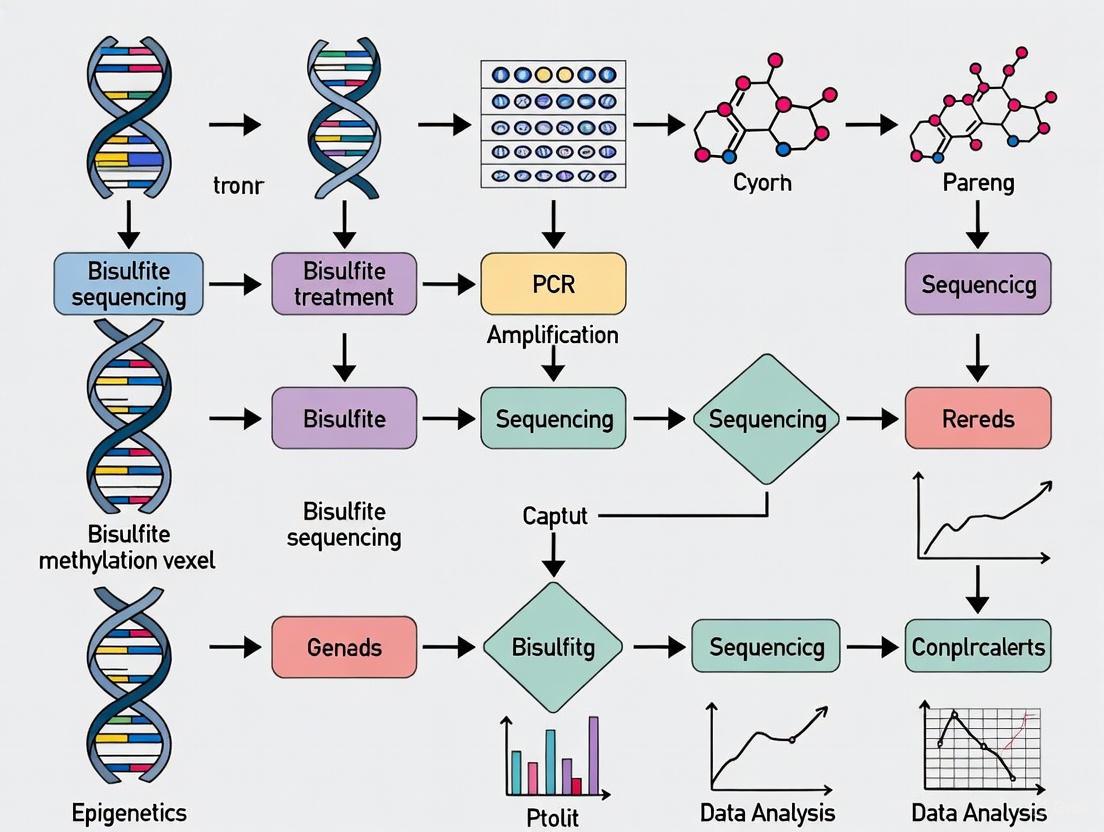
This article provides a comprehensive resource for researchers and drug development professionals on bisulfite sequencing (BS-Seq), the gold-standard technique for mapping DNA methylation at single-base resolution.
Bisulfite Sequencing: The Definitive Guide to Genome-Wide DNA Methylation Mapping for Researchers
Abstract
This article provides a comprehensive resource for researchers and drug development professionals on bisulfite sequencing (BS-Seq), the gold-standard technique for mapping DNA methylation at single-base resolution. It covers foundational principles, from the bisulfite conversion chemistry that discriminates methylated cytosines to the critical biological roles of 5mC. The guide details major methodological approaches—including Whole-Genome (WGBS), Reduced Representation (RRBS), and single-cell variants—alongside their specific applications in fundamental and clinical research. It further addresses key technical challenges, such as sequencing biases and data analysis pipelines, and offers strategic insights for method selection, validation, and integration with other omics data to drive discovery in epigenetics and therapeutic development.
Unraveling the Epigenetic Code: The Principles and Power of Bisulfite Sequencing
5-Methylcytosine (5mC) is a fundamental epigenetic modification involving the addition of a methyl group to the fifth carbon of a cytosine base, primarily within CpG dinucleotides in vertebrates [1]. Often termed the "fifth base" of DNA, this chemical alteration does not change the underlying DNA sequence but exerts powerful influence over gene expression patterns, playing critical roles in development, cellular differentiation, and disease pathogenesis [1] [2]. DNA methylation patterns are dynamically established and maintained by DNA methyltransferases (DNMTs), with DNMT3A and DNMT3B responsible for de novo methylation and DNMT1 maintaining methylation patterns after DNA replication [1].
The functional consequences of 5mC depend heavily on its genomic context. When located in gene promoter regions, particularly within CpG islands, 5mC typically associates with transcriptional repression by preventing transcription factor binding and promoting chromatin compaction [3] [1]. In contrast, methylation within gene bodies often correlates with active transcription, suggesting complex, context-dependent regulatory functions [3]. This nuanced relationship makes 5mC a versatile component of the epigenetic machinery that fine-tunes gene expression in response to developmental and environmental cues.
Molecular Mechanisms and Functional Consequences
Establishment and Removal of DNA Methylation
The establishment and maintenance of 5mC patterns are carried out by DNA methyltransferases through a sophisticated biochemical mechanism. DNMTs initiate a nucleophilic attack on carbon 6 of the cytosine ring, followed by transfer of a methyl group from S-adenosylmethionine to carbon 5, resulting in 5mC formation [1]. The reverse process—DNA demethylation—occurs through both passive and active mechanisms. Passive demethylation involves dilution of methylation marks through cell division in the absence of maintenance methylation, while active demethylation employs enzymatic pathways mediated by TET (ten-eleven translocation) dioxygenases [1] [4].
The TET enzyme family catalyzes the iterative oxidation of 5mC to 5-hydroxymethylcytosine (5hmC), then to 5-formylcytosine (5fC), and finally to 5-carboxylcytosine (5caC). The latter two intermediates are excised by thymine DNA glycosylase (TDG) and replaced with unmodified cytosine through base excision repair (BER) [1]. This active demethylation pathway provides dynamic regulation of methylation status independent of DNA replication, enabling rapid epigenetic responses to environmental and cellular signals.
Gene Regulation and Chromatin Organization
5mC exerts its transcriptional effects through multiple interconnected mechanisms. In promoter regions, 5mC can directly inhibit transcription factor binding or recruit methyl-CpG-binding domain proteins (MBDs) that subsequently attract histone modifiers to establish repressive chromatin states [1]. This leads to chromatin condensation and limited accessibility of transcriptional machinery to DNA templates. The effect of 5mC on gene expression varies significantly by genomic location, with promoter methylation generally repressive and gene body methylation frequently associated with active transcription [3].
Beyond transcriptional regulation, 5mC plays crucial roles in maintaining genomic stability by suppressing transposable elements and repetitive sequences [1]. It also forms the basis for genomic imprinting and X-chromosome inactivation, epigenetic phenomena that establish parent-of-origin-specific gene expression and dosage compensation in females, respectively [5] [1]. These diverse functions underscore the central importance of 5mC in coordinating complex epigenetic programs throughout development and cellular differentiation.
Table 1: Functional Roles of 5-Methylcytosine in Different Biological Contexts
| Biological Context | Primary Function | Genomic Targets | Functional Outcome |
|---|---|---|---|
| Transcriptional Regulation | Modulation of gene expression | Gene promoters, gene bodies | Promoter methylation: repression; Gene body methylation: activation |
| Genomic Stability | Silencing of repetitive elements | Transposons, satellite repeats | Prevention of genomic instability & transposition |
| Cellular Identity | Maintenance of cell type-specific programs | Tissue-specific enhancers, promoters | Cellular differentiation & lineage commitment |
| Genomic Imprinting | Parent-of-origin expression | Imprinted control regions | Monoallelic gene expression based on parental origin |
| X-Chromosome Inactivation | Dosage compensation | X-chromosome in females | Silencing of one X chromosome in female mammals |
Bisulfite Sequencing: Fundamental Principles
Bisulfite sequencing represents the gold standard methodology for detecting 5mC at single-base resolution throughout the genome [5] [6]. The technique exploits the differential sensitivity of cytosine and 5mC to sodium bisulfite treatment, which converts unmethylated cytosines to uracil while leaving 5mC residues unaffected [5] [6]. Subsequent PCR amplification and sequencing reveal the original methylation status, with thymine substitutions indicating unmethylated cytosines and cytosine retention marking methylated positions [6].
This chemical conversion principle enables both qualitative and quantitative assessment of DNA methylation patterns, providing a robust platform for epigenetic profiling [5]. The fundamental reaction mechanism involves sulfonation of cytosine at position 5-6 double bond, followed by hydrolytic deamination at position 4, and final alkaline desulfonation to yield uracil [5]. Critically, 5mC reacts significantly more slowly with bisulfite, thereby preserving its identity throughout the process and allowing discrimination based on conversion kinetics [1].
Bisulfite Conversion Principle: This diagram illustrates the core chemical principle of bisulfite sequencing. Unmethylated cytosines undergo conversion to uracil and are read as thymine after PCR, while methylated cytosines (5mC) resist conversion and are identified as cytosines in the final sequence.
Genome-Wide DNA Methylation Analysis Methods
Whole Genome Bisulfite Sequencing (WGBS)
Whole Genome Bisulfite Sequencing represents the most comprehensive approach for DNA methylation analysis, providing single-base resolution methylation measurements across the entire genome [3] [7]. In this method, genomic DNA is randomly fragmented, followed by bisulfite conversion and next-generation sequencing [7]. The key advantage of WGBS is its unbiased coverage of all genomic regions, including intergenic regions, repeat elements, and CpG-poor areas that might be missed by targeted approaches [7].
The typical WGBS workflow involves several critical steps: (1) quality assessment of high-molecular-weight DNA; (2) library preparation with fragmentation (sonication or enzymatic); (3) bisulfite conversion using optimized protocols; (4) PCR amplification with methylation-aware polymerases; and (5) high-throughput sequencing with appropriate coverage depth [7]. A major consideration for WGBS is the substantial sequencing requirement—approximately 20-30x coverage for mammalian genomes—which can be cost-prohibitive for large sample sets [7]. Despite this limitation, WGBS remains the gold standard for comprehensive methylome characterization, particularly for discovering novel methylation patterns outside traditionally interrogated regions.
Reduced Representation Bisulfite Sequencing (RRBS)
Reduced Representation Bisulfite Sequencing offers a cost-effective alternative to WGBS by strategically enriching for CpG-rich regions of the genome [7] [8]. This method employs restriction enzyme digestion (typically MspI, which recognizes CCGG sequences) to generate fragments enriched for promoters, CpG islands, and other regulatory elements [7] [8]. Following digestion, size selection further enriches for fragments with high CpG density before bisulfite conversion and sequencing [8].
The RRBS protocol detailed in recent studies includes these essential steps [7] [8]:
- Restriction digest: MspI digestion of genomic DNA (5μg in appropriate buffer at 37°C overnight)
- End repair and A-tailing: Blunting of fragment ends and addition of 3'A-overhangs
- Adapter ligation: Ligation of methylated Illumina adapters to protect against bisulfite-induced degradation
- Size selection: Manual gel extraction or automated systems (e.g., Pippin Prep) to capture 40-220bp fragments
- Bisulfite conversion: Treatment with sodium bisulfite using optimized temperature cycling
- PCR amplification: Limited-cycle PCR to amplify converted libraries
- Sequencing: High-throughput sequencing (typically 100bp paired-end reads)
RRBS efficiently covers approximately 85% of CpG islands and 60% of gene promoters while requiring only 10-15% of the sequencing depth of WGBS, making it particularly suitable for studies with multiple samples or limited resources [7].
Enhanced Reduced Representation Bisulfite Sequencing (ERRBS)
Enhanced Reduced Representation Bisulfite Sequencing builds upon the RRBS foundation with modifications that expand genomic coverage, particularly at CpG shores and other functionally relevant regions [8]. ERRBS incorporates protocol optimizations including automated size selection, improved bisulfite conversion conditions, and enhanced bioinformatic alignment approaches [8]. These refinements increase the number of CpGs represented in the final data while maintaining the cost advantages of reduced representation approaches [8].
The critical enhancements in ERRBS include [8]:
- Extended fragment size selection (up to 400bp) to capture additional genomic regions
- Optimized bisulfite conversion with extended incubation times and temperature cycling
- Methylated adapter designs that withstand bisulfite treatment
- Bioinformatic pipelines that account for non-CpG methylation and oxidative products
ERRBS has proven particularly valuable for human clinical samples where input material may be limited, as the protocol has been successfully applied with as little as 5-10ng of DNA [8]. The method demonstrates robust performance across diverse species, including human, mouse, and agricultural animals [8].
Genome-Wide Methylation Analysis Workflow: This flowchart compares the two primary approaches for genome-wide DNA methylation analysis. WGBS provides unbiased whole-genome coverage, while RRBS/ERRBS uses restriction enzyme digestion to enrich for CpG-rich regions, offering a cost-effective alternative.
DNA Methylation in Disease and Development
Cancer and Aberrant Methylation Patterns
Altered DNA methylation patterns represent a hallmark of cancer, featuring both global hypomethylation and localized hypermethylation [1]. Genome-wide hypomethylation primarily affects repetitive elements and intergenic regions, contributing to genomic instability and activation of transposable elements [1]. Concurrently, promoter hypermethylation silences tumor suppressor genes, providing selective advantages to cancer cells [1]. These aberrant patterns often involve overexpression of DNMT1, DNMT3A, and DNMT3B, driving the establishment and maintenance of pathological methylation landscapes [1].
The reversibility of epigenetic modifications makes DNA methylation an attractive therapeutic target. Drugs targeting DNA methylation, such as cisplatin, have been reported to interact with 5mC, highlighting the intersection between epigenetic therapies and conventional chemotherapy [1]. Additionally, the relationship between 5mC and oxidative products like 5hmC has significant implications in cancer, with global loss of 5hmC serving as a common feature in aggressive tumors [4]. This loss often results from TET enzyme mutations or dysfunctions, contributing directly to tumorigenesis through altered epigenetic regulation [4].
Neurological Function and Brain Development
DNA methylation plays particularly important roles in neurological function and brain development. Recent research in non-human primates has revealed that cerebellum-specific methylation patterns help establish regional brain identity, with differentially methylated regions significantly enriched in metabolic pathways [9]. These findings highlight how DNA methylation contributes to the specialization of brain regions through precise regulation of gene expression programs [9].
The conversion of 5mC to 5hmC via TET enzymes is especially critical in neuronal cells, where 5hmC is particularly abundant and serves important functions in regulating genes essential for cognitive functions, learning, and memory [4]. Altered 5hmC levels have been linked to various neurological disorders, including Alzheimer's disease, where decreased neuronal 5hmC may contribute to pathogenesis [4]. The dynamic regulation of both 5mC and 5hmC in response to environmental stimuli further underscores the importance of epigenetic mechanisms in brain plasticity and function.
Table 2: DNA Methylation Aberrations in Human Disease
| Disease Category | Methylation Alterations | Functional Consequences | Potential Biomarkers/Therapeutic Targets |
|---|---|---|---|
| Cancer | Global hypomethylation; Promoter hypermethylation of tumor suppressors | Genomic instability; Silencing of growth regulators | DNMT inhibitors; TET enzyme restoration |
| Neurodevelopmental Disorders | Altered methylation at synaptic genes; Changed 5hmC patterns in neurons | Impaired neuronal connectivity; Cognitive deficits | Cerebellum-specific DMRs; 5hmC as biomarker |
| Autoimmune Diseases | Hypomethylation of immune response genes | Overactive immune responses; Inflammation | Cell-free methylated DNA detection |
| Metabolic Disorders | Tissue-specific methylation changes in metabolic genes | Altered glucose/lipid metabolism; Insulin resistance | Mitochondrial gene methylation patterns |
Research Reagent Solutions for Bisulfite Sequencing
Successful bisulfite sequencing experiments require carefully selected reagents and kits optimized for epigenetic applications. The following table summarizes essential materials and their functions based on established protocols from the literature.
Table 3: Essential Research Reagents for Bisulfite Sequencing Studies
| Reagent Category | Specific Products | Function | Technical Considerations |
|---|---|---|---|
| DNA Extraction | Wizard Genomic DNA Purification Kit (Promega) | High-quality DNA isolation | Maintain DNA integrity >40kb for mammalian genomes [5] |
| Bisulfite Conversion | EZ-DNA Methylation Kit (Zymo Research), EpiTect Bisulfite Kit (Qiagen) | Chemical conversion of unmethylated C to U | Protect from light; optimize incubation times [5] [7] |
| Restriction Enzymes | MspI (for RRBS/ERRBS) | CCGG site recognition for reduced representation | Methylation-insensitive; creates CG overhangs [7] [8] |
| Library Preparation | Illumina TruSeq Library Prep Kit | Adapter ligation, size selection | Use methylated adapters for bisulfite sequencing [7] |
| Size Selection | Pippin Prep System, Manual gel extraction | Fragment isolation for RRBS/ERRBS | 40-220bp for standard RRBS; up to 400bp for ERRBS [8] |
| PCR Amplification | High-fidelity polymerases | Library amplification post-conversion | Limited cycles to avoid bias; methylation-aware enzymes |
| Quality Control | Bioanalyzer (Agilent), Fluorescence assays | Quantification and quality assessment | Verify fragment size distribution; accurate quantification [7] |
Advanced Technical Considerations and Protocol Optimization
Critical Parameters for Bisulfite Conversion
The bisulfite conversion reaction represents the most technically sensitive step in DNA methylation analysis, with efficiency directly impacting data quality and interpretation. Optimal conversion requires careful control of multiple parameters: reaction pH should be maintained at approximately 5.0, with sodium bisulfite concentrations of 3-5M, and incubation times of 12-16 hours at 50°C in the dark to prevent reagent degradation [5]. Some protocols employ modified conversion conditions with temperature cycling (e.g., 99°C for 5min, 60°C for 25min, repeated intervals) to improve conversion efficiency while minimizing DNA degradation [7].
Post-conversion purification must thoroughly remove bisulfite salts while preserving often-fragmented DNA. Commercial cleanup kits typically employ column-based desalting combined with desulfonation under alkaline conditions (NaOH treatment at 37°C for 15 minutes) to complete the conversion process [5]. Quality assessment of converted DNA should include evaluation of conversion efficiency through control sequences and measurement of DNA degradation, as excessive fragmentation can compromise library preparation and subsequent sequencing quality.
Bioinformatics and Data Analysis Considerations
The unique characteristics of bisulfite-converted DNA necessitate specialized bioinformatic approaches for accurate alignment and methylation calling. Key considerations include:
- Three-letter alignment: After conversion, unmethylated reads contain T's instead of C's (excluding CpG contexts), requiring alignment algorithms that account for this non-complementarity
- Strand-specific mapping: Bisulfite treatment destroys complementarity between DNA strands, requiring separate alignment to forward and reverse strands
- Bias correction: Sequence-specific biases in bisulfite conversion efficiency must be accounted for in quantitative methylation estimates
- Oxidation product discrimination: Advanced protocols must distinguish 5mC from 5hmC, which requires additional oxidative bisulfite sequencing approaches
Statistical analysis of methylation data should consider the binomial distribution of sequencing reads and incorporate appropriate multiple testing corrections for differential methylation analysis across thousands of CpG sites simultaneously. Integration with complementary epigenetic datasets, including histone modifications and chromatin accessibility, provides more comprehensive insights into functional epigenetic regulation.
The comprehensive analysis of 5-methylcytosine through bisulfite sequencing methodologies has revolutionized our understanding of epigenetic regulation in health and disease. From its fundamental role as the "fifth base" fine-tuning gene expression programs to its implementation as a clinical biomarker, 5mC continues to reveal new dimensions of genomic regulation. The ongoing refinement of bisulfite-based technologies—particularly the development of enhanced reduced representation approaches and integration with other epigenetic modalities—promises to further illuminate the dynamic interplay between DNA methylation, other epigenetic marks, and genome function.
Future directions in the field include the development of single-cell bisulfite sequencing to resolve cellular heterogeneity in epigenetic patterns, long-read sequencing technologies to capture haplotype-specific methylation, and multi-omics integration to understand the coordinated regulation of epigenetic layers. As these technologies mature and become more accessible, our ability to decipher the complex epigenetic code governing development, cellular identity, and disease pathogenesis will continue to expand, opening new avenues for diagnostic and therapeutic applications.
DNA methylation, primarily occurring at the C5 position of cytosine bases within CpG dinucleotides, represents a crucial epigenetic mechanism governing gene expression, embryonic development, and cellular differentiation [5]. For decades, researchers sought methods to distinguish methylated cytosines from their unmethylated counterparts to decipher epigenetic codes. The bisulfite conversion revolution began with the fundamental discovery that sodium bisulfite treatment enables precise discrimination between these chemically similar bases through differential deamination rates [10]. This biochemical disparity forms the basis for virtually all modern DNA methylation analysis techniques, providing researchers with an powerful tool for creating detailed methylation maps with single-base-pair resolution [5].
The treatment of DNA with sodium bisulfite catalyzes the conversion of unmethylated cytosine to uracil through a multi-step chemical process involving sulfonation, deamination, and desulfonation, while 5-methylcytosine (5mC) remains largely unaffected under optimized conditions [11] [12]. Following PCR amplification, uracil bases are replaced by thymine, creating measurable sequence differences between originally methylated and unmethylated templates [5]. This transformation allows researchers to interpret thymine signals as originally unmethylated cytosines and cytosine signals as methylated cytosines after sequencing and alignment to a reference genome [11].
Chemical Mechanism: The Biochemical Basis of Selective Deamination
The bisulfite conversion process operates through a precise three-step reaction mechanism that differentially modifies cytosine based on its methylation status. Understanding this mechanism is crucial for optimizing experimental parameters and interpreting results accurately.
Stepwise Reaction Pathway
- Sulfonation: Cytosine undergoes rapid sulfonation at the C5-C6 double bond, forming cytosine sulfonate. This reaction increases the susceptibility of the base to hydrolytic deamination but occurs differently based on methylation status [5].
- Hydrolytic Deamination: The intermediate cytosine sulfonate undergoes hydrolytic deamination, forming uracil sulfonate. This step demonstrates significant kinetic differences between cytosine and 5-methylcytosine, with the latter reacting orders of magnitude slower due to steric and electronic effects of the methyl group [10].
- Alkaline Desulfonation: Under alkaline conditions, uracil sulfonate undergoes desulfonation to yield uracil, which is subsequently amplified as thymine during PCR [5].
The critical discrimination arises from the substantially slower deamination rate of 5-methylcytosine compared to unmethylated cytosine, allowing researchers to control reaction conditions where conversion is nearly complete for unmethylated bases while methylated bases remain intact [10].
Table 1: Key Reaction Parameters and Their Impact on Conversion Efficiency
| Parameter | Optimal Range | Impact on Conversion | Effect on DNA Integrity |
|---|---|---|---|
| Temperature | 55°C (long) / 70-95°C (short) | Complete C→U conversion at higher temps | Increased degradation at >70°C |
| Time | 4-18h (55°C) / 30-90min (70-95°C) | Longer times ensure complete conversion | Progressive damage with extended incubation |
| Bisulfite Concentration | 3-5 M | Higher concentrations accelerate reaction | Increased fragmentation at high concentrations |
| pH | 5.0-5.2 | Optimal for deamination kinetics | Acidic conditions promote depurination |
Figure 1: Bisulfite Conversion Workflow and Differential Outcomes for Methylated and Unmethylated Cytosine
Critical Experimental Parameters: Optimizing Conversion Efficiency
The accuracy of bisulfite conversion depends critically on several experimental parameters that must be carefully optimized to balance complete conversion with DNA integrity preservation. Systematic investigations have quantified the effects of these variables on conversion efficiency and DNA recovery.
Temperature and Time Optimization
Temperature represents one of the most significant factors influencing bisulfite conversion kinetics. Research demonstrates that complete cytosine conversion can be achieved through different temperature-time combinations:
- Low-Temperature Protocol: Incubation at 55°C for 4-18 hours provides maximum conversion rates (≥97%) while minimizing DNA degradation [10].
- High-Temperature Protocol: Elevated temperatures of 70-95°C achieve similar conversion efficiency in significantly reduced time (30-90 minutes) but increase DNA fragmentation [13] [10].
- Rapid Protocols: Recent optimized methods demonstrate that complete conversion (≥99.5%) can be achieved in just 10 minutes at 90°C or 30 minutes at 70°C, representing an optimal balance for clinical applications requiring rapid processing [13].
DNA Preservation and Recovery
A significant challenge in bisulfite conversion is the substantial DNA degradation that occurs during treatment, with studies showing 84-96% of DNA is degraded under standard conditions [10]. This presents particular difficulties for applications involving limited starting material such as cell-free DNA analysis from liquid biopsies. Several strategies have been developed to address this limitation:
- Silica Column Purification: Modified purification protocols using silica columns specifically designed for bisulfite-treated DNA can improve recovery rates to approximately 65%, significantly enhancing detection sensitivity [13].
- Fragment Size Selection: For Reduced Representation Bisulfite Sequencing (RRBS), size selection of fragments (typically 40-220 bp) after enzymatic digestion enriches for CpG-rich regions while minimizing the impact of fragmentation [14].
- Methylated Adapters: Using adapters with methylated cytosines prevents their degradation during bisulfite treatment, maintaining library complexity and improving sequencing quality [14].
Table 2: Quantitative Comparison of Bisulfite Conversion Methods and Outcomes
| Method | Conversion Efficiency | DNA Recovery | Optimal Application | Limitations |
|---|---|---|---|---|
| Standard Protocol [10] | 97-99% | 4-16% | High-input WGBS | Extensive degradation; long procedure |
| Rapid Protocol [13] | >99.5% | ~65% | Cell-free DNA, clinical samples | Potential over-conversion at extremes |
| Commercial Kits [13] | >99% | 50-70% | Routine applications; standardized workflows | Higher cost; proprietary conditions |
| RRBS Protocol [14] | >99% | Varies with size selection | CpG island-focused studies | Limited genomic coverage |
Research Reagent Solutions: Essential Materials for Bisulfite Conversion
Successful bisulfite conversion requires specific reagents carefully formulated to maintain reaction stability and ensure reproducible results across experiments.
Table 3: Essential Research Reagents for Bisulfite Conversion Experiments
| Reagent | Composition/Type | Function | Critical Notes |
|---|---|---|---|
| Sodium Bisulfite | 3-5 M solution, pH 5.0-5.2 | Primary conversion catalyst | Must be freshly prepared or properly stored under anhydrous conditions |
| Hydroquinone | 100-125 mM | Antioxidant protecting bisulfite from oxidation | Light-sensitive; requires protection from light |
| DNA Isolation Kits | Silica-based columns | High-quality DNA extraction | Recommended for consistent yield and purity |
| Methylated Adapters | Illumina-compatible with methylated C | Library preparation for sequencing | Prevents adapter degradation during conversion |
| Desulfonation Reagents | 3 M NaOH solution | Alkaline desulfonation to complete conversion | Critical step to remove bisulfite adducts |
| DNA Polymerase | Bisulfite-converted DNA optimized | Amplification of converted DNA | Must lack uracil-excision activity |
Advanced Applications: From Basic Research to Clinical Implementation
The development of robust bisulfite conversion protocols has enabled numerous advanced applications that leverage its ability to discriminate methylated cytosines at single-base resolution.
Whole-Genome Bisulfite Sequencing (WGBS)
WGBS applies bisulfite conversion to entire genomes, allowing comprehensive methylation profiling across all cytosine contexts. This approach provides single-base resolution methylation maps that have revealed fundamental biological insights:
- Recent human methylome atlases based on deep WGBS have identified distinctive methylation patterns across 39 normal cell types, demonstrating greater than 99.5% identity between biological replicates of the same cell type [15].
- WGBS enables identification of differentially methylated regions (DMRs) with applications in developmental biology, cancer epigenetics, and biomarker discovery [15].
- Analysis of WGBS data requires specialized bioinformatics tools due to the reduced sequence complexity following conversion, with several pipelines now available specifically for this purpose [16].
Reduced Representation Bisulfite Sequencing (RRBS)
RRBS combines methylation-insensitive restriction enzymes (typically MspI) with bisulfite sequencing to focus analysis on CpG-rich regions, providing a cost-effective alternative to WGBS:
- The MspI enzyme recognizes CCGG sequences regardless of methylation status, enriching for genomic regions with high CpG density [14] [11].
- Post-digestion size selection (40-220 bp) further enriches for CpG islands and promoter regions, capturing approximately 1-2% of the genome while representing the majority of CpG-rich regulatory elements [11].
- Multiplexed RRBS protocols allow efficient processing of multiple samples simultaneously, incorporating methylated adapters and optimized PCR cycles to maintain library complexity [14].
Figure 2: Reduced Representation Bisulfite Sequencing (RRBS) Workflow with CpG Enrichment
Clinical and Translational Applications
Bisulfite conversion has enabled the development of methylation-based biomarkers with significant clinical potential:
- Analysis of cell-free DNA methylation patterns in plasma using highly sensitive bisulfite protocols allows non-invasive cancer detection and monitoring [13].
- Optimization of bisulfite conversion for fragmented DNA has been particularly important for liquid biopsy applications, where DNA recovery is critical due to limited starting material [13].
- The remarkable stability of methylation patterns across individuals (99.5% identity between replicates of the same cell type) makes them ideal biomarkers for tracing tissue of origin in mixed samples [15].
Technical Considerations and Troubleshooting
Despite its widespread adoption, bisulfite conversion presents several technical challenges that researchers must address through careful experimental design and appropriate controls.
Incomplete Conversion and False Positives
Incomplete bisulfite conversion represents the most significant source of false positives in methylation detection. Several strategies can minimize this risk:
- Conversion Efficiency Controls: Include completely unmethylated DNA (such as lambda phage DNA) to verify complete conversion, with expected conversion rates ≥99.5% [13].
- Quality Assessment: Utilize mitochondrial DNA or other known unmethylated genomic regions as internal controls for conversion efficiency [14].
- Primer Design: Design primers specifically for bisulfite-converted DNA, placing them in regions devoid of CpG sites to ensure unbiased amplification of both methylated and unmethylated templates [5].
DNA Degradation and Quality Issues
The extensive DNA degradation during bisulfite treatment necessitates specific quality control measures:
- Input DNA Quality: Begin with high-molecular-weight DNA to maximize recovery of amplifiable fragments after conversion.
- Quantification Methods: Use fluorescence-based quantification rather than UV absorbance, which overestimates DNA concentration after bisulfite treatment due to RNA contamination and protein interference.
- Library Complexity Assessment: For sequencing applications, monitor library complexity through duplicate read rates and adjust input amounts or amplification cycles accordingly [14].
Distinguishing 5mC from 5hmC
A significant limitation of conventional bisulfite treatment is its inability to distinguish 5-methylcytosine (5mC) from 5-hydroxymethylcytosine (5hmC), as both resist conversion [17] [11]. This has led to the development of:
- Oxidative Bisulfite Sequencing: Additional oxidation steps that specifically convert 5hmC to 5-formylcytosine, which subsequently deaminates to uracil during bisulfite treatment, allowing discrimination between 5mC and 5hmC.
- Enzymatic Methods: New bisulfite-free techniques that use enzymatic modification for direct and accurate methylation mapping, providing an alternative approach for specific applications [17].
The bisulfite conversion method continues to evolve with improved protocols addressing its limitations while maintaining its core advantage: unambiguous identification of methylated cytosines at single-base resolution across the genome. As the foundation for most modern DNA methylation analysis, it remains an indispensable tool in the epigenetic research arsenal, enabling discoveries across diverse fields from basic developmental biology to clinical diagnostics.
Bisulfite Sequencing (BS-seq) represents the gold standard technology for detecting DNA methylation at single-base resolution, providing critical insights into epigenetic regulation [5] [18]. This powerful method leverages the differential chemical reactivity of methylated and unmethylated cytosines when treated with sodium bisulfite, enabling researchers to precisely map methylation patterns across the genome [19]. The fundamental principle underpinning BS-seq is that bisulfite treatment converts unmethylated cytosines to uracil, which are then amplified as thymine during PCR, while methylated cytosines remain protected from conversion and are read as cytosines in subsequent sequencing [20] [5]. This chemical conversion allows for the accurate discrimination between methylated and unmethylated positions, making BS-seq an indispensable tool for studying the role of DNA methylation in gene expression, embryonic development, cellular differentiation, and disease mechanisms such as cancer [20] [5] [19].
Key Methodological Variations in BS-Seq
The BS-seq ecosystem encompasses several methodological approaches tailored to different research needs, ranging from comprehensive whole-genome analysis to cost-effective targeted interrogation. The choice of method depends on the specific biological question, genomic scope, and available resources [20] [19].
Table 1: Comparison of Major BS-Seq Methodologies
| Method | Resolution | Coverage | Key Features | Best Applications |
|---|---|---|---|---|
| Whole Genome Bisulfite Sequencing (WGBS) | Single-base | Entire genome | Unbiased methylation profiling; identifies non-CpG methylation [20] [18] | Comprehensive epigenomic studies; novel biomarker discovery [20] [19] |
| Reduced Representation Bisulfite Sequencing (RRBS) | Single-base | CpG-rich regions | Uses restriction enzymes (e.g., MspI) to enrich for CpG islands; cost-effective [20] [18] | Large-scale clinical studies; focused hypothesis testing [20] |
| Targeted Bisulfite Sequencing | Single-base | Specific regions | High depth at targeted loci; uses custom primers or probes [19] | Validation studies; clinical marker screening; candidate gene analysis [19] |
| Oxidative Bisulfite Sequencing (oxBS-Seq) | Single-base | Configurable | Distinguishes 5mC from 5hmC by oxidizing 5hmC to 5fC [20] [19] | Hydroxymethylation studies; precise methylation quantification [20] |
Experimental Workflow: From Sample to Data
Sample Preparation and Bisulfite Conversion
The initial phase of any BS-seq experiment begins with careful sample preparation and the critical bisulfite conversion step. High-quality genomic DNA is extracted from biological samples using commercial kits, with recommended inputs typically ranging from 1-10μg [5]. The DNA undergoes bisulfite treatment using sodium bisulfite solution (typically 5M concentration with 125mM hydroquinone) at 50°C for 12-16 hours in the dark [5]. This treatment converts unmethylated cytosines to uracil via hydrolytic deamination while leaving methylated cytosines unchanged [19]. Following conversion, the DNA is desulphonated, purified, and eluted in TE buffer or deionized water. Commercial bisulfite conversion kits such as the EpiTect Bisulfite Kit (Qiagen) streamline this process, though conventional protocols can be optimized in-house [5]. Special considerations apply to challenging sample types like FFPE tissues, which may require protocol modifications including end-polishing and optimized buffer selection to address DNA degradation issues [19].
Library Preparation and Sequencing
Post-conversion, the bisulfite-treated DNA proceeds through library preparation, which involves fragmentation (typically to 100-300bp fragments via sonication), end repair, adapter ligation, and size selection [20]. For PCR amplification, specific considerations are necessary due to the reduced sequence complexity of bisulfite-converted DNA. Primers are typically longer (26-30 bases) and should avoid CpG sites where possible; if unavoidable, mixed bases should be incorporated at the cytosine position [19]. PCR conditions require optimization with higher cycle numbers (35-40 cycles) and annealing temperatures between 55-60°C [19]. The resulting libraries are then subjected to high-throughput sequencing, with platform-specific considerations. The ENCODE consortium recommends a minimum read length of 100 base pairs and specific coverage requirements depending on the experimental goals [21].
Table 2: Experimental Design Recommendations for BS-Seq
| Parameter | Recommendation | Rationale |
|---|---|---|
| Sequencing Coverage | 5×-15× for DMR detection; 30× for comprehensive analysis [21] [22] | Balances cost with power to detect differentially methylated regions (DMRs) [22] |
| Biological Replicates | Minimum of 2 per condition [21] | Ensures statistical robustness and reproducibility [22] |
| Bisulfite Conversion Efficiency | ≥98% [21] | High conversion reduces false positives from incomplete conversion |
| Read Length | Minimum 100bp [21] | Sufficient length for accurate alignment despite reduced complexity |
| CpG Coverage | ≥90% of CpGs at ≥10x coverage for human WGBS [21] | Ensures comprehensive methylation profiling |
Computational Analysis Pipeline
The computational workflow for BS-seq data transforms raw sequencing reads into interpretable methylation patterns through a series of specialized bioinformatics steps. This pipeline requires tools specifically designed to handle the unique characteristics of bisulfite-converted DNA [18] [21].
Read Alignment and Methylation Calling
The initial computational steps focus on aligning the converted reads to a reference genome and extracting methylation information. Specialized aligners such as Bismark, bwa-meth, or BatMeth2 are essential as they account for the C-to-T conversions in the reads by using in silico bisulfite-converted reference genomes [18] [23]. The alignment process is followed by methylation calling, where each cytosine position is evaluated for methylation status based on the ratio of converted to unconverted reads. The output is typically stored in coverage files that record the chromosome coordinates, number of reads supporting methylated calls, total read coverage, and percentage methylation for each cytosine [18]. For example, Bismark coverage files contain exactly these data points, providing the foundation for all downstream analyses [18].
Quality Control and Validation
Rigorous quality control is paramount throughout the BS-seq analytical pipeline. Key QC metrics include:
- Bisulfite conversion efficiency: Calculated by examining conversion rates in non-CpG contexts or spiked-in unmethylated controls, with the ENCODE consortium recommending ≥98% conversion efficiency [21]
- Coverage distribution: Assessed to ensure adequate and uniform coverage across target regions
- Sequence quality: Evaluated using tools like FastQC to identify issues with read quality or adapter contamination [19]
- Correlation between replicates: Pearson correlation ≥0.8 for CpG sites with ≥10x coverage is recommended by ENCODE standards [21]
Additional validation may include comparison with known methylation patterns or orthogonal validation of key findings using alternative methods such as pyrosequencing or Methylation-Specific PCR (MSP) [5].
Differential Methylation Analysis
Identifying differentially methylated regions (DMRs) or positions (DMPs) represents a core analytical goal in most BS-seq studies. This process involves statistical comparison of methylation levels between experimental conditions using specialized tools such as methylKit or BSmooth [18] [22]. The choice of tool depends on the analytical approach: smoothing-based methods like BSmooth are particularly effective for identifying regional differences, while single-CpG resolution tools like MOABS provide finer granularity [22]. The statistical power for DMR detection is strongly influenced by sequencing depth, with coverage recommendations varying based on the expected methylation differences—smaller differences (e.g., 10-20%) require higher coverage (10-15x), while larger differences (>30%) can be reliably detected at lower coverage (5x) [22].
Visualization and Interpretation
Effective visualization of BS-seq data enables researchers to extract biological insights from complex methylation patterns. Multiple specialized tools have been developed for this purpose:
- BSXplorer: A Python package that facilitates efficient methylation data mining, contrasting, and visualization, supporting meta-gene analyses, clustering, and chromosome-level methylation profiles [24]
- ViewBS: An open-source toolkit that generates publication-quality figures such as meta-plots, heat maps, and violin-boxplots [25]
- BatMeth2: Provides integrated visualization capabilities including DNA methylation distribution across chromosomes and functional regions [23]
These tools enable researchers to identify methylation patterns characteristic of specific genomic features, such as promoter hypermethylation associated with gene silencing or gene body methylation correlated with transcriptional activity [24] [19].
The Scientist's Toolkit: Essential Research Reagents and Materials
Table 3: Essential Research Reagents and Materials for BS-Seq Experiments
| Category | Specific Products/Tools | Function | Considerations |
|---|---|---|---|
| DNA Extraction | Wizard Genomic DNA Purification Kit (Promega) [5] | High-quality DNA isolation | Critical for downstream conversion efficiency |
| Bisulfite Conversion | EpiTect Bisulfite Kit (Qiagen) [5] | Converts unmethylated C to U | Commercial kits enhance reproducibility |
| Library Prep | End repair enzymes, dA-tailing reagents, methylated adapters [20] | Prepares DNA for sequencing | Specialized protocols for FFPE samples available [19] |
| PCR Amplification | High-fidelity "hot start" polymerases [19] | Amplifies converted DNA | Reduces non-specific amplification; requires 35-40 cycles [19] |
| Cloning & Sequencing | pGEM-T Easy Vector System (Promega) [5] | Single-molecule methylation analysis | Essential for assessing methylation pattern distribution |
| Alignment & Analysis | Bismark, BatMeth2, BSXplorer, methylKit [24] [18] [23] | Data processing and interpretation | Specialized for bisulfite-converted sequences |
| Nintedanib | Nintedanib|Tyrosine Kinase Inhibitor|RUO | Nintedanib is a potent, multi-targeted tyrosine kinase inhibitor for research use only (RUO). Not for human consumption. Explore applications in fibrotic disease and oncology. | Bench Chemicals |
| ISPA-28 | ISPA-28|PSAC Antagonist|CAS 1006335-39-2 | ISPA-28 is a specific plasmodial surface anion channel (PSAC) antagonist for malaria research. For Research Use Only. Not for human use. | Bench Chemicals |
Troubleshooting and Optimization
Successful BS-seq experiments require attention to potential technical challenges and their solutions:
- Incomplete bisulfite conversion: Can lead to false positive methylation calls. Solution: Use fresh bisulfite reagents, ensure proper pH (5.0), and include unmethylated controls to monitor conversion efficiency [5]
- DNA degradation during conversion: Solution: Optimize incubation times and temperature, and use commercial kits designed to minimize degradation [19]
- Low library complexity: Solution: Increase DNA input, optimize fragmentation conditions, and use high-fidelity polymerases during amplification [19]
- PCR bias: Solution: Limit PCR cycles, use proofreading enzymes, and employ duplicate concordance analysis to identify amplification artifacts [19]
- Inadequate coverage: Solution: Adjust sequencing depth based on experimental goals, with higher coverage (15-30x) required for detecting subtle methylation differences [22]
The fundamental workflow of BS-seq—from reads to results—encompasses a sophisticated integration of wet-lab methodologies and computational analyses, all designed to precisely map DNA methylation patterns at single-base resolution. As a gold-standard technique in epigenomics, BS-seq provides unprecedented insights into the methylation landscapes that regulate gene expression and cellular function. The continuous refinement of BS-seq protocols, including the development of specialized variations like RRBS and oxBS-seq, has expanded its accessibility and application across diverse research contexts. By adhering to established best practices for experimental design, library preparation, sequencing, and bioinformatic analysis, researchers can leverage this powerful technology to advance our understanding of epigenetic regulation in development, disease, and therapeutic interventions.
Bisulfite Sequencing (BS-Seq) has firmly established itself as the gold standard method for profiling DNA methylation, a critical epigenetic modification involved in gene regulation, embryonic development, and disease pathogenesis. This application note details why BS-Seq maintains this premier status, focusing on its unparalleled single-nucleotide resolution and comprehensive genome-wide coverage. We provide detailed protocols for whole-genome and single-cell BS-Seq methodologies, complete with visualization of workflows, essential reagent solutions, and quantitative performance data to support researchers in leveraging this powerful technique for advanced epigenetic research and drug development.
DNA methylation, specifically the addition of a methyl group to the 5th carbon atom of cytosine, forming 5-methylcytosine (5-mC), is one of the most abundant and well-studied epigenetic marks in eukaryotic organisms [20]. This modification predominantly occurs at cytosine-phosphate-guanine (CpG) sites and plays pivotal roles in transcriptional regulation, X-chromosome inactivation, genomic imprinting, transposon silencing, and cellular differentiation [19]. Aberrant DNA methylation patterns are strongly implicated in various diseases, most notably cancer, making the precise mapping of this epigenetic mark essential for understanding disease mechanisms and identifying therapeutic targets [19].
Bisulfite Sequencing (BS-Seq) represents the method of choice for profiling DNA cytosine methylation genome-wide at single-nucleotide resolution [26]. The fundamental principle underpinning BS-Seq involves treating genomic DNA with sodium bisulfite, which selectively deaminates unmethylated cytosines to uracils, while methylated cytosines remain protected from conversion [27]. During subsequent PCR amplification and sequencing, uracils are amplified as thymines, allowing for the discrimination between methylated (read as cytosines) and unmethylated (read as thymines) positions by comparing treated sequences to a reference genome [27] [19]. This chemical conversion process, combined with next-generation sequencing (NGS) technologies, enables researchers to obtain quantitative methylation levels for each mappable cytosine position throughout the genome [26].
Advantages Establishing BS-Seq as the Gold Standard
BS-Seq maintains its status as the gold standard for DNA methylation analysis due to a combination of unmatched technical capabilities that address the core requirements of epigenetic research.
- Single-Nucleotide Resolution: Unlike array-based or enrichment-based methods, BS-Seq provides base-pair resolution data, revealing the exact methylation status of every individual cytosine base in the genome. This allows for the detection of precise methylation boundaries, allele-specific methylation, and mosaic methylation patterns that would be obscured in bulk analyses [26] [27].
- Comprehensive Genomic Coverage: Whole-genome bisulfite sequencing (WGBS) enables the unbiased interrogation of methylation patterns across all genomic contexts, including CpG islands, shores, shelves, gene bodies, intergenic regions, and repetitive elements [27] [19]. This is crucial as methylation in non-promoter regions plays significant regulatory roles.
- Quantitative Accuracy: BS-Seq provides quantitative measurements of methylation levels at each cytosine. By counting the number of reads displaying a C (methylated) versus a T (unmethylated) at each position, researchers can calculate a precise percentage of methylation for that locus, enabling sensitive detection of subtle methylation changes [20].
- Versatility across Methylation Contexts: While most abundant in CpG contexts, DNA methylation also occurs in non-CpG contexts (CHH and CHG, where H is A, T, or C) in certain cell types, such as embryonic stem cells and neurons. BS-Seq is uniquely capable of simultaneously detecting methylation in all these sequence contexts from a single experiment [27].
Table 1: Key Advantages of BS-Seq Establishing it as the Gold Standard
| Feature | Description | Research Implication |
|---|---|---|
| Single-Base Resolution | Determines methylation status of each individual cytosine. | Reveals precise methylation patterns and heterogeneous methylation at individual alleles. |
| Genome-Wide Coverage | Interrogates methylation unbiasedly across the entire genome. | Discovers novel methylated regions without prior knowledge of target sites. |
| Quantitative Precision | Measures methylation levels as a continuous percentage per site. | Enables detection of subtle methylation changes in response to stimuli or in disease. |
| Context Versatility | Detects CpG, CHG, and CHH methylation simultaneously. | Provides a complete picture of the methylome in cells where non-CpG methylation is functional. |
| High Sensitivity & Specificity | Robust discrimination between methylated and unmethylated cytosines after conversion. | Generates highly reliable data suitable for validation studies and biomarker discovery. |
Comparative Analysis of BS-Seq Methodologies
The core BS-Seq protocol has been adapted into several specialized methodologies, each optimized for specific research goals, sample types, and budgetary constraints. The choice between these methods depends on the trade-off between coverage, resolution, cost, and sample input.
- Whole-Genome Bisulfite Sequencing (WGBS): This is the most comprehensive approach, providing single-base resolution maps of DNA methylation across the entire genome. It covers CpG and non-CpG methylation in dense, less dense, and repeat regions without bias [27] [19]. The main challenges include higher cost due to deep sequencing requirements and data complexity.
- Reduced-Representation Bisulfite Sequencing (RRBS): RRBS uses restriction enzymes (e.g., MspI) to digest genomic DNA and size-select for fragments rich in CpG islands, thereby enriching for promoter and regulatory regions [27] [20]. This method is cost-effective as it reduces the portion of the genome that needs to be sequenced, but it only covers about 10-15% of all CpGs, primarily those in CpG-dense regions [27].
- Single-Cell Bisulfite Sequencing (scBS-seq): This protocol allows for genome-wide DNA methylation mapping from individual cells, enabling the resolution of intercellular heterogeneity and analysis of rare cell types [28]. It is instrumental in studying embryonic development, tumor heterogeneity, and neuronal diversity. While powerful, it covers a lower percentage of CpGs (~50% in mouse genomes) and requires specialized bioinformatics expertise [28].
- Oxidative Bisulfite Sequencing (oxBS-Seq): A specialized variant that chemically resolves 5-methylcytosine (5mC) from 5-hydroxymethylcytosine (5hmC), another important oxidative derivative of 5mC [27] [19]. This provides absolute quantification of 5mC at single-base resolution, addressing a significant limitation of standard BS-Seq.
Table 2: Comparison of Primary Bisulfite Sequencing Methodologies
| Method | Resolution | Coverage | Key Advantage | Primary Limitation |
|---|---|---|---|---|
| WGBS | Single-base | Full genome (~90% of CpGs) | Unbiased, comprehensive methylome | Higher cost and computational load |
| RRBS | Single-base | Targeted (~1-3 million CpGs) | Cost-effective for CpG-rich regions | Bias from enzyme selection; misses many genomic regions |
| scBS-seq | Single-base | Genome-wide (up to ~50% of CpGs per cell) | Reveals cellular heterogeneity | Lower per-cell coverage; technically challenging |
| oxBS-Seq | Single-base | Full genome | Discriminates 5mC from 5hmC | Additional oxidative step increases complexity |
| Targeted BS-Seq | Single-base | User-defined regions | High depth for specific loci | Requires prior knowledge of regions of interest |
Figure 1: Core Workflow for Whole-Genome Bisulfite Sequencing (WGBS). The critical bisulfite conversion step chemically discriminates methylated from unmethylated cytosines.
Detailed Experimental Protocols
Protocol: Whole-Genome Bisulfite Sequencing (WGBS)
This protocol is designed for a 2-day experiment to profile DNA methylation genome-wide from high-quality genomic DNA [26] [20].
Day 1: Library Preparation and Bisulfite Conversion
- DNA Quality Control and Fragmentation: Begin with 10-100 ng of high-quality, high-molecular-weight genomic DNA. Verify integrity and quantity using fluorometry or gel electrophoresis. Fragment the DNA to 100-300 bp fragments via sonication or enzymatic digestion.
- Library Construction: Perform end-repair on the fragmented DNA to generate blunt ends. Add a single 'A' base to the 3' ends to facilitate ligation of methylated adapters containing a 'T' overhang. Ligate the adapters to the A-tailed fragments [20].
- Bisulfite Conversion: Treat the adapter-ligated DNA with sodium bisulfite using a commercial bisulfite conversion kit. A typical reaction involves incubating the DNA in a high-concentration bisulfite solution at a defined temperature (e.g., 55°C) for 5-16 hours. This step deaminates unmethylated cytosines to uracils [19] [20].
- Desalting and Clean-up: Purify the bisulfite-converted DNA through desalting columns or magnetic beads to remove salts, enzymes, and conversion reagents. This is followed by desulphonation, typically with a sodium hydroxide solution, to remove the sulfonate group from the converted uracils, rendering them amenable to PCR amplification [19].
Day 2: Amplification and Sequencing
- PCR Amplification: Amplify the purified, converted DNA using a high-fidelity "hot-start" DNA polymerase. Due to the AT-rich nature of bisulfite-converted DNA, non-specific amplification is common; using 35-40 PCR cycles with an annealing temperature gradient (55-60°C) is recommended for optimal results [19].
- Size Selection and Quality Control: Perform a second size selection (e.g., via gel purification or bead-based clean-up) to select library fragments of the desired size (e.g., 200-400 bp). Assess the final library's quality and quantity using an instrument such as a Bioanalyzer and qPCR.
- Sequencing: Pool multiplexed libraries and sequence on an NGS platform (e.g., Illumina) to achieve sufficient depth. For mammalian genomes, 20-30x coverage is often targeted for WGBS to ensure reliable methylation calling at most CpG sites.
Protocol: Single-Cell Bisulfite Sequencing (scBS-seq)
This 3-day protocol allows for DNA methylome profiling from individual cells, with recent developments optimizing CpG recovery and success rate [28].
Day 1: Cell Lysis and Bisulfite Conversion
- Single-Cell Isolation and Lysis: Isolate single cells manually (e.g., micropipetting) or using a fluorescence-activated cell sorter (FACS). Transfer individual cells into PCR tubes containing a mild lysis buffer to release genomic DNA while minimizing degradation.
- Bisulfite Conversion and Pre-amplification: Immediately treat the lysate with sodium bisulfite. The converted DNA then undergoes random priming and extension several times—a method known as Post-Bisulfite Adaptor Tagging (PBAT)—to tag the fragmented DNA with sequencing adapters without the need for prior ligation, maximizing the recovery of limited starting material [28] [27].
Day 2: Adaptor Tagging and Library Amplification
- Library Amplification: Perform a limited-cycle PCR to amplify the adapter-tagged fragments, generating sufficient material for sequencing.
- Purification: Clean up the PCR product using magnetic beads to remove primers, enzymes, and salts.
Day 3: Sequencing and Analysis
- Library QC and Sequencing: Validate the library's size distribution and concentration. Sequence using a high-output NGS flow cell to generate several million reads per cell.
- Computational Analysis (1-3 days): This requires specialized bioinformatics expertise. The workflow includes:
- Alignment: Use tools like BatMeth2 [29] or Bismark [28] to map BS-converted reads to a in-silico bisulfite-converted reference genome.
- Methylation Calling: Quantify the methylation level for each cytosine by calculating the proportion of reads reporting a C versus a T at that position.
- Data Interpretation: Analyze methylation patterns, identify differentially methylated regions (DMRs), and integrate with other omics data if available.
Figure 2: Single-Cell Bisulfite Sequencing (scBS-seq) Workflow. This method combines cell lysis and bisulfite conversion in a single tube to minimize DNA loss, using PBAT for efficient library construction from minute DNA amounts.
The Scientist's Toolkit: Essential Reagents and Materials
Successful execution of BS-Seq experiments relies on a suite of specialized reagents and analytical tools. The following table outlines key solutions required for a robust BS-Seq workflow.
Table 3: Essential Research Reagent Solutions for BS-Seq
| Item | Function/Description | Key Considerations |
|---|---|---|
| Sodium Bisulfite | Chemical agent that deaminates unmethylated C to U. | Purity and freshness are critical for high conversion efficiency. Often part of a commercial kit. |
| Methylated Adapters | Oligonucleotides ligated to DNA fragments for sequencing. | Must be methylated to protect internal cytosines from bisulfite conversion, which would hinder adapter binding during PCR. |
| High-Fidelity Hot-Start Polymerase | Enzyme for PCR amplification of bisulfite-converted DNA. | Essential to reduce errors when amplifying the AT-rich, damaged bisulfite-treated template. |
| DNA Restriction Enzymes (e.g., MspI) | For RRBS; fragments DNA at specific sites (CCGG) to enrich CpG-rich regions. | Selection of enzyme defines the genomic regions captured and must be compatible with the species under study. |
| Bisulfite Conversion Kit | Commercial kit providing optimized reagents for conversion, clean-up, and desulphonation. | Streamlines the process, improves reproducibility, and increases recovery of converted DNA. |
| Size Selection Beads | Magnetic beads for precise selection of DNA fragments by size. | Critical for RRBS and for removing adapter dimers and large fragments to optimize sequencing efficiency. |
| Spiked-in Control DNA | Fully methylated and unmethylated DNA added to samples. | Allows for empirical assessment of bisulfite conversion efficiency and data quality [19] [30]. |
| BS-Specific Bioinformatics Tools (e.g., BatMeth2, Bismark, BSeQC) | Software for alignment, quality control, and methylation calling from BS-seq data. | Must account for C-to-T mismatches and reduce technical biases (e.g., end-repair bias, conversion failure) [30] [29]. |
| 6-Bromo-2-hydroxy-3-methoxybenzaldehyde | 6-Bromo-2-hydroxy-3-methoxybenzaldehyde, CAS:20035-41-0, MF:C8H7BrO3, MW:231.04 g/mol | Chemical Reagent |
| Brofaromine | Brofaromine | Brofaromine is a reversible MAO-A inhibitor and serotonin reuptake blocker for research. This product is for Research Use Only (RUO). Not for human consumption. |
Quality Control and Data Analysis
Rigorous quality control is paramount for generating reliable BS-Seq data. Key QC metrics include:
- Bisulfite Conversion Efficiency: This should typically exceed 99%. It can be assessed by measuring the conversion rate of unmethylated cytosines in non-CpG contexts (CHH sites) or in spiked-in unmethylated lambda phage DNA. Low conversion efficiency leads to false positives (unconverted unmethylated C's mistaken for 5mC) [19] [30].
- Sequence Read Quality: Tools like FastQC should be used to evaluate base quality scores, GC content, adapter contamination, and sequence duplication levels.
- Coverage Depth: A minimum coverage of 10-30x per cytosine site is recommended for mammalian WGBS to ensure statistical confidence in methylation level quantification. Coverage should be assessed across the genome to identify low-coverage regions.
- M-bias Analysis: This specialized QC step involves plotting the average methylation level at each position within the sequencing reads. Ideally, this should be a flat line. Deviations at the 5' or 3' ends of reads can indicate technical artifacts such as end-repair bias (introducing unmethylated Cs) or bisulfite conversion failure, which require trimming using tools like BSeQC [30].
For data analysis, a standard pipeline involves:
- Read Trimming and Filtering: Remove low-quality bases and adapter sequences.
- Alignment: Map bisulfite-treated reads to a reference genome using BS-specific aligners (e.g., BatMeth2, Bismark) that account for C-to-T conversions. BatMeth2 offers advantages in accurately aligning reads across genomic regions with insertions or deletions (indels) [29].
- Methylation Calling: Extract the methylation status of each cytosine by counting C and T reads at each reference C position.
- Differential Methylation Analysis: Identify Cytosines (DMCs) or Regions (DMRs) that show significant methylation changes between sample groups using statistical tools.
- Annotation and Integration: Annotate DMRs with genomic features (e.g., promoters, gene bodies, enhancers) and integrate with transcriptomic or other epigenomic data for functional interpretation.
Applications in Research and Drug Development
The gold-standard status of BS-Seq makes it indispensable in both basic research and pharmaceutical development.
- Target Identification in Drug Discovery: By comparing genome-wide methylation landscapes of diseased versus healthy tissues, BS-Seq can identify hypermethylated tumor suppressor genes or hypomethylated oncogenes as potential therapeutic targets [31] [19]. Single-cell BS-Seq further refines this by identifying methylation-driven subpopulations of cells within tumors that may be responsible for drug resistance [28] [31].
- Biomarker Discovery: The high resolution and quantitative nature of BS-Seq make it ideal for discovering DNA methylation biomarkers for early cancer detection, disease classification, prognosis, and monitoring treatment response. Targeted panels derived from WGBS discoveries can be developed for clinical use [31] [19].
- Understanding Drug Mechanisms of Action (MoA): scBS-seq can be applied to study the effects of drug candidates on the epigenome of individual cells, revealing how treatments reverse or alter disease-associated methylation patterns and identifying heterogeneous responses across cell types [28] [32].
- Preclinical Model Validation: BS-Seq is used to characterize and validate the fidelity of cell lines or animal models by comparing their methylation profiles to primary human tissues, ensuring translational relevance in drug development pipelines [32].
Bisulfite Sequencing rightfully maintains its position as the gold standard for DNA methylation analysis due to its powerful combination of single-nucleotide resolution, comprehensive genome-wide coverage, and quantitative accuracy. The development of sophisticated variations like scBS-seq and oxBS-seq has further expanded its utility, allowing researchers to dissect cellular heterogeneity and distinguish between nuanced cytosine modifications. As the search results emphasize, despite challenges such as DNA degradation and reduced sequence complexity, BS-Seq remains an indispensable tool. Its critical role in elucidating the epigenetic mechanisms underlying development, disease, and therapeutic response ensures that BS-Seq will continue to be a cornerstone of genomics and translational research for the foreseeable future.
A Researcher's Toolkit: BS-Seq Methods, Protocols, and Applications in Biomedicine
DNA methylation, a key epigenetic modification regulating gene expression and cellular identity, is most commonly quantified through bisulfite sequencing. This foundational technique leverages the differential reactivity of sodium bisulfite with cytosine bases: it converts unmethylated cytosines to uracil (which are read as thymine after PCR amplification), while methylated cytosines (5mC and 5hmC) remain unchanged [33] [11]. This process creates a chemical map that allows for the precise identification of methylated sites via high-throughput sequencing.
The core challenge for researchers is selecting the appropriate bisulfite sequencing method for their specific biological question, balancing factors such as genomic coverage, resolution, cost, and sample input. This guide provides a detailed comparison of the three principal approaches: Whole-Genome Bisulfite Sequencing (WGBS), Reduced Representation Bisulfite Sequencing (RRBS), and Targeted Bisulfite Sequencing.
Whole-Genome Bisulfite Sequencing (WGBS)
Overview: WGBS is the gold standard for DNA methylation analysis, providing true single-base resolution and unbiased coverage of nearly all CpG sites across the genome, including those in non-CpG contexts (CHG and CHH, where H is A, C, or T) [33] [18] [34]. It involves fragmenting the entire genome, performing bisulfite conversion on all fragments, and then sequencing the entire converted genome.
Key Applications:
- Discovery-driven research where no prior knowledge of relevant methylation sites exists.
- Identification of non-CpG methylation, partially methylated domains, and methylation valleys [18].
- Building comprehensive reference methylomes for cell types or tissues.
Reduced Representation Bisulfite Sequencing (RRBS)
Overview: RRBS is a cost-effective strategy that focuses on a representative subset of the genome enriched for CpG-rich regions. It uses the methylation-insensitive restriction enzyme MspI (which cuts at CCGG sites) to digest genomic DNA, followed by size selection and bisulfite sequencing of these fragments [33] [11]. This approach efficiently targets CpG islands, promoters, and other regulatory elements, covering approximately 1.5–2 million CpGs (about 5-10% of the total in the human genome) [35] [34].
Key Applications:
- Large-scale epigenotyping studies where cost-efficiency is critical.
- Focused analysis on promoter and CpG island methylation, common in cancer research [36] [34].
- Scenarios with a large number of samples where WGBS would be prohibitively expensive.
Targeted Bisulfite Sequencing
Overview: Targeted BS-Seq uses custom-designed probes (hybridization capture) or PCR primers to enrich and sequence specific genomic regions of interest—such as gene promoters or candidate loci from genome-wide studies—following bisulfite conversion [33] [35]. This method provides the high sequencing depth necessary for robust methylation quantification in specific targets, making it highly scalable and cost-effective for focused questions.
Key Applications:
- Validating putative differentially methylated regions (DMRs) from discovery studies.
- Biomarker discovery and clinical diagnostic assays focusing on specific gene panels [35].
- Studies requiring very high depth of coverage or analysis of difficult-to-sequence regions.
Comparative Analysis of Key Metrics
The choice between WGBS, RRBS, and Targeted BS-Seq involves trade-offs across several experimental parameters. The tables below summarize these key differences for direct comparison.
Table 1: Technical and Performance Specifications
| Feature | WGBS | RRBS | Targeted BS-Seq |
|---|---|---|---|
| Resolution | Single-base | Single-base | Single-base |
| Genomic Coverage | ~90% of CpGs; genome-wide, unbiased [18] | ~7-10% of CpGs; biased towards CpG-rich regions [36] [34] | Custom; limited to predefined regions |
| CpG Context | CpG, CHG, CHH | Primarily CpG | Primarily CpG |
| Ideal Application | Discovery, de novo methylome mapping | Cost-effective profiling of CpG islands/promoters | Validation, high-depth candidate region studies |
| Sample Input | High (μg range) | Moderate (100-200 ng) | Low (ng range) [35] |
| Dutogliptin | Dutogliptin, CAS:852329-66-9, MF:C10H20BN3O3, MW:241.10 g/mol | Chemical Reagent | Bench Chemicals |
| Prodipine hydrochloride | Prodipine hydrochloride, CAS:31314-39-3, MF:C20H26ClN, MW:315.9 g/mol | Chemical Reagent | Bench Chemicals |
Table 2: Practical and Economic Considerations
| Consideration | WGBS | RRBS | Targeted BS-Seq |
|---|---|---|---|
| Cost per Sample | High | Low to Moderate | Low (after initial probe/primer cost) |
| Recommended Sequencing Depth | 5x - 30x per sample [22] | Varies with size selection | >100x (for high confidence in targets) |
| DNA Degradation | High (due to harsh bisulfite treatment) | Moderate | Moderate |
| Data Complexity | High (requires specialized bioinformatics) | Moderate | Lower |
| Multiplexing Capacity | Lower (due to high sequencing needs) | High | Very High |
Decision Workflow and Experimental Design
Sequencing Depth and Replication Strategy
A critical element of experimental design is determining the optimal sequencing depth. For WGBS, data-driven analyses recommend 5x to 15x coverage per sample as a cost-effective range for differential methylation analysis, with diminishing returns observed at higher depths [22]. Importantly, investing in biological replicates (at least 2-3 per group) consistently provides greater statistical power for detecting differences than sequencing a single sample at ultra-high depth [22].
Detailed Experimental Protocols
Core Protocol: Bisulfite Conversion and Library Preparation
The following workflow is central to all three bisulfite sequencing methods, with variations occurring in the initial steps.
Key Steps Explained:
Fragmentation:
- WGBS: Uses random fragmentation via sonication or tagmentation (e.g., Tn5 transposase) [33] [37].
- RRBS: Uses the MspI restriction enzyme for sequence-specific digestion at CCGG sites [11] [38].
- Targeted: No initial fragmentation for PCR-based approaches; uses hybridization capture for probe-based methods.
Bisulfite Conversion: Treat fragmented DNA with sodium bisulfite. This is a critical and harsh chemical step that can degrade DNA significantly. Commercial kits (e.g., Zymo Research EZ DNA Methylation kits) are commonly used for this step [35] [39].
Library Preparation & Sequencing: After conversion, libraries are PCR-amplified and sequenced on an NGS platform. Specialized aligners like Bismark or BSMAP are required for downstream analysis to account for the C-to-T conversion [18] [38].
Protocol Variations
- Oxidative Bisulfite Sequencing (oxBS-Seq): An extension that differentiates 5mC from 5hmC by oxidizing 5hmC to 5fC, which is then converted to uracil by bisulfite treatment [33].
- Enzymatic Methyl-Seq (EM-seq): A newer, non-bisulfite method that uses enzymes (APOBEC and TET2) to achieve similar conversion with less DNA damage and better coverage uniformity [39].
The Scientist's Toolkit: Essential Reagents and Tools
Table 3: Key Research Reagent Solutions
| Item | Function/Description | Example Use Cases |
|---|---|---|
| Sodium Bisulfite | Chemical agent that converts unmethylated C to U. Core reagent for all BS-seq methods. | Standard conversion in WGBS, RRBS, Targeted BS-Seq [33]. |
| MspI Restriction Enzyme | Methylation-insensitive enzyme that cuts at CCGG sites. | Creation of reduced representation fragments in RRBS [11] [38]. |
| Bismark / BSMAP | Specialized bioinformatics software for aligning bisulfite-converted reads. | Essential for all downstream data analysis of WGBS, RRBS, and Targeted data [18] [38]. |
| Methylated Adapters & Spikes | Adapters with methylated cytosines and spike-in controls (e.g., K. radiotolerans). | Prevents over-digestion of adapters during library prep; improves sequencing quality on patterned flow cells [37]. |
| Bisulfite-Specific PCR Primers | Primers designed to amplify bisulfite-converted DNA without bias. | Required for targeted BS-Seq approaches using amplicon sequencing [35]. |
| Fibracillin | Fibracillin, CAS:51154-48-4, MF:C26H28ClN3O6S, MW:546.0 g/mol | Chemical Reagent |
| Biotin-VAD-FMK | Biotin-VAD-FMK, MF:C30H49FN6O8S, MW:672.8 g/mol | Chemical Reagent |
The selection of a bisulfite sequencing method is a fundamental decision that shapes the scope, cost, and outcome of an epigenetic study. WGBS remains the unparalleled choice for comprehensive, discovery-phase research. RRBS offers a powerful and economical alternative for focused analysis of CpG-rich regulatory regions across many samples. Targeted BS-Seq provides the depth and precision needed for validation and diagnostic applications. By aligning your research objectives with the technical and practical profiles of each method, you can design a robust and effective strategy for DNA methylation mapping.
Within the framework of genome-wide DNA methylation mapping research, bisulfite sequencing (BS-seq) has long been the gold standard technique, providing single-base resolution of cytosine modification. However, a significant limitation of conventional BS-seq is its inability to distinguish between the two major epigenetic marks: 5-methylcytosine (5mC) and 5-hydroxymethylcytosine (5hmC). In standard BS-seq, both 5mC and 5hmC are protected from bisulfite conversion and are read as cytosines, leading to a confounded signal [40] [33] [41]. The discovery of 5hmC as an abundant base in mammalian DNA, particularly in the brain and in embryonic stem cells, highlighted the critical need for techniques that could resolve these distinct modifications [40].
Oxidative Bisulfite Sequencing (oxBS-seq) was developed to address this exact challenge. This advanced method enables the quantitative discrimination of 5mC from 5hmC at single-base resolution across the genome [40] [42] [43]. By providing a positive readout for 5mC and allowing 5hmC levels to be inferred by comparison with a standard BS-seq run, oxBS-seq has become an indispensable tool for uncovering the unique functions and interplay of these two cytosine modifications in development, disease, and normal cellular function [40] [42] [44].
Principle of Oxidative Bisulfite Sequencing
The core principle of oxBS-seq hinges on a specific chemical oxidation step that selectively targets 5hmC, followed by standard bisulfite treatment [40] [43] [33]. The logical relationship of this chemical conversion process is summarized in the diagram below:
Detailed Chemical Workflow
- Selective Oxidation of 5hmC: Genomic DNA is first treated with an oxidizing agent, most commonly potassium perruthenate (KRuOâ‚„). This reaction specifically converts 5hmC to 5-formylcytosine (5fC) [40] [43]. The 5mC and unmethylated cytosine bases remain unchanged during this step.
- Bisulfite Conversion: The oxidized DNA is then subjected to standard sodium bisulfite treatment. This step deaminates:
- PCR and Sequencing: Following bisulfite conversion, the DNA is amplified and sequenced. During sequencing:
Data Interpretation
The final quantification requires a parallel standard BS-seq experiment on the same original DNA sample. In the BS-seq data, both 5mC and 5hmC are read as cytosines (C), while unmethylated cytosines are read as thymines (T). By comparing the two datasets, the true 5hmC levels can be deduced computationally [40] [42].
- Calls in oxBS-seq = 5mC
- Calls in BS-seq = 5mC + 5hmC
- Therefore, 5hmC = (BS-seq signal) - (oxBS-seq signal)
Experimental Protocol: A Detailed Workflow
The following section provides a step-by-step protocol for oxBS-seq, optimized for library preparation from limited DNA inputs, which can be completed within approximately 2-3 days [40] [42].
Workflow Diagram
Step-by-Step Methodology
Day 1: Library Preparation and Oxidation
- DNA Quality Control and Fragmentation:
- Library Construction:
- Perform end-repair and adenylation of the fragmented DNA.
- Ligate methylated sequencing adapters to the DNA fragments. Using methylated adapters prevents their conversion during the subsequent bisulfite step, preserving the library sequence [42].
- Sample Splitting:
- Divide the library into two aliquots: one for the standard BS-seq workflow and one for the oxBS-seq workflow.
- Oxidation Reaction (oxBS-seq arm only):
- To the oxBS-seq aliquot, add the oxidizing agent. An optimized second-generation protocol often uses potassium perruthenate (KRuOâ‚„) [40].
- Incubate the reaction in the dark at 4°C for 1 hour [40].
- Purify the oxidized DNA using a commercial cleanup kit to remove all oxidation reagents, which can inhibit downstream steps.
Day 2: Bisulfite Conversion and Amplification
- Bisulfite Conversion:
- Treat both the oxidized (oxBS) and non-oxidized (BS) libraries with sodium bisulfite. This step denatures the DNA and converts unmethylated cytosines to uracil. The 5fC (from oxidized 5hmC) is also converted to uracil, while 5mC is protected [40] [43] [33].
- Critical Note: It is essential to validate the efficiency of bisulfite conversion, which should typically exceed 99% [20]. Include control DNA with known methylation status if possible.
- Desalting and Purification: Remove bisulfite salts and other reagents through column-based or bead-based purification.
- PCR Amplification:
- Amplify the purified, converted DNA using a polymerase capable of amplifying bisulfite-converted templates.
- Perform a limited number of PCR cycles (e.g., 12-18 cycles) to enrich for library fragments while minimizing PCR bias and duplicates.
- Library Quality Control and Quantification:
- Assess the final library quality using a Bioanalyzer or TapeStation to confirm fragment size distribution.
- Quantify libraries by qPCR for accurate sequencing loading.
Day 3: Sequencing and Data Analysis
- Sequencing:
- Pool the BS-seq and oxBS-seq libraries in equimolar amounts.
- Sequence on an appropriate next-generation sequencing platform to achieve sufficient coverage (typically >30x genome-wide coverage is recommended for robust quantification) [40].
- Bioinformatic Analysis:
- Quality Control and Trimming: Process raw sequencing reads to remove adapters and low-quality bases.
- Alignment: Map bisulfite-converted reads to a reference genome using aligners designed for bisulfite data (e.g., Bismark [40]). This requires in silico conversion of the reference to account for C-to-T changes.
- Methylation Calling: Extract methylation calls for each cytosine in the genome, generating a report of the proportion of reads showing a C (methylated) vs T (unmethylated) at each position.
- 5hmC Deduction: Compare the methylation calls from the BS-seq and oxBS-seq datasets. Positions where the cytosine rate is significantly higher in BS-seq than in oxBS-seq indicate the presence of 5hmC [40] [42].
Quantitative Comparison of Bisulfite Sequencing Methods
The following tables summarize the key features and performance metrics of oxBS-seq alongside other common bisulfite sequencing techniques, providing researchers with a clear framework for method selection.
Table 1: Advantages and Disadvantages of Bisulfite Sequencing Methods
| Method | Key Advantages | Key Limitations |
|---|---|---|
| Whole-Genome BS-seq (WGBS) | - Provides single-base resolution genome-wide [33] [41].- Covers CpG and non-CpG methylation [33]. | - Cannot distinguish between 5mC and 5hmC [33] [20].- High DNA input requirement for standard protocols.- Computationally intensive and expensive [41]. |
| Reduced Representation BS-seq (RRBS) | - Cost-effective; focuses on CpG-rich regions [33] [41].- Requires less sequencing depth [20]. | - Biased coverage; limited to regions with specific restriction enzyme sites [33].- Does not distinguish 5mC from 5hmC.- Measures only 10-15% of all CpGs [33]. |
| Oxidative BS-seq (oxBS-seq) | - Clearly differentiates 5mC from 5hmC at single-base resolution [40] [43].- Provides a positive readout for 5mC [40].- Compatible with whole-genome and targeted approaches [43]. | - Requires parallel BS-seq experiment for comparison [40] [43].- Oxidation step can lead to significant DNA loss (~99.5%) [43].- More complex workflow and higher cost [41]. |
| Tet-Assisted BS-seq (TAB-seq) | - Provides direct, positive readout of 5hmC [41].- High resolution for hydroxymethylation mapping. | - Requires highly active TET enzyme, which can be costly and only ~95% effective [43].- Complex protocol with multiple enzymatic steps [41]. |
Table 2: Typical Experimental Output and Performance Metrics
| Parameter | oxBS-seq | Standard WGBS | scBS-seq |
|---|---|---|---|
| Single-Base Resolution | Yes [40] | Yes [33] | Yes [45] |
| Distinguishes 5mC & 5hmC | Yes [40] | No [33] | No [46] |
| Typical Input DNA | Varies (compatible with low-input protocols) [42] | Micrograms (standard) [41] | Single Cell [45] |
| Genome Coverage | Whole genome or targeted [43] | Whole genome [33] | ~50% of CpGs per cell [45] |
| Key Challenge | DNA loss during oxidation & conversion [43] | High cost & computational load [41] | Sparse coverage per cell [46] |
The Scientist's Toolkit: Essential Research Reagents and Materials
Successful execution of an oxBS-seq experiment requires careful selection of reagents and kits. The following table details essential solutions and their functions.
Table 3: Key Research Reagent Solutions for oxBS-seq
| Item | Function / Description | Critical Considerations |
|---|---|---|
| Potassium Perruthenate (KRuOâ‚„) | The oxidizing agent that selectively converts 5hmC to 5fC [40]. | Stability and freshness of the reagent are critical for high oxidation efficiency. |
| Methylated Adapters | Double-stranded DNA adapters with methylated cytosines, ligated to fragmented DNA before bisulfite conversion [42]. | Methylation prevents the adapters from being converted during bisulfite treatment, preserving their sequence for PCR amplification. |
| High-Efficiency Bisulfite Conversion Kit | A commercial kit optimized for complete conversion of unmethylated cytosine to uracil with minimal DNA degradation. | Conversion efficiency should be verified and exceed 99% to ensure accurate methylation calls [20]. |
| Bisulfite-Compatible Polymerase | A DNA polymerase engineered to efficiently amplify bisulfite-converted DNA, which has reduced sequence complexity. | Reduces PCR bias and is essential for robust library amplification. |
| DNA Cleanup Beads/Columns | Magnetic beads or spin columns for efficient purification and size selection of DNA fragments between enzymatic steps. | Minimizes sample loss and removes enzymes, salts, and oligonucleotides that inhibit downstream reactions. |
| Control DNA Oligonucleotides | Synthetic oligonucleotides with known patterns of 5mC and 5hmC [40]. | Serves as a spike-in control to monitor the efficiency of both the oxidation and bisulfite conversion steps. |
| Rosmarinic Acid | Rosmarinic Acid|High-Purity Reference Standard | |
| Filastatin | Filastatin|Candida albicans Filamentation Inhibitor |
Single-Cell Applications and Advanced Analysis
The principles of oxBS-seq are now being adapted and integrated with single-cell sequencing technologies to explore epigenetic heterogeneity. While true single-cell oxBS-seq is still emerging, single-cell bisulfite sequencing (scBS-seq) is an established method that provides methylation maps of individual cells.
Single-Cell BS-seq (scBS-seq)
scBS-seq involves isolating single cells, followed by bisulfite conversion and library construction, often using a post-bisulfite adapter tagging (PBAT) method to minimize DNA loss [45] [41]. A key challenge in scBS-seq data analysis is the sparse coverage, as each cell sequences only a portion of the genome (e.g., ~50% of CpG sites) [45].
Analyzing scBS-seq Data with MethSCAn
Traditional analysis involves tiling the genome and averaging methylation signals within each tile, but this can dilute the signal [46]. The MethSCAn software toolkit offers improved strategies:
- Read-Position-Aware Quantitation: Instead of simple averaging, MethSCAn first computes a smoothed, genome-wide methylation average across all cells. It then quantifies, for each cell, the shrunken mean of its deviations (residuals) from this ensemble average within a genomic interval. This approach reduces noise and improves cell type discrimination [46].
- Finding Variably Methylated Regions (VMRs): MethSCAn identifies genomic regions that show high variability in methylation across cells, as these are most informative for distinguishing cell types or states, moving beyond rigid, equally-sized tiles [46].
The Future: Integration with Multiomics
There is a growing trend to combine scBS-seq with other single-cell modalities, such as transcriptomics (scRNA-seq), from the same cell [46]. This multiomic approach allows for the direct correlation of epigenetic state with gene expression, providing a more comprehensive understanding of cellular identity and regulation in development and disease.
DNA methylation, the process of adding a methyl group to the fifth carbon of a cytosine base to form 5-methylcytosine (5mC), is a fundamental epigenetic modification that regulates gene expression without altering the underlying DNA sequence [47] [19]. This modification plays a critical role in embryonic development, genomic imprinting, X-chromosome inactivation, and the pathogenesis of various diseases, including cancer and autoimmune disorders [48] [47] [49].
Bisulfite sequencing (BS-Seq) has emerged as the gold standard method for detecting 5mC at single-base resolution across the genome [18] [33] [49]. The fundamental principle involves treating DNA with sodium bisulfite, which converts unmethylated cytosines to uracils, while methylated cytosines remain protected from conversion [33] [19]. During subsequent PCR amplification, uracils are amplified as thymines, allowing for the precise mapping of methylated cytosines by comparing treated sequences to a reference genome [33] [19].
This application note provides a comprehensive, step-by-step protocol for preparing bisulfite sequencing libraries, from DNA extraction to final library preparation, specifically framed within the context of genome-wide DNA methylation mapping research.
Technical Specifications & Method Selection
Comparison of Bisulfite Sequencing Methods
Table 1: Key bisulfite sequencing methodologies and their applications
| Method | Resolution | Genomic Coverage | Best For | Key Limitations |
|---|---|---|---|---|
| Whole-Genome Bisulfite Sequencing (WGBS) | Single-base | >90% of CpGs in human genome [18] | Comprehensive epigenomic studies, discovery of novel DMRs [33] [48] | High cost, substantial DNA input (standard protocols), extensive data generation [18] [49] |
| Reduced Representation Bisulfite Sequencing (RRBS) | Single-base | ~10-15% of CpGs; focuses on CpG-rich regions [18] [33] | Cost-effective population studies, targeted analysis of promoters and CpG islands [18] [50] | Biased representation, misses regions without restriction sites [33] |
| Targeted Bisulfite Sequencing | Single-base | Specific regions of interest | Validation studies, clinical marker screening, high-depth analysis of candidate regions [19] | Requires prior knowledge of target regions, design complexity [19] |
| Oxidative Bisulfite Sequencing (oxBS-Seq) | Single-base | Dependent on protocol (WGBS or targeted) | Distinguishing 5mC from 5hmC [33] [19] | Additional oxidation step, does not detect other hydroxymethylation oxidative derivatives [33] |
Emerging Bisulfite-Free Technologies
While bisulfite sequencing remains the most widely used approach, newer technologies are emerging that address some limitations of bisulfite conversion:
- TET-Assisted Pyridine Borane Sequencing (TAPS): A bisulfite-free method that utilizes mild chemical reactions, preserving DNA integrity better than bisulfite treatment and enabling long-read methylation sequencing [51].
- Nanopore Sequencing: Enables direct detection of DNA modifications without chemical conversion, though it requires specialized analysis tools and control samples [52].
Step-by-Step Protocol: DNA Extraction to Library Preparation
DNA Extraction and Quality Control
Principle: High-quality, high-molecular-weight DNA is essential for successful bisulfite sequencing libraries. DNA integrity significantly impacts conversion efficiency and library complexity.
Detailed Procedure:
- Sample Types: Isolate genomic DNA from fresh frozen tissue, cultured cells, or blood using commercial DNA extraction kits (e.g., QIAamp DNA Mini Kit) [48] [49]. Formalin-Fixed Paraffin-Embedded (FFPE) tissue can be used with modified RRBS protocols but may yield lower quality results due to DNA fragmentation [19].
- Quantification: Precisely quantify DNA using fluorometric methods (e.g., Qubit dsDNA HS Assay Kit), which provide greater accuracy for sequencing applications than spectrophotometric approaches [49].
- Quality Assessment: Verify DNA integrity via agarose gel electrophoresis or automated electrophoresis systems. High-molecular-weight DNA should appear as a tight, high-molecular-weight band with minimal smearing.
- Input Requirements:
Library Preparation Methods
Two primary library construction strategies are available, each with distinct advantages and applications.
Table 2: Comparison of library preparation methods for bisulfite sequencing
| Parameter | Pre-Bisulfite (DNB_PREBSseq) | Post-Bisulfite (DNB_SPLATseq) |
|---|---|---|
| Workflow Order | Fragmentation → Adapter Ligation → Bisulfite Conversion | Bisulfite Conversion → Adapter Ligation |
| DNA Input | Higher (≥1 µg) [49] | Lower (200 ng) [49] |
| Coverage Uniformity | Reduced in CpG islands due to bisulfite-induced fragmentation [49] | Superior uniformity, especially in CpG-rich regions [49] |
| Automation Potential | Lower | Higher [49] |
| Best Suited For | Standard applications with sufficient DNA input | Low-input samples, automated workflows, enhanced CpG island coverage |
Pre-Bisulfite Library Preparation (DNB_PREBSseq)
Principle: Library construction occurs prior to bisulfite conversion, preserving adapter sequences during the harsh bisulfite treatment.
Detailed Protocol:
- DNA Fragmentation: Fragment 1 µg genomic DNA using a Covaris ultrasonic system to achieve 200-300 bp fragments [49].
- Size Selection: Purify and select appropriately sized fragments using AMPure XP magnetic beads [49].
- End Repair & A-Tailing: Treat 50 ng fragmented DNA with:
- 10X T4 Polynucleotide Kinase Buffer
- 1.25 mM dGTP/dATP/dTTP mix (Note: Use C-free dNTP to prevent false methylation information)
- T4 Polynucleotide Kinase (6 units)
- DNA Polymerase I (20 units)
- Klenow Fragment (0.5 units)
- Incubate at 37°C for 30 minutes, then 65°C for 15 minutes [49]
- Adapter Ligation: Add methylated adapters to fragments using:
- 1 mM ATP
- 0.94 µM MGIEasy DNA Methylation Adapters
- 7.5% PEG 8000
- T4 DNA Ligase (600 units)
- Incubate at 20°C for 30 minutes [49]
- Bisulfite Conversion: Convert DNA using EZ DNA Methylation-Gold kit (Zymo Research) per manufacturer's instructions [49].
- PCR Amplification: Amplify libraries using high-fidelity polymerase (e.g., KAPA HiFi HotStart Uracil+) with 10-13 cycles:
- 98°C for 30 seconds
- 10-13 cycles of: 98°C for 10s, 60°C for 30s, 72°C for 30s
- 72°C for 5 minutes [49]
Post-Bisulfite Library Preparation (DNB_SPLATseq)
Principle: Bisulfite conversion is performed first, followed by adapter ligation to minimize DNA loss and improve coverage uniformity.
Detailed Protocol:
- Bisulfite Conversion: Convert 200 ng genomic DNA mixed with 1 ng unmethylated lambda DNA using EZ DNA Methylation-Gold kit [49].
- End Repair: Treat converted DNA with T4 Polynucleotide Kinase (6 units) in 30 µL reaction volume at 37°C for 15 minutes, followed by heat inactivation at 95°C for 3 minutes [49].
- Adapter Ligation: Ligate adapter to 3' end of DNA fragments using specific splinted adapters [49].
- PCR Amplification: Amplify as described in pre-bisulfite method [49].
Library Quality Control and Sequencing
Quality Control Measures:
- Conversion Efficiency: Verify bisulfite conversion efficiency (>99%) using:
- Lambda phage DNA spike-in controls
- Conversion-specific PCR with bisulfite-converted DNA and non-bisulfite specific primers [19]
- Library Quantification: Quantify final libraries using qPCR or fluorometric methods.
- Size Distribution: Analyze library fragment size distribution using Bioanalyzer or TapeStation.
- Quality Sequencing: Perform quality checks of raw FASTQ files before and after trimming with FastQC [19].
Sequencing Recommendations:
- Coverage: Minimum 30× coverage for WGBS [49]
- Read Length: 100-150 bp paired-end reads recommended
- Platforms: Compatible with Illumina, DNBSEQ-Tx, and other NGS platforms
Essential Research Reagents and Materials
Table 3: Essential reagents and solutions for bisulfite sequencing library preparation
| Category | Specific Product/Kit | Function | Critical Notes |
|---|---|---|---|
| DNA Extraction | QIAamp DNA Mini Kit [49] | High-quality genomic DNA isolation | Optimized for various sample types |
| Bisulfite Conversion | EZ DNA Methylation-Gold Kit [49] | Converts unmethylated C to U | High efficiency (>99%) critical |
| Library Preparation | KAPA HiFi HotStart Uracil+ ReadyMix [49] | Amplifies bisulfite-converted DNA | Uracil-tolerant polymerase essential |
| Methylated Adapters | MGIEasy DNA Methylation Adapters [49] | Library indexing and sequencing | Must be methylated to prevent conversion |
| Size Selection | AMPure XP Beads [49] | Fragment size selection | Critical for insert size distribution |
| Quality Control | Qubit dsDNA HS Assay Kit [49] | Accurate DNA quantification | Fluorometric method preferred |
| Spike-in Control | Unmethylated Lambda DNA [49] | Conversion efficiency monitoring | Essential quality metric |
| Enzymes | T4 Polynucleotide Kinase, T4 DNA Ligase [49] | End repair and adapter ligation | Standard molecular biology reagents |
Critical Factors for Success
Optimizing Bisulfite Conversion
- Conversion Efficiency: Target >99% conversion rate, validated by spike-in controls [49]. Inefficient conversion leads to false positive methylation calls.
- DNA Degradation Management: Bisulfite treatment causes DNA fragmentation [33] [19]. Use fresh bisulfite solutions and optimize incubation times to balance conversion efficiency with DNA integrity.
- Input DNA Quality: Degraded DNA (e.g., from FFPE samples) requires protocol modifications, including end-polishing steps and optimized buffer selection [19].
PCR Amplification Considerations
- Primer Design: Use longer primers (26-30 bases) to accommodate reduced sequence complexity [19].
- Amplification Conditions: Implement 35-40 cycles with annealing temperatures of 55-60°C [19].
- Bias Minimization: Use high-fidelity "hot start" polymerases to reduce non-specific amplification [19].
Troubleshooting Common Issues
- Low Library Yield: Increase input DNA, optimize size selection, or increase PCR cycle number (within reason).
- Poor Coverage in CpG-rich Regions: Switch to post-bisulfite method (DNB_SPLATseq) for improved CpG island coverage [49].
- Insufficient Conversion Efficiency: Freshly prepare bisulfite solution, check pH, and optimize incubation conditions.
This protocol provides a comprehensive framework for preparing high-quality bisulfite sequencing libraries suitable for genome-wide DNA methylation mapping studies. The choice between pre-bisulfite and post-bisulfite methods should be guided by sample availability, project goals, and desired genomic coverage. By following these detailed procedures and maintaining rigorous quality control throughout the process, researchers can generate reliable, reproducible DNA methylation data to advance understanding of epigenetic regulation in development and disease.
Bisulfite Sequencing (BS-seq) has revolutionized the field of epigenetics by providing a powerful method to detect DNA methylation patterns at single-base resolution. This technique leverages the fundamental principle that treatment with sodium bisulfite converts unmethylated cytosines to uracil, while methylated cytosines remain unchanged [19] [33]. When the treated DNA is sequenced, these uracils are read as thymines, creating a direct molecular record of the methylation status across the genome [19] [20]. As the gold standard for DNA methylation analysis, BS-seq enables researchers to explore epigenetic modifications that regulate gene expression without altering the underlying DNA sequence [19] [18] [37].
The ability to map methylation patterns quantitatively across the genome has made BS-seq an indispensable tool for understanding biological processes where epigenetic regulation plays a crucial role. Different variants of BS-seq have been developed to address specific research needs, from comprehensive whole-genome approaches to more targeted methods that focus on specific genomic regions or address technical challenges such as distinguishing between different cytosine modifications [19] [33].
The core BS-seq protocol involves multiple critical steps, each requiring careful optimization to ensure accurate results. The process begins with quality testing of DNA samples to ensure suitability for sequencing [20]. Library construction follows, where genomic DNA is fragmented into 100-300bp fragments, typically via sonication [20]. After end repair and A-tailing, sequencing adapters are ligated, followed by bisulfite treatment—the cornerstone of the method that converts unmethylated cytosines to uracil [19] [20]. Desalting, gel purification, and PCR amplification are then performed to enrich library fragments before high-throughput sequencing [20].
Table 1: Key Bisulfite Sequencing Methods and Their Applications
| Method | Resolution | Key Features | Best Applications | Limitations |
|---|---|---|---|---|
| Whole-Genome Bisulfite Sequencing (WGBS) | Single-base | Comprehensive genome-wide coverage; unbiased representation [18] [33] | Discovery-based studies; novel biomarker identification [18] [37] | High cost; substantial sequencing depth required [18] [37] |
| Reduced Representation Bisulfite Sequencing (RRBS) | Single-base | Targets CpG-rich regions via restriction enzyme digestion; cost-effective [19] [18] | Large-scale clinical studies; focused hypothesis testing [19] [20] | Limited to ~10-15% of CpGs; biased selection [33] |
| Oxidative Bisulfite Sequencing (oxBS-Seq) | Single-base | Chemically oxidizes 5hmC to 5fC before bisulfite treatment [53] [19] | Discriminating 5mC from 5hmC; studying hydroxymethylation [53] [33] | Additional processing step; cannot distinguish other modifications [53] |
| Tagmentation-based WGBS (T-WGBS) | Single-base | Uses Tn5 transposase for fragmentation; minimal DNA input (~20 ng) [33] | Limited sample availability; degraded DNA samples [33] | Reduced sequence complexity; alignment challenges [33] |
| Single-cell BS-seq (scBS-seq) | Single-base | Profiles methylation in individual cells; uses post-bisulfite adaptor tagging [54] | Cellular heterogeneity; developmental tracing [54] | Lower coverage of CGIs; technical noise [54] |
Several specialized variants of BS-seq have been developed to address specific research challenges. Oxidative Bisulfite Sequencing (oxBS-seq) incorporates an additional oxidation step using potassium perruthenate (KRuOâ‚„) to convert 5-hydroxymethylcytosine (5hmC) to 5-formylcytosine (5fC) before bisulfite treatment, enabling discrimination between 5-methylcytosine (5mC) and 5hmC [53] [19]. This is particularly valuable for studying active DNA demethylation pathways. For samples with limited starting material, Tagmentation-based WGBS (T-WGBS) uses Tn5 transposase for simultaneous fragmentation and adapter incorporation, requiring as little as 20ng of DNA input [33]. Single-cell BS-seq methods have emerged to study cellular heterogeneity, employing techniques like post-bisulfite adaptor tagging (PBAT) to overcome the challenges of minimal DNA input from individual cells [54].
Diagram 1: Core BS-seq experimental workflow. The bisulfite conversion step (red) is the critical differentiator from standard DNA sequencing protocols.
The Scientist's Toolkit: Essential Reagents and Computational Tools
Successful BS-seq experiments require both wet-lab reagents and dry-lab computational tools. On the wet-lab side, sodium bisulfite is the cornerstone reagent that enables the selective conversion of unmethylated cytosines [19] [33]. For WGBS, fragmentation enzymes or sonication equipment are needed, while RRBS requires methylation-insensitive restriction enzymes (e.g., MspI) that cut at CpG-rich regions [19] [18]. Specialized library preparation kits are essential for handling bisulfite-converted DNA, with some protocols incorporating high-fidelity "hot start" polymerases to reduce errors during PCR amplification of the AT-rich converted DNA [19]. For oxBS-seq, potassium perruthenate serves as the oxidizing agent to modify 5hmC [53].
Table 2: Essential Research Reagent Solutions for BS-seq Experiments
| Reagent/Category | Function | Application Notes |
|---|---|---|
| Sodium Bisulfite | Converts unmethylated cytosine to uracil [19] | Concentration and incubation time must be optimized to minimize DNA degradation [19] |
| Methylation-Insensitive Restriction Enzymes (MspI) | Digests DNA at CCGG sites for RRBS [19] [18] | Enriches for CpG-rich regions, reducing sequencing costs [18] |
| Potassium Perruthenate (KRuOâ‚„) | Oxidizes 5hmC to 5fC in oxBS-seq [53] | Enables discrimination between 5mC and 5hmC [53] |
| High-Fidelity Hot Start Polymerases | Amplifies bisulfite-converted DNA [19] | Essential due to reduced sequence complexity of converted DNA [19] |
| Methylated Adapters & Spike-ins | Library preparation and quality control [18] | Spike-in controls (e.g., completely methylated DNA) assess conversion efficiency [18] |
The computational analysis of BS-seq data presents unique challenges due to the reduced sequence complexity after bisulfite conversion. Specialized aligners such as Bismark or bwa-meth are required to map the converted reads to a reference genome [18]. For differential methylation analysis, several statistical methods have been developed specifically addressing the characteristics of BS-seq data. The methylKit R package provides comprehensive tools for loading data, quality control, and identifying differentially methylated regions [18]. Methods like DSS, BiSeq, MethylSig, and RADMeth utilize beta-binomial distributions to account for between-sample variability, which is particularly important given the typically small sample sizes in BS-seq experiments [55]. Quality control metrics must include assessment of bisulfite conversion efficiency, which can be evaluated using spiked-in controls or by examining conversion rates in non-CpG contexts [19] [18].
Application in Cancer Research
Cancer epigenomics has been transformed by BS-seq technologies, which have revealed profound alterations in DNA methylation patterns across various cancer types. The application of BS-seq in oncology has identified both global hypomethylation and site-specific hypermethylation events that contribute to tumorigenesis [56]. A key finding has been the frequent hypermethylation of CpG islands in promoter regions of tumor suppressor genes, leading to their transcriptional silencing [56]. For example, the p16/CDKN2A tumor suppressor gene shows frequent promoter hypermethylation across multiple cancer types, effectively silencing its cell cycle regulatory function [56].
The integration of BS-seq with other epigenomic techniques has yielded powerful insights into cancer mechanisms. ChIP-BS-seq, which combines chromatin immunoprecipitation with bisulfite sequencing, enables researchers to study the cross-talk between DNA methylation and histone modifications [56]. This approach has revealed that polycomb-mediated methylation on lysine 27 of histone H3 often pre-marks genes for de novo methylation in cancer cells [56]. Such integrative analyses help unravel the complex layers of epigenetic regulation that drive oncogenesis.
Single-cell BS-seq methods are particularly valuable for exploring tumor heterogeneity, a major challenge in cancer therapy. Techniques like scBS-seq and scRRBS enable methylation profiling of individual cells within tumors, revealing subpopulations with distinct epigenetic signatures that may contribute to drug resistance or metastatic potential [54]. This cellular-resolution epigenomics provides critical insights into how tumors evolve and adapt under therapeutic pressure.
Diagram 2: BS-seq applications in cancer research reveal how distinct epigenetic alterations drive oncogenesis through different mechanisms and enable various clinical applications.
Protocols for Cancer Epigenetics
Comprehensive Methylation Profiling in Tumor Samples
For comprehensive methylation analysis in cancer research, Whole-Genome Bisulfite Sequencing (WGBS) provides the most complete picture of epigenetic alterations. The protocol begins with extraction of high-quality DNA from tumor samples and matched normal controls, with careful quantification to ensure input requirements are met [19]. Following DNA fragmentation via sonication to 100-300bp fragments, end repair and A-tailing are performed before adapter ligation [20]. The critical bisulfite conversion step uses commercial kits optimized for complete conversion while minimizing DNA degradation [19]. After conversion, library amplification employs high-fidelity polymerases with PCR conditions optimized for the AT-rich bisulfite-converted DNA, typically requiring 35-40 cycles [19]. Sequencing should target ~30x coverage for confident methylation calling at lowly methylated regions [18].
Downstream analysis of cancer WGBS data involves alignment with bisulfite-aware tools like Bismark, followed by methylation extraction and differential methylation analysis using methods such as methylKit or DSS that account for the overdispersion typical of biological replicates [18] [55]. In cancer studies, special attention should be paid to identifying partially methylated domains and hypomethylated regions, which often correspond to regulatory elements affected in tumorigenesis [18]. Validation of key findings via targeted bisulfite sequencing or pyrosequencing is recommended before drawing biological conclusions.
Targeted Methylation Analysis for Biomarker Discovery
When focusing on specific genomic regions or analyzing large clinical cohorts, Reduced Representation Bisulfite Sequencing (RRBS) offers a cost-effective alternative. The RRBS protocol utilizes restriction enzyme digestion (typically with MspI) to enrich for CpG-rich regions, thereby reducing sequencing costs while maintaining coverage of functionally relevant genomic areas [19] [18]. Following digestion, fragments undergo end repair, A-tailing, and adapter ligation before size selection to isolate fragments rich in CpG content [19]. Bisulfite conversion and library preparation follow similar principles to WGBS but with lower DNA input requirements [19].
For cancer biomarker discovery, RRBS data analysis focuses on identifying consistently differentially methylated regions between tumor and normal samples. The statistical power gained from analyzing larger sample sizes with RRBS enables detection of more subtle methylation changes that might have diagnostic or prognostic value [55]. Machine learning approaches can then be applied to develop methylation signatures that classify tumor subtypes or predict clinical outcomes.
Application in Developmental Biology
BS-seq has revolutionized our understanding of epigenetic dynamics during embryonic development and cellular differentiation. Studies utilizing single-cell BS-seq have revealed the remarkable epigenetic remodeling that occurs during early embryogenesis, with dynamic waves of global demethylation followed by re-establishment of methylation patterns in a cell-type-specific manner [54]. These changing methylation landscapes play instructional roles in cell fate decisions, guiding the transition from pluripotency to differentiated states.
In mammalian development, BS-seq has been instrumental in characterizing the distinct epigenetic reprogramming events in parental genomes shortly after fertilization. The active demethylation of the paternal genome, followed by passive demethylation of the maternal genome, establishes a ground state from which lineage-specific methylation patterns emerge [54]. Techniques like oxBS-seq have further elucidated the role of 5hmC—an oxidative product of 5mC generated by TET enzymes—in facilitating active demethylation processes during developmental transitions [53] [54].
The application of BS-seq to stem cell biology has provided critical insights into the epigenetic basis of pluripotency and differentiation. Studies comparing methylation patterns in embryonic stem cells, induced pluripotent stem cells, and their differentiated progeny have identified key regulatory regions where methylation changes lock in cell identity [54]. These findings not only advance our basic understanding of development but also inform strategies for regenerative medicine by revealing the epigenetic barriers that must be overcome for efficient cellular reprogramming.
The future of BS-seq in biomedical research is closely tied to ongoing technological advancements that address current limitations while expanding applications. Single-cell epigenomics methods continue to evolve, with emerging techniques like scMT-seq and scM&T-seq enabling parallel profiling of DNA methylome and transcriptome from the same cell [54]. This multi-omics approach at single-cell resolution will be crucial for deciphering the causal relationships between epigenetic changes and gene expression outcomes in complex biological systems.
Computational methods for BS-seq analysis are also rapidly advancing, with new statistical approaches improving detection of differentially methylated regions while accounting for biological variability [55]. As these tools mature, they will enhance our ability to extract meaningful biological signals from increasingly complex datasets. The integration of BS-seq data with other genomic and epigenomic datasets will provide more comprehensive views of gene regulatory networks in development and disease.
In conclusion, BS-seq has established itself as a cornerstone technology in epigenetics research, with diverse applications across cancer biology, drug discovery, and developmental biology. The continuing evolution of BS-seq methodologies—from whole-genome to single-cell approaches—ensures its ongoing relevance for addressing fundamental questions about epigenetic regulation. As protocols become more streamlined and costs decrease, BS-seq will likely become integrated into routine clinical diagnostics, enabling epigenetics-guided precision medicine approaches that improve patient care.
Navigating Technical Challenges: Bias, QC, and Data Analysis in Bisulfite Sequencing
Bisulfite sequencing has established itself as the gold standard technique for genome-wide DNA methylation mapping at single-base resolution, playing a crucial role in both fundamental epigenetic research and clinical diagnostics [57] [6]. The fundamental principle relies on the differential treatment of DNA with bisulfite, which converts unmethylated cytosines to uracil while leaving methylated cytosines unaffected, thereby creating measurable sequence differences after PCR amplification and sequencing [6]. However, this chemically harsh process introduces significant technical challenges that can compromise data integrity and lead to biological misinterpretation if not properly addressed. The three most pervasive pitfalls in bisulfite sequencing workflows are incomplete bisulfite conversion, substantial DNA degradation, and PCR amplification biases [57] [58] [59]. These artifacts collectively impact methylation quantification accuracy, reduce genomic coverage, and can create false positive or false negative methylation calls. This application note details the mechanisms underlying these pitfalls and provides actionable strategies and protocols to mitigate them, ensuring the generation of robust, reliable DNA methylation data for critical research and development applications.
Pitfall 1: Incomplete Bisulfite Conversion
Underlying Mechanisms and Impacts
Incomplete bisulfite conversion occurs when unmethylated cytosines fail to convert to uracils, subsequently being misinterpreted as methylated cytosines during sequencing, leading to overestimation of global methylation levels [58]. This fundamental flaw adversely impacts all downstream analyses, from single-locus studies to genome-wide methylation profiling. The causes are multifaceted, stemming from suboptimal reaction conditions, inadequate DNA denaturation, or the presence of conversion-resistant sequences due to secondary structures [57] [6]. The severity of this pitfall is quantified by the conversion efficiency, a critical quality control metric that must be monitored in every experiment. When conversion efficiency falls below recommended thresholds (typically <99%), the reliability of the entire dataset is compromised, potentially leading to incorrect biological conclusions regarding gene silencing, imprinting, or differential methylation in disease states [58] [59].
Strategies for Optimization and QC
To ensure complete conversion, researchers must implement rigorous quality control measures and optimize conversion parameters. A highly effective approach is the BisQuE (Bisulfite-converted DNA Quantity Evaluation) multiplex qPCR system, which simultaneously assesses conversion efficiency, recovery rate, and DNA degradation level in a single assay [58]. This method utilizes cytosine-free PCR primers for two differently sized multicopy regions, generating short (104 bp) and long (238 bp) amplicons from both genomic and bisulfite-converted DNA. Probes designed to detect converted versus unconverted templates in non-CpG contexts provide a direct measure of conversion efficiency, enabling researchers to identify suboptimal kits or protocols before proceeding to large-scale sequencing.
Table 1: Performance Metrics of Commercial Bisulfite Conversion Kits
| Kit Name | Conversion Efficiency (%) | Recovery Rate (%) | Degradation Level | Optimal Input (ng) |
|---|---|---|---|---|
| EZ DNA Methylation-Lightning | 99.8 | ~50 | Moderate | 50-1000 |
| Premium Bisulfite Kit | 99.9 | ~40 | Moderate | 50-1000 |
| MethylEdge Bisulfite Conversion System | 99.7 | ~35 | Moderate | 50-1000 |
| EpiJET Bisulfite Conversion Kit | 99.6 | ~30 | Moderate | 50-1000 |
| EpiTect Fast DNA Bisulfite Kit | 99.8 | ~25 | Moderate | 50-1000 |
| NEBNext Enzymatic Methyl-seq | ~94.0 | ~18 | Low | 50-1000 |
Data adapted from comparative evaluation using the BisQuE system on 20 samples with 50 ng input DNA [58].
Alternative methods for assessing conversion efficiency include spiking-in synthetic unmethylated DNA controls (e.g., lambda phage DNA) and calculating the percentage of unconverted cytosines at non-CpG sites in the genome [57]. Best practices recommend selecting kits with consistently high conversion efficiency (>99.5%) and validating performance with each new batch of reagents. Furthermore, incorporating post-bisulfite adaptor tagging (PBAT) methods can mitigate the effects of incomplete conversion by reducing the number of post-conversion processing steps that can introduce artifacts [57].
Figure 1: Critical pathway showing how bisulfite conversion parameters determine data quality, leading either to artifacts or accurate results.
Pitfall 2: BS-Induced DNA Degradation
Understanding Degradation Mechanisms
Bisulfite-induced DNA degradation represents a major constraint in methylation studies, particularly when working with limited input material such as clinical biopsies, circulating tumor DNA, or single cells [57] [58]. The harsh reaction conditions—acidic pH and elevated temperatures (50-65°C)—cause substantial DNA fragmentation and loss, with recovery rates typically ranging from 18% to 50% depending on the kit used (Table 1) [58]. Originally attributed to random depurination events, the degradation mechanism is now understood to involve preferential backbone breakage at unmethylated cytidines, creating a systematic bias against cytosine-rich genomic regions [57]. This context-specific degradation was convincingly demonstrated using synthetic DNA fragments of varying cytosine content, where recovery of C-poor fragments was twofold higher than C-rich fragments under standard heat-denaturing bisulfite treatment conditions [57]. In practical terms, this bias leads to uneven genomic coverage, underrepresentation of CpG-rich regions like promoters and CpG islands, and consequently, an inaccurate portrait of the methylome landscape.
Mitigation Through Protocol Selection
The extent of DNA degradation varies significantly between different bisulfite conversion strategies, enabling researchers to select methods that minimize this pitfall based on their experimental needs. Post-bisulfite library preparation approaches, such as Post-Bisulfite Adaptor Tagging (PBAT), demonstrate superior performance for low-input samples by combining bisulfite conversion and DNA fragmentation into a single step, thereby reducing cumulative DNA loss [57]. This strategy has enabled successful whole-genome bisulfite sequencing from as few as 400 oocytes and, when coupled with PCR amplification, from single cells [57]. For standard input samples, the choice of denaturation method significantly impacts degradation; alkaline denaturation protocols show higher recovery and reduced bias across sequences with different cytosine contents compared to heat-based denaturation [57].
Amplification-free library preparation represents the least biased approach, as it eliminates polymerase-introduced artifacts that can compound upon the underlying degradation bias [57]. When amplification is necessary, the choice of polymerase becomes critical—KAPA HiFi Uracil+ polymerase demonstrates reduced bias compared to commonly used alternatives like Pfu Turbo Cx [57]. For the most severe input limitations, emerging technologies like enzymatic methyl sequencing (EM-seq) offer a promising alternative by replacing the chemically harsh bisulfite conversion with a milder enzymatic treatment, resulting in substantially less DNA damage and fragmentation while maintaining high conversion accuracy [60].
Pitfall 3: PCR Amplification Biases
PCR amplification, while often necessary to generate sufficient material for sequencing, introduces substantial biases in bisulfite sequencing libraries that can distort methylation measurements [57]. Following bisulfite conversion, the DNA template consists primarily of three bases (A, T, G) with minimal C content except at methylated sites, creating challenges for polymerase fidelity and processivity. This sequence simplification results in pronounced sequence-specific amplification biases, where certain genomic regions amplify preferentially over others based on their sequence composition rather than their original abundance [57]. Furthermore, bisulfite-converted DNA contains uracils, which can be misinterpreted by polymerases lacking uracil-insensitive activity, leading to base calling errors. These artifacts are not random but systematically skew methylation quantification, particularly affecting regions with extreme GC content and creating false differential methylation signals between samples with different amplification efficiencies.
Polymerase Selection and Protocol Optimization
The choice of DNA polymerase represents the most critical factor in minimizing PCR-induced biases. Comparative studies have identified significant performance differences among commercially available polymerases, with uracil-tolerant enzymes consistently outperforming conventional options [57]. Specifically, KAPA HiFi Uracil+ polymerase has demonstrated superior performance in maintaining balanced representation of sequences with varying cytosine content and methylation states. When evaluating polymerase options, researchers should prioritize those specifically engineered for bisulfite-converted templates, as they incorporate mutations that prevent discrimination against uracil residues and maintain stability throughout the amplification process.
Table 2: Mitigation Strategies for Major Bisulfite Sequencing Pitfalls
| Pitfall | Root Causes | Impact on Data | Recommended Solutions |
|---|---|---|---|
| Incomplete Conversion | Suboptimal reaction conditions, DNA secondary structures | False positive methylation calls, overestimated global methylation | Use high-efficiency kits (>99.5%), implement BisQuE QC, spike unmethylated controls |
| DNA Degradation | Acidic pH, high temperature, cytosine-specific backbone breakage | Loss of low-input samples, underrepresentation of C-rich regions | Adopt post-BS protocols (PBAT), use alkaline denaturation, consider EM-seq |
| PCR Biases | Sequence-specific amplification, uracil misincorporation | Skewed coverage, inaccurate methylation quantification | Use uracil-tolerant polymerases (KAPA HiFi Uracil+), minimize PCR cycles, implement duplication analysis |
For applications requiring the highest accuracy, amplification-free library preparation methods completely eliminate PCR biases and provide the most faithful representation of the original methylome [57]. When amplification is unavoidable, several strategies can minimize its impact: (1) using the minimum number of PCR cycles necessary for library generation, (2) incorporating unique molecular identifiers (UMIs) to enable bioinformatic correction of duplication biases, and (3) implementing differential annealing temperatures during amplification to reduce sequence-specific bias. Additionally, the integration of bias diagnostic tools within analysis pipelines like Bismark enables researchers to quantify and account for residual amplification artifacts in their final data interpretation [57].
The Scientist's Toolkit: Essential Reagents and Protocols
Critical Research Reagents
Table 3: Essential Reagents for Robust Bisulfite Sequencing
| Reagent Category | Specific Product Examples | Function & Rationale |
|---|---|---|
| Bisulfite Conversion Kits | EZ DNA Methylation-Lightning, Premium Bisulfite Kit | High conversion efficiency (>99.5%) and optimized reaction chemistry minimize incomplete conversion |
| Uracil-Tolerant Polymerases | KAPA HiFi Uracil+, Accel-NGS Methyl-Seq DNA Library Kit | Faithful amplification of bisulfite-converted DNA without sequence-specific bias |
| Library Preparation Kits | PBAT-based kits, EpiGnome/TruSeq DNA Methylation Kit | Post-bisulfite adaptor tagging minimizes DNA loss and handling steps |
| QC Assays | BisQuE qPCR System, Bioanalyzer/TapeStation | Multiplex assessment of conversion efficiency, recovery, and degradation |
| Emerging Alternatives | NEBNext Enzymatic Methyl-seq Conversion Module | Enzyme-based conversion avoids DNA degradation while maintaining single-base resolution |
Detailed Protocol: Bisulfite Conversion and Library QC
This optimized protocol integrates best practices to simultaneously address all three major pitfalls, suitable for whole-genome bisulfite sequencing from 50-1000 ng input DNA:
DNA Quality Assessment: Verify DNA integrity using fluorometric quantification (e.g., Qubit dsDNA HS Assay) and capillary electrophoresis (e.g., Bioanalyzer/TapeStation). DNA should show minimal degradation with DV200 >70% for formalin-fixed paraffin-embedded (FFPE) samples.
Bisulfite Conversion:
- Use a high-performance kit such as the EZ DNA Methylation-Lightning Kit.
- Include unmethylated lambda phage DNA (0.1-1%) as a spike-in control for conversion efficiency monitoring.
- Perform denaturation at 95°C for 30 seconds followed by incubation at 60°C for 45-60 minutes (optimized for minimal degradation).
- Purify converted DNA using silica-membrane columns with carrier RNA to maximize recovery.
Quality Control of Converted DNA:
- Implement the BisQuE multiplex qPCR assay targeting short (104 bp) and long (238 bp) amplicons.
- Calculate conversion efficiency: % = [1 - (unconverted DNA quantity/converted DNA quantity)] × 100.
- Assess degradation ratio: long amplicon Cq/short amplicon Cq.
- Acceptance criteria: Conversion efficiency >99.5%, degradation ratio <2.0.
Library Preparation:
- For standard inputs: Use pre-BS library preparation with KAPA HiFi Uracil+ polymerase (8-12 cycles).
- For low inputs (<50 ng): Implement post-BS PBAT protocol with reduced cycles (6-10).
- Incorporate unique molecular identifiers (UMIs) during adapter ligation to enable duplicate removal.
Final Library QC:
- Verify library size distribution (Bioanalyzer).
- Quantify using qPCR with bisulfite-converted standard curves.
- Sequence with appropriate coverage (≥30X for WGBS).
Figure 2: Recommended workflow for bisulfite sequencing that incorporates quality control checkpoints to mitigate major pitfalls at each step.
Successful genome-wide DNA methylation mapping requires vigilant attention to three interconnected technical challenges: incomplete bisulfite conversion, DNA degradation, and PCR amplification biases. These pitfalls collectively threaten data accuracy by skewing methylation measurements, reducing genomic coverage, and introducing sequence-specific artifacts. Through strategic protocol selection—embracing high-efficiency conversion kits, adopting post-bisulfite library construction for precious samples, utilizing uracil-tolerant polymerases, and implementing rigorous QC measures like the BisQuE system—researchers can effectively mitigate these issues. Furthermore, emerging technologies like enzymatic methyl sequencing offer promising alternatives that circumvent the inherent limitations of bisulfite chemistry altogether. By applying the detailed methodologies and quality frameworks presented herein, scientists and drug development professionals can generate highly reliable DNA methylation data capable of supporting robust biological discoveries and clinical applications.
In the field of epigenomics, bisulfite sequencing has emerged as the gold standard for genome-wide DNA methylation mapping at single-nucleotide resolution [18] [19] [5]. The technique relies on the principle that bisulfite treatment converts unmethylated cytosines to uracils, which are then sequenced as thymines, while methylated cytosines remain protected from conversion [18] [61]. However, the technical robustness of this method depends entirely on rigorous quality control (QC) measures throughout the experimental workflow. Without comprehensive QC, factors such as incomplete bisulfite conversion, poor read quality, and insufficient coverage can compromise data integrity, leading to inaccurate methylation quantification. This application note provides detailed protocols and standards for implementing a rigorous QC framework specifically designed for bisulfite sequencing experiments in drug development and basic research contexts.
Core Quality Control Pillars in Bisulfite Sequencing
Successful bisulfite sequencing relies on three interdependent quality control pillars that must be systematically addressed throughout the experimental workflow. Conversion efficiency ensures the bisulfite reaction has proceeded completely, which is fundamental to accurate methylation calling. Read quality encompasses the general sequencing metrics and the detection of protocol-specific biases that can skew methylation estimates. Coverage assessment guarantees sufficient sequencing depth to statistically support methylation calls at cytosine positions throughout the genome. The relationship between these pillars and their position in the experimental workflow is illustrated below.
Assessing Bisulfite Conversion Efficiency
Principles and Significance
Bisulfite conversion efficiency represents the percentage of unmethylated cytosines successfully converted to uracils during the chemical treatment process. Incomplete conversion results in false positives by misinterpreting unconverted unmethylated cytosines as methylated bases, fundamentally compromising data validity [19] [61]. For this reason, conversion efficiency assessment serves as the first critical checkpoint in bisulfite sequencing QC.
Experimental Protocols
3.2.1 Spike-In Control Method
The most reliable approach involves incorporating unmethylated exogenous DNA, such as lambda phage DNA, into the experimental sample prior to bisulfite treatment [61]. The conversion efficiency is then calculated based on the non-conversion rate observed in this control DNA.
Protocol:
- Spike-In Addition: Add unmethylated lambda phage DNA to your experimental DNA sample at a ratio of 0.1-0.5% (w/w) prior to bisulfite conversion [61].
- Library Preparation & Sequencing: Process the combined sample through your standard bisulfite sequencing workflow.
- Efficiency Calculation: After sequencing, align reads to the lambda phage genome reference and calculate conversion efficiency using the formula: Conversion Efficiency (%) = [1 - (Creads / (Creads + Treads))] × 100 where Creads and T_reads represent counts of cytosines and thymines at original cytosine positions in the control genome.
3.2.2 Endogenous Control Method
For plant and other specific samples, endogenous unmethylated genomes (e.g., chloroplast DNA) or non-CG contexts can serve as internal controls [61]. The conversion rate is calculated similarly to the spike-in method by examining these inherently unmethylated regions.
3.2.3 Validation Standards
For clinical applications and rigorous method validation, utilize commercially available completely methylated and unmethylated DNA standards processed in parallel with experimental samples [62]. The unmethylated standard should demonstrate >99.5% conversion, while the methylated standard should show <0.5% conversion at all CpG sites.
Table 1: Conversion Efficiency Standards and Interpretation
| Efficiency Range | Rating | Recommended Action |
|---|---|---|
| ≥99.5% | Excellent | Proceed with analysis |
| 99.0-99.4% | Acceptable | Proceed with analysis |
| 98.0-98.9% | Questionable | Investigate causes; consider repeating |
| <98.0% | Unacceptable | Repeat bisulfite conversion step |
Evaluating Read Quality and Technical Biases
Comprehensive Quality Assessment
Bisulfite sequencing data requires evaluation of both general sequencing quality and protocol-specific technical biases that can systematically distort methylation measurements [63] [19].
4.1.1 General Sequencing Quality Metrics
Initial QC should employ established tools such as FastQC to assess per-base sequence quality, adapter contamination, GC content, and sequence duplication levels [64] [19]. This general QC identifies issues common to all sequencing approaches but does not address bisulfite-specific artifacts.
4.1.2 Bisulfite-Specific Bias Detection
The BSeQC tool specializes in detecting and correcting technical biases intrinsic to bisulfite sequencing protocols [63]. These include:
- End-repair bias: Artificially low methylation rates at fragment ends due to end-repair with unmethylated cytosines [63]
- Bisulfite conversion failure: Artificially high methylation rates at read 5' ends, often caused by re-annealing of sequences adjacent to methylated adapters [63]
- Adapter contamination and low-quality bases: Residual technical artifacts that persist after standard trimming [63]
Experimental Protocol for M-Bias Analysis
The following protocol uses M-bias plots to detect position-specific biases across read lengths:
Protocol:
- Data Preparation: Process aligned BAM files from your bisulfite sequencing experiment.
- M-Bias Plot Generation: Use BSeQC or similar tools to generate M-bias plots showing average methylation levels at each position along the read length, stratified by read group and strand [63].
- Bias Identification: Examine plots for systematic deviations from a horizontal line, particularly at read ends. Different strands and read lengths often exhibit distinct bias patterns [63].
- Statistical Trimming: Implement automated trimming of significantly biased positions using BSeQC's statistical cutoff (default P ≤ 0.01), which compares each position's methylation level to a null distribution derived from high-quality central read positions (30-70% of read length) [63].
- Output Generation: Produce bias-corrected BAM files for downstream analysis, which demonstrate improved concordance between technical replicates [63].
Table 2: Common Bisulfite Sequencing Biases and Solutions
| Bias Type | Detection Method | Impact on Data | Corrective Action |
|---|---|---|---|
| End-repair bias | M-bias plots showing low methylation at read ends | Underestimation of methylation at fragment ends | Trim affected positions using BSeQC [63] |
| 5' conversion failure | M-bias plots showing high methylation at 5' end | Overestimation of methylation at read starts | Trim affected positions using BSeQC [63] |
| Residual adapter contamination | FastQC adapter content report | Misalignment and spurious methylation calls | Aggressive adapter trimming with TrimGalore! [64] |
| PCR amplification bias | Read duplication analysis | Overrepresentation of highly methylated fragments | Use minimal PCR cycles; employ unique molecular identifiers |
Coverage Assessment and Statistical Considerations
Principles of Coverage Sufficiency
Coverage depth directly determines the statistical power to detect methylation differences and the reliability of methylation level estimates [18]. Insufficient coverage increases sampling variance and reduces confidence in methylation calls, particularly for partially methylated sites.
Coverage Calculation and Standards
5.2.1 Determining Minimum Coverage
The appropriate minimum coverage depends on the specific biological question and required detection sensitivity. For most applications, a minimum coverage of 10-30x per cytosine provides a reasonable balance between cost and statistical power [18] [64]. Higher coverage (≥30x) is necessary for detecting subtle methylation differences or analyzing heterogeneous samples.
5.2.2 Coverage Distribution Analysis
After alignment and methylation calling, assess the distribution of coverage depths across all cytosines in the genome. Tools such as methylKit and msPIPE provide functions to filter sites based on coverage thresholds and visualize coverage distributions [18] [64].
Protocol for Coverage Assessment:
- Coverage Calculation: Following alignment with tools such as Bismark or BatMeth2, calculate coverage depth for each cytosine as the sum of methylated and unmethylated reads [18] [29] [64].
- Threshold Application: Filter cytosines based on minimum coverage requirements using packages like methylKit, which allows setting
mincovparameters during data loading [18]. - Genome Coverage Estimation: Calculate the percentage of CpGs or cytosines in the genome that meet your coverage threshold, with WGBS typically covering >90% of CpGs in mammalian genomes [18].
- Sample-Level Reporting: Generate sample-level summary statistics including mean coverage, median coverage, and the proportion of the genome meeting coverage targets.
Table 3: Coverage Requirements for Different Bisulfite Sequencing Applications
| Application Type | Recommended Minimum Coverage | Key Considerations |
|---|---|---|
| Whole-Genome Bisulfite Sequencing (WGBS) | 10-30x | Higher coverage (≥30x) needed for non-CG contexts and heterogeneous samples [18] |
| Reduced Representation Bisulfite Sequencing (RRBS) | 20-50x | Focused on CpG-rich regions; higher multiplexing possible [18] [19] |
| Differential Methylation Analysis | 20-30x minimum per group | Power depends on effect size, sample size, and variability [18] |
| Clinical Biomarker Validation | ≥100x at target regions | Maximum confidence required for diagnostic applications |
Integrated QC Workflow and The Scientist's Toolkit
Comprehensive Quality Control Pipeline
Implementing an end-to-end QC strategy requires integrating tools and checks throughout the entire bisulfite sequencing workflow. The following diagram illustrates a comprehensive QC framework that spans from experimental preparation to downstream analysis, incorporating the three pillars of conversion efficiency, read quality, and coverage assessment.
The Scientist's Toolkit: Essential Research Reagents and Solutions
Table 4: Essential Research Reagents and Controls for Bisulfite Sequencing QC
| Reagent/Control Type | Function | Example Products | Application Notes |
|---|---|---|---|
| Unmethylated Spike-In DNA | Assess conversion efficiency | Lambda phage DNA, E. coli non-methylated DNA [61] [62] | Spike at 0.1-0.5% (w/w) before conversion [61] |
| Methylated & Non-Methylated DNA Standards | Validate entire workflow; optimize assays | Human Methylated & Non-Methylated DNA Set [62] | Process in parallel with experimental samples [62] |
| Bisulfite Conversion Kits | Standardize conversion process | EpiTect Plus (Qiagen), EZ DNA Methylation-Gold Kit (Zymo) [61] | Minimize DNA degradation; ensure complete desulfonation |
| High-Fidelity DNA Polymerases | Amplify bisulfite-converted DNA | KAPA HiFi Uracil+, Pfu Turbo Cx [61] | Must read uracil templates efficiently with minimal bias [61] |
| Targeted Bisulfite PCR Primers | Validate specific regions of interest | Custom-designed primers | Design 26-30 bp length; avoid CpG sites when possible [19] |
| Quality Control Software | Comprehensive QC analysis | FastQC, BSeQC, MultiQC, Bismark, methylKit [18] [63] [64] | Implement at multiple stages of the workflow |
Implementing rigorous quality control measures for conversion efficiency, read quality, and coverage assessment is not optional but essential for generating publication-grade bisulfite sequencing data. The protocols and standards outlined in this application note provide researchers and drug development professionals with a comprehensive framework for ensuring data integrity throughout the experimental workflow. By systematically addressing these three QC pillars and utilizing appropriate controls and analytical tools, scientists can maximize the reliability of their DNA methylation data, thereby supporting robust conclusions in basic research and accelerating the development of epigenetic biomarkers and therapies.
Bisulfite sequencing (BS-Seq) has established itself as the gold standard method for detecting DNA methylation at single-base resolution across the genome. This technique leverages the biochemical properties of sodium bisulfite, which selectively deaminates unmethylated cytosines to uracils, while methylated cytosines remain protected from conversion [33] [19]. Subsequent PCR amplification then converts these uracils to thymines, creating sequence polymorphisms that can be detected through high-throughput sequencing to reveal the precise methylation landscape of the sample [65] [33]. The comprehensive analysis of DNA methylation patterns provides critical insights into gene regulation, cellular differentiation, embryonic development, and the epigenetic dysregulation observed in various diseases, particularly cancer [66] [19] [67].
The computational analysis of bisulfite-converted sequencing data presents unique challenges due to the reduced sequence complexity resulting from C→T conversions, which effectively reduces the four-letter genetic code to three nucleotides (A, T, G) in converted regions [65] [33]. This complexity reduction significantly complicates the alignment of sequencing reads to reference genomes, necessitating specialized bioinformatics tools designed specifically for this purpose. Bismark, developed by Felix Krueger at the Babraham Institute, addresses these challenges by serving as an integrated solution that performs both read mapping and methylation calling in a single streamlined workflow [65] [68]. As a flexible tool for the time-efficient analysis of BS-Seq data, Bismark has become an indispensable resource in the epigenomics toolkit, enabling researchers to visualize and interpret their methylation data shortly after sequencing completion [65].
Bismark Methodology and Computational Workflow
Core Algorithmic Approach
Bismark employs a sophisticated multi-step alignment strategy that systematically addresses the fundamental challenges of bisulfite read mapping. The core innovation lies in its in silico bisulfite conversion of both the sequencing reads and the reference genome, followed by parallel alignment using established short-read aligners [65] [68]. Upon receiving sequencing reads, Bismark first transforms each read into four distinct versions: a C→T converted version and a G→A converted version (equivalent to C→T conversion on the reverse strand), with each of these further processed to represent all possible methylation states [65]. These converted reads are then aligned in parallel to similarly pre-converted versions of the reference genome using either Bowtie 2 or HISAT 2 as the underlying alignment engine [68] [69].
The alignment process is orchestrated through four parallel instances of the short-read aligner, each handling a specific combination of read and genome conversions [65]. This comprehensive approach allows Bismark to uniquely determine the strand origin of each bisulfite read, enabling it to handle data from both directional and non-directional libraries with high accuracy [65]. Following alignment, Bismark reconstructs the original read sequence and compares it with the genomic sequence to determine the methylation state of each cytosine position [65]. The alignment strategy is designed to handle partial methylation in an unbiased manner, as residual cytosines in the sequencing read are converted in silico into a fully bisulfite-converted form before alignment occurs [65].
Workflow Visualization
The following diagram illustrates the comprehensive Bismark workflow from raw sequencing data to methylation calls:
Methylation Calling and Context Discrimination
Following successful alignment, Bismark performs comprehensive methylation calling by comparing each aligned read to the original genomic sequence [65]. The methylation extractor component examines every cytosine position in the read and classifies its methylation state based on the observed base (C indicating methylation, T indicating non-methylation) while accounting for the bisulfite conversion efficiency [65] [68]. A critical feature of Bismark is its ability to discriminate between cytosine methylation in different sequence contexts: CpG, CHG, and CHH (where H represents A, C, or T) [65]. This context-specific discrimination is essential for studying methylation patterns across different biological systems, as plants exhibit significant methylation in all three contexts, while mammals show predominantly CpG methylation with some non-CpG methylation in specific cell types like embryonic stem cells [65] [19].
The methylation output can be generated in either a comprehensive format, where all alignment strands are merged, or in an alignment strand-specific format that is particularly useful for studying asymmetric methylation (hemi-methylation or CHH methylation) [65]. In the strand-specific output, the methylation state is encoded using '+' to indicate methylated cytosines and '-' for non-methylated cytosines, creating a standardized format that can be easily imported into genome browsers like SeqMonk or converted to standard file formats such as BAM, BED, or BedGraph for further analysis and visualization [65] [68].
Experimental Design and Bismark Applications
Bisulfite Sequencing Method Selection
The appropriate bisulfite sequencing method must be selected based on the specific research objectives, genomic regions of interest, and available resources. The following table compares the primary BS-Seq variants supported by Bismark:
Table 1: Comparison of Bisulfite Sequencing Methods for DNA Methylation Analysis
| Method | Genomic Coverage | Resolution | Advantages | Limitations | Best Applications |
|---|---|---|---|---|---|
| Whole Genome Bisulfite Sequencing (WGBS) | Entire genome | Single-base | Comprehensive coverage of CpG and non-CpG methylation; no bias toward specific regions [33] [19] | High cost; extensive sequencing depth required; DNA degradation during bisulfite treatment [33] | Reference methylomes; novel methylation discovery; comprehensive epigenomic studies [19] |
| Reduced Representation Bisulfite Sequencing (RRBS) | CpG-rich regions (∼10-15% of CpGs) [33] | Single-base | Cost-effective; focuses on functionally relevant CpG islands; lower sequencing requirements [33] [19] | Limited genome coverage; restriction enzyme bias; misses non-CpG methylation and CpG-poor regions [33] | Large cohort studies; biomarker validation; targeted methylation analysis [19] |
| Oxidative Bisulfite Sequencing (oxBS-Seq) | Entire genome | Single-base | Differentiates 5mC from 5hmC; absolute quantification of methylation marks [33] [19] | Complex protocol; additional processing steps; same limitations as WGBS for alignment [33] | Hydroxymethylation studies; precise methylation quantification in immune cells, neurons [19] |
| Targeted Bisulfite Sequencing | User-defined regions | Single-base | High depth on specific targets; cost-effective for focused questions; ideal for clinical applications [19] | Requires prior knowledge of target regions; capture efficiency variability; limited discovery potential [19] | Clinical biomarker validation; longitudinal studies; specific gene panels [19] |
Successful bisulfite sequencing experiments require both wet-lab reagents and computational resources. The following table details the essential components:
Table 2: Essential Research Reagent Solutions for Bisulfite Sequencing Experiments
| Category | Item | Specifications | Function | Considerations |
|---|---|---|---|---|
| Wet-Lab Reagents | Sodium Bisulfite | >99% purity; fresh preparation recommended | Chemical conversion of unmethylated cytosines to uracils [33] [19] | Optimization required for conversion efficiency; causes DNA fragmentation [19] |
| DNA Methylation Kits | Commercial bisulfite conversion kits | Standardized conversion protocol; improved reproducibility | Kit performance varies; optimized for different input amounts (e.g., FFPE vs. fresh tissue) [19] | |
| High-Fidelity PCR Enzymes | "Hot-start" polymerases; proofreading capability | Amplification of bisulfite-converted DNA with minimal errors [19] | Essential due to AT-richness of converted DNA; reduces non-specific amplification [19] | |
| Methylation-Specific Primers | 26-30 bp length; avoid CpG sites when possible | Specific amplification of bisulfite-converted sequences [19] | Longer primers needed due to reduced sequence complexity; annealing temperature optimization critical [19] | |
| Computational Resources | Bismark Software | Perl-based; requires Bowtie 2 or HISAT 2 [68] | Bisulfite-aware read alignment and methylation calling | GNU GPL v3 license; active development on GitHub [68] |
| Reference Genomes | Pre-indexed with bismarkgenomepreparation | Alignment reference for converted reads | Requires bisulfite-converted indices (C→T and G→A versions) [69] | |
| High-Performance Computing | 16-64 GB RAM; multiple CPU cores [69] [70] | Handling computational demands of alignment | Memory requirements scale with genome size; parallel processing supported [70] |
Implementation Protocol: A Step-by-Step Guide
Genome Preparation
The initial critical step in the Bismark workflow involves preparing bisulfite-converted versions of your reference genome. This one-time process generates the specialized indices required for subsequent alignments:
The genome folder should contain one or more FASTA files (with extensions .fa, .fa.gz, .fasta, or .fasta.gz) of the reference genome [69]. This process creates two subdirectories (BisulfiteGenome/CTconversion/ and BisulfiteGenome/GAconversion/) containing the pre-converted genome indices that enable Bismark's specialized alignment approach [69].
Read Alignment and Methylation Calling
Once the genome indices are prepared, sequencing reads can be aligned using the following protocol, with adjustments based on experimental design:
Critical alignment parameters include -N (number of mismatches in seed alignment, default 0) and -L (seed length, default 20 for Bowtie 2), which balance sensitivity and speed [69]. For paired-end data, the insert size parameters -I (minimum) and -X (maximum) should be set according to the library preparation specifications [69]. The --parallel option can significantly speed up alignment by running multiple Bismark instances concurrently, but requires substantial computational resources (approximately 10-16GB of memory per instance for mammalian genomes) [69].
Methylation Extraction and Analysis
Following alignment, the methylation information must be extracted from the BAM files:
The methylation extractor generates several output files, including a BedGraph file for genome browser visualization, a comprehensive cytosine report containing methylation percentages for every cytosine in the genome, and context-specific files discriminating between CpG, CHG, and CHH methylation [65] [68]. The --CX_context option provides an even more detailed breakdown of methylation in specific sequence contexts (e.g., CpA, CpT) for advanced analyses [68].
Quality Control and Validation
Robust quality control is essential for generating reliable methylation data. Bismark provides built-in quality metrics and reporting:
Key quality metrics include bisulfite conversion efficiency (should be >99%), mapping efficiency (typically 60-80% for WGBS), sequence coverage depth (recommended ≥10X for most applications), and methylation bias plots that assess positional biases across read lengths [19]. The inclusion of spike-in controls consisting of completely methylated and unmethylated DNA fragments can provide additional quality assurance by verifying conversion efficiency and quantitative accuracy [19].
Advanced Applications in Drug Development and Biomedical Research
The precise methylation mapping enabled by Bismark has significant implications for pharmaceutical research and therapeutic development. DNA methyltransferase inhibitors (DNMTi), such as azacitidine and decitabine, have been approved for the treatment of myelodysplastic syndromes, chronic myelomonocytic leukemia, and acute myelogenous leukemia [66]. These epigenetic therapies function by incorporating into DNA and trapping DNA methyltransferases, leading to progressive demethylation and re-expression of silenced tumor suppressor genes [66] [67].
Bismark-based analysis pipelines provide critical tools for monitoring the efficacy of these treatments by quantifying changes in genome-wide methylation patterns following DNMTi administration [66] [67]. Furthermore, the identification of specific hypermethylated regions in cancer cells using Bismark can reveal novel biomarkers for early detection and therapeutic targets for developing more specific epigenetic therapies [67] [71]. The ability to discriminate between different cytosine methylation contexts also facilitates research into non-CpG methylation, which has emerging significance in neurological disorders and developmental diseases [65] [19].
Recent advances in single-cell bisulfite sequencing (scBS-Seq) and the development of related Bismark-compatible protocols now enable the profiling of methylation heterogeneity within tumor populations, potentially identifying resistant subclones early in treatment [33] [68]. This application is particularly valuable for understanding the emergence of drug resistance and designing combination therapies that target multiple epigenetic mechanisms simultaneously [66] [67].
Troubleshooting and Optimization Strategies
Even with a robust pipeline like Bismark, researchers may encounter challenges that require systematic troubleshooting:
Table 3: Common Bismark Issues and Resolution Strategies
| Issue | Potential Causes | Diagnostic Steps | Resolution Strategies |
|---|---|---|---|
| Low Mapping Efficiency | Incomplete bisulfite conversion; poor read quality; incorrect library type specification | Check FastQC reports; verify conversion efficiency; examine unmapped reads | Quality trimming; validate library type (directional vs. non-directional); adjust alignment parameters (-N, -L) [69] |
| High Duplication Rates | Insufficient input DNA; over-amplification during PCR; low library complexity | Examine deduplication reports; check library concentration; review sequencing depth | Increase input material; optimize PCR cycles; use unique molecular identifiers (UMIs) [68] |
| Memory/Performance Issues | Large genome size; excessive parallelization; insufficient system resources | Monitor memory usage; check temporary storage; review process threads | Adjust --parallel parameter; increase virtual memory; ensure adequate swap space [70] |
| Methylation Biases | Positional sequencing artifacts; enzymatic biases during library prep | Generate methylation bias plots; examine base composition across read positions | Trim read ends; use different library preparation kits; employ bias correction algorithms [19] |
| Strand Concordance Problems | Incorrect library preparation; cross-strand mapping errors | Check strand-specific metrics; validate with known control regions | Specify correct library type (--pbat, --non_directional); use strand-specific alignment filters [68] |
Performance optimization is particularly important for large-scale WGBS studies. When using Bowtie 2 as the aligner, it's recommended to use the -p option with half the number of cores requested rather than the --multicore option to avoid threading issues [70]. For the methylation extraction step, the --multicore option should be used with caution, as each value typically uses ~3 cores per process when generating compressed output [70]. Requesting a number of cores divisible by 3 and setting --multicore to one-third of the available cores can optimize resource utilization [70].
Bismark represents a comprehensive solution for one of the most computationally challenging tasks in modern genomics: the accurate alignment of bisulfite-converted sequencing reads and precise determination of cytosine methylation states. Its integrated approach, which combines alignment and methylation calling in a single workflow, significantly streamlines the analysis pipeline while maintaining high accuracy standards [65] [68]. As the field of epigenomics continues to evolve, with emerging applications in clinical diagnostics, pharmacoepigenetics, and single-cell analysis, tools like Bismark will play an increasingly vital role in translating raw sequencing data into biological insights [66] [67].
The ongoing development of bisulfite sequencing technologies, including enzymatic conversion methods that reduce DNA damage and multi-omic approaches that simultaneously profile methylation and genetic variation, will likely introduce new analysis challenges that require further refinement of Bismark and similar platforms [33] [19]. The growing interest in 5-hydroxymethylcytosine (5hmC) and other modified bases necessitates specialized protocols like oxidative bisulfite sequencing (oxBS-Seq) that can be integrated with the Bismark workflow [33] [19]. Furthermore, as large-scale epigenome-wide association studies (EWAS) become more common, the development of optimized, high-throughput analysis pipelines built around Bismark's core functionality will be essential for processing thousands of samples efficiently [19].
For drug development professionals, the ability to precisely map DNA methylation patterns using robust bioinformatics tools like Bismark provides unprecedented opportunities to identify novel epigenetic biomarkers, monitor treatment responses, and develop targeted epigenetic therapies for cancer and other diseases [66] [67] [71]. As our understanding of the dynamic nature of the epigenome deepens, Bismark's flexibility and continued development position it as a cornerstone technology for advancing epigenetic research and therapeutic innovation.
Within the broader context of genome-wide DNA methylation mapping research, bisulfite sequencing has emerged as the gold standard technique for detecting 5-methylcytosine at single-base resolution [5] [6]. The fundamental principle relies on bisulfite conversion of unmethylated cytosines to uracil (which subsequently read as thymine after PCR amplification), while methylated cytosines remain protected from this conversion [39] [5]. This chemical treatment creates sequence polymorphisms that allow for precise methylation quantification when combined with high-throughput sequencing. However, researchers face a critical challenge in experimental design: balancing the trade-offs between sequencing depth, sample replication, and total project costs while maintaining statistical power to detect biologically meaningful methylation differences [72] [22]. This application note provides data-driven guidance and detailed protocols to optimize these parameters for robust DNA methylation studies.
Understanding Sequencing Depth Requirements
Coverage Recommendations for Differential Methylation Analysis
Sequencing depth directly influences both the sensitivity to detect methylation differences and the false discovery rate. Based on comprehensive simulations using high-coverage reference datasets, the relationship between coverage and detection power follows a characteristic pattern of diminishing returns [22].
Table 1: Recommended Sequencing Coverage for Differentially Methylated Region (DMR) Discovery
| Comparison Type | Minimum Coverage | Optimal Coverage | Maximum Cost-Effective Coverage |
|---|---|---|---|
| Closely related cell types (e.g., CD4+ vs. CD8+ T-cells) | 5× | 10× | 15× |
| Divergent cell types (e.g., brain cortex vs. embryonic stem cells) | 3× | 8× | 12× |
| Single CpG resolution analysis | 10× | 15× | 20× |
| Large-effect DMRs (>20% methylation difference) | 1× | 3× | 5× |
For most applications, the greatest gains in true positive rate occur between 1× and 10× coverage, with dramatically diminishing returns beyond 10×-15× [22]. The optimal coverage threshold depends on the expected biological effect size; closely related cell types with smaller methylation differences require higher coverage (10×-15×), while more divergent comparisons can achieve satisfactory sensitivity at lower coverage (8×-10×) [22].
Impact of Read Depth on Methylation Quantification Accuracy
The statistical power to detect between-group differences in DNA methylation is profoundly influenced by sequencing read depth [72]. At low read depths (e.g., <5×), the limited number of possible methylation proportion values constrains sensitivity, particularly for detecting small differences (<5%) that are common in complex phenotypes [72]. For example, a CpG site covered by only four reads can only have five possible methylation proportions (0.00, 0.25, 0.50, 0.75, or 1.00), resulting in limited precision for detecting subtle methylation changes [72].
The distribution of read depth across methylation sites typically follows a negative binomial distribution, with substantial variability in coverage across the genome [72] [73]. This necessitates careful filtering by minimum read depth, though there is no consensus threshold across the field, with studies utilizing arbitrary values between 5-20 reads per methylation site [72]. The POWEREDBiSeq tool provides a framework for determining study-specific read depth filtering parameters to optimize power based on expected effect sizes and sample size [72] [73].
Strategic Balance: Replicates Versus Sequencing Depth
The Replication-Coverage Trade-off in Experimental Design
One of the most critical considerations in bisulfite sequencing experimental design is the optimal allocation of resources between increasing sequencing depth per sample versus increasing biological replication. Data from downsampling experiments reveal that sensitivity is maximized by maintaining per-sample coverage between 5× and 10×, regardless of the total sequencing budget [22].
Table 2: Optimizing Total Sequencing Effort (Fixed 60× Total Coverage)
| Number of Replicates per Group | Coverage per Sample | Relative Sensitivity | Best Application Context |
|---|---|---|---|
| 2 | 30× | 60% | Not recommended - poor sensitivity |
| 4 | 15× | 75% | Suboptimal for small effects |
| 6 | 10× | 92% | Optimal for most studies |
| 10 | 6× | 88% | Large cohort screening |
| 12 | 5× | 85% | Population epigenetics |
Strikingly, experiments with a single replicate per group achieve only 50% sensitivity at 10× coverage, and even deep sequencing to 30× only improves sensitivity to 60% while yielding poor specificity (18%) [22]. In contrast, distributing sequencing effort across more biological replicates at moderate coverage (5×-10×) consistently outperforms deep sequencing of few replicates.
Power Calculations for Study Design
The POWEREDBiSeq framework provides a systematic approach for estimating statistical power for bisulfite sequencing studies, accounting for read depth filtering parameters and sample size [72] [73]. Key parameters influencing power include:
- Read depth: Higher coverage increases precision of methylation proportion estimates
- Group size: More biological replicates increase power to detect between-group differences
- Magnitude of methylation difference: Larger effects require less power to detect
- Mean methylation level: Sites with intermediate methylation (40%-60%) have higher variance
The tool enables researchers to simulate their specific experimental conditions to identify the optimal balance between these parameters before committing to costly sequencing [72].
Cost-Effective Targeted Approaches
Targeted Bisulfite Sequencing for Candidate Regions
When investigating predefined candidate regions, targeted bisulfite sequencing provides a cost-effective alternative to whole-genome approaches while achieving high sequencing depths for robust methylation estimates [35]. This approach is particularly valuable for population studies and clinical diagnostics where cost constraints limit the feasibility of WGBS [35].
A recent case study in severe preterm birth research demonstrated the application of targeted long-read bisulfite sequencing to analyze promoter regions of 12 candidate genes [35]. The methodology involved:
- Long PCR amplification of fragments >1 kilobase from bisulfite-treated DNA
- Barcoding of individual samples for multiplexed sequencing
- Pooling and sequencing on MinION flow cells using nanopore technology
This approach detected significant hypomethylation of MIR155HG and hypermethylation of ANKRD24 gene promoters, concordant with previously reported gene expression changes, while substantially reducing costs compared to WGBS [35].
Reduced Representation Bisulfite Sequencing (RRBS)
RRBS provides a middle-ground approach between targeted and whole-genome strategies by using methylation-insensitive restriction enzymes (typically MspI) to focus sequencing on CpG-rich regions of the genome, including approximately 85%-90% of CpG islands [72] [18]. This method reduces sequencing costs while maintaining coverage of genomically informative regions, though it results in uneven coverage and may target nonvariable regions [35] [18].
Detailed Experimental Protocols
Targeted Bisulfite Sequencing Workflow
Materials and Reagents:
- Zymo EZ-96 DNA Methylation Kit (or equivalent)
- Long-range PCR reagents
- Barcoded sequencing adapters
- MinION flow cells (for nanopore sequencing)
Protocol Steps:
DNA Extraction and Bisulfite Conversion
Target Amplification
- Design bisulfite-specific primers using Methyl Primer Express or similar tools [35]
- Include universal tail sequences for barcoding:
- Forward: 5'-TTTCTGTTGGTGCTGATATTGC-3'
- Reverse: 5'-ACTTGCCTGTCGCTCTATCTTC-3' [35]
- Perform nested PCR with the following conditions:
- First round: 1 cycle at 96°C for 5s, gene-specific annealing for 1 min, 64°C for 4 min; followed by 35 cycles at 95°C for 20s, gene-specific annealing for 30s, 64°C for 2 min [35]
- Second round: Similar conditions with barcoded primers
Library Preparation and Sequencing
- Pool barcoded samples in equimolar ratios
- Prepare sequencing library according to platform-specific protocols
- Sequence on appropriate platform (nanopore, Illumina, etc.)
Data Analysis
Whole-Genome Bisulfite Sequencing Optimization
Materials and Reagents:
- High-quality genomic DNA (>1 μg)
- Bisulfite conversion reagents
- Library preparation kit
- Size selection beads
Protocol Steps:
Library Preparation Considerations
- For traditional bisulfite sequencing: Ligate adapters prior to bisulfite conversion to improve library complexity [39]
- For post-bisulfite adapter tagging: Convert DNA first, then ligate adapters to minimize damage [39]
- Use enzymatic methyl sequencing (EM-seq) as an alternative to bisulfite treatment to reduce DNA damage [39]
Sequencing Depth Optimization
Quality Control Metrics
- Assess bisulfite conversion efficiency (>99.5%)
- Monitor coverage uniformity across genomic regions
- Verify expected methylation patterns at imprinted loci
Visualization of Experimental Design Strategy
Figure 1: Decision workflow for optimizing bisulfite sequencing experimental design
The Scientist's Toolkit: Essential Research Reagents
Table 3: Key Reagents for Bisulfite Sequencing Applications
| Reagent/Kit | Application | Key Features | Considerations |
|---|---|---|---|
| Zymo EZ DNA Methylation Kit | Bisulfite conversion | High conversion efficiency, 96-well format | Standard for most applications [35] |
| EpiTect Bisulfite Kit (Qiagen) | Bisulfite conversion | Comprehensive system including cleanup | Suitable for degraded samples [5] |
| NEBNext Ultra II DNA Library Prep | Library preparation | High efficiency, low input requirements | Compatible with EM-seq [39] |
| Bismark Bioinformatic Tool | Read alignment | Bisulfite-aware alignment, methylation extraction | Gold standard for analysis [72] [18] |
| POWEREDBiSeq | Power calculation | Simulation-based power analysis | Critical for study design [72] [73] |
| MspI Restriction Enzyme | RRBS library prep | Methylation-insensitive, targets CpG sites | Enables reduced representation approach [72] [18] |
Emerging Methodologies and Future Directions
Enzymatic Methyl Sequencing (EM-seq) as a Bisulfite Alternative
EM-seq represents a promising alternative to bisulfite treatment that avoids DNA damage through enzymatic conversion rather than chemical conversion [39]. This method uses two sequential enzymatic reactions to differentiate cytosine from its methylated and hydroxymethylated forms, resulting in:
- Higher library yields with less DNA degradation
- Longer insert sizes (370-420 bp standard, up to 550 bp possible)
- Superior CpG detection, especially with low-input samples [39]
Comparative studies have demonstrated that EM-seq detects significantly more CpGs than WGBS at equivalent sequencing depths, particularly with limited DNA input (54 million vs. 36 million CpGs at 1× coverage with 10 ng input) [39].
Long-Read Epigenetic Analysis
The development of targeted long-read bisulfite sequencing enables analysis of fragments >1 kilobase, providing advantages for studying methylation patterns across large regulatory regions [35]. While traditional bisulfite sequencing is limited to 300-500 bp fragments due to DNA fragmentation during conversion, optimized protocols and commercial kits now enable amplification of fragments up to 1,500 bp [35]. This approach is particularly valuable for:
- Phased methylation analysis across haplotype blocks
- Structural variant association with methylation patterns
- Complex region analysis with repetitive elements
Optimizing the trade-off between sequencing depth and replicate number is fundamental to designing powerful and cost-effective bisulfite sequencing studies. The data-driven recommendations presented herein provide a framework for researchers to maximize detection power while respecting budget constraints. Key principles include: (1) prioritizing biological replication over deep sequencing beyond 10×-15× coverage for most applications; (2) selecting appropriate method (WGBS, RRBS, or targeted) based on research question and candidate region knowledge; and (3) utilizing power analysis tools to determine study-specific parameters before experimental implementation. As bisulfite sequencing continues to evolve toward long-read technologies and enzymatic conversion methods, these fundamental principles of experimental design will remain critical for generating robust, reproducible results in DNA methylation research.
Benchmarking and Validation: Ensuring Robust and Reproducible Methylation Data
DNA methylation, the process whereby methyl groups are added to cytosine bases, constitutes a pivotal epigenetic modification mechanism that regulates gene expression without altering the underlying DNA sequence. This modification primarily occurs at CpG dinucleotides and is catalyzed by DNA methyltransferases (DNMTs), playing crucial roles in diverse biological processes including embryonic development, genomic imprinting, and carcinogenesis. The detection and quantification of DNA methylation patterns have become fundamental to advancing our understanding of epigenetic regulation in health and disease. Over the past decades, numerous technologies have emerged for DNA methylation analysis, each with distinct strengths, limitations, and applications in research and clinical settings.
Bisulfite sequencing (BS-seq) has long been considered the gold standard for DNA methylation detection, providing single-base resolution and comprehensive genome-wide coverage. However, emerging methodologies including microarrays, immunoprecipitation-based approaches, and enzymatic conversion methods now offer researchers a diverse toolkit for epigenetic investigations. This review provides a comprehensive technical comparison of these technologies, focusing on their underlying principles, performance characteristics, and optimal applications within the context of genome-wide DNA methylation mapping research. As the field of epigenetics continues to evolve, understanding the nuanced differences between these platforms becomes increasingly important for designing robust experimental strategies, particularly in drug development and clinical research where sample quality, cost considerations, and analytical precision are paramount.
Technical Foundations of Major Methylation Profiling Methods
Bisulfite Sequencing (BS-Seq) and Its Evolution
Whole Genome Bisulfite Sequencing (WGBS) represents the most comprehensive approach for DNA methylation analysis, providing single-base resolution methylation profiles across the entire genome. The fundamental principle underlying this technology involves the chemical conversion of unmethylated cytosine residues to uracil through bisulfite treatment, while methylated cytosines (5-mC) remain unchanged. During subsequent polymerase chain reaction (PCR) amplification, uracil is replaced by thymine, allowing for discrimination between methylated and unmethylated cytosines through high-throughput sequencing and alignment to a reference genome. This approach delivers a complete methylation landscape at a genome-wide scale, capturing novel methylation sites and regions that might be missed by targeted methods [74].
The detection scope of WGBS encompasses all cytosine contexts (CpG, CHG, and CHH, where H = A, T, or C), making it particularly valuable for studying non-CpG methylation patterns which are prevalent in stem cells and neuronal tissues. The technique is applicable to any species with a reference genome, including humans, animals, plants, and fungi, with compatibility across various sample types such as cultured cells, whole blood, tissue samples, cell-free DNA (cfDNA), and formalin-fixed, paraffin-embedded (FFPE) specimens. However, this comprehensive coverage comes with significant technical demands, including high DNA input requirements (1–5 μg), considerable technical complexity, high operational costs, and extensive data analysis requirements due to the large volume of sequencing data generated. Furthermore, achieving adequate sequencing depth (typically ≥30X) for confident methylation calling renders WGBS the most expensive option, especially for large genomes such as those of humans and other mammals [74].
Recent advancements in bisulfite-based methods have focused on mitigating the inherent limitations of conventional bisulfite sequencing, particularly DNA degradation and incomplete conversion. Ultra-Mild Bisulfite Sequencing (UMBS-seq) represents a significant innovation that minimizes DNA damage while maintaining high conversion efficiency. This approach utilizes an optimized bisulfite formulation consisting of 100 μL of 72% ammonium bisulfite and 1 μL of 20 M KOH, achieving complete conversion of unmethylated cytosines while preserving DNA integrity. By employing lower reaction temperatures (55°C) with longer incubation times (90 minutes) combined with an alkaline denaturation step and DNA protection buffer, UMBS-seq substantially reduces DNA fragmentation compared to conventional protocols. When evaluated against leading commercially available bisulfite kits and enzymatic alternatives, UMBS-seq demonstrated superior performance across multiple metrics, including higher library yields, longer insert sizes, greater library complexity (lower duplication rates), improved GC coverage uniformity, and more accurate DNA methylation estimation, particularly with low-input DNA samples [75].
Table 1: Comparison of Whole-Genome Bisulfite Sequencing Methods
| Parameter | Conventional BS-seq | UMBS-seq | Units/Notes |
|---|---|---|---|
| DNA Input | 1–5 μg | Comparable to conventional | Varies by protocol |
| Conversion Efficiency | >99% typically | ~99.9% | Unmethylated C to U |
| DNA Damage | Severe fragmentation | Significantly reduced | Fragment size distribution |
| Library Complexity | Lower (high duplication) | Higher (lower duplication) | Measured by duplicate rates |
| Background Noise | <0.5% | ~0.1% | Unconverted cytosines |
| Insert Size | Shorter fragments | Longer fragments | Post-library preparation |
| GC Coverage Uniformity | Moderate | Improved | Coverage in GC-rich regions |
| Optimal Application | Standard samples with sufficient DNA | Low-input, fragmented, or precious samples | cfDNA, FFPE, limited samples |
For researchers seeking comprehensive methylation profiling with reduced costs and computational burden, Reduced Representation Bisulfite Sequencing (RRBS) offers a targeted alternative. This method utilizes restriction enzyme digestion (typically MspI) to selectively enrich for DNA fragments containing CpG islands, followed by bisulfite conversion and sequencing. RRBS focuses on CpG-rich regions that are functionally significant for gene regulation, including promoter regions and approximately 60% of CpG islands, covering about 10–15% of the genome. This targeted approach significantly reduces both sequencing costs and data volume while maintaining single-base resolution in regulatory regions. The dual-enzyme digestion strategy (using MspI and ApeKI) further improves coverage and accuracy by enhancing fragment diversity. However, RRBS is primarily optimized for mammalian tissues and does not provide coverage of the entire genome, potentially missing biologically relevant methylation events in non-CpG-rich regions [74].
Microarray-Based Platforms
DNA methylation microarrays provide a high-throughput, cost-effective alternative to sequencing-based methods for large-scale epigenetic studies. These platforms utilize bisulfite-converted DNA hybridized with methylation-specific probes to assess methylation status at predetermined CpG sites. The Infinium MethylationEPIC v2.0 (935K) Array represents the current state-of-the-art, covering over 935,000 CpG sites at single-nucleotide resolution, while the Infinium Methylation Screening Array (270K) offers a more targeted approach with approximately 270,000 methylation sites focused on core applications in specific disease cohort research and extensive health screenings. The fundamental principle involves two types of methylation-specific probes hybridized with bisulfite-converted DNA: one specific to methylated cytosine and the other specific to unmethylated cytosine. Probes hybridize at the 3' CpG position with labeled nucleotides (ddNTPs) followed by fluorescence detection using the Illumina iScan platform, with fluorescence intensity ratios quantifying methylation levels [74].
The primary advantage of microarray technology lies in its throughput and cost-effectiveness for large sample sizes. With requirements of only 0.5–1 μg of genomic DNA and compatibility with FFPE samples, methylation arrays are particularly suitable for epidemiological studies and biomarker discovery initiatives involving hundreds to thousands of samples. The technology offers a shorter analysis cycle and reduced costs compared to whole-genome methylation sequencing, along with high reproducibility and established analytical pipelines. However, significant limitations include restriction to human samples and detection limited to predefined, fixed methylation sites, which represents only approximately 3–4% of the genome's total CpG sites. This constrained coverage may miss novel or unexpected methylation events outside the predetermined sites, potentially limiting discovery applications [74] [34].
When compared to sequencing-based approaches, microarrays demonstrate particular utility in clinical research settings where predefined CpG site coverage is sufficient and cost considerations are paramount. The enhanced 270K array has elevated the single-array detection throughput by 48 samples, representing a six-fold increase from the Infinium MethylationEPIC v2.0, thereby achieving higher throughput and lower costs for large-scale screening applications. However, studies comparing microarray data with targeted bisulfite sequencing (Bs-OS-seq) have revealed that arrays capture only a fraction of methylation variation, with one investigation reporting 268 versus 14 CpG sites in the IL13 gene and 259 versus 17 CpG sites in the ORMDL3 gene detected by sequencing versus array methods, respectively. This substantial difference in resolution highlights the limitations of microarray approaches for comprehensive methylation profiling [76].
Immunoprecipitation-Based Methods (MeDIP-seq)
Methylated DNA Immunoprecipitation sequencing (MeDIP-seq) utilizes a 5-methylcytosine antibody to selectively enrich methylated DNA fragments from sheared genomic DNA, followed by next-generation sequencing. This approach provides a cost-effective strategy for studying genome-wide methylation patterns with reduced sequencing depth requirements (~30 million reads) compared to bisulfite or enzymatic conversion methods. The technique is particularly effective for assessing methylation trends across large genomic regions rather than single-site resolution, making it suitable for initial screening studies or investigations focusing on global methylation patterns. MeDIP-seq demonstrates strength in identifying differentially methylated regions (DMRs) between sample groups, with studies showing consistent methylation patterns in genomic features such as transposable elements and gene bodies [34] [77].
However, MeDIP-seq suffers from several technical limitations that affect its accuracy and resolution. The method exhibits bias toward highly methylated regions, low resolution with high background, substantial variability between experiments, and sensitivity to antibody quality. These limitations complicate precise methylation quantification and comparison across samples. Additionally, a significant proportion (approximately 50–60%) of sequencing reads captured by MeDIP are mapped to repetitive regions, which can reduce the effective data output for functional genomic elements unless specific removal strategies are implemented [34] [78].
Innovative approaches have been developed to address some limitations of conventional MeDIP-seq. The MB-seq (MeDIP-bisulfite sequencing) method combines immunoprecipitation with conditional bisulfite conversion, enabling detection of individual 5mC sites at single-base resolution in a cost-effective manner. This hybrid approach requires significantly less sequencing data (7–8 Gbp) than whole-genome bisulfite sequencing (approximately 100 Gbp) to achieve similar coverage, making it more practical for studies with multiple samples. Furthermore, MRB-seq (MeDIP-repetitive elements removal-bisulfite sequencing) incorporates an additional step to remove repetitive fragments after MeDIP enrichment using Cot-1 DNA, thereby focusing on functional genomic regions and improving data utility for gene-centric analyses [78].
Enzymatic Conversion Methods (EM-seq)
Enzymatic Methyl-seq (EM-seq) represents a recently developed bisulfite-free approach for whole-genome DNA methylation analysis at single-base resolution. This technique leverages a two-step enzymatic process involving Tet methylcytosine dioxygenase 2 (TET2) and T4 bacteriophage beta-glucosyltransferase (T4-BGT) to protect 5-methylcytosine (5mC) and 5-hydroxymethylcytosine (5hmC) from deamination. Following this protection step, the APOBEC3A enzyme selectively converts unmodified cytosine residues to uracil, while methylated cytosine residues remain unaltered. During subsequent PCR amplification, uracil is replaced by thymine, enabling discrimination between methylated and unmethylated cytosine residues through high-throughput sequencing. This enzymatic approach provides precise methylation status determination at CpG, CHG, and CHH sites when aligned to a reference genome [74] [79].
The primary advantages of EM-seq over traditional bisulfite sequencing include reduced DNA damage, lower DNA input requirements (as little as 200 ng), preservation of high conversion efficiency without the fragmentation and selective enrichment issues associated with bisulfite treatment, and cost-effective sequencing with high-fidelity methylation data across the genome. EM-seq demonstrates superior performance in key metrics including higher mapping efficiency, longer insert sizes, lower duplication rates, reduced GC bias, and more uniform genomic coverage. These characteristics make it particularly advantageous for studies involving challenging sample types such as plant DNA, where extraction is often difficult, as well as other applications involving low-quantity or quality samples [74] [79].
Despite these advantages, EM-seq presents certain limitations and challenges. As a relatively new technology, it has limited validation outside human and murine models, though successful applications have been reported in various plant species and non-model organisms including Brassica leaves, Myrica fruit, Rehmannia root, and Arabidopsis thaliana. Additionally, EM-seq can exhibit incomplete cytosine conversion, particularly with low-input samples, potentially due to enzyme instability or suboptimal reaction conditions. The workflow is also more lengthy and complex than bisulfite-based methods, with higher reagent costs. Notably, studies have reported that EM-seq can show significantly higher background signals at lower inputs (exceeding 1% at the lowest input levels) compared to bisulfite methods, with a subset of reads displaying widespread failure of C-to-U conversion, possibly due to incomplete DNA denaturation [74] [75].
Table 2: Performance Comparison of Major DNA Methylation Technologies
| Technology | Resolution | Coverage | DNA Input | Cost | Best Applications |
|---|---|---|---|---|---|
| WGBS | Single-base | Genome-wide (all contexts) | 1–5 μg | High | Discovery research, novel methylation site identification |
| RRBS | Single-base | Targeted (CpG islands, promoters) | 1–5 μg | Moderate | Cost-effective targeted methylation analysis |
| Methylation Arrays | Single-site | Targeted predefined sites (3–4% of genome) | 0.5–1 μg | Low | Large cohort studies, clinical screening |
| MeDIP-seq | Regional (~100bp) | Genome-wide (biased to high methylation) | Varies | Low-moderate | Global methylation trends, DMR identification |
| EM-seq | Single-base | Genome-wide (all contexts) | >200 ng | High | Low-input samples, degraded DNA, plant epigenetics |
Comparative Performance Analysis
Technical Parameter Comparisons
Direct comparative studies provide valuable insights into the performance characteristics of different methylation profiling technologies. A comprehensive multi-arm experiment comparing enzymatic (EM-seq) and bisulfite-based (BS-seq) conversion methods across various clinically relevant samples revealed that enzymatic methylation sequencing was highly concordant to bisulfite data but outperformed bisulfite conversion in key sequencing metrics. The enzymatic method demonstrated significantly higher estimated counts of unique reads, reduced DNA fragmentation, and higher library yields than bisulfite conversion. However, when applied to methylation arrays, enzymatic conversion produced inferior data compared to bisulfite treatment, suggesting platform-specific performance variations [80].
In the context of low-input samples, which are common in clinical and translational research, UMBS-seq has demonstrated superior performance compared to both conventional bisulfite sequencing and EM-seq. When evaluating library preparation success across a range of DNA inputs (5 ng to 10 pg), UMBS-seq consistently produced higher library yields and greater complexity than EM-seq at all input levels, along with lower qPCR Ct values and reduced duplication rates. Both UMBS-seq and EM-seq showed improved genomic coverage and better representation of key genomic features compared to conventional bisulfite sequencing, particularly in GC-rich regulatory elements such as promoters and CpG islands. However, UMBS-seq exhibited consistently lower background levels of unconverted cytosines (~0.1%) across all DNA input amounts, with minimal variation even at the lowest inputs, while EM-seq showed significantly higher background signals at lower inputs (exceeding 1%) along with less consistency among replicates [75].
The comparative analysis of BS-seq and MeDIP-seq in switchgrass (Panicum virgatum) genotypes demonstrated that both methodologies were effective for methylome profiling, with MeDIP-seq data showing confirmation of highly methylated regions identified by BS-seq. The study revealed similar methylation patterns between the two switchgrass ecotypes, with methylation levels highest at CG contexts and lowest in CHH contexts. Transposable elements and their flanking regions showed higher methylation than genic regions, with different transposable element classes exhibiting distinct methylation patterns. This research highlights the utility of MeDIP-seq as a cost-effective alternative to BS-seq for certain applications, particularly when studying methylation patterns in repetitive genomic regions [77].
Application-Specific Considerations
The optimal choice of methylation profiling technology heavily depends on the specific research application and sample characteristics. For comprehensive discovery research requiring complete genome-wide methylation mapping, WGBS remains the gold standard, despite its higher costs and computational demands. The ability to detect methylation in all sequence contexts (CpG, CHG, CHH) and identify novel methylation sites makes it invaluable for exploratory studies seeking new epigenomic markers. However, for large-scale epidemiological studies or clinical screening applications involving hundreds or thousands of samples, methylation arrays provide a practical balance between coverage, cost, and throughput, despite their limitation to predefined CpG sites [74] [34].
In the context of clinical samples, which often present challenges related to limited quantity (e.g., cell-free DNA) or quality (e.g., FFPE tissues), enzymatic conversion methods and improved bisulfite protocols like UMBS-seq offer significant advantages. Studies comparing bisulfite and enzymatic methylation sequencing in clinically relevant samples, including FFPE tissue and circulating free plasma DNA (cfDNA), have demonstrated that enzymatic conversion produces superior results for sequencing-based applications, with significantly higher unique reads, reduced DNA fragmentation, and higher library yields. These advantages enabled the development of robust clinical sample pipelines, including targeted sequencing in cfDNA for liquid biopsy applications [80].
For targeted methylation analysis of specific genomic regions, RRBS and targeted bisulfite sequencing methods like Bs-OS-seq provide cost-effective alternatives to genome-wide approaches. The high-resolution targeted bisulfite sequencing method Bs-OS-seq has been shown to uncover substantial methylation variation not detected by array-based methods. In one study comparing Bs-OS-seq with Illumina 450K microarray data for the IL13 and ORMDL3 genes, the sequencing method identified 268 versus 14 CpG sites in IL13 and 259 versus 17 CpG sites in ORMDL3, respectively, demonstrating the dramatically increased resolution of sequencing-based approaches. Furthermore, the dense methylation data obtained by Bs-OS-seq enabled unsupervised clustering to segregate samples distinctly by cell type using information from just two genes, highlighting the rich biological information captured by high-resolution targeted methods [76].
Experimental Protocols
Whole Genome Bisulfite Sequencing Protocol
The standard WGBS protocol begins with DNA quality assessment and quantification, ensuring high-quality, high-molecular-weight DNA with minimal degradation. For mammalian genomes, 1-5 μg of genomic DNA is typically fragmented to 200-300 bp using ultrasonication, followed by end-repair, A-tailing, and methylated adapter ligation to prepare sequencing libraries. The critical bisulfite conversion step is performed using commercial kits (e.g., Zymo Research EZ DNA Methylation-Gold Kit or Qiagen EpiTect Bisulfite Kit) with optimized protocols to maximize conversion efficiency while minimizing DNA degradation. Converted DNA is then purified and subjected to limited PCR amplification (10-15 cycles) to generate sequencing libraries, which are quantified and quality-controlled before sequencing on Illumina platforms. Bioinformatic analysis typically involves read alignment using specialized bisulfite-aware tools (e.g., Bismark, BSMAP), followed by methylation extraction and differential methylation analysis [74] [34].
For UMBS-seq, the optimized protocol utilizes a modified bisulfite formulation consisting of 100 μL of 72% ammonium bisulfite and 1 μL of 20 M KOH, with reaction conditions of 55°C for 90 minutes. The inclusion of an alkaline denaturation step and DNA protection buffer further improves bisulfite efficiency and preserves DNA integrity. This protocol has been demonstrated to cause significantly less DNA damage than conventional bisulfite protocols while maintaining high conversion efficiency (>99.9%) and low background noise (~0.1% unconverted cytosines) [75].
Enzymatic Methyl-seq Protocol
The EM-seq protocol begins with DNA input preparation and fragmentation, typically requiring a minimum of 200 ng of genomic DNA. The enzymatic conversion process involves two primary steps: first, the protection of modified cytosines through oxidation and glucosylation using TET2 and T4-BGT enzymes; second, the deamination of unmodified cytosines using APOBEC3A. Specifically, DNA is incubated with TET2 reaction buffer and enzyme at 37°C for 1 hour to oxidize 5mC and 5hmC to 5-carboxylcytosine (5caC), followed by the addition of T4-BGT and UDP-glucose to glucosylate 5hmC derivatives. After purification, the DNA is treated with APOBEC3A at 37°C for 2-3 hours to deaminate unmodified cytosines to uracils. The converted DNA is then purified and processed through standard library preparation protocols, including adapter ligation and limited-cycle PCR amplification. Libraries are quantified and quality-assessed before sequencing on Illumina platforms. Bioinformatic analysis follows similar workflows to WGBS, using tools capable of handling the characteristic C-to-T transitions in the sequencing data [74] [79].
Targeted Methylation Sequencing Protocol
For Bs-OS-seq, the protocol begins with bisulfite conversion of genomic DNA (500 ng - 1 μg) using standard protocols. Converted DNA is then subjected to targeted amplification using biotinylated primers specific to the regions of interest, followed by capture with streptavidin-coated magnetic beads. Alternatively, hybridization-based capture can be employed using designed oligonucleotide probes complementary to the bisulfite-converted target sequences. The captured DNA is then amplified and prepared for sequencing on Illumina platforms. This method typically achieves much higher coverage of targeted regions than whole-genome approaches, allowing for more samples to be multiplexed in a single sequencing run, thereby reducing per-sample costs while providing high-resolution methylation data for specific genomic loci [76].
Research Reagent Solutions
Table 3: Essential Research Reagents for DNA Methylation Analysis
| Reagent/Kit | Manufacturer | Function | Application Notes |
|---|---|---|---|
| NEBNext EM-seq Kit | New England Biolabs | Enzymatic conversion of unmethylated cytosines | Lower DNA damage, suitable for low-input samples |
| EZ DNA Methylation-Gold Kit | Zymo Research | Chemical bisulfite conversion | Established protocol, high conversion efficiency |
| Accel-NGS Methyl-Seq DNA Library Kit | Swift Biosciences | Library preparation from bisulfite-converted DNA | Optimized for bisulfite-converted DNA |
| Infinium MethylationEPIC v2.0 Kit | Illumina | Microarray-based methylation profiling | 935K CpG sites, high-throughput screening |
| MethylMiner Methylated DNA Enrichment Kit | Thermo Fisher Scientific | MeDIP-based enrichment | Antibody-based methylated DNA capture |
| MagMeDIP Kit | Diagenode | Magnetic bead-based MeDIP | High-throughput compatible immunoprecipitation |
Workflow Diagrams
Diagram 1: DNA Methylation Analysis Workflow Comparison illustrates the four main technological pathways for DNA methylation analysis, showing sample input requirements and methodological relationships.
Diagram 2: Method Selection Decision Tree provides a strategic framework for selecting appropriate DNA methylation analysis methods based on key experimental parameters and research objectives.
The landscape of DNA methylation analysis technologies offers researchers multiple pathways for epigenetic investigation, each with distinct advantages and limitations. BS-seq remains the gold standard for comprehensive methylation profiling, providing unparalleled base-resolution data across the entire genome. However, enzymatic conversion methods like EM-seq present compelling alternatives, particularly for challenging sample types where DNA preservation is paramount. Microarray platforms continue to offer the most cost-effective solution for large-scale epidemiological studies, while targeted sequencing approaches balance resolution and throughput for focused investigations.
As the field advances, methodological innovations continue to address the limitations of existing platforms. Improvements in bisulfite chemistry, exemplified by UMBS-seq, demonstrate that enhanced performance is achievable within established methodological frameworks. Similarly, hybrid approaches like MB-seq combine the strengths of different technologies to create optimized solutions for specific research needs. The optimal choice of methodology ultimately depends on the specific research question, sample characteristics, and resource constraints, with the understanding that technology selection fundamentally shapes the depth and breadth of epigenetic insights achievable in any given study.
Bisulfite sequencing (BS-seq), particularly whole-genome bisulfite sequencing (WGBS), represents the gold standard for detecting DNA methylation at single-base resolution across the genome. [19] [81] This technique leverages sodium bisulfite treatment to convert unmethylated cytosines to uracil, while methylated cytosines remain unchanged, allowing for precise mapping of this crucial epigenetic modification. [19] [5] However, like all genomic methodologies, BS-seq findings require rigorous validation to ensure their biological validity and technical reliability, especially when these findings form the basis for clinical applications or mechanistic biological insights. [76] [82] Inter-method validation—the process of confirming results using independent methodological approaches—strengthens experimental conclusions, controls for platform-specific artifacts, and provides complementary information that may be absent from a single methodology. [76] This application note provides a structured framework and detailed protocols for the design and implementation of effective validation strategies for BS-seq data, addressing the growing need for reproducibility in epigenetic research.
Validation Strategy Design: A Multi-Tiered Approach
A robust validation strategy should employ techniques that complement the strengths and mitigate the weaknesses of BS-seq. The choice of validation method depends on the nature of the initial discovery (e.g., genome-wide vs. targeted), the number of candidate regions, and the required throughput.
Confirming Broad Methylation Patterns: For studies identifying large differentially methylated regions (DMRs) or global methylation shifts, microarray-based platforms like the Illumina EPIC array provide an efficient first-pass validation. [76] These arrays Interrogate over 850,000 CpG sites, offering a cost-effective solution for verifying methylation changes in a substantial subset of the genome. [76]
High-Resolution Validation of Specific Loci: When precise quantification of methylation at specific CpG sites within a defined genomic region is required, targeted bisulfite sequencing methods are ideal. Techniques such as Bisulfite Amplicon Sequencing (BSAS) [20] and BisPCR2 [82] enable deep sequencing of PCR amplicons from bisulfite-converted DNA, providing ultra-deep coverage (often >10,000x) that allows for highly accurate methylation quantification and the detection of mosaic or low-frequency methylation events.
Addressing Technical Limitations of BS-seq: Standard BS-seq cannot distinguish between 5-methylcytosine (5mC) and 5-hydroxymethylcytosine (5hmC). [19] [20] If hydroxymethylation is a concern, oxidative bisulfite sequencing (oxBS-seq) should be incorporated into the validation workflow. [19] [20] This technique chemically oxidizes 5hmC to 5-formylcytosine (5fC), which is then converted to uracil during bisulfite treatment, thereby allowing specific quantification of 5mC. [19]
Integrating Functional Genomic Context: To understand the functional impact of methylation changes, validating findings within an accessible chromatin context is powerful. The methyl-ATAC-seq (mATAC-seq) method simultaneously identifies nucleosome-depleted (open) chromatin and reveals the DNA methylation state of the underlying DNA, providing unambiguous evidence of co-localization. [83]
The following diagram illustrates a logical workflow for selecting the appropriate validation path based on the research question and initial BS-seq findings:
Methodological Comparison and Selection
Table 1: Comparison of Techniques for Validating BS-Seq Findings
| Method | Key Principle | Resolution | Throughput | Key Advantage for Validation | Best Used For |
|---|---|---|---|---|---|
| Infinium Methylation EPIC Array [76] | Hybridization to probe sets for ~850,000 CpG sites. | Single CpG site | High | Cost-effective for screening many samples and many pre-selected sites. [76] | Validating large sets of DMRs from discovery WGBS. |
| Targeted BS-seq (e.g., BisPCR2, BSAS) [20] [82] | Bisulfite conversion followed by PCR-amplification of target regions and deep sequencing. | Single-base | Medium to High (multiplexible) | Extremely high sequencing depth per target allows precise methylation quantification. [82] | High-confidence validation of specific promoters, enhancers, or candidate DMRs. |
| Oxidative Bisulfite Sequencing (oxBS-seq) [19] [20] | Chemical oxidation of 5hmC prior to bisulfite treatment. | Single-base | Low to Medium | Provides absolute quantification of 5mC, resolving a key limitation of standard BS-seq. [19] | Disentangling the relative contributions of 5mC and 5hmC at loci of interest. |
| methyl-ATAC-seq (mATAC-seq) [83] | Combinatorial assay merging ATAC-seq with bisulfite sequencing. | Single-base (for methylation) | Low | Unambiguously maps methylation states within accessible chromatin regions in a single assay. [83] | Determining if methylation changes occur in functionally active regulatory elements. |
| Pyrosequencing [82] | Bisulfite conversion followed by sequencing-by-synthesis of a short target. | Single CpG site (few per assay) | Medium | Highly quantitative and reproducible; considered a gold-standard for targeted validation. | Technically validating a small number of CpG sites with high accuracy. |
Detailed Experimental Protocols
Protocol 1: Targeted Validation Using the BisPCR2 Method
The BisPCR2 method is a highly efficient, PCR-based targeted bisulfite sequencing approach that eliminates traditional library preparation, reducing time and cost while providing high-depth sequencing data ideal for validation. [82]
Workflow Overview:
- Bisulfite Conversion: Convert 500 ng - 1 µg of genomic DNA using a commercial kit (e.g., Qiagen EpiTect Bisulfite Kit). [5]
- First-Round PCR (Target Enrichment): Amplify target regions from bisulfite-converted DNA using primers with overhangs containing partial adapter sequences.
- Primer Design: Design primers to avoid CpG sites where possible. If a CpG must be included, use a degenerate base (Y for C/T). Primers should be longer (26-30 bp) and amplicons shorter (150-300 bp) than standard PCR. [19] [82]
- Reaction Setup:
- Bisulfite-converted DNA: 2-10 ng
- High-fidelity hot-start DNA polymerase: 1.25 U
- Primers (10 µM each): 0.5 µL
- dNTPs (10 mM): 0.5 µL
- PCR buffer (with MgCl₂): 5 µL
- Water to 25 µL
- Thermocycling Conditions:
- Initial Denaturation: 95°C for 5 min
- 35-40 cycles of: 95°C for 30 s, 55-60°C* for 30 s, 72°C for 45 s
- Final Extension: 72°C for 7 min
- *An annealing temperature gradient is recommended for optimization. [19]
- Pool and Purify Amplicons: Combine PCR#1 products and purify using AMPure XP beads to remove primer dimers. [82]
- Second-Round PCR (Indexing): Add full Illumina adapters and sample-specific barcodes.
- Reaction Setup: Use the purified pool from PCR#1 as template (~1-5 ng) with primers containing the full adapter sequences and dual-index barcodes in a 25-50 µL reaction.
- Thermocycling Conditions: 10-12 cycles using the same temperatures as PCR#1.
- Pool, Sequence, and Analyze: Purify the final libraries with AMPure XP beads, quantify, pool at equimolar ratios, and sequence on an Illumina MiSeq or iSeq. Align reads using tools like Bismark [84] and analyze methylation percentages.
Protocol 2: Distinguishing 5mC from 5hmC with oxBS-seq
This protocol is adapted for validating loci where 5hmC may contribute to the methylation signal. [19] [20]
- DNA Input: Start with 100 ng - 1 µg of high-quality genomic DNA.
- Oxidation Reaction: Divide the DNA into two aliquots.
- oxBS-treated sample: Treat one aliquot with an oxidizing agent (e.g., potassium perruthenate, KRuOâ‚„) to convert 5hmC to 5fC.
- BS-treated control: The other aliquot remains untreated for standard bisulfite conversion.
- Bisulfite Conversion: Convert both the oxidized and control DNA samples using a commercial bisulfite kit (e.g., Zymo Research EZ DNA Methylation-Lightning Kit). During this step, 5fC (from oxidized 5hmC) and unmethylated cytosine are converted to uracil, while 5mC remains as cytosine.
- Library Preparation and Sequencing: Prepare sequencing libraries from both samples separately using a post-bisulfite adapter tagging (PBAT) method to minimize bias and DNA loss. [81]
- Data Analysis:
- Map sequencing reads for both libraries to the reference genome.
- 5mC Calculation: The methylation level measured in the oxBS-treated sample represents "true" 5mC.
- 5hmC Calculation: Subtract the methylation level at each cytosine in the oxBS-sample from the level in the standard BS-sample to calculate the 5hmC level. [19]
Statistical and Bioinformatics Considerations for Robust Validation
Validation is not only experimental but also analytical. Appropriate statistical treatment of BS-seq data is crucial for identifying true positives for downstream validation.
Accounting for Biological Variation: Simple tests like Fisher's exact test, while popular, assume fixed margins and do not account for biological variability between samples within a condition, which can lead to inflated false positive rates. [84] The unconditional Storer-Kim test has been shown to outperform Fisher's exact test, especially in studies with limited sequencing depth. [84] When biological replicates are available, statistical methods designed specifically for BS-seq data that model between-sample variation (e.g., those in the
methylKitR package) are strongly recommended. [84]Rigorous Quality Control (QC): Prior to validation, raw BS-seq data must undergo stringent QC. Tools like BSeQC are essential for identifying and correcting BS-seq-specific technical biases, such as:
- End-repair bias: Artificially low methylation rates at fragment ends due to repair with unmethylated cytosines.
- Bisulfite conversion failure: Artificially high methylation rates at the 5' end of reads. [30] BSeQC generates M-bias plots to visualize these position-specific deviations and produces bias-free BAM files for analysis, significantly improving the concordance between technical replicates and the accuracy of methylation estimation. [30]
Table 2: Key Research Reagent Solutions for BS-Seq Validation
| Category | Item | Function/Application | Example Products/Kits |
|---|---|---|---|
| Bisulfite Conversion | Bisulfite Conversion Kit | Converts unmethylated cytosine to uracil; critical first step for all BS-based methods. | Qiagen EpiTect Bisulfite Kit [5], Zymo EZ DNA Methylation-Gold/Lightning Kit [85] |
| Targeted Amplification | High-Fidelity Hot-Start Polymerase | Reduces non-specific amplification and errors during PCR of bisulfite-converted DNA. | KAPA HiFi HotStart Uracil+ ReadyMix [19] |
| oxBS-seq | Oxidation Reagent | Oxidizes 5hmC to 5fC to enable its discrimination from 5mC. | Potassium Perruthenate (KRuOâ‚„) [19] |
| Library Preparation | Post-Bisulfite Library Prep Kit | Minimizes DNA loss and bias when constructing sequencing libraries after bisulfite treatment. | Accel-NGS Methyl-Seq DNA Library Kit [81] |
| Quality Control | QC Analysis Tool | Evaluates and trims BS-seq-specific technical biases from aligned data. | BSeQC [30] |
Concluding Recommendations for Implementation
Successful inter-method validation requires careful planning from the initial stages of a BS-seq experiment. Researchers should prioritize validation targets based on statistical significance and biological relevance. For critical findings, a multi-pronged approach using more than one validation technique is advisable. Furthermore, the validation method should be chosen to address the specific limitations of the discovery platform; for instance, using oxBS-seq to confirm putative hypermethylated regions in tissues known to be enriched for 5hmC. By integrating these validation strategies into the standard workflow for bisulfite sequencing, researchers can significantly enhance the robustness, reproducibility, and translational potential of their epigenetic findings.
Whole-genome bisulfite sequencing (WGBS) is the established gold standard for genome-wide DNA methylation mapping, providing single-base resolution of methylated cytosines. However, a significant limitation of conventional bisulfite sequencing is its inability to distinguish between 5-methylcytosine (5mC) and its oxidized derivative, 5-hydroxymethylcytosine (5hmC). Both modifications resist bisulfite conversion and are read as cytosines, resulting in a conflated signal that obscures the true methylation landscape. This application note details experimental strategies and protocols that overcome this critical limitation, enabling precise discrimination between 5mC and 5hmC for advanced epigenomic research.
In mammalian genomes, DNA methylation predominantly occurs at the 5-position of cytosine in CpG dinucleotides, forming 5-methylcytosine (5mC), a well-characterized repressor of gene transcription. 5mC can be iteratively oxidized by Ten-Eleven Translocation (TET) family dioxygenases to form 5-hydroxymethylcytosine (5hmC), 5-formylcytosine (5fC), and 5-carboxylcytosine (5caC) [86] [87]. 5hmC is the most abundant oxidative derivative and is now recognized not merely as an intermediate in demethylation but as a stable epigenetic mark with distinct biological functions, often associated with active transcription [88] [89].
The conventional bisulfite sequencing approach cannot differentiate between 5mC and 5hmC, as both resist conversion by sodium bisulfite and are subsequently read as cytosines [33] [87]. This conflation poses a significant problem for accurate interpretation of epigenomic data, particularly in disease contexts like cancer and neurological disorders where 5hmC landscapes are profoundly altered [90] [88]. The following sections present refined protocols and chemical strategies designed to resolve these distinct epigenetic marks.
Comparative Analysis of 5mC/5hmC Discrimination Methods
The table below summarizes the key characteristics, advantages, and limitations of the primary methods used to distinguish 5mC from 5hmC.
Table 1: Comparison of Methods for Discriminating 5mC and 5hmC
| Method | Principle | 5mC Resolution | 5hmC Resolution | Key Advantage | Primary Limitation |
|---|---|---|---|---|---|
| Oxidative Bisulfite Sequencing (oxBS-Seq) [33] [19] | Chemical oxidation of 5hmC to 5fC, which is then converted to U by bisulfite. | Yes | Indirect (by comparison with BS-Seq) | Provides absolute quantification of 5mC at single-base resolution [86]. | Does not directly measure 5hmC; requires parallel BS-Seq and computational subtraction. |
| TET-Assisted Bisulfite Sequencing (TAB-Seq) [90] [91] | 5hmC is protected by glucosylation; TET enzyme oxidizes 5mC to 5caC, which is converted to U by bisulfite. | No | Yes | Direct, single-base resolution mapping of 5hmC [88]. | Complex enzymatic procedure; requires high sequencing depth due to low 5hmC abundance. |
| Enzymatic Methyl-seq (EM-seq) [92] | TET2 oxidation of 5mC/5hmC to 5caC, followed by APOBEC3A deamination of C to U. | No (conflates 5mC & 5hmC) | No (conflates 5mC & 5hmC) | Gentler on DNA, superior library complexity & longer fragment retention compared to bisulfite methods [92]. | Does not distinguish 5mC from 5hmC; an alternative to standard BS-Seq, not a solution for 5hmC. |
| Six-Letter-Seq [91] | Chemical modification and specialized sequencing to resolve C, 5mC, 5hmC, and further derivatives simultaneously. | Yes | Yes | Simultaneously identifies multiple modifications in a single workflow. | Novel methodology; complex chemistry and data analysis. |
Detailed Experimental Protocols
Protocol for Oxidative Bisulfite Sequencing (oxBS-Seq)
oxBS-Seq enables the precise mapping of 5mC by chemically converting 5hmC into a form that is read as thymine after bisulfite treatment and sequencing [33] [19].
Workflow Overview:
Reagents and Equipment:
- Genomic DNA: 100 ng - 1 µg of high-quality DNA.
- Oxidation Reagent: Potassium Perruthenate (KRuOâ‚„).
- Bisulfite Conversion Kit: Commercial kit (e.g., Zymo Research EZ DNA Methylation-Lightning Kit).
- Library Preparation Kit: Compatible with bisulfite-converted DNA (e.g., KAPA HyperPrep Kit).
- Thermocycler
- Next-Generation Sequencer
Step-by-Step Procedure:
- DNA Oxidation:
Bisulfite Conversion:
- Subject the purified, oxidized DNA to standard sodium bisulfite conversion according to kit instructions. Typical conditions: 98°C for 10 minutes followed by 64°C for 2.5 hours.
- During this step, 5hmC (oxidized to 5fC) and unmethylated cytosine (C) are deaminated to uracil (U), while 5mC remains as cytosine.
- Desalt and clean up the converted DNA [19].
Library Preparation and Sequencing:
- Construct sequencing libraries from the bisulfite-converted DNA using a dedicated kit.
- Amplify the library via PCR (e.g., 10-12 cycles).
- Validate library quality using a Bioanalyzer and quantify by qPCR.
- Sequence on an NGS platform (Illumina recommended) to achieve desired coverage (typically 20-30x for mammalian genomes) [19] [92].
Data Analysis:
- Process raw sequencing data through a standard bisulfite sequencing pipeline (e.g., using Bismark for alignment and MethylKit for differential methylation calling).
- The resulting data represents a 5mC-only map.
- To obtain 5hmC levels, perform parallel standard BS-Seq on the same original DNA sample, which gives total methylation (5mC+5hmC). Subtract the oxBS-Seq methylation values (5mC) from the BS-Seq values (5mC+5hmC) at each cytosine position [33] [86].
Protocol for TET-Assisted Bisulfite Sequencing (TAB-Seq)
TAB-Seq directly maps 5hmC by selectively protecting it while converting 5mC to a form that is read as thymine after bisulfite treatment [90] [88].
Workflow Overview:
Reagents and Equipment:
- Genomic DNA: >500 ng is ideal.
- β-Glucosyltransferase (β-GT) enzyme and UDP-glucose
- Recombinant TET enzyme (e.g., TET1 or TET2)
- Bisulfite Conversion Kit
- Library Preparation Kit
Step-by-Step Procedure:
- 5hmC Protection:
- Incubate 1 µg of genomic DNA with β-GT and the cofactor UDP-glucose in the provided reaction buffer.
- Typical reaction: 37°C for 2 hours. This step adds a glucose moiety to 5hmC, forming β-glucosyl-5-hydroxymethylcytosine (5gmC), which protects it from TET oxidation [91].
TET Oxidation:
Bisulfite Conversion and Sequencing:
- Purify the DNA and perform sodium bisulfite conversion.
- During conversion, 5caC and unmethylated C are deaminated to U, while the protected 5hmC (5gmC) remains as cytosine.
- Proceed with library preparation and sequencing as described in the oxBS-Seq protocol [88].
Data Analysis:
- After alignment with a bisulfite-aware tool, cytosines remaining in the TAB-Seq data correspond directly to 5hmC locations.
- As with oxBS-Seq, comparison with a standard BS-Seq dataset from the same sample can be used to derive the 5mC fraction [90] [91].
The Scientist's Toolkit: Essential Reagents and Materials
Successful implementation of these advanced protocols requires specific, high-quality reagents. The following table lists critical components.
Table 2: Essential Research Reagents for 5mC/5hmC Discrimination
| Reagent / Kit | Function | Application Notes |
|---|---|---|
| Potassium Perruthenate (KRuOâ‚„) | Chemical oxidant that converts 5hmC to 5fC in oxBS-Seq. | Unstable; must be prepared fresh. Handling requires care due to potential peroxide formation [33]. |
| β-Glucosyltransferase (β-GT) & UDP-Glucose | Enzymatically adds a glucose moiety to 5hmC, protecting it from TET oxidation in TAB-Seq. | Critical for the specificity of TAB-Seq. Commercially available from specialty enzyme suppliers [90] [91]. |
| Recombinant TET Enzyme | Oxidizes 5mC to 5caC, 5fC, and 5caC in TAB-Seq. | Requires specific reaction buffers and co-factors (α-ketoglutarate, Fe(II)). Commercial kits are recommended for reproducibility [91]. |
| High-Fidelity DNA Polymerase | Amplifies bisulfite-converted DNA during library PCR. | Essential due to the low complexity and high AT-content of bisulfite-converted DNA [19]. |
| Methylated & Unmethylated Control DNA | Spiked-in controls to assess bisulfite conversion efficiency and specificity. | Crucial for quality control; allows verification of 0% and 100% methylation signals [19] [92]. |
| Commercial oxBS/TAB-Seq Kits | Provide optimized, standardized protocols and reagents. | Highly recommended to minimize protocol optimization and improve inter-lab reproducibility (e.g., from WiseGene, CD Genomics) [90] [86]. |
The limitation of conventional bisulfite sequencing in conflating 5mC and 5hmC is no longer a barrier to precise epigenomic profiling. The methods detailed herein—oxBS-Seq and TAB-Seq—provide powerful, complementary strategies to dissect the distinct biological roles of these critical epigenetic marks. By implementing these protocols, researchers in drug development and biomedical research can achieve unprecedented accuracy in DNA methylation mapping, thereby uncovering novel biomarkers and therapeutic targets in complex diseases.
Integrating bisulfite sequencing (BS-Seq) data with transcriptomic and genomic information is a powerful approach for achieving a systems-level understanding of gene regulation in development, disease, and cellular function [93]. DNA methylation, a key epigenetic mechanism predominantly occurring at cytosine-phosphate-guanine (CpG) sites, plays a fundamental role in regulating gene expression without altering the DNA sequence itself [94]. Its impact varies by genomic location: promoter methylation typically suppresses gene expression, while gene body methylation involves more complex regulatory mechanisms that can influence splicing and maintain genomic stability [94]. Multi-omics research, which collectively analyzes various molecular data types, has proven extremely valuable in cancer research and precision medicine, enabling the identification of novel biomarkers, uncovering therapeutic targets, and developing more personalized treatment protocols [93]. Emerging advances in high-throughput genome-wide sequencing, coupled with improved computational resources and data mining, now allow researchers to integrate data from different multi-omics regimes to unravel the hierarchical complexity of human biology [93].
Comparative Analysis of DNA Methylation Profiling Methods
Table 1: Comparison of Genome-Wide DNA Methylation Detection Methods
| Method | Resolution | Genomic Coverage | Key Advantages | Key Limitations | Optimal Use Cases |
|---|---|---|---|---|---|
| Whole-Genome Bisulfite Sequencing (WGBS) | Single-base | ~80% of CpG sites [94] | Absolute quantification; reveals methylation context [94] | DNA degradation; high cost; data complexity [94] | Comprehensive methylation mapping; discovery studies [94] |
| Reduced Representation Bisulfite Sequencing (RRBS) | Single-base | CpG islands and promoters [95] | Cost-effective; suitable for low cell numbers (200-5,000 cells) [95] | Limited to CpG-rich regions [95] | Targeted, high-resolution studies with limited sample [95] |
| Enzymatic Methyl-Sequencing (EM-seq) | Single-base | Uniform, high coverage [94] | Preserves DNA integrity; reduces bias; low DNA input [94] | newer protocol | Robust alternative to WGBS; consistent coverage [94] |
| Oxford Nanopore Technologies (ONT) | Single-base | Long reads, challenging regions [94] | Long-range profiling; detects modifications natively [94] | High DNA input; lower agreement with WGBS/EM-seq [94] | Detecting methylation in complex genomic regions [94] |
| Illumina MethylationEPIC Microarray | Single-CpG site | > 850,000 sites (v1) [94] | Low cost; standardized analysis; high-throughput [94] | Limited to predefined sites; no non-CpG context [94] | Large cohort studies; clinical biomarker screening [94] |
Despite substantial overlap in CpG detection, each method identifies unique CpG sites, emphasizing their complementary nature for comprehensive genome-wide analysis [94]. Bisulfite-based methods, while reliable, cause DNA fragmentation and can lead to incomplete conversion if milder conditions are applied to mitigate degradation, posing a risk of false positives for methylation calls [94].
Experimental Protocol: Integrated Multi-Omic Analysis
This protocol details a pipeline for integrating BS-Seq-derived DNA methylation data with RNA-seq transcriptomic data to uncover functional regulatory relationships.
Sample Preparation and DNA Methylation Profiling
- Sample Collection: Obtain tissues or cell lines of interest. For spatially resolved multi-omics, use formalin-fixed paraffin-embedded (FFPE) tissue sections (e.g., 5 µm thick) [96].
- Nucleic Acid Extraction:
- DNA Extraction: Use appropriate kits (e.g., DNeasy Blood & Tissue Kit for cells, Nanobind for tissue) for high-quality, high-molecular-weight DNA. Assess purity via NanoDrop (260/280 ratio) and quantify using a fluorometer [94].
- RNA Extraction: Extract total RNA using TRIzol or column-based kits. Assess RNA Integrity Number (RIN) to ensure RNA quality > 8.0 for sequencing.
- Methylation Profiling (WGBS/RRBS):
- Library Preparation (WGBS): Use 1 µg of high-molecular-weight DNA. Perform bisulfite conversion using a kit such as the EZ DNA Methylation Kit (Zymo Research). Construct sequencing libraries following the manufacturer's protocol [94].
- Library Preparation (RRBS): For limited samples (200-5,000 cells), digest DNA with MspI restriction enzyme. Perform end-repair, ligation, bisulfite conversion, and PCR amplification to generate the final library [95].
- Sequencing: Sequence libraries on an Illumina platform (e.g., NovaSeq) to achieve sufficient coverage (e.g., 30x for WGBS).
Transcriptomic Profiling
- RNA-seq Library Preparation: Deplete ribosomal RNA or enrich for mRNA from 100 ng - 1 µg of total RNA. Synthesize cDNA and prepare libraries using a stranded mRNA-seq kit (e.g., Illumina TruSeq).
- Sequencing: Sequence libraries on an Illumina platform (e.g., NovaSeq) to a depth of 20-50 million paired-end reads per sample.
Data Processing and Integration Workflow
Downstream Computational Analysis
BS-Seq Data Processing:
- Quality Control: Use FastQC to assess read quality.
- Alignment: Align bisulfite-treated reads to a reference genome (e.g., hg38) using tools like Bismark or BSMAP, which handle C-to-T conversions.
- Methylation Calling: Extract methylation counts for each cytosine in a CpG context. Calculate beta-values (methylated / (methylated + unmethylated)) for each CpG site.
RNA-seq Data Processing:
- Quality Control: Use FastQC. Trim adapters and low-quality bases with Trimmomatic.
- Alignment: Align reads to the reference genome using STAR.
- Quantification: Generate count matrices for genes using featureCounts.
Differential Analysis:
- Differential Methylation: Use R packages like
methylKitorDSSto identify differentially methylated regions (DMRs) between conditions (e.g., tumor vs. normal). Annotate DMRs to genomic features (promoters, gene bodies, etc.). - Differential Expression: Use R/Bioconductor packages like
DESeq2oredgeRto identify differentially expressed genes (DEGs).
- Differential Methylation: Use R packages like
Integrative Analysis:
- Correlation: Calculate Spearman correlation between promoter methylation levels of DMRs and expression levels of associated DEGs [96]. Expect systematic low correlations, consistent with the complex post-transcriptional regulation of protein levels [96].
- Functional Enrichment: Perform Gene Ontology (GO) and Kyoto Encyclopedia of Genes and Genomes (KEGG) pathway enrichment analysis on genes showing anti-correlation (hypermethylation & downregulation, or hypomethylation & upregulation) using tools like clusterProfiler.
- Visualization: Perform dimensionality reduction (UMAP), construct neighbor graphs, and apply Louvain clustering for cell type identification and exploratory analysis [96].
Table 2: Key Research Reagent Solutions for Integrated Multi-Omic Analysis
| Item | Function / Description | Example Product / Resource |
|---|---|---|
| Nucleic Acid Extraction Kits | Isolate high-quality, intact DNA and RNA from complex samples. | DNeasy Blood & Tissue Kit (Qiagen), Nanobind Tissue Big DNA Kit (Circulomics) [94] |
| Bisulfite Conversion Kit | Chemically converts unmethylated cytosines to uracils, enabling methylation status detection. | EZ DNA Methylation Kit (Zymo Research) [94] |
| MethylationEPIC BeadChip | Microarray for profiling methylation states of >850,000 pre-defined CpG sites. | Infinium MethylationEPIC v1.0/v2.0 BeadChip (Illumina) [94] |
| Spatial Transcriptomics Kit | Enables genome-wide gene expression profiling within the morphological context of a tissue section. | Xenium In Situ Gene Expression (10x Genomics) [96] |
| Primary Antibodies Panel | Used in hyperplex immunohistochemistry (hIHC) for spatial proteomics profiling. | Off-the-shelf antibodies for 40+ markers (e.g., PanCK, immune markers) [96] |
| Cloud Computing Platform | Provides scalable, cost-effective solutions for data storage, analysis, and collaboration. | Google Cloud Platform (GCP), Amazon AWS, Microsoft Azure [93] |
| Public Data Repository | Source for publicly available genomic and transcriptomic datasets for analysis and validation. | Gene Expression Omnibus (GEO) [93] |
Analysis Workflow for Integrated Data Interpretation
The integrated analysis involves several key steps for biological interpretation. First, DMRs are overlapped with genomic annotations to identify their location relative to genes (e.g., promoters, enhancers, gene bodies). Second, a correlation analysis is performed between the methylation status of these regulatory regions and the expression of associated genes to identify potential instances of epigenetic regulation. Finally, genes that show a significant association (e.g., hypermethylated and downregulated promoters) are subjected to functional enrichment analysis to uncover disrupted biological pathways and processes, leading to the generation of testable functional hypotheses, candidate biomarkers, and regulatory networks [93] [94].
Integrating bisulfite sequencing with transcriptomic and genomic data provides a powerful, multi-layered perspective on cellular function and disease mechanisms. The protocols and analyses detailed in this application note provide a framework for researchers to execute these integrated studies, from experimental design and data generation to computational analysis and biological interpretation. As spatial multi-omics technologies mature, performing ST, SP, and methylation profiling on the same tissue section will further enhance our ability to directly correlate epigenetic states with transcriptional and translational outputs within their native tissue architecture [96]. This multi-omic approach is vital for uncovering novel prognostic, diagnostic, or predictive biomarkers and for developing more personalized treatment protocols for patients [93].
Conclusion
Bisulfite sequencing remains the cornerstone technology for high-resolution DNA methylation analysis, providing unparalleled insights into the epigenetic regulation of development, disease, and drug response. As the field advances, the key to robust science lies in the careful selection of the appropriate BS-Seq method, a thorough understanding of its inherent biases, and rigorous validation of results. Future directions will be shaped by the increasing accessibility of amplification-free and low-input protocols, the development of more efficient bioinformatic tools, and the strategic integration of methylation data with other omics layers. For researchers and drug developers, mastering BS-Seq is not just about generating data, but about reliably interpreting the complex language of the epigenome to uncover new biomarkers and therapeutic targets.
References
- 1. - 5 - Wikipedia Methylcytosine [https://en.wikipedia.org/wiki/5-Methylcytosine]
- 2. the-5th- dna -base- 5 - methylcytosine [https://academy.geneticeducation.co.in/blog/the-5th-dna-base-%205-methylcytosine]
- 3. Analyzing the relationship of RNA and DNA with methylation ... gene [https://pmc.ncbi.nlm.nih.gov/articles/PMC12101012/]
- 4. Redefining 5 hmC: More than just a stepping stone in the DNA ... [https://www.news-medical.net/news/20240830/Redefining-5hmC-More-than-just-a-stepping-stone-in-the-DNA-demethylation-pathway.aspx]
- 5. DNA methylation detection: Bisulfite genomic sequencing analysis - PMC [https://pmc.ncbi.nlm.nih.gov/articles/PMC3233226/]
- 6. Bisulfite sequencing - Wikipedia [https://en.wikipedia.org/wiki/Bisulfite_sequencing]
- 7. Exploring genome wide bisulfite sequencing for DNA methylation analysis in livestock: a technical assessment - PMC [https://pmc.ncbi.nlm.nih.gov/articles/PMC4026711/]
- 8. Enhanced Reduced Representation Bisulfite Sequencing for Assessment of DNA Methylation at Base Pair Resolution - PMC [https://pmc.ncbi.nlm.nih.gov/articles/PMC4354670/]
- 9. confers a cerebellum-specific identity in non-human... DNA methylation [https://www.zoores.ac.cn/article/doi/10.24272/j.issn.2095-8137.2024.325]
- 10. Bisulfite genomic sequencing: systematic investigation of critical experimental parameters - PubMed [https://pubmed.ncbi.nlm.nih.gov/11433041/]
- 11. How does bisulfite (WGBS/RRBS) work? sequencing [https://www.ecseq.com/support/epigenetics/how-does-bisulfite-sequencing-wgbs-rrbs-work]
- 12. How Does Whole Genome Bisulfite Sequencing Work? [https://www.news-medical.net/life-sciences/How-Does-Whole-Genome-Bisulfite-Sequencing-Work.aspx]
- 13. An optimized rapid bisulfite conversion method with high recovery of cell-free DNA | BMC Molecular Biology | Full Text [https://bmcmolbiol.biomedcentral.com/articles/10.1186/s12867-017-0101-4]
- 14. BisQC: an operational pipeline for multiplexed bisulfite sequencing | BMC Genomics | Full Text [https://bmcgenomics.biomedcentral.com/articles/10.1186/1471-2164-15-290]
- 15. A DNA methylation atlas of normal human cell types | Nature [https://www.nature.com/articles/s41586-022-05580-6]
- 16. DNA methylation data by sequencing: experimental approaches and recommendations for tools and pipelines for data analysis | Clinical Epigenetics | Full Text [https://clinicalepigeneticsjournal.biomedcentral.com/articles/10.1186/s13148-019-0795-x]
- 17. Direct methylation | Nature Chemical Biology sequencing [https://www.nature.com/articles/s41589-023-01356-9?error=cookies_not_supported&code=581adb34-4886-463b-9741-cefdfc2579c7]
- 18. DNA Methylation: Bisulfite Sequencing Workflow — Epigenomics... [https://nbis-workshop-epigenomics.readthedocs.io/en/latest/content/tutorials/methylationSeq/Seq_Tutorial.html]
- 19. Bisulfite sequencing in DNA methylation analysis | Abcam [https://www.abcam.com/en-us/knowledge-center/dna-and-rna/bisulfite-sequencing]
- 20. Bisulfite Sequencing: Introduction, Features, Workflow ... - CD Genomics [https://www.cd-genomics.com/resource-bisulfite-sequencing.html]
- 21. Whole-Genome Bisulfite Sequencing Data Standards and Processing Pipeline – ENCODE [https://www.encodeproject.org/data-standards/wgbs/]
- 22. Coverage recommendations for methylation analysis by whole genome bisulfite sequencing - PMC [https://pmc.ncbi.nlm.nih.gov/articles/PMC4344394/]
- 23. GitHub - GuoliangLi-HZAU/BatMeth2: BS - seq pipeline analysis [https://github.com/GuoliangLi-HZAU/BatMeth2]
- 24. framework for Analytical - BS comparison and seq data visualization [https://pypi.org/project/bsxplorer/]
- 25. ViewBS: A powerful toolkit for vi... preview & related info | Mendeley [https://www.mendeley.com/catalogue/d4b0aae8-696e-3126-ad4a-d47930a0f0f8/]
- 26. Profiling DNA Methylation Using Bisulfite ( Sequencing - BS ) Seq [https://pubmed.ncbi.nlm.nih.gov/29052183/]
- 27. Bisulfite Sequencing (BS-Seq)/WGBS [https://www.illumina.com/science/sequencing-method-explorer/kits-and-arrays/bs-seq-bisulfite-seq-wgbs.html]
- 28. Genome-wide base- resolution of mapping in single... DNA methylation [https://pubmed.ncbi.nlm.nih.gov/28182018/]
- 29. An integrated package for bisulfite DNA data analysis with... methylation [https://bmcbioinformatics.biomedcentral.com/articles/10.1186/s12859-018-2593-4]
- 30. BSeQC: quality control of bisulfite sequencing experiments - PMC [https://www.ncbi.nlm.nih.gov/pmc/articles/PMC3842756/]
- 31. Single-Cell Sequencing for Drug Discovery and Drug Development - PubMed [https://pubmed.ncbi.nlm.nih.gov/27848892/]
- 32. Applications of single-cell RNA sequencing in drug discovery and development - PMC [https://pmc.ncbi.nlm.nih.gov/articles/PMC10141847/]
- 33. ( Bisulfite - Sequencing )/ BS Seq WGBS [https://emea.illumina.com/techniques/sequencing/methylation-sequencing/bisulfite-sequencing.html]
- 34. A Comprehensive Guide to DNA Methylation Sequencing ... - EpiCypher [https://www.epicypher.com/resources/blog/dna-methylation-sequencing-guide/]
- 35. Cost-effective promoter methylation analysis via target long-read bisulfite sequencing: a case study in severe preterm birth | BMC Medical Genomics | Full Text [https://bmcmedgenomics.biomedcentral.com/articles/10.1186/s12920-025-02193-6]
- 36. MeDIP-seq vs . RRBS . vs - CD Genomics WGBS [https://www.cd-genomics.com/resource-medip-seq-vs-rrbs-vs-wgbs.html]
- 37. Whole-genome bisulfite sequencing with improved accuracy and cost - PMC [https://pmc.ncbi.nlm.nih.gov/articles/PMC6120621/]
- 38. Targeted alignment and end repair elimination increase alignment and... [https://bmcgenomics.biomedcentral.com/articles/10.1186/s12864-016-2494-8]
- 39. Bisulfite sequencing, but at what cost? | NEB [https://www.neb.com/en-us/nebinspired-blog/bisulfite-sequencing-but-at-what-cost]
- 40. Oxidative bisulfite sequencing of 5-methylcytosine... | Nature Protocols [https://www.nature.com/articles/nprot.2013.115?error=cookies_not_supported&code=cee51dab-6bf4-43c3-96cc-56bc2100c009]
- 41. Methylation Sequencing: Principle, Methods, Steps, Uses, Diagram [https://microbenotes.com/methylation-sequencing/]
- 42. Whole- Genome Protocol for the Analysis of... Bisulfite Sequencing [https://pubmed.ncbi.nlm.nih.gov/39012605/]
- 43. - oxBS , An Epigenetic Sequencing Method for... - CD Genomics Seq [https://www.cd-genomics.com/oxbs-seq-an-epigenetic-sequencing-method-for-distinguishing-5mc-and-5mhc.html]
- 44. CD Genomics Introduces Advanced OxBS-seq Technology for Accurate Methylation Analysis [https://www.bio-itworld.com/pressreleases/2024/01/08/cd-genomics-introduces-advanced-oxbs-seq-technology-for-accurate-methylation-analysis]
- 45. Single-cell genome-wide bisulfite sequencing for assessing epigenetic heterogeneity | Nature Methods [https://www.nature.com/articles/nmeth.3035]
- 46. Analyzing single-cell bisulfite sequencing data with MethSCAn | Nature Methods [https://www.nature.com/articles/s41592-024-02347-x]
- 47. Profiling genome-wide DNA methylation | Epigenetics & Chromatin | Full Text [https://epigeneticsandchromatin.biomedcentral.com/articles/10.1186/s13072-016-0075-3]
- 48. of DNA methylation profiles during sheep skeletal muscle... Analysis [https://bmcgenomics.biomedcentral.com/articles/10.1186/s12864-020-6751-5]
- 49. The performance of whole genome bisulfite sequencing on... [https://pmc.ncbi.nlm.nih.gov/articles/PMC10245168/]
- 50. Genome-wide mapping of DNA methylation: a quantitative technology comparison - PMC [https://pmc.ncbi.nlm.nih.gov/articles/PMC3066564/]
- 51. Accurate targeted long-read DNA methylation and hydroxymethylation sequencing with TAPS | Genome Biology | Full Text [https://genomebiology.biomedcentral.com/articles/10.1186/s13059-020-01969-6]
- 52. DNA methylation-calling tools for Oxford Nanopore sequencing: a survey and human epigenome-wide evaluation | Genome Biology | Full Text [https://genomebiology.biomedcentral.com/articles/10.1186/s13059-021-02510-z]
- 53. Oxidative Bisulfite Sequencing: An Experimental and Computational... [https://pubmed.ncbi.nlm.nih.gov/32822043/]
- 54. Emerging Techniques in Single-Cell Epigenomics and... | SciTechnol [https://www.scitechnol.com/peer-review/emerging-techniques-in-singlecell-epigenomics-and-their-applications-to-cancer-research-eMC7.php?article_id=7403]
- 55. OBM Genetics | Evaluation of Recent Statistical Methods for Detecting... [https://www.lidsen.com/journals/genetics/genetics-02-04-041]
- 56. ChIP- BS -Sequencing in Cancer Epigenomics | SpringerLink [https://link.springer.com/chapter/10.1007/978-3-319-15811-2_12]
- 57. Comparison of whole-genome bisulfite library preparation... sequencing [https://genomebiology.biomedcentral.com/articles/10.1186/s13059-018-1408-2]
- 58. Frontiers | Bisulfite-Converted DNA Quantity Evaluation: A Multiplex ... [https://www.frontiersin.org/articles/10.3389/fgene.2021.618955/full]
- 59. Precision and Performance Characteristics of Bisulfite Conversion and Real-Time PCR (MethyLight) for Quantitative DNA Methylation Analysis - PMC [https://pmc.ncbi.nlm.nih.gov/articles/PMC1867588/]
- 60. Cost-effective solutions for high-throughput enzymatic DNA methylation sequencing - PMC [https://pmc.ncbi.nlm.nih.gov/articles/PMC12162101/]
- 61. How to Design a Whole-Genome Bisulfite Sequencing Experiment [https://www.mdpi.com/2075-4655/2/4/21]
- 62. FOR Controls ASSAYS | ZYMO RESEARCH DNA METHYLATION [https://www.zymoresearch.com/blogs/blog/controls-for-dna-methylation-assays]
- 63. BSeQC: quality of control experiments - PMC bisulfite sequencing [https://pmc.ncbi.nlm.nih.gov/articles/PMC3842756/]
- 64. msPIPE: a pipeline for the analysis and visualization of whole-genome bisulfite sequencing data | BMC Bioinformatics | Full Text [https://bmcbioinformatics.biomedcentral.com/articles/10.1186/s12859-022-04925-2]
- 65. : a flexible aligner and Bismark for Bisulfite-Seq... methylation caller [https://pmc.ncbi.nlm.nih.gov/articles/PMC3102221/]
- 66. DNA Methylation-Targeted Drugs - PubMed [https://pubmed.ncbi.nlm.nih.gov/28926427/]
- 67. Probes and Targets of DNA Methylation and Demethylation in Drug Development - PubMed [https://pubmed.ncbi.nlm.nih.gov/27848896/]
- 68. Babraham Bioinformatics - Bismark Bisulfite Read Mapper and Methylation Caller [https://www.bioinformatics.babraham.ac.uk/projects/bismark/]
- 69. Bismark-Teaching - Research Computing Center Wiki [https://wiki.gacrc.uga.edu/wiki/Bismark-Teaching]
- 70. - HPC @ QMUL Bismark [https://docs.hpc.qmul.ac.uk/apps/bio/bismark/]
- 71. DNA Methylation as a Target for Drug Design | Pharmaceutical Research [https://link.springer.com/article/10.1023/A:1011946030404]
- 72. Characterizing the properties of bisulfite data: maximizing... sequencing [https://bmcgenomics.biomedcentral.com/articles/10.1186/s12864-021-07721-z]
- 73. Characterizing the properties of bisulfite data: maximizing... sequencing [https://pubmed.ncbi.nlm.nih.gov/34126923/]
- 74. Choosing the Appropriate DNA ... - CD Genomics Methylation [https://www.cd-genomics.com/resource-how-choose-dna-methylation-sequencing-technology.html]
- 75. Ultra-mild bisulfite outperforms existing methods for 5-methylcytosine detection with low input DNA | Nature Communications [https://www.nature.com/articles/s41467-025-66033-y]
- 76. High-resolution targeted bisulfite sequencing reveals blood cell... [https://clinicalepigeneticsjournal.biomedcentral.com/articles/10.1186/s13148-021-01093-7]
- 77. Analyses of methylomes of upland and lowland switchgrass... [https://pubmed.ncbi.nlm.nih.gov/29115936/]
- 78. RETRACTED ARTICLE: DNA methylome profiling at single-base... [https://link.springer.com/article/10.1186/s12896-017-0409-7]
- 79. Whole Genome Methylation Sequencing via Enzymatic Conversion (EM-seq): Protocol, Data Processing, and Analysis - PubMed [https://pubmed.ncbi.nlm.nih.gov/39546198/]
- 80. Comprehensive comparison of enzymatic and bisulfite DNA methylation analysis in clinically relevant samples - PMC [https://pmc.ncbi.nlm.nih.gov/articles/PMC12495756/]
- 81. Analysis and performance assessment of the whole genome bisulfite sequencing data workflow: currently available tools and a practical guide to advance DNA methylation studies - PMC [https://pmc.ncbi.nlm.nih.gov/articles/PMC8963483/]
- 82. The BisPCR2 method for targeted bisulfite sequencing | Epigenetics & Chromatin | Full Text [https://epigeneticsandchromatin.biomedcentral.com/articles/10.1186/s13072-015-0020-x]
- 83. methyl-ATAC- seq measures DNA at accessible chromatin methylation [https://pubmed.ncbi.nlm.nih.gov/31160376/]
- 84. Evaluation of Classical Statistical Methods for Analyzing BS - Seq Data [https://www.lidsen.com/journals/genetics/genetics-02-04-053]
- 85. Ultrafast bisulfite sequencing detection of 5-methylcytosine in DNA and RNA | Nature Biotechnology [https://www.nature.com/articles/s41587-023-02034-w]
- 86. 5mC/5hmC Sequencing - CD Genomics [https://www.cd-genomics.com/5mc-5hmc-sequencing-1.html]
- 87. DNA methylation and demethylation | Abcam [https://www.abcam.com/en-us/technical-resources/guides/epigenetics-guide/dna-methylation-and-demethylation]
- 88. 5-Hydroxymethylcytosine - Wikipedia [https://en.wikipedia.org/wiki/5-Hydroxymethylcytosine]
- 89. New themes in the biological functions of 5-methylcytosine and 5-hydroxymethylcytosine - PMC [https://pmc.ncbi.nlm.nih.gov/articles/PMC6691509/]
- 90. Epigenomic analysis of 5-hydroxymethylcytosine (5hmC) reveals novel DNA methylation markers for lung cancers - PMC [https://pmc.ncbi.nlm.nih.gov/articles/PMC7021546/]
- 91. Advances in the joint profiling technologies of 5 and mC - PMC 5 hmC [https://pmc.ncbi.nlm.nih.gov/articles/PMC11151843/]
- 92. Evaluation of whole-genome DNA methylation sequencing library preparation protocols | Epigenetics & Chromatin | Full Text [https://epigeneticsandchromatin.biomedcentral.com/articles/10.1186/s13072-021-00401-y]
- 93. Transcriptomics and epigenetic data learning module on... integration [https://pmc.ncbi.nlm.nih.gov/articles/PMC11299028/]
- 94. Comparison of current methods for genome - wide ... DNA methylation [https://link.springer.com/article/10.1186/s13072-025-00616-3]
- 95. - Genome of wide in low cell numbers by... analysis DNA methylation [https://pubmed.ncbi.nlm.nih.gov/22907498/]
- 96. Frontiers | An integrated approach for analyzing spatially resolved... [https://www.frontiersin.org/journals/molecular-biosciences/articles/10.3389/fmolb.2025.1614288/full]